High Protein Vegan Guide: 50+ Foods, Meals & Tips
High Protein Vegan Guide: 50+ Foods, Meals & Tips
This Website contains affiliate links. That means I may earn a small commission if you purchase through my links, at no extra cost to you.

Getting enough protein on a vegan diet doesn’t have to be complicated. Whether you’re an athlete looking to build muscle, someone transitioning to plant-based eating, or simply wanting to feel fuller and more energized throughout your day, understanding high protein vegan nutrition will transform how you eat.
Many people worry that plant-based diets can’t provide adequate protein. The truth is quite different. With the right knowledge about protein sources and smart meal planning, you can easily meet and even exceed your daily protein needs while enjoying delicious, satisfying meals.
This comprehensive guide walks you through everything you need to know. You’ll discover the best protein sources, learn how to combine foods for complete amino acids, and get practical meal ideas you can start using today.
Ready to Master High Protein Vegan Eating?
Get instant access to our complete meal planning system with 100+ recipes, shopping lists, and protein tracking tools designed specifically for plant-based lifestyles.
Understanding Your Protein Needs on a Vegan Diet

Protein serves as the building block for your muscles, bones, skin, and virtually every part of your body. Your daily protein needs depend on several factors including your weight, activity level, and health goals.
Most adults need about 0.8 to 1.0 grams of protein per kilogram of body weight. Active individuals and athletes often require 1.2 to 2.0 grams per kilogram to support muscle recovery and growth.
Why Protein Per Serving Matters
Understanding protein per serving helps you plan meals effectively. A serving of tofu provides about 10 grams of protein. One cup of cooked lentils delivers approximately 18 grams. These numbers become your foundation for building satisfying meals.
The key is not just hitting a total number. You want to distribute protein throughout your day. This approach supports better absorption and keeps you feeling satisfied between meals.

Essential Amino Acids: The Complete Picture
Your body needs 20 different amino acids to function properly. Nine of these are essential amino acids that must come from food because your body cannot produce them.
Plant protein sources often contain all essential amino acids, though some may be lower in certain amino acids compared to others. This is why variety matters in your diet.
Complete Protein Sources
- Quinoa contains all nine essential amino acids in balanced proportions
- Soy products including tofu, tempeh, and edamame provide complete protein
- Hemp seeds offer a perfect amino acid profile
- Chia seeds deliver all essential amino acids
- Buckwheat supplies complete protein despite its name
Complementary Protein Combinations
- Rice and beans create complete amino acid profiles together
- Whole grain bread with peanut butter balances amino acids
- Hummus with whole wheat pita provides complementary protein
- Lentil soup with whole grain crackers combines effectively
- Oatmeal topped with nuts and seeds offers varied amino acids
The good news is you don’t need to combine these complementary protein sources in every single meal. Your body maintains an amino acid pool throughout the day, drawing from various foods you eat.
Top 15 High Protein Vegan Sources You Need to Know
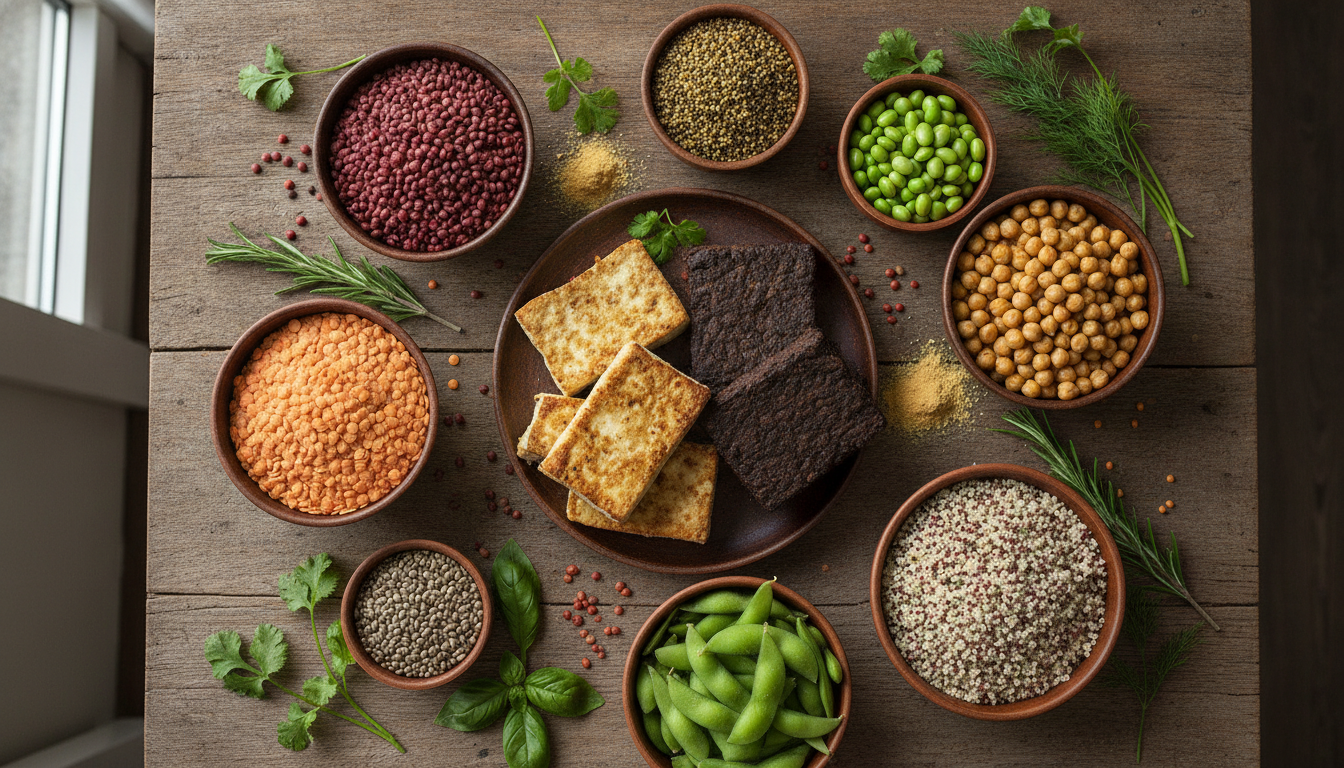
Building a high protein vegan diet becomes simple when you know which foods pack the most nutritional punch. These fifteen protein sources should become staples in your kitchen.

Legume-Based Protein Sources
Lentils: The Protein Powerhouse
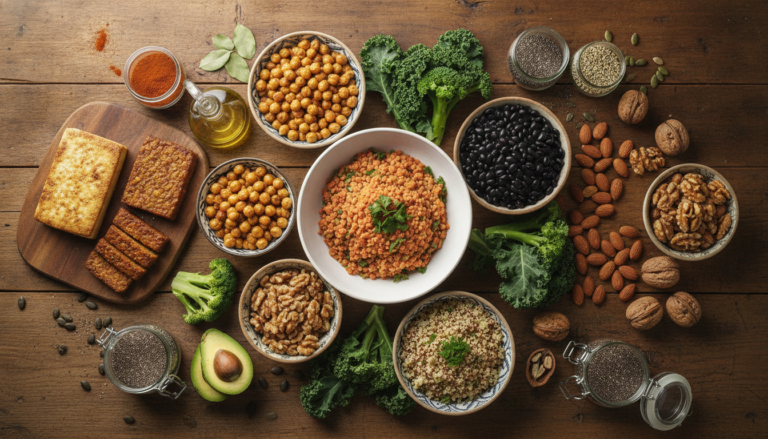
Lentils rank among the most versatile protein sources available. One cup of cooked lentils provides approximately 18 grams of protein per serving, making them an excellent choice for any meal.
Different varieties offer subtle flavor differences. Red lentils cook quickly and break down into creamy textures perfect for soups. Green and brown lentils hold their shape better, working well in salads and grain bowls.

Beyond protein, lentils deliver significant fiber, iron, and folate. This nutritional profile supports digestive health while keeping you satisfied for hours after eating.
Chickpeas: Versatile and Delicious
Chickpeas contain about 15 grams of protein per cup when cooked. Their mild, nutty flavor adapts to countless cuisines and cooking methods.
You can roast them for crunchy snacks, blend them into hummus, or add them whole to salads and curries. Each preparation method maintains the impressive protein content while offering different textures and taste experiences.

Black Beans and Kidney Beans
Both black beans and kidney beans deliver approximately 15 grams of protein per cup. Their hearty texture and rich flavors make them filling additions to numerous dishes.
Black beans work beautifully in Latin-inspired meals, from tacos to rice bowls. Kidney beans shine in chilis, stews, and curry dishes. Both varieties provide substantial protein alongside important minerals.
Want 50+ High-Protein Bean Recipes?
Download our comprehensive cookbook featuring creative ways to prepare lentils, chickpeas, and beans. Each recipe includes complete nutritional information and protein counts per serving.
Soy-Based Protein Sources
Tofu: The Adaptable Protein
Tofu stands as one of the most popular plant protein sources for good reason. A half-cup serving provides about 10 grams of protein. Its neutral flavor absorbs marinades and seasonings beautifully.
Different tofu textures serve different purposes. Silken tofu blends smoothly into sauces and desserts. Firm and extra-firm varieties hold their shape during cooking, perfect for stir-fries, grilling, and baking.

Press firm tofu before cooking to remove excess water. This simple step improves texture and helps it absorb more flavor from your seasonings and sauces.
Tempeh: Fermented Goodness
Tempeh contains about 15 grams of protein per serving. This fermented soy product offers a firmer texture and nuttier flavor than tofu.
The fermentation process makes tempeh easier to digest while adding beneficial probiotics. Its dense texture makes it excellent for crumbling into dishes or slicing for sandwiches and grain bowls.

Edamame: Simple and Satisfying
Young soybeans, known as edamame, provide about 17 grams of protein per cup. These bright green beans taste slightly sweet and buttery.
Edamame works perfectly as a quick snack when steamed and lightly salted. You can also shell the beans and add them to salads, rice dishes, or stir-fries for extra protein and color.
Grain-Based Protein Sources
Quinoa: The Ancient Superfood
Quinoa delivers 8 grams of protein per cup when cooked. Unlike most grains, quinoa contains all nine essential amino acids, making it a complete protein source.
This pseudo-grain cooks quickly and offers a slightly nutty flavor. Use it as a base for bowls, mix it into salads, or serve it as a side dish similar to rice.

Brown Rice and Wild Rice
Brown rice contains about 5 grams of protein per cup. While not as protein-dense as some other sources, it combines well with legumes to create complete amino acid profiles.
Wild rice offers slightly more protein at about 6.5 grams per cup. Its chewy texture and distinctive flavor add interest to grain bowls and salads.
Seed-Based Protein Sources
Hemp Seeds: Nutritional Gems
Just three tablespoons of hemp seeds provide 10 grams of protein. These small seeds pack impressive nutrition in a tiny package.
Hemp seeds taste slightly nutty and blend easily into smoothies, yogurt, or oatmeal. Sprinkle them on salads or blend them into dressings for extra protein without changing flavors significantly.

Chia Seeds: Small But Mighty
Two tablespoons of chia seeds contain about 4 grams of protein. These tiny seeds also provide omega-3 fatty acids and substantial fiber.
Chia seeds absorb liquid and form a gel-like texture. This property makes them perfect for puddings, smoothies, and as egg replacements in baking.
Pumpkin Seeds
One ounce of pumpkin seeds delivers 9 grams of protein. Their slightly sweet flavor and satisfying crunch make them excellent for snacking.
Toast pumpkin seeds lightly to enhance their flavor. Add them to trail mix, sprinkle them on soups, or blend them into pesto for a protein boost.

Plant-Based Protein Powder
Protein powder supplements offer a convenient way to increase your daily protein intake. Most varieties provide 15-25 grams of protein per serving.

Nutritional Yeast
This deactivated yeast adds cheesy, savory flavor while providing 8 grams of protein per two tablespoons. It also contains B vitamins.

Nut Butter
Peanut butter and almond butter each provide about 7-8 grams of protein per two tablespoons. These spreads add richness and protein to many dishes.
Other Notable Protein Sources
Seitan: Wheat Protein
Seitan contains an impressive 25 grams of protein per serving. Made from wheat gluten, it offers a meaty texture that many people find satisfying.
This protein source works well in stir-fries, sandwiches, and any dish where you want a substantial, chewy texture. Note that people with gluten sensitivities should avoid seitan.
Green Peas
One cup of green peas provides about 8 grams of protein. These common vegetables often get overlooked as a significant protein source.
Fresh or frozen peas add protein, color, and sweetness to pasta dishes, rice bowls, and curries. Their mild flavor makes them versatile additions to many meals.
Protein Content Comparison: Making Smart Choices
Understanding how different protein sources stack up helps you build meals that meet your nutrition goals. This comparison focuses on both protein per serving and additional nutritional benefits.
| Food Source | Serving Size | Grams Protein Per Serving | Calories | Additional Benefits |
| Lentils (cooked) | 1 cup | 18g | 230 | High fiber, iron, folate |
| Tofu (firm) | 1/2 cup | 10g | 94 | Calcium, iron, low calorie |
| Tempeh | 3 oz | 15g | 162 | Probiotics, calcium, iron |
| Chickpeas (cooked) | 1 cup | 15g | 269 | Fiber, folate, manganese |
| Quinoa (cooked) | 1 cup | 8g | 222 | Complete protein, magnesium |
| Edamame | 1 cup | 17g | 188 | Fiber, folate, vitamin K |
| Hemp Seeds | 3 tbsp | 10g | 166 | Omega-3, magnesium |
| Seitan | 3 oz | 25g | 120 | Low fat, high protein |
| Black Beans (cooked) | 1 cup | 15g | 227 | Fiber, folate, antioxidants |
| Peanut Butter | 2 tbsp | 8g | 188 | Healthy fats, vitamin E |

Choosing Based on Your Goals
Your specific needs determine which protein sources work best for you. Athletes building muscle might prioritize foods with higher grams protein per serving like seitan and tempeh. People managing weight might choose lower-calorie options like tofu.
Budget considerations also matter. Dried lentils and beans cost significantly less than specialty items like hemp seeds or protein powder. Both approaches can meet your protein needs effectively.
Calculate Your Personal Protein Needs
Access our comprehensive nutrition program with personalized protein calculators, meal plans tailored to your goals, and expert guidance for optimizing your plant-based diet.
30 Quick High Protein Vegan Meals You’ll Love
Building satisfying meals with adequate protein becomes easy once you know a few simple formulas. These meal ideas each provide at least 20 grams of protein per serving.

Breakfast Ideas for Strong Starts
Protein-Packed Smoothie Bowl
Blend frozen bananas with plant protein powder, hemp seeds, and plant milk. Top with granola, fresh berries, and a drizzle of almond butter for a breakfast containing 25 grams of protein.
The combination of powder and seeds provides extra protein while frozen fruit creates a thick, ice-cream-like texture. This meal prep takes less than five minutes.

Tofu Scramble with Vegetables
Crumble firm tofu into a hot pan with turmeric, nutritional yeast, and your favorite vegetables. This savory breakfast provides about 20 grams of protein per serving.
Season with black salt for an egg-like flavor. Add spinach, tomatoes, and mushrooms for extra nutrition and variety. Serve with whole grain toast for additional protein.
Overnight Oats with Multiple Protein Sources
Combine oats with chia seeds, hemp seeds, and plant protein powder. Let the mixture soak overnight in plant milk. This breakfast delivers 22 grams of protein.
Top with fresh fruit and a spoonful of peanut butter in the morning. The combination of different protein sources ensures you get varied amino acids.
Lunch Options That Keep You Full
Mediterranean Chickpea Salad Bowl
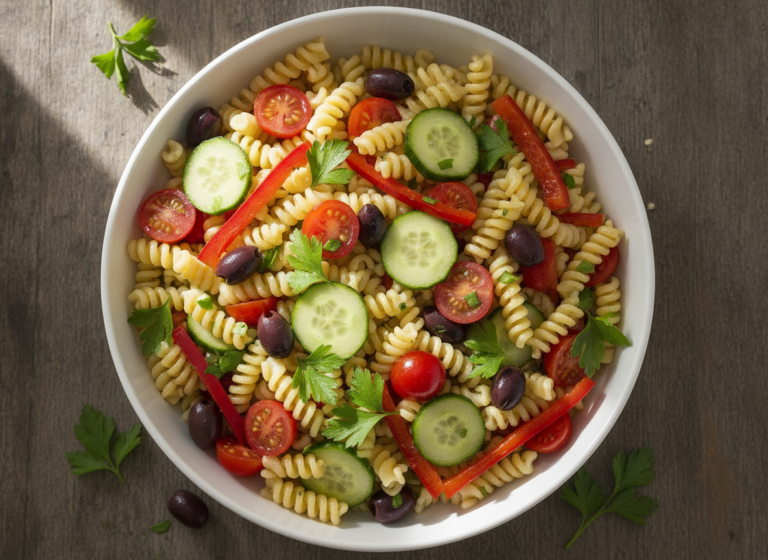
Toss chickpeas with cucumber, tomatoes, red onion, and olives. Dress with lemon juice and olive oil. Serve over quinoa for a meal providing 24 grams of protein.
This combination offers complete amino acids from both chickpeas and quinoa. The fresh vegetables add fiber and nutrients that enhance satiety.

Loaded Buddha Bowl
Layer brown rice with roasted vegetables, baked tempeh strips, and tahini dressing. Add a handful of hemp seeds for a 28-gram protein meal.
The variety of textures and flavors in bowls keeps meals interesting. Prep components ahead for quick assembly during busy weeks.
Lentil and Vegetable Soup
Simmer red lentils with carrots, celery, tomatoes, and spices. One generous bowl provides approximately 18 grams of protein.
Make large batches and freeze portions for convenient meals. Serve with whole grain bread and hummus to boost the protein content to 25 grams per serving.
Tempeh Caesar Wrap
Fill a whole wheat tortilla with marinated tempeh strips, romaine lettuce, and cashew-based Caesar dressing. This portable lunch contains 22 grams of protein.
The tempeh adds substantial protein while the cashew dressing contributes healthy fats and extra protein. Prepare the components ahead for easy assembly.
Three Bean Chili
Combine kidney beans, black beans, and pinto beans with tomatoes, peppers, and chili spices. One cup serving delivers 20 grams of protein.
Top with nutritional yeast for extra protein and a cheesy flavor. Serve over rice or quinoa to increase the protein per serving even further.


Hummus and Veggie Wrap
Spread generous hummus inside a whole wheat wrap. Add roasted vegetables, leafy greens, and sprouts. Contains 15 grams of protein.

Tofu Poke Bowl
Marinate cubed tofu in soy sauce and sesame oil. Serve over rice with edamame and fresh vegetables. Provides 26 grams of protein.

Southwest Quinoa Salad
Mix quinoa with black beans, corn, peppers, and avocado. Dress with lime and cilantro. Delivers 21 grams of protein per serving.
Dinner Recipes for Satisfying Evenings
Lentil Bolognese with Pasta
Simmer brown lentils with tomatoes, garlic, and Italian herbs. Serve over whole wheat pasta for a comforting meal with 25 grams of protein per serving.
The lentils create a hearty, meaty texture while the whole grain pasta adds additional protein. Top with nutritional yeast instead of cheese for extra protein and B vitamins.

Stir-Fried Tempeh with Vegetables
Cut tempeh into strips and stir-fry with broccoli, peppers, and snap peas. Serve over brown rice for a quick dinner containing 30 grams of protein.
Marinate tempeh briefly in soy sauce and ginger before cooking. This step enhances flavor and helps achieve a golden, crispy exterior.
Chickpea Curry with Spinach
Simmer chickpeas in coconut milk with curry spices, tomatoes, and fresh spinach. One generous serving provides 20 grams of protein.
Serve over rice or quinoa to boost protein content. The combination of chickpeas and grains creates complementary amino acids for better protein utilization.
Stuffed Bell Peppers
Fill bell pepper halves with a mixture of quinoa, black beans, corn, and spices. Bake until tender. Each stuffed pepper provides 18 grams of protein.
Top with cashew cream or guacamole before serving. Prepare extras and freeze them for convenient future meals.

Seitan Fajitas
Sauté sliced seitan with peppers and onions. Serve in warm tortillas with guacamole and salsa. Each fajita meal delivers 28 grams of protein.
The seitan provides substantial protein while the vegetables add fiber and nutrients. Use whole wheat tortillas for extra protein and fiber.
Thai Peanut Noodles with Edamame
Toss rice noodles with peanut sauce, shredded vegetables, and steamed edamame. This flavorful dish contains 24 grams of protein per serving.
The peanut butter in the sauce adds both protein and healthy fats. Top with crushed peanuts and hemp seeds for additional protein.
Lentil Shepherd’s Pie
Layer seasoned lentils and vegetables under creamy mashed potatoes. Bake until golden. One serving provides 22 grams of protein.
Add nutritional yeast to the mashed potatoes for extra protein and a cheesy flavor. This comfort food reheats beautifully for leftovers.

Black Bean Burgers
Form patties from mashed black beans, oats, and spices. Grill or pan-fry until crispy outside. One burger on a whole wheat bun provides 20 grams of protein.
Add avocado, lettuce, and tomato for extra nutrients. These burgers freeze well, making them perfect for meal prep.
Tofu Tikka Masala
Marinate cubed tofu in spices, then simmer in creamy tomato sauce. Serve over rice for a meal with 26 grams of protein.
Press the tofu well before marinating to improve texture. The coconut cream in the sauce adds richness while keeping the dish plant-based.
Never Run Out of High-Protein Meal Ideas
Get unlimited access to 200+ high-protein vegan recipes, weekly meal plans, shopping lists, and nutritional breakdowns. Every recipe includes complete protein calculations.
Snack Ideas for Extra Protein
Roasted Chickpeas
Toss chickpeas with olive oil and spices, then roast until crunchy. One cup provides 12 grams of protein in a portable snack.
Experiment with different seasonings like curry powder, smoked paprika, or cinnamon for variety. Store in airtight containers for up to a week.
Energy Balls
Blend dates with oats, peanut butter, and protein powder. Roll into balls for snacks containing 6 grams of protein each.
Add hemp seeds or chia seeds for extra protein. These no-bake treats keep well in the refrigerator for quick snacking.

Edamame with Sea Salt
Steam edamame pods and sprinkle with sea salt. One cup provides 17 grams of protein in this simple, satisfying snack.
Keep frozen edamame on hand for quick preparation. The pods make eating them a mindful activity that prevents overconsumption.
Peanut Butter Protein Smoothie
Blend banana, peanut butter, plant protein powder, and plant milk. This smoothie delivers 25 grams of protein.
Add a handful of spinach for extra nutrients without changing the flavor. The frozen banana creates a thick, shake-like consistency.
Trail Mix with Hemp Seeds
Combine nuts, seeds, dried fruit, and dark chocolate chips. Include hemp seeds for a mix providing 8 grams of protein per quarter cup.
Portion into small containers for grab-and-go snacking. The combination of protein and healthy fats keeps you satisfied between meals.
Smart Meal Planning for High Protein Vegan Success
Effective meal planning ensures you consistently meet your protein goals without stress or repetition. These strategies simplify the process while maintaining variety and nutrition.

The Building Block Approach
Think of meals in components: protein source, grain or starch, vegetables, and sauce or dressing. Prepare these elements separately, then mix and match throughout the week.
Cook a large batch of quinoa, roast several types of vegetables, prepare tofu and tempeh, and make two or three different sauces. This system creates numerous meal combinations from just a few base preparations.
Batch Cooking Protein Sources
Dedicate time once or twice weekly to prepare multiple protein sources. Cook dried lentils, press and marinate tofu, and bake seasoned tempeh all at once.
Store these protein sources in separate containers. They remain fresh for 4-5 days and form the foundation of quick meal assembly.
Prep Ingredients, Not Just Complete Meals
Rather than making entire meals in advance, prepare individual ingredients. Wash and chop vegetables, cook grains, and prepare sauces separately.
This flexibility prevents meal fatigue. You can create different combinations based on your daily preferences while ensuring adequate protein in each meal.
Weekly Protein Prep Checklist
- Cook 3-4 cups dried lentils or beans
- Press and season two blocks of tofu
- Prepare tempeh with marinade
- Cook 4-6 cups of quinoa or brown rice
- Roast 2-3 types of vegetables
- Make 2-3 different sauces or dressings
- Prepare overnight oats for breakfasts
- Portion snacks like energy balls or roasted chickpeas

Protein Distribution Throughout the Day
Spreading protein intake across meals supports better absorption and sustained energy. Aim for 20-30 grams of protein at each main meal rather than consuming most protein in one sitting.
This distribution pattern helps maintain stable blood sugar and reduces cravings. Your body also uses protein more efficiently when intake is balanced throughout the day.
Sample Daily Protein Distribution
Breakfast could provide 22-25 grams from a smoothie with protein powder and hemp seeds. Lunch might offer 24-28 grams from a chickpea and quinoa bowl. Dinner could deliver 25-30 grams from tempeh stir-fry with brown rice.
Snacks between meals add 10-15 grams from sources like edamame or energy balls. This pattern totals 80-100 grams daily, suitable for most active individuals.
Get Your Personalized Meal Planning System
Access customizable meal plans, automated shopping lists, batch cooking guides, and protein tracking tools designed specifically for high-protein vegan lifestyles.
Budget-Friendly Protein Planning
Meeting protein needs doesn’t require expensive specialty products. Dried lentils and beans cost pennies per serving while providing excellent protein.
Buy tofu in bulk when on sale and freeze extras. Purchase whole grains in larger quantities from bulk bins. These strategies make high protein vegan eating accessible on any budget.
Cost-Effective Protein Priorities
Focus your budget on dried legumes, tofu, and whole grains as primary protein sources. These staples provide the most protein per dollar spent.
Reserve more expensive items like hemp seeds or specialty protein powder for occasional use or when budget allows. You can meet all your protein needs with affordable basic ingredients.

Eating Out and Travel Strategies
Maintaining high protein intake becomes challenging when eating out or traveling. Learning menu navigation strategies helps you make protein-rich choices anywhere.
Most restaurants can modify dishes to increase protein. Request extra tofu in stir-fries, add beans to salads, or order hummus with vegetables as an appetizer.
Restaurant Order Modifications
Ask for double protein portions when ordering bowls or salads. Many restaurants charge minimal additional fees for extra beans, tofu, or tempeh.
Choose grain bases like quinoa or brown rice over plain lettuce. Request dressings and sauces made with nuts or seeds for extra protein.
Travel Protein Solutions
Pack portable protein sources like protein powder, hemp seeds, and nut butter when traveling. These items don’t require refrigeration and boost protein in any meal.
Research restaurants at your destination that offer plant-based options. Many chain restaurants now provide nutritional information online, helping you identify high-protein choices before arriving.
Common High Protein Vegan Myths Debunked
Misconceptions about plant protein persist despite scientific evidence. Understanding the facts helps you feel confident in your dietary choices.

Myth: Plant Proteins Are Incomplete
Many people believe plant protein sources lack essential amino acids. In reality, most plant foods contain all nine essential amino acids.
Some plant proteins may be lower in certain amino acids compared to others. However, eating a variety of plant protein sources throughout the day provides all amino acids in adequate amounts.
You don’t need to combine specific foods in every meal. Your body maintains an amino acid pool from all foods consumed throughout the day.
Myth: You Need Massive Quantities of Plant Food for Adequate Protein
Some claim vegans must eat enormous portions to meet protein needs. The truth shows otherwise when you choose protein-dense plant foods.
One cup of lentils provides the same protein as 3 ounces of chicken. A serving of tempeh matches the protein content of similar-sized meat portions. Strategic food choices make meeting protein goals straightforward.
“After switching to a high protein vegan diet, I realized I was actually eating more protein than before. The key was learning which plant foods pack the most nutritional punch.”
Myth: Plant Protein Doesn’t Support Muscle Building
Athletes and fitness enthusiasts sometimes worry plant protein won’t support muscle growth. Research demonstrates plant protein builds muscle just as effectively as animal protein when total intake meets requirements.
Numerous vegan bodybuilders and athletes prove plant protein supports peak performance and muscle development. The key factors are adequate total protein intake and consistent strength training.
Myth: Soy Protein Is Dangerous
Concerns about soy products persist despite extensive research showing safety. Moderate soy consumption provides health benefits without risks for most people.
Studies show soy products like tofu, tempeh, and edamame offer high-quality protein with positive health effects. The phytoestrogens in soy don’t negatively affect hormone levels in humans at normal consumption amounts.
Scientific Fact: Research published in peer-reviewed nutrition journals confirms that consuming 2-3 servings of soy products daily is safe and beneficial for the general population. Soy protein provides all essential amino acids and supports heart health.
Myth: Plant-Based Diets Can’t Provide Enough Protein for Active Lifestyles
Some believe active individuals and athletes require animal protein. Elite plant-based athletes consistently demonstrate otherwise.
Professional athletes in various sports thrive on high protein vegan diets. Their success comes from strategic food choices and adequate caloric intake, not from any specific protein source.
Maximizing Protein Absorption and Utilization
Consuming adequate protein matters, but optimizing how your body absorbs and uses that protein matters equally. These strategies enhance protein utilization.

Pairing Foods for Better Absorption
Certain nutrient combinations enhance protein absorption. Vitamin C consumed with plant protein sources improves iron absorption, which supports overall protein utilization.
Add tomatoes, peppers, or citrus fruits to meals containing lentils or beans. This simple pairing boosts the bioavailability of both protein and minerals.
Fermented Foods Advantage
Fermented protein sources like tempeh are easier to digest than their non-fermented counterparts. The fermentation process breaks down compounds that can interfere with nutrient absorption.
Include fermented foods regularly in your diet. Besides tempeh, consider adding sauerkraut, kimchi, or miso to meals for digestive support.
Timing Protein Intake Around Exercise
Consuming protein within two hours after strength training supports muscle recovery and growth. This timing helps your body repair and build muscle tissue most effectively.
A post-workout smoothie with protein powder and hemp seeds or a meal featuring tofu and quinoa provides the amino acids your muscles need for recovery.
Pre-Workout Protein Considerations
Eating protein 1-2 hours before exercise provides sustained energy. Choose easily digestible protein sources like protein powder in a smoothie or peanut butter on toast.
Avoid large protein-heavy meals immediately before intense workouts. These can cause digestive discomfort during exercise.
Supporting Digestive Health
Healthy digestion ensures you absorb maximum nutrition from protein sources. Include plenty of fiber from vegetables and whole grains to support digestive function.
Stay well hydrated throughout the day. Water helps your body break down and absorb nutrients from food, including protein.
Gradual Increases Prevent Discomfort
If you’re significantly increasing protein intake, do so gradually. This approach gives your digestive system time to adjust and prevents bloating or discomfort.
Add one new high-protein food per week rather than changing your entire diet overnight. Monitor how your body responds and adjust accordingly.

Stay Hydrated
Proper hydration supports protein digestion and nutrient absorption. Aim for 8-10 glasses of water daily, more if you’re active.

Include Fermented Foods
Fermented options like tempeh, miso, and sauerkraut support digestive health while providing quality protein and probiotics.

Smart Food Pairing
Combine vitamin C sources with plant proteins to enhance iron absorption and overall nutrient utilization from your meals.
Understanding Plant-Based Protein Supplements
While whole food sources should form the foundation of your protein intake, supplements offer convenience and can help you meet higher protein requirements.

Types of Plant Protein Powder
Several plant protein powder options exist, each with distinct characteristics. Understanding these differences helps you choose the best option for your needs.
Pea Protein Powder
Pea protein powder provides about 20-25 grams of protein per serving. It offers a neutral flavor that blends well into smoothies and baked goods.
This protein source is easily digestible and hypoallergenic, making it suitable for people with various food sensitivities. Pea protein contains substantial amounts of branched-chain amino acids that support muscle recovery.
Hemp Protein Powder
Hemp protein powder typically delivers 12-15 grams of protein per serving. While lower in protein concentration, it provides omega-3 fatty acids and fiber.
The earthy flavor works well in chocolate or berry smoothies. Hemp protein offers a complete amino acid profile with good digestibility.
Brown Rice Protein
Brown rice protein powder contains approximately 20-25 grams of protein per serving. It has a mild, slightly sweet taste that works in various recipes.
This option suits people avoiding soy or legumes. While naturally lower in lysine, combining it with other protein sources throughout the day provides complete nutrition.
Soy Protein Isolate
Soy protein isolate offers 25-30 grams of protein per serving, making it one of the most concentrated options. It provides all essential amino acids in optimal ratios.
Research supports soy protein’s effectiveness for muscle building and recovery. Choose non-GMO, organic options when possible.
Blended Plant Protein
Many products combine multiple plant proteins to create complete amino acid profiles with better taste. These blends often include pea, rice, and hemp proteins together.
Blended formulas typically provide 20-25 grams of protein per serving while offering varied nutrients from different plant sources.

Using Protein Powder Effectively
Add protein powder to smoothies for quick, protein-rich meals. Blend with frozen fruit, plant milk, and nut butter for balanced nutrition.
Mix protein powder into oatmeal or overnight oats for extra protein at breakfast. Stir it into pancake or muffin batter for protein-enhanced baked goods.
Create protein-rich energy balls by combining powder with dates, oats, and nut butter. These portable snacks provide convenient protein anywhere.
Choosing Quality Protein Supplements
Not all protein powders offer equal quality. Look for products with minimal ingredients and no artificial sweeteners or unnecessary additives.
Third-party testing certifications ensure products contain what labels claim without contaminants. Organizations like NSF International or Informed Choice provide these verifications.
Important: Protein supplements complement but shouldn’t replace whole food protein sources. Whole foods provide fiber, vitamins, minerals, and phytonutrients that supplements lack. Use powder as a convenient addition to a varied diet, not as your primary protein source.
Find the Perfect Protein Supplement for Your Needs
Access our comprehensive supplement guide comparing all plant-based protein powders, complete with taste tests, nutritional analysis, and usage recommendations for different goals.
High Protein Vegan Nutrition for Special Situations
Different life stages and activity levels create unique protein requirements. These situations need specific attention to ensure adequate intake.

Athletes and Active Individuals
Athletic performance demands higher protein intake, typically 1.4-2.0 grams per kilogram of body weight. This increased need supports muscle repair and adaptation to training.
Endurance athletes benefit from adequate protein to prevent muscle breakdown during long training sessions. Strength athletes need protein for muscle growth and recovery.
Timing for Athletic Performance
Distribute protein throughout the day with emphasis after training. Consume 20-30 grams of protein within two hours post-workout for optimal recovery.
Include protein at breakfast to support daytime muscle protein synthesis. Evening protein helps with overnight recovery and adaptation.
Pregnancy and Lactation
Pregnant individuals need approximately 1.1 grams of protein per kilogram body weight. Lactation increases this to about 1.3 grams per kilogram.
Focus on nutrient-dense protein sources that also provide iron, calcium, and folate. Lentils, tofu, tempeh, and fortified plant milks serve these multiple needs effectively.
Key Nutrients Alongside Protein
Ensure adequate vitamin B12 through fortified foods or supplements during pregnancy and lactation. Combine iron-rich lentils with vitamin C sources for better absorption.
Include omega-3 rich foods like hemp seeds and walnuts. These nutrients support fetal development and maternal health.

Older Adults
Adults over 65 may need 1.0-1.2 grams of protein per kilogram to prevent age-related muscle loss. This higher requirement supports muscle maintenance and overall health.
Choose easily digestible protein sources like tofu, tempeh, and well-cooked legumes. Protein powder in smoothies offers convenient nutrition for those with reduced appetite.
Supporting Muscle Preservation
Combine adequate protein with resistance exercise to maintain muscle mass. This combination proves more effective than diet alone.
Spread protein evenly across meals rather than concentrating it in one meal. This distribution better supports muscle protein synthesis in older adults.
Weight Management
Higher protein intake supports weight management by increasing satiety and preserving muscle during calorie reduction. Aim for the upper end of protein recommendations when reducing calories.
Choose protein sources that provide volume with fewer calories. Lentils, tofu, and vegetables offer filling meals that support sustainable calorie deficits.
Smart Shopping for High Protein Vegan Staples
Strategic grocery shopping ensures you always have protein-rich ingredients available. These tips help you shop efficiently while staying within budget.

Building Your Pantry Foundation
Stock your pantry with shelf-stable protein sources that form meal foundations. These items remain fresh for months and provide cooking flexibility.
- Dried lentils (red, green, brown varieties)
- Dried beans (black, kidney, chickpeas)
- Canned beans for quick meals
- Quinoa and other whole grains
- Brown rice and wild rice
- Hemp seeds and chia seeds
- Peanut butter and almond butter
- Nutritional yeast
Essential Pantry Proteins
- Firm and extra-firm tofu
- Tempeh (plain and flavored)
- Edamame (frozen)
- Plant-based milk (fortified)
- Pre-cooked lentils or beans
- Hummus
- Fresh vegetables for pairing
- Leafy greens for nutrients
Refrigerator Proteins
- Extra tofu blocks (frozen)
- Additional tempeh packages
- Frozen edamame
- Cooked bean portions
- Prepared veggie burgers
- Batch-cooked grain portions
- Homemade protein balls
- Pre-marinated tempeh
Freezer Proteins
Reading Labels for Protein Content
Check nutrition labels to compare protein per serving across products. Some brands fortify their products with extra protein worth noting.
Look at serving sizes carefully. A product might appear high in protein but require large portions to achieve the stated amount.
Avoiding Marketing Misleads
Products labeled “high protein” may not provide significantly more protein than standard versions. Compare actual protein grams per serving rather than relying on front-of-package claims.
Check ingredient lists for added sugars, unnecessary fillers, and artificial ingredients. Cleaner ingredient lists generally indicate higher quality products.

Budget-Friendly Shopping Strategies
Buy dried legumes in bulk rather than canned versions for significant savings. One pound of dried lentils costs less than a dollar yet provides numerous servings.
Purchase tofu from Asian grocery stores where prices often run lower than conventional supermarkets. Buy multiple packages and freeze extras.
Seasonal and Sale Shopping
Stock up on non-perishable protein sources during sales. Dried beans, lentils, and whole grains keep for years when stored properly.
Buy produce seasonally when prices drop and quality peaks. Pair seasonal vegetables with your protein staples for nutritious, affordable meals.
Money-Saving Tip: Store brands of dried legumes, grains, and canned beans offer identical nutrition to name brands at significantly lower prices. Save money without sacrificing quality by choosing store labels for these basic staples.
Meal Prep Shopping List Template
Create a standard shopping list template that includes your regular protein sources. This system prevents forgetting essentials and streamlines shopping trips.
Rotate through different protein sources weekly to maintain variety. One week might emphasize lentils and tempeh, the next might focus on chickpeas and tofu.
Never Miss a Protein-Rich Ingredient Again
Download our complete shopping guide with customizable lists, budget tracking tools, and store comparison sheets to maximize your protein shopping efficiency.
Avoiding Common High Protein Vegan Mistakes
Even with good intentions, certain mistakes can undermine your high protein vegan goals. Recognizing these pitfalls helps you avoid them.

Mistake 1: Relying Too Heavily on Processed Foods
While convenient, highly processed vegan products often contain less protein than whole food sources. They may also include excessive sodium, sugar, and additives.
Base your diet on whole food protein sources like lentils, tofu, and whole grains. Save processed alternatives for occasional convenience rather than daily staples.
Mistake 2: Not Tracking Protein Intake
Many people overestimate their protein consumption without tracking. Monitoring intake for even a few weeks provides valuable insight into actual consumption patterns.
Use a food tracking app temporarily to understand how much protein your typical meals provide. This awareness helps you adjust portions and choices appropriately.
Mistake 3: Ignoring Variety
Eating the same protein sources daily can lead to nutrient gaps and food boredom. Different plant proteins provide varied nutrients beyond just protein.
Rotate through different legumes, soy products, grains, and seeds throughout the week. This variety ensures comprehensive nutrition and keeps meals interesting.

Mistake 4: Inadequate Calorie Intake
Some plant foods require larger volumes to meet protein needs. If you’re not eating enough total food, you won’t get adequate protein regardless of food choices.
Ensure you consume enough calories to support your activity level. Include calorie-dense foods like nuts, seeds, and nut butter alongside protein sources.
Mistake 5: Neglecting Protein Timing
Eating all your protein in one or two meals prevents optimal absorption and utilization. Your body processes protein better when intake spreads throughout the day.
Include protein at every meal and snack. This distribution supports better muscle protein synthesis and sustained energy levels.
Effective Strategies
- Tracking intake initially to establish awareness
- Preparing multiple protein sources weekly
- Including protein at every meal
- Varying protein sources regularly
- Combining whole foods with convenience options
- Focusing on nutrient-dense choices
- Planning meals ahead
Common Pitfalls
- Relying heavily on processed foods
- Never tracking actual intake
- Eating protein only at dinner
- Consuming same foods daily
- Prioritizing convenience over nutrition
- Inadequate total calorie intake
- No meal planning or preparation
Mistake 6: Forgetting About Snacks
Skipping snacks means missing opportunities to add extra protein. Strategic snacking bridges gaps between meals and prevents excessive hunger.
Keep protein-rich snacks readily available. Roasted chickpeas, energy balls, or edamame provide convenient protein between meals.
Mistake 7: Underestimating Needs
Active individuals, athletes, and older adults often need more protein than they realize. Using general recommendations without considering your specific circumstances leads to inadequate intake.
Calculate your individual needs based on weight, activity level, and goals. Adjust intake accordingly rather than following generic advice.
Stop Guessing, Start Succeeding
Get personalized protein calculations, custom meal plans that match your needs, and expert coaching to avoid common mistakes while building your ideal high-protein vegan lifestyle.
Real Results: High Protein Vegan Transformations
Understanding how others successfully implement high protein vegan nutrition provides motivation and practical insights. These patterns emerge consistently among those who thrive.

Common Success Patterns
People who successfully maintain high protein vegan diets share certain habits. They plan meals ahead, keep their kitchens stocked with protein staples, and view eating as both nourishing and enjoyable.
Successful individuals typically spend time learning about nutrition initially, then implement systems that make healthy eating automatic rather than requiring constant decision-making.
Building Sustainable Habits
Start with small, manageable changes rather than overhauling everything at once. Add one new protein source per week. Gradually increase portions at meals where protein was previously insufficient.
Track progress through how you feel rather than obsessing over numbers. Better energy, improved recovery from exercise, and sustained fullness indicate successful protein intake.
Overcoming Initial Challenges
Most people experience adjustment periods when increasing protein intake. Digestive changes are common as your body adapts to different food volumes and types.
Start with easily digestible protein sources like tofu and lentils. Gradually introduce larger portions and additional variety as your system adjusts.
“I was skeptical about meeting my protein needs on a plant-based diet, especially as an athlete. Within three months of learning proper planning, my performance improved and I felt stronger than ever. The key was education and consistent implementation.”
Long-Term Maintenance Strategies
After establishing initial routines, maintaining high protein intake becomes second nature. Successful long-term adherence comes from finding foods you genuinely enjoy.
Continue exploring new recipes and protein sources to prevent monotony. Join online communities for inspiration and support from others on similar journeys.

Frequently Asked Questions About High Protein Vegan Nutrition
How much protein do I actually need per day?
Most adults need 0.8-1.0 grams of protein per kilogram of body weight daily for basic health. A 150-pound person requires approximately 55-68 grams daily. Active individuals and athletes need 1.2-2.0 grams per kilogram depending on training intensity. For a 150-pound active person, this translates to roughly 82-136 grams daily.
Can I build muscle on a high protein vegan diet?
Yes, absolutely. Research demonstrates that adequate plant protein supports muscle building equally to animal protein when total intake meets requirements. Focus on consuming 1.6-2.2 grams of protein per kilogram body weight, distribute intake throughout the day, and maintain consistent strength training. Many elite vegan athletes prove this approach works effectively for muscle development.
Do I need to combine specific proteins at each meal?
No, you don’t need to combine complementary proteins in single meals. Your body maintains an amino acid pool from all foods consumed throughout the day. Eating a variety of plant protein sources across your daily meals ensures you get all essential amino acids in adequate amounts. The concept of strict protein combining at each meal has been outdated by nutritional science.
Which plant foods have the most protein per serving?
Seitan leads with approximately 25 grams per 3-ounce serving. Lentils provide about 18 grams per cooked cup. Tempeh offers 15 grams per 3-ounce serving. Chickpeas and most beans deliver roughly 15 grams per cooked cup. Edamame provides 17 grams per cup. Tofu contains about 10 grams per half-cup serving. These protein-dense options should form the foundation of high protein vegan meals.
Is soy protein safe to eat daily?
Yes, consuming 2-3 servings of whole soy foods daily is safe for most people according to extensive research. Soy products like tofu, tempeh, and edamame provide complete protein with all essential amino acids. The phytoestrogens in soy don’t negatively affect hormone levels in humans at normal consumption amounts. Choose organic, non-GMO soy products when possible for highest quality.
Should I use protein powder or stick to whole foods?
Prioritize whole food protein sources as your foundation because they provide fiber, vitamins, minerals, and other beneficial compounds that supplements lack. Protein powder serves as a convenient supplement for busy schedules, post-workout nutrition, or when you struggle to meet requirements through food alone. Think of powder as an addition to a varied diet, not a replacement for whole protein sources.
How can I increase protein without eating huge portions?
Focus on protein-dense foods rather than volume. Choose seitan, tempeh, and edamame which pack substantial protein in smaller servings. Add hemp seeds or protein powder to smoothies and oatmeal for extra protein without increased volume. Include protein at every meal and snack rather than trying to get most from one or two large meals. Use nut butter as calorie-dense protein sources that don’t require large portions.
What if I’m having trouble digesting high-protein plant foods?
Start with easily digestible options like tofu, tempeh, and well-cooked lentils. Increase protein gradually to allow your digestive system time to adjust. Stay well hydrated throughout the day. Include fermented foods which support digestive health. Soak dried beans and lentils before cooking to improve digestibility. If problems persist, consult a healthcare provider or registered dietitian for personalized guidance.
How expensive is maintaining a high protein vegan diet?
A high protein vegan diet can be very affordable when based on dried legumes, beans, and whole grains. These staples cost significantly less per serving than most animal proteins. One pound of dried lentils provides multiple servings for under a dollar. Tofu bought from Asian markets costs less than processed meat alternatives. Focus your budget on these economical staples and reserve specialty items for occasional use.
Can children get enough protein on a vegan diet?
Yes, children can meet all protein needs through plant sources with proper planning. Growing children need approximately 1.0-1.5 grams of protein per kilogram body weight depending on age. Offer variety including lentils, beans, tofu, nut butter, and whole grains at meals and snacks. Work with a pediatric dietitian if you have concerns about meeting your child’s specific nutritional needs on a plant-based diet.
Your High Protein Vegan Journey Starts Now

Meeting your protein needs on a vegan diet becomes straightforward with the right knowledge and strategies. You’ve learned about diverse protein sources, effective meal planning, and practical implementation approaches.
Success comes from consistent application rather than perfection. Start by incorporating a few new protein sources this week. Build your skills gradually as you discover which foods and meal patterns work best for your lifestyle.
The variety available in plant protein sources means you’ll never lack options. From lentils and chickpeas to tofu and tempeh, each source offers unique flavors and textures that keep meals interesting.
Taking Your Next Steps
Choose three high protein vegan recipes from this guide to try this week. Stock your pantry with basic staples like dried lentils, canned beans, and quinoa. Pick up firm tofu and tempeh on your next grocery trip.
Track your protein intake for one week to understand your current baseline. This awareness helps you identify where adjustments might benefit your nutrition goals.
Remember that sustainable change happens gradually. Focus on progress rather than perfection as you build your high protein vegan lifestyle.
Transform Your Nutrition with Expert Guidance
Access our complete high-protein vegan system with 200+ recipes, personalized meal plans, shopping lists, protein tracking tools, and ongoing support. Everything you need to succeed in one comprehensive program.
Your body deserves nourishment that supports your health goals while aligning with your values. Plant-based protein provides exactly that combination when approached with knowledge and intention.
The tools, strategies, and information in this guide give you everything needed to thrive on a high protein vegan diet. Your success journey begins with the very next meal you prepare.
Start implementing these strategies today and experience the energy, satisfaction, and health benefits that adequate plant protein provides.
“`