Smoothies for Weight Losing with Protein: Complete 15 Recipes Guide to Delicious Fat-Burning Shakes

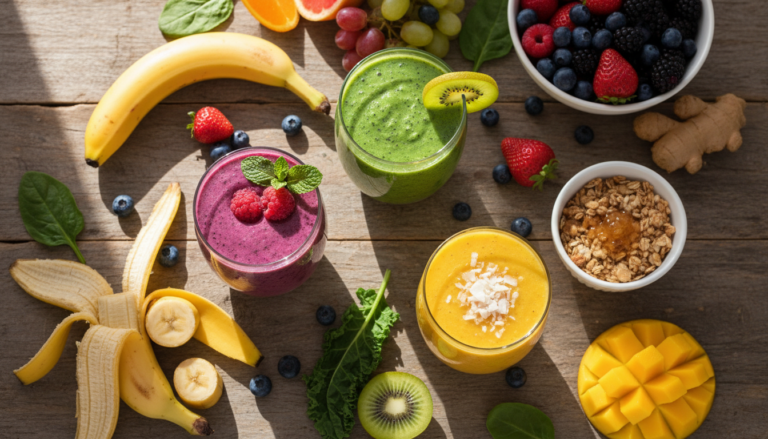
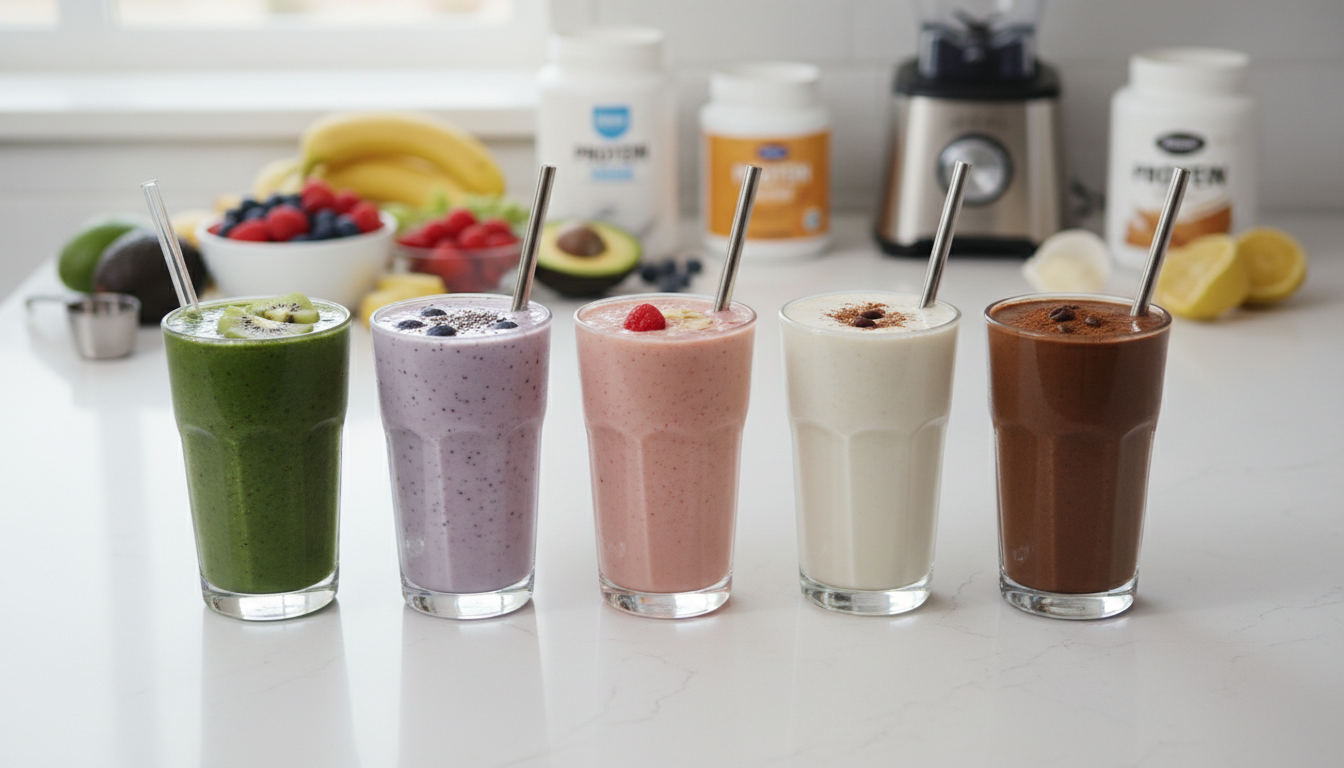
Losing weight doesn’t mean sacrificing flavor or satisfaction. Protein smoothies offer a perfect solution for anyone looking to shed pounds while enjoying delicious nutrition. These powerful beverages combine essential nutrients with convenience, making them ideal for busy mornings or post-workout recovery.
This Website contains affiliate links. That means I may earn a small commission if you purchase through my links, at no extra cost to you.
The right smoothie recipe transforms your weight loss journey. When you blend protein powder with whole food ingredients, you create a meal replacement that keeps hunger at bay for hours. This approach helps you avoid unhealthy snacking throughout the day.
Many people struggle with traditional diet plans because they feel deprived. Smoothies break this pattern by delivering satisfaction through creamy texture and natural sweetness. Plus, they pack more nutrition into one glass than most people consume in an entire meal.
Ready to Transform Your Body with Proven Methods?
Discover how thousands have achieved lasting weight loss with personalized smoothie plans and expert coaching. Get access to custom recipes designed for your specific goals.
Why Protein Powder Makes Smoothies Essential for Weight Loss

Protein serves as the foundation for successful weight loss. Your body burns more calories digesting protein compared to carbs or fats. This thermic effect of food means you naturally increase metabolism with every protein-rich smoothie you consume.
Research shows that high-protein diets help preserve muscle mass during weight loss. When you restrict calories without adequate protein intake, your body breaks down muscle tissue for energy. This slows your metabolism and makes long-term weight maintenance difficult.
How Protein Supports Fat Burning Throughout the Day
Each scoop of vanilla protein powder contains approximately twenty to thirty grams of pure nutrition. This amount triggers satiety hormones that signal fullness to your brain. The result is reduced cravings and better appetite control between meals.
Protein also stabilizes blood sugar levels. When you start your day with a protein shake instead of sugary cereal, you avoid the energy crash that leads to mid-morning snacking. This steady energy helps you stay focused and productive.
Benefits of Whey Protein
- Fast absorption for quick muscle recovery
- Complete amino acid profile
- Supports lean muscle growth
- Mixes easily with minimal texture
- Available in numerous flavor options
Benefits of Plant-Based Protein
- Suitable for dairy-free diets
- Rich in fiber for digestive health
- Lower environmental impact
- Hypoallergenic options available
- Provides additional phytonutrients
Choosing the Right Powder for Your Nutrition Goals

The market offers countless protein powder options, making selection overwhelming. Focus on products with minimal added sugar and artificial ingredients. Check the nutrition label for at least twenty grams of protein per serving.
Vanilla protein powder provides the most versatility for smoothie recipes. This neutral flavor complements both fruit-based and chocolate variations. You can also find unflavored options if you prefer complete control over taste.
Consider your dietary restrictions when shopping. Lactose-intolerant individuals should choose whey isolate or plant-based alternatives. Those following vegan lifestyles have excellent options from pea, rice, or hemp protein sources.
Essential Ingredients That Boost Weight Loss in Every Smoothie

Building the perfect weight loss smoothie requires understanding ingredient synergy. Each component should contribute to nutrition while supporting your fat-burning goals. The right combination creates a meal replacement that satisfies hunger for four to five hours.
The Role of Healthy Fats in Smoothie Nutrition
Healthy fats might seem counterintuitive for weight loss, but they play a crucial role. These nutrients slow digestion, extending the time you feel full after drinking your smoothie. They also help your body absorb fat-soluble vitamins from fruits and vegetables.
Common sources of healthy fats include avocado, coconut oil, and nut butters. One tablespoon of peanut butter adds approximately eight grams of fat plus additional protein. This creates a creamy texture while boosting the calorie content to meal-replacement levels.

Almond butter offers a slightly different nutrition profile with more vitamin E and magnesium. Both options work excellently in chocolate or vanilla-based smoothies. Start with one tablespoon and adjust based on your calorie needs and taste preferences.
Why Fiber Creates Long-Lasting Fullness
Fiber is the secret weapon for weight loss success. This nutrient absorbs water in your digestive system, creating physical fullness that reduces appetite. Most Americans consume less than half the recommended daily fiber intake.
Leafy greens like spinach provide fiber with minimal calories. Two cups of fresh spinach add only fourteen calories but deliver substantial nutrition. The mild flavor disappears completely when blended with fruit, making it perfect for green smoothies.
Chia Seeds

These tiny seeds pack eleven grams of fiber per ounce. They absorb liquid and create a gel-like consistency that improves smoothie texture while boosting nutrition.
- High in omega-3 fatty acids
- Provides sustained energy
- Supports digestive health
- Adds thickness without calories
Flax Seeds

Ground flax seeds offer similar benefits to chia with a nuttier flavor. Two tablespoons provide four grams of fiber plus lignans that may support hormone balance.
- Must be ground for absorption
- Rich in ALA omega-3s
- Contains beneficial lignans
- Adds subtle nutty taste
Berries

Frozen berries deliver fiber along with antioxidants and natural sweetness. One cup of mixed berries contains approximately eight grams of fiber with minimal sugar impact.
- Lower glycemic index than tropical fruits
- High antioxidant content
- Natural sweetness without added sugar
- Creates beautiful smoothie color
Best Liquid Bases for Lower Calorie Smoothies
Your choice of liquid base significantly impacts the final calorie count. Unsweetened almond milk contains only thirty to forty calories per cup compared to one hundred fifty calories in whole milk. This difference adds up quickly when making daily smoothies.
Coconut milk from a carton provides a middle option with approximately forty-five calories per cup. The subtle coconut flavor pairs excellently with tropical fruits and vanilla protein powder. Avoid canned coconut milk, which contains much higher fat and calorie levels.

Water works as a zero-calorie option for those watching every calorie. While it lacks the creaminess of milk alternatives, adding frozen banana or avocado compensates for texture. Some people prefer ice with a smaller amount of almond milk for ideal consistency.
15 Proven Protein Smoothie Recipes for Maximum Weight Loss
These carefully crafted recipes balance protein, healthy fats, and fiber for optimal nutrition. Each smoothie contains twenty-five to thirty-five grams of protein with controlled carbs and calories. Follow the measurements precisely for best results, then adjust to your taste preferences.
Want Personalized Recipes for Faster Results?
These recipes are just the beginning. Imagine having a complete meal plan tailored to your body type, metabolism, and taste preferences. Our proven system has helped over 50,000 people achieve their ideal weight.
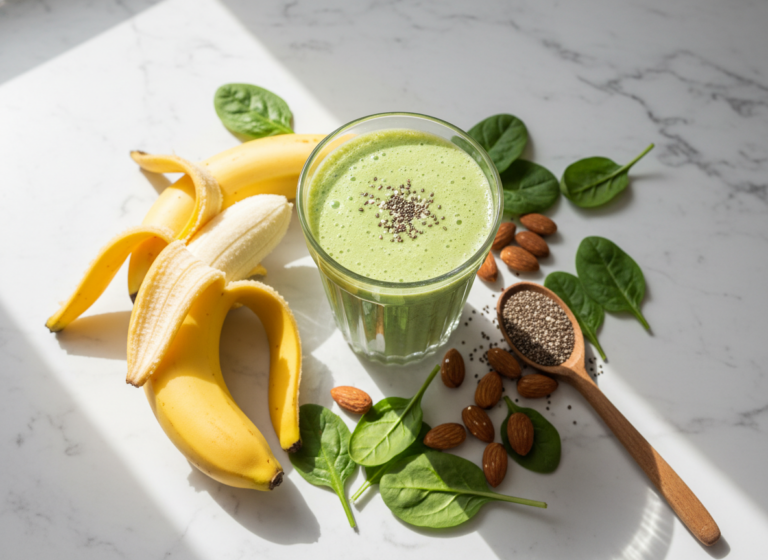
Green Goddess Protein Smoothie

This nutrient-dense recipe packs two servings of vegetables into one delicious shake. The combination of spinach and vanilla protein creates a surprisingly sweet flavor profile. Most people cannot detect the greens at all.
| Ingredient | Amount | Calories | Protein | Fiber |
| Vanilla protein powder | 1 scoop | 120 | 25g | 1g |
| Fresh spinach | 2 cups | 14 | 2g | 2g |
| Frozen banana | 1 medium | 105 | 1g | 3g |
| Almond butter | 1 tbsp | 98 | 3g | 2g |
| Unsweetened almond milk | 1 cup | 30 | 1g | 0g |
| Chia seeds | 1 tbsp | 60 | 2g | 5g |
Total nutrition per serving: 427 calories, 34 grams protein, 13 grams fiber. This combination keeps you satisfied for over four hours while supporting muscle maintenance during fat loss. The healthy fats from almond butter help absorb vitamins from the spinach.
Chocolate Peanut Butter Power Shake

Chocolate lovers rejoice with this dessert-like smoothie that delivers serious nutrition. The combination of chocolate protein powder and natural peanut butter creates a flavor reminiscent of candy, but with weight loss benefits. This recipe works excellently as a post-workout shake.
- 1 scoop chocolate protein powder (25g protein)
- 1 tablespoon natural peanut butter (8g protein, 4g fiber)
- 1 tablespoon cocoa powder (adds depth with minimal calories)
- 1 frozen banana (natural sweetness and potassium)
- 1 cup unsweetened almond milk (creamy base)
- 1/2 cup ice (perfect thickness)
- Optional: 1 teaspoon vanilla extract (enhances chocolate flavor)
This shake contains approximately 380 calories with 35 grams of protein. The cocoa powder adds antioxidants without sugar, making this recipe perfect for chocolate cravings. Many fitness enthusiasts drink this smoothie as a meal replacement before evening workouts.
Berry Blast Protein Smoothie

Berries provide the lowest sugar content among fruits while delivering maximum antioxidants. This recipe uses frozen mixed berries for convenience and cost savings. The result is a tart, refreshing smoothie that supports your health goals.
Combine one scoop vanilla protein with one and a half cups frozen mixed berries. Add one cup unsweetened coconut milk and one tablespoon ground flax seeds. Blend until smooth, adding water if needed for desired consistency. The final product contains 310 calories and 28 grams protein.
The fiber from berries and flax seeds totals nine grams per serving. This high fiber content slows sugar absorption and promotes digestive health. The recipe also provides omega-3 fatty acids from the flax, supporting heart health during your weight loss journey.
Tropical Paradise Protein Smoothie

Transport yourself to a beach vacation with this tropical blend. Frozen mango and pineapple create natural sweetness while providing vitamin C. The coconut milk base adds to the island vibe while keeping calories controlled.
Use one scoop vanilla protein powder as your base. Add half cup frozen mango chunks, half cup frozen pineapple chunks, and one cup light coconut milk from a carton. Include one tablespoon coconut oil for healthy fats that boost metabolism. Blend thoroughly until creamy.
This smoothie delivers 340 calories with 26 grams protein and six grams fiber. The medium-chain triglycerides in coconut oil provide quick energy that your body preferentially burns rather than stores as fat. Perfect for morning nutrition or post-workout recovery.
Vanilla Almond Dream Smoothie

Sometimes simplicity creates the most satisfying results. This vanilla-focused recipe lets the quality of your protein powder shine through. The almond components provide texture and nutrition without overwhelming the palate.
Blend one scoop vanilla protein powder with one cup unsweetened almond milk. Add one tablespoon almond butter, one frozen banana, and half teaspoon vanilla extract. Include five ice cubes for proper texture. The result is a creamy, satisfying shake with minimal ingredients.
Total nutrition includes 365 calories and 32 grams protein. The combination of different almond sources creates a complex flavor profile that tastes indulgent. This recipe works as a versatile base that accepts additional ingredients like cinnamon or nutmeg.
Pro Tip: Freeze ripe bananas when they start developing brown spots. This provides the perfect natural sweetness and creamy texture for smoothies. Simply peel, break into chunks, and store in freezer bags. Frozen bananas eliminate the need for ice while adding nutrition.
Cinnamon Roll Protein Shake

Recreate the taste of cinnamon rolls without the excess sugar and empty calories. This recipe uses warming spices to create familiar comfort food flavors. The result satisfies sweet tooth cravings while supporting your diet goals.
Start with one scoop vanilla protein powder and add one teaspoon ground cinnamon. Include one tablespoon cashew butter, one frozen banana, and one cup unsweetened almond milk. Add a pinch of nutmeg and quarter teaspoon vanilla extract. Blend until smooth and creamy.
This indulgent-tasting smoothie contains only 375 calories with 30 grams protein. The cinnamon helps regulate blood sugar levels, making this an excellent choice for managing afternoon energy dips. Many people find this recipe helps them avoid actual pastry cravings.
Mocha Protein Smoothie

Coffee lovers can combine their caffeine fix with protein nutrition. This recipe uses cold brew coffee as the liquid base, creating a energizing meal replacement. The chocolate protein complements the coffee flavor perfectly.
Combine one scoop chocolate protein powder with one cup cold brew coffee. Add one tablespoon almond butter, one frozen banana, and one tablespoon cocoa powder. Include four ice cubes for ideal temperature and texture. The caffeine provides energy while protein prevents the usual coffee crash.
Nutrition breakdown shows 355 calories and 33 grams protein per serving. The combination of caffeine and protein creates sustained energy for four to five hours. This makes an excellent pre-workout option or breakfast replacement for busy mornings.
Green Tea Matcha Protein Smoothie

Matcha green tea powder delivers antioxidants along with gentle caffeine. This smoothie provides sustained energy without jitters while supporting fat oxidation. The subtle earthy flavor pairs surprisingly well with vanilla protein.
Use one scoop vanilla protein powder as your foundation. Add one teaspoon matcha powder, one cup unsweetened almond milk, and half frozen banana. Include one tablespoon coconut oil and one tablespoon honey for natural sweetness. Blend thoroughly, as matcha can clump if not properly mixed.
This unique recipe contains 340 calories with 27 grams protein. The catechins in matcha support metabolism and fat burning. Research suggests matcha may increase calorie expenditure by up to four percent, making this an excellent addition to your weight loss toolkit.
Pumpkin Spice Protein Smoothie

Enjoy fall flavors year-round with this seasonal favorite. Pumpkin puree adds fiber and vitamins while keeping calories low. The warming spices create a comforting flavor that feels indulgent without derailing your diet.
Blend one scoop vanilla protein powder with half cup pure pumpkin puree. Add one cup unsweetened almond milk, one frozen banana, and one tablespoon almond butter. Season with one teaspoon pumpkin pie spice and quarter teaspoon vanilla extract. The result tastes like pumpkin pie in drinkable form.
Each serving provides 380 calories and 31 grams protein along with seven grams fiber. The beta-carotene in pumpkin supports immune function and skin health. This recipe proves that healthy eating never requires sacrificing flavor or satisfaction.
Strawberry Cheesecake Protein Shake

Satisfy dessert cravings with this protein-packed alternative to actual cheesecake. Greek yogurt provides extra protein while creating the tangy flavor of cream cheese. Fresh or frozen strawberries deliver nutrition and natural sweetness.
Start with one scoop vanilla protein powder and add quarter cup plain Greek yogurt. Include one cup frozen strawberries, one cup unsweetened almond milk, and one tablespoon almond butter. For authentic cheesecake flavor, add one tablespoon cream cheese. Blend until perfectly smooth.
This indulgent shake contains 395 calories with an impressive 38 grams protein. The combination of whey protein and Greek yogurt provides different protein digestion rates for extended amino acid delivery. Perfect for post-strength training nutrition.
Mint Chocolate Chip Protein Smoothie

Recreate the classic ice cream flavor in smoothie form. Fresh mint leaves provide authentic flavor without artificial ingredients. Dark chocolate chips add antioxidants and satisfy chocolate cravings with minimal sugar impact.
Combine one scoop vanilla protein powder with quarter cup fresh mint leaves. Add one cup unsweetened almond milk, one frozen banana, and one tablespoon cocoa powder. Include two tablespoons dark chocolate chips and blend most of the way, then pulse briefly to create chip texture. The result mimics mint chip ice cream.
Nutrition analysis shows 385 calories and 29 grams protein per smoothie. The fresh mint aids digestion while providing a cooling sensation. This recipe proves you can enjoy classic flavors while pursuing health and fitness goals.
Blueberry Muffin Protein Smoothie

Start your day with the taste of fresh-baked blueberry muffins minus the refined flour and excess sugar. This recipe uses oats for texture and sustained energy. The result is a filling breakfast that supports your weight loss efforts.
Blend one scoop vanilla protein powder with one cup frozen blueberries. Add quarter cup rolled oats, one cup unsweetened almond milk, and one tablespoon almond butter. Include half teaspoon vanilla extract and quarter teaspoon cinnamon. The oats create a thick, satisfying texture similar to actual muffin batter.
Each serving delivers 405 calories with 32 grams protein and eight grams fiber. The oats provide complex carbs for lasting energy, making this ideal before morning workouts. The antioxidants in blueberries support recovery and overall health.
Peach Cobbler Protein Shake

Capture summer flavors with this peach-based creation. Frozen peaches provide vitamin C and natural sweetness. The warming spices remind you of grandma’s cobbler without the butter and sugar overload.
Use one scoop vanilla protein powder as your base. Add one and a half cups frozen peach slices, one cup unsweetened almond milk, and one tablespoon cashew butter. Season with half teaspoon cinnamon and eighth teaspoon nutmeg. Blend until creamy and smooth.
This smoothie contains 360 calories and 30 grams protein with six grams fiber. Peaches provide pectin, a type of fiber that supports gut health and satiety. The recipe works equally well with fresh peaches during peak season.
Carrot Cake Protein Smoothie

Transform vegetables into dessert with this creative recipe. Carrots provide beta-carotene and natural sweetness. The spices create authentic carrot cake flavor that satisfies sweet cravings while delivering nutrition.
Blend one scoop vanilla protein powder with half cup shredded carrots. Add one frozen banana, one cup unsweetened almond milk, and one tablespoon almond butter. Season with one teaspoon cinnamon, quarter teaspoon ginger, and eighth teaspoon nutmeg. Add two tablespoons crushed walnuts for authentic cake texture.
Total nutrition includes 410 calories and 33 grams protein. The combination of vegetables, protein, and healthy fats creates a complete meal replacement. This recipe demonstrates how creative ingredients can make healthy eating enjoyable and sustainable.
Apple Pie Protein Smoothie

End this recipe collection with a celebration of classic American flavor. Apple pie in smoothie form delivers comfort food satisfaction without the guilt. This recipe uses real apples for authentic taste and added fiber.
Combine one scoop vanilla protein powder with one medium apple, cored and chopped. Add one frozen banana, one cup unsweetened almond milk, and one tablespoon almond butter. Season generously with cinnamon and add quarter teaspoon vanilla extract. For extra authenticity, include one tablespoon oats.
This final recipe provides 390 calories with 30 grams protein and nine grams fiber. The apple skins contain quercetin, an antioxidant that supports heart health. This smoothie proves that reaching your weight goals never requires giving up the flavors you love.
When and How Often to Drink Protein Smoothies for Best Results

Timing your smoothie consumption maximizes benefits for weight loss and muscle preservation. Strategic scheduling aligns nutrition with your body’s needs throughout the day. Understanding these patterns helps you optimize results from every shake you drink.
Morning Smoothies for Metabolism Activation
Starting your day with a protein smoothie jumpstarts your metabolism after the overnight fast. Your body has depleted glycogen stores and readily absorbs nutrients. A morning shake prevents muscle breakdown while providing energy for the day ahead.
Research shows that high-protein breakfasts reduce calorie intake throughout the rest of the day. The satiety from morning protein consumption decreases cravings and poor food choices. Many successful dieters credit breakfast smoothies as their most important weight loss tool.
Aim to consume your morning smoothie within one hour of waking. This timing optimizes the thermic effect of protein and establishes healthy eating patterns. Consider adding coffee or matcha to create an energizing breakfast that replaces your usual caffeine routine.
Post-Workout Nutrition Window

The period following exercise represents prime time for protein consumption. Your muscles actively seek amino acids for repair and growth. A post-workout smoothie delivers quick nutrition when your body can use it most effectively.
Consume your shake within thirty to sixty minutes after finishing your workout. This window maximizes muscle protein synthesis and glycogen replenishment. The liquid format allows faster digestion compared to solid food, speeding nutrients to muscles.
Choose recipes with additional carbs after intense workouts. The combination of protein and carbs creates an optimal recovery environment. Add extra banana or oats to standard recipes when training particularly hard.
Smoothies as Meal Replacements
Using smoothies to replace one or two meals per day creates consistent calorie control. This strategy works best when smoothies contain adequate protein, fiber, and healthy fats. Proper formulation prevents hunger between drinking times.
Most people find success replacing breakfast and lunch with smoothies while eating a whole-food dinner. This pattern simplifies nutrition decisions during busy daytime hours. The evening meal provides social connection and food variety.
Ensure meal replacement smoothies contain at least four hundred calories. Lower amounts leave you hungry and trigger compensatory overeating. Include all three macronutrients for complete nutrition and sustained satiety.
Best Times for Weight Loss
- Breakfast replacement (7-9 AM)
- Mid-morning snack (10-11 AM)
- Post-workout (within 60 minutes)
- Lunch replacement (12-1 PM)
- Afternoon snack (3-4 PM)
Frequency Guidelines
- Maximum two meal replacements daily
- One smoothie on rest days
- Two smoothies on training days
- Space smoothies 3-4 hours apart
- Always include one whole-food meal
Evening Smoothie Considerations
Late-night smoothies can support weight loss when formulated correctly. Choose recipes lower in carbs to avoid blood sugar spikes before bed. Focus on protein and healthy fats that digest slowly overnight.
Casein protein powder works better than whey for evening consumption. This slow-digesting protein prevents muscle breakdown during the long fast of sleep. Mix casein with almond butter and berries for an ideal bedtime shake.
Avoid smoothies within one hour of bedtime. The liquid volume may disrupt sleep with bathroom trips. Target three to four hours before sleep for optimal digestion and rest quality.
Common Mistakes That Sabotage Smoothie Weight Loss Results

Even with good intentions, people make smoothie errors that prevent weight loss. Understanding these pitfalls helps you avoid frustration and plateaus. Small adjustments to recipes and habits can dramatically improve your results.
Adding Too Much Fruit and Natural Sugars
Fruit provides vitamins and fiber, but excess amounts derail weight loss efforts. Many smoothie recipes contain three to four servings of fruit, creating sugar levels comparable to soda. This spikes blood sugar and triggers fat storage.
Limit fruit to one serving per smoothie for best results. Choose lower-sugar options like berries over tropical fruits. The natural sweetness from protein powder and small amounts of fruit satisfies taste buds without excess calories.
Dried fruit concentrates sugar even more than fresh varieties. Avoid dates, raisins, and dried mango in weight loss smoothies. These ingredients add calories quickly without providing the satiety of whole fresh fruit.
Using Juice Instead of Whole Ingredients

Fruit juice strips away fiber while concentrating sugar. One cup of orange juice contains the sugar of four oranges without any filling fiber. This creates the worst possible combination for weight management.
Always use whole fruits, vegetables, and appropriate liquid bases. The fiber in whole foods slows digestion and prevents blood sugar spikes. Your body processes a smoothie made with whole banana completely differently than one with banana juice.
Some store-bought smoothies use juice as a primary ingredient. Read labels carefully and choose options with whole food bases. Better yet, make smoothies at home where you control every ingredient.
Skipping Protein Powder Entirely
Fruit smoothies without protein serve as glorified desserts rather than weight loss tools. The lack of protein means rapid digestion and quick return of hunger. You end up consuming more calories throughout the day than if you had included protein.
Protein powder transforms a fruit shake into a legitimate meal replacement. The amino acids trigger satiety hormones and preserve muscle mass. Never skip this crucial ingredient if weight loss is your goal.
Some people worry about protein powder being unnatural or processed. Quality products contain minimal ingredients with proven safety records. The benefits for weight management far outweigh theoretical concerns about processing.
Not Measuring Ingredients Accurately

Eyeballing portions leads to calorie creep that prevents results. Two tablespoons of peanut butter can easily become four when not measured properly. This difference alone adds nearly two hundred calories to your smoothie.
Invest in measuring cups, spoons, and a food scale. Take thirty seconds to measure ingredients until you develop accurate portion awareness. This small habit change prevents hundreds of hidden daily calories.
Pay special attention to calorie-dense ingredients like nut butters, oils, and seeds. These healthy fats provide nutrition but require portion control. A kitchen scale gives the most accurate measurements for these items.
Drinking Smoothies Too Quickly
Gulping down a smoothie in two minutes bypasses your body’s fullness signals. Your brain needs approximately twenty minutes to register satiety. Fast consumption leads to feeling unsatisfied despite consuming adequate calories.
Sip your smoothie slowly over fifteen to twenty minutes. This allows satiety hormones to activate and prevents overeating at your next meal. Some people find using a spoon instead of a straw naturally slows consumption.
The act of chewing also triggers satiety mechanisms. Consider making smoothie bowls topped with nuts and seeds that require chewing. This simple change helps you feel more satisfied with the same calorie content.
Smoothie Success Strategies
- Measure all ingredients precisely
- Prioritize protein and fiber content
- Use whole fruits instead of juice
- Limit fruit to one serving maximum
- Drink slowly over 15-20 minutes
- Replace only 1-2 meals daily
- Include healthy fats for satiety
- Choose low-calorie liquid bases
Common Mistakes to Avoid
- Using fruit juice as liquid base
- Adding excessive dried fruits
- Skipping protein powder completely
- Estimating portions without measuring
- Drinking too quickly (under 5 minutes)
- Replacing all meals with smoothies
- Using full-fat dairy products
- Adding sweeteners like honey or agave
Relying Exclusively on Smoothies
While smoothies support weight loss, they should not replace all solid food indefinitely. Your body needs the mechanical digestion of chewing. Jaw muscles require use, and dental health depends on regular chewing activity.
Limit smoothie meal replacements to one or two per day maximum. Eat at least one meal of whole, solid foods. This pattern provides nutrition variety while maintaining normal digestive function.
Long-term smoothie-only diets can lead to nutritional deficiencies despite careful planning. Whole foods contain compounds and nutrients not yet identified by science. A varied diet including both smoothies and solid meals ensures comprehensive nutrition.
Advanced Tips to Maximize Fat Burning and Muscle Preservation

Taking your smoothie game to the next level requires understanding advanced nutrition strategies. These techniques optimize hormones, metabolism, and body composition. Small additions and timing changes create measurably better outcomes.
Adding Metabolism-Boosting Ingredients
Certain foods and supplements increase calorie expenditure through thermogenic effects. Cayenne pepper, ginger, and cinnamon all raise metabolic rate slightly when consumed regularly. These additions compound over weeks and months.
Green tea extract provides catechins that enhance fat oxidation during exercise. Add one teaspoon of matcha powder to your smoothies for this benefit. The caffeine content also supports energy levels and workout intensity.

Medium-chain triglycerides from coconut oil burn differently than other fats. Your body preferentially uses MCTs for immediate energy rather than storage. One tablespoon of coconut oil or MCT oil adds this benefit without significantly increasing total calories.
Strategic Supplement Additions
Certain supplements blend seamlessly into smoothies while providing additional benefits. Creatine monohydrate supports muscle preservation and workout performance. Five grams daily helps maintain strength during calorie restriction.
Collagen peptides support skin elasticity during weight loss. Rapid fat loss can leave loose skin, but collagen helps maintain firmness. Add one to two scoops of unflavored collagen to any smoothie recipe without altering taste.
Fiber supplements like psyllium husk increase satiety and support digestive health. Start with one teaspoon and increase gradually to avoid digestive discomfort. This addition can extend fullness from smoothies by an additional hour or more.
Carb Cycling with Smoothie Recipes

Advanced dieters cycle carbohydrate intake based on training schedule. High-carb smoothies on workout days fuel performance and recovery. Low-carb versions on rest days maximize fat burning. This strategy optimizes body composition changes.
Training day smoothies should include banana, oats, and berries for quality carbs. These fuel intense exercise and replenish glycogen stores. Aim for forty to sixty grams of carbs in your post-workout shake.
Rest day smoothies eliminate fruit and grains, focusing on protein and fats. These recipes might use avocado for creaminess instead of banana. The lower carb intake on inactive days enhances fat oxidation and insulin sensitivity.
Intermittent Fasting Integration
Many people combine smoothies with intermittent fasting protocols. The liquid nutrition breaks a fast gently without shocking your digestive system. Smoothies provide all essential nutrients while maintaining some fasting benefits.
Use smoothies as your first meal when breaking a sixteen-hour fast. The easily digestible format prevents the digestive discomfort some people experience with solid food after fasting. Protein and healthy fats maintain stable energy without blood sugar crashes.
Some practitioners drink smoothies during eating windows to maximize nutrient density. With limited time for consumption, smoothies pack nutrition efficiently. This approach works especially well for people who struggle to eat enough whole foods in shorter windows.
Take Your Results to the Next Level
These advanced strategies are just the beginning. Imagine having a complete system that adapts to your changing needs, metabolism, and goals. Our comprehensive program includes personalized meal timing, supplement protocols, and ongoing support from certified coaches.
Smart Shopping Guide for Smoothie Ingredients and Equipment

Building a smoothie routine requires having the right ingredients and tools on hand. Strategic shopping saves money while ensuring you always have what you need. Understanding storage and selection prevents waste and maintains ingredient quality.
Essential Blender Features for Perfect Texture
Not all blenders create equally smooth results. A quality blender makes the difference between enjoyable smoothies and chunky disappointments. Certain features prove essential for consistent performance.
Look for motors rated at least one thousand watts. This power handles frozen ingredients and tough greens like kale. Lower-powered blenders struggle with ice and frozen fruit, creating grainy textures.

Blade design matters as much as motor power. Multi-tiered blades create better vortex action for thorough blending. Stainless steel blades maintain sharpness longer than cheaper alternatives. Invest in quality here for years of reliable service.
Cost-Effective Ingredient Sourcing
Smoothie ingredients can strain your budget if purchased carelessly. Smart shopping strategies maintain quality while controlling costs. Several simple changes reduce expenses without sacrificing nutrition.
Buy frozen fruits and vegetables instead of fresh when possible. These products cost less and last months in your freezer. Nutritionally, frozen produce often surpasses fresh because it’s frozen at peak ripeness. You also eliminate waste from spoilage.
Purchase protein powder in larger containers rather than individual servings. The per-serving cost drops dramatically with bigger sizes. Many brands offer five-pound containers that last several months for frequent users.
Budget-Friendly Options

- Frozen mixed berries (bulk bags)
- Store-brand protein powder
- Regular bananas instead of organic
- Conventional spinach (pre-washed bags)
- Basic unsweetened almond milk
- Natural peanut butter (store brand)
Premium Upgrades

- Organic frozen fruits and vegetables
- Grass-fed whey protein isolate
- Organic bananas and produce
- Baby spinach or kale blends
- Specialty plant-based milks
- Artisan nut and seed butters
Storage Solutions

- Airtight containers for protein powder
- Freezer bags for pre-portioned fruit
- Mason jars for seeds and add-ins
- Vegetable crisper for fresh greens
- Refrigerator space for nut butters
- Dry storage for shelf-stable items
Meal Prep Strategies for Smoothie Success

Preparing smoothie components in advance eliminates morning decision fatigue. Spending one hour on meal prep creates a week of effortless nutrition. This strategy dramatically increases adherence to your health plan.
Create individual smoothie packs by combining dry ingredients in freezer bags. Include frozen fruit, greens, and dry add-ins like chia seeds. In the morning, simply dump one bag into your blender with liquid and protein powder.
Label each bag with the recipe name and required liquid amount. This prevents confusion during busy mornings. Some people also note the calorie and protein content for easy tracking.
Troubleshooting Common Smoothie Problems and Solutions

Even experienced smoothie makers encounter occasional issues. Understanding solutions to common problems ensures consistent results. These troubleshooting tips address the most frequent complaints and challenges.
Fixing Texture Problems
Watery smoothies result from too much liquid or insufficient frozen ingredients. Add liquid gradually during blending rather than all at once. You can always thin a thick smoothie, but fixing a watery one proves difficult.
Overly thick smoothies strain blender motors and become difficult to drink. This usually happens with too many frozen ingredients or insufficient liquid. Add water or almond milk one tablespoon at a time while blending until reaching desired consistency.
Grainy texture indicates inadequate blending time or underpowered equipment. Blend smoothies for at least sixty seconds after all ingredients appear combined. This extra time creates silky texture by thoroughly breaking down fiber.
Addressing Taste Issues

Green smoothies sometimes taste too vegetal despite using spinach. This happens when greens oxidize or when using mature leaves. Choose baby spinach for milder flavor, and add extra banana or vanilla extract to mask any remaining taste.
Overly sweet smoothies can trigger cravings and blood sugar issues. Reduce fruit by half and add more ice or greens for volume. Unsweetened cocoa powder also balances excessive sweetness while adding nutrition.
Bland smoothies lack depth and satisfaction. Add a pinch of salt to enhance other flavors. Vanilla extract, cinnamon, or other spices create complexity. These additions transform boring shakes into craveable nutrition.
Managing Digestive Discomfort
Some people experience bloating or gas from smoothies. This usually stems from rapid fiber increase or sensitivity to specific ingredients. Gradually increase fiber intake over several weeks to allow gut bacteria adaptation.
Sugar alcohols in some protein powders cause digestive distress in sensitive individuals. Check ingredient labels for xylitol, erythritol, or sorbitol. Switch to naturally sweetened or unsweetened varieties if these ingredients cause problems.
Dairy-based smoothies may trigger issues for lactose-intolerant individuals. Even protein powder can contain enough lactose to cause symptoms. Choose whey isolate with minimal lactose or switch to plant-based proteins entirely.
Why does my smoothie separate after sitting?
Separation occurs naturally as heavier ingredients settle. This is completely normal and doesn’t indicate a problem. Simply stir or shake before drinking. Adding ingredients like chia seeds or xanthan gum can minimize separation by creating more stable emulsions.
How long can I store prepared smoothies?
Fresh smoothies taste best consumed immediately but will keep refrigerated for up to twenty-four hours. Store in airtight containers to minimize oxidation. Some nutrient degradation occurs over time, particularly with vitamin C. Freezing pre-made smoothies extends storage to one month, though texture may change slightly upon thawing.
Can I make smoothies without a high-powered blender?
Standard blenders work for smoothies but require adjustments. Use fresh fruit instead of frozen, chop ingredients smaller, and add liquid first for better blending. Avoid tough greens like kale and stick with tender spinach. Accept slightly less smooth texture as a trade-off for using basic equipment.
Why am I still hungry after drinking a smoothie?
Hunger after smoothies usually indicates insufficient protein, fat, or fiber. Ensure your recipe contains at least twenty-five grams of protein and some healthy fats. Drink slowly over fifteen minutes to allow satiety signals to register. Consider adding more fiber through chia seeds or increasing vegetable content.
The Science Behind Protein, Metabolism, and Fat Loss

Understanding how protein affects your body helps optimize smoothie formulation. The science reveals why high-protein approaches succeed where other diets fail. This knowledge empowers you to make informed nutrition decisions.
Protein’s Role in Muscle Preservation During Weight Loss
Calorie restriction triggers metabolic adaptations that can sacrifice muscle tissue. Your body breaks down muscle for amino acids when dietary protein falls short. This muscle loss slows metabolism and makes weight maintenance increasingly difficult.
Research demonstrates that consuming one point six to two point two grams of protein per kilogram of body weight prevents this muscle loss. For a one hundred fifty-pound person, this translates to approximately one hundred ten to one hundred fifty grams daily.
Spreading protein intake across multiple meals optimizes muscle protein synthesis. Each serving of twenty-five to thirty-five grams maximally stimulates this process. Smoothies provide convenient vehicles for hitting these targets throughout the day.
The Thermic Effect of Protein

Your body burns calories digesting and processing food. This thermic effect varies dramatically between macronutrients. Protein requires twenty to thirty percent of its calories for digestion, compared to five to ten percent for carbs and zero to three percent for fats.
This means that one hundred calories of protein only yields seventy to eighty net calories after accounting for digestion. Contrast this with one hundred calories of fat, which provides ninety-seven to one hundred net calories. Over time, this difference significantly impacts total calorie balance.
The thermic effect of protein also increases metabolism for several hours after consumption. This prolonged calorie burn compounds over weeks and months. High-protein smoothies literally help you burn more calories while sitting still.
How Protein Regulates Appetite Hormones
Protein consumption triggers release of satiety hormones including peptide YY and GLP-1. These signals travel to your brain and reduce hunger perception. The effect begins within thirty minutes of protein consumption and can last several hours.
Simultaneously, protein suppresses ghrelin, the hormone responsible for hunger signals. This dual action explains why high-protein meals create such pronounced fullness. The hormonal response to protein surpasses that of carbs or fats.
Studies show that increasing protein intake from fifteen to thirty percent of calories reduces spontaneous calorie consumption by up to four hundred forty calories daily. People simply feel less hungry and eat less without conscious restriction.
Research Insight: A landmark study published in the American Journal of Clinical Nutrition found that participants consuming high-protein breakfasts experienced fifty percent greater satiety and consumed significantly fewer calories throughout the day compared to those eating high-carbohydrate breakfasts with equal calories.
Integrating Smoothies Into a Comprehensive Weight Loss Lifestyle

Smoothies represent one component of successful weight management. Integrating them into a broader healthy lifestyle creates sustainable results. This holistic approach addresses all factors influencing body composition and health.
Combining Smoothies with Exercise Programs
Physical activity amplifies the benefits of proper nutrition. Resistance training preserves muscle mass during calorie restriction. Cardiovascular exercise increases calorie expenditure and improves cardiovascular health. Together with high-protein smoothies, exercise optimizes body composition changes.
Time your smoothie consumption around workouts for maximum benefit. Pre-workout smoothies provide energy without digestive discomfort. Post-workout versions deliver nutrients when muscles actively seek replenishment. This strategic timing enhances both performance and recovery.

Many successful dieters adopt a workout split that aligns with their smoothie routine. They might drink higher-carb smoothies on training days and lower-carb versions on rest days. This synchronization of nutrition and exercise maximizes fat loss while preserving performance.
Sleep and Stress Management for Optimal Results
Sleep quality dramatically affects weight loss success. Inadequate rest disrupts hunger hormones and increases cravings for high-calorie foods. Most people need seven to nine hours of quality sleep nightly for optimal hormone function.
Chronic stress elevates cortisol levels, which promotes fat storage, particularly around the abdomen. Stress also triggers emotional eating and poor food choices. Managing stress through meditation, exercise, or other techniques supports your weight loss efforts.
Evening smoothies can support sleep quality when formulated correctly. Tryptophan-rich ingredients like cherry juice or banana may improve sleep onset. Avoid caffeine-containing smoothies within six hours of bedtime to prevent sleep disruption.
Tracking Progress Beyond the Scale

Scale weight tells an incomplete story about body composition changes. Muscle weighs more than fat by volume, meaning you can look leaner while weighing the same. Multiple measurement methods provide a more complete picture of progress.
Take body measurements at consistent locations including waist, hips, chest, and thighs. These measurements often change even when scale weight plateaus. Progress photos taken monthly reveal changes invisible in daily mirror checks.
How your clothes fit provides practical feedback about body composition. Loosening waistbands and easier movement indicate progress regardless of scale numbers. Energy levels, workout performance, and mood also reflect improving health.
Ready for a Complete Transformation System?
You’ve learned the fundamentals of protein smoothies for weight loss. Now imagine combining this knowledge with personalized coaching, custom meal plans, workout programs, and ongoing support. Our comprehensive system addresses every aspect of sustainable weight loss, not just nutrition. Join thousands who have transformed their bodies and lives.
Creating Long-Term Smoothie Habits for Lasting Weight Management

Short-term diets fail because they rely on unsustainable restrictions. Creating habits you can maintain indefinitely produces lasting results. Smoothies support long-term success when integrated thoughtfully into your lifestyle.
Building Sustainable Smoothie Routines
Consistency matters more than perfection for long-term success. Establish a smoothie routine that fits naturally into your schedule. Most people succeed by claiming specific times for smoothie consumption, making it automatic rather than decision-based.
Start with one smoothie daily rather than attempting immediate dramatic changes. Allow this habit to solidify over several weeks before adding complexity. Gradual implementation creates sustainable patterns rather than overwhelming temporary changes.
Prepare for obstacles and setbacks without self-judgment. Travel, busy periods, and life events will occasionally disrupt your routine. The key is returning to your healthy patterns quickly rather than using disruptions as excuses to quit entirely.
Maintaining Variety to Prevent Boredom

Drinking identical smoothies every day leads to flavor fatigue and eventual abandonment. Rotate through different recipes to maintain interest and nutritional diversity. Create a weekly rotation that provides variety while remaining simple to execute.
Seasonal ingredient changes naturally introduce variety throughout the year. Summer might emphasize berries and stone fruits, while fall brings pumpkin and apple flavors. This seasonal approach keeps smoothies interesting while supporting local agriculture.
Experiment with new ingredients and flavor combinations periodically. Trying one new recipe monthly expands your repertoire without overwhelming your routine. Document successful experiments to build your personal recipe collection.
Transitioning from Weight Loss to Maintenance
Eventually, you will reach your goal weight and shift from losing to maintaining. This transition requires adjusting smoothie formulations to match your new calorie needs. Simply add slightly more healthy fats or include additional fruit servings.
Many people continue drinking one smoothie daily during maintenance for convenience and nutrition insurance. Others reduce to several smoothies weekly while increasing whole food meals. Find the balance that supports your lifestyle and preferences.
Maintenance requires the same mindful approach as active weight loss. Continue tracking your nutrition periodically to ensure you maintain appropriate calorie balance. The habits you built during weight loss transfer directly to long-term weight management.
Weight Loss Phase Approach
- Replace 1-2 meals daily with smoothies
- Maintain calorie deficit of 500-750 daily
- Prioritize protein at 30-35% of calories
- Limit added fats and high-calorie ingredients
- Focus on lower-sugar fruits
- Track intake carefully
- Combine with regular exercise
Maintenance Phase Approach
- Continue 1 smoothie daily for convenience
- Match calorie intake to expenditure
- Maintain protein at 25-30% of calories
- Allow more flexibility with ingredients
- Include wider variety of fruits
- Monitor weight weekly, not daily
- Sustain active lifestyle habits
Your Journey to Weight Loss Success Starts Today

Protein smoothies offer a powerful tool for achieving and maintaining your ideal weight. The recipes, strategies, and knowledge shared throughout this guide provide everything needed to start your transformation. Success requires action, not just information.
Begin tomorrow morning with one of the simple recipes provided. Notice how sustained energy replaces your usual mid-morning crash. Pay attention to reduced hunger and fewer cravings throughout the day. These immediate benefits motivate continued commitment.
Remember that lasting change happens gradually through consistent small actions. You do not need perfection, just persistence. Every smoothie you drink instead of a poor breakfast choice moves you closer to your goals. Trust the process and give these strategies time to work.
The science supports high-protein nutrition for weight management. Your commitment determines whether you join the countless success stories. Take control of your health today by implementing what you have learned. Your future self will thank you for starting now.
Limited Time: Get Your Personalized Weight Loss Blueprint
You now understand the power of protein smoothies for weight loss. But imagine having a complete system designed specifically for your body, preferences, and lifestyle. Our proven program includes custom meal plans, recipe databases, professional coaching, and accountability support. Join our community of over 50,000 successful members who have transformed their lives. Special pricing available for new members this month only.
Weight loss does not have to mean deprivation or suffering. These smoothie recipes prove that nutrition can be both delicious and effective. The combination of convenience, taste, and results makes this approach sustainable for the long term.
Start your smoothie routine with confidence knowing you have science-backed recipes and expert guidance. Each blend you create brings you closer to the healthy, energetic body you deserve. Make today the day your transformation begins.