Healthy Smoothie Recipes: Transform Your Nutrition in Minutes

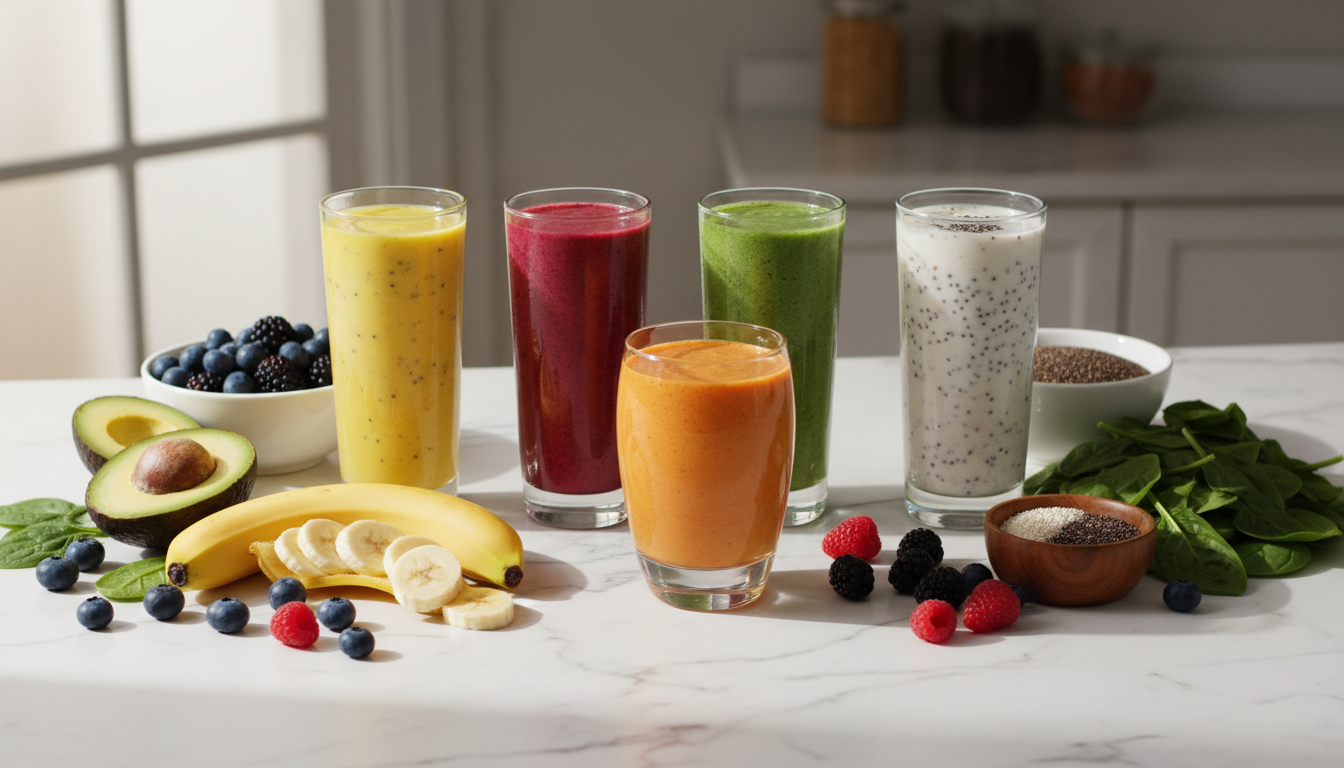
Starting your day with a nutrient-packed smoothie can revolutionize your health routine. These blended beverages deliver vitamins, minerals, fiber, and protein in one convenient glass.
This Website contains affiliate links. That means I may earn a small commission if you purchase through my links, at no extra cost to you.
Whether you need a quick healthy breakfast, a post-workout snack, or a meal replacement, smoothies offer endless possibilities. The right recipe can help you meet your nutrition goals while satisfying your taste buds.
This comprehensive guide presents over 35 smoothie recipes healthy enough for daily consumption. Each recipe includes detailed nutritional information, preparation tips, and ingredient substitutions.
Why Healthy Smoothies Should Be Part of Your Daily Routine

Smoothies provide a convenient way to consume multiple servings of fruit and vegetables in one sitting. Most people struggle to meet their daily fiber requirements, but a well-crafted smoothie can deliver 8-12 grams of fiber per serving.
The blending process breaks down cell walls in produce, making nutrients more bioavailable. Your body can absorb vitamins and minerals more efficiently from blended ingredients compared to whole foods.
Research shows that people who consume smoothies regularly tend to have higher intakes of essential nutrients. These beverages help bridge nutritional gaps in modern diets.
Nutritional Benefits
- Increased daily fiber intake from fruits and vegetables
- Higher protein consumption when adding greek yogurt or protein powder
- Better vitamin absorption through blending process
- Improved hydration from liquid base ingredients
- Enhanced antioxidant intake from berries and greens
Lifestyle Advantages
- Preparation time under 5 minutes for most recipes
- Portable meal option for busy mornings
- Customizable to dietary restrictions and preferences
- Cost-effective compared to restaurant smoothies
- Easy way to use up produce before it spoils

Essential Ingredients for Smoothie Recipes Healthy and Delicious
Building a nutritious smoothie requires understanding ingredient categories. Each component serves a specific purpose in creating balanced nutrition and appealing texture.
Liquid Base Options

Your liquid base determines the consistency and nutritional profile of your smoothie. Almond milk provides a creamy texture with minimal calories, while coconut milk adds healthy fats and tropical flavor.
Orange juice contributes natural sweetness and vitamin C, though it increases sugar content. Regular dairy milk offers calcium and protein, making it ideal for post-workout recovery smoothies.
Dairy Options
- Whole milk for creamy texture
- Greek yogurt for protein boost
- Kefir for probiotic benefits
Plant-Based Choices
- Almond milk for low calories
- Coconut milk for healthy fats
- Oat milk for fiber content
Juice Bases
- Orange juice for vitamin C
- Apple juice for natural sweetness
- Green tea for antioxidants
Protein Sources That Power Your Smoothie

Protein transforms your smoothie from a simple snack into a satisfying meal. Greek yogurt delivers 15-20 grams of protein per cup while creating a thick, creamy texture.
Hemp seeds provide 10 grams of protein per three tablespoons plus omega-3 fatty acids. Chia seeds offer 4 grams of protein along with significant fiber content.
Adding protein powder can boost your smoothie to 25-30 grams of protein, making it suitable as a meal replacement. Choose unflavored varieties to maintain control over sweetness levels.
- Greek yogurt: 15-20 grams protein per cup, creamy texture
- Hemp seeds: 10 grams protein per 3 tablespoons, nutty flavor
- Chia seeds: 4 grams protein, 11 grams fiber per ounce
- Protein powder: 20-25 grams protein per scoop, various flavors
- Nut butter: 8 grams protein per 2 tablespoons, healthy fats
- Silken tofu: 10 grams protein per half cup, neutral taste
Fruits and Vegetables for Nutrition and Flavor

Frozen fruit provides convenience and creates a thick, cold texture without ice cubes. Frozen blueberries deliver antioxidants while maintaining affordability compared to fresh options.
Banana serves as the foundation for most smoothie recipes, providing natural sweetness and creamy consistency. One medium banana contains 3 grams of fiber and essential potassium.
Leafy greens like spinach blend seamlessly into smoothies without overpowering fruit flavors. Two cups of fresh spinach add negligible calories while boosting vitamin K and iron content.
High-Fiber Fruits
These fruits provide substantial fiber to support digestive health and sustained energy.
- Banana: 3g fiber, creamy texture
- Berries: 8g fiber per cup
- Pear: 6g fiber with skin
- Apple: 4g fiber, natural sweetness
Antioxidant-Rich Options
These ingredients combat oxidative stress and support cellular health.
- Frozen blueberries: High in anthocyanins
- Acai berry: Maximum ORAC value
- Pomegranate: Anti-inflammatory compounds
- Dark cherries: Melatonin for sleep
Green Vegetables
Leafy greens add nutrients without significantly altering flavor profiles.
- Spinach: Iron and vitamin K
- Kale: Calcium and vitamin C
- Swiss chard: Magnesium content
- Cucumber: Hydration and freshness
Tropical Varieties
Tropical fruits bring exotic flavors and unique nutritional benefits.
- Mango: Vitamin A and fiber
- Pineapple: Bromelain enzyme
- Papaya: Digestive enzymes
- Coconut: Healthy medium-chain fats
Superfoods and Nutritional Boosters

Chia seeds absorb liquid and create a gel-like consistency while providing omega-3 fatty acids. Two tablespoons deliver 11 grams of fiber and 4 grams of protein.
Hemp seeds offer a complete protein profile with all nine essential amino acids. They blend smoothly without affecting texture, making them ideal for any smoothie recipe.
Flaxseed must be ground to release its nutritional benefits. One tablespoon of ground flaxseed provides 2 grams of fiber and lignans that support hormonal balance.
Classic Smoothie Recipes for Every Day

These foundational recipes form the building blocks of smoothie mastery. Each one has been tested for optimal nutrition and flavor balance.
Classic Berry Blast Smoothie
This antioxidant-rich smoothie combines frozen berries with protein for a balanced meal. The recipe delivers approximately 8 grams of fiber and 15 grams of protein.
Ingredients
- 1 cup frozen mixed berries (strawberries, blueberries, raspberries)
- 1 medium banana
- 1 cup almond milk
- 1/2 cup greek yogurt
- 1 tablespoon chia seeds
- 1 teaspoon honey or maple syrup (optional)
- 4-5 ice cubes
Instructions: Combine all ingredients in a blender. Blend on high for 60 seconds until completely smooth. Add more almond milk if needed to reach desired consistency. Serve immediately for best texture and nutrition.
Nutrition per serving: 285 calories, 15g protein, 48g carbohydrates, 8g fiber, 6g fat

Tropical Green Power Smoothie
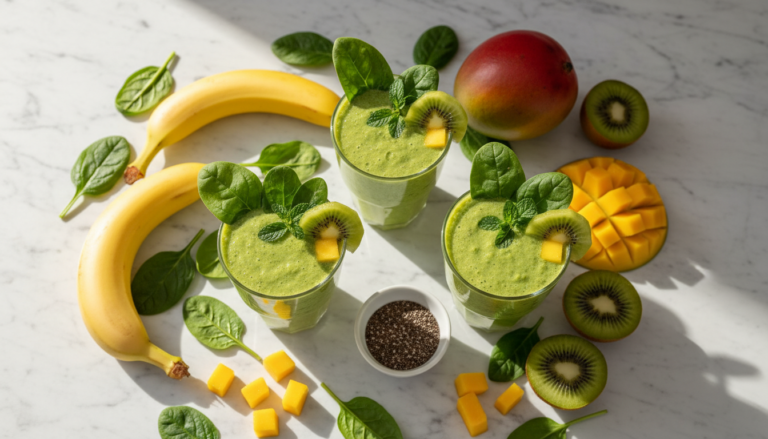
This green smoothie masks vegetable flavors with sweet tropical fruit. Spinach provides iron while pineapple adds digestive enzymes.
Ingredients
- 2 cups fresh spinach leaves
- 1 cup frozen pineapple chunks
- 1 medium banana
- 1 cup coconut milk
- 1 tablespoon hemp seeds
- 1/2 avocado for creaminess
- Juice of 1/2 lime
Instructions: Add spinach and coconut milk to blender first. Blend until greens are completely broken down. Add remaining ingredients and blend for 45 seconds until silky smooth. The avocado creates a luxurious creamy texture.
Nutrition per serving: 320 calories, 6g protein, 42g carbohydrates, 9g fiber, 16g fat
Chocolate Peanut Butter Protein Smoothie

This dessert-like smoothie provides 25 grams of protein while satisfying chocolate cravings. Natural peanut butter contributes healthy fats and additional protein.
Ingredients
- 1 medium banana (frozen works best)
- 2 tablespoons natural peanut butter
- 1 scoop chocolate protein powder
- 1 cup almond milk
- 1 tablespoon cacao powder
- 1 tablespoon chia seeds
- 1/2 cup ice cubes
Instructions: Place all ingredients in blender starting with liquid base. Blend on high for 45-60 seconds. The frozen banana eliminates need for excessive ice while creating thick, milkshake-like consistency. Add more almond milk for thinner texture.
Nutrition per serving: 380 calories, 25g protein, 38g carbohydrates, 10g fiber, 16g fat

Perfect Strawberry Banana Smoothie
This timeless combination appeals to all age groups. The recipe balances natural fruit sugars with protein and healthy fats.
Ingredients
- 1 cup frozen strawberries
- 1 medium ripe banana
- 1 cup milk (dairy or plant-based)
- 1/2 cup greek yogurt
- 1 tablespoon almond butter
- 1 teaspoon vanilla extract
- 4 ice cubes
Instructions: Combine all ingredients in blender. Process on high speed for 60 seconds until no fruit chunks remain. The almond butter adds richness and helps stabilize blood sugar response. Serve in a chilled glass for best experience.
Nutrition per serving: 295 calories, 16g protein, 42g carbohydrates, 6g fiber, 8g fat
Advanced Smoothie Recipes for Specific Goals

These targeted recipes address specific nutritional objectives. Each smoothie has been formulated to support particular health outcomes.
High-Protein Post-Workout Recovery Smoothie
This muscle-building smoothie delivers 30 grams of protein for optimal recovery. The combination of fast and slow-digesting proteins supports sustained muscle synthesis.

Ingredients
- 1 scoop vanilla protein powder (20-25 grams protein)
- 1 cup greek yogurt (15 grams protein)
- 1 medium banana
- 1 cup almond milk
- 2 tablespoons hemp seeds
- 1 tablespoon almond butter
- 1/2 cup frozen blueberries
- 1/2 cup ice cubes
Instructions: Blend liquid and powder first to prevent clumping. Add remaining ingredients and process for 45 seconds. This smoothie provides 30 grams of protein from multiple sources for optimal amino acid profile. Consume within 30 minutes of workout.
Nutrition per serving: 485 calories, 30g protein, 52g carbohydrates, 9g fiber, 15g fat
Detox Green Cleanse Smoothie

This nutrient-dense green smoothie supports natural detoxification pathways. Ingredients like cucumber and lemon promote hydration while leafy greens provide chlorophyll.
Ingredients
- 2 cups kale leaves (stems removed)
- 1 cup cucumber chunks
- 1 green apple, cored
- 1/2 lemon, juiced
- 1-inch piece fresh ginger
- 1 cup coconut water
- 1 tablespoon chia seeds
- 1/2 avocado
- 6 ice cubes
Instructions: Add kale and coconut water first, blending until smooth. This ensures no leafy chunks remain. Add other ingredients and blend for 60 seconds. The ginger provides anti-inflammatory compounds while cucumber increases hydration.
Nutrition per serving: 245 calories, 6g protein, 38g carbohydrates, 12g fiber, 10g fat
Energy-Boosting Coffee Smoothie

This innovative recipe combines cold brew coffee with nutritious smoothie ingredients. The result provides sustained energy without the typical coffee crash.
Ingredients
- 1 cup cold brew coffee
- 1 frozen banana
- 1 scoop vanilla protein powder
- 1 tablespoon almond butter
- 2 dates, pitted
- 1 tablespoon cacao powder
- 1/2 cup almond milk
- 1 cup ice cubes
Instructions: Blend all ingredients on high speed for 60 seconds. The dates provide natural sweetness while the banana creates creamy texture. This smoothie delivers caffeine plus 20 grams of protein for sustained morning energy.
Nutrition per serving: 340 calories, 20g protein, 48g carbohydrates, 8g fiber, 9g fat
Ready to Master Smoothie Creation?
While these recipes provide an excellent foundation, you might be looking for a more comprehensive approach to smoothie nutrition. Having access to hundreds of tested recipes, detailed nutrition guides, and meal planning tools can transform your health journey. A complete smoothie blueprint helps you create the perfect blend for any goal, whether it’s weight loss, muscle gain, or sustained energy throughout your day.
Immunity-Boosting Citrus Berry Smoothie

This vitamin C-rich smoothie supports immune function with multiple antioxidant sources. Each serving provides over 200% of daily vitamin C requirements.
Ingredients
- 1 cup frozen strawberries
- 1/2 cup frozen mango chunks
- 1 orange, peeled and segmented
- 1/2 cup orange juice
- 1/2 cup greek yogurt
- 1 tablespoon honey
- 1 teaspoon turmeric powder
- Pinch of black pepper (enhances turmeric absorption)
- 4 ice cubes
Instructions: Blend all ingredients until completely smooth, approximately 45 seconds. The black pepper increases curcumin absorption from turmeric by up to 2000%. Orange juice provides additional vitamin C while greek yogurt adds probiotics for gut health.
Nutrition per serving: 265 calories, 12g protein, 54g carbohydrates, 7g fiber, 2g fat
Low-Sugar Green Goddess Smoothie

This recipe minimizes fruit content while maximizing vegetable nutrition. Perfect for those monitoring blood sugar or following low-carb diets.
Ingredients
- 2 cups spinach leaves
- 1 cup cucumber, chopped
- 1/2 avocado
- 1 stalk celery
- 1/4 cup fresh parsley
- Juice of 1 lemon
- 1 cup unsweetened almond milk
- 1 scoop unflavored protein powder
- 1 tablespoon hemp seeds
- 6 ice cubes
- Stevia to taste (optional)
Instructions: Begin by blending spinach, parsley, and almond milk until smooth. Add remaining ingredients and process for 60 seconds. This smoothie contains only 8 grams of natural sugar while providing 22 grams of protein and substantial fiber.
Nutrition per serving: 285 calories, 22g protein, 18g carbohydrates, 11g fiber, 16g fat, 8g sugar
Anti-Inflammatory Golden Milk Smoothie

This smoothie incorporates traditional golden milk ingredients with modern smoothie nutrition. Turmeric and ginger provide powerful anti-inflammatory compounds.
Ingredients
- 1 cup coconut milk
- 1 frozen banana
- 1 teaspoon turmeric powder
- 1/2 teaspoon ground ginger
- 1/4 teaspoon cinnamon
- Pinch of black pepper
- 1 tablespoon almond butter
- 1 tablespoon maple syrup
- 1/2 cup greek yogurt
- 4 ice cubes
Instructions: Combine all ingredients in blender and process for 45 seconds. The healthy fats from coconut milk and almond butter enhance absorption of fat-soluble curcumin. This smoothie soothes inflammation while providing sustained energy.
Nutrition per serving: 385 calories, 12g protein, 42g carbohydrates, 6g fiber, 20g fat
Smoothie Bowl Recipes for Instagram-Worthy Meals

A smoothie bowl transforms your beverage into an eating experience. These recipes use less liquid to create a thick, spoonable consistency perfect for toppings.
Acai Berry Superfood Bowl
This antioxidant powerhouse delivers the classic smoothie bowl experience. Acai berries rank highest on the ORAC antioxidant scale among common fruits.

Bowl Base Ingredients
- 2 packets frozen acai puree (200g)
- 1 frozen banana
- 1/2 cup frozen blueberries
- 1/4 cup almond milk (minimal liquid for thick consistency)
- 1 tablespoon almond butter
Recommended Toppings
- 1/4 cup granola for crunch
- 2 tablespoons coconut flakes
- Fresh berries (strawberries, blueberries)
- Sliced banana
- 1 tablespoon chia seeds
- Drizzle of honey or maple syrup
- Fresh mint leaves
Instructions: Break frozen acai packets into chunks. Blend with banana, blueberries, and minimal almond milk until thick and creamy. Use a tamper or stop to scrape sides frequently. The consistency should be thick enough to hold toppings. Pour into bowl and arrange toppings in sections for visual appeal.
Nutrition per serving (with toppings): 425 calories, 9g protein, 68g carbohydrates, 14g fiber, 16g fat
Green Protein Smoothie Bowl

This nutrient-dense bowl provides 18 grams of protein while maintaining a beautiful green color. The combination of spinach and avocado creates an ultra-creamy base.
Bowl Base Ingredients
- 2 cups frozen spinach
- 1 frozen banana
- 1/2 avocado
- 1 scoop vanilla protein powder
- 1/4 cup greek yogurt
- 3 tablespoons almond milk
- 1 tablespoon hemp seeds
Recommended Toppings
- Sliced kiwi for vitamin C
- Pumpkin seeds for zinc
- Hemp seeds for omega-3s
- Sliced almonds for crunch
- Fresh berries
- Unsweetened coconut flakes
Instructions: Blend frozen spinach with almond milk first until completely smooth. Add remaining base ingredients and blend until thick and creamy. The mixture should be difficult to blend, indicating proper consistency. Scoop into bowl and arrange toppings attractively.
Nutrition per serving (with toppings): 465 calories, 28g protein, 48g carbohydrates, 14g fiber, 20g fat
Chocolate Peanut Butter Smoothie Bowl

This dessert-like smoothie bowl satisfies chocolate cravings while providing balanced nutrition. The recipe delivers 22 grams of protein without protein powder.
Bowl Base Ingredients
- 2 frozen bananas
- 2 tablespoons cacao powder
- 3 tablespoons peanut butter
- 1/2 cup greek yogurt
- 2 tablespoons almond milk
- 1 tablespoon chia seeds
- Pinch of sea salt
Recommended Toppings
- Sliced banana
- Cacao nibs for antioxidants
- Chopped peanuts
- Dark chocolate shavings
- Drizzle of peanut butter
- Hemp seeds
Instructions: Blend frozen bananas with cacao and minimal almond milk until smooth. Add peanut butter, greek yogurt, chia seeds, and salt. Blend until thick and creamy, scraping sides as needed. The texture should resemble soft-serve ice cream. Transfer to bowl and add toppings immediately.
Nutrition per serving (with toppings): 515 calories, 22g protein, 62g carbohydrates, 13g fiber, 24g fat
Tropical Mango Coconut Bowl

This tropical creation brings vacation vibes to your breakfast routine. Mango provides vitamin A while coconut adds medium-chain triglycerides for sustained energy.
Bowl Base Ingredients
- 2 cups frozen mango chunks
- 1 frozen banana
- 1/4 cup coconut milk (full-fat for creaminess)
- 1/4 cup greek yogurt
- 1 tablespoon lime juice
- 1 tablespoon chia seeds
Recommended Toppings
- Fresh mango cubes
- Toasted coconut flakes
- Fresh pineapple chunks
- Passion fruit pulp
- Macadamia nuts, chopped
- Fresh mint leaves
- Drizzle of honey
Instructions: Blend frozen mango and banana with minimal coconut milk until thick and smooth. Add greek yogurt, lime juice, and chia seeds, blending briefly to combine. The mixture should be very thick, almost difficult to blend. Scoop into bowl and arrange tropical toppings for visual impact.
Nutrition per serving (with toppings): 445 calories, 11g protein, 72g carbohydrates, 12g fiber, 16g fat
Specialty Smoothies for Unique Dietary Needs

These recipes accommodate specific dietary restrictions and health conditions. Each smoothie has been carefully formulated to meet particular nutritional requirements.
Keto-Friendly Low-Carb Smoothie

This smoothie maintains ketogenic macronutrient ratios with high fat, moderate protein, and minimal carbohydrates. The recipe provides only 9 grams of net carbs.
Ingredients
- 1 cup unsweetened almond milk
- 1/2 avocado
- 2 tablespoons almond butter
- 1 scoop vanilla protein powder (low-carb variety)
- 1 cup spinach
- 1 tablespoon MCT oil or coconut oil
- 1 tablespoon chia seeds
- 1/4 cup frozen blueberries (optional, adds 4g carbs)
- Stevia or monk fruit sweetener to taste
- 1 cup ice cubes
Instructions: Blend spinach and almond milk first until smooth. Add remaining ingredients and blend for 45 seconds. The high fat content from avocado and almond butter creates exceptional creaminess while keeping blood sugar stable. MCT oil provides quick energy without breaking ketosis.
Nutrition per serving: 475 calories, 25g protein, 18g carbohydrates, 9g fiber, 36g fat, 9g net carbs
Vegan Protein Power Smoothie

This completely plant-based recipe delivers 22 grams of protein without any animal products. Multiple protein sources ensure a complete amino acid profile.
Ingredients
- 1 cup unsweetened oat milk
- 1 scoop vegan protein powder (pea or hemp-based)
- 2 tablespoons hemp seeds
- 2 tablespoons almond butter
- 1 frozen banana
- 1 tablespoon ground flaxseed
- 2 dates, pitted
- 1 tablespoon cacao powder
- 1/2 teaspoon cinnamon
- 1 cup ice cubes
Instructions: Combine all ingredients in blender, starting with oat milk and protein powder. Blend on high for 60 seconds until completely smooth. The dates provide natural sweetness and additional fiber while hemp seeds offer omega-3 fatty acids.
Nutrition per serving: 485 calories, 22g protein, 58g carbohydrates, 12g fiber, 20g fat
Diabetic-Friendly Blood Sugar Balancing Smoothie

This recipe minimizes blood sugar spikes through careful ingredient selection. The combination of protein, fiber, and healthy fats slows glucose absorption.
Ingredients
- 1 cup unsweetened almond milk
- 1/2 cup greek yogurt
- 1/2 cup frozen berries (lowest glycemic fruit)
- 2 cups spinach
- 1/4 avocado
- 2 tablespoons almond butter
- 1 tablespoon chia seeds
- 1 tablespoon ground flaxseed
- 1 teaspoon cinnamon (helps regulate blood sugar)
- 1 scoop unflavored protein powder
- 6 ice cubes
Instructions: Blend all ingredients until smooth, approximately 60 seconds. The high fiber content (14g) and protein (26g) create a low glycemic response. Cinnamon has been shown to improve insulin sensitivity. This smoothie provides sustained energy without blood sugar crashes.
Nutrition per serving: 425 calories, 26g protein, 32g carbohydrates, 14g fiber, 24g fat, Estimated GI: 25-30 (low)
Pregnancy Nutrition Smoothie

This smoothie addresses specific nutritional needs during pregnancy. The recipe provides folate, calcium, iron, and omega-3 fatty acids essential for fetal development.
Ingredients
- 1 cup whole milk (for calcium)
- 1/2 cup greek yogurt (additional calcium and protein)
- 1 cup frozen strawberries (vitamin C and folate)
- 1 cup fresh spinach (iron and folate)
- 1 orange, peeled (vitamin C aids iron absorption)
- 1 tablespoon almond butter (healthy fats)
- 2 tablespoons ground flaxseed (omega-3 DHA)
- 1 tablespoon chia seeds (calcium and fiber)
- 4 ice cubes
Instructions: Blend spinach and milk first until smooth. Add remaining ingredients and process for 45 seconds. This smoothie provides approximately 400mg calcium, significant folate, and iron with vitamin C for enhanced absorption. The omega-3s support brain development.
Nutrition per serving: 395 calories, 18g protein, 52g carbohydrates, 11g fiber, 14g fat
Key nutrients: Calcium 400mg, Folate 120mcg, Iron 4mg, Omega-3 2g
Transform Your Health with Science-Backed Nutrition
These specialty recipes represent just the beginning of targeted nutrition through smoothies. If you’re serious about optimizing your health, having access to a comprehensive nutrition system makes all the difference. Imagine having personalized smoothie plans for weight loss, muscle building, disease prevention, and optimal energy. A complete nutrition program provides meal plans, shopping lists, and expert guidance to help you achieve lasting results.
Seasonal Smoothie Recipes Throughout the Year

Adapting your smoothie recipes to seasonal produce ensures peak flavor and nutrition. Fresh, in-season ingredients contain higher nutrient levels and superior taste.
Spring Renewal Green Smoothie

This recipe celebrates spring produce with fresh herbs and early berries. Mint and basil add refreshing flavor while providing antioxidants.
Ingredients
- 2 cups baby spinach
- 1 cup fresh strawberries
- 1/4 cup fresh mint leaves
- 1/4 cup fresh basil leaves
- 1 medium banana
- 1 cup coconut water
- 1/2 cup greek yogurt
- 1 tablespoon chia seeds
- Juice of 1/2 lemon
- 6 ice cubes
Instructions: Blend leafy greens and herbs with coconut water first to ensure smooth consistency. Add remaining ingredients and blend for 45 seconds. Fresh herbs provide a sophisticated flavor profile perfect for spring mornings.
Nutrition per serving: 245 calories, 12g protein, 42g carbohydrates, 9g fiber, 4g fat
Summer Berry Blast Smoothie

Peak summer berries create this antioxidant-rich smoothie. The combination of multiple berry varieties maximizes phytonutrient diversity.
Ingredients
- 1/2 cup fresh strawberries
- 1/2 cup fresh blueberries
- 1/2 cup fresh raspberries
- 1/2 cup fresh blackberries
- 1 cup watermelon chunks
- 1/2 cup greek yogurt
- 1/2 cup almond milk
- 1 tablespoon honey
- 1 tablespoon hemp seeds
- 8 ice cubes
Instructions: Combine all berries with almond milk and blend until smooth. Add remaining ingredients and process for 60 seconds. The watermelon adds hydration and natural sweetness while keeping calories moderate. This smoothie provides exceptional antioxidant protection.
Nutrition per serving: 285 calories, 14g protein, 48g carbohydrates, 11g fiber, 6g fat
Autumn Spice Pumpkin Smoothie

This smoothie captures autumn flavors with pumpkin and warming spices. Pumpkin provides beta-carotene while spices offer anti-inflammatory benefits.
Ingredients
- 1/2 cup pumpkin puree (not pumpkin pie filling)
- 1 frozen banana
- 1 cup almond milk
- 1/2 cup greek yogurt
- 1 tablespoon almond butter
- 1 tablespoon maple syrup
- 1 teaspoon pumpkin pie spice
- 1/2 teaspoon vanilla extract
- 1 tablespoon chia seeds
- 4 ice cubes
Instructions: Blend all ingredients until creamy and smooth, approximately 60 seconds. The pumpkin puree creates exceptional thickness and creaminess. This smoothie tastes like pumpkin pie while providing 12 grams of fiber and substantial vitamin A.
Nutrition per serving: 365 calories, 15g protein, 52g carbohydrates, 12g fiber, 12g fat
Winter Citrus Immunity Smoothie

Peak citrus season provides maximum vitamin C for immune support during winter months. Ginger adds warming properties and anti-inflammatory compounds.
Ingredients
- 1 orange, peeled and segmented
- 1/2 grapefruit, peeled
- 1 medium carrot, chopped
- 1-inch piece fresh ginger
- 1 frozen banana
- 1/2 cup greek yogurt
- 1/2 cup orange juice
- 1 tablespoon honey
- 1 tablespoon chia seeds
- 1/2 teaspoon turmeric
- 4 ice cubes
Instructions: Blend citrus fruits and juice first. Add remaining ingredients and process for 60 seconds until completely smooth. The carrot provides additional beta-carotene while ginger and turmeric offer immune-supporting compounds. This smoothie delivers over 200% daily vitamin C.
Nutrition per serving: 315 calories, 12g protein, 64g carbohydrates, 10g fiber, 4g fat
Essential Tips and Techniques for Perfect Smoothies

Mastering smoothie creation requires understanding proper techniques and equipment. These tips ensure consistent results every time.
Choosing the Right Blender
Your blender significantly impacts smoothie quality. High-powered blenders create smoother textures and handle tough ingredients like frozen fruit and leafy greens more effectively.

Look for blenders with at least 1000 watts of power for optimal performance. Variable speed settings allow better control over texture, while pulse functions help break down stubborn ingredients.
- Minimum 1000-watt motor for frozen ingredients
- Tamper tool for pushing down thick mixtures
- Variable speed control for texture customization
- Large capacity container for meal-prep batches
- Easy-to-clean design with removable blades
- BPA-free materials for health safety
Proper Ingredient Layering Technique

The order you add ingredients affects blending efficiency. Following the correct sequence prevents motor strain and ensures smooth consistency.
Optimal Layering Order
- Liquids first: Pour milk, juice, or water into blender container
- Powders second: Add protein powder, cacao, or other fine ingredients
- Soft ingredients third: Include fresh fruit, leafy greens, or yogurt
- Frozen items fourth: Add frozen fruit, ice cubes on top
- Hard ingredients last: Place nuts, seeds at very top if using
This sequence ensures liquid reaches blades first, creating a vortex that pulls other ingredients down. Frozen items on top prevent them from sitting on blades initially, which can strain the motor.
Achieving Perfect Texture Every Time

Texture preference varies by individual and intended use. Understanding how to control consistency gives you flexibility in recipe creation.
For Thinner Smoothies
- Increase liquid base by 1/4 to 1/2 cup
- Use fresh fruit instead of frozen
- Reduce ice cube quantity
- Skip or minimize yogurt content
- Add more juice or coconut water
- Blend for shorter duration
For Thicker Smoothies
- Decrease liquid to minimum amount
- Use all frozen fruit
- Add frozen banana for creaminess
- Include avocado or nut butter
- Use full-fat greek yogurt
- Add chia seeds (they absorb liquid)
Ingredient Substitution Guide
Flexibility in ingredient swapping allows you to work with what you have available. Understanding equivalent substitutions prevents recipe failures.
| Original Ingredient | Substitution Options | Notes |
| Banana | Avocado, frozen cauliflower, silken tofu | Maintains creaminess, reduces sugar |
| Greek yogurt | Silken tofu, coconut yogurt, kefir | Choose based on protein needs |
| Almond milk | Any plant milk, coconut water, juice | Adjusts overall flavor profile |
| Protein powder | Hemp seeds, greek yogurt, nut butter | May need to increase quantity |
| Chia seeds | Ground flaxseed, hemp seeds | Similar omega-3 and fiber content |
| Spinach | Kale, Swiss chard, romaine | Kale has stronger flavor |
| Honey | Maple syrup, dates, stevia | Dates add fiber along with sweetness |
Storage and Meal Prep Strategies

Preparing smoothie ingredients in advance saves time during busy mornings. Proper storage techniques maintain nutrient quality and freshness.
Freezer Pack Method
Create individual smoothie bags for grab-and-blend convenience.
- Choose recipe and gather all fruit and vegetable ingredients
- Portion ingredients into freezer-safe bags or containers
- Label each bag with recipe name and liquid requirements
- Store flat in freezer for up to 3 months
- When ready, dump contents into blender with fresh liquid
- Add any perishable items like yogurt or protein powder
- Blend and enjoy within minutes
This method works best for fruit and vegetable components. Add powders, liquids, and fresh ingredients at blending time for optimal nutrition and taste.
Pre-Blended Storage
Blended smoothies can be refrigerated for short-term storage.
- Store in airtight glass containers to prevent oxidation
- Fill container to top to minimize air exposure
- Refrigerate immediately after blending
- Consume within 24-48 hours for best quality
- Shake or stir before drinking (separation is normal)
- Add a squeeze of lemon juice to prevent browning
- Freeze in ice cube trays for smoothie bowl bases
Some nutrient degradation occurs during storage, particularly vitamin C. For maximum nutritional benefit, consume smoothies fresh when possible.
Common Smoothie Mistakes to Avoid

Even experienced smoothie makers encounter issues. Identifying and correcting these common errors improves your results significantly.
Mistake 1: Too Much Fruit and Sugar
Loading smoothies with excessive fruit creates sugar spikes despite healthy intentions. A balanced smoothie contains protein and healthy fats to moderate glucose response.
What Goes Wrong
- Blood sugar crashes 1-2 hours after consumption
- Excessive calorie intake from natural sugars
- Missing satiety from protein and fats
- Energy crashes mid-morning
How to Fix It
- Limit fruit to 1-1.5 cups per smoothie
- Always include protein source (15-20g)
- Add healthy fats like avocado or nut butter
- Include leafy greens to increase volume without sugar
Mistake 2: Not Enough Protein

Fruit-only smoothies lack staying power. Adding adequate protein transforms a snack into a satisfying meal that maintains stable energy.
Aim for at least 15-20 grams of protein per smoothie if using it as a meal replacement. Snack smoothies should contain 10-15 grams of protein.
Mistake 3: Ignoring Portion Sizes
Smoothies can easily exceed 600-800 calories when portions get out of control. Measuring ingredients ensures you meet nutritional goals without excess.
Proper Portion Guidelines
- Liquid base: 1 cup (8 ounces) for standard smoothie
- Fruit: 1 to 1.5 cups total (fresh or frozen)
- Protein source: 1/2 to 1 cup yogurt OR 1 scoop powder
- Healthy fats: 1-2 tablespoons nut butter or 1/4 avocado
- Seeds: 1-2 tablespoons chia or hemp seeds
- Leafy greens: 1-2 cups (packed)
- Ice: 4-6 cubes or 1/2 to 1 cup
Mistake 4: Using Low-Quality Ingredients

Ingredient quality directly affects both nutrition and flavor. Choosing organic produce for items on the dirty dozen list reduces pesticide exposure.
For smoothies, prioritize organic versions of strawberries, spinach, and kale. These items typically contain higher pesticide residues when conventionally grown.
Mistake 5: Neglecting Fiber Sources
While blending breaks down fiber, you still need adequate amounts for digestive health. Aim for 8-12 grams of fiber per smoothie.
High-Fiber Additions
- Chia seeds: 11g fiber per ounce
- Ground flaxseed: 8g fiber per ounce
- Raspberries: 8g fiber per cup
- Pear with skin: 6g fiber
- Avocado: 7g fiber per half
- Oats: 4g fiber per 1/4 cup
Fiber Benefits
- Promotes digestive health and regularity
- Increases satiety and fullness
- Stabilizes blood sugar levels
- Supports healthy cholesterol levels
- Feeds beneficial gut bacteria
- Aids in weight management
Your Path to Smoothie Success

Creating smoothie recipes healthy enough for daily consumption transforms your nutrition journey. These blended beverages offer unmatched convenience while delivering concentrated nutrition.
Start with the classic recipes to build confidence, then experiment with advanced formulations. Each smoothie provides an opportunity to nourish your body with vitamins, minerals, fiber, and protein.
The key to long-term success lies in variety and balance. Rotate your recipes to ensure diverse nutrient intake. Include protein, healthy fats, and fiber in every smoothie to maintain stable blood sugar and sustained energy.

Remember that the best smoothie is the one you’ll actually drink consistently. Don’t feel pressured to include every superfood or follow recipes exactly. Adapt formulations to your taste preferences and nutritional needs.
Invest in quality equipment and ingredients to maximize results. A powerful blender and fresh, organic produce make smoothie creation effortless and enjoyable.
Take Your Smoothie Journey to the Next Level
You now have the foundation for creating delicious, nutritious smoothies. But if you’re ready to take things further, comprehensive resources can accelerate your progress. Whether you need hundreds of additional recipes, personalized meal plans, or expert nutrition guidance, having the right tools makes all the difference in achieving your health goals.
Your healthy breakfast routine starts with one simple smoothie. Choose a recipe from this guide, gather your ingredients, and blend your way to better health today.