Keto Diet for Beginners Meal Plan: Complete Guide 2026
Starting a keto diet can feel overwhelming. You hear about counting carbs, measuring macros, and avoiding foods you’ve eaten your whole life. The good news is that thousands of people just like you have successfully transformed their health with keto.
This Website contains affiliate links. That means I may earn a small commission if you purchase through my links, at no extra cost to you.
This guide walks you through everything you need to know about creating your first keto diet meal plan. You’ll discover simple recipes, practical shopping lists, and actionable strategies that make the ketogenic lifestyle achievable.
Whether your goal is weight loss, better energy, or improved health markers, this meal plan gives you the foundation to succeed. Let’s dive into the essentials that will power your keto journey.
Understanding the Ketogenic Diet: How It Works
The ketogenic diet transforms your body into a fat-burning machine. Instead of relying on glucose from carbs for energy, your body enters a metabolic state called ketosis. In this state, your liver converts fat into ketones, which become your primary fuel source.
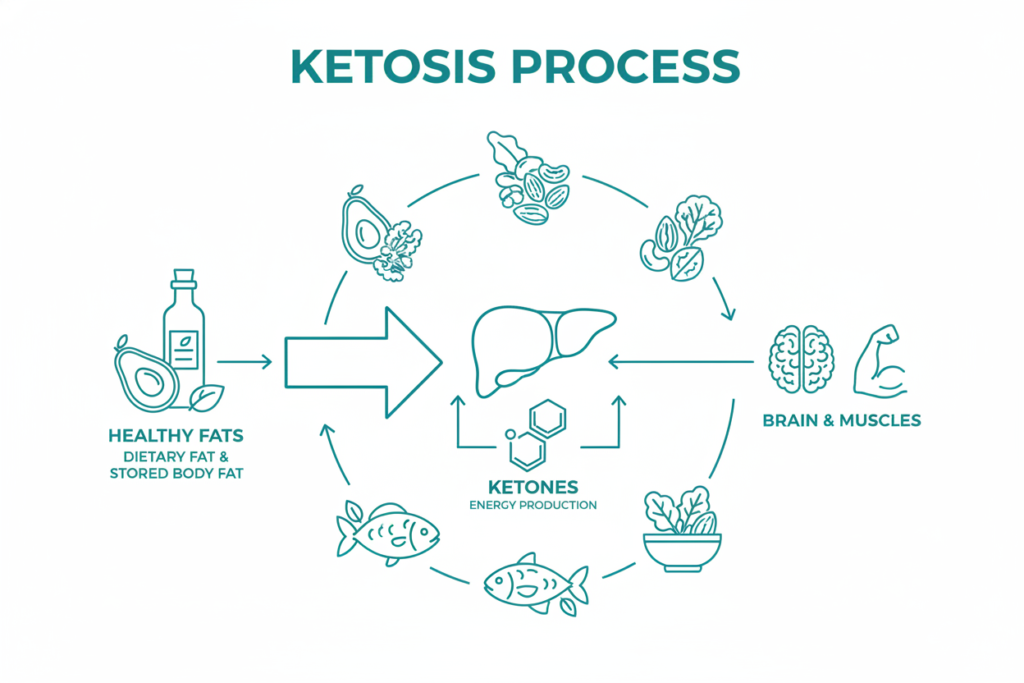
This metabolic shift happens when you drastically reduce carbohydrate intake. Most people aim for 20-50 grams of net carbs per day. Your body depletes its glucose stores within a few days and begins burning fat instead.
The standard ketogenic diet consists of approximately 70-75% fat, 20-25% protein, and 5-10% carbohydrates. These macronutrient ratios ensure your body stays in ketosis and continues burning fat efficiently.
Key Benefits of the Keto Diet
Research shows the ketogenic diet offers numerous health advantages. Weight loss typically happens naturally because ketones suppress appetite and fat provides sustained energy. Many people report reduced cravings and better portion control.
- Significant weight loss and reduced body fat percentage
- Improved blood sugar control and insulin sensitivity
- Enhanced mental clarity and sustained energy levels
- Reduced inflammation throughout the body
- Better cholesterol profiles with increased HDL (good cholesterol)
- Decreased triglyceride levels
- Potential benefits for managing type 2 diabetes
Your energy levels stabilize on keto because fat provides consistent fuel. Unlike the blood sugar spikes and crashes from carbs, ketones deliver steady energy throughout the day. Many people experience improved focus and mental performance.
Common Challenges for Beginners
The first week on a keto diet presents unique challenges. Your body is adapting from burning glucose to burning fat. This transition period can cause temporary symptoms known as the keto flu.
Physical Adaptation Symptoms
During the first few days, you might experience fatigue, headaches, or muscle cramps. These symptoms occur as your body releases water and electrolytes while depleting glycogen stores.
- Fatigue and low energy
- Headaches
- Muscle cramps
- Digestive changes
Mental and Lifestyle Adjustments
Beyond physical symptoms, you’ll navigate social situations and meal planning differently. Learning to read nutrition labels and finding keto-friendly alternatives takes time and practice.
- Carb cravings
- Social eating challenges
- Meal prep learning curve
- Restaurant navigation
The good news is these challenges are temporary. Most people feel significantly better after the first week. Proper hydration, electrolyte supplementation, and adequate fat intake minimize discomfort during this transition.
Essential Foods for Your Keto Meal Plan
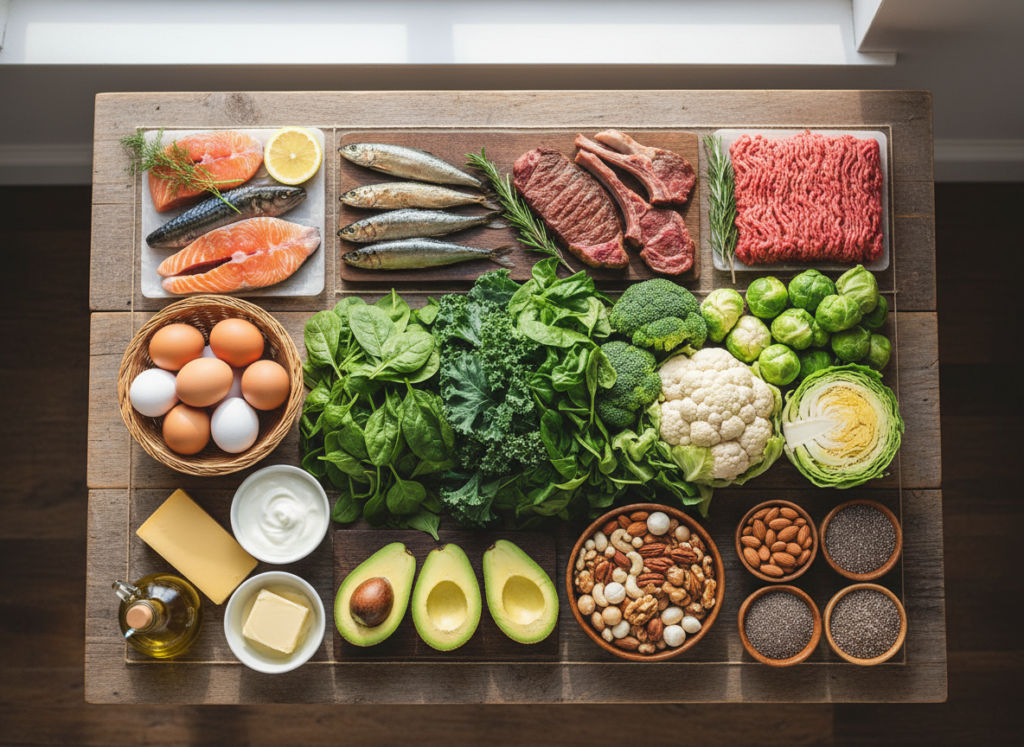
Building a successful keto meal plan starts with knowing which foods support ketosis. Your grocery cart should overflow with nutrient-dense, low-carb options that provide healthy fats and quality protein.
Healthy Fats: Your Primary Fuel Source
Fat forms the foundation of every keto diet meal. These fats provide energy, support hormone production, and help your body absorb vitamins. Focus on quality sources that offer additional nutritional benefits.
- Olive oil for cooking and salad dressings
- Coconut oil and MCT oil for quick energy
- Avocados and avocado oil for meals and snacks
- Butter and ghee from grass-fed sources
- Heavy cream for coffee and cooking
- Nuts like macadamias, almonds, and pecans
- Seeds including chia, flax, and hemp hearts
Olive oil deserves special attention in your keto diet. It provides monounsaturated fats that support heart health. Use extra virgin olive oil for salads and lower-heat cooking to preserve its beneficial compounds.
Quality Protein Sources
Protein maintains muscle mass while supporting numerous body functions. The ketogenic diet includes moderate protein intake, typically 20-25% of daily calories. Choose protein sources that naturally contain healthy fats.
Meat Options
- Beef (preferably grass-fed)
- Pork chops and bacon
- Chicken thighs and wings
- Turkey (dark meat preferred)
- Lamb and venison
Seafood Choices
- Fatty fish like salmon
- Sardines and mackerel
- Shrimp and crab
- Tuna and cod
- Mussels and oysters
Other Proteins
- Whole eggs (yolks included)
- Full-fat Greek yogurt
- Cottage cheese
- Protein powder (low-carb)
- Tofu and tempeh
Eggs deserve special mention as a keto staple. They’re inexpensive, versatile, and provide complete protein along with healthy fats. A large egg contains less than one gram of carbs and plenty of essential nutrients.
Low-Carb Vegetables
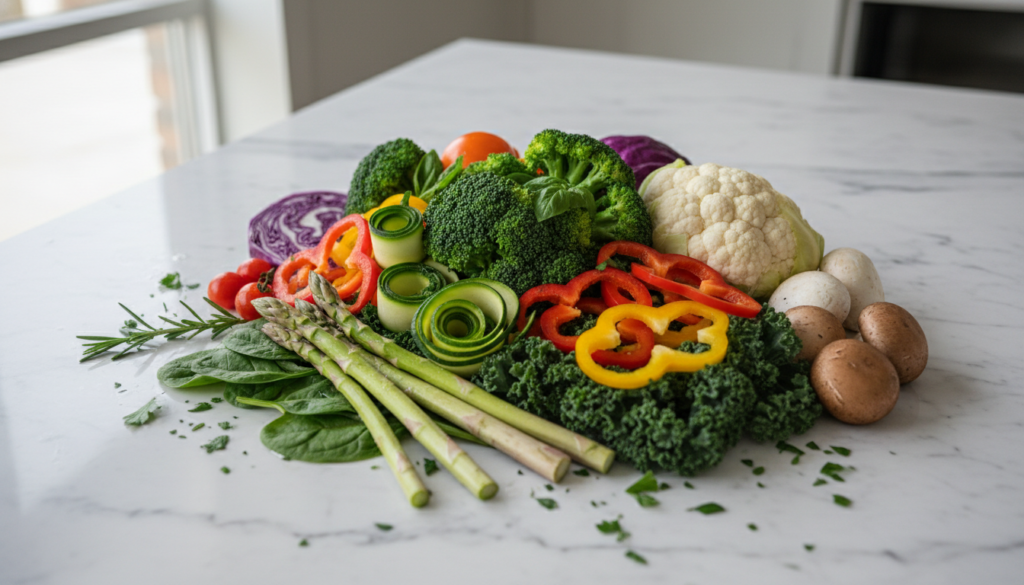
Vegetables provide fiber, vitamins, and minerals essential for health. Focus on above-ground vegetables that grow in leafy or flowering forms. These typically contain fewer carbs than root vegetables.
- Leafy greens like spinach, kale, and lettuce
- Cruciferous vegetables including broccoli and cauliflower
- Zucchini and summer squash
- Bell peppers in all colors
- Asparagus and green beans
- Mushrooms of various types
- Cucumber and celery
- Brussels sprouts and cabbage
Spinach works wonderfully in keto meals. Add it to eggs, salads, or sauté it with butter and garlic as a side dish. One cup of raw spinach contains only one net carb while delivering iron and vitamins.
Keto-Friendly Dairy Products
Full-fat dairy products fit perfectly into a ketogenic diet. They provide protein, fat, and calcium. Always choose full-fat versions because low-fat options contain added sugars and fewer beneficial nutrients.
- Hard cheeses like cheddar, parmesan, and gouda
- Soft cheeses including cream cheese and brie
- Heavy whipping cream for coffee and recipes
- Sour cream for toppings and sauces
- Full-fat Greek yogurt (watch carb content)
- Butter from grass-fed cows when possible
Cheese adds flavor and satisfaction to keto meals. Most hard cheeses contain less than one gram of carbs per ounce. Use cheese to increase fat intake while making meals more enjoyable and filling.
Foods to Avoid on Your Keto Diet
Success on keto requires eliminating high-carb foods that prevent ketosis. Understanding what to avoid helps you make better choices and stay on track with your meal plan.
High-Carb Foods That Break Ketosis
Certain foods contain enough carbohydrates to quickly exceed your daily limit. A single serving can use up your entire carb allowance for the day. Avoiding these foods is essential for maintaining ketosis.
- Bread, pasta, and rice
- Cereal and oatmeal
- Corn and corn products
- Quinoa and other grains
- Crackers and pretzels
Grains and Starches
- Table sugar and honey
- Candy and chocolate bars
- Cookies and cakes
- Ice cream (regular)
- Sweetened beverages
Sugars and Sweets
- Potatoes and sweet potatoes
- Bananas and dried fruit
- Fruit juice
- Beans and legumes
- Most fresh fruits
High-Carb Produce
Many beginners struggle with giving up bread and pasta. These staples of the American diet are loaded with carbs. One slice of bread contains 15-20 grams of carbs, nearly your entire daily allowance on keto.
Hidden Carbs to Watch
Some foods appear keto-friendly but contain hidden carbs. Reading nutrition labels becomes crucial for avoiding these unexpected carb sources that can derail your progress.
- Sauces and condiments with added sugar
- Low-fat or fat-free products with sugar fillers
- Processed meats with sugar or fillers
- Salad dressings with high-fructose corn syrup
- Sugar alcohols that affect blood sugar
- Milk (contains lactose, a natural sugar)
Restaurant meals often hide carbs in sauces and marinades. Ask servers about ingredients and request sauces on the side. Many establishments now accommodate keto requests, making dining out easier than ever.
Creating Your Personalized Keto Meal Plan
Get Your Personalized Keto Meal Plan
Starting keto doesn’t have to be complicated. Access a customized meal plan designed for your goals, preferences, and lifestyle. Skip the guesswork and start with confidence. Discover meal plans that adapt to your needs and make keto simple.
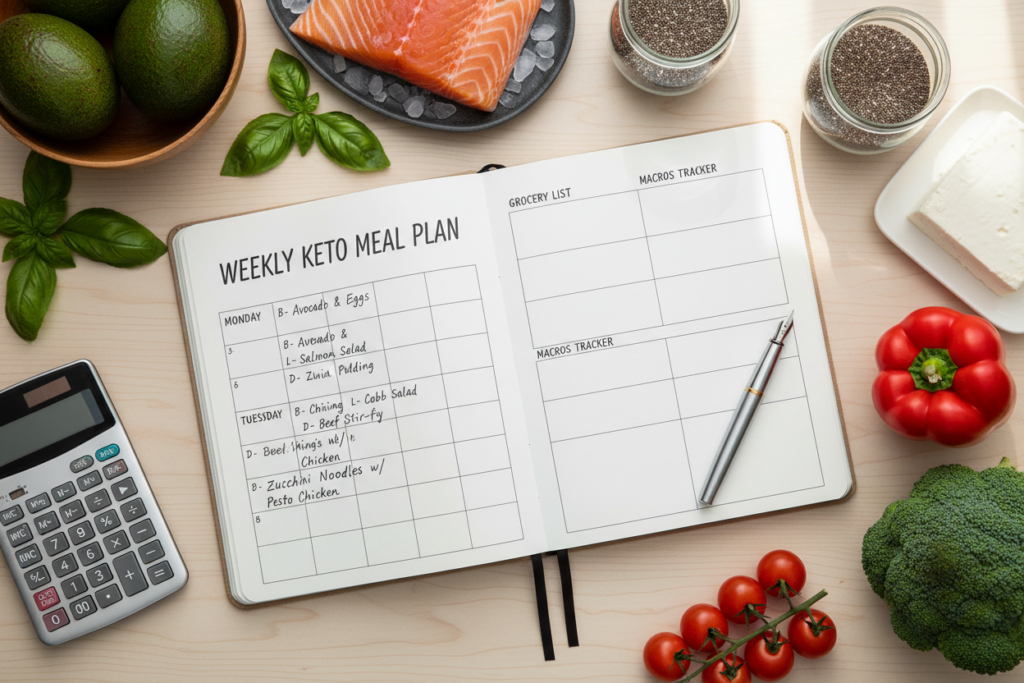
Building your first keto meal plan requires understanding your personal needs. Your calorie requirements, activity level, and health goals determine the specifics of your diet. A personalized approach ensures sustainable results.
Calculating Your Macros
Macronutrients (macros) are the cornerstone of keto success. You need to determine how many grams of fat, protein, and carbs to eat per day. This calculation depends on your current weight, goal weight, and activity level.
Start by calculating your Total Daily Energy Expenditure (TDEE). This number represents the calories you burn each day. Online calculators make this process simple by considering your age, gender, weight, height, and activity level.
Once you know your TDEE, adjust for your goals. Weight loss requires a calorie deficit of 15-20% below your TDEE. Maintenance means eating at your TDEE. Most people on keto aim for weight loss initially.
| Macronutrient | Percentage | Example (2000 calories) | Grams per Day |
| Fat | 70-75% | 1400-1500 calories | 156-167g |
| Protein | 20-25% | 400-500 calories | 100-125g |
| Carbohydrates | 5-10% | 100-200 calories | 25-50g |
These ratios ensure your body stays in ketosis. Track your intake using apps like MyFitnessPal or Cronometer. These tools simplify macro tracking and help you stay accountable during the learning phase.
Meal Timing and Frequency
Meal timing on keto is flexible. Some people thrive on three meals per day, while others prefer two meals with intermittent fasting. Listen to your body and adjust based on hunger signals.
Many keto dieters naturally gravitate toward intermittent fasting. The appetite-suppressing effects of ketones make extended fasting periods comfortable. A common pattern involves eating within an 8-hour window and fasting for 16 hours.
Your first few weeks should focus on adapting to keto rather than complicating things with fasting. Once you’re fat-adapted (usually after 3-4 weeks), experiment with different eating windows to find what works best.
Weekly Planning Strategy
Planning your meals for an entire week saves time and reduces stress. Dedicate one hour each week to planning and grocery shopping. This preparation ensures you always have keto-friendly options available.
- Choose 3-4 dinner recipes for the week
- Plan to use leftovers for lunches
- Select quick breakfast options that require minimal prep
- Prepare a shopping list organized by store sections
- Schedule a meal prep session on Sunday
- Cook proteins and vegetables in bulk
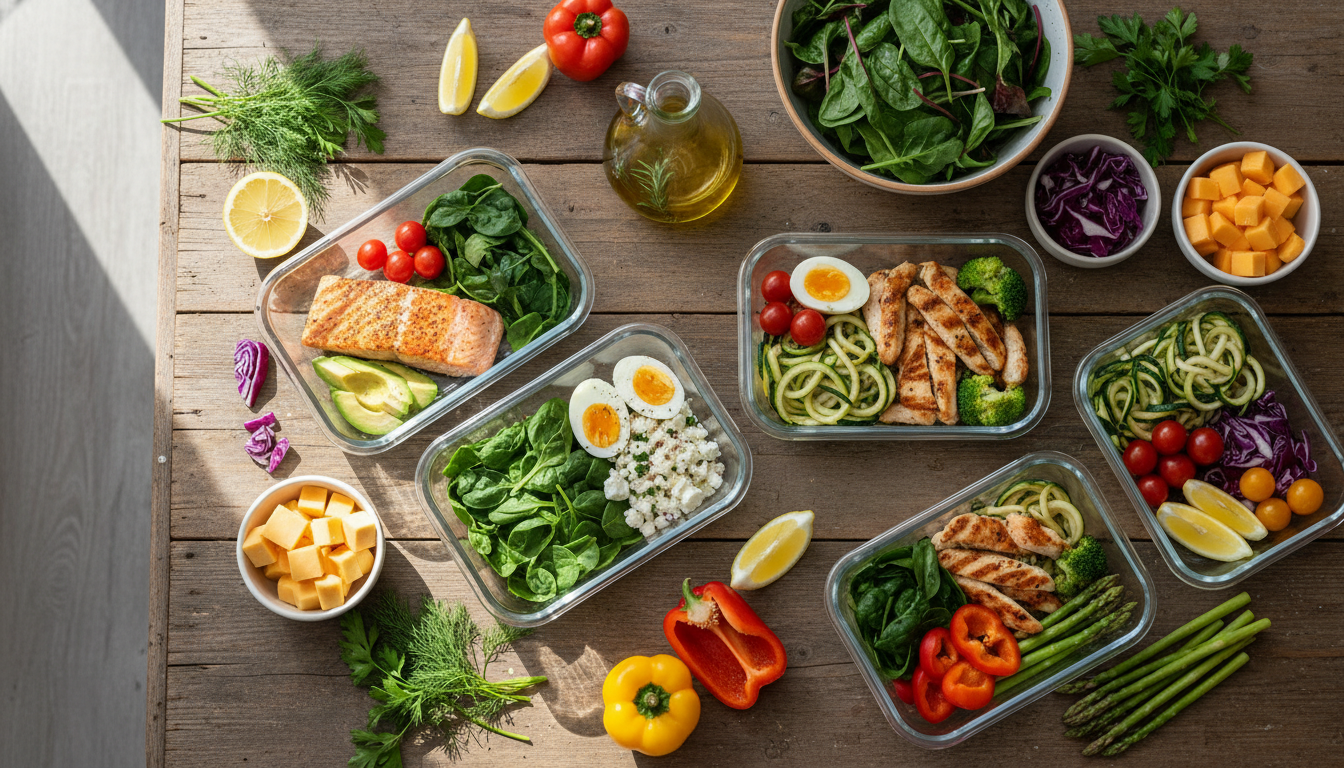
- Store meals in portion-controlled containers
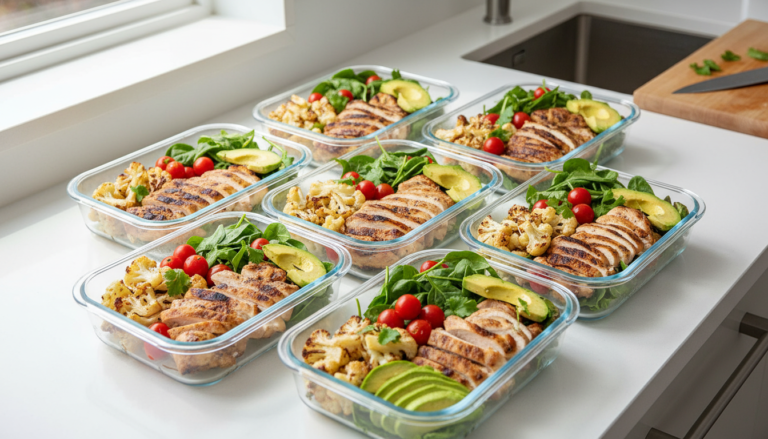
Batch cooking transforms your keto success. Prepare large quantities of chicken, ground beef, or pork. Cook vegetables in advance. This preparation means throwing together a meal takes just minutes throughout the week.
Beginner-Friendly Keto Breakfast Ideas
Breakfast on keto doesn’t require elaborate preparation. Simple, satisfying options power your morning while keeping you in ketosis. These meals provide the energy you need without the carb crash.
Quick and Easy Morning Meals
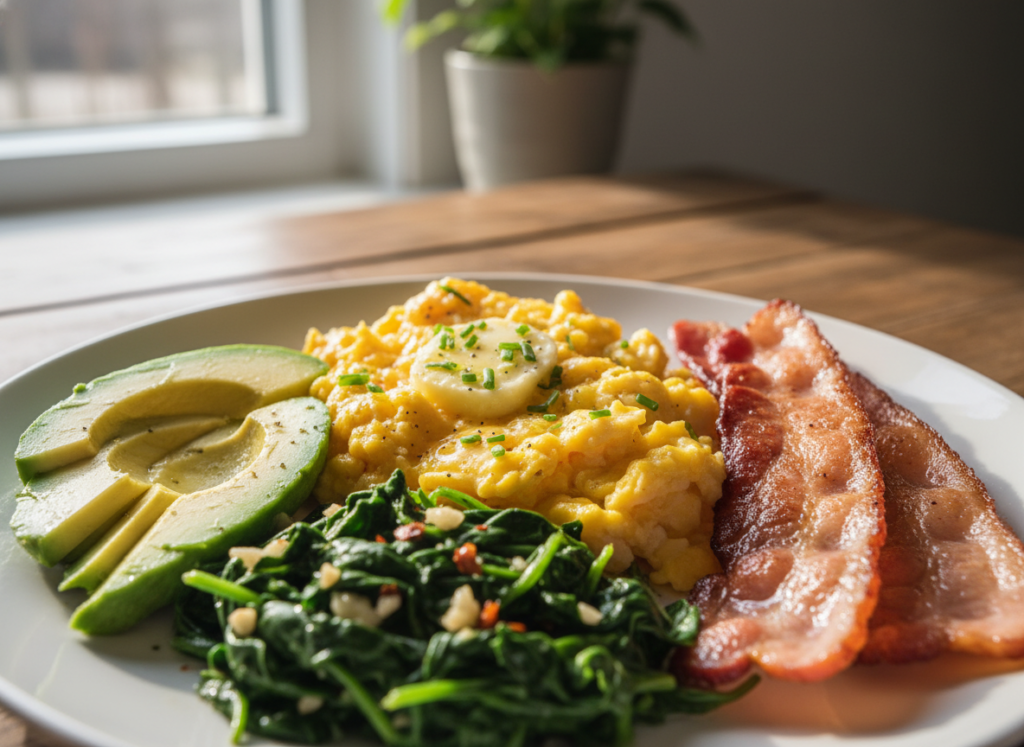
Eggs form the foundation of most keto breakfasts. They’re affordable, nutritious, and incredibly versatile. A basic egg meal provides protein and healthy fats to start your day right.
Classic Egg Combinations
- Scrambled eggs with cheese and butter
- Fried eggs with bacon or sausage
- Omelet stuffed with vegetables and cheese
- Poached eggs over spinach with olive oil
No-Cook Options
- Full-fat Greek yogurt with nuts and seeds
- Chia pudding made with heavy cream
- Keto smoothie with avocado and protein powder
- Cheese and cold cuts roll-ups
Make-Ahead Choices
- Egg muffins with meat and vegetables
- Keto granola with coconut and nuts
- Breakfast casserole portions
- Hard-boiled eggs prepared in advance
Sample Breakfast Recipes
These recipes take less than 15 minutes to prepare. They deliver the nutrients your body needs while keeping carbs minimal. Each serving contains fewer than 5 net carbs.
Butter Coffee (Bulletproof Coffee)
This energizing beverage replaces traditional breakfast for many keto dieters. The healthy fats provide sustained energy and mental clarity throughout the morning.
- 8 oz freshly brewed coffee
- 1-2 tablespoons grass-fed butter
- 1 tablespoon MCT oil or coconut oil
- Optional: sugar-free vanilla extract
Blend all ingredients until frothy. The butter and oil create a creamy, latte-like texture. This drink keeps you full for hours while supporting ketosis.
Keto Veggie Scramble
This colorful breakfast combines protein from eggs with nutrient-dense vegetables. The olive oil and cheese add healthy fats to keep you satisfied until lunch.
- 3 large eggs
- 1/4 cup bell peppers, diced
- 1/4 cup mushrooms, sliced
- 1 cup fresh spinach
- 2 tablespoons olive oil
- 1/4 cup shredded cheese
- Salt and pepper to taste
Heat olive oil in a pan over medium heat. Sauté vegetables until tender. Add beaten eggs and scramble until cooked. Top with cheese and let it melt. This meal delivers approximately 4 net carbs per serving.
Bacon and Avocado Plate
Sometimes the simplest meals are the most satisfying. This no-cook option provides quality protein and healthy fats without any carbs from vegetables.
- 4 strips of bacon, cooked crispy
- 1/2 large avocado, sliced
- 2 hard-boiled eggs, sliced
- Salt, pepper, and everything bagel seasoning
Arrange ingredients on a plate and season to taste. This combination provides the perfect macronutrient balance for keto. The healthy fats from avocado support hormone production and nutrient absorption.
Variety prevents breakfast boredom. Rotate through different recipes each week. Meal prep components like hard-boiled eggs and pre-cooked bacon make mornings even easier.
Satisfying Keto Lunch Recipes
Lunch on a keto diet should be filling enough to prevent afternoon snacking. These meals combine protein, healthy fats, and low-carb vegetables to keep your energy stable throughout the day.
Protein-Packed Lunch Options
Building lunch around a quality protein source ensures adequate nutrition. Add vegetables and healthy fats to create complete, balanced meals that support your keto goals.
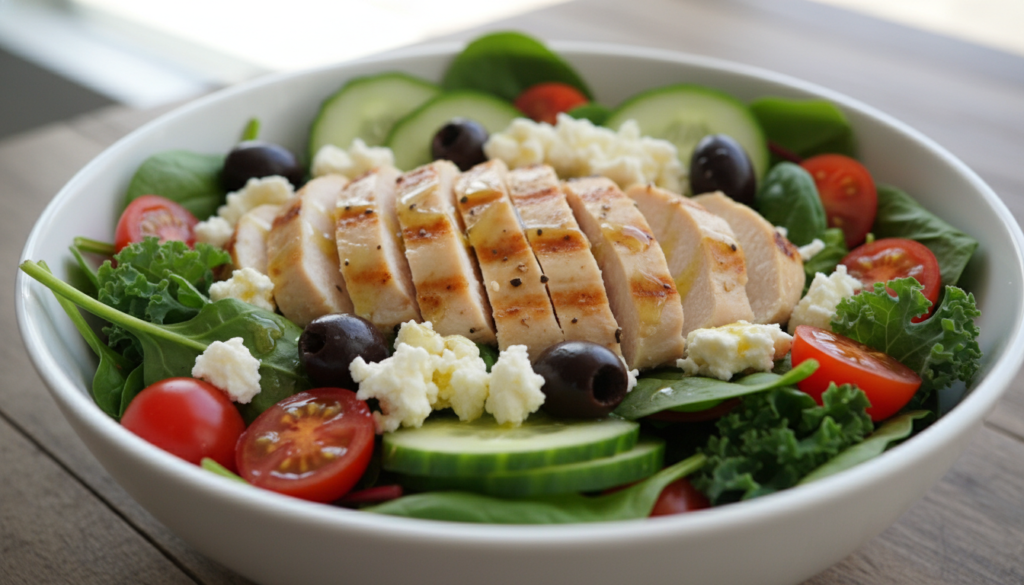
Greek Chicken Salad
This Mediterranean-inspired salad combines flavorful ingredients with healthy fats. The olive oil dressing adds richness while supporting your daily fat intake goals.
Ingredients:
- 6 oz grilled chicken breast, sliced
- 2 cups mixed greens and spinach
- 1/4 cup cucumber, diced
- 1/4 cup cherry tomatoes, halved
- 2 oz feta cheese, crumbled
- 10 Kalamata olives
- 3 tablespoons olive oil
- 1 tablespoon red wine vinegar
- Oregano, salt, and pepper
Instructions: Arrange greens in a bowl. Top with chicken, vegetables, cheese, and olives. Whisk together olive oil, vinegar, and seasonings. Drizzle over salad. This meal provides approximately 6 net carbs.
Keto Tuna Salad Lettuce Wraps
This quick lunch requires no cooking. The combination of tuna and mayonnaise provides protein and healthy fats. Lettuce wraps replace bread without sacrificing satisfaction.
Ingredients:
- 1 can tuna in water, drained
- 3 tablespoons mayonnaise
- 1 tablespoon Dijon mustard
- 2 tablespoons celery, diced
- 1 tablespoon red onion, minced
- 4-6 large lettuce leaves (butter lettuce works best)
- Salt and pepper to taste
Instructions: Mix tuna, mayonnaise, mustard, celery, and onion in a bowl. Season with salt and pepper. Spoon mixture into lettuce leaves and wrap. This portable lunch contains about 3 net carbs per serving.
Cauliflower Rice Stir-Fry Bowl
This Asian-inspired meal replaces traditional rice with cauliflower rice. The result is a satisfying, flavorful lunch that keeps carbs minimal while delivering nutrients.
Ingredients:
- 2 cups cauliflower rice
- 6 oz protein (chicken, shrimp, or beef)
- 2 tablespoons coconut oil
- 1 cup mixed vegetables (broccoli, bell peppers)
- 2 tablespoons soy sauce or coconut aminos
- 1 clove garlic, minced
- 1 teaspoon fresh ginger, grated
- Sesame seeds for garnish
Instructions: Heat coconut oil in a large pan or wok. Cook protein until done, then set aside. Add vegetables, garlic, and ginger. Stir-fry for 3-4 minutes. Add cauliflower rice and soy sauce. Cook for 5 minutes. Return protein to pan and toss everything together. This meal delivers approximately 8 net carbs.
Make-Ahead Lunch Ideas
Preparing lunch components in advance saves time during busy weekdays. These strategies ensure you always have keto-friendly options ready to go.
- Grill or bake multiple chicken breasts at once
- Prepare several servings of tuna or egg salad
- Wash and chop vegetables for the entire week
- Cook ground beef seasoned for multiple uses
- Make large batches of keto soup or chili
- Portion meals into individual containers
Leftovers from dinner make excellent lunches. Cook extra protein at dinner and repurpose it the next day. Add fresh vegetables or a different sauce to create variety without additional cooking.
Delicious Keto Dinner Recipes
Dinner on keto can be just as satisfying as your pre-diet meals. These recipes prove that a ketogenic diet doesn’t mean sacrificing flavor or enjoyment. Your family might not even notice they’re eating low-carb.
Family-Friendly Keto Dinners
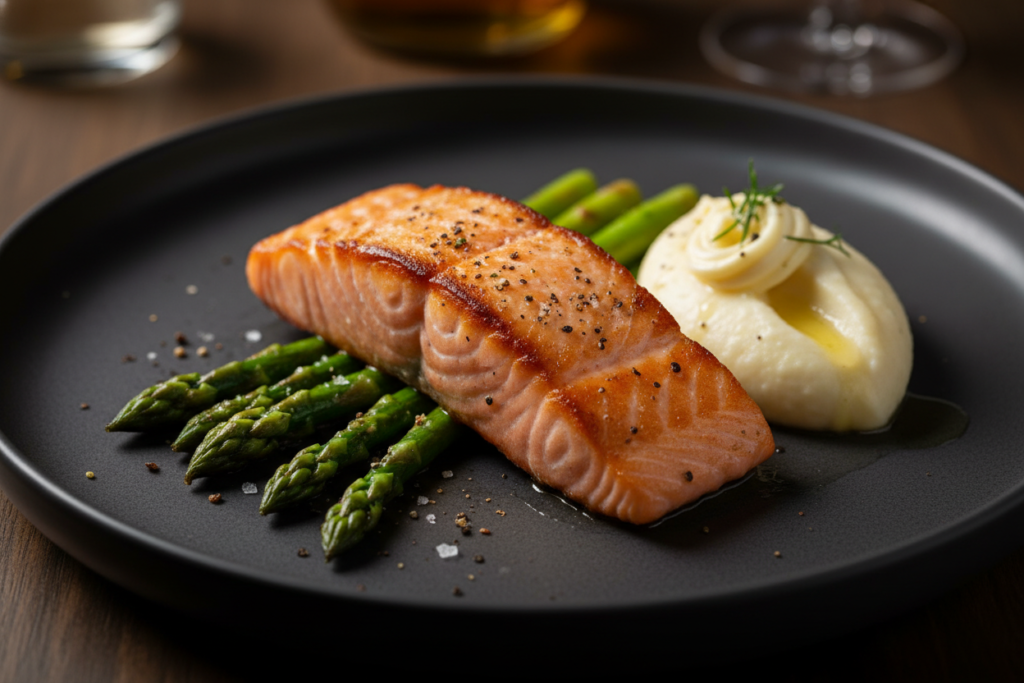
These meals appeal to everyone at the table. Even non-keto family members will enjoy these dishes. The recipes focus on familiar flavors adapted to fit low-carb requirements.
Garlic Butter Steak with Roasted Vegetables
This restaurant-quality meal comes together in under 30 minutes. The garlic butter sauce elevates simple ingredients into something special. Each serving provides quality protein and nutrients from vegetables.
Ingredients:
- 2 ribeye or sirloin steaks (8 oz each)
- 4 tablespoons butter, softened
- 3 cloves garlic, minced
- 2 cups broccoli florets
- 1 cup bell peppers, sliced
- 2 tablespoons olive oil
- Fresh parsley, chopped
- Salt and pepper
Instructions: Season steaks with salt and pepper. Let rest at room temperature for 15 minutes. Toss vegetables with olive oil, salt, and pepper. Roast at 425°F for 15-20 minutes. Meanwhile, mix butter with garlic and parsley. Heat a cast-iron skillet until smoking hot. Sear steaks 3-4 minutes per side for medium-rare. Top with garlic butter and let rest 5 minutes. Serve with roasted vegetables. Approximately 7 net carbs per serving.
Creamy Tuscan Chicken
This Italian-inspired dish features a rich cream sauce with sun-dried tomatoes and spinach. The sauce is so good you’ll want to make extra to use on other proteins throughout the week.
Ingredients:
- 4 chicken thighs, boneless and skinless
- 2 tablespoons olive oil
- 3 cloves garlic, minced
- 1 cup heavy cream
- 1/2 cup chicken broth
- 1/2 cup sun-dried tomatoes, chopped
- 2 cups fresh spinach
- 1/2 cup parmesan cheese, grated
- Italian seasoning, salt, and pepper
Instructions: Season chicken with Italian seasoning, salt, and pepper. Heat olive oil in a large skillet over medium-high heat. Cook chicken 5-6 minutes per side until golden. Remove and set aside. In the same pan, sauté garlic for 30 seconds. Add cream, broth, and sun-dried tomatoes. Simmer for 3-4 minutes. Stir in spinach and parmesan until spinach wilts. Return chicken to pan and coat with sauce. Simmer 2-3 minutes. Contains approximately 6 net carbs per serving.
Keto Beef Taco Bowl
Get all the flavors of taco night without the carbs. This bowl delivers on taste while keeping you firmly in ketosis. The combination of seasoned beef, cheese, and fresh toppings satisfies Mexican food cravings.
Ingredients:
- 1 lb ground beef (80/20 blend)
- 2 tablespoons taco seasoning (sugar-free)
- 2 cups shredded lettuce
- 1 cup cherry tomatoes, halved
- 1/2 cup shredded cheddar cheese
- 1/4 cup sour cream
- 1 avocado, sliced
- 2 tablespoons salsa (low-carb)
- Fresh cilantro
Instructions: Brown ground beef in a skillet over medium heat. Drain excess fat. Add taco seasoning and 1/4 cup water. Simmer until liquid evaporates. Build bowls starting with lettuce as the base. Top with seasoned beef, tomatoes, cheese, sour cream, avocado, and salsa. Garnish with cilantro. This filling meal contains about 8 net carbs per serving.
Access 1000+ Delicious Keto Recipes
Love the meal ideas you’ve seen? Imagine having hundreds more options at your fingertips. From quick breakfasts to gourmet dinners, discover recipes that make keto enjoyable and sustainable. Transform your kitchen into a keto paradise with endless variety.
One-Pan Keto Dinners
Simplify cleanup with these one-pan wonders. Everything cooks together, creating meals with minimal effort and maximum flavor. These recipes are perfect for busy weeknights.
- Sheet pan salmon with asparagus and lemon butter
- One-skillet Italian sausage with peppers and zucchini
- Baked chicken thighs with Brussels sprouts and bacon
- Pan-seared pork chops with creamy mushroom sauce
- Shrimp and broccoli stir-fry in garlic butter
These meals require one cooking vessel and minimal prep work. Season your protein and vegetables, arrange them on a sheet pan or in a skillet, and let the oven or stovetop do the work.
Keto Snacks and Side Dishes
Strategic snacking helps you stay on track between meals. Keep these keto-friendly options available for when hunger strikes. The right snacks prevent poor choices and support your nutritional goals.
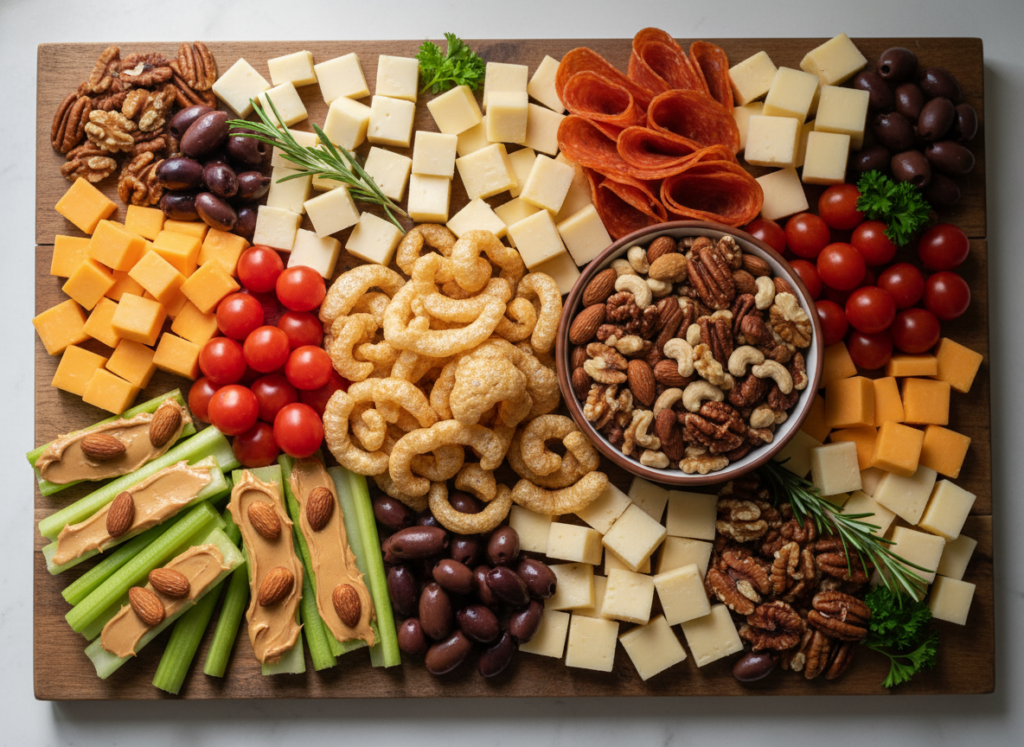
Quick Grab-and-Go Snacks
These snacks require no preparation. Stock your pantry and refrigerator with these options for convenient access to keto-friendly fuel throughout the day.
Pantry-Stable Options
- Macadamia nuts and pecans
- Pork rinds for crunchy satisfaction
- Beef jerky (sugar-free varieties)
- Dark chocolate (85% cacao or higher)
- Seaweed snacks
- Nut butter packets
Refrigerated Choices
- String cheese or cheese cubes
- Hard-boiled eggs
- Deli meat roll-ups
- Celery with cream cheese
- Pepperoni slices
- Guacamole with cucumber slices
Portion control matters even with keto snacks. Nuts are easy to overeat despite being keto-friendly. Pre-portion servings into small bags or containers. This strategy prevents mindless eating while maintaining appropriate calorie intake.
Simple Side Dishes
Complete your meals with these low-carb sides. They add variety, nutrients, and satisfaction to your plates without increasing carb intake significantly.
- Cauliflower mash with butter and cream
- Roasted Brussels sprouts with bacon
- Sautéed spinach with garlic and olive oil
- Zucchini noodles with pesto
- Caesar salad with homemade dressing
- Roasted broccoli with parmesan cheese
- Coleslaw made with mayonnaise
Cauliflower deserves special recognition for its versatility. Mash it for a potato substitute. Rice it for a grain alternative. Roast it for a crispy side dish. This vegetable adapts to numerous preparations while keeping carbs minimal.
Your Complete Keto Shopping List
A well-stocked kitchen makes keto sustainable. This comprehensive shopping list ensures you have everything needed to create delicious, satisfying meals. Print this list and take it to the grocery store.
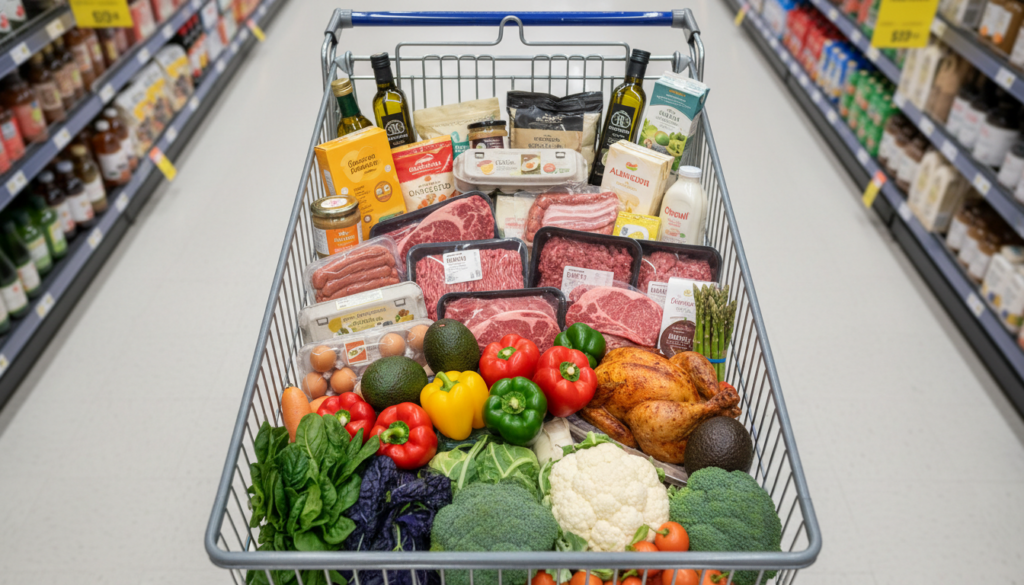
Proteins and Meats
Focus on quality protein sources that provide healthy fats. Choose grass-fed and organic options when budget allows. These proteins form the foundation of most keto meals.
- Chicken thighs and drumsticks
- Ground beef (80/20 or higher fat)
- Pork chops and pork shoulder
- Bacon (nitrate-free preferred)
- Sausages (check ingredients)
- Steak cuts (ribeye, sirloin)
Fresh Meats
- Salmon fillets (wild-caught)
- Shrimp (fresh or frozen)
- Tuna steaks or canned tuna
- Cod or halibut
- Sardines in olive oil
- Mackerel
Seafood
- Whole eggs (pasture-raised)
- Deli meats (low-carb)
- Rotisserie chicken
- Ground turkey or chicken
- Lamb chops
- Protein powder (low-carb)
Other Proteins
Fats and Oils
Stock multiple types of healthy fats. Different fats serve different purposes in cooking and meal preparation. Quality fats enhance flavor while supporting ketosis.
- Extra virgin olive oil for salads and low-heat cooking
- Coconut oil for medium-heat cooking and baking
- Avocado oil for high-heat cooking
- Grass-fed butter for cooking and adding to meals
- Ghee as a butter alternative with higher smoke point
- MCT oil for coffee and smoothies
- Heavy whipping cream for recipes and coffee
Vegetables and Produce
Fill your cart with colorful, nutrient-dense vegetables. Focus on above-ground varieties that contain minimal carbs. Buy organic when possible, especially for the “dirty dozen” produce items.
Leafy Greens
- Spinach (fresh and frozen)
- Kale
- Romaine lettuce
- Arugula
- Mixed salad greens
Cruciferous Vegetables
- Broccoli
- Cauliflower
- Brussels sprouts
- Cabbage
- Bok choy
Other Low-Carb Veggies
- Zucchini
- Bell peppers
- Asparagus
- Mushrooms
- Cucumber
Dairy and Cheese
Always choose full-fat dairy products. Low-fat versions contain added sugars and fewer nutrients. Quality cheese adds flavor and helps you meet daily fat requirements.
- Cheddar cheese (blocks and shredded)
- Mozzarella cheese (whole milk)
- Cream cheese (full-fat)
- Parmesan cheese (freshly grated)
- Feta cheese
- Sour cream (full-fat)
- Greek yogurt (full-fat, plain)
Pantry Staples
These items have long shelf lives and support countless keto recipes. Stock your pantry once, then simply replenish as needed. Having these basics on hand makes meal preparation effortless.
| Category | Items | Usage Tips |
| Nuts and Seeds | Almonds, macadamias, pecans, chia seeds, flax seeds, hemp hearts | Great for snacks, adding to salads, making fat bombs |
| Condiments | Mayonnaise (avocado oil-based), mustard, hot sauce, sugar-free ketchup | Check labels for hidden sugars and carbs |
| Seasonings | Salt, pepper, garlic powder, onion powder, Italian seasoning, cumin | Essential for adding flavor without carbs |
| Baking Supplies | Almond flour, coconut flour, erythritol, baking powder | For occasional keto-friendly baked goods |
| Canned Goods | Tuna, salmon, coconut milk, tomato paste (small amounts) | Convenient protein and recipe ingredients |
| Other | Bone broth, olives, pickles, pork rinds, dark chocolate | Versatile ingredients for meals and snacks |
Shop the perimeter of the grocery store where fresh, whole foods are typically located. The center aisles contain most processed foods with hidden carbs and unhealthy ingredients. Your cart should be 80% fresh items and 20% pantry staples.
Meal Prep Strategies for Keto Success
Meal preparation transforms keto from challenging to effortless. Dedicating a few hours each week to prep work saves time, money, and decision fatigue. You’ll always have compliant options ready when hunger strikes.
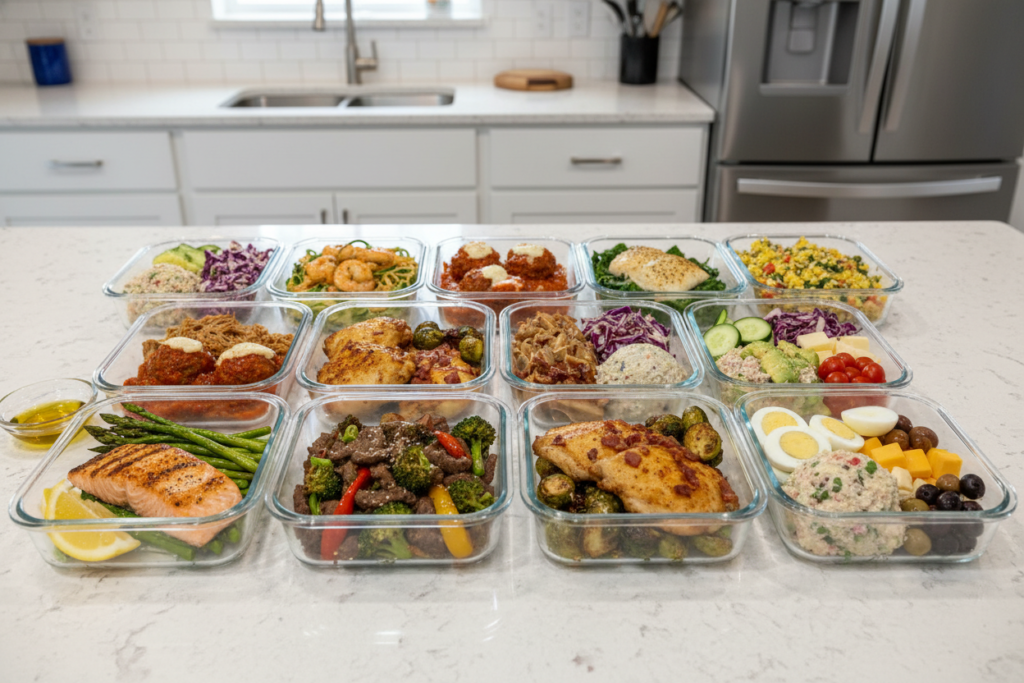
Sunday Meal Prep Routine
Most successful keto dieters prepare meals on Sundays. This routine sets you up for success throughout the week. Follow this systematic approach to maximize efficiency and minimize stress.
- Review your meal plan and recipes for the upcoming week
- Create a detailed shopping list organized by store sections
- Shop for all ingredients in a single trip
- Clear and organize your kitchen workspace
- Start with tasks requiring the longest cooking time
- Multitask by using oven, stovetop, and other appliances simultaneously
- Portion meals into individual containers immediately
- Label containers with contents and date
- Store properly in refrigerator or freezer
Batch Cooking Essentials
Cooking large quantities of basic ingredients provides flexibility throughout the week. These prepped components combine in countless ways to create varied meals without repetitive cooking.
Protein Preparation
Cook multiple proteins in different styles. This variety prevents meal fatigue while ensuring you always have options available.
- Grill or bake 6-8 chicken thighs
- Cook 2-3 pounds of ground beef
- Bake salmon fillets for 3-4 meals
- Hard-boil a dozen eggs
- Cook a whole rotisserie chicken
Vegetable Preparation
Wash, chop, and cook vegetables in advance. Prepped vegetables make adding nutrients to any meal quick and easy.
- Wash and chop salad greens
- Roast sheet pans of mixed vegetables
- Steam broccoli and cauliflower
- Spiralize zucchini into noodles
- Slice bell peppers and cucumbers
Sauce and Dressing Prep
Homemade sauces and dressings elevate simple meals. Make large batches to last throughout the week.
- Mix olive oil and vinegar dressings
- Prepare ranch or Caesar dressing
- Make garlic butter compound
- Create sugar-free marinades
- Blend pesto or chimichurri sauce
Storage and Organization Tips
Proper storage maintains food quality and safety. These practices ensure your prepped meals stay fresh and delicious throughout the week.
- Invest in quality glass containers with tight-sealing lids
- Store proteins separately from vegetables to maintain texture
- Keep sauces and dressings in small containers on the side
- Use the refrigerator for meals eating within 3-4 days
- Freeze meals you plan to eat later in the week
- Label everything with contents and preparation date
- Organize containers by meal type for easy access
Mason jars work wonderfully for salads. Layer dressing on the bottom, then sturdy vegetables, proteins, and greens on top. When ready to eat, shake the jar to distribute the dressing. This method keeps salads fresh for up to five days.
Tips for Staying in Ketosis
Maintaining ketosis requires consistency and awareness. These strategies help you stay on track even when life gets busy or challenging. Understanding the principles behind ketosis empowers you to make better decisions.
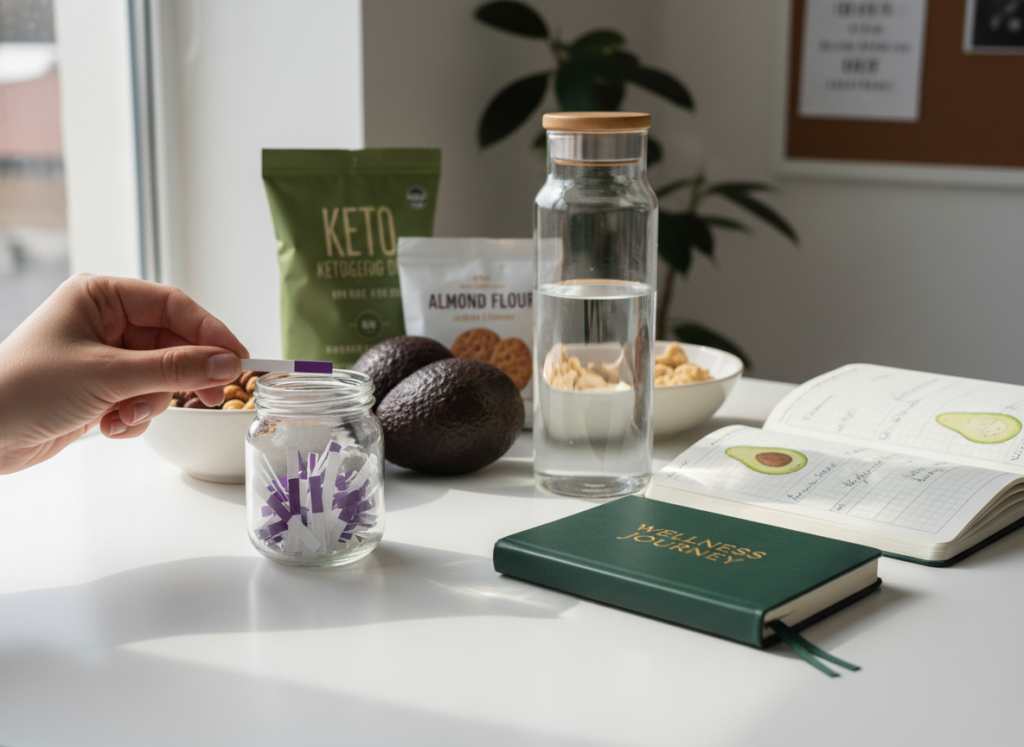
Tracking and Monitoring Progress
Measuring ketosis helps you understand how your body responds to different foods. Several methods exist for tracking ketone levels. Each has advantages and disadvantages to consider.
| Method | Accuracy | Cost | Pros | Cons |
| Urine Strips | Low to Moderate | $ | Inexpensive, easy to use, good for beginners | Less accurate after adaptation, measures excess ketones |
| Blood Ketone Meter | High | $$$ | Most accurate, precise readings, consistent | Expensive strips, requires finger prick |
| Breath Analyzer | Moderate | $$ | Reusable, no recurring costs, non-invasive | Initial investment, affected by other factors |
| Symptom Tracking | Subjective | Free | No cost, teaches body awareness | Not quantifiable, varies by individual |
Many experienced keto dieters eventually stop testing. They learn to recognize the signs of ketosis through how they feel. Increased energy, mental clarity, reduced hunger, and steady weight loss indicate successful ketosis.
Common Mistakes That Break Ketosis
Avoiding these pitfalls keeps you firmly in fat-burning mode. Some mistakes are obvious, while others surprise even experienced keto followers. Awareness prevents setbacks and maintains progress.
Dietary Mistakes
- Eating too much protein
- Not consuming enough fat
- Hidden carbs in sauces and dressings
- Overconsumbing nuts and dairy
- Drinking alcohol frequently
- Not reading nutrition labels carefully
Lifestyle Factors
- Insufficient sleep and high stress
- Not drinking enough water
- Inadequate electrolyte intake
- Too much or too little exercise
- Inconsistent meal timing
- Frequent cheat meals
Protein intake deserves special attention. Too much protein can kick you out of ketosis through a process called gluconeogenesis. Your body converts excess protein into glucose, raising blood sugar levels. Stick to moderate protein portions focused on quality sources.
Managing the Keto Flu
The keto flu affects many beginners during the first week. This temporary condition results from electrolyte imbalances as your body releases water. Understanding and addressing symptoms makes the transition easier.
Common keto flu symptoms include headaches, fatigue, irritability, difficulty concentrating, and muscle cramps. These symptoms typically last 3-7 days as your body adapts to burning fat for fuel.
- Increase sodium intake to 4000-5000mg per day
- Supplement with magnesium (300-400mg daily)
- Consume potassium-rich foods like avocados and spinach
- Drink bone broth for electrolytes and sodium
- Stay well-hydrated with water throughout the day
- Get adequate rest and reduce stress
- Reduce exercise intensity during the first week
Most people feel dramatically better after addressing electrolytes. The symptoms resolve quickly once mineral balance is restored. Don’t let temporary discomfort discourage you from continuing with keto.
Dining Out While Following Keto
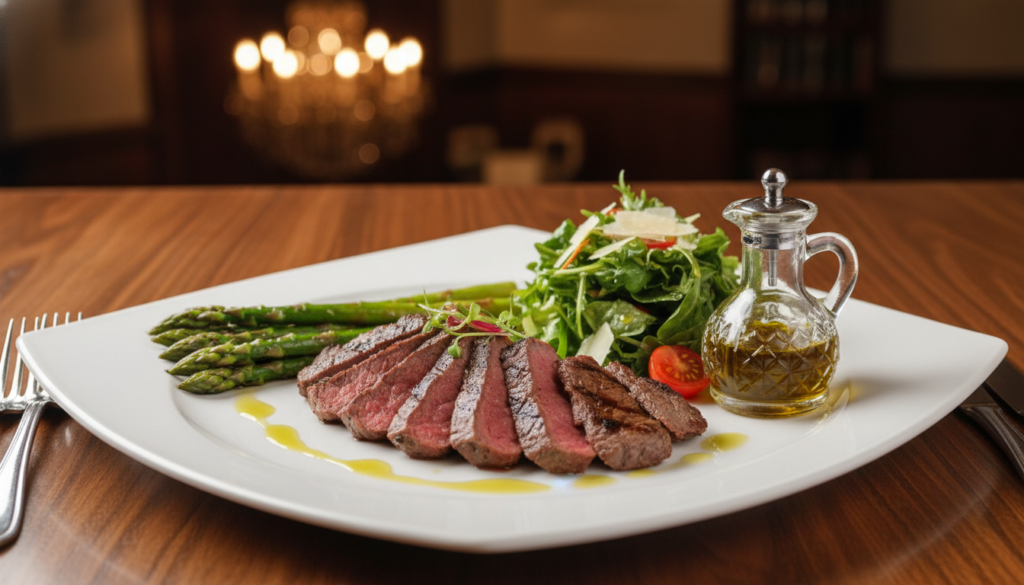
Restaurant meals don’t have to derail your keto progress. Most establishments offer options that fit within your meal plan. Learning to navigate menus and communicate with servers makes eating out enjoyable and stress-free.
Restaurant Strategies
Advance planning sets you up for success when dining out. Research restaurant menus online before arriving. Many chains now provide detailed nutritional information that simplifies decision-making.
- Choose restaurants with customizable menu options
- Ask questions about ingredients and preparation methods
- Request substitutions without hesitation
- Replace sides like fries or rice with vegetables
- Order sauces and dressings on the side
- Don’t be afraid to make special requests
- Focus on protein and vegetable combinations
Most restaurants happily accommodate dietary requests. Servers deal with special diets regularly. Politely explain you’re avoiding carbs and ask for their recommendations. They often suggest modifications you hadn’t considered.
Best Cuisine Choices for Keto
Certain restaurant types naturally offer more keto-friendly options. These cuisines typically feature proteins, healthy fats, and low-carb vegetables as menu staples.
American Steakhouse
- Any cut of steak or beef
- Grilled chicken or pork chops
- Salmon or other fish
- Caesar salad (no croutons)
- Steamed or grilled vegetables
Mexican Restaurant
- Fajitas without tortillas
- Taco salad (skip the shell)
- Carnitas or carne asada
- Guacamole and cheese
- Grilled vegetables
Italian Eatery
- Chicken parmesan (no breading)
- Grilled fish or seafood
- Italian sausage and peppers
- Caesar salad
- Vegetables in olive oil
Asian restaurants require more caution due to hidden sugars in sauces. However, options exist if you’re careful. Choose grilled meats, request no sauce or sauce on the side, and ask about sugar content in marinades.
Smart Menu Substitutions
Simple swaps transform standard menu items into keto-friendly meals. These modifications maintain flavor while eliminating unnecessary carbs. Most restaurants accommodate these requests without issue.
| Instead Of | Ask For | Carb Savings |
| Burger bun | Lettuce wrap or bunless with fork | ~30g carbs |
| Fries or chips | Side salad or steamed vegetables | ~40g carbs |
| Rice or pasta | Extra vegetables or second vegetable side | ~45g carbs |
| Breaded chicken | Grilled chicken breast | ~20g carbs |
| Sugary dressing | Olive oil and vinegar | ~15g carbs |
| Mashed potatoes | Cauliflower mash if available, or more protein | ~30g carbs |
Fast food restaurants offer surprising keto options. Most burger chains serve lettuce-wrapped burgers. Order any sandwich without the bun and add extra vegetables. Many places now specifically advertise low-carb options on their menus.
Following Keto on a Budget
The ketogenic diet doesn’t require expensive specialty foods. Strategic shopping and smart choices make keto affordable for any budget. These tactics help you save money while maintaining nutritional quality.
Cost-Effective Protein Sources
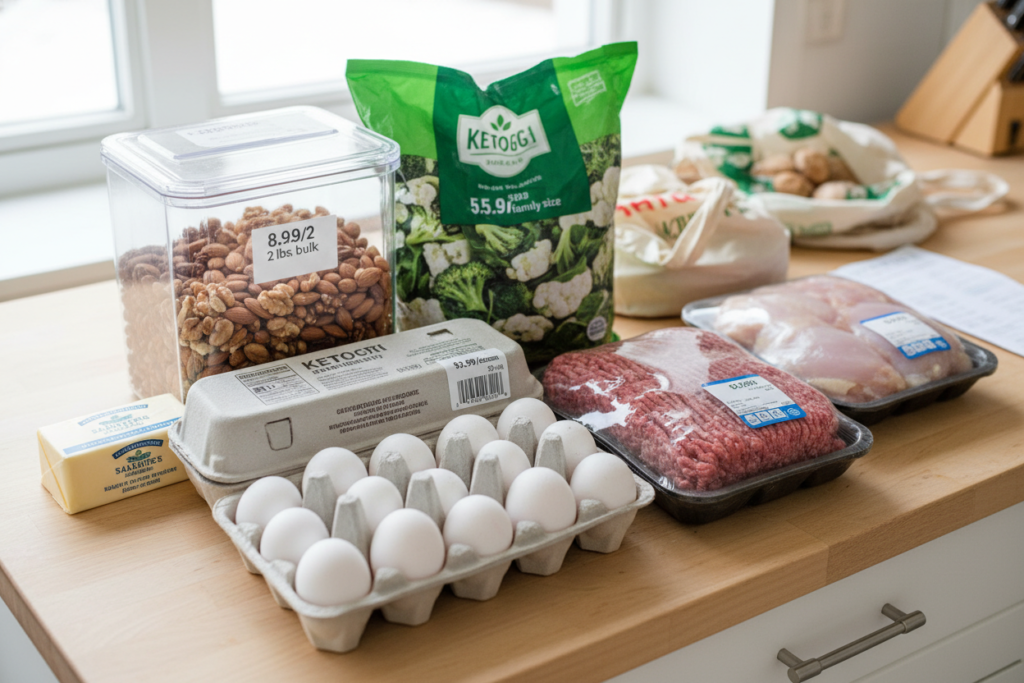
Protein often represents the largest grocery expense. These affordable options provide quality nutrition without breaking your budget. Buying in bulk and choosing less popular cuts saves significant money.
- Whole chickens cost less per pound than individual pieces
- Chicken thighs and drumsticks over expensive breasts
- Ground beef in family packs or bulk quantities
- Eggs as the most economical protein source
- Canned tuna and salmon for convenient protein
- Pork shoulder and other less expensive cuts
- Buy meat on sale and freeze immediately
Eggs provide incredible value on the keto diet. A dozen eggs costs just a few dollars and delivers 12 servings of complete protein. Each egg contains healthy fats and virtually no carbs. This makes eggs one of the most budget-friendly keto staples available.
Money-Saving Shopping Strategies
How you shop matters as much as what you buy. These techniques reduce your grocery bill while maintaining meal quality. Small changes in shopping habits create significant savings over time.
Smart Shopping Tactics
- Buy frozen vegetables instead of fresh
- Choose store brands over name brands
- Purchase meat marked for quick sale
- Shop sales and use coupons strategically
- Buy nuts and seeds in bulk bins
- Skip specialty keto products
Meal Planning for Savings
- Plan meals around weekly sales
- Use leftovers creatively
- Stretch meat with vegetables
- Make bone broth from scraps
- Batch cook to reduce waste
- Grow simple herbs at home
Frozen vegetables often cost less than fresh while maintaining nutritional value. They’re picked at peak ripeness and flash-frozen immediately. Keep your freezer stocked with broccoli, spinach, and cauliflower for convenient, affordable vegetables any time.
Affordable Weekly Meal Plan
This budget-conscious meal plan demonstrates that keto doesn’t require expensive ingredients. These meals use affordable proteins and vegetables to create satisfying dishes. The entire week of meals costs approximately thirty to forty dollars per person.
| Day | Breakfast | Lunch | Dinner |
| Monday | Scrambled eggs with cheese | Tuna salad with cucumber | Baked chicken thighs with roasted broccoli |
| Tuesday | Hard-boiled eggs and avocado | Leftover chicken with spinach salad | Ground beef taco bowl with lettuce |
| Wednesday | Cheese omelet with butter | Leftover taco meat with vegetables | Pan-fried pork chops with cauliflower mash |
| Thursday | Fried eggs with bacon | Leftover pork with green salad | Baked salmon with asparagus |
| Friday | Scrambled eggs with spinach | Canned tuna with olive oil and veggies | Chicken drumsticks with roasted zucchini |
| Saturday | Egg muffins (made Sunday) | Leftover chicken with Caesar salad | Ground beef and cabbage stir-fry |
| Sunday | Cheese and veggie omelet | Leftover ground beef mixture | Whole roasted chicken with Brussels sprouts |
Notice how this plan uses leftovers strategically. Cook once, eat twice eliminates food waste while saving preparation time. The chicken roasted on Sunday provides meat for Monday’s lunch. This approach maximizes both money and effort.
Exercise and Physical Activity on Keto
Exercise complements the ketogenic diet by accelerating fat loss and improving overall health. However, your workout routine may need adjustments during the adaptation period. Understanding how keto affects exercise performance helps set realistic expectations.

The Adaptation Phase
Your body needs time to become efficient at burning fat for fuel. During the first few weeks on keto, exercise performance often decreases temporarily. This is completely normal and expected during metabolic adaptation.
Energy levels typically dip during weeks one through three. Workouts feel harder, and you might not lift as heavy or run as fast. Your body is learning to access and utilize fat stores efficiently. This learning period passes quickly for most people.
After three to four weeks, energy returns and often exceeds previous levels. Many athletes report enhanced endurance and sustained energy during long workouts. The body becomes fat-adapted, accessing virtually unlimited energy from stored body fat.
Best Exercise Types for Keto
Different exercise types suit the ketogenic diet better than others. Low to moderate intensity activities work particularly well because fat provides ideal fuel for these efforts. High-intensity exercise requires more strategic planning.
Ideal Keto Exercises
- Walking and hiking
- Jogging and distance running
- Cycling at moderate pace
- Swimming laps
- Yoga and Pilates
- Strength training with adequate rest
- Recreational sports
Challenging Activities
- High-intensity interval training
- Sprinting and explosive movements
- CrossFit-style workouts
- Heavy powerlifting sessions
- Competitive sports requiring quick bursts
- Activities over 90% max heart rate
This doesn’t mean avoiding high-intensity exercise on keto. Many athletes perform these activities successfully. You might need targeted carb intake around intense workouts or additional electrolyte supplementation to maintain performance.
Pre and Post-Workout Nutrition
Fueling workouts on keto differs from traditional carb-loading approaches. Your body runs efficiently on fat once adapted. However, timing nutrients around exercise can enhance performance and recovery.
- Eat a small meal 2-3 hours before morning workouts
- Include both protein and fat in pre-workout meals
- Consider MCT oil for quick energy without carbs
- Stay hydrated with water and electrolytes during exercise
- Consume protein within 2 hours after workouts
- Add extra salt to post-workout meals
- Don’t fear eating fat after exercise
Some athletes practice fasted training on keto with excellent results. Working out in a fasted state may accelerate fat adaptation. Experiment with different timing to discover what works best for your body and goals.
Maximizing Weight Loss on Keto
Weight loss represents the primary goal for most people starting keto. The ketogenic diet excels at promoting fat loss through multiple mechanisms. Understanding these processes helps you optimize results and avoid common plateaus.
How Keto Promotes Fat Loss
The ketogenic diet triggers several biological changes that facilitate weight loss. These mechanisms work synergistically to help you shed excess body fat while preserving lean muscle mass.
Reduced insulin levels allow your body to access stored fat easily. Insulin acts like a gate keeper for fat cells. High carb diets keep insulin elevated, making fat burning difficult. Keto drastically lowers insulin, opening the gates to fat stores.
Ketones naturally suppress appetite. Many people report reduced hunger and fewer cravings on keto. This appetite suppression makes eating in a calorie deficit comfortable rather than miserable. You eat less without feeling deprived.
Increased fat oxidation means your body burns more fat for energy. In ketosis, fat becomes your primary fuel source. Your metabolism shifts to preferentially burn stored body fat throughout the day.
Setting Realistic Weight Loss Expectations
Understanding normal weight loss patterns prevents discouragement. The first week often brings dramatic results, followed by steadier, sustainable loss. This pattern is healthy and expected on keto.
| Time Period | Expected Loss | What’s Happening |
| Week 1 | 5-10 pounds | Mostly water weight as glycogen depletes |
| Weeks 2-4 | 1-2 pounds per week | Fat adaptation occurring, true fat loss begins |
| Month 2-3 | 1-2 pounds per week | Consistent fat burning, body fully adapted |
| Month 4+ | 0.5-1 pound per week | Approaching goal weight, loss naturally slows |
Weight loss isn’t perfectly linear. You’ll experience weeks with no scale movement followed by sudden drops. This is normal and doesn’t indicate failure. Your body is recomposing, building muscle while losing fat.
Breaking Through Plateaus
Weight loss plateaus frustrate even the most dedicated keto followers. These stalls are normal and temporary. Several strategies can restart progress when the scale stops moving.
- Recalculate your macros based on current weight
- Track food intake meticulously for hidden carbs
- Implement intermittent fasting protocols
- Increase physical activity or change workout routine
- Ensure adequate sleep and manage stress levels
- Take body measurements instead of focusing on scale
- Consider a planned refeed day (not a cheat day)
- Evaluate medications that might affect weight loss
- Be patient and trust the process
Remember that scale weight doesn’t tell the complete story. Take progress photos and body measurements monthly. Many people lose inches while the scale remains steady. Your clothes fitting better indicates real progress regardless of numbers.
Start Your Complete Keto Transformation
You now have the knowledge to succeed on keto. Take the next step with a complete keto system that includes meal plans, recipes, shopping lists, and tracking tools. Everything you need to achieve your weight loss and health goals in one place. Join thousands who have transformed their lives with structured keto guidance.
Health Benefits Beyond Weight Loss
Weight loss often motivates people to try keto, but the health benefits extend far beyond the scale. Research continues to reveal powerful therapeutic effects of the ketogenic diet. These benefits improve quality of life and long-term health outcomes.

Blood Sugar and Diabetes Management
The ketogenic diet profoundly affects blood sugar regulation. Drastically reducing carbohydrate intake directly lowers blood glucose levels. This makes keto particularly beneficial for people with type 2 diabetes or prediabetes.
Many type 2 diabetics reduce or eliminate medications under medical supervision while following keto. Improved insulin sensitivity allows cells to use glucose more efficiently. Lower insulin levels reduce inflammation and disease risk throughout the body.
Blood sugar stability provides consistent energy throughout the day. You avoid the spikes and crashes associated with high-carb diets. This stability improves mood, focus, and overall well-being beyond just physical health.
Cardiovascular Health Improvements
Despite common misconceptions about dietary fat, keto often improves cardiovascular health markers. Multiple studies show beneficial changes in cholesterol profiles and heart disease risk factors.
- Increased HDL (good cholesterol) levels
- Decreased triglyceride levels significantly
- Improved LDL particle size and density
- Reduced blood pressure in many individuals
- Decreased inflammation markers
- Better blood vessel function
The reduction in triglycerides deserves special mention. High triglycerides strongly correlate with heart disease risk. Keto often drops triglyceride levels by 50% or more within weeks. This dramatic improvement occurs naturally without medication.
Mental Clarity and Brain Health
Many keto followers report enhanced mental performance. The brain actually prefers ketones as fuel in many situations. This preference leads to improved cognitive function and neuroprotection.
Ketones provide steady energy to brain cells without the fluctuations caused by glucose. This stability enhances focus, concentration, and mental endurance. Many people experience reduced brain fog and sharper thinking on keto.
Research suggests ketones may protect against neurodegenerative diseases. Studies investigate keto’s potential benefits for Alzheimer’s disease, Parkinson’s disease, and epilepsy. The diet was originally developed for treating epilepsy in children with remarkable success.
Reduced Inflammation
Chronic inflammation underlies many modern diseases. The ketogenic diet significantly reduces inflammatory markers in the body. This anti-inflammatory effect contributes to numerous health improvements.
Lower carbohydrate intake directly reduces inflammation. Refined carbs and sugars trigger inflammatory responses. Eliminating these foods allows your body to heal and recover from chronic inflammation.
People with inflammatory conditions often notice improvements on keto. Joint pain decreases. Skin conditions improve. Digestive issues resolve. These changes reflect reduced systemic inflammation throughout the body.
Frequently Asked Questions About Keto Diet
How long does it take to enter ketosis?
Most people enter ketosis within 2-4 days of restricting carbs to 20-50 grams per day. The exact timing depends on several factors including your previous diet, activity level, and metabolic health. Some individuals enter ketosis within 24 hours, while others may take up to a week.
Fasting or increasing exercise can accelerate entry into ketosis. However, the initial ketosis isn’t the same as being fully fat-adapted. True fat adaptation, where your body efficiently burns fat for fuel, typically takes 3-4 weeks of consistent adherence to the diet.
Can I eat fruit on a keto diet?
Most fruits are too high in carbs for keto, but small portions of certain berries fit within your daily carb limit. Strawberries, raspberries, and blackberries contain fewer carbs than other fruits. A quarter cup of berries typically contains 3-4 net carbs.
Avoid high-sugar fruits like bananas, apples, oranges, and grapes. These fruits can easily exceed your entire daily carb allowance in a single serving. When you do eat berries, measure portions carefully and account for them in your daily macros.
Will I lose muscle mass on keto?
Keto preserves muscle mass when protein intake is adequate and resistance training continues. The diet is actually muscle-sparing because ketones have anti-catabolic effects. Your body preferentially burns fat for fuel while protecting lean tissue.
Ensure you consume 0.8-1.0 grams of protein per pound of lean body mass daily. Maintain strength training routines to signal your body to keep muscle. Many bodybuilders successfully build muscle on ketogenic diets with proper planning and protein timing.
Can I drink alcohol on keto?
Some alcoholic beverages fit within a ketogenic diet, but alcohol can slow weight loss and temporarily halt ketosis. Your body prioritizes metabolizing alcohol over burning fat. This means fat burning pauses while your liver processes alcohol.
Lower-carb options include dry wines, champagne, and spirits without mixers. Avoid beer, sweet wines, and cocktails with sugary mixers. If you choose to drink, do so in moderation and account for any carbs in your daily totals. Remember that alcohol tolerance often decreases on keto.
How much water should I drink on keto?
Aim for at least 8-10 glasses of water per day on keto, and possibly more depending on activity level. The ketogenic diet has a natural diuretic effect, especially in the beginning. You’ll lose water as your body depletes glycogen stores.
Increased water intake helps prevent keto flu symptoms and supports kidney function. Add electrolytes to your water for better hydration. Monitor urine color as a hydration indicator. Pale yellow indicates proper hydration, while dark yellow suggests you need more water.
Is keto safe long-term?
Research suggests keto is safe for most healthy adults when followed correctly. Many people maintain ketogenic diets for years with excellent health outcomes. However, individual responses vary, and medical supervision is important for certain conditions.
People with kidney disease, liver disease, or certain metabolic disorders should consult healthcare providers before starting keto. Pregnant and breastfeeding women should avoid strict ketogenic diets. Regular blood work helps monitor health markers and ensures the diet supports your individual needs.
What about fiber on keto?
Getting adequate fiber on keto requires focus on low-carb vegetables and specific supplements if needed. Leafy greens, cruciferous vegetables, and above-ground vegetables provide fiber along with essential nutrients.
Calculate net carbs by subtracting fiber from total carbs. This allows you to eat more vegetables while staying within carb limits. Consider psyllium husk or chia seeds if you struggle to meet fiber needs through whole foods. Adequate fiber supports digestive health and feeds beneficial gut bacteria.
Can vegetarians follow a keto diet?
Vegetarian keto is possible but requires careful planning to meet protein and nutrient needs. Eggs and full-fat dairy provide the foundation for vegetarian keto. Add nuts, seeds, tofu, tempeh, and low-carb vegetables to round out meals.
Vegan keto presents greater challenges due to limited protein sources. Vegan keto dieters rely heavily on nuts, seeds, tofu, tempeh, and plant-based protein powders. Both approaches require diligent tracking to ensure adequate protein intake and nutritional balance.
Your Keto Journey Starts Today
You now have a complete roadmap for starting and succeeding on the ketogenic diet. This meal plan provides the foundation, but your personal experience will teach you what works best for your body. Every person’s keto journey is unique.

The first few weeks challenge most beginners. Your body is adapting to a completely new way of generating energy. Temporary discomfort during this transition is normal and expected. Push through the initial adjustment period. The benefits waiting on the other side make the effort worthwhile.
Focus on whole, unprocessed foods rather than expensive specialty keto products. Simple meals built around quality proteins, healthy fats, and low-carb vegetables deliver excellent results. You don’t need complicated recipes or exotic ingredients to succeed on keto.
Track your progress through multiple measurements beyond just scale weight. Take photos, measure body parts, note energy levels, and monitor how your clothes fit. These indicators often show progress when the scale seems stuck. Your body is changing even when numbers don’t reflect it immediately.
Join online communities for support and motivation. Thousands of people follow ketogenic diets and share experiences, recipes, and encouragement. Learning from others who’ve walked this path helps you avoid common mistakes and stay motivated during challenges.
Remember that perfection isn’t required. You’ll make mistakes, eat something you shouldn’t, or fall off track occasionally. These moments don’t define your journey or determine your success. Simply return to your meal plan at the next meal and continue forward.
Give the ketogenic diet at least three months before making final judgments. Your body needs time to fully adapt and reveal the diet’s true benefits. Many people feel dramatically better after the adaptation period than they did even before starting keto.
The knowledge and strategies in this guide empower you to take control of your health through nutrition. Your keto diet for beginners meal plan provides structure and guidance as you navigate this lifestyle change. Commit to the process, trust your body’s ability to adapt, and embrace the transformation ahead.
Your improved health, increased energy, and enhanced well-being await. Every meal brings you closer to your goals. Start today with confidence, knowing you have the tools and information needed to succeed on your ketogenic journey.