Vegan Charcuterie Board Ideas & Tips for 2027
Vegan Charcuterie Board Ideas & Tips for 2027
This Website contains affiliate links. That means I may earn a small commission if you purchase through my links, at no extra cost to you.
Creating a vegan charcuterie board opens up a world of colorful, flavorful possibilities. These plant-based platters bring together the best ingredients from nature’s bounty. Fresh fruits, crispy vegetables, and artisan vegan cheeses combine to make stunning displays.
Your guests will marvel at the variety and taste of a well-crafted board. The beauty lies in mixing different textures, colors, and flavors. Whether you’re hosting a party or enjoying a quiet snack time, a thoughtfully arranged platter makes every occasion special.
This guide walks you through everything you need to build your perfect vegan charcuterie board. You’ll learn about ingredient selection, arrangement techniques, and presentation tips. Each section provides practical advice to help you create boards that look as good as they taste.
Ready to Master Vegan Entertaining?
Discover curated collections of gourmet plant-based ingredients and expert entertaining guides to elevate your vegan charcuterie board game.
What Makes a Vegan Charcuterie Board Special
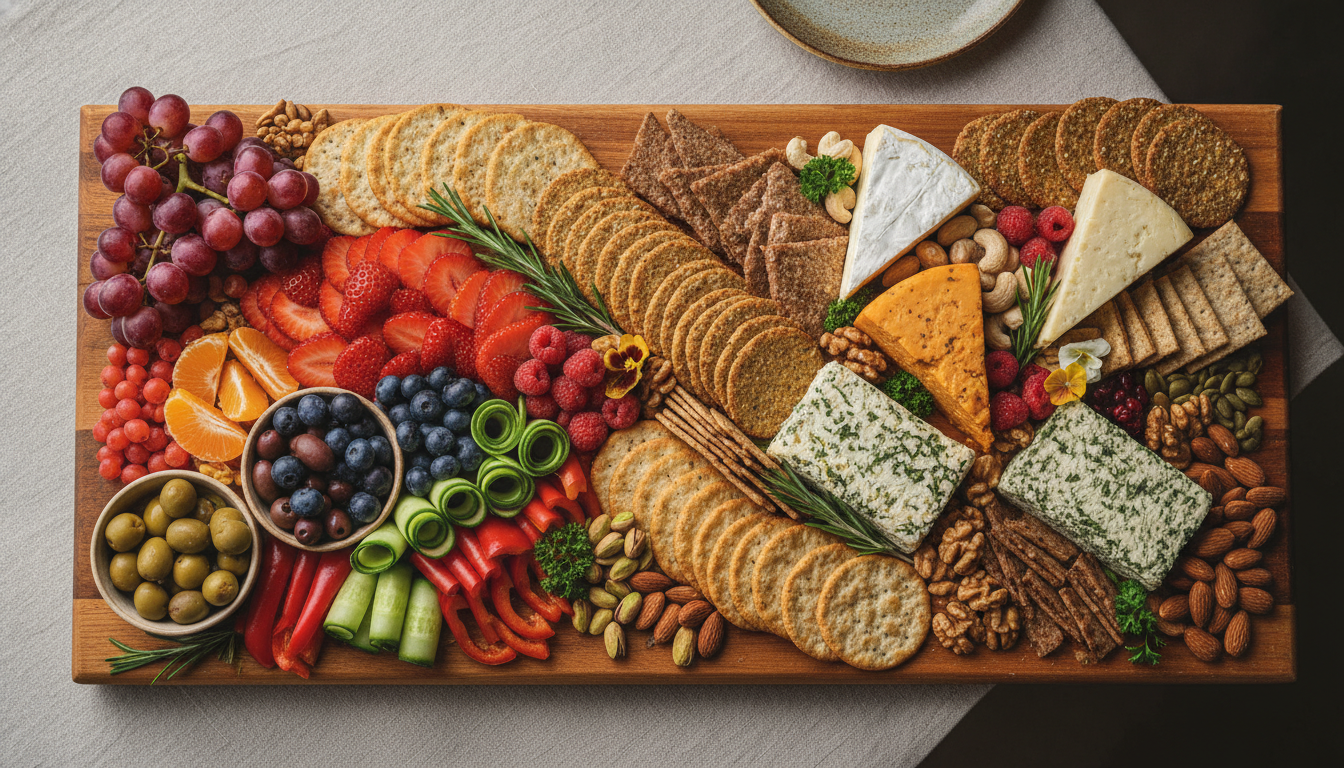
A vegan charcuterie board replaces traditional meats and dairy with plant-based alternatives. The focus shifts to showcasing the natural beauty and flavor of vegetables, fruits, nuts, and vegan cheeses. This approach creates boards that are both ethical and visually stunning.
These boards celebrate abundance and variety. You can include an assortment of colors, textures, and taste profiles. The goal is to make sure every guest finds something they love while discovering new flavor combinations.
Plant-based boards offer incredible flexibility. You can adapt them for any season, dietary need, or occasion. The ingredients stay fresh longer than traditional charcuterie, making them perfect for extended gatherings.
Essential Ingredients for Your Vegan Charcuterie Board
Building an impressive board starts with selecting quality ingredients. Each component plays a specific role in creating visual appeal and flavor balance. Understanding these elements helps you craft boards that guests remember.
Vegan Cheese Options
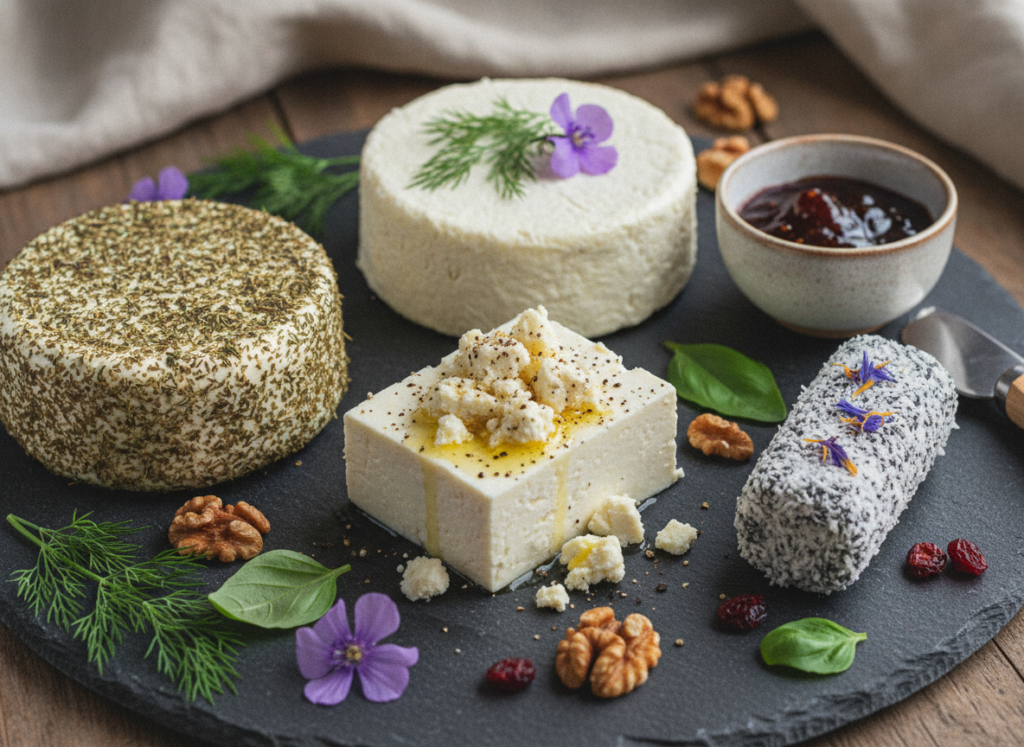
Vegan cheese forms the foundation of your board. These plant-based alternatives have evolved dramatically in recent years. You’ll find options made from cashews, almonds, and coconut that rival traditional dairy cheeses in taste and texture.
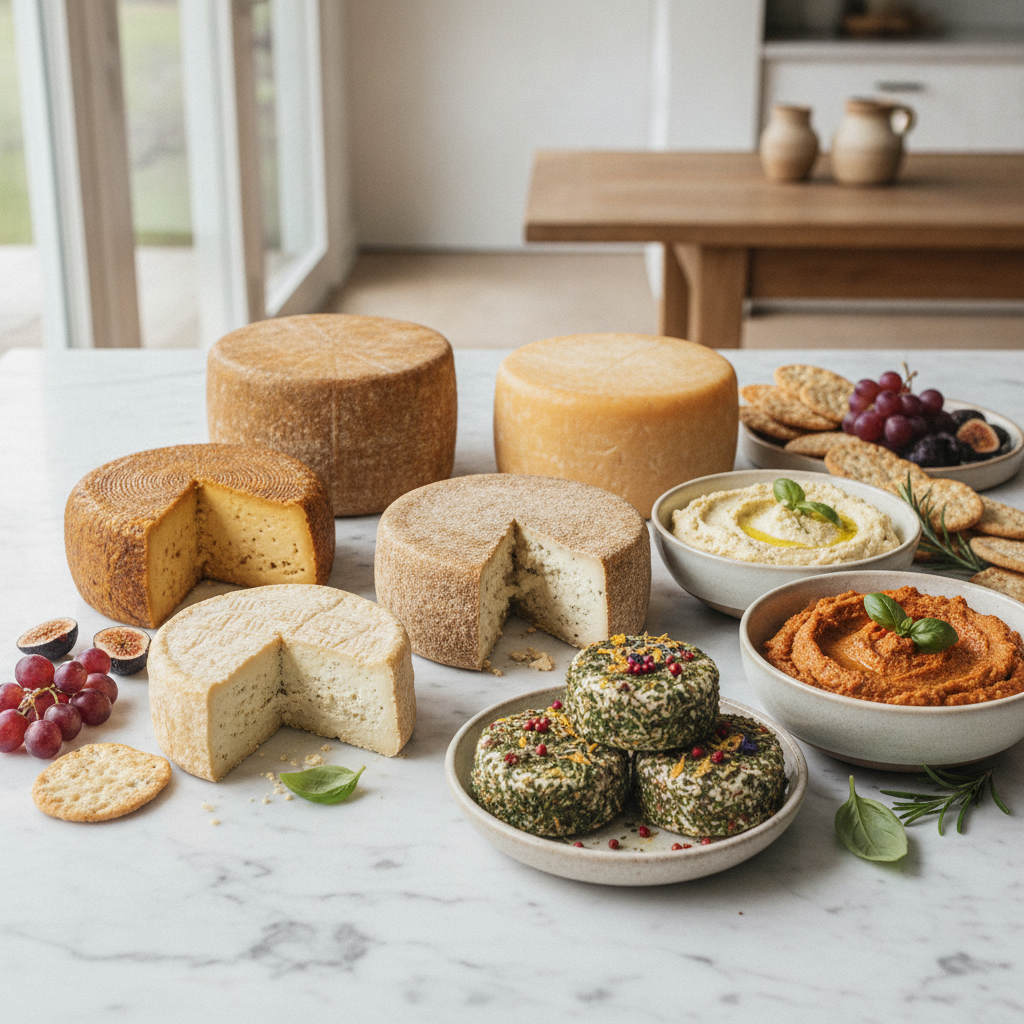
Look for aged varieties that offer complex flavors. Soft spreadable cheeses work wonderfully for crackers. Hard cheeses can be sliced thin or cubed for easy eating.
Try mixing different cheese types on your board. Include one soft, one semi-soft, and one firm option. This variety gives guests choices and makes the platter more interesting.
Store-bought vegan cheese brands now offer impressive selections. Many feature herbs, spices, or smoky notes. These additions bring depth to your overall flavor profile.
Find Premium Vegan Cheese Collections
Access expert-curated selections of the finest plant-based cheeses and learn professional pairing techniques.
Crackers and Bread Selections
Crackers and bread provide the base for building perfect bites. Choose varieties with different textures and flavors. Mix crispy crackers with soft bread slices to add dimension to your board.
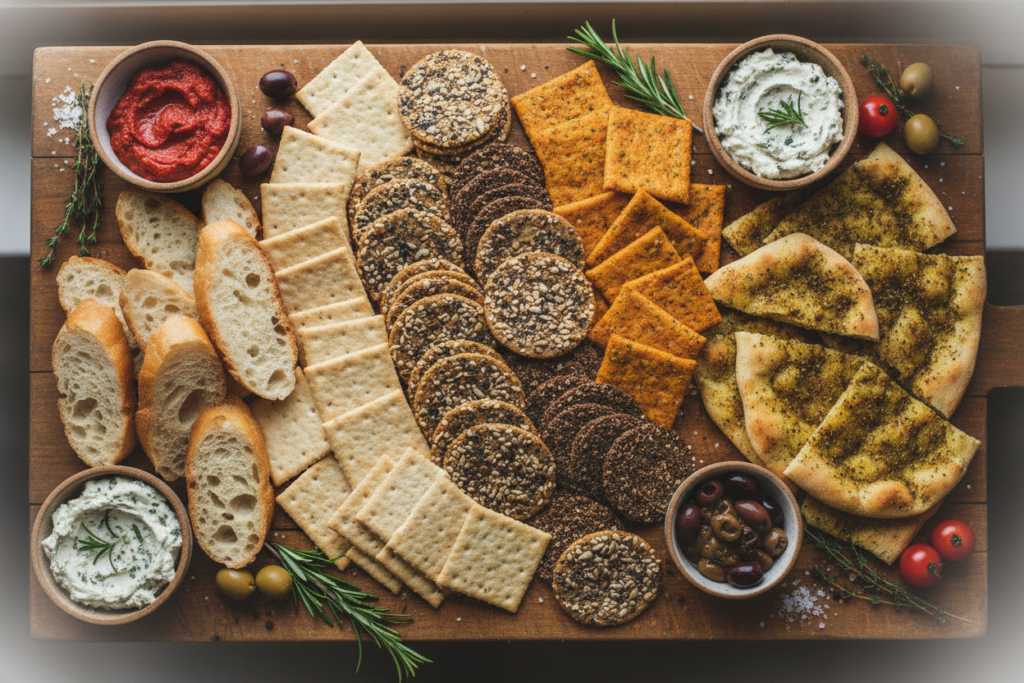
Seed crackers add nutritional value and interesting texture. Water crackers offer a neutral base that lets other flavors shine. Flavored options like rosemary or olive crackers bring their own character to the platter.
Include some gluten-free options for guests with dietary restrictions. Rice crackers and seed-based crisps work perfectly. These additions make sure everyone can enjoy your creation.
Fresh bread brings a special touch to any board. Sliced baguette or focaccia pairs beautifully with spreads. Toast the bread lightly for extra crunch and visual appeal.
Fresh Fruit Selections for Color and Sweetness
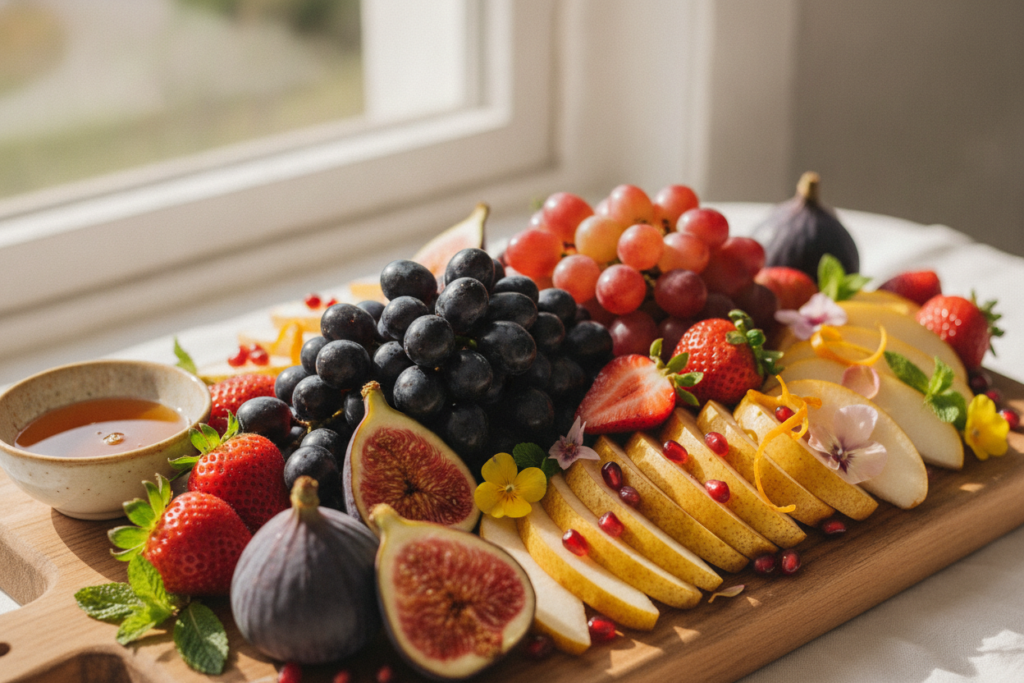
Fresh fruit adds natural sweetness and vibrant color to your vegan charcuterie board. These ingredients create beautiful contrast against savory elements. The variety of fruits available makes each board unique and seasonal.
Berry Varieties
Berries bring pops of color to any platter. Strawberries, blueberries, and raspberries work exceptionally well. Their small size makes them easy to scatter across the board for visual interest.
Fresh berries pair wonderfully with vegan cheese. The tartness cuts through rich, creamy flavors. Guests love the combination of sweet fruit with savory spreads.
Stone Fruits and Melons
Sliced peaches, plums, and apricots add elegance to your board. These fruits bring sophisticated flavor profiles. Their soft texture contrasts nicely with crunchy crackers and firm vegetables.
Melon balls or cubes provide refreshing bites. Cantaloupe and honeydew work particularly well. These fruits help cleanse the palate between richer foods.
Consider grilling some fruit for added depth. Grilled peaches develop caramelized notes that enhance the overall flavor experience. This technique impresses guests with minimal effort.
Grapes and Pears
Grapes are essential for any charcuterie platter. They’re easy to eat and add visual appeal. Choose different colors to maximize the color variety on your board.
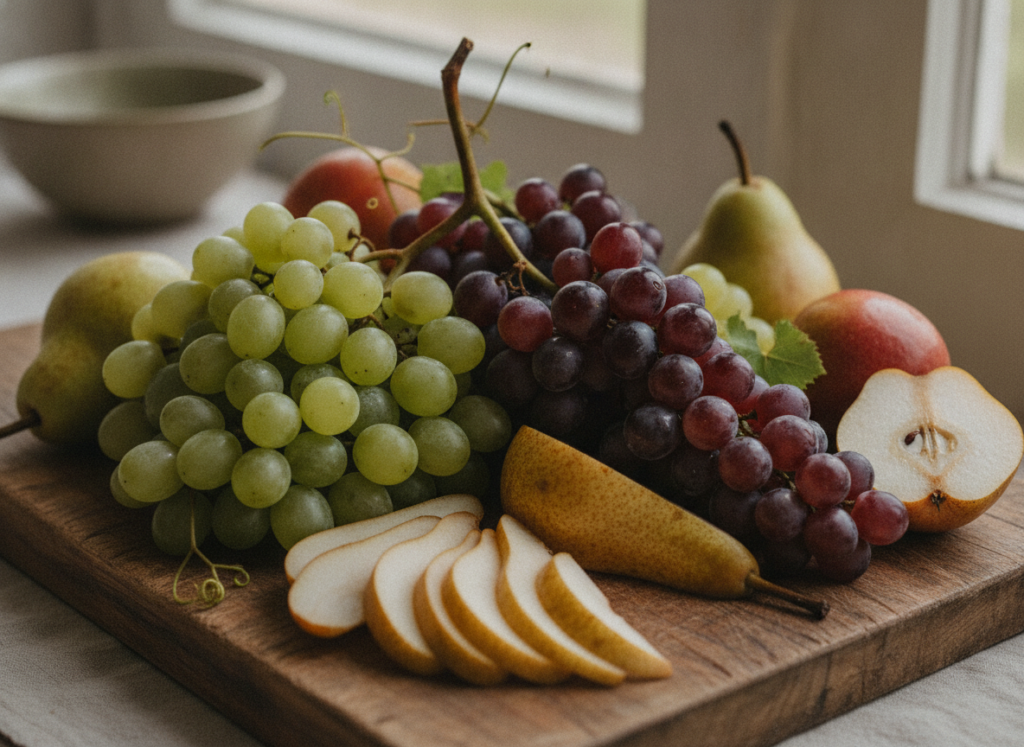
Pears bring subtle sweetness and crisp texture. Slice them just before serving to prevent browning. A squeeze of lemon juice helps maintain their fresh appearance.
Dried fruit offers concentrated sweetness and chewy texture. Apricots, dates, and figs work beautifully. These options fill gaps and add another layer of flavor complexity.
Elevate Your Board with Expert Tips
Learn professional techniques for fruit selection, preparation, and arrangement that will make your vegan charcuterie boards stand out.
Vegetables and Dips That Add Crunch and Flavor
Vegetables bring essential crunch and nutritional value to your vegan charcuterie board. These colorful ingredients create visual impact while offering fresh flavors. The key is selecting vegetables that are easy to eat and pair well with dips.
Raw Vegetable Options
Bell pepper strips add bright color and sweet crunch. Choose different colors for maximum visual impact. Red, yellow, and orange peppers look stunning against green vegetables.
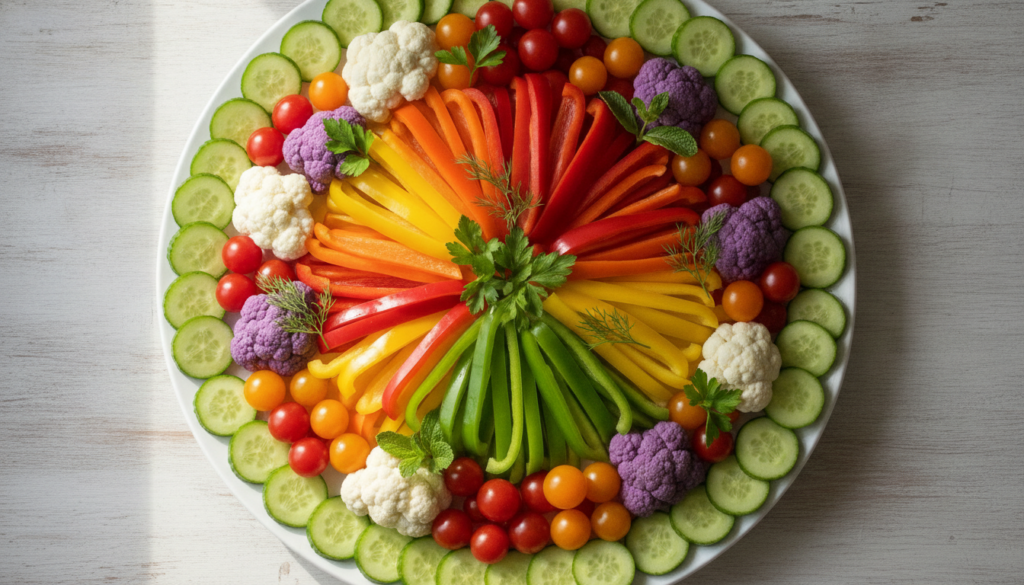
Cherry tomatoes burst with juice and flavor. These little gems need no preparation beyond rinsing. Their round shape helps fill gaps between other ingredients.
Cucumber slices offer refreshing crunch. Cut them into rounds or sticks for variety. These mild vegetables balance stronger flavors on the board.
Cauliflower florets provide satisfying texture. Break them into bite-sized pieces for easy snacking. Their neutral color creates space for your eyes to rest among brighter ingredients.
Dips and Spreads
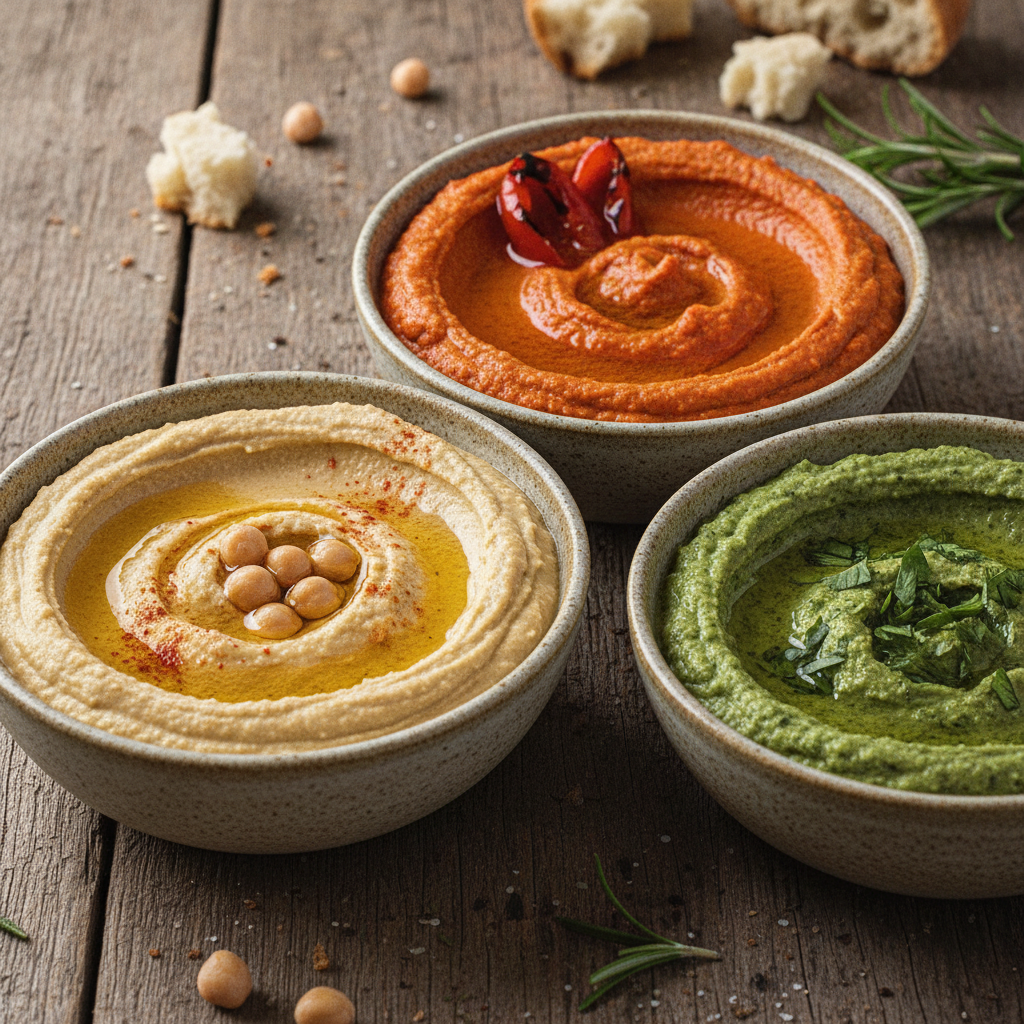
Hummus serves as the perfect protein-rich dip. This versatile spread comes in many flavors. Classic, roasted red pepper, and garlic varieties all work wonderfully.
Place dips in small bowls scattered across your board. This strategy makes the platter more accessible. Guests can easily reach their favorite spreads without reaching across the entire display.
Guacamole adds creamy richness and healthy fats. Its bright green color pops against other board elements. Fresh avocado flavor pairs beautifully with vegetables and crackers alike.
Consider including a bean dip or white bean spread. These options provide variety and additional protein. They work especially well with sturdy vegetables like bell pepper and carrots.
Pickled and Marinated Vegetables
Pickled vegetables bring tangy brightness to your board. Olives are essential for any charcuterie platter. Mix green and black varieties for visual interest.
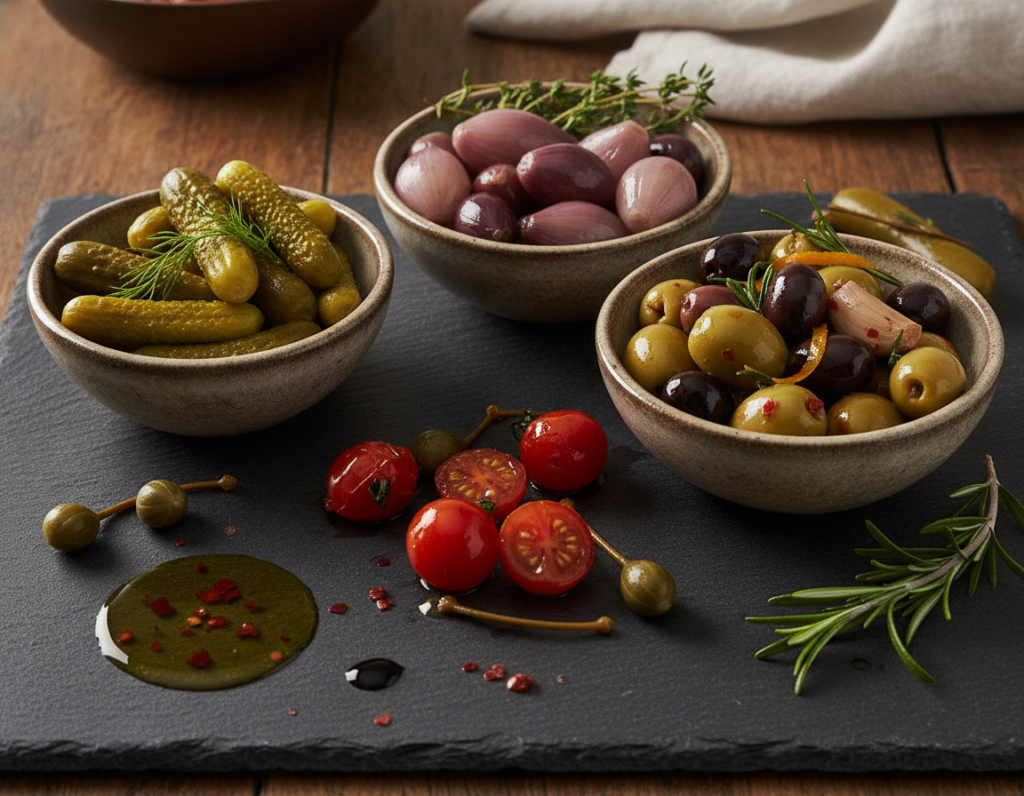
Pickled onions add pop and zing. Their purple color creates stunning contrast. These vegetables cut through rich flavors and refresh the palate.
Marinated artichoke hearts offer sophisticated flavor. These tender vegetables bring Mediterranean flair. Their unique taste makes them conversation starters at gatherings.
Nuts and Extra Elements for Texture
Nuts provide essential crunch and healthy fats to your vegan charcuterie board. These ingredients fill gaps beautifully while adding nutritional value. The variety of nuts available allows for creative combinations.
Nut Selection
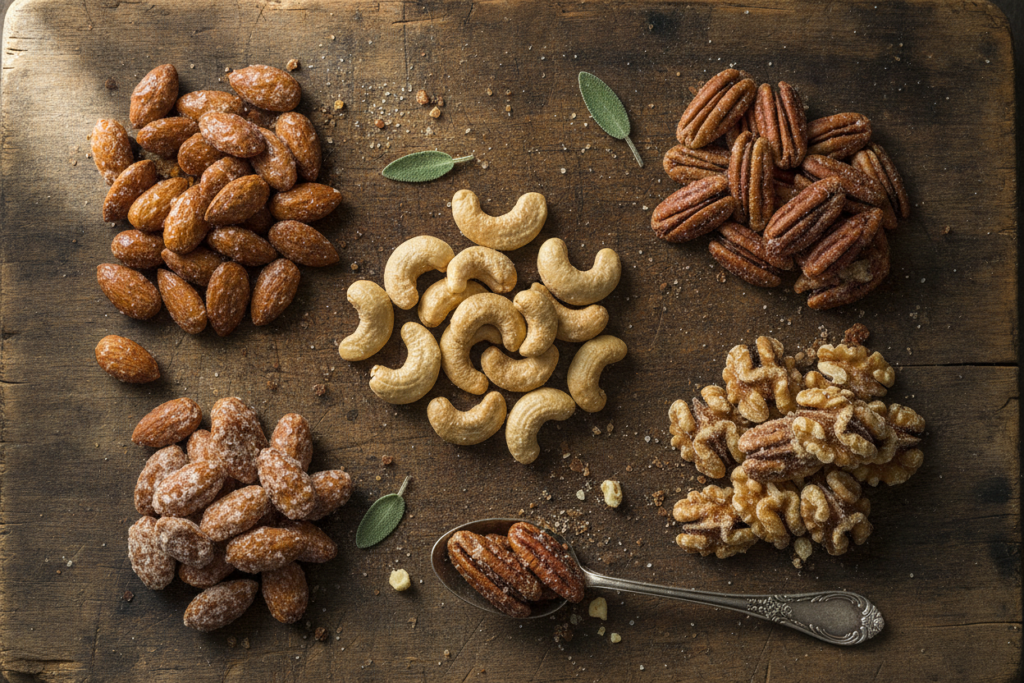
Almonds bring mild flavor and satisfying crunch. Raw or roasted varieties both work well. Their neutral taste complements rather than competes with other board elements.
Pecans add buttery richness. These nuts pair exceptionally well with sweet ingredients. Try candied pecans for an extra special touch that guests will love.
Cashews offer creamy texture despite being crunchy. Their subtle sweetness works with both sweet and savory foods. These versatile nuts appeal to almost everyone.
Walnuts bring earthy depth to your platter. Their distinctive flavor stands out nicely. The visual texture of walnuts adds interest to the overall presentation.
Seeds and Dried Foods
Pumpkin seeds provide protein and mineral content. Their flat shape makes them easy to scatter across the board. Roasted varieties bring deeper flavor to your creation.
Dried fruit complements nuts perfectly. The combination of crunchy and chewy textures creates interesting contrast. Dates, apricots, and figs work particularly well.
Dark chocolate pieces add unexpected delight. Small amounts of quality chocolate surprise and please guests. This addition takes your board from good to unforgettable.
Garnishes and Finishing Touches
Fresh herbs bring color and aroma to your board. Rosemary sprigs and basil leaves look beautiful tucked between ingredients. These garnishes make the platter feel more sophisticated.
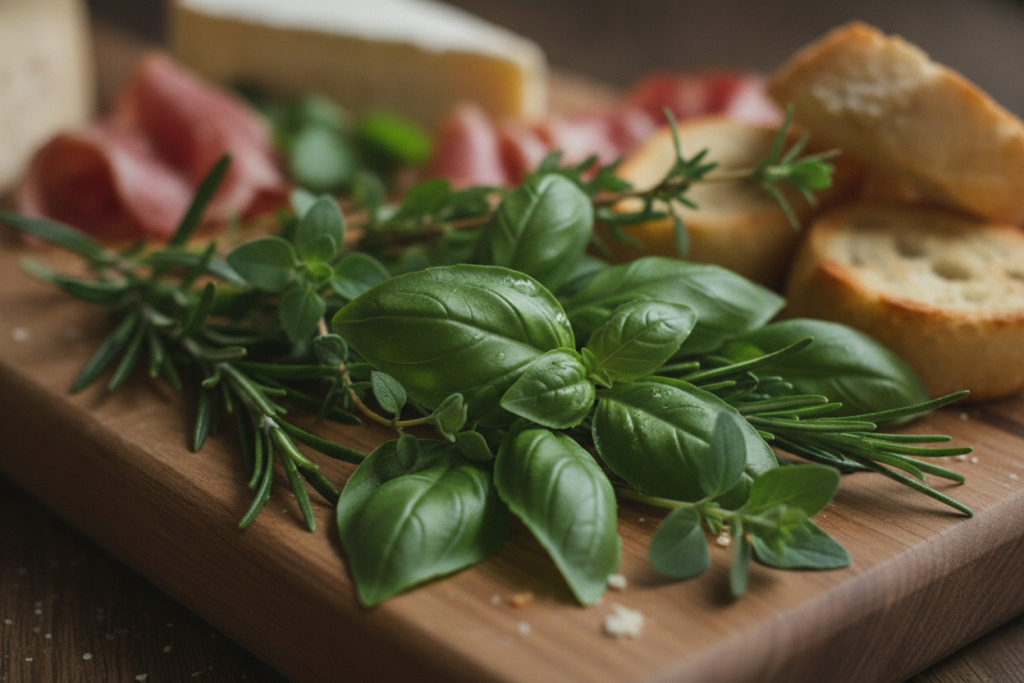
Edible flowers create stunning visual impact. Pansies and nasturtiums are completely safe to eat. These delicate blooms make your board worthy of social media posts.
Professional Arrangement Techniques for Visual Appeal
Arranging your vegan charcuterie board requires strategy and creativity. The placement of each ingredient affects both appearance and functionality. Learning professional techniques helps you create boards that look expertly crafted.
Starting with Bowls and Anchors
Place your bowls on the board first. This strategy creates anchor points around which to arrange other ingredients. Space bowls evenly to balance the composition.
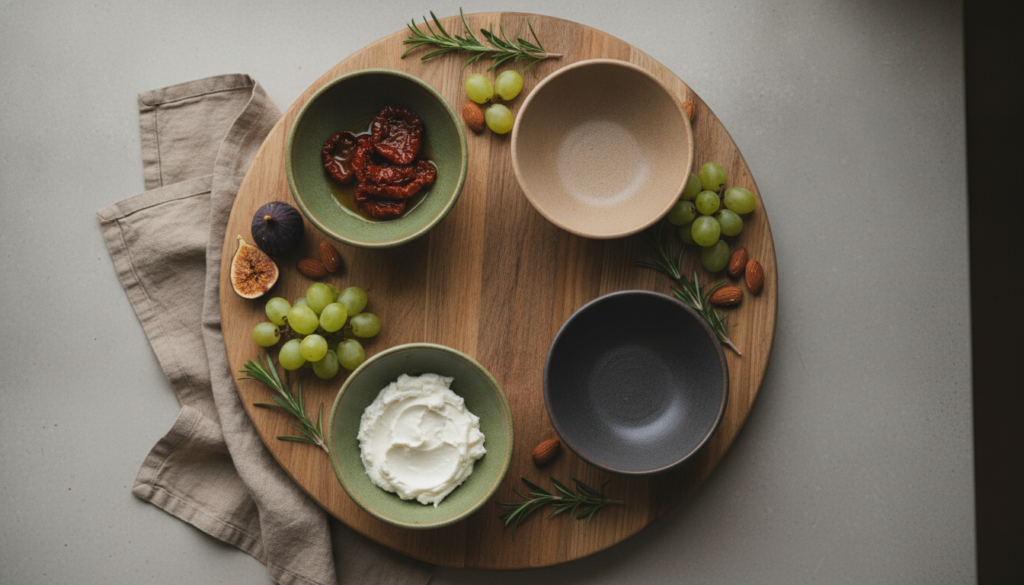
Use different sized bowls for visual interest. Small ramekins work well for dips and spreads. Slightly larger bowls can hold olives or nuts.
Consider odd numbers when placing bowls. Three or five bowls typically look more balanced than even numbers. This rule of composition creates natural flow.
Building Around Focal Points
Create groupings of similar ingredients around each bowl. Place vegetables near dips they complement. Arrange crackers and bread near cheese and spreads.
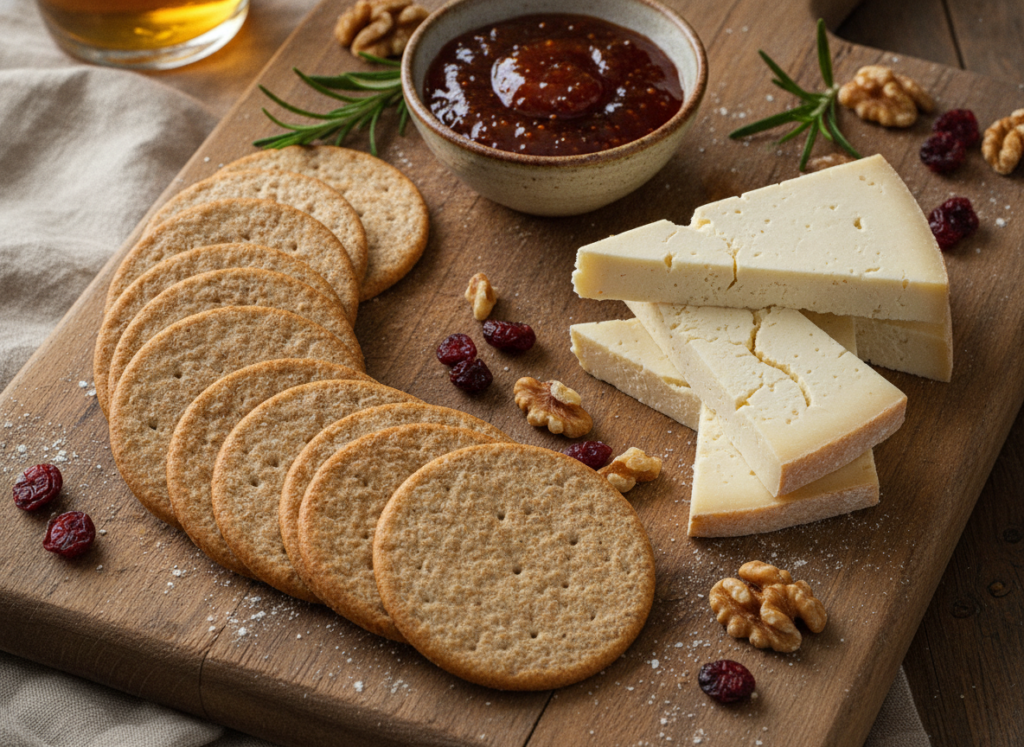
Vary your heights to add dimension. Stack some crackers while laying others flat. This technique makes the board more dynamic and interesting to view.
Think about color distribution as you work. Spread bright colors throughout rather than grouping them together. This approach creates visual balance across the entire platter.
Filling Gaps and Final Touches
Fill gaps between larger items with smaller ingredients. Berries, nuts, and olives work perfectly for this purpose. These little additions make the board look abundant and complete.
Use the layering technique to add depth. Overlap some ingredients slightly for a natural, abundant appearance. This method prevents a flat, overly organized look.
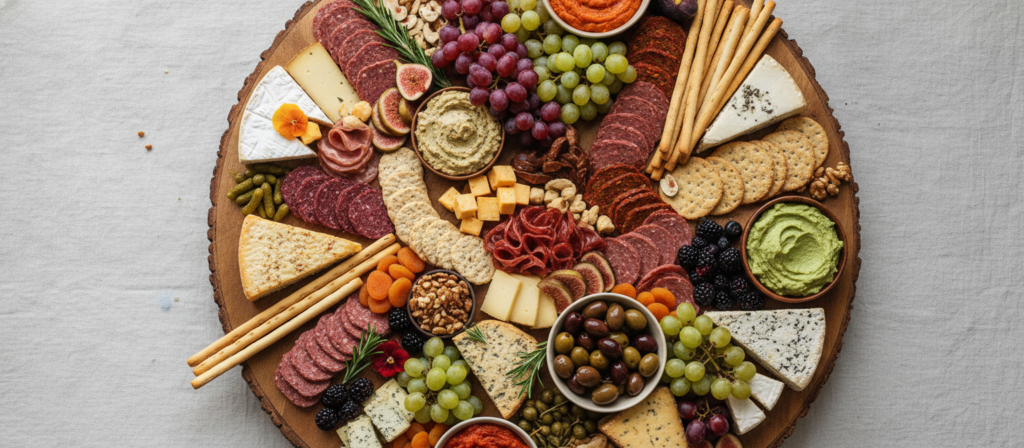
Step back frequently to assess your progress. View the board from different angles. This practice helps you spot empty areas or color imbalances before serving.
Master the Art of Board Arrangement
Get step-by-step video tutorials and professional arrangement templates that guarantee stunning results every time.
Serving and Presentation Ideas
How you serve your vegan charcuterie board matters as much as what’s on it. The right presentation enhances the dining experience. Simple serving strategies make your boards more enjoyable for guests.
Choosing Your Board or Platter
Wood boards bring natural warmth and rustic charm. These traditional options never go out of style. Make sure your wooden board is food-safe and properly sealed.
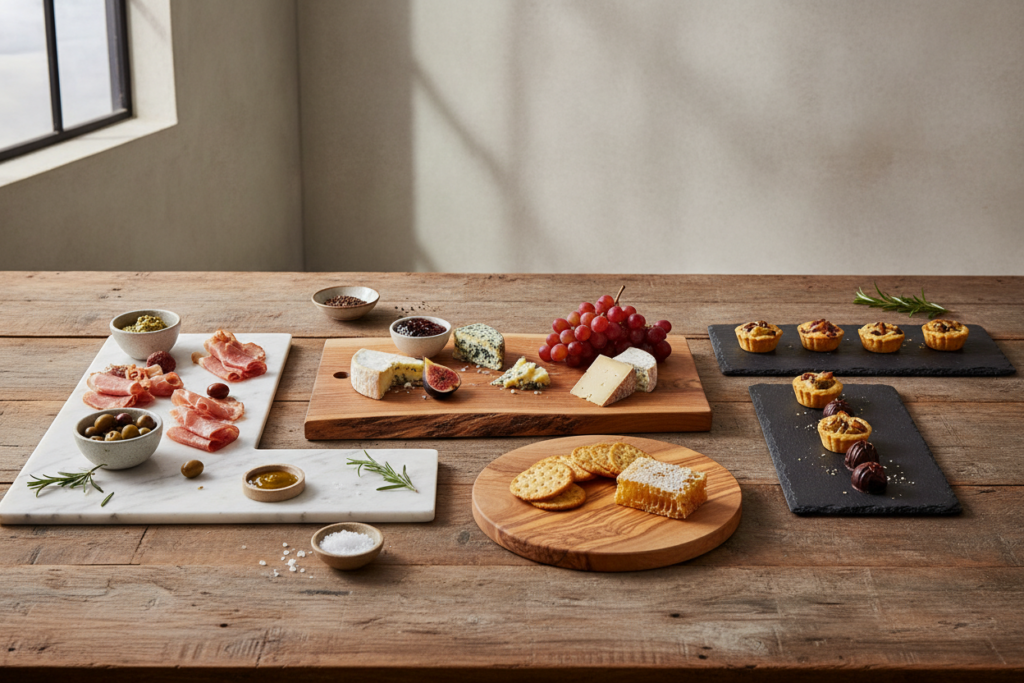
Marble slabs offer elegant sophistication. Their cool surface keeps food fresh longer. The smooth white surface makes colorful ingredients pop beautifully.
Slate boards provide modern appeal. These dark surfaces create dramatic contrast with bright foods. The natural texture adds visual interest to your presentation.
Timing and Preparation
Assemble your board no more than two hours before serving. This timing keeps ingredients fresh and appealing. Cover the completed board loosely with plastic wrap until guests arrive.
Remove cheese from refrigeration thirty minutes early. Room temperature cheese tastes significantly better. This simple step dramatically improves flavor and texture.
Prepare vegetables just before assembly. Cut them fresh to maintain crunch and color. Pre-cutting too early leads to wilted, unappealing vegetables.
Keep backup ingredients ready. Replenish popular items as they disappear. This attention to detail keeps your board looking abundant throughout the event.
Accompaniments and Extras
Provide small plates and napkins nearby. This setup makes serving yourself easier for guests. Stack plates at one end of the table for convenient access.
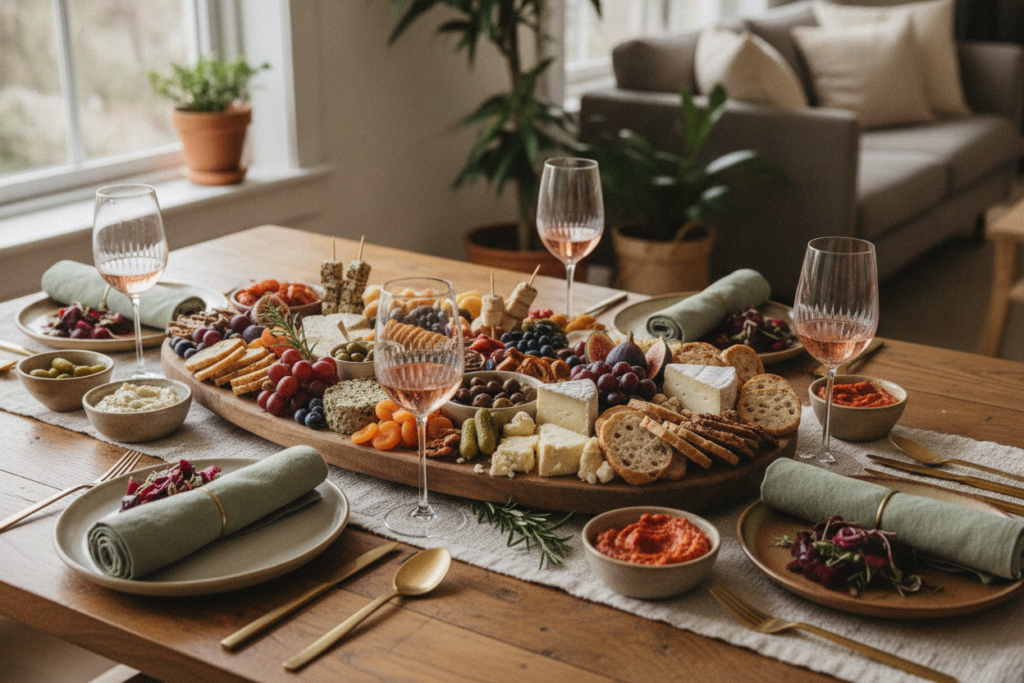
Offer serving utensils for spreads and soft cheeses. Small knives or spreaders prevent cross-contamination. These tools help maintain the board’s organization as guests serve themselves.
Consider pairing suggestions for beverages. Wine, sparkling water, or mocktails complement board flavors. Share these recommendations to enhance the overall experience.
Seasonal Variations and Theme Ideas
Adapting your vegan charcuterie board to seasons and themes keeps your presentations fresh and exciting. Each time of year offers unique ingredients and opportunities. Creating themed boards shows creativity and attention to detail.
Spring and Summer Boards
Light, fresh ingredients define warm weather boards. Focus on berries, melon, and crisp vegetables. These ingredients match the season’s energy and brightness.
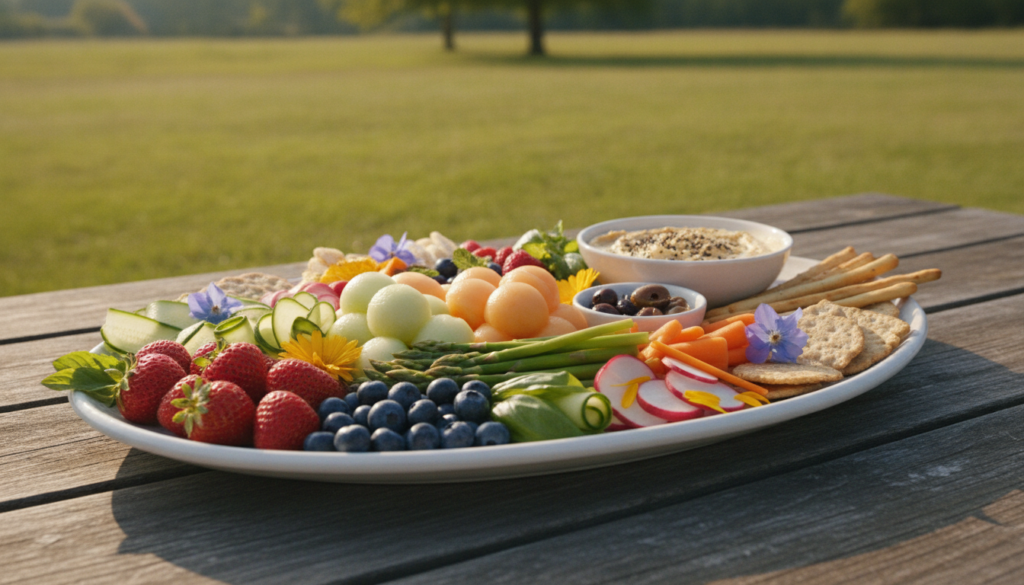
Include more raw vegetables during warmer months. Bell pepper, cucumber, and cherry tomatoes taste especially good. Their high water content provides refreshing snacking options.
Add tropical fruits for summer gatherings. Pineapple, mango, and kiwi bring exotic flair. These bold flavors create memorable taste experiences.
Fall and Winter Boards
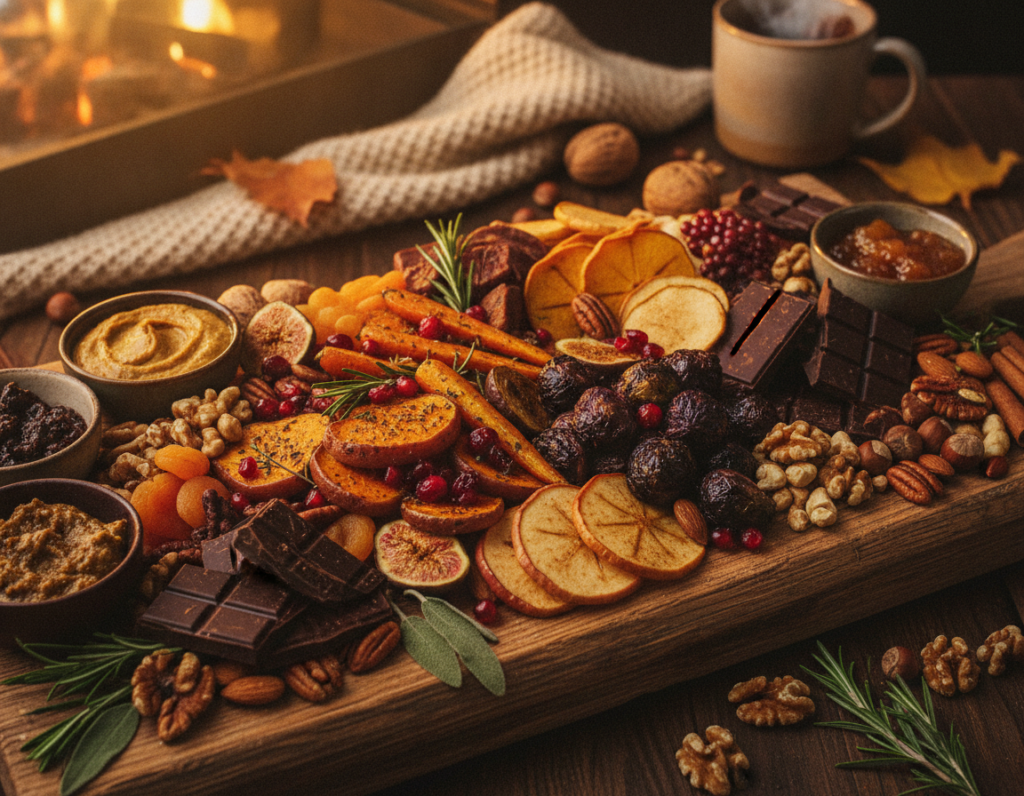
Heartier ingredients suit cooler weather perfectly. Root vegetables, dried fruits, and nuts take center stage. These foods feel comforting and satisfying.
Roasted vegetables add warmth to cold-weather boards. Try roasted cauliflower or Brussels sprouts. These cooked options bring different textures and deeper flavors.
Dark chocolate becomes more prominent in winter boards. This ingredient pairs beautifully with dried fruit and nuts. Small amounts create indulgent moments.
Incorporate seasonal produce like apples and pears. These fruits store well and taste delicious. Slice them fresh and arrange artfully for visual appeal.
Holiday and Special Occasion Boards
Theme your boards around specific celebrations. Use red and green ingredients for winter holidays. Heart-shaped arrangements work perfectly for romantic occasions.
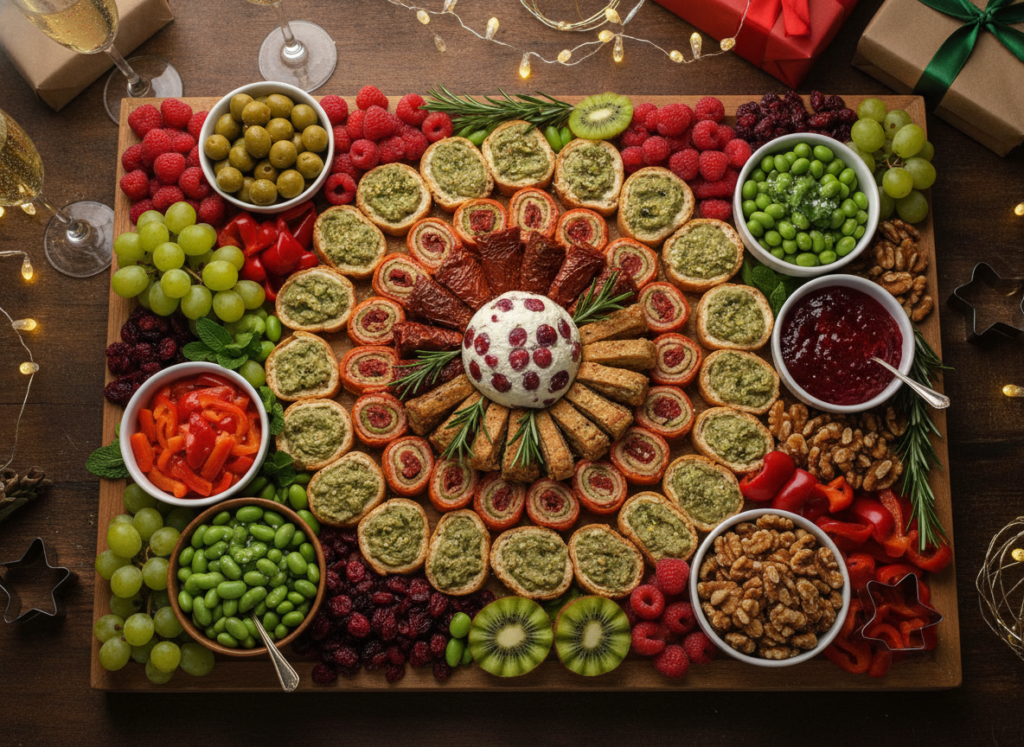
Create color schemes that match your party theme. This coordination impresses guests and shows thoughtful planning. Even simple color matching elevates the presentation significantly.
Budget-Friendly Tips for Beautiful Boards
Creating stunning vegan charcuterie boards doesn’t require expensive ingredients. Smart shopping and creative planning keep costs manageable. These strategies help you build impressive platters on any budget.
Smart Shopping Strategies
Buy seasonal produce for better prices and flavor. In-season fruits and vegetables cost less and taste better. This approach benefits both your wallet and your board quality.
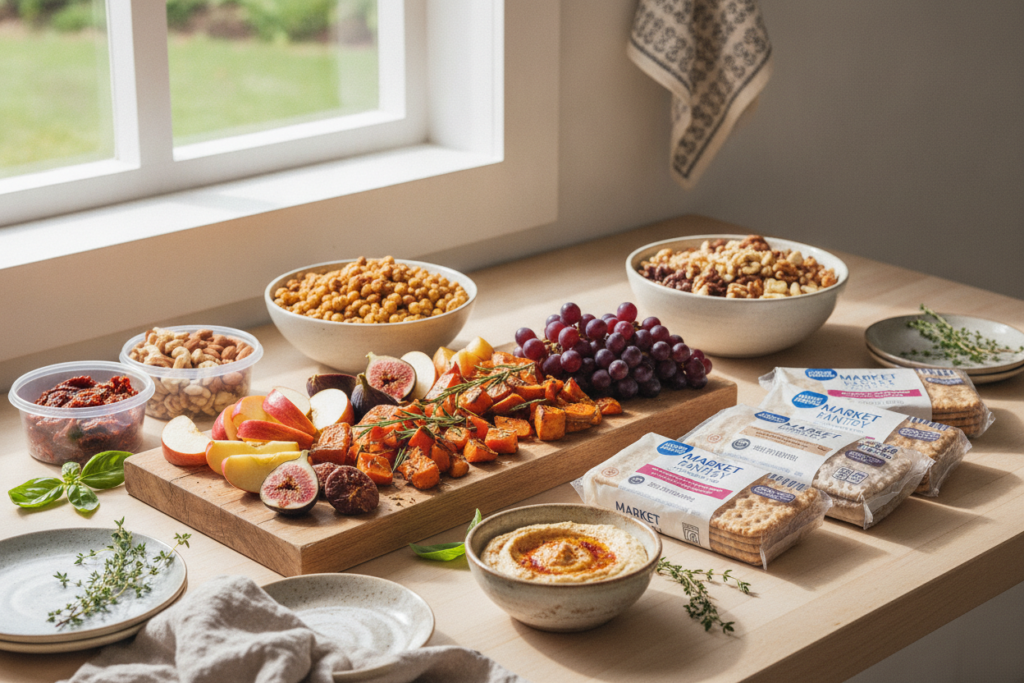
Purchase nuts and dried fruit from bulk bins. These sections offer significant savings compared to packaged versions. Buy only the amounts you need to avoid waste.
Make your own dips and spreads at home. Hummus costs a fraction to prepare compared to store purchases. Basic recipes require only a food processor and simple ingredients.
Choose store-brand crackers and bread. These products taste just as good as premium options. The money saved allows splurging on special ingredients elsewhere.
Focus spending on one or two standout items. Perhaps invest in artisan vegan cheese while economizing on other ingredients. This strategy creates impressive boards without overspending.
Maximizing Visual Impact
Use abundant garnishes to fill gaps. Fresh herbs cost little but add tremendous visual value. These green accents make boards look more expensive than they are.
Cut fruits and vegetables in interesting shapes. Simple techniques like fanning cucumber slices create sophistication. This effort costs nothing but adds perceived value.
Arrange ingredients thoughtfully to create abundance. Proper placement makes smaller quantities appear generous. This skill develops with practice and attention.
Storage and Leftover Management
Proper storage extends the life of your vegan charcuterie ingredients. Understanding how to handle leftovers prevents waste. These practices ensure you get maximum value from your purchases.
Before Assembly Storage
Store different ingredients according to their needs. Keep vegetables in crisper drawers with proper humidity. This environment maintains freshness and crunch longer.
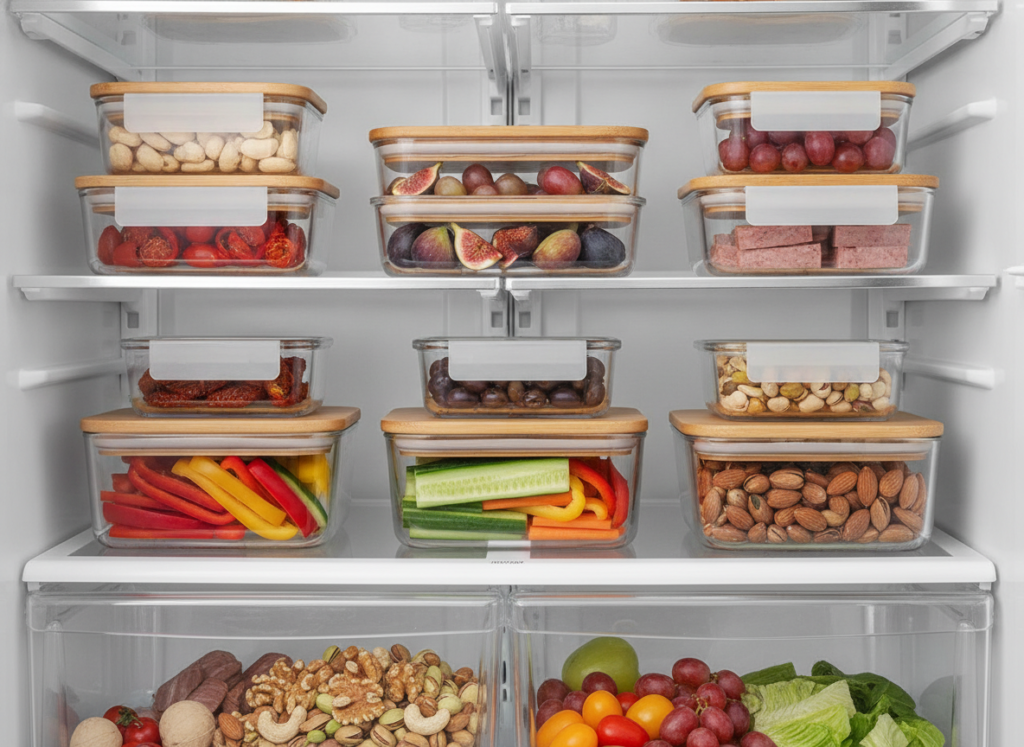
Wrap vegan cheese properly to maintain texture. Use wax paper or specialized cheese paper rather than plastic. This method allows cheese to breathe while preventing drying.
Keep nuts and dried fruit in airtight containers. Room temperature storage works fine for short periods. Refrigeration extends their shelf life significantly.
After the Party
Separate remaining ingredients immediately after serving. Return items to appropriate storage quickly. This prompt attention maintains food safety and quality.
Use leftover vegetables in salads or stir-fries. These ingredients haven’t lost their nutritional value. Quick cooking transforms them into easy next-day meals.
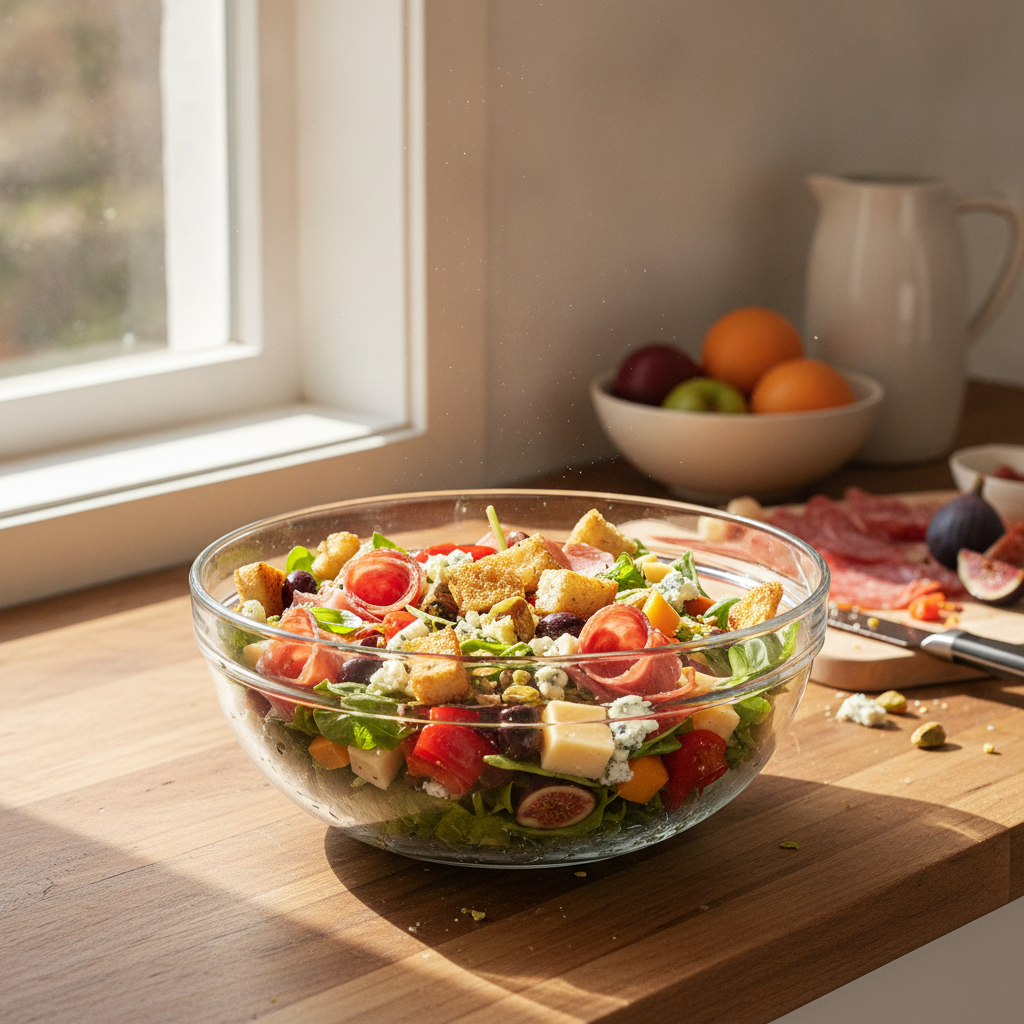
Freeze suitable items if you won’t use them soon. Many vegan cheeses freeze reasonably well. Thaw in the refrigerator for best results.
Blend soft fruits into smoothies before they spoil. This option works particularly well with berries. Add greens for extra nutrition in your morning drink.
Common Mistakes to Avoid
Learning from typical errors helps you create better vegan charcuterie boards. These common pitfalls can undermine even good ingredient selections. Understanding what to avoid saves time and improves results.
Overcrowding the Board
Leaving some empty space actually enhances appearance. Overfilled boards look cluttered and overwhelming. Strategic spacing creates sophistication and elegance.
Guests need room to access ingredients easily. Tightly packed boards make serving difficult. This frustration diminishes the enjoyment of your creation.
Poor Color Distribution
Grouping similar colors together creates dead spots. Spread vibrant ingredients throughout the board. This distribution maintains visual interest across the entire platter.
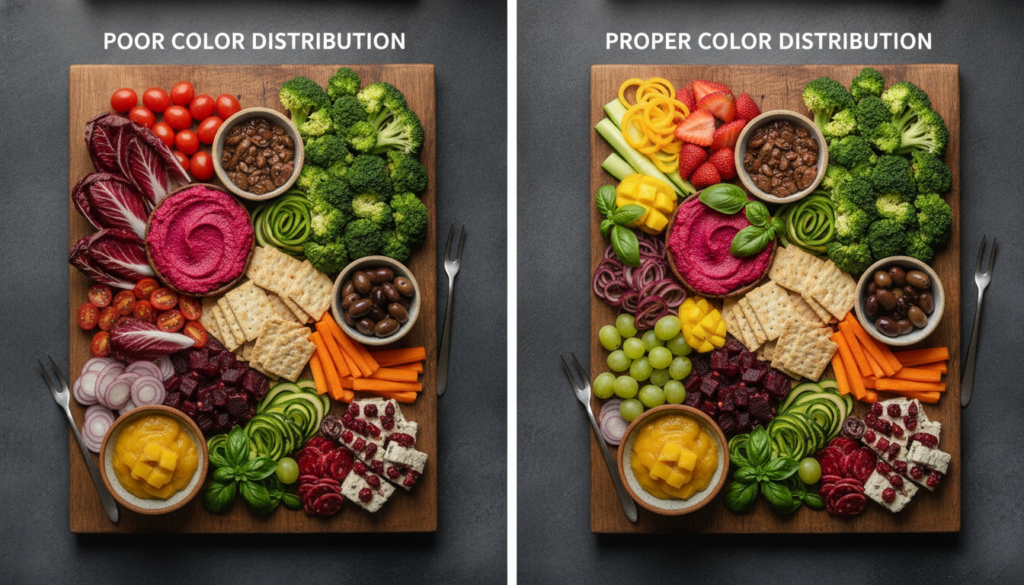
Include variety in both light and dark ingredients. This contrast makes individual items stand out. The interplay of colors draws the eye naturally around the board.
Neglecting Texture Variety
Mix soft and crunchy elements throughout your board. All soft or all crunchy ingredients become monotonous. Varied textures keep the eating experience interesting.
Consider mouthfeel when selecting ingredients. Creamy dips balance crispy vegetables perfectly. This thoughtful combination pleases more guests.
Serving Temperature Issues
Cold cheese lacks flavor and appeal. Allow adequate warming time before serving. This patience dramatically improves taste and texture.
Some items wilt quickly at room temperature. Plan your assembly timing accordingly. Balance food safety with optimal serving conditions.
Creating Your Perfect Vegan Charcuterie Board
Building beautiful vegan charcuterie boards combines creativity with practical skills. You’ve learned about ingredient selection, arrangement techniques, and presentation strategies. These tools empower you to create stunning platters for any occasion.
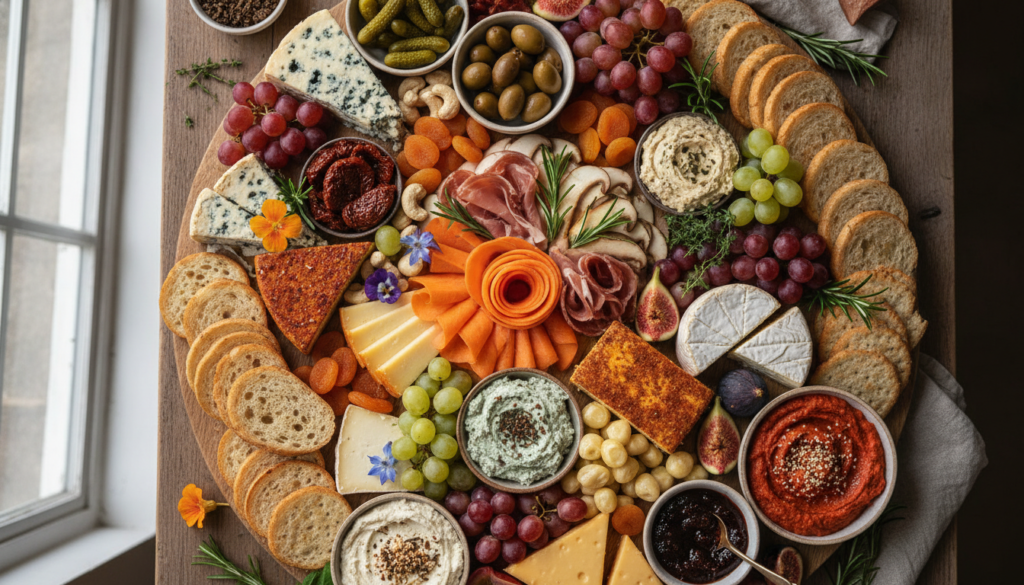
Remember that practice improves your board-making abilities. Each platter teaches valuable lessons about color balance, ingredient pairing, and guest preferences. Don’t fear experimentation with new ingredients and arrangements.
The beauty of vegan charcuterie lies in its flexibility and inclusivity. These boards welcome everyone regardless of dietary preferences. Your creations bring people together around delicious, plant-based foods.
Start planning your next board today. Gather ingredients that excite you and reflect your personal style. Your guests will appreciate the thought, effort, and artistry you bring to every platter.
Take Your Vegan Entertaining to the Next Level
Access comprehensive guides, video tutorials, and expert resources to become a vegan charcuterie board master. Join thousands who have transformed their entertaining skills.