TVegan Lasagna Recipe: Easy & Delicious Plant-Based
Nothing compares to the comfort of a hearty lasagna fresh from the oven. The aroma of garlic and marinara sauce fills your kitchen. Layers of tender noodles meet creamy ricotta and melted cheese in every bite.
This Website contains affiliate links. That means I may earn a small commission if you purchase through my links, at no extra cost to you.
Many people think vegan lasagna can’t match the original. This recipe proves them wrong. You’ll create a dish so satisfying that even devoted meat eaters ask for seconds.
This vegan lasagna recipe delivers authentic Italian flavor without any animal products. The secret lies in building proper layers and choosing the right ingredients. You’ll learn every step to make this comfort food masterpiece in your own kitchen.
Why Vegan Lasagna Deserves a Place in Your Recipe Collection
Traditional lasagna has held a special place in family dinners for generations. The vegan version keeps all the warmth and satisfaction while offering additional benefits.
Plant-based lasagna provides comfort food without the heavy feeling that follows meat-heavy meals. Your body digests it more easily. You get essential nutrients from vegetables and whole ingredients.
Health Advantages
Vegan lasagna contains less saturated fat than traditional versions. The vegetables add fiber and vitamins. You can enjoy generous portions without guilt.
This lasagna recipe supports heart health. The plant-based ingredients provide antioxidants. Many people notice better energy levels after switching to meals like this.
Environmental Impact
Choosing plant-based meals reduces your carbon footprint. A single vegan lasagna saves significant resources compared to meat versions. Small changes in your kitchen create meaningful environmental effects.
The ingredients for this recipe require less water and land. You make a positive choice for the planet every time you prepare this dish.
Ready to Transform Your Plant-Based Cooking?
Discover comprehensive guides and step-by-step systems that make vegan cooking simple and delicious. Access hundreds of recipes and meal planning tools designed for busy families.
Essential Ingredients for Perfect Vegan Lasagna
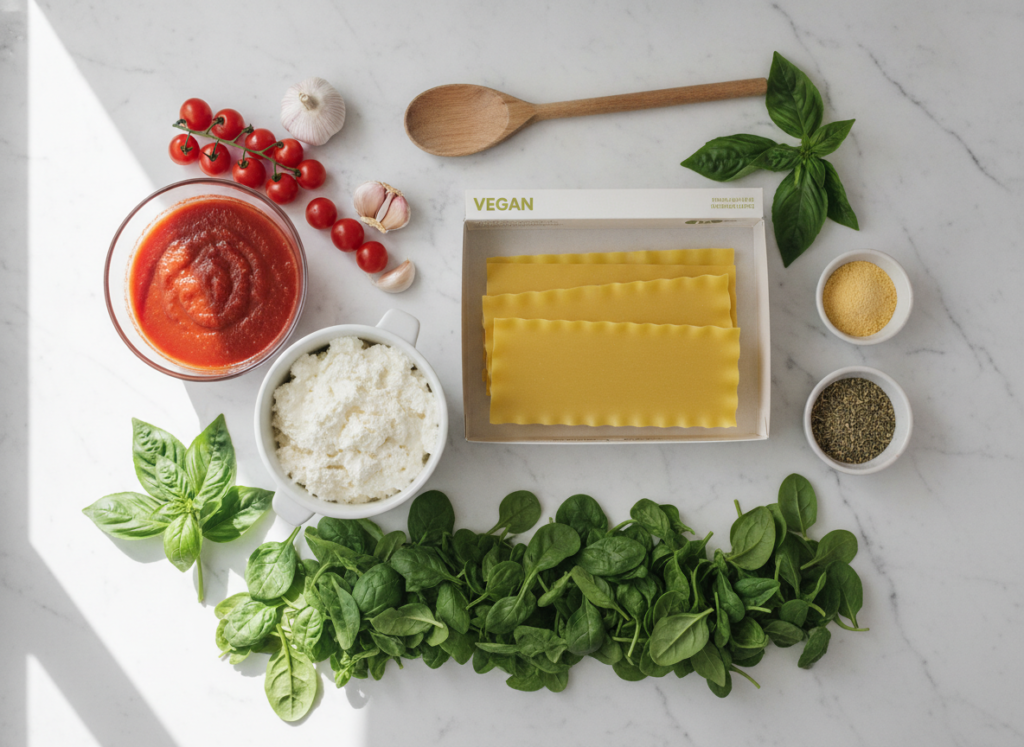
The foundation of exceptional vegan lasagna starts with selecting quality ingredients. Each component plays a vital role in creating authentic texture and flavor.
Lasagna Noodles Selection
Choose lasagna noodles that match your cooking style and time. Regular dried noodles need boiling before assembly. No-boil noodles save time and work perfectly in this recipe.
Most lasagna noodles are already vegan, but always check the label. Some brands add eggs to their pasta. Look for packages that list only semolina flour and water as ingredients.
The Sauce Foundation
Marinara sauce forms the flavor base of your lasagna. You can use store-bought marinara to save time. Choose varieties with simple ingredients and no added sugar.
Making your own marinara sauce takes thirty minutes and elevates the entire dish. Use crushed tomatoes, garlic, olive oil, and Italian herbs. The homemade version lets you control salt and spice levels.
Vegan Ricotta Options
Store-bought vegan ricotta works wonderfully in this lasagna recipe. Many brands now offer versions made from cashews or tofu. These products melt and taste remarkably similar to dairy ricotta.
Creating homemade vegan ricotta gives you control over texture and flavor. Blend soaked cashews with lemon juice, garlic, and nutritional yeast. Add a pinch of salt to enhance the cheesy taste.
Pro Tip: Set aside your prepared ricotta for fifteen minutes before using. This rest time allows flavors to develop and improves the overall texture of your lasagna layers.
Vegetables That Add Nutrition
Spinach brings iron and a vibrant color to your vegan lasagna. Fresh spinach works best when sautéed briefly. Frozen spinach saves prep time but requires thorough draining.
Mushrooms add meaty texture and umami depth. Slice them thin for even distribution. Zucchini provides moisture and extra vegetables without overwhelming other flavors.
Cheese Topping Choices
Vegan mozzarella creates that golden, bubbly top layer everyone loves. Modern brands melt beautifully and brown in the oven. Choose products with minimal additives for the best results.
Nutritional yeast offers a cheese-like flavor boost. Sprinkle it between layers and on top. This ingredient adds B vitamins along with savory taste.
Pantry Staples
- Lasagna noodles (1 pound box)
- Marinara sauce (4 cups)
- Olive oil (2 tablespoons)
- Garlic (4 cloves minced)
- Italian herbs (2 teaspoons)
- Salt and pepper to taste
Protein Components
- Vegan ricotta (2 cups)
- Firm tofu (14 ounces)
- Nutritional yeast (3 tablespoons)
- White miso paste (1 tablespoon)
- Lemon juice (2 tablespoons)
Fresh Additions
- Fresh spinach (3 cups)
- Mushrooms (8 ounces sliced)
- Fresh basil (handful chopped)
- Vegan mozzarella (2 cups shredded)
- Cherry tomatoes (optional garnish)
Step-by-Step Preparation Guide for Vegan Lasagna
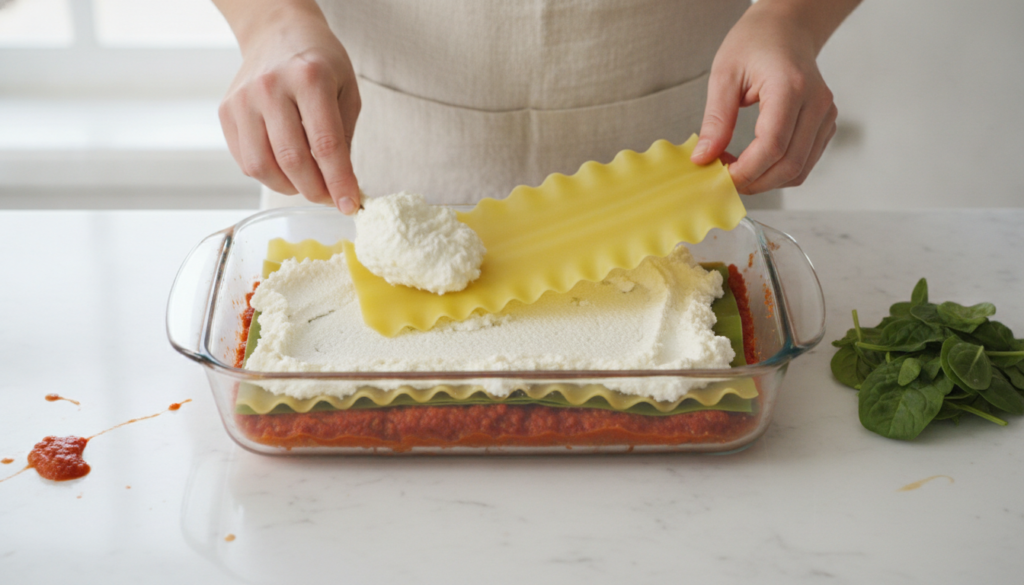
Success with vegan lasagna comes from proper preparation and timing. Follow these steps carefully to build perfect layers every time.
Preparing Your Ingredients
Begin by gathering all ingredients on your counter. This organization makes assembly smooth and quick. Preheat oven to 350 degrees before starting your prep work.
If using regular lasagna noodles, bring a large pot of water to boil. Add salt to the water for flavor. Cook noodles according to package directions until slightly firm. Drain and set aside on a clean kitchen towel.
Making the Ricotta Filling
Combine your vegan ricotta with nutritional yeast in a mixing bowl. Add minced garlic and a pinch of salt. Stir until the mixture becomes smooth and creamy.
Taste your ricotta mixture and adjust seasonings. The filling should taste slightly more flavorful than you expect. Baking mellows the taste, so bold seasoning at this stage ensures the final dish has depth.
Preparing Vegetables
Heat olive oil in a large pan over medium heat. Add sliced mushrooms and cook until they release moisture. This process takes about five minutes.
Add fresh spinach to the pan with mushrooms. Stir until spinach wilts completely. Season with salt and pepper. Remove from heat and set aside to cool slightly.
Master Every Plant-Based Recipe with Confidence
Learn professional techniques and time-saving strategies that make vegan cooking effortless. Access meal prep guides, nutrition information, and family-friendly recipes that everyone will love.
Building the Layers
Spread one cup of marinara sauce across the bottom of your baking pan. This first layer prevents noodles from sticking. The sauce base also adds moisture during cooking.
Place lasagna noodles over the sauce in a single layer. Overlap edges slightly if needed to cover the entire bottom. This foundation supports all the delicious layers above.
Spread half the ricotta mixture over the noodles. Use a spoon or spatula to create an even layer. Smooth coverage ensures every bite contains creamy cheese flavor.
Add half the vegetable mixture over the ricotta layer. Distribute mushrooms and spinach evenly across the surface. Top vegetables with one cup of marinara sauce.
Sprinkle a layer of vegan mozzarella cheese over the sauce. Use about one-third of your total cheese for this layer. The cheese helps bind layers together as it melts.
Completing the Assembly
Repeat the layering process: noodles, remaining ricotta, remaining vegetables, marinara sauce, and more cheese. Each layer builds flavor and creates that signature lasagna structure.
Top with a final layer of lasagna noodles. Cover these noodles completely with remaining marinara sauce. Add the rest of your vegan mozzarella cheese generously across the top.
Cover your pan tightly with aluminum foil. The foil traps steam and moisture during initial baking. This step ensures noodles cook through without drying out.
Baking Time: Place covered lasagna in your preheated oven at 350 degrees. Bake for 35 minutes covered. Remove foil and bake an additional 15 minutes until cheese bubbles and turns golden brown.
Cooking Your Vegan Lasagna to Perfection
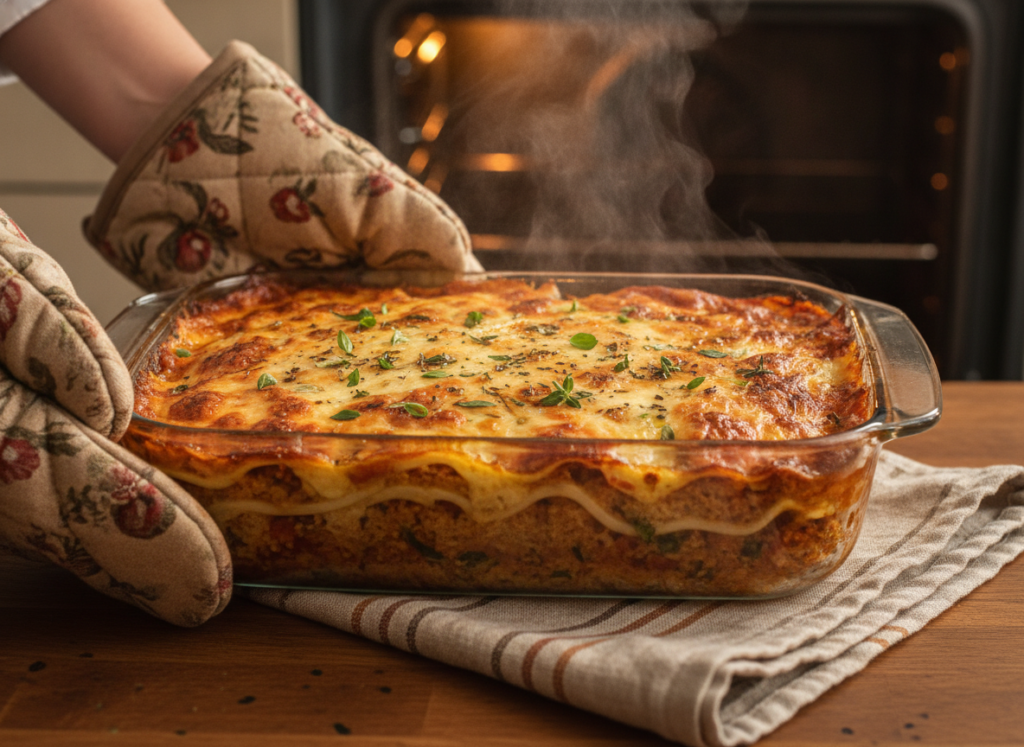
Proper baking technique transforms assembled ingredients into magnificent comfort food. Temperature control and timing make the difference between good and exceptional lasagna.
Oven Temperature and Timing
Preheat your oven to 350 degrees Fahrenheit before you begin assembly. A properly heated oven ensures even cooking from the start. Place your oven rack in the center position for optimal heat distribution.
The covered baking time allows noodles to absorb moisture and soften completely. After 35 minutes under foil, your lasagna has cooked through. The uncovered final minutes create that irresistible golden cheese topping.
Testing for Doneness
Insert a knife through the center of your lasagna after baking time completes. The knife should slide through easily. If you feel resistance from hard noodles, cover and bake for ten more minutes.
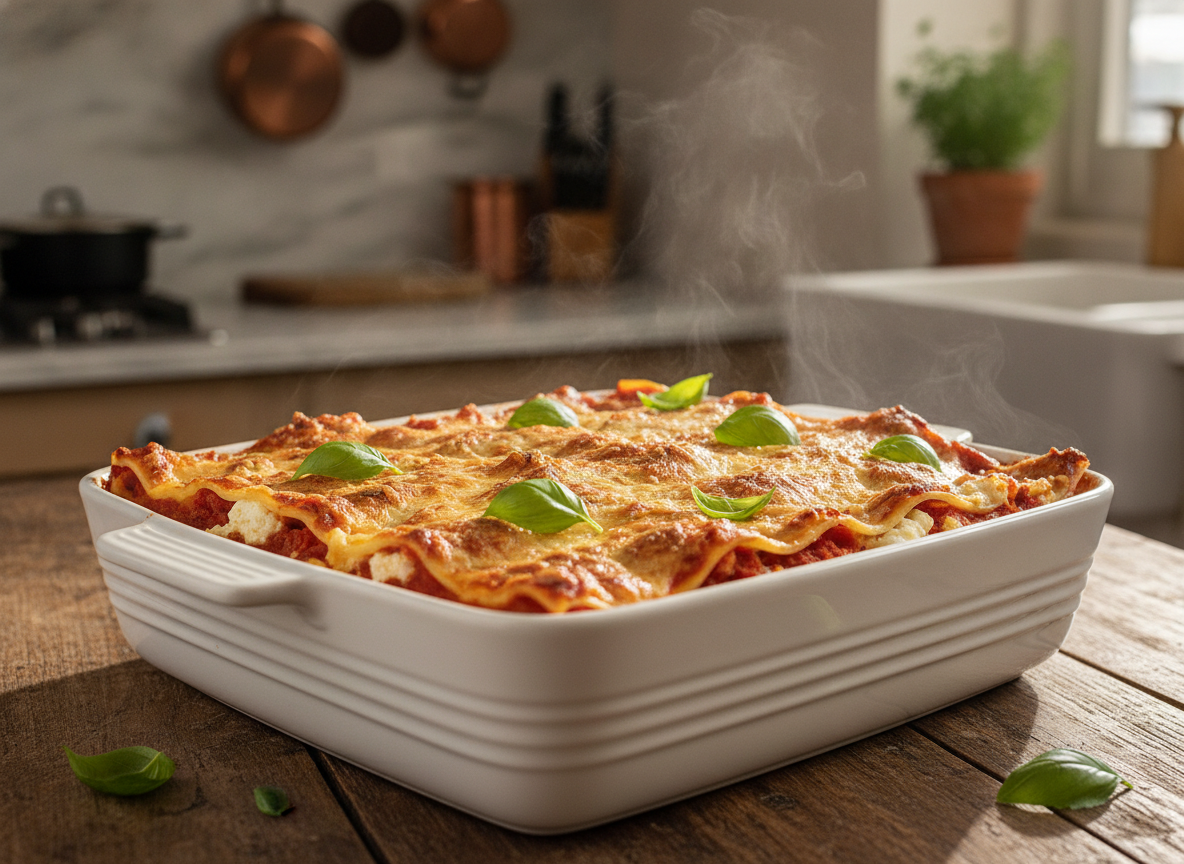
The sauce around the edges should bubble actively. The cheese on top turns golden brown and slightly crispy at the edges. These visual cues confirm your vegan lasagna has reached perfection.
The Critical Resting Period
Remove your lasagna from the oven and set aside for fifteen minutes minimum. This rest time seems difficult when the aroma fills your kitchen. Patience during this step prevents a messy, runny first serving.
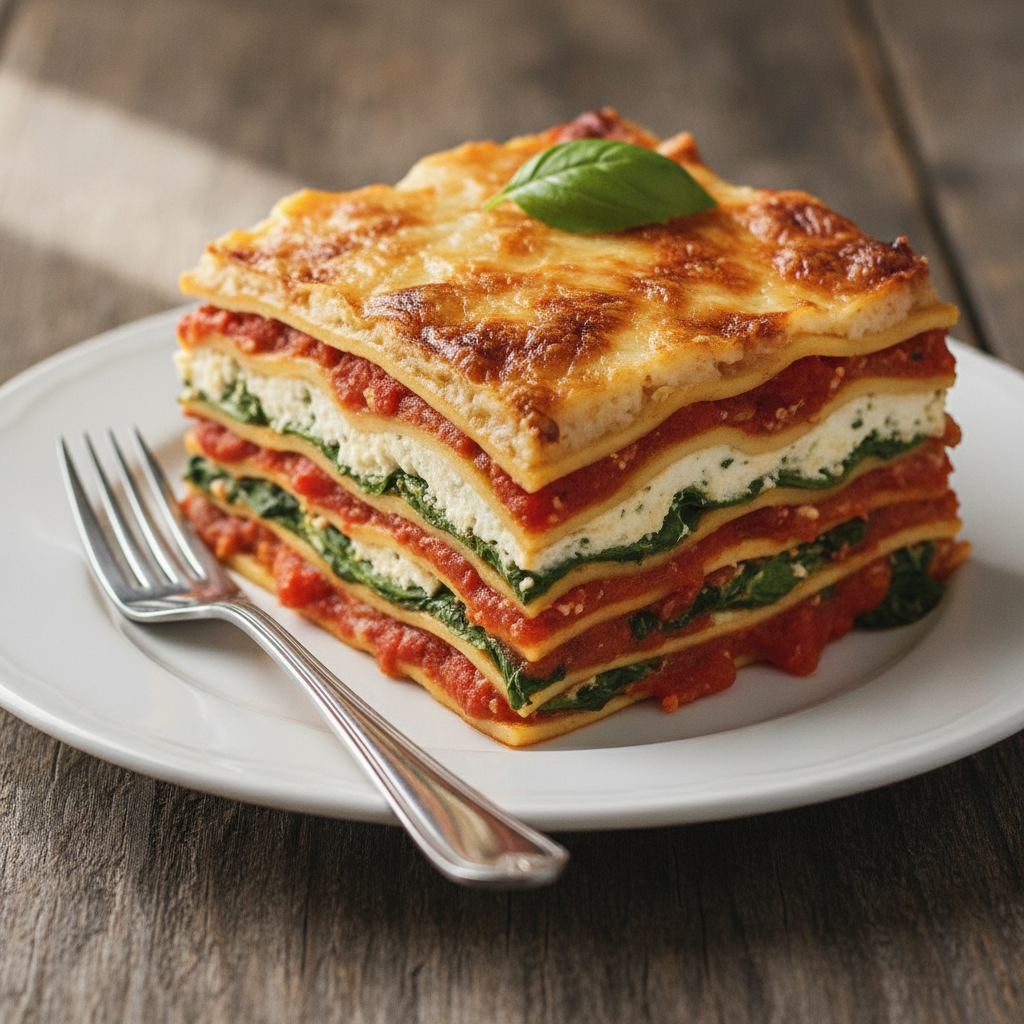
During the rest period, layers set and firm up. The sauce thickens as it cools slightly. Your finished lasagna will cut into clean, beautiful slices that hold their shape on the plate.
Serving Suggestions
Use a sharp knife to cut clean slices. Wipe the blade between cuts for neat presentation. A wide spatula helps transfer slices to plates without breaking.
Serve your vegan lasagna with a simple side salad. The fresh greens balance the richness of the dish. Garlic bread makes a traditional accompaniment that guests love.
Garnish each plate with fresh basil leaves. The bright green color and aromatic flavor enhance the presentation. A light sprinkle of nutritional yeast adds extra savory notes.
Professional Tips for Outstanding Vegan Lasagna
Small techniques separate ordinary lasagna from restaurant-quality results. These professional tips help you avoid common mistakes and achieve consistent success.
Sauce Consistency Matters
Your marinara sauce should have medium thickness. Watery sauce makes lasagna soggy and runny. If your sauce seems thin, simmer it uncovered for ten minutes to reduce excess liquid.
Too-thick sauce creates dry spots in your lasagna. Add a few tablespoons of water or vegetable broth to loosen overly thick sauce. The right consistency coats a spoon but still flows easily.
Preventing Soggy Bottom Layers
That bottom sauce layer prevents sticking but should be thin. Use just enough to coat the pan surface. Too much sauce on the bottom creates a soggy first layer of noodles.
If using vegetables with high water content like zucchini, salt them first. Let salted vegetables sit for ten minutes, then pat dry. This simple step removes excess moisture that would otherwise water down your lasagna.
Common Mistakes to Avoid
- Skipping the rest time after baking
- Using too much sauce between layers
- Not draining vegetables properly
- Cutting portions too soon
- Overbaking until edges become hard
- Using cold ingredients from refrigerator
Make-Ahead Strategies
- Assemble lasagna up to 24 hours ahead
- Cover tightly and refrigerate unbaked
- Add 15 extra minutes to baking time if cold
- Prepare components separately and store
- Freeze assembled lasagna for up to 3 months
- Thaw overnight before baking
Storage and Reheating
- Cool completely before refrigerating
- Store in airtight container up to 5 days
- Reheat individual portions in microwave
- Cover with damp paper towel when reheating
- Oven reheating maintains better texture
- Add extra marinara sauce if needed
Getting the Cheese to Brown
Some vegan cheese brands brown better than others. If your top layer isn’t browning after uncovered baking time, switch your oven to broil. Watch carefully as cheese can burn quickly under the broiler.
Brush the top cheese layer lightly with olive oil before the final uncovered baking. This technique helps browning and adds a subtle richness to the finished dish.
Take Your Vegan Cooking to the Next Level
Access professional techniques, troubleshooting guides, and insider secrets that transform home cooks into confident plant-based chefs. Get instant access to video tutorials and downloadable recipe collections.
Flavor Enhancement Techniques
Add a pinch of red pepper flakes to your marinara sauce for gentle heat. The warmth doesn’t make lasagna spicy but adds complexity to the overall flavor profile.
Fresh herbs make a significant difference in taste. Add chopped basil to your ricotta mixture. Stir fresh oregano into the marinara sauce. These small additions create authentic Italian flavor.
A tablespoon of tomato paste mixed into your marinara sauce deepens the color and intensifies tomato flavor. This trick works especially well if you’re using store-bought sauce that tastes a bit flat.
Creative Variations on Classic Vegan Lasagna
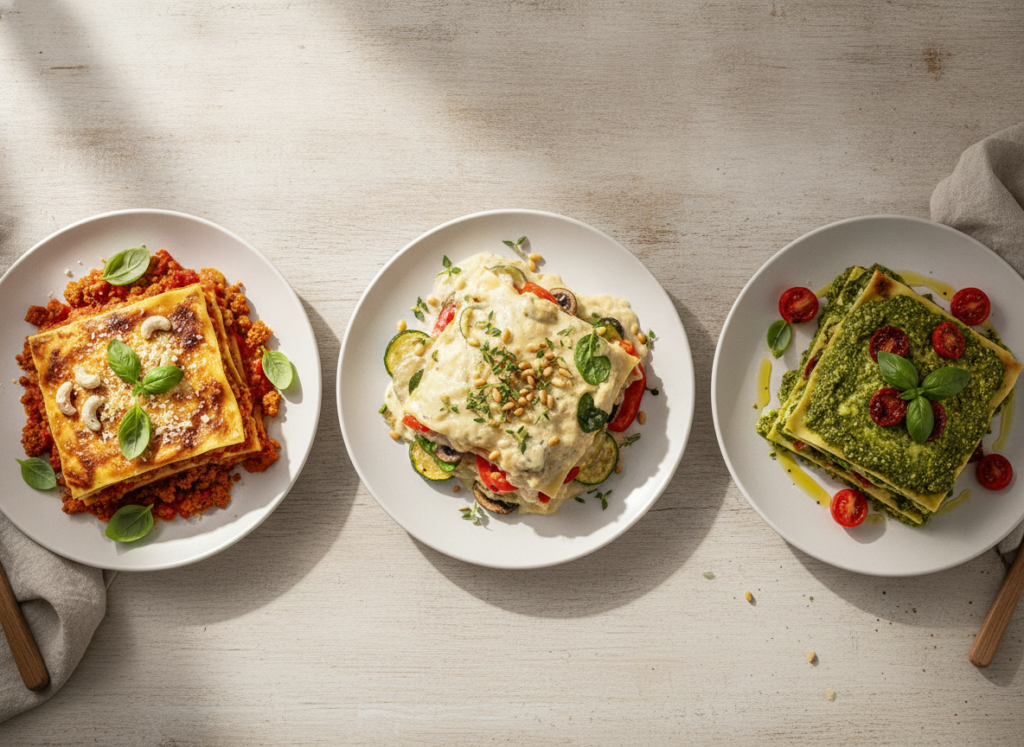
The basic vegan lasagna recipe adapts beautifully to different flavor profiles. These variations let you customize the dish to match your preferences or use seasonal ingredients.
Mediterranean-Style Lasagna
Replace spinach with fresh kale and add sun-dried tomatoes. Include layers of roasted red peppers for sweetness. Top with vegan feta cheese instead of mozzarella for tangy Mediterranean flavor.
Add kalamata olives between layers for briny depth. Use extra garlic in your sauce and ricotta. Fresh oregano and a squeeze of lemon juice brighten the entire dish.
Protein-Packed Version
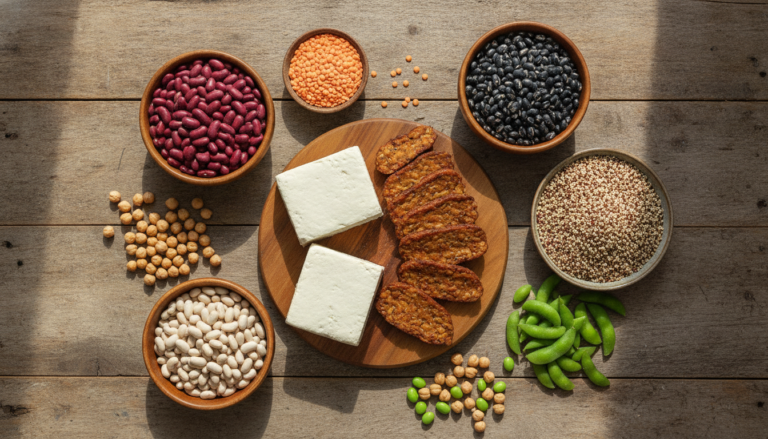
Add crumbled firm tofu seasoned with Italian herbs to create a meat-like texture. Brown the tofu pieces in a pan before layering. This addition makes the lasagna more filling and adds extra protein.
Incorporate cooked lentils into your marinara sauce. The lentils create hearty substance and boost nutrition. Red or green lentils work equally well in this application.
White Sauce Lasagna
Make a creamy cashew alfredo sauce instead of tomato-based marinara. Blend soaked cashews with garlic, nutritional yeast, and vegetable broth until silky smooth. Layer this white sauce with spinach and mushrooms.
The white lasagna variation offers elegant presentation. It tastes rich and decadent while remaining completely plant-based. Top with fresh herbs and a drizzle of truffle oil for special occasions.
Roasted Vegetable Version
Roast zucchini, eggplant, and bell peppers before layering. The roasting concentrates flavors and removes excess water. Cut vegetables into thin strips for easy layering.
Brush vegetables with olive oil and season before roasting. Roast at high heat until edges caramelize. These vegetables add complexity and visual appeal to each slice.
Pesto Lasagna
Swirl basil pesto into your ricotta layers for herbaceous flavor. Use both marinara and pesto for a red-and-green presentation. The combination creates restaurant-quality results.
Make vegan pesto with basil, pine nuts, garlic, olive oil, and nutritional yeast. Spread thin layers between noodles. The pesto adds bright, fresh notes to the comfort food classic.
Mexican-Inspired Lasagna
Use corn tortillas instead of traditional pasta for a completely different take. Layer with black beans, corn, and salsa. Top with vegan pepper jack cheese and cilantro.
Season your bean mixture with cumin, chili powder, and smoked paprika. Add diced jalapeños if you enjoy heat. Serve with guacamole and vegan sour cream on the side.
Gluten-Free Options
Many brands now make gluten-free lasagna noodles that work perfectly in this recipe. Follow the same assembly method. You may need to add slightly more sauce as gluten-free noodles absorb more liquid.
For a grain-free version, use thinly sliced zucchini or eggplant in place of pasta. Salt the vegetable slices and let them drain before assembling. This option reduces carbohydrates while adding nutrients.
Nutritional Benefits of Vegan Lasagna
Understanding the nutrition in your vegan lasagna helps you make informed meal planning decisions. This comfort food provides substantial benefits beyond just tasting delicious.
Macronutrient Breakdown
Each serving of vegan lasagna provides balanced nutrition. The pasta offers complex carbohydrates for sustained energy. Tofu and cashew-based ricotta deliver quality plant protein.
Healthy fats come from nuts, seeds, and olive oil in the recipe. These fats help your body absorb vitamins from the vegetables. The combination creates a satisfying, complete meal.
Vitamin and Mineral Content
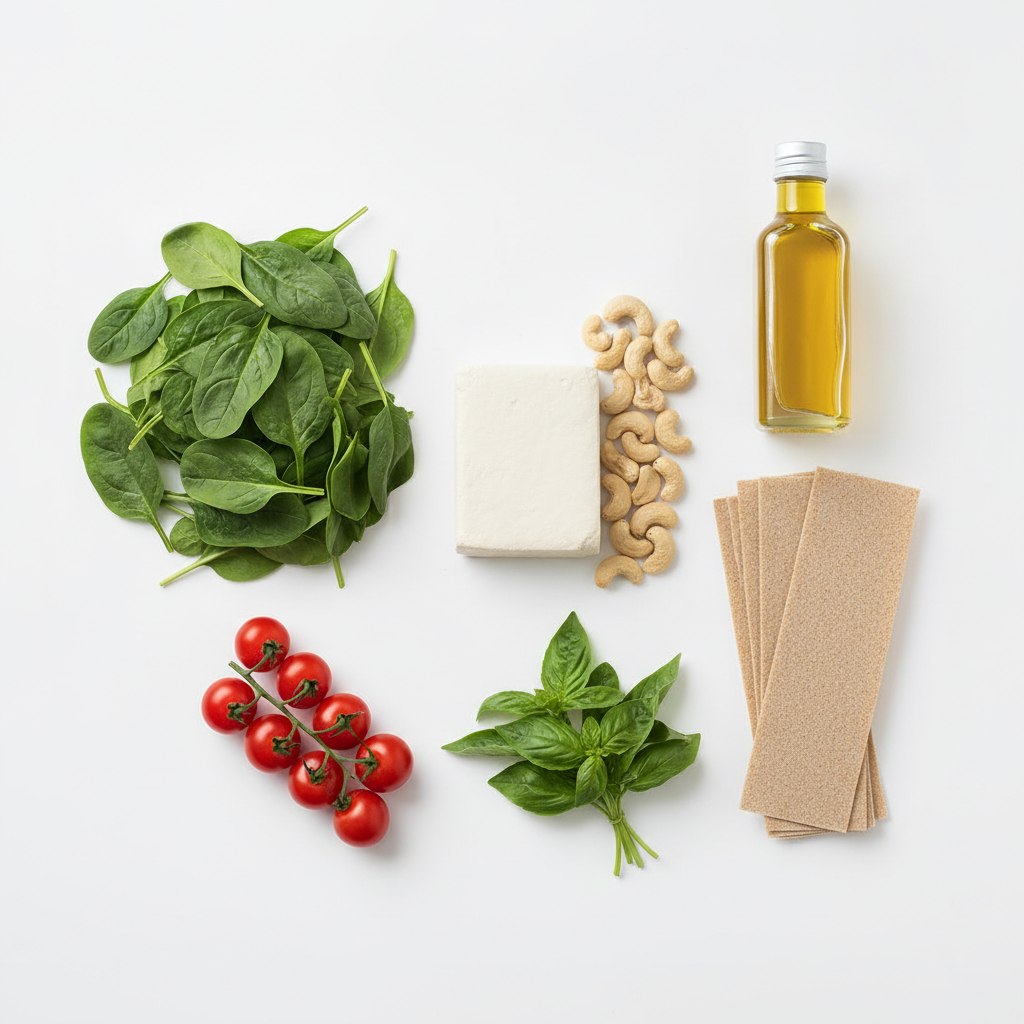
Spinach in your lasagna provides iron, calcium, and vitamin K. Tomatoes offer vitamin C and lycopene, a powerful antioxidant. Nutritional yeast adds B vitamins, including B12 in fortified varieties.
Mushrooms contribute vitamin D, especially if exposed to sunlight during growth. The garlic and herbs provide trace minerals and beneficial plant compounds. Each ingredient contributes to overall nutritional value.
| Nutrient | Amount Per Serving | Daily Value % | Health Benefit |
| Protein | 15g | 30% | Muscle maintenance and repair |
| Fiber | 8g | 32% | Digestive health and satiety |
| Iron | 4mg | 22% | Oxygen transport in blood |
| Calcium | 200mg | 20% | Bone strength and health |
| Vitamin A | 450mcg | 50% | Vision and immune function |
Comparing to Traditional Lasagna
Vegan lasagna typically contains less saturated fat than versions made with meat and dairy. Your cholesterol intake drops to zero with plant-based ingredients. Many people find vegan lasagna easier to digest.
The calorie content remains similar between vegan and traditional versions. However, you get more fiber and micronutrients from the plant-based recipe. The nutritional quality increases while maintaining comfort food satisfaction.
Unlock the Complete Guide to Healthy Plant-Based Living
Discover how to balance nutrition, save time in the kitchen, and create meals your whole family will request again and again. Get access to meal prep strategies, shopping guides, and nutritionist-approved recipes.
Perfect Pairings and Serving Ideas for Vegan Lasagna
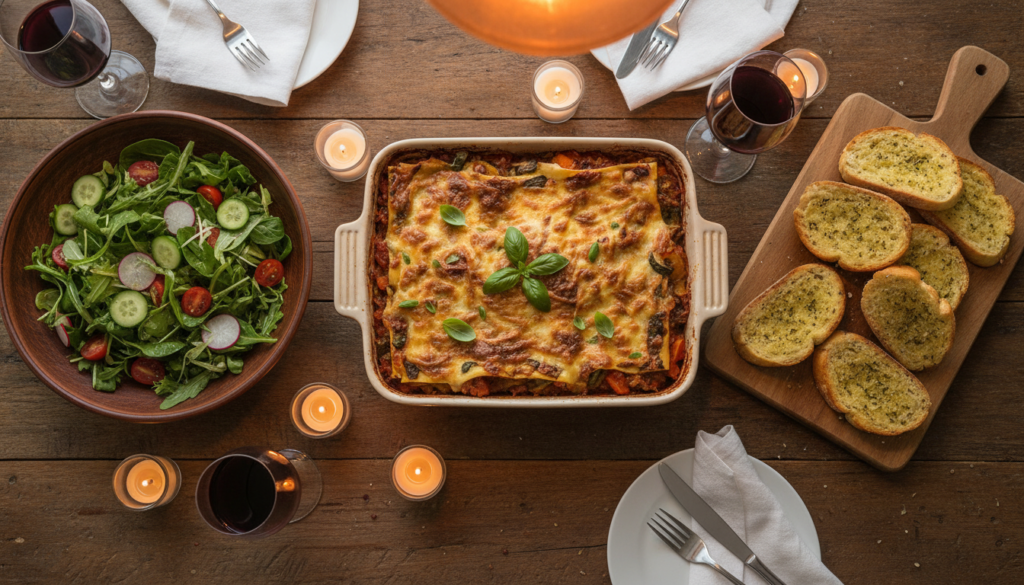
Creating a complete meal around your vegan lasagna enhances the dining experience. The right sides and drinks complement the rich flavors without overwhelming the main dish.
Simple Salad Combinations
A crisp green salad with light vinaigrette balances lasagna’s richness. Use mixed greens, cucumber, and cherry tomatoes. The fresh vegetables cleanse your palate between bites of hearty pasta.
Caesar salad makes an excellent pairing. Create vegan Caesar dressing with cashews, capers, and lemon juice. Top with homemade croutons for added crunch and texture.
Bread Options
Garlic bread remains the classic choice alongside any lasagna. Brush sliced Italian bread with olive oil mixed with minced garlic. Toast until golden and fragrant.
For variety, try rosemary focaccia or crusty French bread. Warm bread helps soak up extra marinara sauce on the plate. The combination of soft lasagna and crusty bread creates pleasant textural contrast.
Light Sides
- Arugula salad with lemon
- Steamed green beans
- Roasted Brussels sprouts
- Grilled asparagus
Hearty Additions
- Minestrone soup
- Roasted vegetables
- Marinated olives
- Antipasto platter
Beverage Pairings
- Italian red wine
- Sparkling water with lemon
- Iced herbal tea
- Fresh lemonade
Wine Pairing Suggestions
Red wines complement tomato-based lasagna beautifully. Choose medium-bodied Italian varieties like Chianti or Montepulciano. The wine’s acidity cuts through rich cheese and sauce.
For white lasagna versions, select crisp white wines. Pinot Grigio or Sauvignon Blanc work well. The lighter wine matches the creamy sauce without overpowering subtle flavors.
Making It a Complete Dinner Party
Start your meal with a simple appetizer like bruschetta or marinated vegetables. The light beginning prepares guests for the substantial main course. Keep appetizers small so everyone has room for lasagna.
End with a light dessert like fruit sorbet or biscotti with coffee. Heavy desserts feel excessive after rich lasagna. Fresh berries with vegan whipped cream provide a refreshing finish.
Meal Prep and Freezing Guide for Vegan Lasagna
Vegan lasagna makes excellent meal prep material. Preparing multiple portions saves time during busy weeks while ensuring you always have homemade comfort food available.
Batch Cooking Strategy
Double your recipe ingredients and assemble two lasagnas at once. The extra effort remains minimal since you’re already preparing components. Bake one immediately and freeze the second for later use.
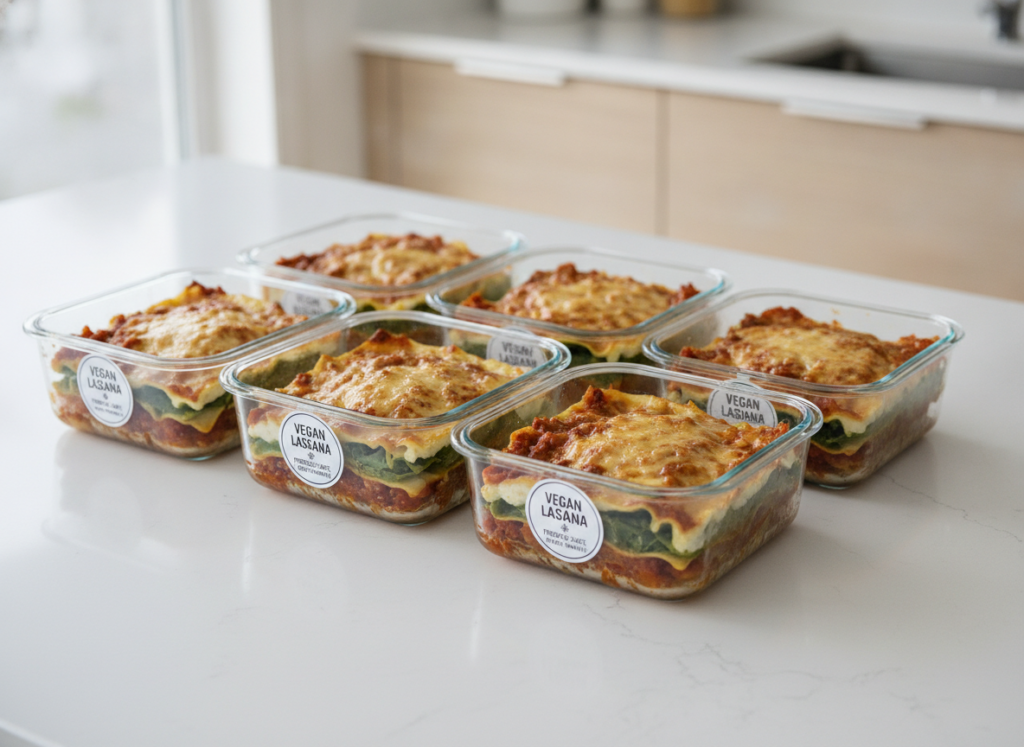
Consider making several smaller lasagnas instead of one large pan. Individual or two-person portions work well for varied household sizes. Small portions also reheat more evenly than large pieces.
Proper Freezing Techniques
Cool your lasagna completely before freezing. Wrap tightly in plastic wrap, then cover with aluminum foil. The double wrapping prevents freezer burn and maintains quality for up to three months.
Label your frozen lasagna with the date and reheating instructions. Include whether it contains special ingredients like extra vegetables or different sauces. Clear labels prevent confusion later when you’re ready to cook.
Thawing and Reheating Methods
Transfer frozen lasagna to the refrigerator twenty-four hours before serving. Slow thawing preserves texture better than rapid methods. Once thawed, reheat in a 350-degree oven for thirty minutes covered.
For faster reheating, use your microwave. Cut individual portions and place on a microwave-safe plate. Cover with a damp paper towel to maintain moisture. Heat in two-minute intervals until warmed through.
Time-Saving Tip: Prepare all lasagna components separately and store them. Assemble fresh lasagna in fifteen minutes using pre-made sauce, ricotta, and cooked noodles. This method gives you fresh-baked taste with minimal time investment.
Storing Baked Leftovers
Refrigerate leftover lasagna in an airtight container within two hours of baking. Proper storage keeps lasagna fresh for up to five days. The flavors often improve after a day as ingredients meld together.
Add a tablespoon of water or extra marinara sauce when reheating refrigerated portions. This addition prevents drying and refreshes the texture. Cover portions while reheating to trap moisture.
Simplify Your Plant-Based Meal Planning Forever
Stop struggling with what to cook each week. Get access to done-for-you meal plans, batch cooking guides, and freezer-friendly recipes that save hours in the kitchen while keeping your family well-fed.
Troubleshooting Common Vegan Lasagna Problems
Even experienced cooks encounter occasional challenges with lasagna. Understanding solutions to common issues ensures success every time you make this recipe.
Watery Lasagna Issues
Excess water typically comes from vegetables or thin sauce. Always drain cooked vegetables thoroughly before layering. Press spinach in a kitchen towel to remove extra moisture.
If your finished lasagna seems watery, extend the rest time to twenty minutes. Additional resting allows liquid to reabsorb into layers. Next time, reduce sauce quantity slightly or thicken it before using.
Dry, Overcooked Results
Dry lasagna results from too little sauce or excessive baking time. Make sure sauce covers noodles completely during assembly. Cover tightly with foil during initial baking to trap steam.
Check your oven temperature with a thermometer. Some ovens run hot and overcook food. Reduce temperature by twenty-five degrees if you consistently get dry results.
Layers Sliding Apart
Proper rest time prevents this common frustration. Hot lasagna slides because ingredients haven’t set. Wait the full fifteen minutes before cutting, even though it smells amazing.
Make sure each layer has some cheese to act as glue between components. The melted vegan mozzarella binds layers together as it cools. Insufficient cheese leads to unstable structure.
Bland Flavor Problems
Underseasoned components create disappointing lasagna. Taste your ricotta mixture, sauce, and vegetables separately before assembling. Each element should taste slightly more seasoned than seems necessary.
Add more garlic to your ricotta and sauce if flavor falls flat. Increase Italian herbs and nutritional yeast for depth. A pinch of salt in each layer makes a significant difference in final taste.
Why did my vegan cheese not melt properly?
Different vegan cheese brands have varying melting properties. Some need higher heat to melt completely. Try switching brands or adding a light brush of oil on top before the final baking stage. Shredding block cheese yourself often yields better melting than pre-shredded varieties.
Can I use no-boil noodles in this vegan lasagna recipe?
No-boil noodles work excellently and save preparation time. Add extra sauce to your lasagna since these noodles absorb more liquid while cooking. Increase your total sauce by about one cup when using no-boil varieties. Make sure sauce covers noodles completely in each layer.
How do I prevent the bottom layer from sticking to the pan?
Always spread sauce on the pan bottom before adding noodles. Lightly oil your pan before adding sauce for extra insurance. Let lasagna cool slightly before cutting. Use a thin metal spatula to release the first piece carefully, then subsequent servings come out easier.
What if I don’t have access to vegan ricotta?
Make ricotta from scratch using firm tofu, cashews, or a combination. Blend tofu with nutritional yeast, garlic, lemon juice, and salt until creamy. Alternatively, use thick cashew cream seasoned similarly. Both homemade options taste even better than some store-bought versions.
Seasonal Ingredients for Year-Round Vegan Lasagna
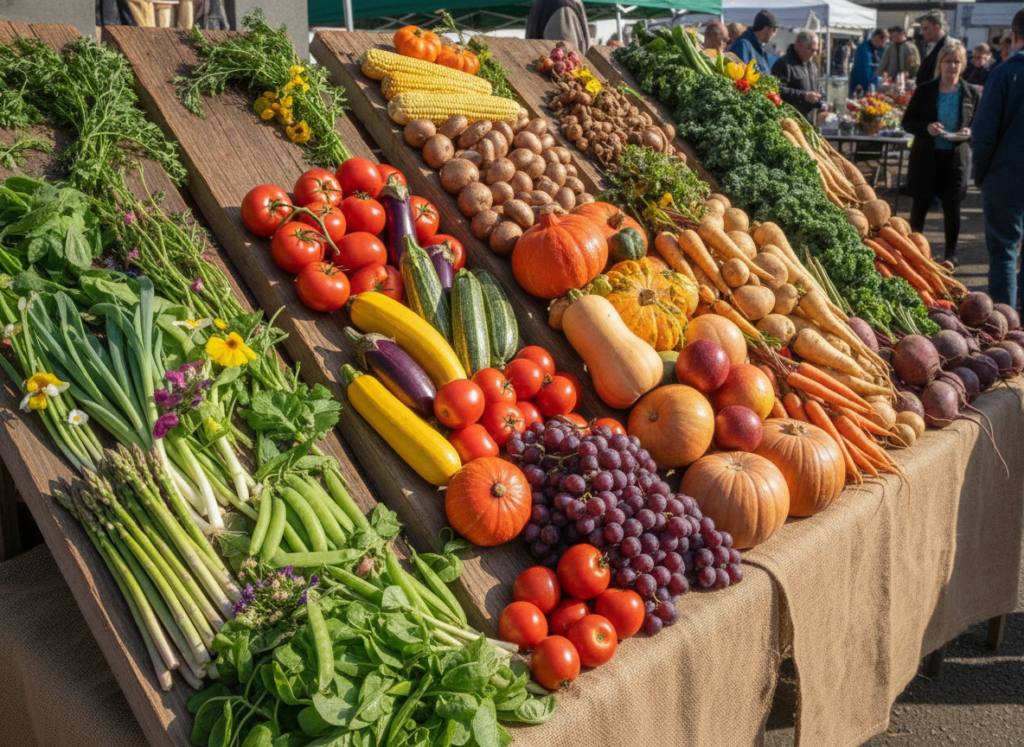
Adapting your vegan lasagna to seasonal ingredients keeps the recipe interesting throughout the year. Fresh, in-season produce delivers peak flavor and better value.
Spring Lasagna Ideas
Incorporate tender spring vegetables like asparagus and fresh peas. These delicate ingredients add brightness to rich lasagna. Chop asparagus into bite-size pieces and blanch briefly before layering.
Fresh herbs explode with flavor in spring. Use generous amounts of basil, parsley, and chives. The vibrant green color and aromatic quality enhance both taste and presentation.
Summer Garden Version
Abundant summer tomatoes make this the perfect season for lasagna. Use heirloom varieties in your marinara sauce for exceptional flavor. Add layers of thinly sliced fresh tomatoes between noodles.
Zucchini and yellow squash grow prolifically in summer gardens. Layer ribbons of these vegetables throughout your lasagna. Their mild flavor and tender texture complement richer ingredients beautifully.
Fall Harvest Lasagna
Roasted butternut squash creates a sweet, creamy layer perfect for autumn. Puree roasted squash and use it instead of some ricotta. The orange color and subtle sweetness provide seasonal appeal.
Add sautéed mushrooms and kale for earthy fall flavors. These heartier vegetables match the cooler weather perfectly. The combination creates substantial comfort food ideal for autumn evenings.
Winter Warming Version
Root vegetables like parsnips and carrots add sweetness and substance to winter lasagna. Roast them first to concentrate flavors. Dice into small pieces for easy distribution between layers.
Increase garlic and herbs in winter versions for maximum warming effect. Add a pinch of nutmeg to ricotta for cozy spice notes. These small changes make lasagna feel especially comforting during cold months.
- Fresh asparagus spears
- Sweet green peas
- Baby spinach leaves
- Spring onions
- Fresh mint and basil
Spring Vegetables
- Heirloom tomatoes
- Zucchini ribbons
- Yellow squash
- Fresh basil abundance
- Bell peppers
Summer Produce
- Butternut squash
- Mixed mushrooms
- Tuscan kale
- Sage leaves
- Brussels sprouts
Fall Favorites
- Root vegetables
- Hearty kale
- Winter squash
- Dried herbs
- Caramelized onions
Winter Choices
Making Vegan Lasagna Kid-Friendly and Family-Approved
Getting the whole family to embrace vegan lasagna requires strategic approaches. These techniques help even picky eaters enjoy this plant-based comfort food.
Introducing Gradually
Start by serving vegan lasagna alongside familiar dishes. Let family members try small portions without pressure. Most people find they enjoy the taste when they approach it with an open mind.
Involve kids in preparation to build excitement. Let them help layer ingredients or sprinkle cheese on top. Children who participate in cooking feel more invested in eating the finished dish.

Texture Modifications
Some children resist chunky vegetables in their food. Puree vegetables into your marinara sauce for hidden nutrition. They won’t notice spinach or carrots blended smoothly into tomato sauce.
Keep ricotta layer smooth and creamy for better acceptance. Avoid adding visible herbs to the cheese mixture if your family prefers plain flavors. Gradually increase additions as they become accustomed to the dish.
Flavor Adjustments for Young Palates
Reduce garlic slightly if your children find it too strong. Use milder tomato sauces without added onions or peppers. You can always serve hot sauce on the side for adults who want more flavor.
Increase cheese layers to make the lasagna more familiar and appealing. Most kids love cheese, and vegan versions satisfy that preference. The extra cheese helps them accept the vegetable components more readily.
Kid-Approved Additions
- Extra vegan cheese on top
- Sweet marinara sauce
- Mild Italian seasonings
- Smaller pasta pieces
- Fun serving shapes
Hidden Veggie Tricks
- Pureed cauliflower in ricotta
- Finely minced mushrooms
- Blended carrots in sauce
- Invisible spinach in layers
- Smooth, lump-free textures
Presentation Ideas
- Individual portion sizes
- Fun plate decorations
- Garlic bread for dipping
- Colorful side salads
- Special dinner occasion
Building Positive Associations
Make vegan lasagna a special occasion meal initially. Serve it on birthdays or celebrations so kids associate it with positive memories. The emotional connection helps them request the dish later.
Praise family members who try new foods without making a fuss about those who don’t. Pressure creates resistance, while gentle encouragement works better. Most children eventually try foods they see others enjoying.
Budget-Friendly Strategies for Vegan Lasagna
Creating delicious vegan lasagna doesn’t require expensive specialty ingredients. Smart shopping and preparation strategies keep costs reasonable while maintaining excellent results.
Cost-Effective Ingredient Swaps
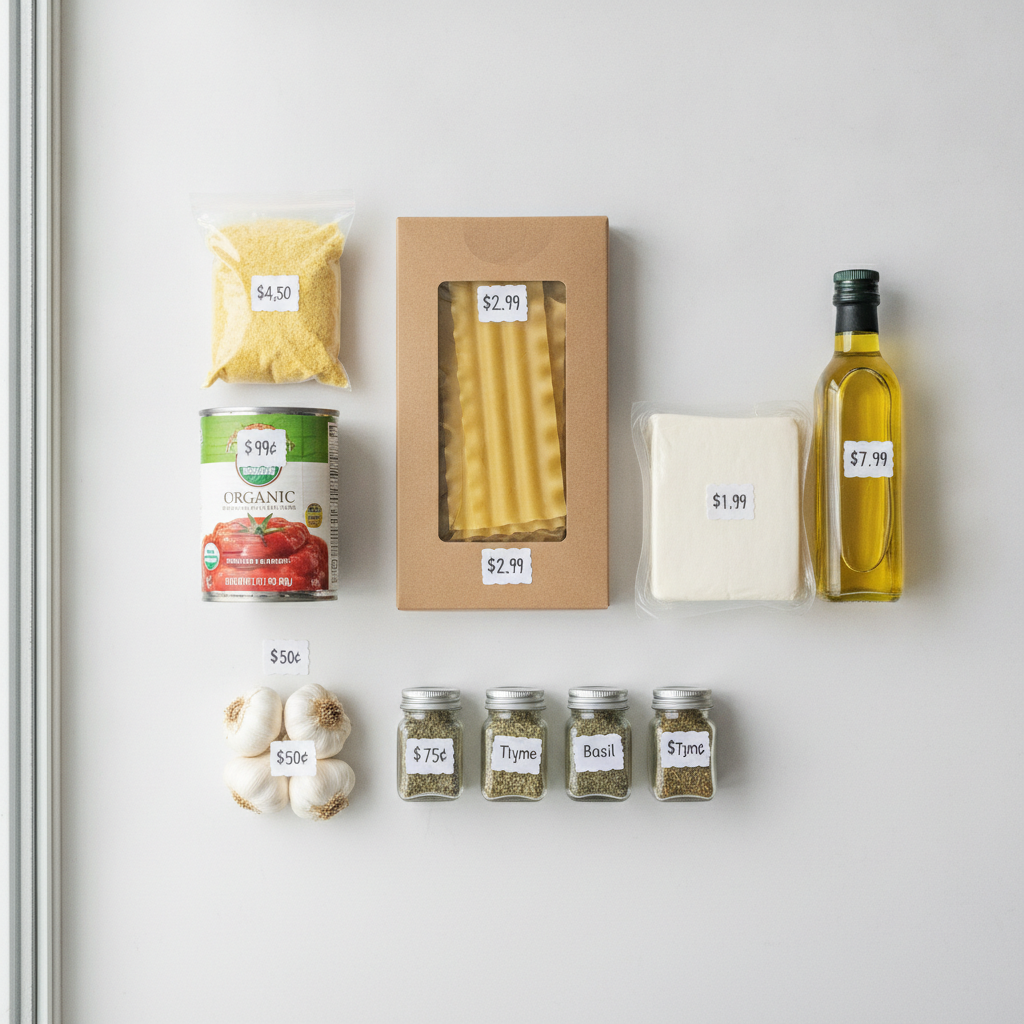
Make your own vegan ricotta instead of buying pre-made versions. Firm tofu costs significantly less than specialty vegan cheese products. Blend tofu with nutritional yeast and seasonings for substantial savings.
Buy whole tomatoes and crush them yourself rather than purchasing crushed varieties. Whole tomatoes typically cost less per ounce. The texture difference disappears once you mix them into sauce.
Buying in Bulk
Purchase pasta in large quantities when on sale. Dried lasagna noodles store indefinitely in your pantry. Stock up during promotions to reduce per-meal costs significantly.
Nutritional yeast comes in bulk bins at many stores for better prices. Buy a large container that lasts through multiple recipes. This ingredient keeps well and provides essential flavor at low cost.
Seasonal Shopping Benefits
Buy vegetables when they’re in peak season for best prices and flavor. Summer tomatoes cost a fraction of winter prices. Freeze extra seasonal produce for year-round use in lasagna.
Visit farmers markets near closing time for deals on slightly imperfect produce. These vegetables work perfectly in lasagna where appearance doesn’t matter. You save money while supporting local farmers.
Stretching Your Recipe
Add more vegetables to stretch the recipe further. Chopped mushrooms, carrots, and zucchini bulk up lasagna without adding much cost. The extra vegetables also boost nutrition.
Make smaller individual lasagnas that look more substantial than a single large slice. Portion control helps feed more people from one recipe. Serve with filling bread and salad to complete the meal.
Master Budget-Friendly Plant-Based Cooking
Learn money-saving strategies, bulk cooking techniques, and smart shopping tips that slash your grocery bills while improving nutrition. Get access to budget meal plans and cost-comparison guides.
Entertaining Guests with Vegan Lasagna

Vegan lasagna makes an impressive centerpiece for dinner parties and gatherings. The dish satisfies diverse dietary needs while looking elegant on any table.
Scaling for Crowds
Calculate one and a half servings per guest when planning portions. People often take seconds of delicious lasagna. Making extra ensures everyone leaves satisfied.
Prepare multiple smaller pans rather than one giant dish. Smaller portions bake more evenly and stay warmer longer. You can also offer different varieties to accommodate various preferences.
Make-Ahead Timeline
Assemble lasagna completely the day before your event. Store covered in the refrigerator overnight. On party day, simply bake while you handle other preparations.
Prepare all components two days ahead if you prefer spreading work out. Store sauce, ricotta, and prepped vegetables separately. Final assembly takes just twenty minutes on event day.
Presentation Techniques
Let lasagna rest fifteen minutes, then transfer to a serving platter for elegant presentation. Garnish with fresh basil leaves and a drizzle of olive oil. The extra effort impresses guests.
Cut portions at the table for a homey, family-style serving approach. Alternatively, pre-cut servings in the kitchen for more formal presentations. Both methods work depending on your event style.
Accommodating Dietary Restrictions
Vegan lasagna already accommodates plant-based, dairy-free, and egg-free diets. Make a gluten-free version for guests with celiac disease using alternative noodles. Label dishes clearly so guests understand their options.
Prepare a nut-free version if needed by using tofu-based ricotta instead of cashew varieties. Always ask about allergies when inviting guests. Small accommodations make everyone feel welcome and included.
Common Questions About Vegan Lasagna
How long does vegan lasagna last in the refrigerator?
Properly stored vegan lasagna stays fresh for up to five days in the refrigerator. Keep it in an airtight container to maintain quality. The flavors often improve after a day as ingredients meld together. Reheat individual portions as needed rather than warming the entire dish multiple times.
Can I make vegan lasagna without tofu?
Absolutely. Use cashew-based ricotta for a nut-rich alternative to tofu. Blend soaked cashews with lemon juice, nutritional yeast, and garlic until smooth and creamy. Some cooks prefer white beans blended with similar seasonings. Both options create excellent ricotta substitutes with different nutritional profiles.
What makes vegan lasagna hold together better?
Proper resting time after baking is crucial for structural integrity. Wait at least fifteen minutes before cutting. Adequate cheese between layers acts as glue binding everything together. Using slightly less sauce than you think you need also prevents sliding layers. Each component needs time to set and firm up.
Should I cover lasagna with foil while baking?
Cover lasagna with foil for the first thirty-five minutes of baking. The foil traps moisture and steam, ensuring noodles cook through without drying out. Remove foil for the final fifteen minutes to brown the cheese topping. This two-stage baking method produces the best texture and appearance.
Can I use fresh pasta sheets instead of dried noodles?
Fresh pasta works beautifully in lasagna with slight adjustments. Reduce your total sauce quantity since fresh pasta releases less starch. Cut baking time by about ten minutes as fresh pasta cooks faster. The result has a more delicate texture compared to dried noodles.
How do I prevent my lasagna from being too salty?
Taste each component before assembly and adjust seasoning. Store-bought marinara sauce often contains significant salt already. If using canned tomatoes, choose low-sodium varieties. You can always add salt at the table, but removing it from an oversalted dish proves impossible.
What temperature should I bake vegan lasagna?
Bake at 350 degrees Fahrenheit for optimal results. This moderate temperature cooks noodles through without burning edges. Higher temperatures brown the top too quickly before the center heats properly. Lower temperatures extend cooking time unnecessarily. Three-fifty hits the sweet spot for perfect lasagna.
Can I add vegan meat substitutes to this lasagna?
Vegan meat crumbles make excellent additions for protein and texture. Brown them first with Italian seasonings before adding to layers. Mix into your marinara sauce or create a separate layer. Start with one package of meat substitute for a standard recipe. Adjust based on your preferences.
Your Journey to Vegan Lasagna Mastery
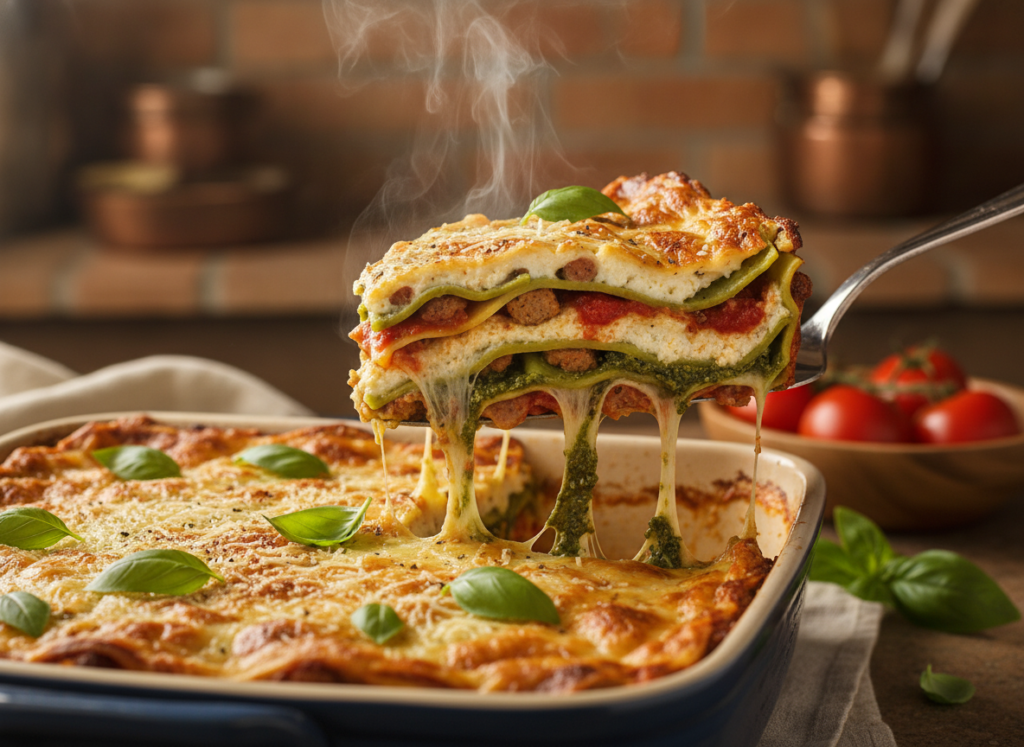
Creating exceptional vegan lasagna becomes easier with each attempt. The techniques you’ve learned here provide a foundation for countless variations. Your confidence grows as you master this comfort food classic.
Remember that perfect lasagna requires patience during both assembly and rest time. The extra minutes you invest translate directly into better texture and easier serving. These small details separate good results from truly outstanding ones.
This vegan lasagna recipe proves plant-based cooking delivers satisfaction equal to traditional versions. You create meals that nourish your body while respecting your values. Family and friends often can’t tell the difference when you serve this dish.
Experiment with the variations suggested throughout this article. Seasonal ingredients keep the recipe interesting all year long. Each adaptation teaches you more about balancing flavors and textures in plant-based cooking.
Continue Your Plant-Based Cooking Journey
Take your skills beyond lasagna with comprehensive guides covering every aspect of vegan cooking. Access professional techniques, troubleshooting help, and a community of supportive home cooks. Transform your kitchen into a plant-based powerhouse.
Your success with this vegan lasagna recipe marks just the beginning of delicious possibilities. Each meal you prepare builds skills and confidence. Soon you’ll create plant-based versions of all your favorite comfort foods with ease.
Share this recipe with friends and family who remain skeptical about vegan food. Let the taste speak for itself. Most people become believers after their first bite of properly made vegan lasagna.
The time you invest in mastering this recipe pays dividends for years to come. You’ll make this lasagna for countless dinners, celebrations, and gatherings. It becomes a reliable dish that always impresses and satisfies.