Healthy Smoothie Recipes Gut Health: 12 Powerful Blends for Better Digestion
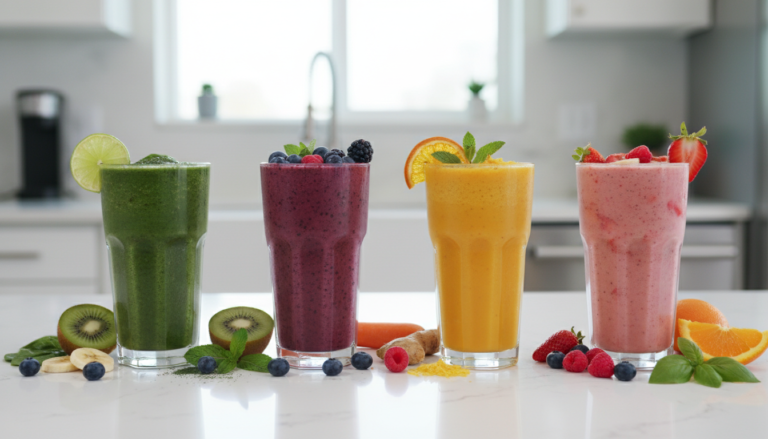
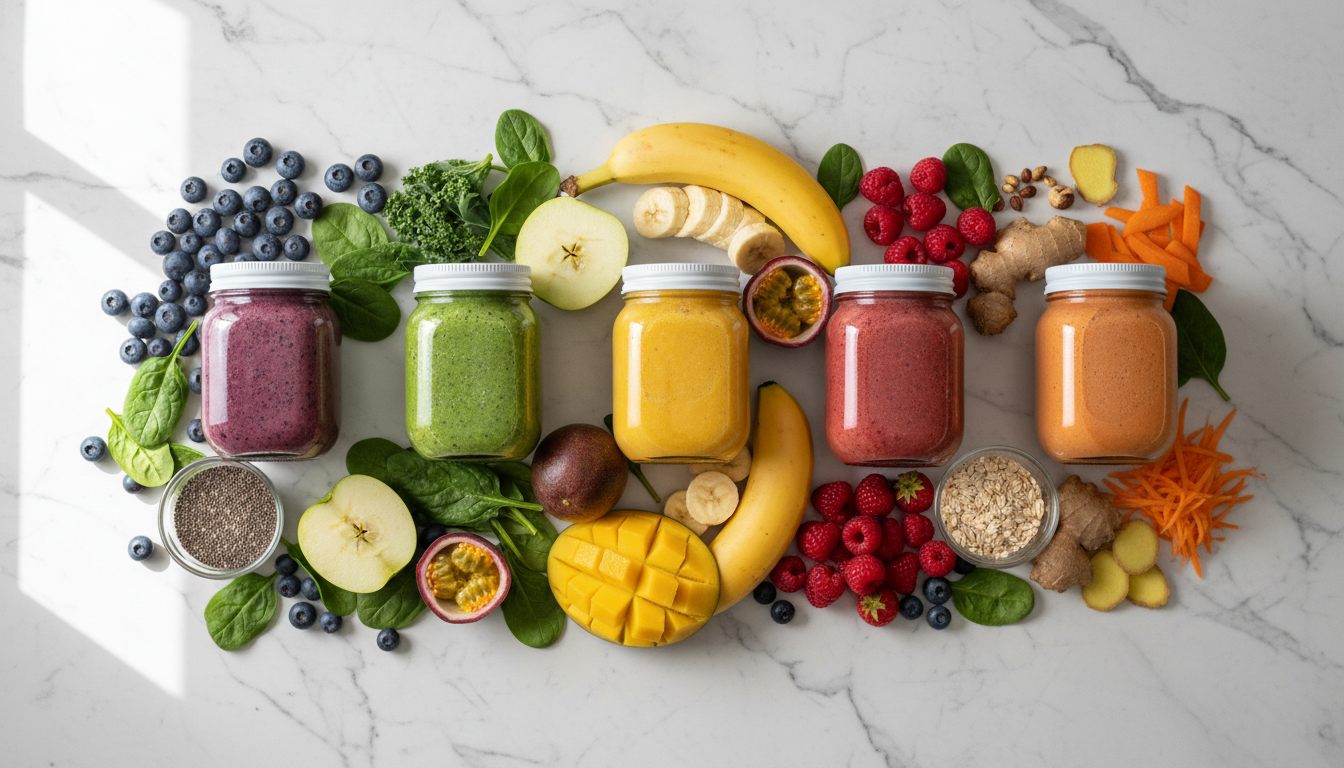
Your gut health influences everything from energy levels to immune function. The right smoothie can deliver probiotics, fiber, and nutrients that transform your digestive wellness. These healthy smoothie recipes for gut health combine science-backed ingredients with delicious flavors.
This Website contains affiliate links. That means I may earn a small commission if you purchase through my links, at no extra cost to you.
Most people struggle with bloating, irregular digestion, or low energy. The solution starts with what you drink each morning. A well-crafted smoothie delivers gut-healing ingredients your body absorbs quickly.
This guide shares twelve tested recipes. Each blend targets specific digestive concerns while tasting amazing. You’ll learn which ingredients support beneficial gut bacteria and how to build smoothies that actually work.
Understanding Gut Health and Smoothie Benefits
Your digestive system houses trillions of bacteria. These microorganisms control digestion, nutrient absorption, and immune response. When gut bacteria balance shifts, you experience bloating, fatigue, and digestive discomfort.
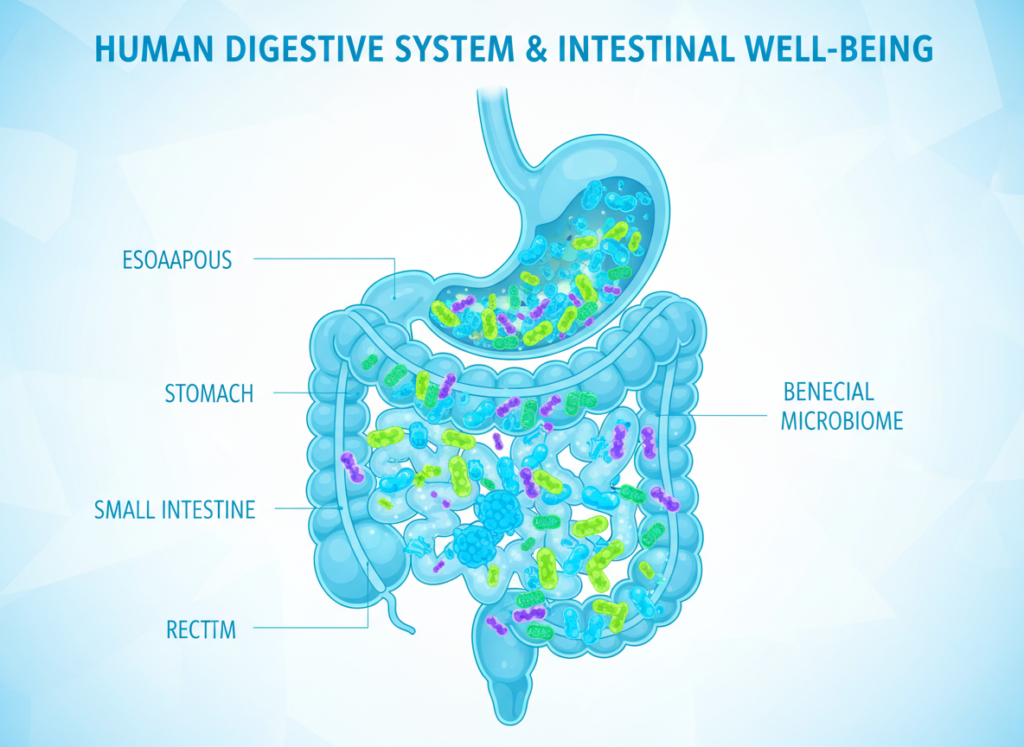
Smoothies deliver concentrated nutrition. Unlike solid foods, blended ingredients require less digestive effort. Your body absorbs vitamins, minerals, and fiber faster. This efficiency makes smoothies ideal for gut repair.
Key Nutrients for Digestive Wellness
Fiber moves food through your intestines. It feeds beneficial bacteria and prevents constipation. Most adults need 25-35 grams daily. One smoothie can provide 8-12 grams.
Soluble Fiber Sources
These ingredients dissolve in water and create gel-like substance.
- Chia seeds provide 10 grams per ounce
- Flaxseeds offer healthy fats and fiber
- Oats deliver beta-glucan for gut lining
- Bananas supply resistant starch
Insoluble Fiber Sources
These ingredients add bulk and speed digestive transit.
- Spinach provides minerals and roughage
- Berries offer antioxidants with fiber
- Seeds add texture and omega-3s
- Greens deliver chlorophyll benefits
Probiotic Ingredients
Live cultures support beneficial bacteria growth.
- Greek yogurt contains active cultures
- Kefir provides multiple bacterial strains
- Fermented foods boost diversity
- Probiotic powder supplements colony count
Anti-Inflammatory Foods
These reduce intestinal inflammation and support healing.
- Ginger soothes digestive upset
- Turmeric contains curcumin compound
- Berries provide polyphenols
- Green tea offers catechins
Protein supports tissue repair throughout your digestive tract. Plant-based protein powder or Greek yogurt provides amino acids without digestive stress. Aim for 15-20 grams per smoothie.
Essential Ingredients for Gut Health Smoothies
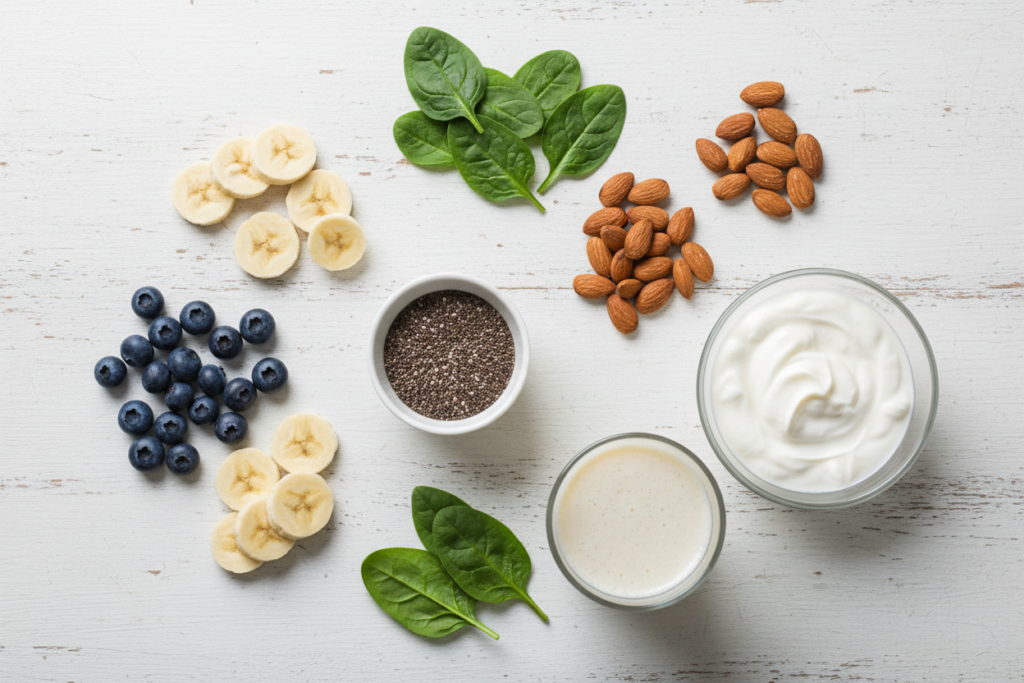
Building an effective gut health smoothie requires specific ingredients. Each component serves a purpose. Understanding these elements helps you create therapeutic blends.
Fiber-Rich Foundations
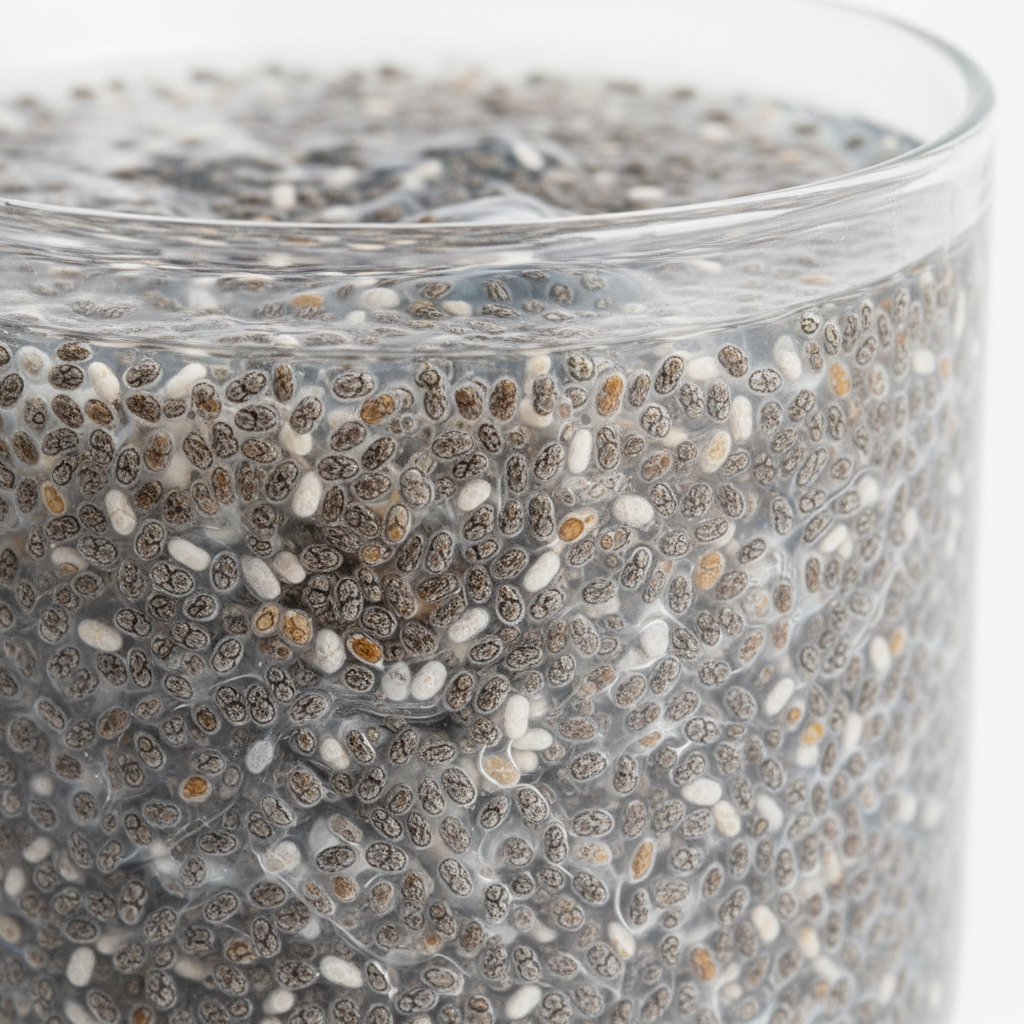
Start every smoothie with fiber. Chia seeds absorb liquid and expand in your stomach. This creates fullness while feeding gut bacteria. Add two tablespoons to any recipe.
Frozen banana provides natural sweetness without added sugar. The resistant starch in bananas feeds beneficial bacteria. Use one frozen banana per smoothie for creamy texture.
Leafy greens add minerals and chlorophyll. Spinach blends smoothly without strong flavor. One cup of fresh spinach delivers vitamins without overwhelming taste. The fiber in greens supports regular bowel movements.
Liquid Bases That Support Digestion
Unsweetened almond milk offers low-calorie hydration. It contains vitamin E and healthy fats. Use one cup as your base liquid. Avoid sweetened versions that feed harmful bacteria.
Pro Tip: Coconut water provides electrolytes and natural enzymes. It hydrates while supporting mineral absorption. Use one cup of coconut water for tropical smoothie recipes.
Plain Greek yogurt delivers protein and probiotics. The live cultures support gut bacteria diversity. Choose unsweetened varieties to avoid added sugar. Include half cup per smoothie.
Superfoods for Gut Repair
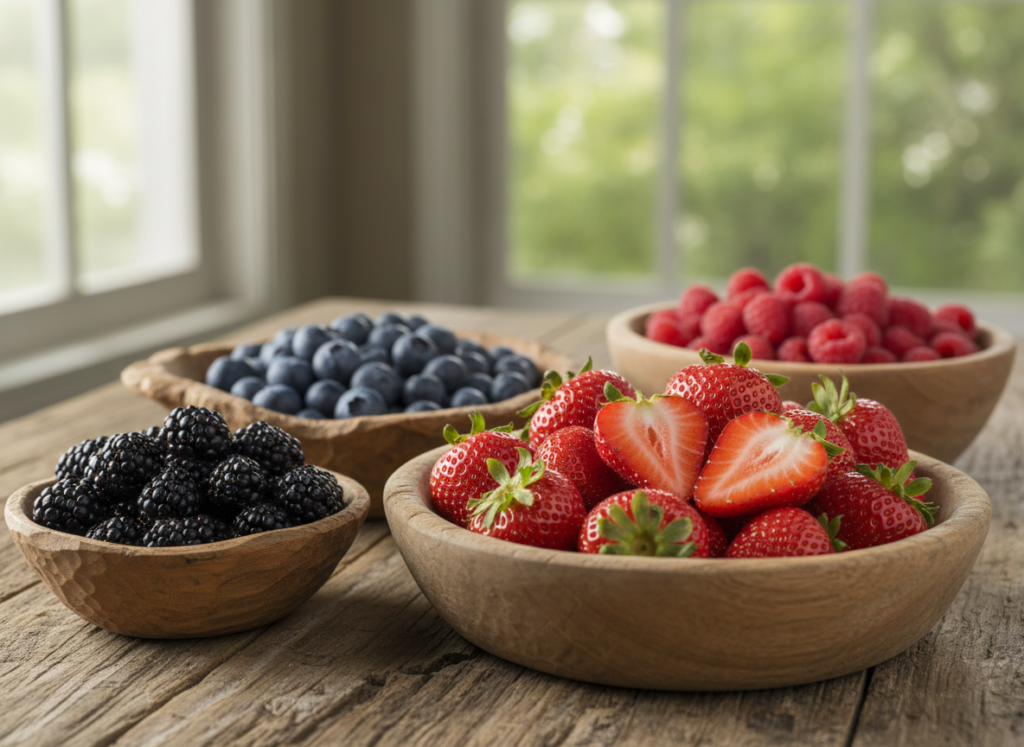
Berries contain polyphenols that reduce inflammation. Blueberries, strawberries, and raspberries provide antioxidants. Use one cup of mixed berries in each recipe. The fiber in berries feeds beneficial microbes.
Seeds provide omega-3 fatty acids and protein. Flax seeds offer lignans that support hormone balance. Hemp seeds deliver complete protein. Add one tablespoon of seeds daily.
Protein powder supplements amino acid intake. Choose plant-based options like pea or hemp protein. These digest easily and support tissue repair. Use one scoop per smoothie for 20 grams of protein.
Transform Your Digestive Health Today
While these smoothie recipes provide excellent nutrition, some people need comprehensive gut healing protocols. Discover a science-backed system that addresses root causes of digestive issues. This program combines targeted nutrition with proven strategies for lasting gut health transformation.
Morning Smoothie Recipes for Digestive Health
Morning smoothies set your digestive tone for the entire day. These recipes combine fiber, protein, and probiotics. Each blend supports gut bacteria while providing sustained energy.
Berry Probiotic Power Smoothie
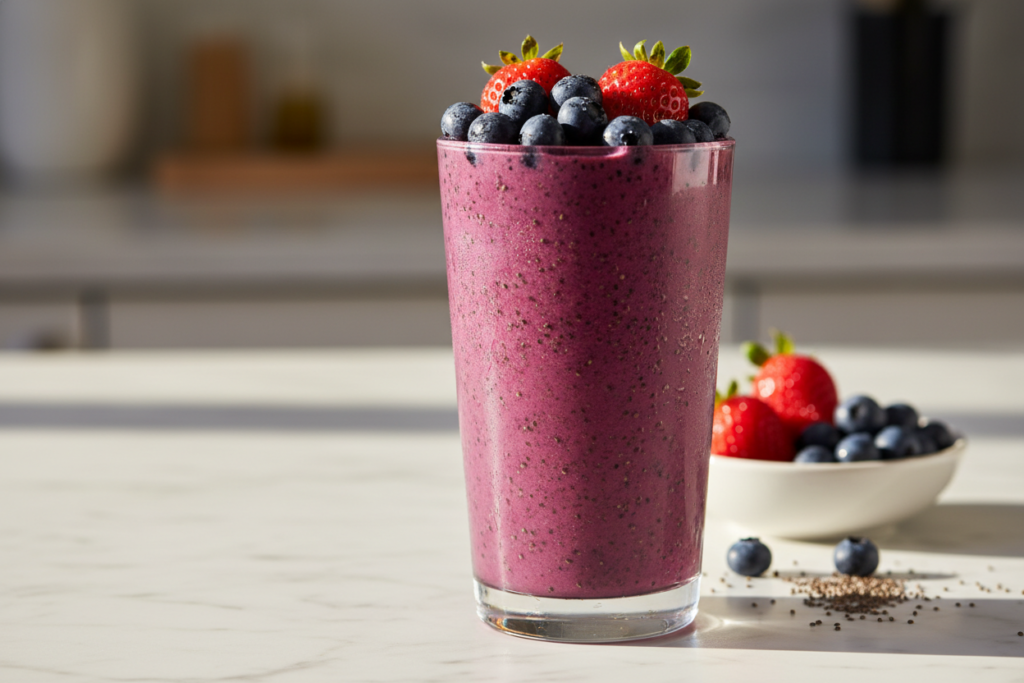
This recipe delivers probiotics and antioxidants. The combination supports immune function and digestive balance.
Ingredients
- 1 cup unsweetened almond milk
- 1/2 cup plain Greek yogurt
- 1 cup mixed berries (blueberries, strawberries, raspberries)
- 1 frozen banana
- 2 tablespoons chia seeds
- 1 scoop vanilla protein powder
- Handful ice cubes
Instructions
- Add unsweetened almond milk and Greek yogurt to blender
- Include all berries and frozen banana
- Add chia seeds and protein powder
- Blend on high for 60 seconds until smooth
- Add ice and blend for 15 more seconds
- Drink immediately for best texture
This smoothie provides 28 grams of protein and 12 grams of fiber. The probiotics in Greek yogurt support beneficial bacteria. Chia seeds create gel-like texture that soothes digestive lining.
Green Detox Gut Health Smoothie
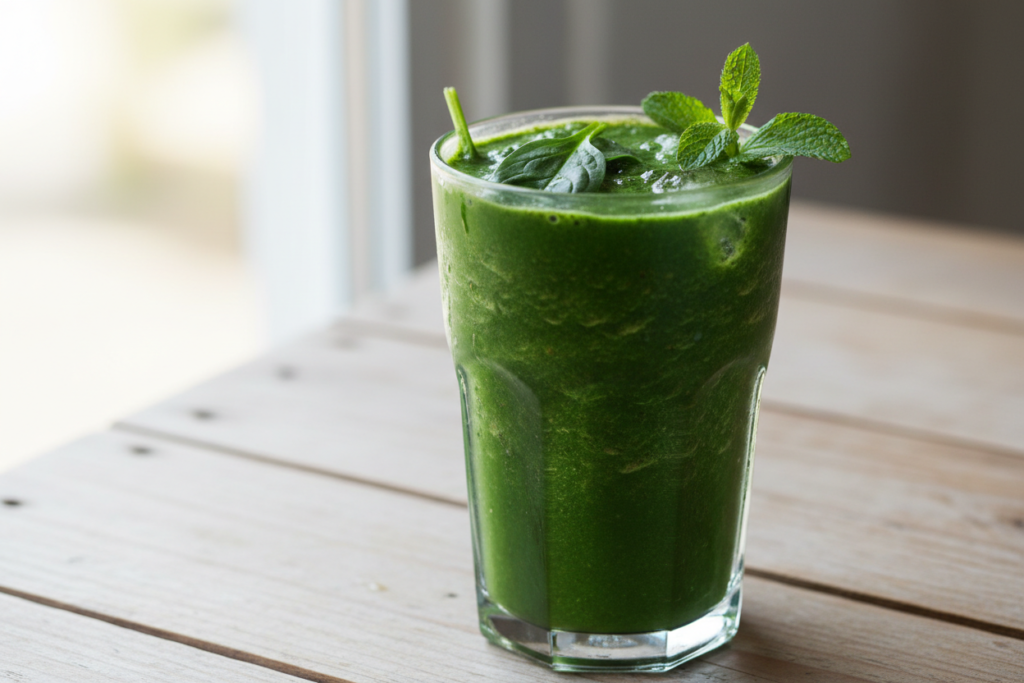
Leafy greens provide chlorophyll and minerals. This green smoothie supports liver detoxification and gut cleansing.
Ingredients
- 1 cup coconut water
- 2 cups fresh spinach
- 1/2 cucumber, chopped
- 1 frozen banana
- 1/2 avocado for healthy fats
- 1 tablespoon flax seeds
- Juice of 1/2 lemon
- 1 teaspoon fresh ginger
- Handful ice
Benefits
- Spinach provides iron and fiber
- Ginger reduces inflammation and nausea
- Avocado delivers healthy fats for nutrient absorption
- Lemon supports liver function
- Coconut water hydrates with electrolytes
Blend all greens with coconut water first. This ensures smooth texture without chunks. Add remaining ingredients and process until creamy. The healthy fats from avocado help absorb fat-soluble vitamins.
Tropical Digestive Boost
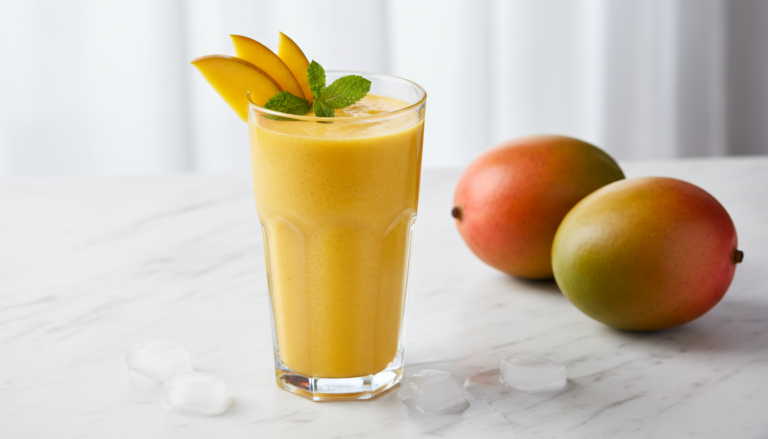
Tropical fruits contain enzymes that aid digestion. Pineapple provides bromelain, which breaks down protein. Mango offers fiber and vitamin C.
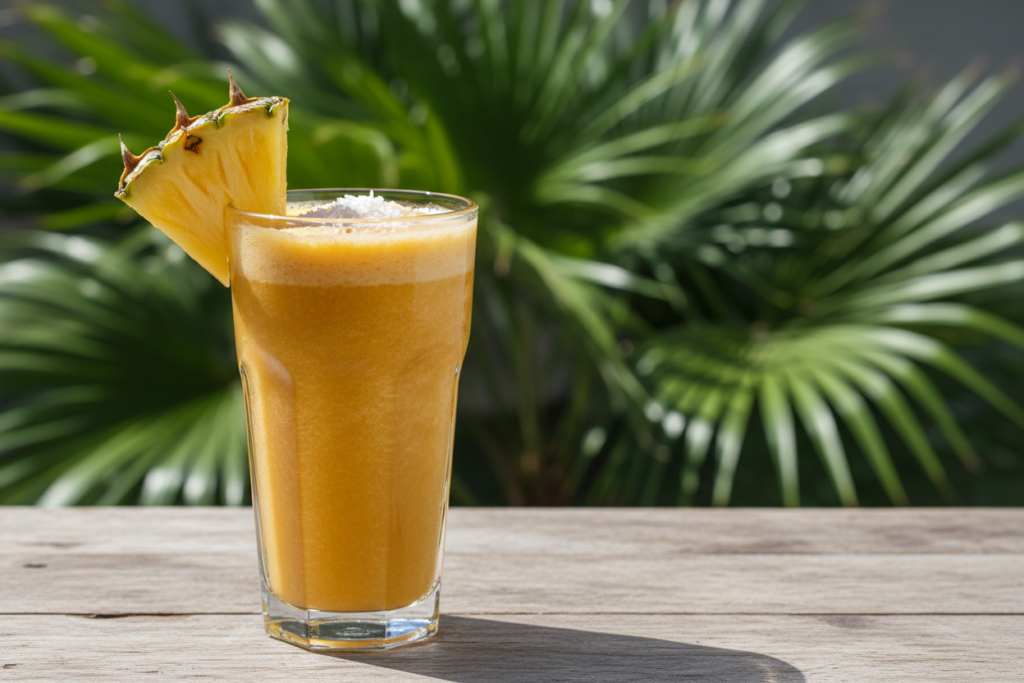
Recipe Components
- 1 cup unsweetened almond milk
- 1/2 cup plain Greek yogurt
- 1 cup frozen pineapple chunks
- 1/2 cup frozen mango
- 1 frozen banana for sweetness
- 2 tablespoons shredded coconut (unsweetened)
- 1 tablespoon chia seeds
- 1/4 teaspoon turmeric powder
The combination creates a creamy, sweet drink without added sugar. Turmeric reduces intestinal inflammation. Coconut provides medium-chain triglycerides for quick energy.
Afternoon Energy and Recovery Smoothies
Afternoon smoothies prevent energy crashes while supporting digestion. These recipes balance blood sugar and provide sustained fuel.
Chocolate Protein Gut Healer
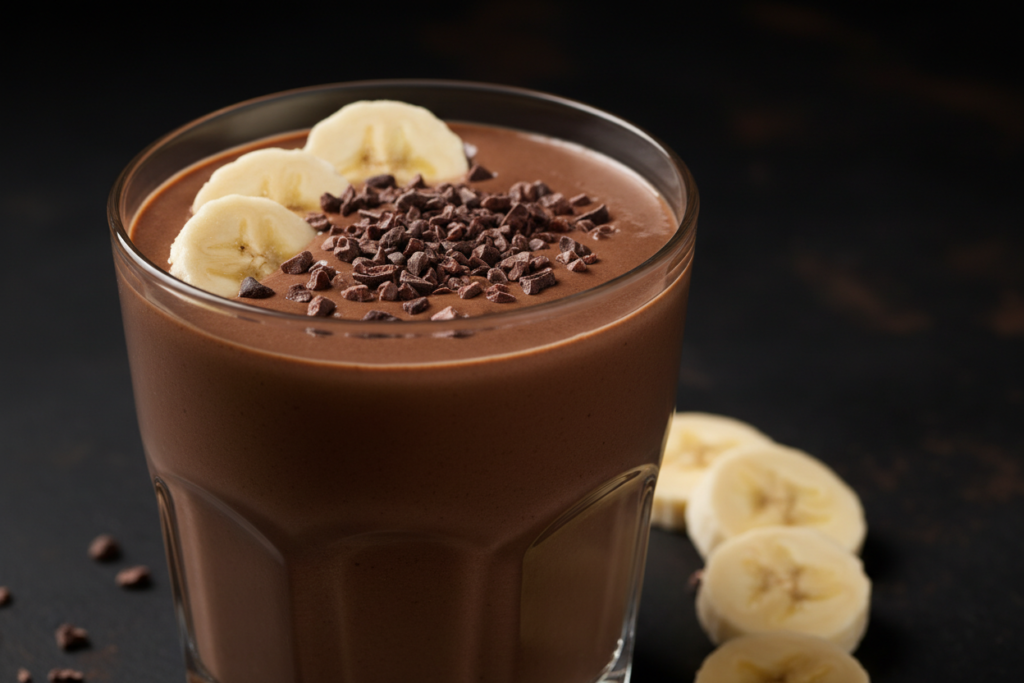
Satisfy sweet cravings while healing your gut. Raw cacao provides magnesium and antioxidants without processed sugar.
Ingredients
- 1 cup unsweetened almond milk
- 1/2 cup plain Greek yogurt
- 1 frozen banana
- 2 tablespoons raw cacao powder
- 1 scoop chocolate protein powder
- 2 tablespoons almond butter for healthy fats
- 1 tablespoon chia seeds
- 1/4 teaspoon cinnamon
- Handful ice
Nutritional Highlights
- 30 grams protein for muscle recovery
- Magnesium from cacao supports relaxation
- Healthy fats from almond butter
- Fiber feeds beneficial gut bacteria
- No added sugar or artificial sweeteners
This smoothie tastes like dessert but functions as medicine. The protein stabilizes blood sugar for hours. Cacao polyphenols reduce inflammation throughout your digestive tract.
Golden Milk Anti-Inflammatory Blend
Turmeric combined with black pepper creates powerful anti-inflammatory effects. This smoothie reduces gut inflammation and supports immune function.
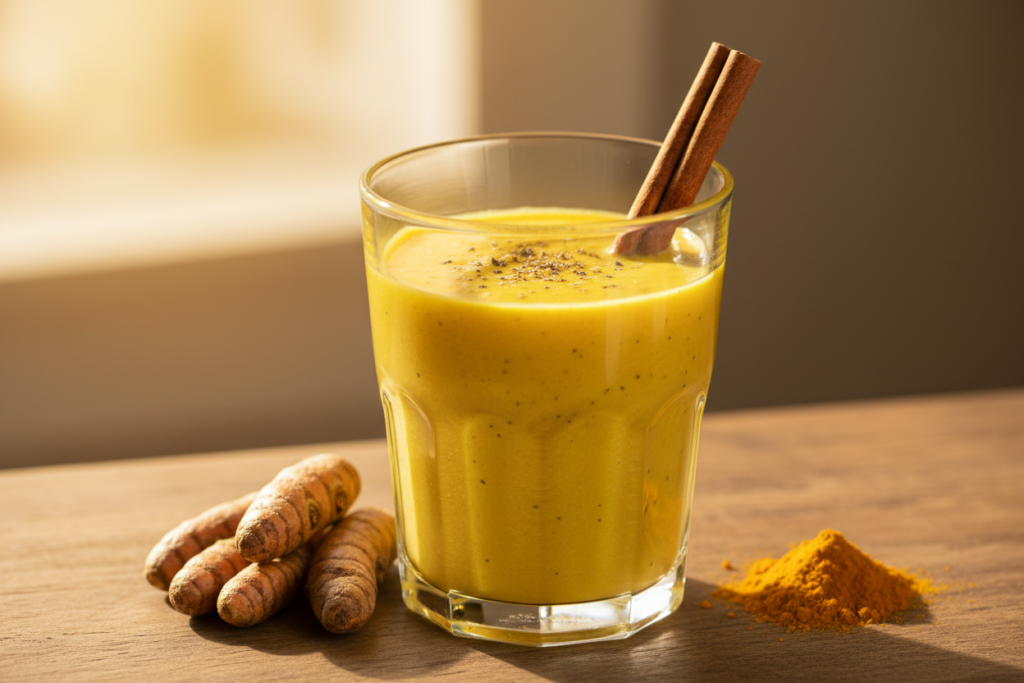
Recipe
- 1 cup coconut milk (full-fat for creaminess)
- 1 frozen banana
- 1 teaspoon turmeric powder
- 1/4 teaspoon black pepper (enhances absorption)
- 1/2 teaspoon cinnamon
- 1 tablespoon coconut oil for healthy fats
- 1 scoop vanilla protein powder
- 1 tablespoon hemp seeds
- Pinch of ginger powder
Black pepper increases turmeric absorption by 2000 percent. The fat from coconut milk and oil further enhances bioavailability. This combination delivers maximum anti-inflammatory benefits.
Beetroot Liver Support Smoothie
Your liver processes toxins before they reach your intestines. Beets support liver detoxification and improve bile flow for better fat digestion.
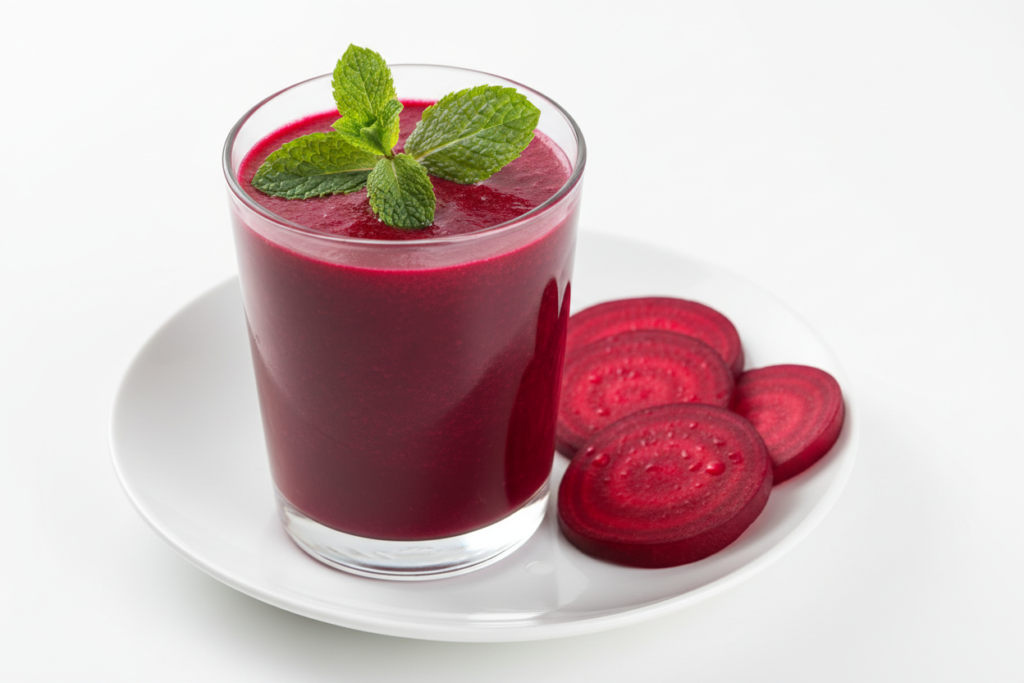
Ingredients
- 1 cup unsweetened almond milk
- 1 small cooked beet, chopped
- 1 cup mixed berries for sweetness
- 1 frozen banana
- 1/2 cup plain Greek yogurt
- 1 tablespoon flax seeds
- 1 teaspoon lemon juice
- Fresh mint leaves
Preparation Tips
- Use pre-cooked beets for convenience
- Start blender on low speed
- Gradually increase to high
- Blend for 90 seconds for smooth texture
- Drink within 30 minutes for maximum nutrients
Beets contain betaine, which supports liver cell regeneration. The fiber in berries and flax seeds binds toxins for elimination. This smoothie works as both food and functional medicine.
Specialized Gut Health Smoothie Recipes
Certain digestive issues require targeted ingredients. These specialized recipes address specific gut health concerns.
Low-FODMAP Gentle Digestion Smoothie
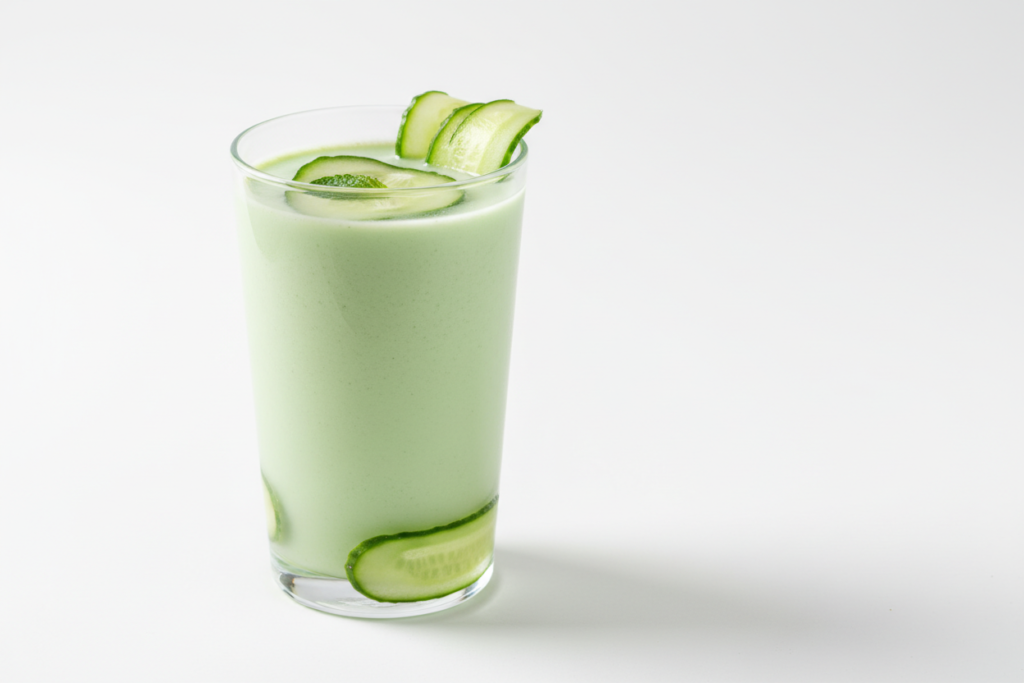
People with IBS or sensitive digestion need low-FODMAP ingredients. This recipe avoids fermentable carbohydrates that trigger symptoms.
Safe Ingredients for Sensitive Guts
- 1 cup lactose-free milk or almond milk
- 1/2 cup firm tofu for protein
- 1 cup fresh spinach
- 1/2 cup blueberries (low-FODMAP portion)
- 1 tablespoon peanut butter
- 1 tablespoon chia seeds
- 1/2 banana (ripe bananas are lower FODMAP)
- Handful ice
Avoid honey, apples, and large portions of certain fruits. Stick to low-FODMAP serving sizes. This smoothie provides nutrition without triggering digestive distress.
High-Fiber Constipation Relief Smoothie
Constipation affects millions of people. This recipe combines soluble and insoluble fiber to promote regular bowel movements.
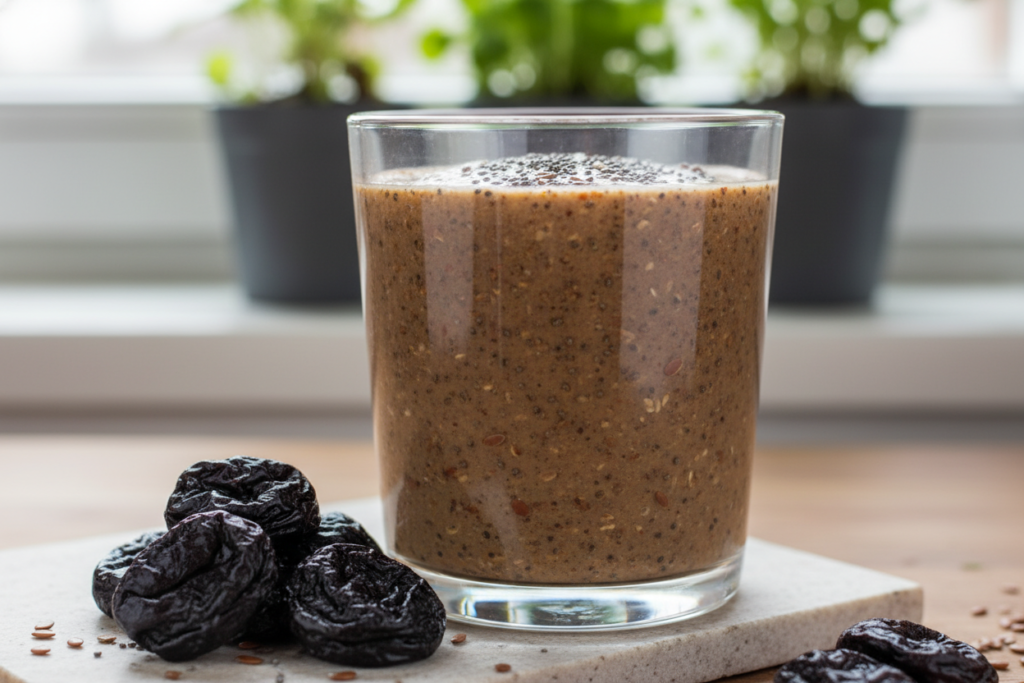
Maximum Fiber Ingredients
- 1 cup coconut water for hydration
- 1/4 cup prunes (powerful natural laxative)
- 1 frozen banana
- 2 tablespoons ground flax seeds
- 2 tablespoons chia seeds
- 1 cup spinach
- 1/2 cup raspberries (highest fiber berry)
- 1/4 cup oats for additional bulk
Usage Instructions
- Drink this smoothie in the morning
- Follow with 16 ounces of water
- Allow chia seeds to hydrate fully
- Expect results within 4-8 hours
- Use daily until regularity improves
This recipe delivers over 18 grams of fiber per serving. The combination of soluble fiber from chia and insoluble fiber from raspberries creates ideal conditions for bowel movements. Prunes contain sorbitol, a natural compound that draws water into intestines.
Probiotic Kefir Berry Blast
Kefir contains more probiotic strains than yogurt. This smoothie maximizes beneficial bacteria intake.
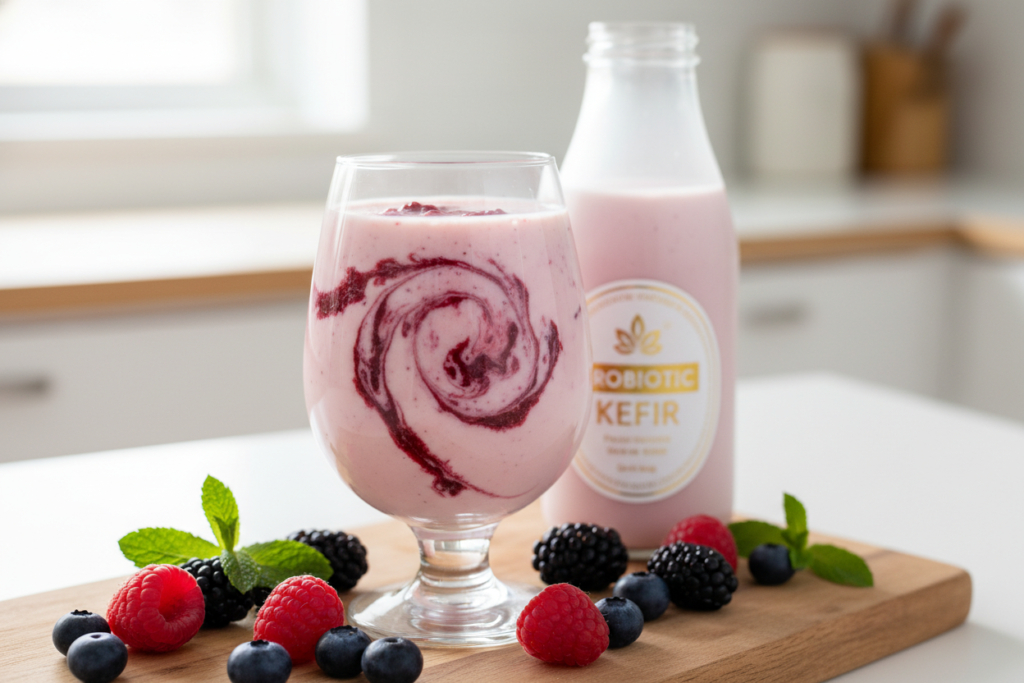
Probiotic-Rich Recipe
- 1 cup plain kefir (dairy or coconut-based)
- 1 cup mixed berries (strawberries, blueberries, raspberries)
- 1 frozen banana for sweetness
- 2 tablespoons chia seeds
- 1 tablespoon honey (optional for added sweetness)
- 1/4 teaspoon vanilla extract
- Handful ice
Kefir provides 12 different probiotic strains. The berries offer prebiotic fiber that feeds these beneficial bacteria. This combination creates optimal conditions for gut microbiome diversity.
Omega-3 Anti-Inflammatory Smoothie
Omega-3 fatty acids reduce intestinal inflammation. This recipe maximizes anti-inflammatory compounds.
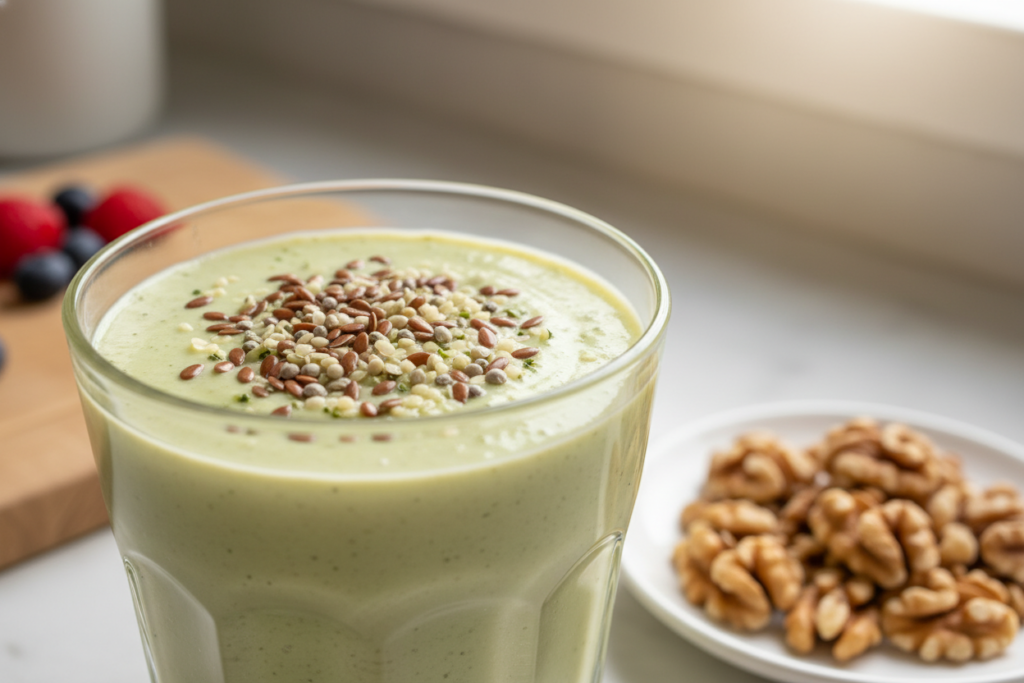
Omega-3 Powerhouse Ingredients
- 1 cup unsweetened almond milk
- 2 tablespoons ground flax seeds
- 2 tablespoons hemp seeds
- 1/4 cup walnuts for additional omega-3s
- 1 frozen banana
- 1 cup spinach
- 1/2 cup blueberries for antioxidants
- 1 scoop protein powder
- 1/4 teaspoon turmeric
This smoothie delivers over 3 grams of omega-3 fatty acids. The combination of ALA from plant sources provides building blocks for EPA and DHA synthesis. Regular consumption reduces markers of inflammation in blood tests.
Smoothie Preparation and Storage Tips
Proper preparation maximizes nutrient retention and flavor. These techniques ensure you get the most from each recipe.
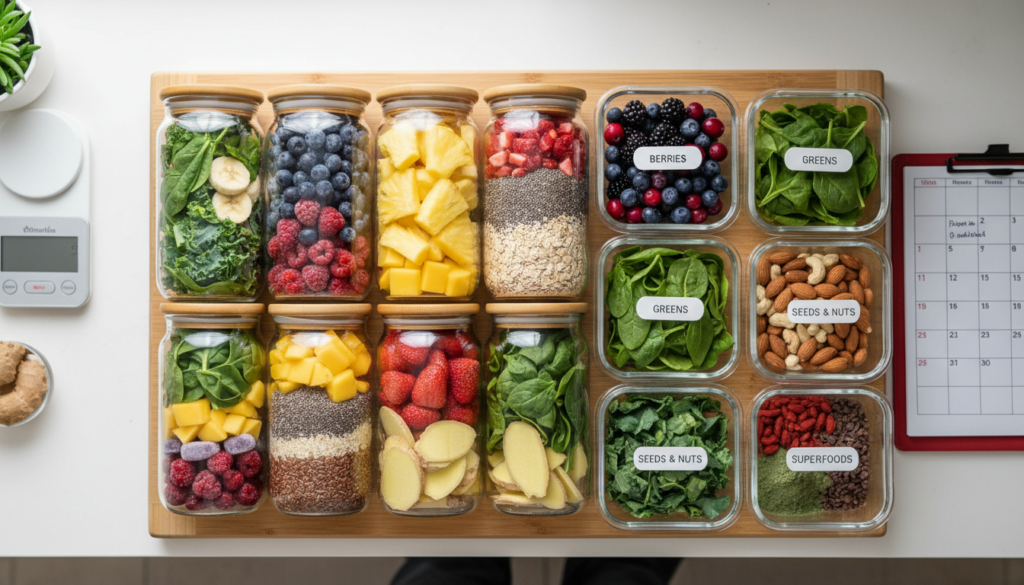
Blending Order Matters
Add ingredients in specific sequence for smooth texture. Start with liquid base first. This prevents blade jamming and ensures even blending.
Correct Blending Sequence
- Pour liquid (milk, water, or juice) into blender
- Add soft ingredients (yogurt, nut butter)
- Include fresh or frozen fruits
- Layer leafy greens on top
- Add seeds and powders last
- Top with ice if desired
Blending Speed Guidelines
- Start on lowest speed setting
- Gradually increase to medium
- Finish on high for 30-60 seconds
- Stop and scrape sides if needed
- Avoid over-blending (creates heat)
- Check consistency before serving
Prep Strategies for Busy Schedules
Create smoothie packs to save time. Portion ingredients into freezer bags for grab-and-go convenience.
Freezer Pack Method
- Label gallon-size freezer bags with recipe name
- Add all frozen ingredients (fruits, greens, banana)
- Include seeds and protein powder in small sealed bag
- Remove air and seal tightly
- Freeze flat for easy storage
- When ready, dump contents in blender
- Add liquid base and blend
Pre-portioned packs last three months in freezer. This method ensures you always have healthy options ready. No more excuses about lacking time.
Storage and Shelf Life
Fresh smoothies contain live nutrients that degrade quickly. Understanding storage extends freshness.
Storage Guidelines: Consume smoothies within 24 hours for maximum nutrient retention. Store in airtight glass containers. Refrigerate immediately after blending. Shake well before drinking as separation occurs naturally.
Some ingredients oxidize faster than others. Berries and greens lose vitamin C quickly. Add lemon juice to slow oxidation. The citric acid preserves color and nutrients.
Ready to Heal Your Gut Completely?
These smoothie recipes provide excellent daily nutrition for gut health. However, if you’re dealing with chronic digestive issues, you may need a more comprehensive approach. Discover a complete gut restoration program that addresses underlying imbalances, heals intestinal lining, and restores optimal digestive function. This system has helped thousands achieve lasting relief from bloating, irregularity, and digestive discomfort.
Understanding Key Ingredient Benefits
Each smoothie ingredient provides specific therapeutic effects. Knowledge helps you customize recipes for your needs.
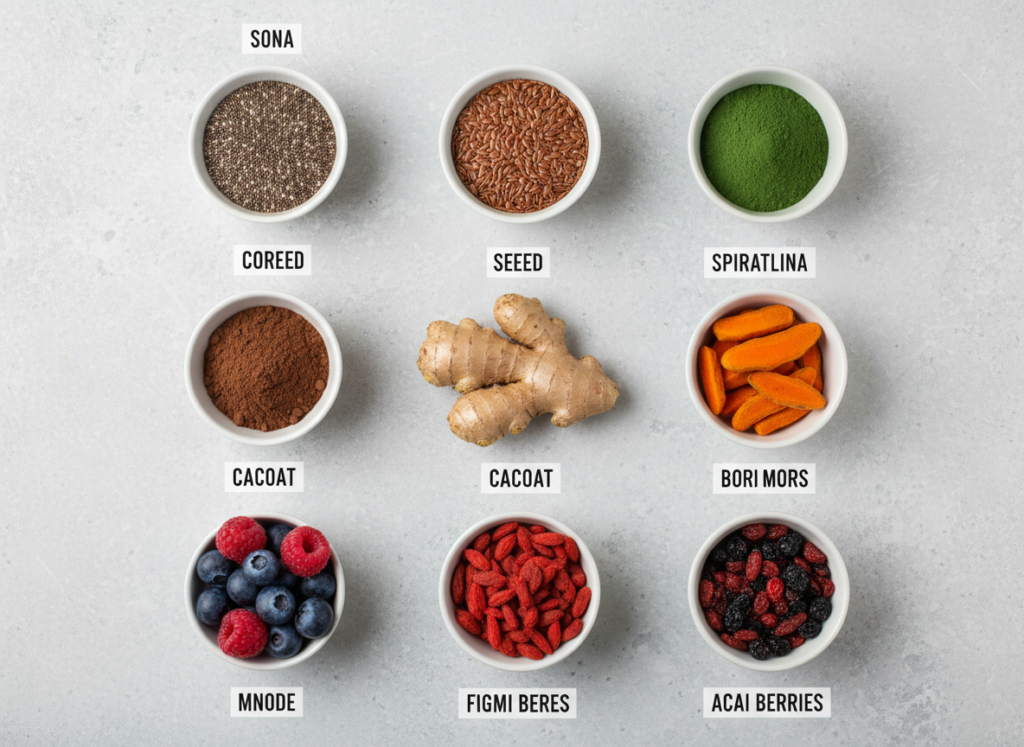
Chia Seeds Benefits
Chia seeds expand to 12 times their size when wet. This creates gel-like substance that soothes intestinal lining. The omega-3 content reduces inflammation throughout your digestive tract.
Each tablespoon of chia seeds provides 5 grams of fiber. This feeds beneficial bacteria while promoting regular elimination. The protein in chia seeds supports tissue repair.
Chia Seed Advantages
- High in soluble fiber for gut health
- Provides plant-based omega-3 fatty acids
- Creates satisfying gel texture
- Stabilizes blood sugar levels
- Contains complete protein profile
Considerations
- May cause bloating if not hydrated properly
- Can interact with blood thinners
- Should be introduced gradually
- Requires adequate water intake
Greek Yogurt and Probiotics
Plain Greek yogurt contains live active cultures. These beneficial bacteria colonize your intestines. Look for labels stating “live and active cultures.”
The protein in Greek yogurt supports satiety. One cup provides 20 grams of protein. This makes smoothies more filling and reduces cravings.
Banana and Resistant Starch
Frozen bananas provide creamy texture without dairy. They contain resistant starch that feeds beneficial bacteria. This type of starch resists digestion in small intestine.
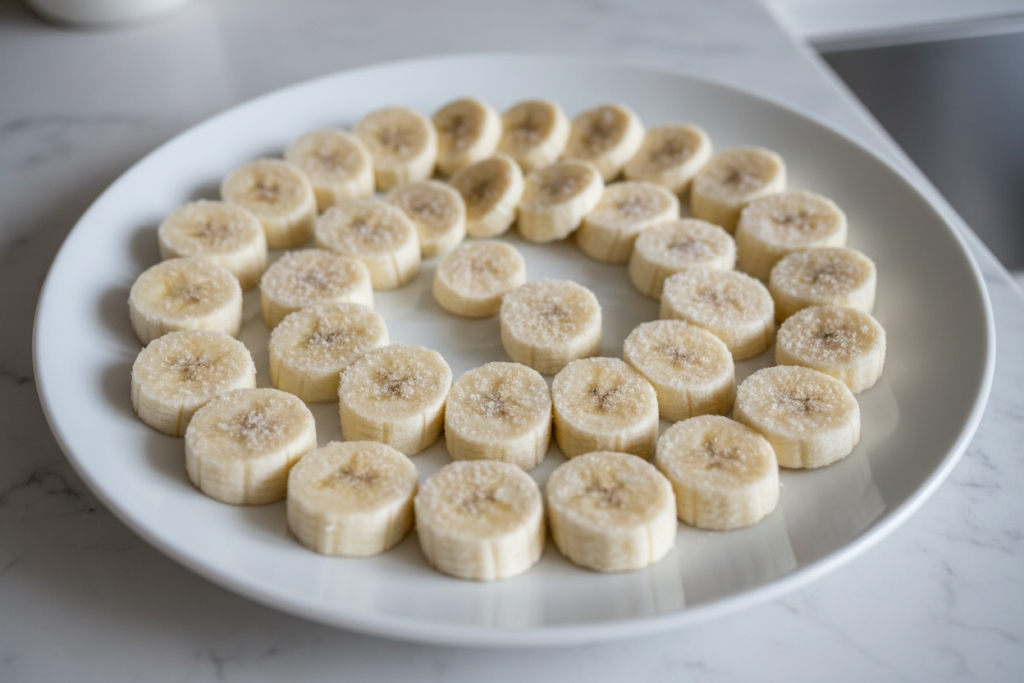
Bananas offer quick energy from natural sugars. The fiber slows sugar absorption, preventing blood glucose spikes. One banana contains 3 grams of fiber and 450mg of potassium.
Berries and Antioxidant Power
Blueberries, strawberries, and raspberries fight oxidative stress. Their antioxidants protect intestinal cells from damage. Berries contain anthocyanins that reduce inflammation.
The fiber in berries promotes healthy bowel movements. Raspberries provide the most fiber at 8 grams per cup. Strawberries offer vitamin C for immune support.
Leafy Greens Nutrition
Spinach delivers iron without constipation side effects. The magnesium in greens relaxes intestinal muscles. This promotes smooth peristalsis and regular elimination.
One cup of spinach provides only 7 calories but abundant nutrients. The chlorophyll content supports liver detoxification. This indirectly benefits gut health by reducing toxic burden.
Customizing Smoothies for Your Goals
Adapt base recipes to match specific health objectives. Small modifications create targeted therapeutic effects.
For Weight Management
Increase protein and fiber while reducing fruit portions. This creates satiety without excess calories or sugar.
Weight Management Modifications
- Use 2 scoops protein powder instead of 1
- Limit fruit to 1/2 cup total
- Add extra tablespoon of chia or flax seeds
- Include healthy fats from avocado or nuts
- Use unsweetened almond milk (30 calories per cup)
- Avoid added sweeteners including honey
- Include leafy greens for volume without calories
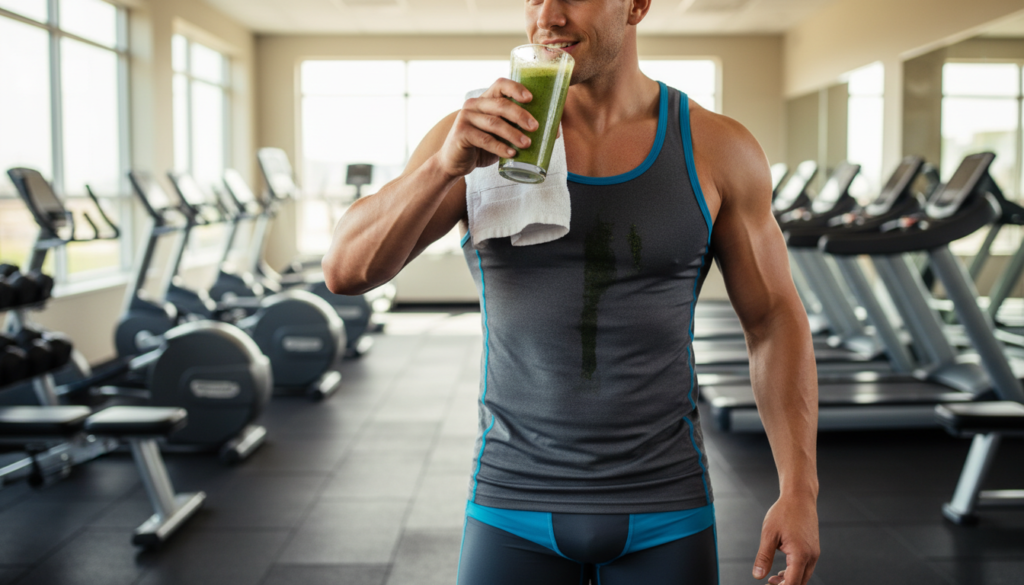
For Energy and Performance
Athletes need more carbohydrates and protein. Adjust ratios to support training demands.
Performance Enhancement Additions
- Add 1/4 cup oats for sustained carbohydrates
- Include 2 scoops protein powder (40 grams)
- Use coconut water for electrolyte replacement
- Add dates for quick energy
- Include beet powder for nitric oxide boost
- Use full-fat dairy or coconut milk
- Add creatine powder post-workout
For Inflammation Reduction
Focus on anti-inflammatory ingredients. These compounds reduce intestinal irritation and support healing.
Primary Anti-Inflammatory Foods
- Turmeric with black pepper
- Fresh ginger root
- Berries (all varieties)
- Leafy greens
- Omega-3 rich seeds
Supporting Ingredients
- Green tea (cooled)
- Cacao powder
- Cherries
- Pineapple
- Papaya
Foods to Avoid
- Added sugars
- Artificial sweeteners
- Dairy (if sensitive)
- Processed protein powders
- Fruit juices
Common Smoothie Mistakes to Avoid
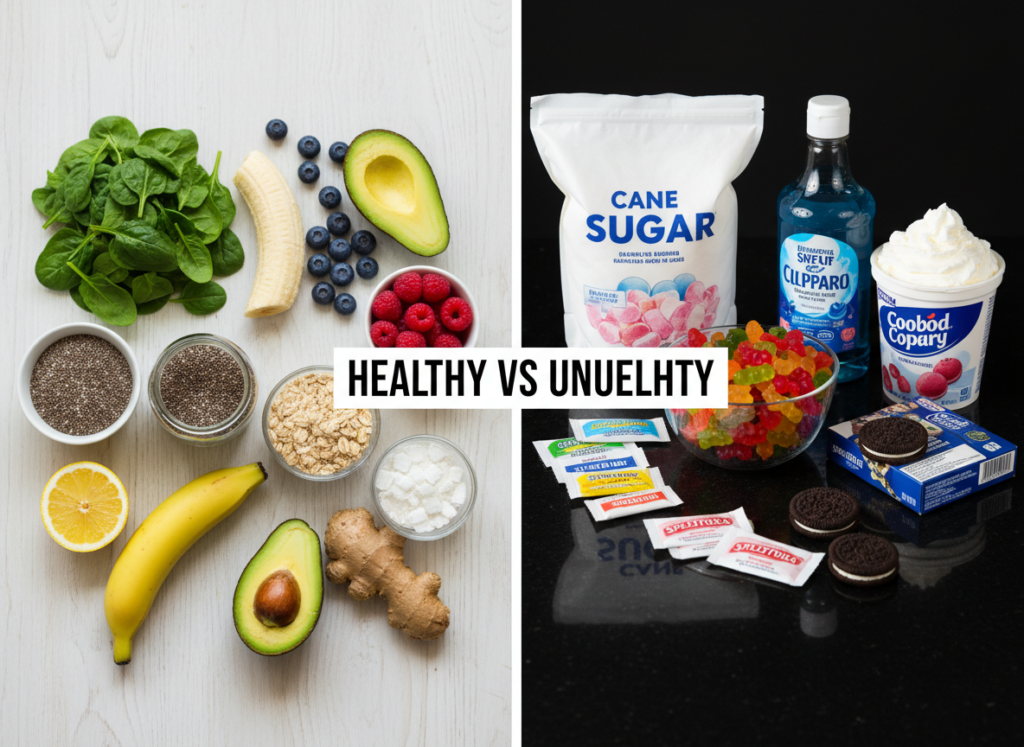
Even healthy smoothies can undermine gut health if prepared incorrectly. Awareness prevents these common errors.
Too Much Fruit Sugar
Many people create “fruit bombs” with excessive natural sugar. While fruit contains beneficial fiber, too much still spikes blood glucose.
Sugar Limits: Keep total fruit to 1-1.5 cups per smoothie. This provides sweetness without excessive fructose. Remember that dried fruits concentrate sugar significantly. One date contains as much sugar as several fresh fruits.
Balance sweetness with protein and healthy fats. This slows sugar absorption and stabilizes blood glucose. The combination prevents energy crashes and sugar cravings.
Insufficient Protein
Fruit-only smoothies lack staying power. Without protein, you’ll feel hungry within an hour. This leads to snacking and excess calorie intake.
Aim for at least 15-20 grams of protein per smoothie. This supports muscle maintenance and creates lasting satiety. Protein also stabilizes blood sugar response to fruit sugars.
Not Enough Healthy Fats
Your body needs fat to absorb vitamins A, D, E, and K. Without healthy fats, you miss out on nutrient benefits. These vitamins support immune function and gut lining integrity.
Best Healthy Fat Sources
- Avocado (1/4 to 1/2 for creaminess)
- Nut butters (1-2 tablespoons)
- Chia or flax seeds (1-2 tablespoons)
- Coconut oil or MCT oil (1 teaspoon)
- Hemp seeds (2 tablespoons)
- Full-fat coconut milk (1/4 cup)
Using Store-Bought Juice as Base
Fruit juice lacks fiber and concentrates sugar. One cup of orange juice contains as much sugar as soda. This defeats the purpose of a healthy smoothie.
Always use water, unsweetened almond milk, or coconut water. These bases provide hydration without added sugar. If you want fruit flavor, add whole fruit instead of juice.
Ignoring Portion Sizes
Even healthy ingredients add calories. A 32-ounce smoothie might contain 600-800 calories. This exceeds a meal replacement for most people.
Portion Guidance: A standard smoothie should be 12-16 ounces. This provides adequate nutrition without excessive calories. If you’re using smoothies as meal replacements, 16-20 ounces works for active individuals.
When to Drink Smoothies for Maximum Benefit
Timing affects how your body processes smoothie nutrients. Strategic consumption enhances digestive benefits.
Morning Consumption Benefits
Morning smoothies break your overnight fast gently. The easily digestible nutrients absorb quickly after sleep. This provides energy without stressing your digestive system.
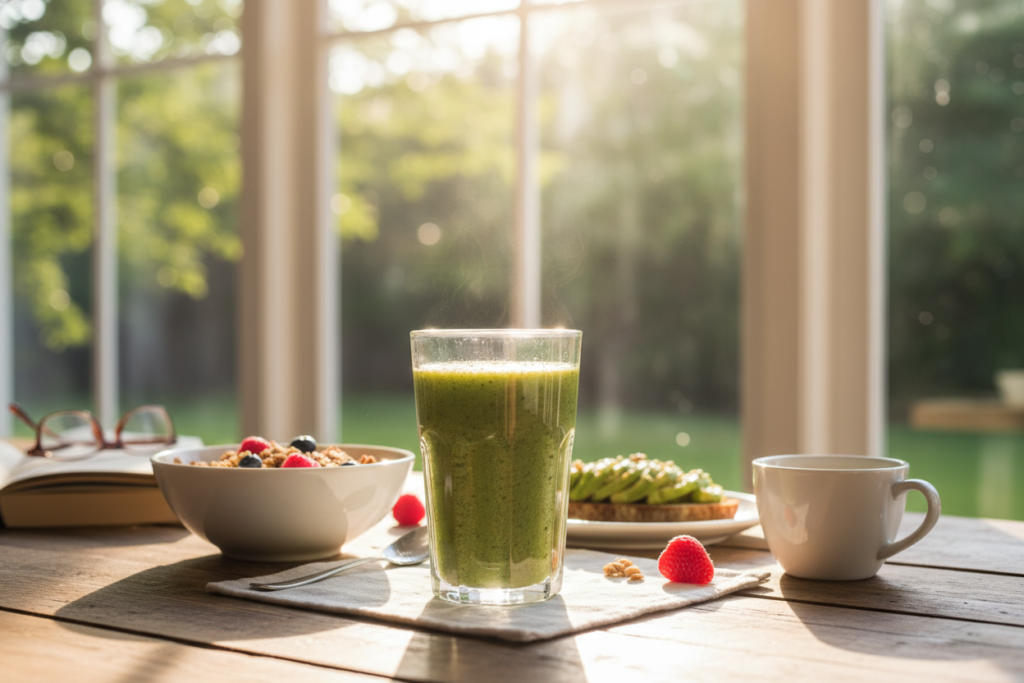
Fiber from morning smoothies promotes bowel movements. Most people experience natural urge to eliminate 30-60 minutes after eating. This supports regularity and prevents constipation.
Pre-Workout Timing
Consume smoothies 30-60 minutes before exercise. This provides fuel without causing digestive discomfort. Keep pre-workout smoothies lighter with less fat and fiber.
Pre-Workout Smoothie Guidelines
- Emphasize simple carbohydrates from fruit
- Include moderate protein (15 grams)
- Minimize fat and fiber content
- Use 12-16 ounce portions
- Avoid dairy if it causes issues
- Include electrolytes from coconut water
Post-Workout Recovery
Within 30 minutes after exercise, your muscles need protein and carbohydrates. This window maximizes nutrient uptake and recovery.
Post-workout smoothies should contain 25-30 grams of protein. Add faster-digesting carbohydrates like banana or dates. This combination replenishes glycogen and supports muscle repair.
Evening Considerations
Late-night smoothies can disrupt sleep if they contain too much sugar. The energy boost interferes with natural melatonin production.
If you drink smoothies in evening, focus on calming ingredients. Include protein for overnight muscle repair. Avoid large portions that might cause digestive discomfort while lying down.
Troubleshooting Digestive Reactions
Some people experience gas or bloating when starting smoothies. Understanding causes helps you adjust recipes appropriately.
Addressing Bloating Issues
Sudden fiber increases can cause temporary bloating. Your gut bacteria need time to adjust to new fuel sources. Start with smaller portions and gradually increase.
Reducing Bloating Strategies
- Start with 8-ounce smoothies and increase slowly
- Soak chia seeds before adding to smoothie
- Peel fruits that cause gas (apples, pears)
- Avoid sugar alcohols and artificial sweeteners
- Drink smoothies slowly over 10-15 minutes
- Choose low-FODMAP ingredients initially
- Add ginger to reduce gas formation
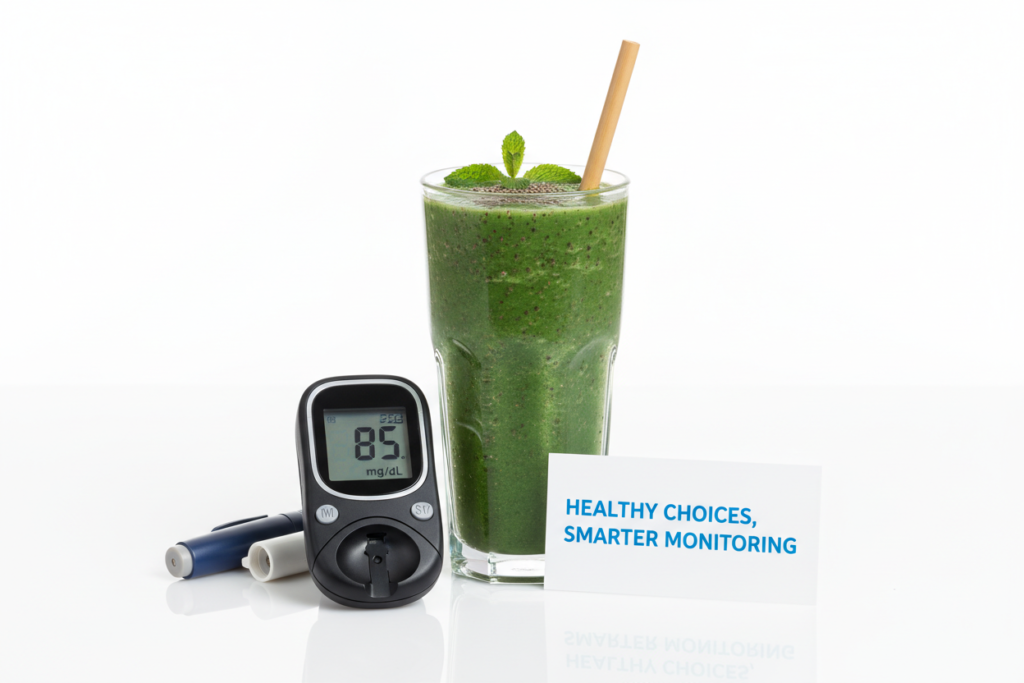
Managing Sugar Sensitivity
Some individuals experience blood sugar swings from smoothies. This indicates insufficient protein or fat content. The solution involves balancing macronutrients.
Reduce fruit portions to 1/2 cup maximum. Increase protein to 25-30 grams. Add tablespoon of nut butter or half avocado. These modifications stabilize blood glucose response.
Dealing with Cold Sensitivity
Cold smoothies can shock digestive system, especially in morning. Some people experience cramping or diarrhea from very cold beverages.
Use room temperature liquids instead of ice-cold bases. Reduce ice cubes or eliminate them entirely. Let frozen fruits thaw slightly before blending. These adjustments create gentler temperature for sensitive digestion.
Building Your Gut Health Smoothie Routine
Consistency creates results with gut health smoothies. Daily consumption provides ongoing support for your microbiome. The recipes in this guide offer variety while targeting digestive wellness.
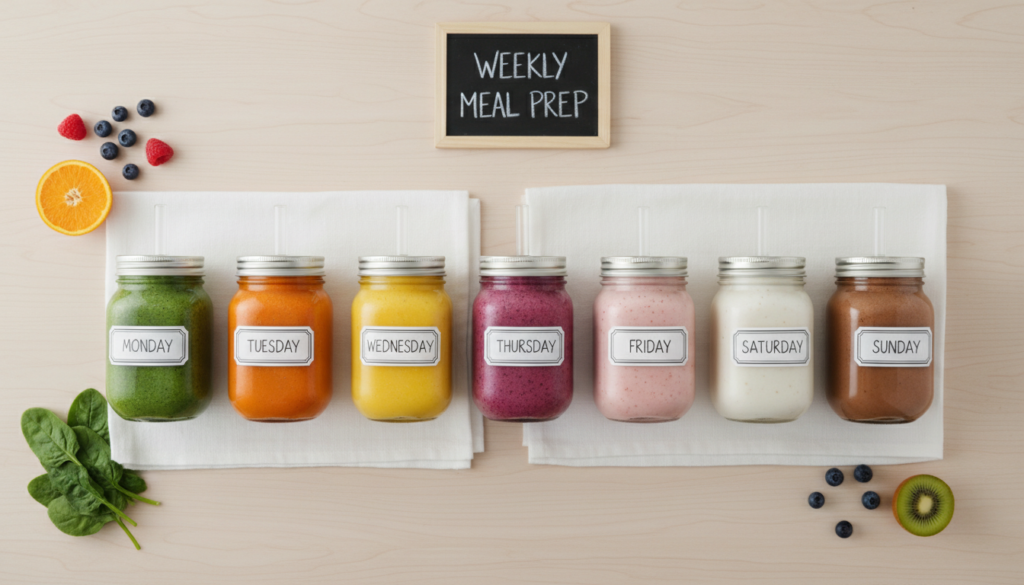
Start with one smoothie daily for two weeks. Notice how your digestion responds. Most people experience improvements in regularity, reduced bloating, and increased energy within this timeframe.
Rotate between different recipes throughout the week. This ensures diverse nutrient intake and prevents boredom. Your gut bacteria thrive on variety, so different ingredient combinations support microbiome diversity.
Track your symptoms in a journal. Note which smoothies make you feel best. This personal data helps you customize recipes for your unique digestive needs. Everyone’s gut microbiome differs, so individual responses vary.
Remember that smoothies complement a comprehensive gut health approach. Continue eating whole foods, managing stress, and getting adequate sleep. These lifestyle factors work synergistically with nutritional interventions.
The journey to optimal gut health takes time and patience. These healthy smoothie recipes for gut health provide powerful tools for transformation. Start today with one simple recipe and build from there. Your digestive system will thank you with improved function, better energy, and enhanced overall wellness.