50 Vegan Lunch Ideas: Quick & Delicious Plant-Based Meals
50 Vegan Lunch Ideas: Quick & Delicious Plant-Based Meals
This Website contains affiliate links. That means I may earn a small commission if you purchase through my links, at no extra cost to you.
Creating satisfying vegan lunch ideas doesn’t require hours in the kitchen. Many people struggle with repetitive salads or boring sandwiches. The solution lies in understanding simple formulas that transform basic ingredients into exciting meals.
Plant-based lunches offer incredible variety when you know the right combinations. From protein-packed bowls to handheld wraps, the options extend far beyond typical expectations. This guide breaks down practical strategies that fit into busy schedules.
The key to consistent vegan meal prep involves planning ahead while maintaining flexibility. You’ll discover recipes that work for week-long preparation alongside quick assembly options. Each idea focuses on balanced nutrition without sacrificing flavor.
Ready to Master Vegan Lunch Preparation?
Discover comprehensive meal planning systems that eliminate guesswork and save hours each week with proven plant-based formulas.
Building a Vegan Meal Prep System That Actually Works
Successful vegan meal prep starts with understanding core components. Every satisfying lunch combines protein, complex carbohydrates, healthy fats, and vegetables. This formula ensures sustained energy throughout the day.
Start by dedicating two hours each week to batch cooking. Cook large quantities of quinoa, brown rice, or other grains in advance. Roast multiple sheet pans of veggies simultaneously. Prepare protein sources like tofu, chickpea, or black bean in bulk.
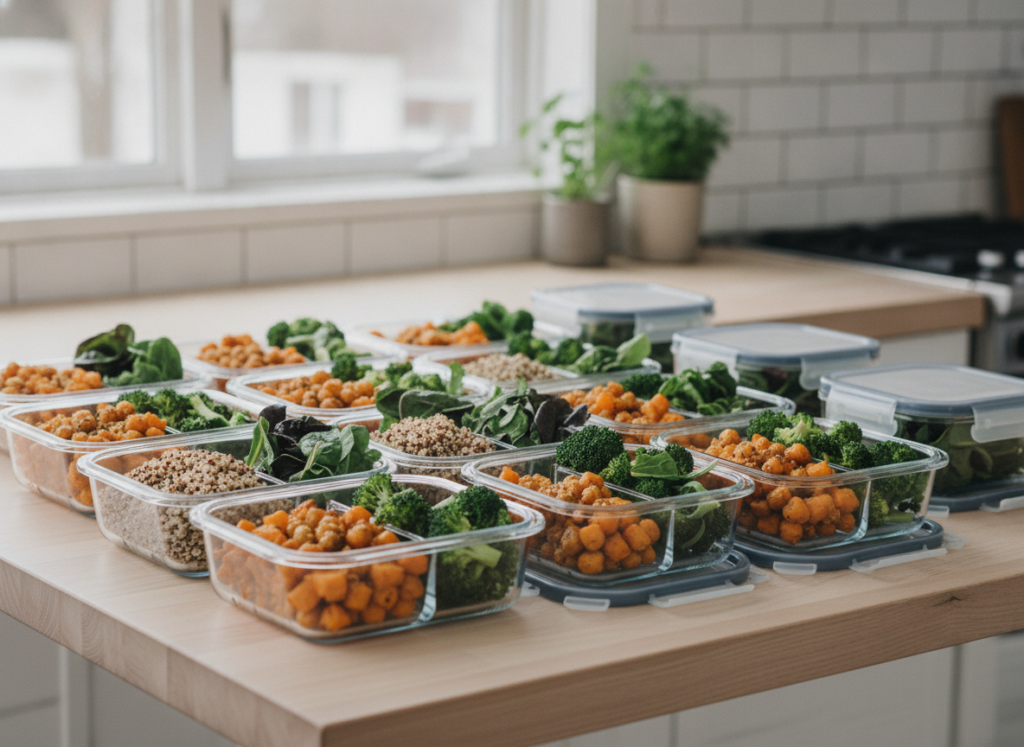
Storage containers make significant difference in freshness. Invest in quality glass containers with separate compartments. This prevents soggy salads and maintains texture throughout the week. Label containers with preparation dates to track freshness.
Create a rotation schedule to prevent food boredom. Week one might feature Mexican-inspired bowls while week two focuses on Mediterranean flavors. This variety keeps lunches interesting without requiring entirely new recipes.
Essential Ingredients for Week-Long Vegan Lunch Success
Stock your fridge with versatile foundation ingredients. Leafy greens like arugula and spinach provide nutritional density. Quinoa and rice offer substantial bases that absorb flavors beautifully. Black bean and chickpea deliver essential protein and fiber.
Keep quick-prep vegetables readily available. Bell pepper, cucumber, and cherry tomatoes require minimal cutting. Pre-washed salad greens save valuable time during morning rushes. Frozen veggies work perfectly for heated lunch options.
Protein Powerhouses
- Firm tofu for scrambles and stir-fries
- Canned chickpea for quick salads
- Black bean for burrito bowls
- Lentils for hearty warm dishes
- Tempeh for protein-rich additions
Flavor Boosters
- Tahini for creamy dressing bases
- Nutritional yeast for cheese flavor
- Miso paste for umami depth
- Fresh herbs for brightness
- Lemon juice for acidity balance
Sauces and dressing transform simple ingredients into restaurant-quality meals. Prepare three different sauce variations each week. Peanut sauce, tahini dressing, and balsamic vinaigrette cover most flavor profiles. Store them in small jars for easy portion control.
Skip the Trial and Error Phase
Access tested vegan lunch formulas with shopping lists, prep schedules, and foolproof recipes that guarantee delicious results every time.
Power-Packed Vegan Lunch Bowls for Maximum Nutrition
Grain bowls represent the ultimate customizable vegan lunch format. They accommodate various dietary preferences while delivering complete nutrition. The base provides sustained energy while toppings add texture and flavor complexity.
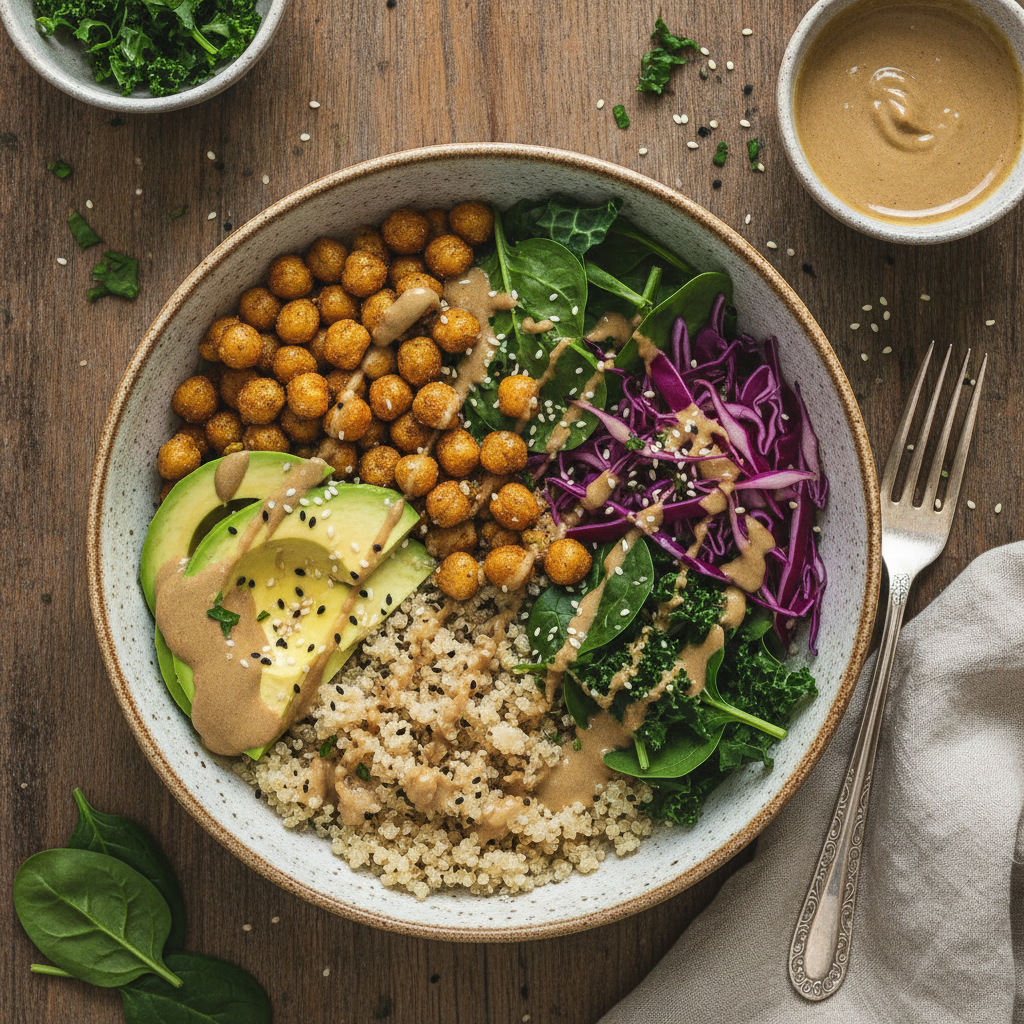
The Perfect Bowl Formula Every Time
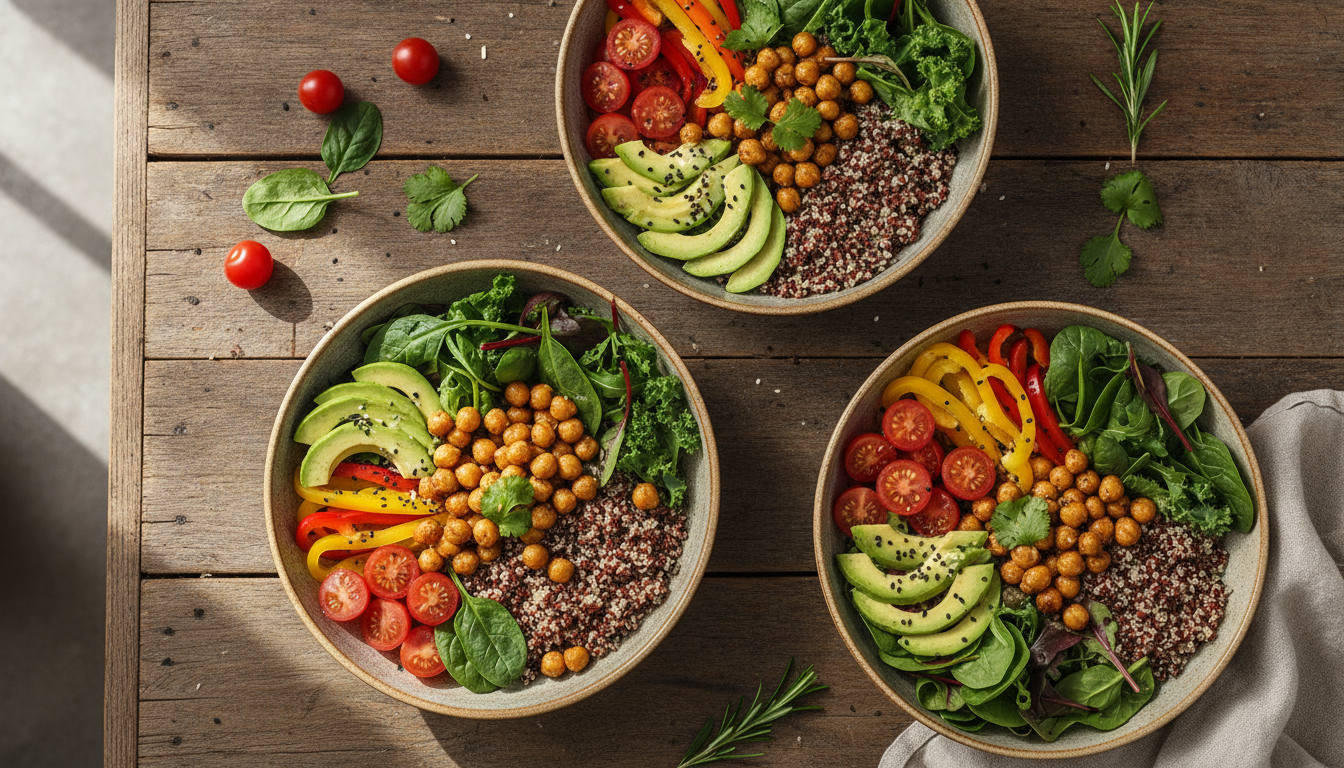
Start with one cup of cooked grain as your foundation. Quinoa offers complete protein while brown rice provides familiar comfort. Farro adds chewy texture and nutty flavor. Each grain brings unique nutritional benefits to your meal.
Add one cup of cooked or raw vegetables in various colors. This ensures diverse phytonutrients and keeps meals visually appealing. Roasted sweet potato, steamed broccoli, and raw bell pepper create satisfying contrast. Mix textures between crunchy and soft elements.
Include half cup of protein-rich legumes or prepared tofu. Seasoned chickpea, black bean, or marinated tofu cubes work perfectly. This component keeps you full until dinner without afternoon energy crashes. Discover advanced bowl-building techniques that maximize both nutrition and satisfaction.
Top with quarter of an avocado or two tablespoons of nuts. These healthy fats improve nutrient absorption and add richness. Sprinkle hemp hearts for extra protein and omega-3 fatty acids. Finish with flavorful sauce that ties everything together.
Five-Minute Assembly Bowl Combinations
Mediterranean Quinoa Bowl
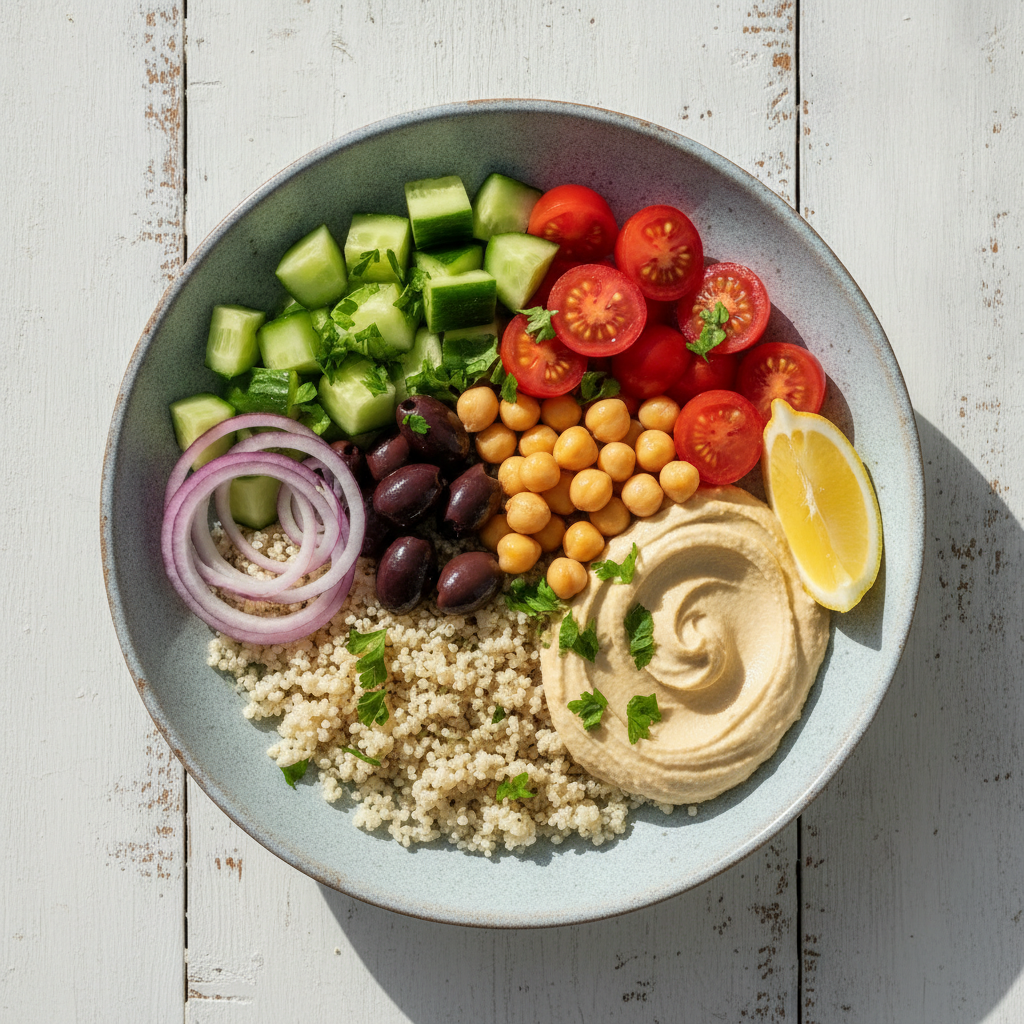
Combine quinoa with cucumber, cherry tomatoes, and chickpea. Add kalamata olives and red onion for authentic Mediterranean flavor. Dress with lemon tahini sauce and fresh parsley. This combination delivers fiber and protein in every bite.
Asian-Inspired Rice Bowl
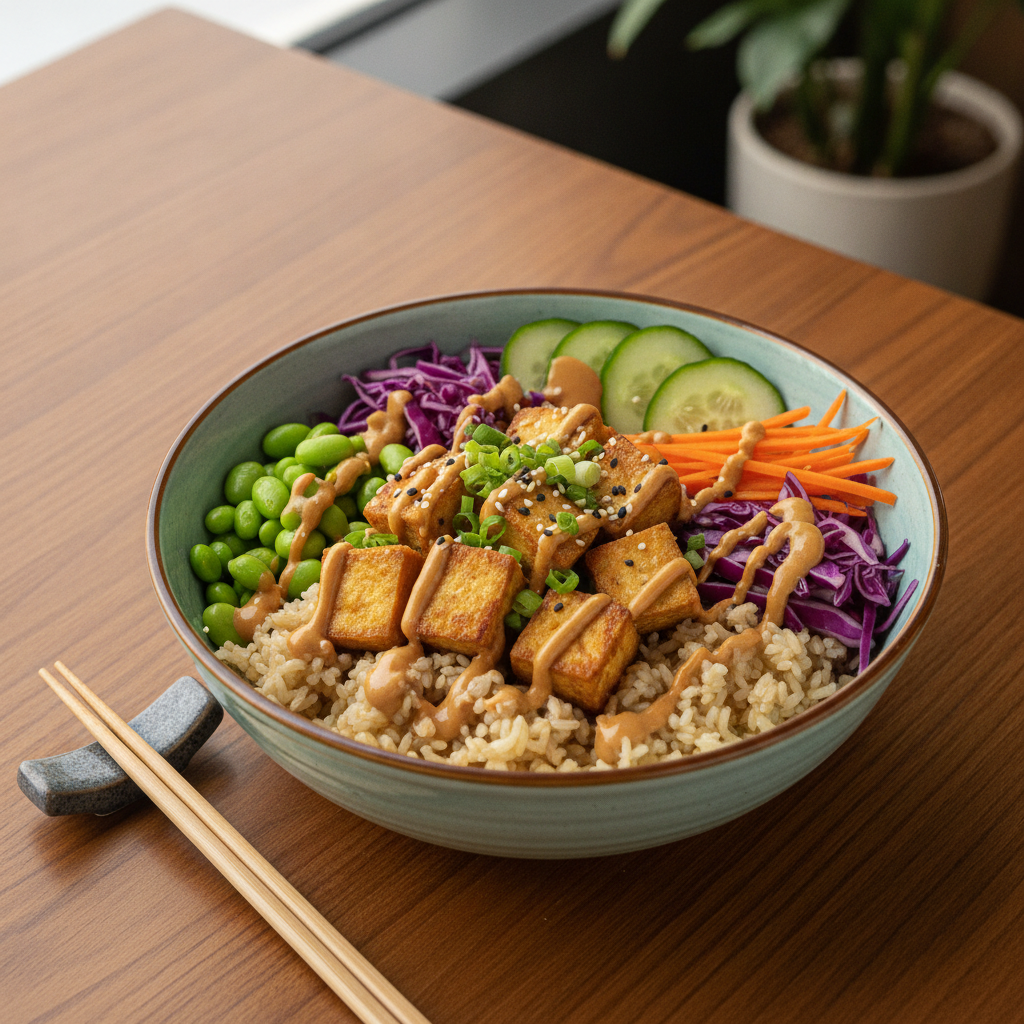
Layer brown rice with baked tofu, edamame, and shredded vegetables. Include purple cabbage and grated carrot for crunch. Drizzle with peanut sauce and top with sesame seeds. The protein content keeps hunger at bay for hours.
Mexican Fiesta Bowl
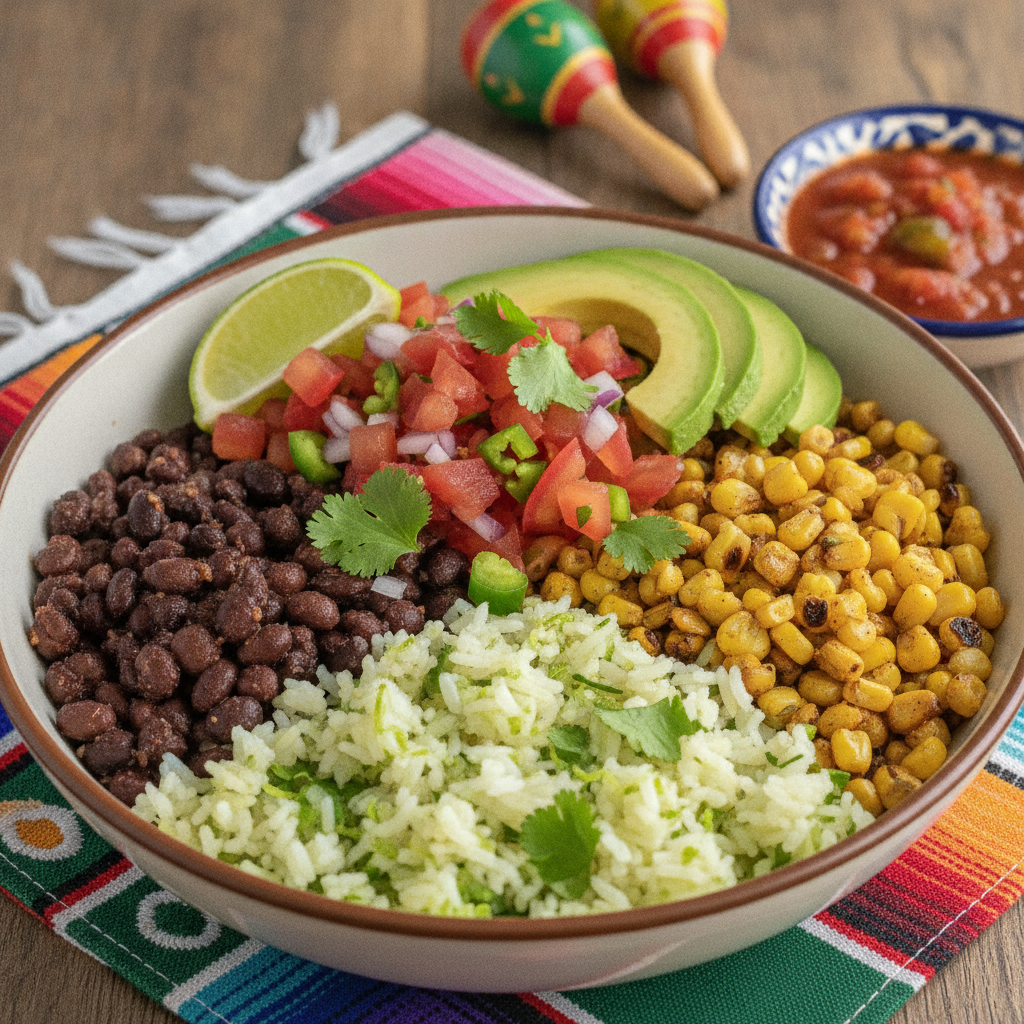
Build on cilantro lime rice with black bean and roasted corn. Add fresh salsa, avocado slices, and shredded lettuce. Season with cumin and lime juice for authentic taste. This meal provides exceptional fiber content for digestive health.
Meal prep these bowls by keeping components separate until assembly. Store dressing in small containers to prevent soggy greens. This strategy maintains optimal texture throughout the week. Each bowl takes under five minutes to assemble at lunch time.
Rotate your grain selection weekly to prevent boredom. Try farro, bulgur, or wild rice for variety. Different grains offer unique nutritional profiles and textures. Learn professional meal rotation strategies that keep every week exciting.
Creative Vegan Sandwiches and Wraps Beyond Basic
Portable vegan lunch options don’t mean sacrificing satisfaction. Sandwiches and wraps provide convenience while delivering complete nutrition. The secret lies in layering flavors and textures strategically.
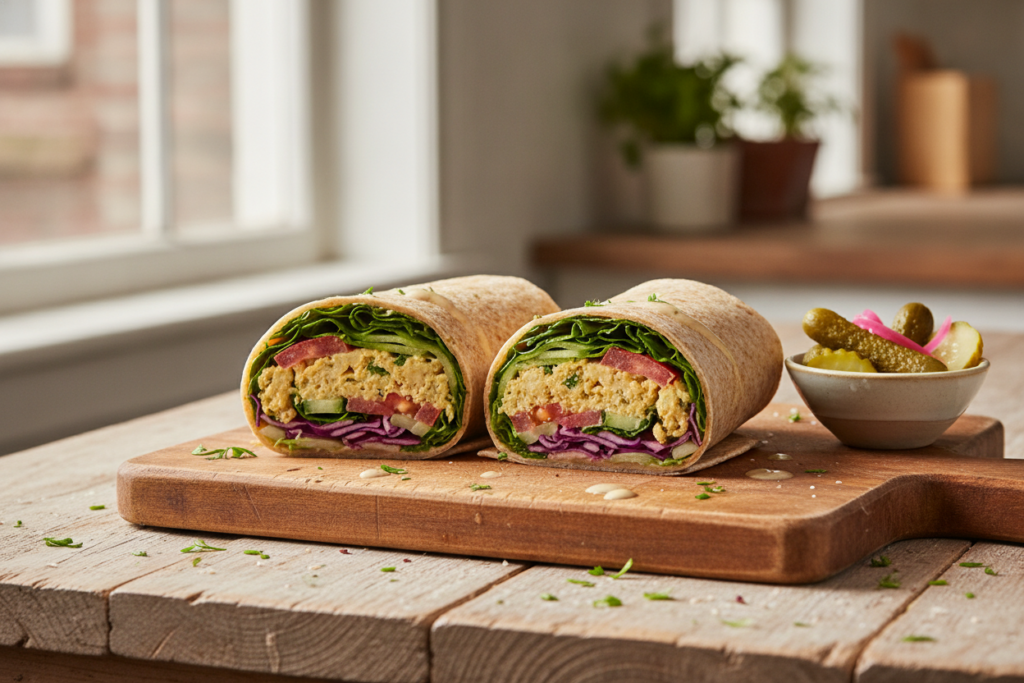
Chickpea Salad Sandwich Variations
Chickpea salad serves as perfect tuna salad replacement. Mash chickpea with vegan mayo, diced celery, and red onion. Add pickle relish for tang and curry powder for depth. This protein-rich filling stays fresh in the fridge for five days.
Create Mediterranean version with tahini instead of mayo. Mix in sun-dried tomatoes, kalamata olives, and fresh dill. Serve on whole grain bread with arugula and cucumber slices. The combination provides satisfying texture contrast.
Try buffalo chickpea salad for spicy kick. Combine mashed chickpea with hot sauce and vegan butter. Add diced celery and shredded carrot for crunch. Serve in pita pocket with crisp lettuce. This variation offers bold flavor that fights afternoon fatigue.
Innovative Wrap Combinations for Every Craving
Wraps accommodate more ingredients than traditional sandwiches. Large tortillas hold substantial portions without falling apart. Use whole wheat or spinach wraps for added nutrition and visual appeal.
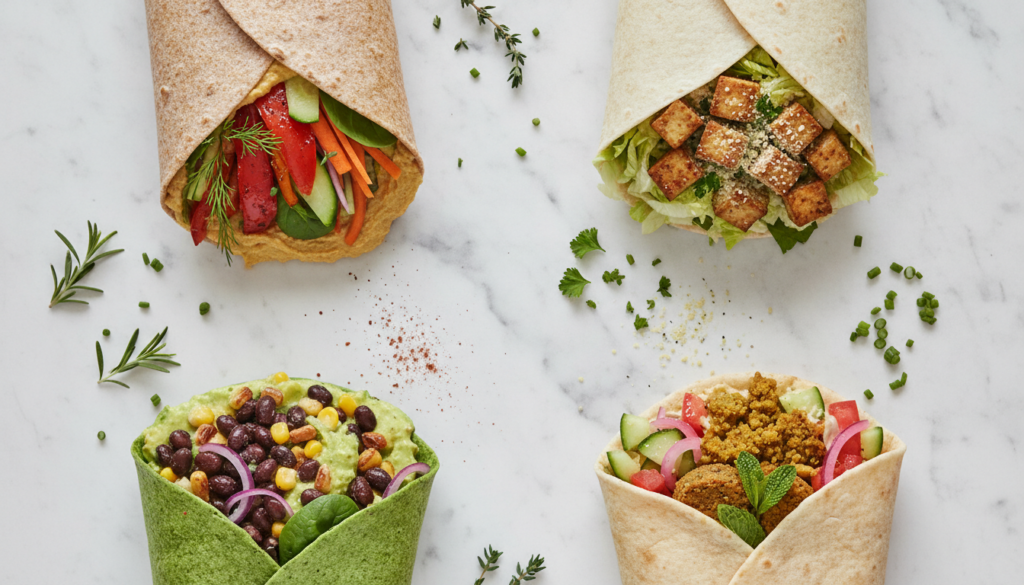
Rainbow veggie wrap features hummus spread with seven different colored vegetables. Layer red bell pepper, orange carrot, cucumber, purple cabbage, and leafy greens. Add sprouts and avocado for creaminess. Master wrap-folding techniques that prevent messy lunches.
Caesar-style tofu wrap replicates classic flavors in plant-based format. Marinate tofu strips in garlic and nutritional yeast. Combine with romaine lettuce and vegan Caesar dressing. Add capers for salty punch. This wrap delivers exceptional protein content.
BBQ tempeh wrap brings smoky satisfaction to lunch time. Slice tempeh thin and coat with barbecue sauce. Add coleslaw mix and sliced pickle. Include crispy onions for textural interest. The combination satisfies comfort food cravings healthfully.
Transform Your Sandwich Game Forever
Get instant access to gourmet vegan sandwich blueprints with spreads, fillings, and assembly techniques that rival any deli.
Tofu Sandwich Mastery
Pressed and marinated tofu creates satisfying sandwich protein. Remove excess moisture by pressing tofu between paper towels for fifteen minutes. Slice into quarter-inch thick slabs for optimal texture.
Pan-fry tofu slices until golden on both sides. Season with soy sauce, garlic powder, and black pepper during cooking. Let cool before assembling sandwiches for meal prep. Cooked tofu stays fresh for four days when properly stored.
Build classic tofu BLT with coconut bacon strips. Layer tofu, lettuce, tomato slices, and vegan mayo on toasted bread. The combination mimics traditional BLT satisfaction without animal products. Add avocado for extra creaminess and healthy fats.
Vegan Salad Strategies That Actually Fill You Up
Salads earn unfair reputation as unsatisfying rabbit food. Properly constructed vegan salads provide complete meals with staying power. The difference lies in incorporating adequate protein, healthy fats, and substantial vegetables.
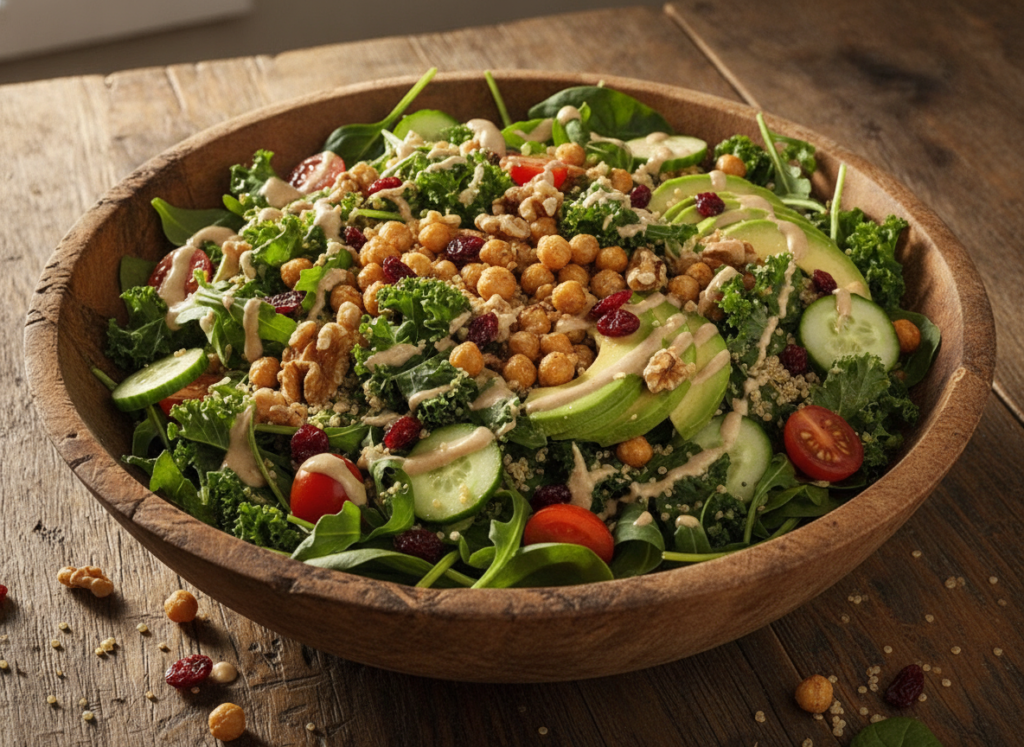
The Foundation of Satisfying Salads
Start with two cups of mixed leafy greens as your base. Combine different textures like crisp romaine with tender spinach. Add arugula for peppery bite. This variety prevents monotonous eating experience.
Include one cup of cooked grain or starchy vegetable. Quinoa adds protein while sweet potato provides comforting substance. These components transform light salad into filling meal. They also stabilize blood sugar throughout afternoon.
Add three-quarters cup of legumes for essential protein. Chickpea, black bean, or lentils work beautifully in salad format. Explore protein-maximizing techniques that ensure satisfaction until dinner time.
Include quarter cup of nuts or seeds for healthy fats and crunch. Walnuts provide omega-3 fatty acids while pepitas add zinc. These ingredients dramatically improve nutrient absorption from vegetables. They also contribute satisfying textural element.
Make-Ahead Salad Assembly Method
Mason jar salads maintain freshness for five days when layered correctly. Place dressing in bottom of jar first. Add sturdy vegetables like cucumber and bell pepper next. Layer grains and protein in middle section.
Pack delicate greens at top of jar where they stay driest. Add nuts and seeds in separate small container to prevent sogginess. When ready to eat, shake jar to distribute dressing evenly. This method revolutionizes lunch prep efficiency.
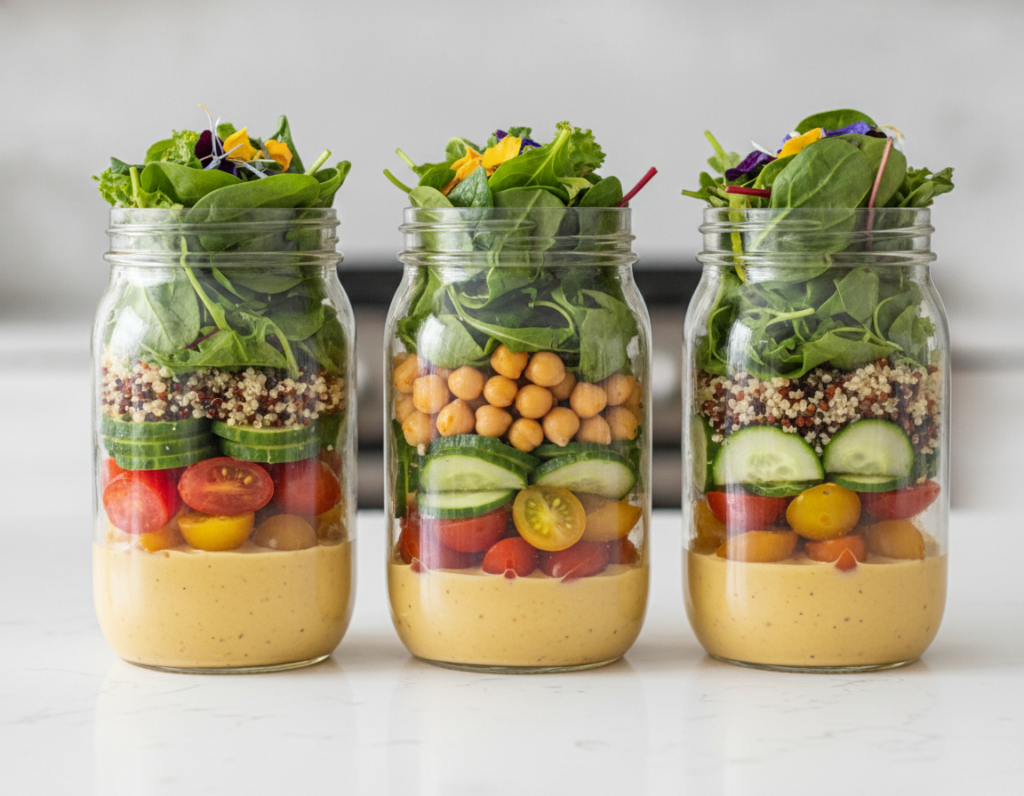
Create three different salad variations each week. Monday might feature Asian-inspired sesame ginger salad. Wednesday could bring Mediterranean chickpea salad. Friday finishes with southwestern black bean quinoa salad. Variety prevents meal prep burnout.
Five Satisfying Vegan Salad Combinations
Protein-Packed Options
- Thai peanut salad with edamame and crispy tofu
- Mediterranean chickpea with tahini dressing
- Southwest quinoa with black bean and corn
- Asian sesame with baked tempeh strips
Grain-Forward Varieties
- Tabbouleh-style bulgur with fresh herbs
- Wild rice with cranberries and pecans
- Farro with roasted vegetables and arugula
- Quinoa with mango and black bean
Dress salads immediately before eating for optimal texture. Keep dressing separate until lunch time. This prevents wilted greens and maintains crispness. Consider packing dressing in small leak-proof containers for convenience.
Experiment with warm grain salads during colder months. Reheat quinoa or farro portions before adding to greens. The warmth slightly wilts lettuce while maintaining nutritional value. Access seasonal salad strategies for year-round satisfaction.
Warming Vegan Soups Perfect for Meal Prep
Hearty vegan soups provide ultimate comfort food satisfaction. They travel well in thermos containers and often taste better after flavors meld overnight. Soup-based lunches offer economical solution for budget-conscious meal preppers.
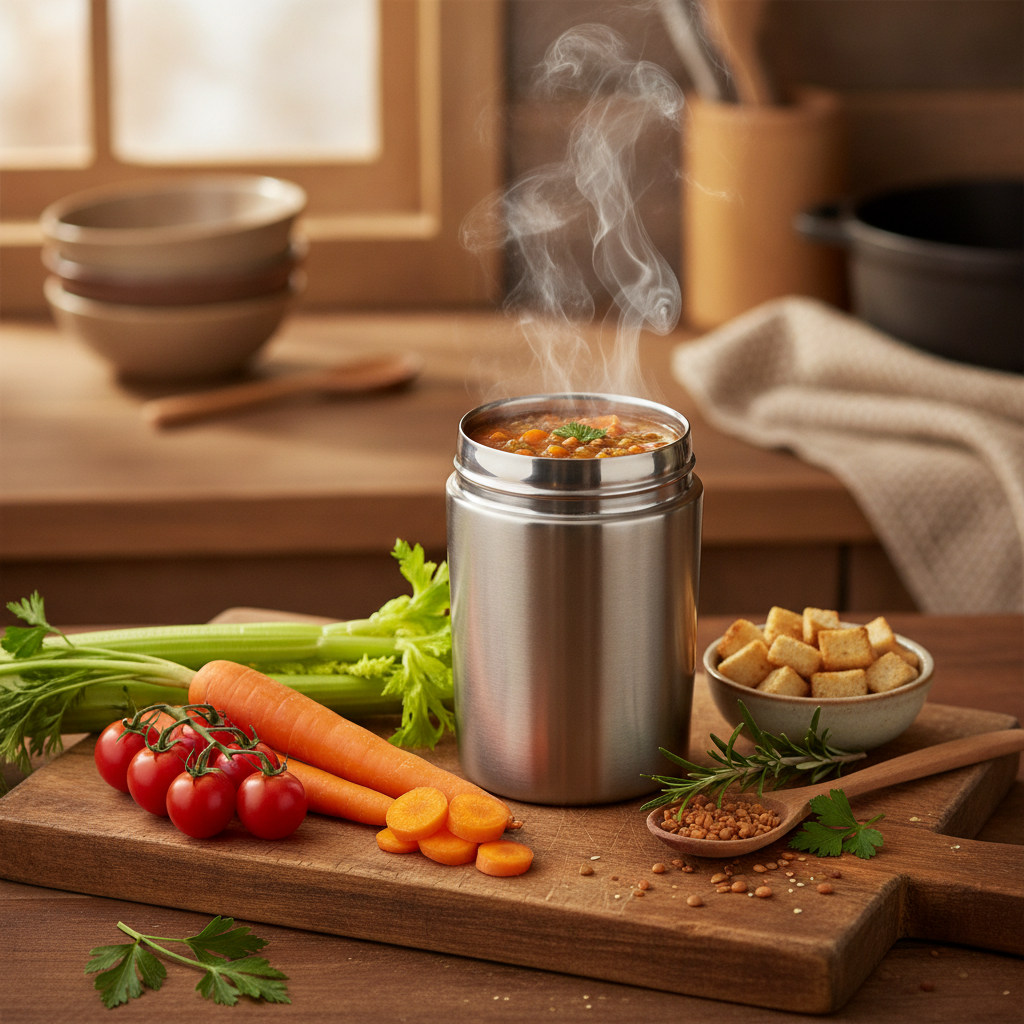
Batch Cooking Soup Fundamentals
Make large batches on Sunday for entire week of lunches. Most soups improve with time as flavors develop. Store in individual portions for grab-and-go convenience. Glass containers work better than plastic for reheating purposes.
Build soup base with aromatic vegetables. Sauté onion, carrot, and celery in pot until softened. This trio creates flavor foundation for countless soup variations. Add garlic during final minute to prevent burning.
Include substantial ingredients that maintain texture after reheating. Lentils, chickpea, and firm vegetables hold up beautifully. Avoid delicate greens in soup base. Instead, add fresh spinach or kale when reheating individual portions.
Three Essential Vegan Soup Recipes
Red lentil curry soup delivers protein and warming spices. Combine red lentils with coconut milk, curry powder, and diced tomatoes. Add cauliflower and sweet potato for substance. This soup provides complete protein from lentil and rice combination.
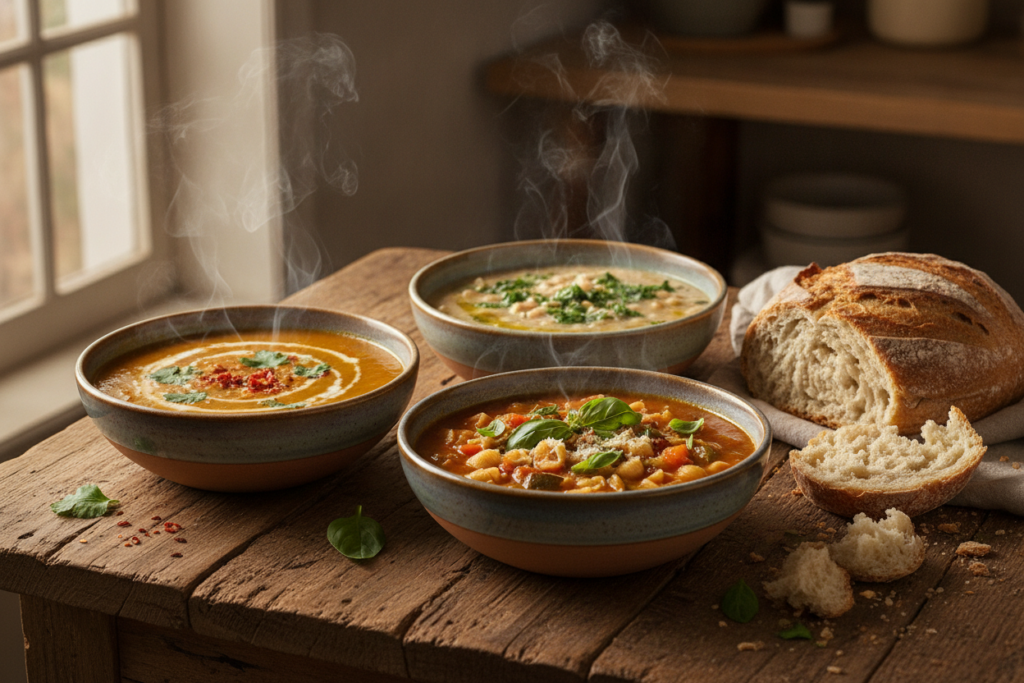
Minestrone soup packs vegetables and pasta into hearty meal. Use whole grain pasta for added fiber and nutrients. Include kidney bean, zucchini, and tomato. Season with Italian herbs and nutritional yeast for depth. Discover soup-making shortcuts that save hours weekly.
Black bean soup offers southwestern flair with minimal ingredients. Blend half the bean for creamy texture while leaving rest whole. Add cumin, smoked paprika, and lime juice. Top with avocado and cilantro when serving. This economical option costs pennies per serving.
Invest in quality thermos that maintains temperature for six hours. Preheat thermos with boiling water before adding hot soup. This technique ensures steaming lunch even without microwave access. Cold soups work equally well during summer months.
Master Batch Cooking Like a Pro
Learn time-saving soup techniques with complete meal prep systems designed for busy schedules and maximum flavor development.
Ten-Minute Vegan Lunch Assembly Ideas
Some days don’t allow elaborate meal prep time. Quick assembly lunch ideas use pantry staples and pre-prepped components. These options prove vegan eating fits into unpredictable schedules.
Pantry-Based Quick Solutions
Keep canned chickpea stocked for instant protein source. Drain and rinse one can, then season with your favorite spices. Eat with crackers and raw vegetables for complete meal. Add tahini sauce for healthy fats and extra flavor.
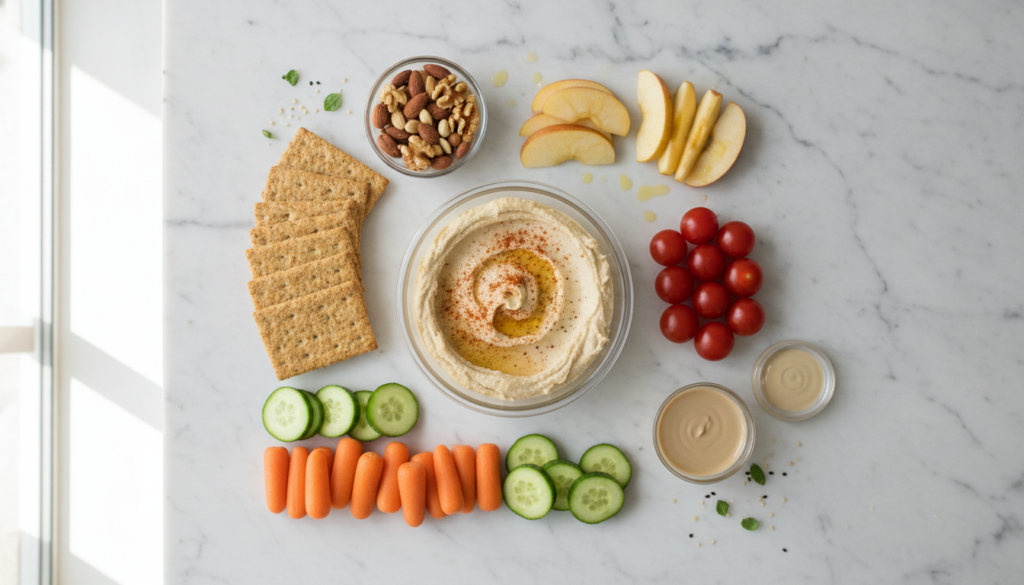
Prepare hummus plates with various dipping options. Slice bell pepper, cucumber, and carrot into sticks. Include whole grain pita or crackers. This Mediterranean-inspired lunch provides fiber and protein without cooking. Find more no-cook lunch blueprints for busy days.
Create rice paper rolls using leftover vegetables and rice. Soak rice paper in warm water until pliable. Fill with shredded vegetables, cooked rice, and fresh herbs. Serve with peanut sauce for dipping. These rolls feel restaurant-special despite simple preparation.
Leftovers Transformation Strategies
Repurpose dinner leftovers into exciting lunch combinations. Last night’s roasted vegetables become grain bowl topping. Extra quinoa transforms into cold salad base. Cooked tofu slices fit perfectly into sandwich.
Make fried rice with day-old rice and frozen vegetables. Heat oil in pan, add rice and veggies, season with soy sauce. Scramble in some crumbled tofu for protein boost. This meal takes eight minutes from start to finish.
Ten-Minute Meal Ideas
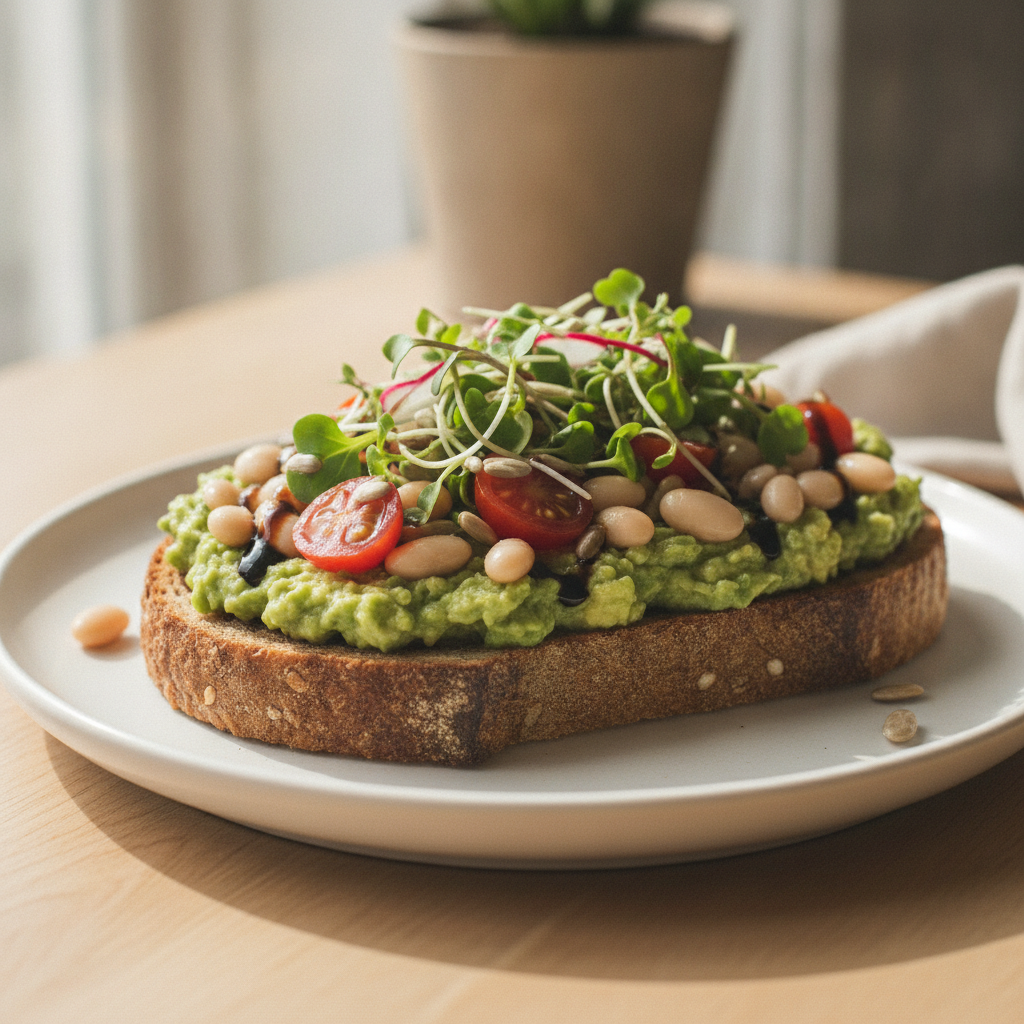
- Avocado toast with white bean and tomato
- Peanut butter banana wrap with hemp hearts
- Loaded sweet potato with black bean and salsa
- Quick veggie stir-fry over instant brown rice
- Chickpea Caesar salad with store-bought dressing
- Mediterranean snack plate with hummus and veggies
Stock frozen vegetables for ultimate convenience. Frozen broccoli, pepper strips, and edamame maintain nutritional value. They require zero prep work beyond heating. Combine with pre-cooked grain and sauce for instant meal.
Pre-wash and chop vegetables on Sunday for week of quick meals. Store in airtight containers with damp paper towel. This fifteen-minute investment saves hours during busy weekdays. Grab handful of prepped veggies for any lunch combination.
Maximizing Protein in Every Vegan Lunch
Adequate protein intake supports energy levels and satisfaction. Plant-based sources provide all essential amino acids when consumed throughout the day. Strategic planning ensures protein needs get met deliciously.
Complete Protein Combinations
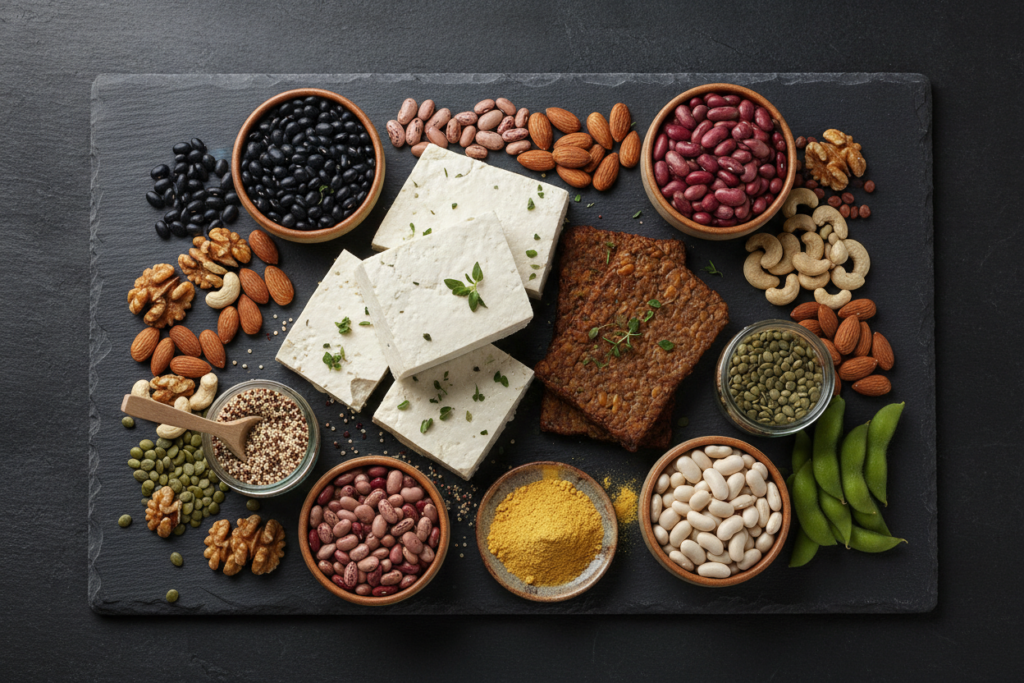
Combine legumes with grains for complete amino acid profile. Black bean with rice creates perfect pairing. Hummus with whole wheat pita offers another classic combination. These pairings ensure body receives all essential building blocks.
Quinoa stands alone as complete protein source. One cup of cooked quinoa provides eight grams of protein. It contains all nine essential amino acids naturally. This makes quinoa invaluable for simple lunch preparations.
Soy products including tofu, tempeh, and edamame provide complete proteins. Half cup of firm tofu delivers ten grams of protein. Tempeh offers even higher concentration with sixteen grams per half cup. Master tofu preparation techniques that maximize taste and texture.
High-Protein Lunch Building Blocks
Incorporate hemp hearts into daily routine for protein boost. Three tablespoons provide ten grams of protein plus omega-3 fatty acids. Sprinkle hemp hearts on salad, grain bowl, or even sandwich. They add subtle nutty flavor without overwhelming dishes.
Legume Options
- Chickpea: 15g per cup
- Black bean: 15g per cup
- Lentils: 18g per cup
- Edamame: 17g per cup
Grain Sources
- Quinoa: 8g per cup
- Wild rice: 7g per cup
- Whole wheat pasta: 8g per cup
- Farro: 8g per cup
Other Proteins
- Tofu: 10g per half cup
- Tempeh: 16g per half cup
- Nutritional yeast: 8g per quarter cup
- Nut butter: 8g per two tablespoons
Nutritional yeast adds cheese flavor while boosting protein content. Two tablespoons provide five grams of protein plus B vitamins. Sprinkle on popcorn, pasta, or salad. Many brands fortify nutritional yeast with vitamin B12.
Plan lunches with minimum twenty grams of protein per meal. This supports muscle maintenance and prevents afternoon hunger. Combining multiple protein sources throughout lunch easily achieves this goal. Track intake initially to ensure adequate consumption.
Essential Sauces and Dressings for Vegan Lunches
Exceptional sauce transforms ordinary ingredients into memorable meals. Homemade dressing costs fraction of store-bought versions while avoiding unnecessary additives. Master five basic sauces to revolutionize lunch routine.
Tahini-Based Versatile Sauce
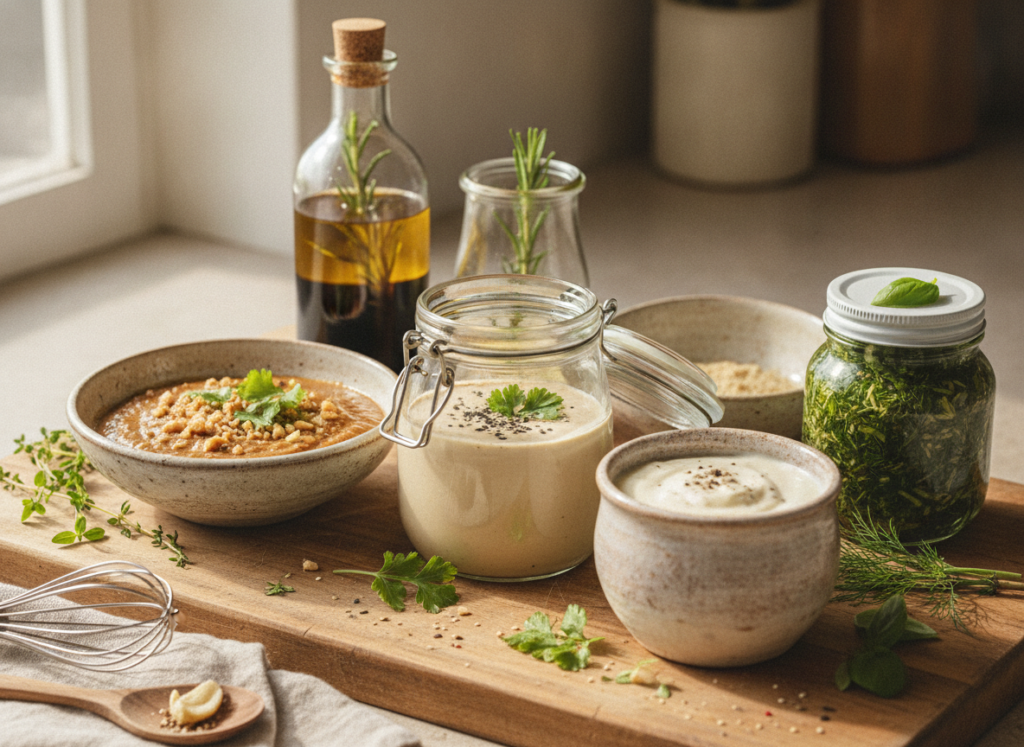
Tahini sauce serves multiple purposes across different lunch types. Whisk together quarter cup tahini with three tablespoons lemon juice. Add two tablespoons water until desired consistency. Season with garlic powder and salt to taste.
Use tahini sauce as salad dressing, bowl topping, or sandwich spread. It provides healthy fats and calcium from sesame seeds. The sauce stays fresh in fridge for ten days. Make double batch to always have backup ready.
Create flavor variations by adding different ingredients. Herbs like dill or cilantro bring freshness. Spices such as cumin or curry powder add warmth. Hot sauce or sriracha introduces heat. Learn professional sauce-making techniques for endless variations.
Peanut Sauce for Asian-Inspired Dishes
Blend quarter cup peanut butter with two tablespoons soy sauce and one tablespoon maple syrup. Add lime juice and water to thin. Season with garlic and ginger for authentic flavor. This sauce works on bowls, wraps, and noodles.
Peanut sauce doubles as dip for fresh vegetables. Prepare extra portions for snacking throughout week. The combination of protein and healthy fats keeps hunger at bay. Store in airtight container for up to two weeks.
Simple Balsamic Vinaigrette
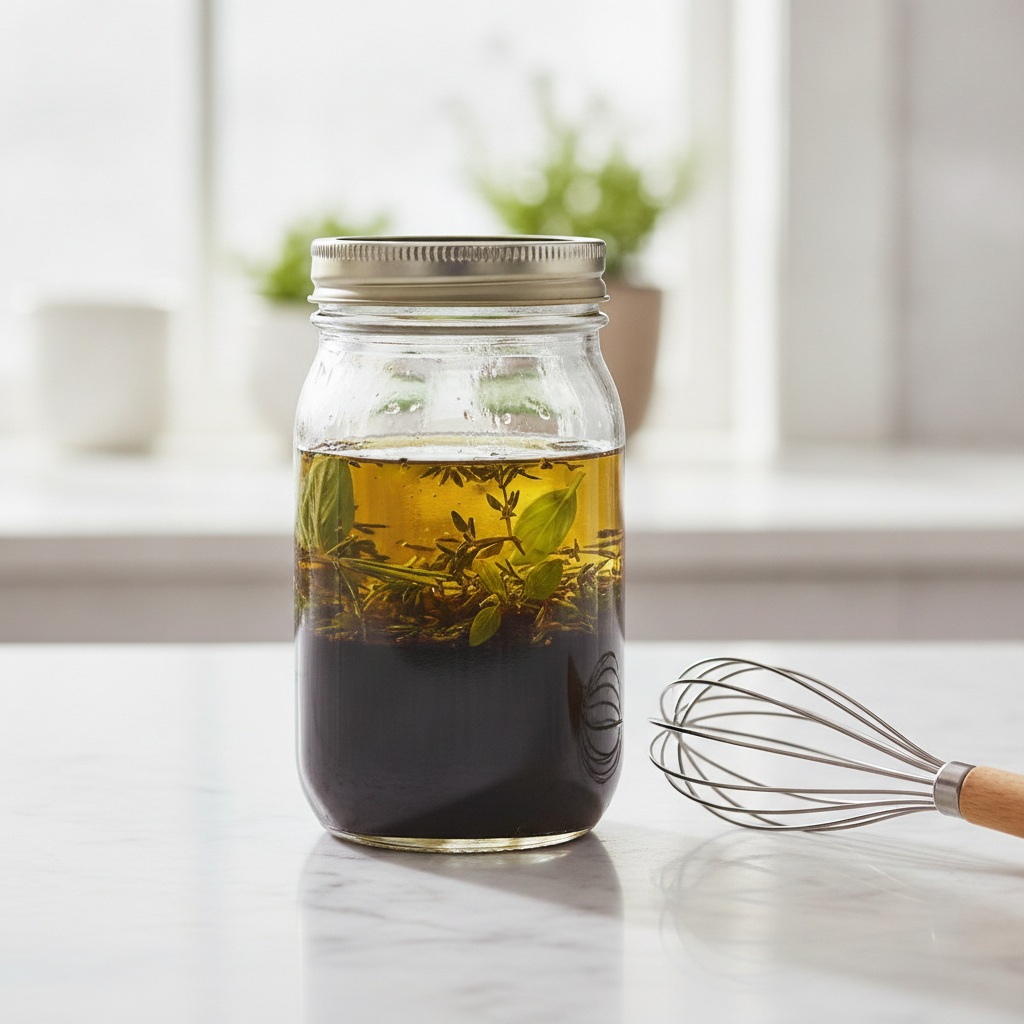
Shake together three parts olive oil with one part balsamic vinegar. Add Dijon mustard, maple syrup, and Italian seasoning. This classic dressing complements any salad combination. The formula scales easily for larger batches.
Dressing Formula Basics
- Three parts oil to one part acid
- Add emulsifier like mustard
- Include sweetener for balance
- Season with salt and pepper
- Shake vigorously before using
- Store in glass jar with tight lid
Experiment with different vinegar types for variety. Apple cider vinegar brings tang while rice vinegar offers mildness. Red wine vinegar provides robust flavor. Each vinegar creates unique taste profile while maintaining basic formula.
Make mason jar dressings for convenient storage and shaking. Add all ingredients directly to jar, secure lid, and shake vigorously. This eliminates extra dishes while creating perfectly emulsified dressing. Label jars with preparation date for freshness tracking.
Elevate Every Meal with Gourmet Sauces
Access comprehensive sauce library with ratios, techniques, and flavor combinations that transform simple ingredients into restaurant-quality dishes.
Storage Solutions That Extend Vegan Lunch Freshness
Proper storage techniques prevent food waste while maintaining meal quality. Understanding which containers work best for specific foods saves money and disappointment. Small investments in quality storage pay dividends weekly.
Container Selection Guide
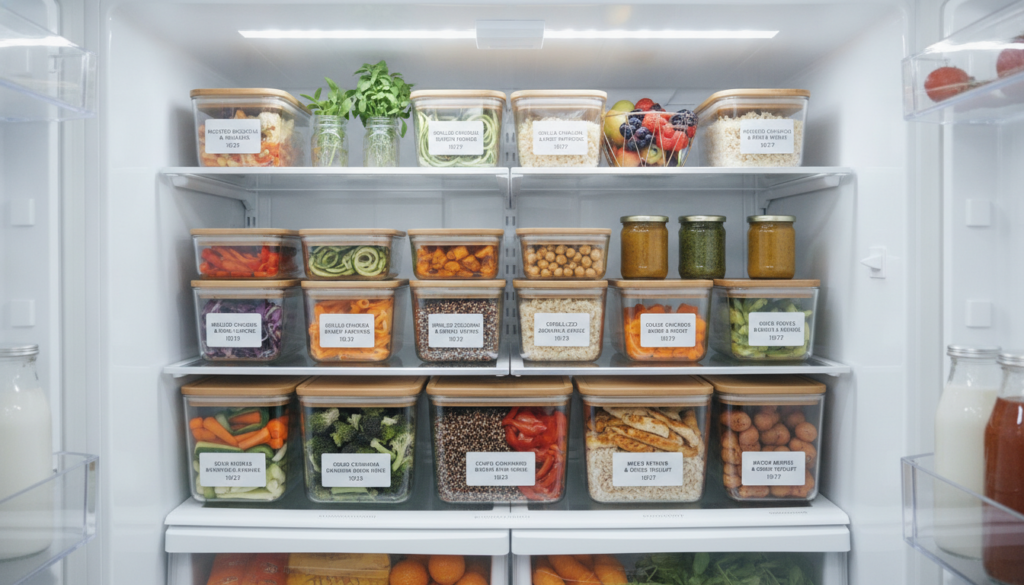
Glass containers maintain food quality better than plastic alternatives. They don’t absorb odors or stains over time. Glass also handles microwave and oven safely. Invest in various sizes for different lunch components.
Use compartmented containers to separate wet and dry ingredients. This prevents soggy salads and maintains textural integrity. Bento-style boxes work excellently for varied lunch compositions. They make portions visible which helps with balanced eating.
Mason jars serve multiple purposes beyond salad storage. Use them for overnight oats, smoothie prep, and dressing storage. Wide-mouth versions simplify filling and emptying. The clear glass allows easy ingredient identification.
Maximizing Freshness Throughout Week
Store leafy greens with paper towel to absorb excess moisture. Replace towel midweek if it becomes damp. This technique extends lettuce and spinach freshness significantly. Keep greens in crisper drawer for optimal humidity.
Prepare vegetables immediately after grocery shopping. Wash, dry completely, and store properly. This investment of thirty minutes prevents midweek prep stress. Pre-cut vegetables also encourage healthier snacking between meals.
Fridge Storage Tips
- Store herbs in water like flowers
- Keep avocado with pit until ready
- Wrap celery in aluminum foil
- Store tomatoes at room temperature
- Keep onions away from potatoes
Freezer-Friendly Items
- Cooked grains portion in bags
- Soup in individual servings
- Veggie burger patties stacked
- Bread slices for quick toast
- Smoothie ingredient packs
Label everything with preparation date using masking tape and marker. This simple habit prevents mystery containers and food waste. Create consistent labeling system for entire household. Discover advanced meal prep organization systems that streamline your entire kitchen.
Freeze extra portions of soup, cooked grains, and sauces for future use. This creates insurance policy for particularly busy weeks. Thaw frozen components overnight in refrigerator for food safety. Having backup meals reduces takeout temptation significantly.
Building Your Personalized Vegan Lunch System
Creating consistent vegan lunch routine requires initial planning followed by sustainable habits. Start with simple recipes that build confidence. Gradually expand repertoire as comfort grows with plant-based cooking techniques.
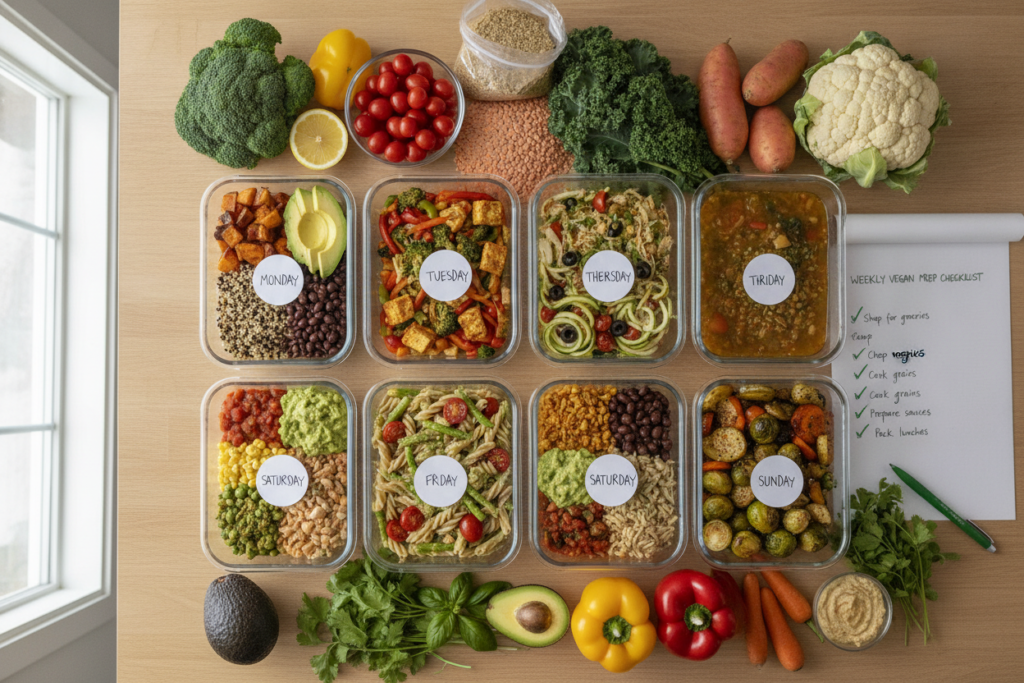
Identify three to five lunch formulas that genuinely excite you. Rotate these throughout month to prevent boredom while maintaining efficiency. Allow flexibility for spontaneous meals without guilt. Sustainable eating patterns accommodate imperfection.
Invest time in mastering foundational techniques like grain cooking, tofu preparation, and dressing creation. These skills transfer across countless recipes. Proficiency develops through repetition rather than perfection. Each week brings improvement and increased confidence.
Connect with vegan communities online for inspiration and support. Share successes and challenges with like-minded individuals. Recipe exchange with others expands possibilities exponentially. Join comprehensive vegan meal planning communities for ongoing motivation and resources.
Track which meals satisfy you most and which recipes save maximum time. Personalize suggestions from this guide to match your preferences. Your ideal lunch system differs from others based on schedule, taste, and nutritional needs.
Remember that vegan lunch preparation becomes easier with practice. Initial weeks require more effort as new habits form. Soon the process feels automatic and requires minimal mental energy. The investment pays off through improved health, saved money, and reduced stress.
Start Your Vegan Lunch Transformation Today
Stop struggling with repetitive meals and uncertainty. Get complete step-by-step systems that guarantee delicious, satisfying vegan lunches every single day.
Your vegan lunch journey begins with single prepared meal. Success compounds as skills develop and confidence grows. The variety available within plant-based eating ensures excitement never fades. Each lunch represents opportunity to nourish body while enjoying delicious food.