High Protein Vegan Meals: 25+ Easy Plant-Based Recipes
High Protein Vegan Meals: 25+ Easy Plant-Based Recipes
This Website contains affiliate links. That means I may earn a small commission if you purchase through my links, at no extra cost to you.
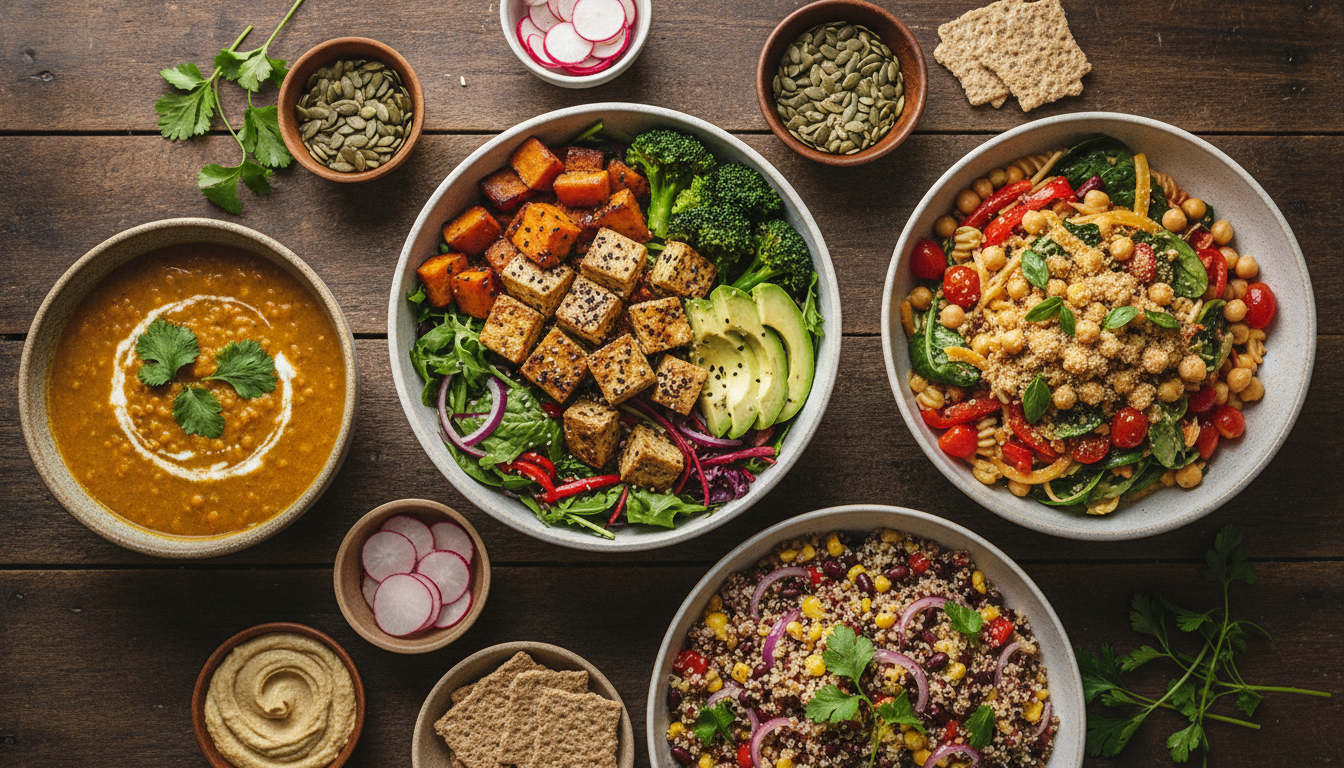
Getting enough protein on a plant-based diet doesn’t mean sacrificing flavor or spending hours in the kitchen. Whether you’re new to vegan eating or looking to add variety to your meal rotation, these high-protein vegan meals deliver the nutrition you need with taste you’ll crave.
The recipes ahead pack between 15 and 30 grams of protein per serving. They use whole food ingredients you can find at any grocery store. Many work perfectly for meal prep, saving you time during busy weekdays.
Ready to Transform Your Vegan Meal Planning?
Get access to complete meal plans, grocery lists, and prep strategies designed specifically for high-protein plant-based eating. Stop guessing and start enjoying delicious meals that meet your nutrition goals.
Why Protein Matters on a Vegan Diet
Protein supports muscle maintenance, keeps you satisfied between meals, and plays a crucial role in nearly every bodily function. Adults typically need between 0.8 and 1.0 grams of protein per kilogram of body weight daily. Active individuals may require even more.
Plant-based protein sources offer unique advantages. They come packaged with fiber, vitamins, and minerals. Unlike some animal proteins, they don’t contain saturated fat or cholesterol.
Complete Protein Sources
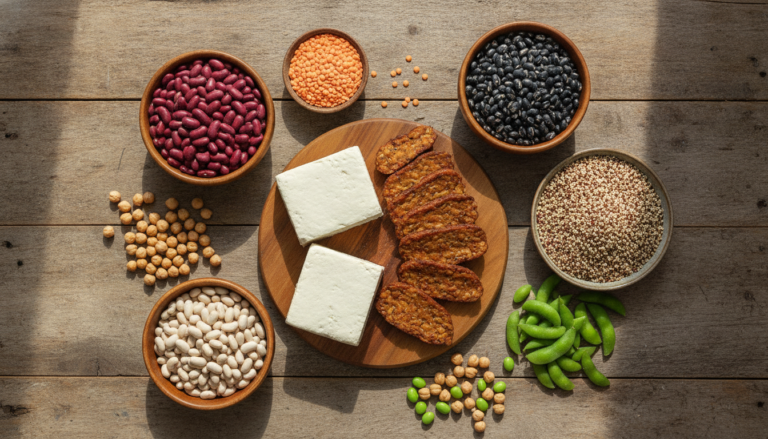
- Quinoa contains all nine essential amino acids
- Soy products like tofu and tempeh provide complete protein
- Chia seeds and hemp seeds offer full amino acid profiles
- Buckwheat serves as another complete plant protein
Protein Combining Strategy
- Pair legumes with grains throughout the day
- Mix nuts or seeds with whole grains
- Combine beans with rice or quinoa
- Add nutritional yeast to boost protein content
The key is eating a variety of plant-based protein sources throughout the day. Your body will combine amino acids from different foods to build complete proteins as needed.
High Protein Vegan Meals for Breakfast
Starting your day with adequate protein helps maintain stable energy levels and reduces mid-morning cravings. These breakfast options deliver between 15 and 25 grams of protein per serving.
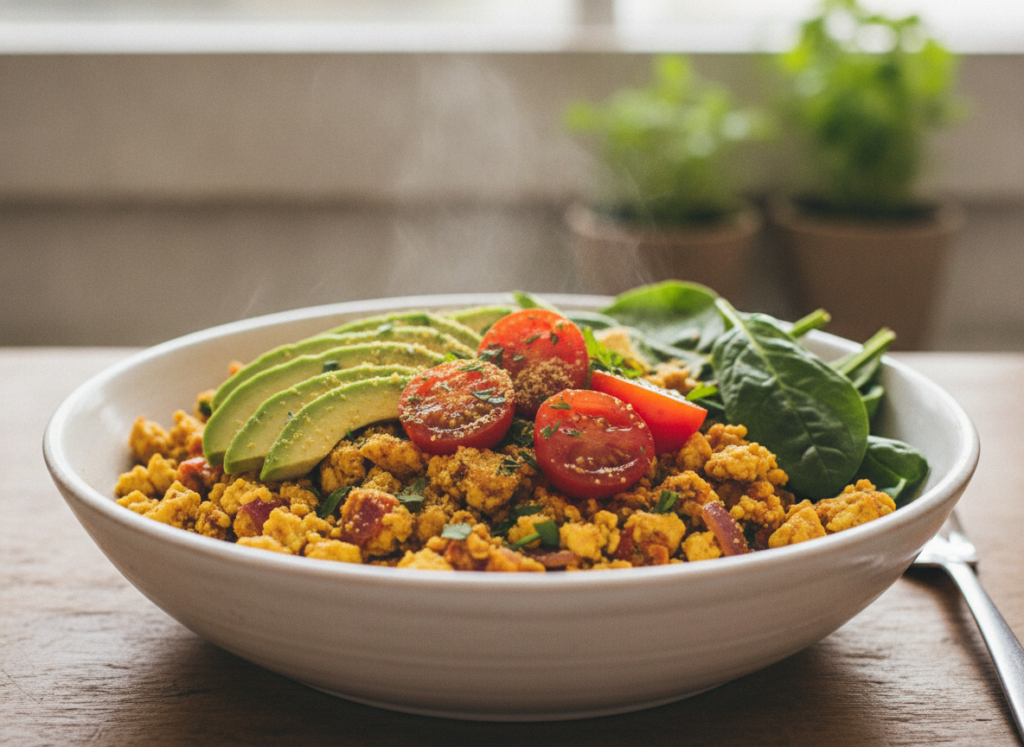
Tofu Scramble Power Bowl
This tofu scramble rivals traditional eggs in both texture and protein content. One serving provides 22 grams of protein per serving. Firm tofu creates the perfect base when crumbled and seasoned with turmeric, nutritional yeast, and black salt.
Add sautéed vegetables like bell peppers, spinach, and mushrooms. The combination delivers essential vitamins alongside plant-based protein. Nutritional yeast adds a savory flavor while boosting the protein count even higher.
- Press and crumble 14 ounces of firm tofu
- Season with turmeric, garlic powder, and black salt
- Sauté with mixed vegetables for 8 minutes
- Top with avocado and whole grain toast
- Sprinkle nutritional yeast before serving
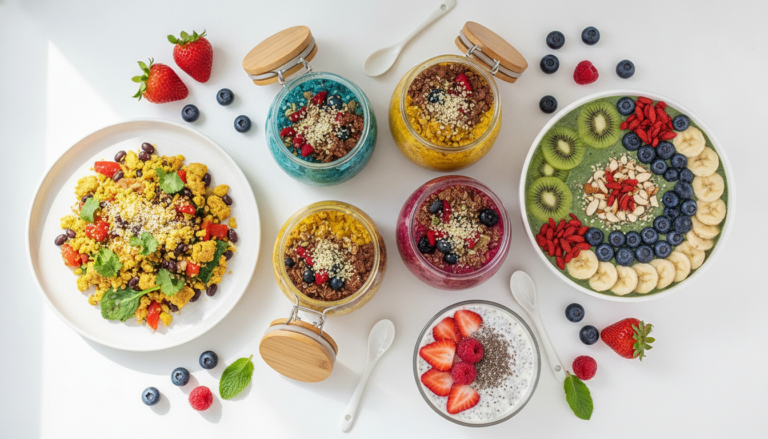
Protein-Packed Overnight Oats
Overnight oats transform into a high-protein breakfast when you add the right ingredients. Base your recipe on rolled oats, which provide 5 grams of protein per half cup. Layer in protein powder, chia seeds, and nut butter to reach 20 grams protein per serving.
The beauty of this meal lies in its convenience. Prepare multiple servings on Sunday evening. Grab one each morning for a breakfast that requires zero time investment during busy weekdays.
Base Layer Ingredients
- Half cup rolled oats
- One scoop vanilla protein powder
- Two tablespoons chia seeds
- One cup unsweetened almond milk
Topping Options
- Two tablespoons almond butter
- Fresh berries for antioxidants
- Hemp seeds for extra protein
- Cinnamon and vanilla extract
Chickpea Flour Pancakes
These savory pancakes offer a Mediterranean twist on breakfast. Chickpea flour delivers an impressive 20 grams protein per cup. Mix it with water, herbs, and spices to create a batter that cooks into protein-rich pancakes.
The texture resembles traditional pancakes but with a slightly denser crumb. Top them with sautéed vegetables, hummus, or tahini sauce. Each serving provides approximately 18 grams of protein.
Satisfying High-Protein Vegan Meals for Lunch
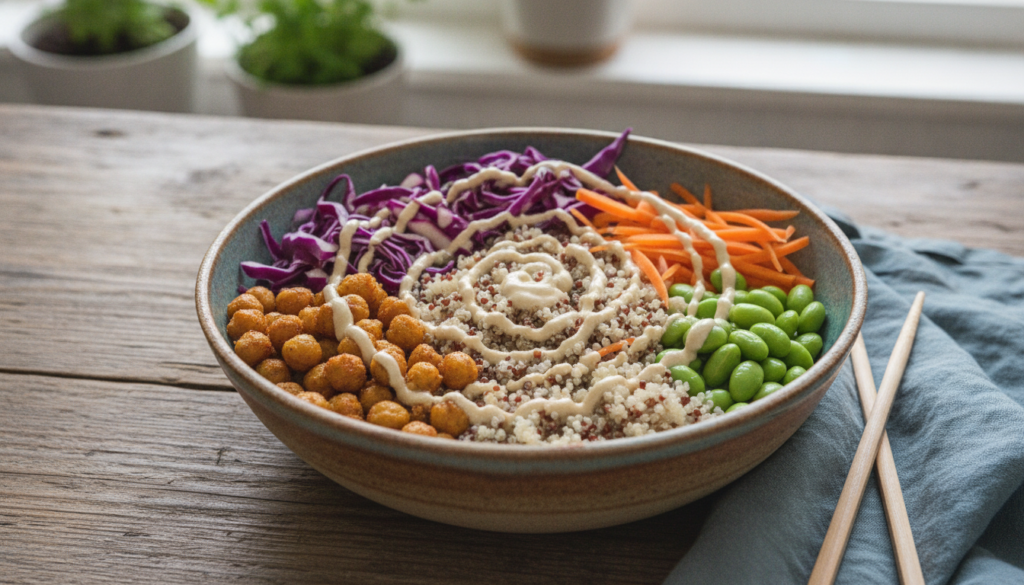
Midday meals need to satisfy hunger while providing sustained energy for afternoon activities. These lunch options range from 18 to 28 grams of protein per serving. Most can be prepared in advance for convenient meal prep.
Mediterranean Lentil Bowl
Lentils stand out as one of the most protein-dense legumes. One cup of cooked lentils provides 18 grams of protein. This Mediterranean-inspired bowl combines lentils with quinoa, creating a complete protein source that reaches 25 grams per serving.
The dish comes together in under 30 minutes. Cook red or green lentils until tender. Add them to a base of cooked quinoa. Top with cucumber, tomatoes, olives, and a lemon-tahini dressing.
Protein Sources
- One cup cooked lentils: 18g protein
- Half cup quinoa: 4g protein
- Two tablespoons tahini: 3g protein
Flavor Boosters
- Fresh parsley and mint
- Lemon juice and zest
- Cumin and paprika
Meal Prep Tips
- Cook grains in batches
- Store dressing separately
- Add fresh vegetables daily
Tempeh Stir-Fry with Vegetables
Tempeh offers one of the highest protein concentrations among plant-based foods. A four-ounce serving contains 21 grams of protein. Its firm texture holds up beautifully in stir-fries, absorbing the flavors of your sauce while maintaining a satisfying bite.
Start by marinating cubed tempeh in soy sauce, rice vinegar, and ginger. Pan-fry until golden and crispy on the edges. Toss with colorful vegetables and serve over brown rice or rice noodles. The complete dish delivers 26 grams protein per serving.
Black Bean and Sweet Potato Burrito Bowl
This burrito bowl concept allows for endless customization. Black beans provide the protein foundation with 15 grams per cup. Combine them with roasted sweet potato, brown rice, and all your favorite toppings for a meal that reaches 22 grams of protein.
Roast sweet potato cubes with cumin and chili powder while you prepare the other components. Warm black beans with garlic and lime juice. Assemble your bowl with a base of brown rice, then layer the beans and sweet potato. Add salsa, guacamole, and a squeeze of lime.
Want More Protein-Rich Recipe Ideas?
Access hundreds of tested recipes with exact protein counts, ingredient substitutions, and step-by-step instructions. Perfect for anyone serious about meeting their protein goals on a plant-based diet.
Protein-Rich Vegan Meals for Dinner
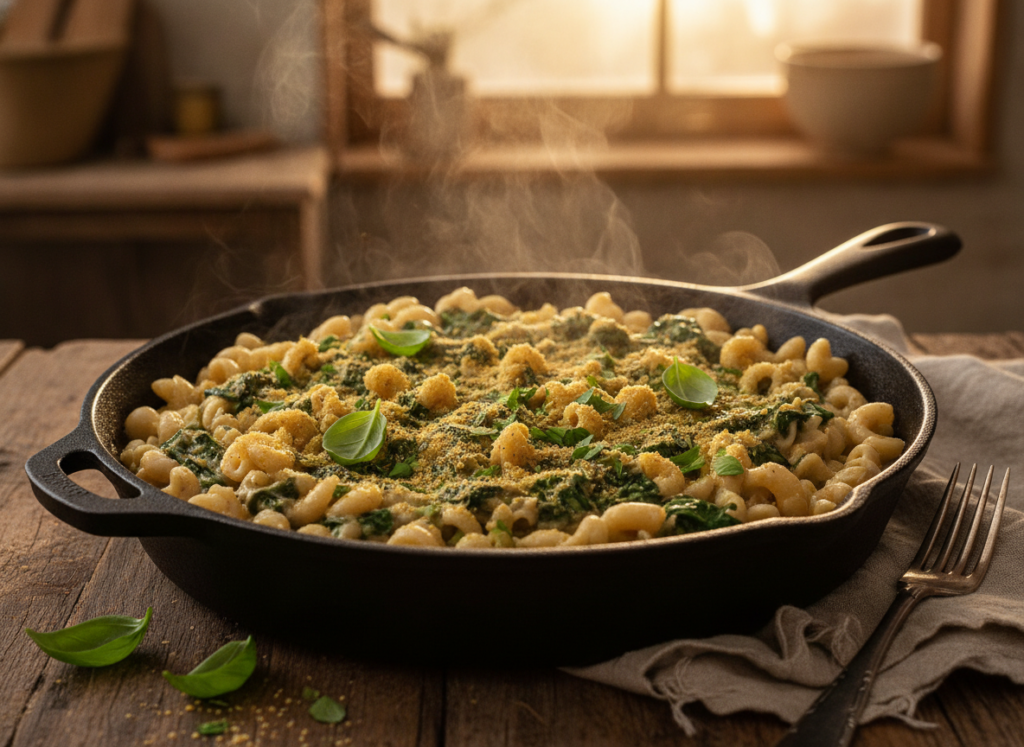
Dinner recipes tend to be more elaborate, allowing for complex flavors and satisfying textures. These evening meal options provide between 20 and 30 grams of protein per serving. Many scale up easily for family meals or batch cooking.
Thai Peanut Tofu with Vegetables
This dish combines two excellent sources of plant-based protein. Extra-firm tofu contributes 20 grams protein per serving, while peanut butter adds another 8 grams. The result is a whopping grams protein total of 28 in each serving.
Press your tofu thoroughly to remove excess moisture. Cut it into cubes and bake until crispy. Meanwhile, prepare a sauce using peanut butter, soy sauce, lime juice, and sriracha. Stir-fry vegetables like bell peppers, broccoli, and snap peas. Toss everything together and serve over rice or noodles.
- Press 16 ounces extra-firm tofu for 20 minutes
- Cube and bake at 400°F for 25 minutes
- Whisk peanut sauce while tofu bakes
- Stir-fry mixed vegetables until crisp-tender
- Combine all elements and garnish with crushed peanuts
Hearty Lentil Bolognese
This plant-based take on Italian comfort food uses lentils to replicate the texture of traditional meat sauce. Brown or green lentils work best, providing 18 grams of protein per cup. When served over whole wheat pasta, the complete meal delivers 25 grams protein per serving.
Sauté onions, carrots, and celery until softened. Add garlic, tomato paste, and Italian herbs. Stir in cooked lentils and crushed tomatoes. Simmer for 20 minutes to develop deep, rich flavor. The sauce thickens as it cooks, clinging perfectly to pasta.
Sauce Components
The depth of flavor in this sauce comes from layering ingredients properly. Start with aromatic vegetables cooked in olive oil. Add tomato paste and cook until it darkens slightly. This step concentrates the tomato flavor and adds complexity.
Red wine adds another dimension, though you can substitute vegetable broth. Fresh herbs make a difference in the final dish. Tear basil leaves just before serving to preserve their bright flavor.
Pasta Pairing Tips
Choose pasta shapes that catch the sauce effectively. Rigatoni, penne, or pappardelle all work beautifully. Whole wheat pasta adds extra fiber and a few additional grams of protein.
Reserve some pasta cooking water before draining. The starchy liquid helps the sauce coat the pasta perfectly. Toss pasta with sauce over low heat, adding splashes of cooking water until the consistency looks right.
Chickpea Curry with Spinach
Indian-inspired curries showcase how versatile chickpeas can be. One and a half cups of chickpeas provide 19 grams of protein. Add spinach for extra nutrients and you have a complete meal that’s both satisfying and nutritious.
Toast whole spices in a dry pan until fragrant. This step unlocks essential oils and deepens the curry’s flavor profile. Sauté onions until golden, then add ginger and garlic. Stir in tomatoes and coconut milk for a creamy base. Add chickpeas and simmer until the sauce thickens.
Seitan Fajitas
Seitan contains an impressive amount of protein, with some varieties offering up to 25 grams protein per serving. This wheat-based protein has a meaty texture that works perfectly in fajitas. Marinate strips of seitan in lime juice, cumin, and chili powder.
Cook the seitan strips in a hot skillet until they develop char marks. Remove and set aside. In the same pan, cook sliced bell peppers and onions until caramelized. Return the seitan to the pan and toss everything together. Serve in warm tortillas with your favorite toppings.
White Bean and Kale Pasta
This simple pasta dish comes together in the time it takes to boil water and cook noodles. Cannellini beans provide 15 grams of protein per cup. Combined with whole grain pasta and nutritional yeast, each serving reaches 24 grams of protein.
While pasta cooks, sauté garlic in olive oil. Add white beans and vegetable broth, mashing some beans to create a creamy sauce. Stir in chopped kale and cook until wilted. Toss with drained pasta and finish with lemon zest and nutritional yeast.
Meal Prep Strategies for High Protein Vegan Meals
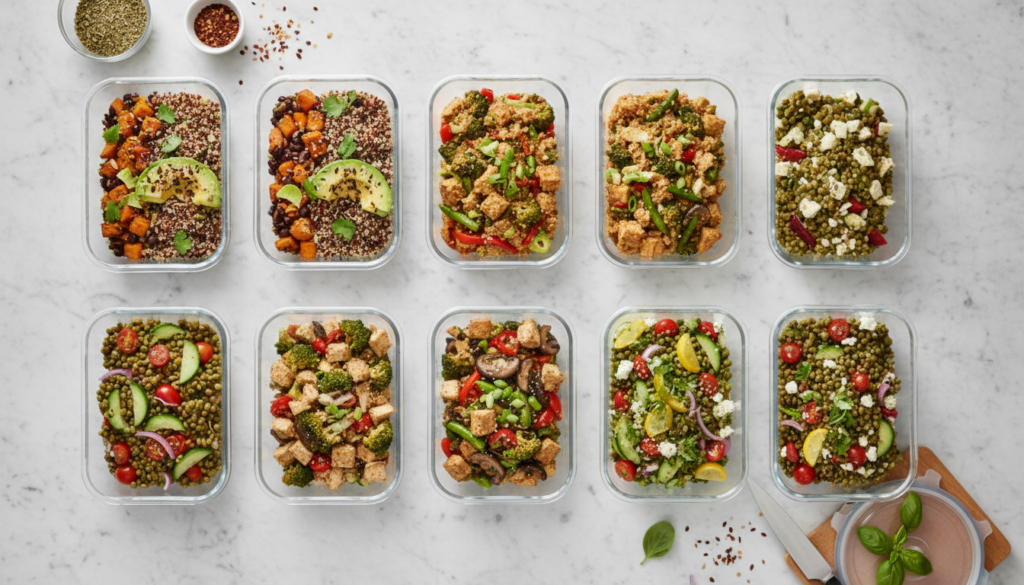
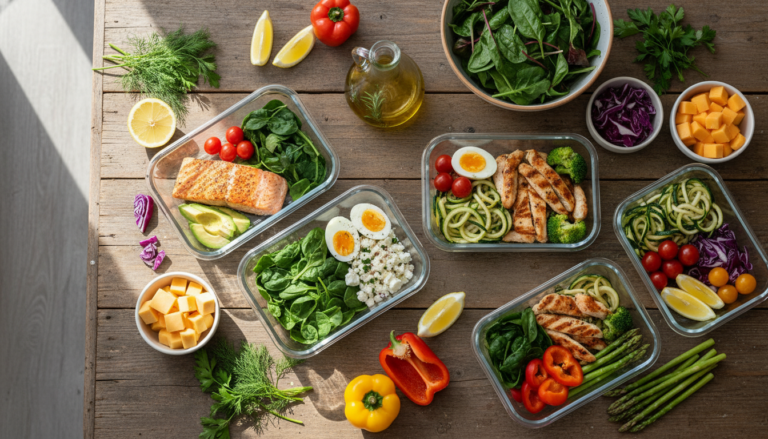
Successful meal prep starts with choosing recipes that hold up well over several days. The meals mentioned above work excellently for advance preparation. Investing time on Sunday afternoon saves you hours during the week.
Batch Cooking Proteins
Cook large quantities of your protein sources at once. Bake an entire block of tofu. Prepare several cups of lentils or chickpeas. These cooked proteins stay fresh in the refrigerator for five days.
Store them in airtight containers. When you need a quick meal, you already have the protein component ready. Simply reheat and add fresh vegetables or grains.
Prep Day Tasks
- Cook all grains and legumes
- Bake or marinate tofu and tempeh
- Chop vegetables for the week
- Prepare sauces and dressings
Storage Guidelines
- Use glass containers when possible
- Label everything with dates
- Keep sauces separate until serving
- Store leafy greens with paper towels
Reheating Tips
- Add moisture when reheating grains
- Reheat proteins separately from greens
- Use skillet instead of microwave when possible
- Refresh with fresh herbs before eating
Smart Ingredient Choices
Some ingredients work better for meal prep than others. Roasted vegetables maintain their texture better than steamed ones. Grain bowls hold up well throughout the week. Soups and stews often taste better after a day or two as flavors meld together.
Keep some ingredients fresh for the day of eating. Add avocado, fresh herbs, or crunchy toppings just before serving. This approach keeps your meals interesting even when eating the same base recipe multiple days in a row.
Simple Ways to Add More Protein to Any Meal
Sometimes you want to increase the protein content of a recipe without changing its fundamental character. These techniques work with virtually any dish, allowing you to customize meals based on your specific protein needs.
Superfood Additions
Certain plant foods pack disproportionate amounts of protein relative to their size. Hemp seeds contain 10 grams of protein in just three tablespoons. Sprinkle them on salads, blend them into smoothies, or stir them into oatmeal.
Nutritional yeast serves double duty, adding both protein and a savory, cheese-like flavor. Two tablespoons provide 8 grams of protein. Use it to top pasta, popcorn, or roasted vegetables.
- Hemp seeds boost smoothies and salads
- Nutritional yeast enhances savory dishes
- Chia seeds thicken while adding protein
- Spirulina powder increases smoothie protein
- Pumpkin seeds add crunch and nutrients
Strategic Substitutions
Replace regular pasta with chickpea or lentil pasta. These legume-based alternatives contain twice the protein of wheat pasta. The taste and texture closely resemble traditional pasta, making the swap nearly undetectable.
Choose quinoa instead of white rice as your grain base. This simple substitution adds several grams of protein to any bowl or side dish. Quinoa also cooks in about the same time as rice, requiring no additional effort.
Quick Protein Math
Understanding how different ingredients contribute to your daily protein total helps you build balanced meals. A typical high protein vegan meal should include at least two concentrated protein sources. For example, combining quinoa with black beans creates a complete protein profile while reaching your target grams protein per serving.
Getting Complete Nutrition on a High-Protein Vegan Diet
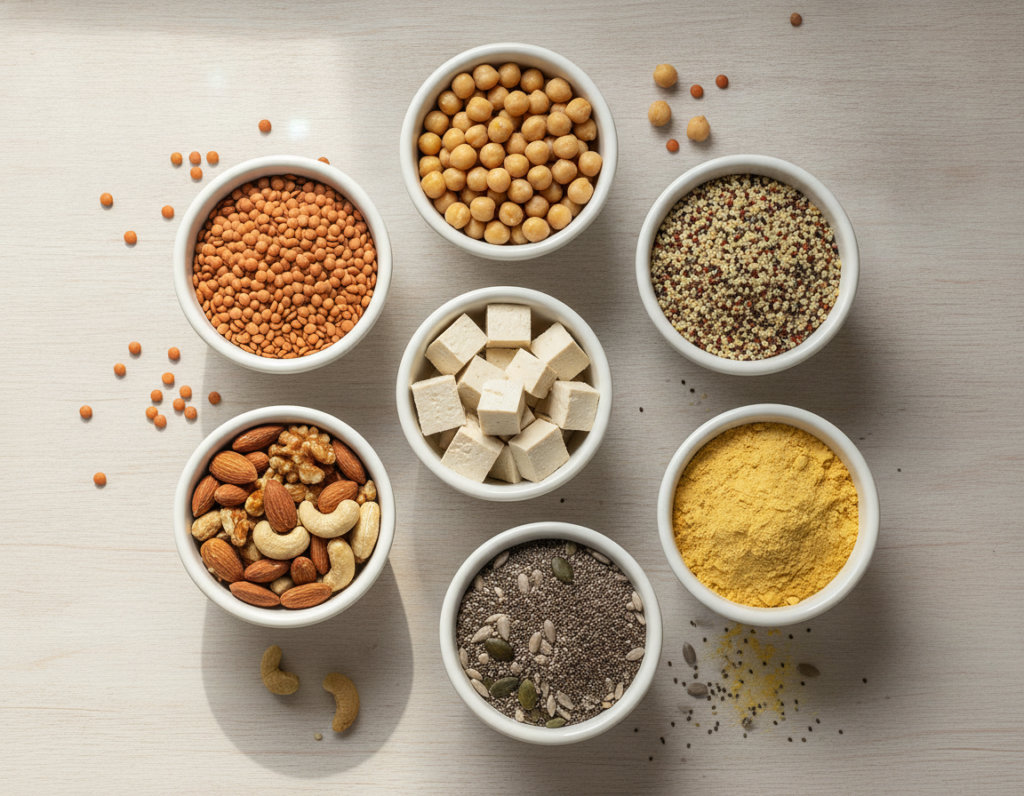
Protein is just one component of a healthy diet. These high protein vegan meals also provide fiber, vitamins, minerals, and healthy fats. Eating a variety of plant foods ensures you get enough protein along with all other essential nutrients.
Amino Acid Balance
Your body needs nine essential amino acids from food. While individual plant foods may be lower in specific amino acids, eating diverse protein sources throughout the day provides complete nutrition. You don’t need to combine proteins in every meal.
Legumes are typically rich in lysine but lower in methionine. Grains show the opposite pattern. When you eat both food groups regularly, your body has all the building blocks it needs. This combination occurs naturally in many traditional cuisines around the world.
Micronutrient Considerations
Some nutrients require special attention on a plant-based diet. Vitamin B12 comes primarily from animal foods, making supplementation important for vegans. Iron from plant sources is less readily absorbed than iron from meat, but consuming vitamin C with iron-rich meals enhances absorption.
The recipes in this article incorporate nutrient-dense ingredients naturally. Leafy greens provide calcium and iron. Nuts and seeds contribute zinc and selenium. Whole grains offer B vitamins and magnesium.
Pro Tip: Maximize Iron Absorption
Pair iron-rich plant foods like lentils, spinach, or quinoa with vitamin C sources such as tomatoes, bell peppers, or citrus. This combination can increase iron absorption by up to five times. Avoid drinking tea or coffee with meals, as these beverages inhibit iron uptake.
Budget-Friendly High Protein Vegan Meals
Eating a high-protein plant-based diet doesn’t require expensive specialty ingredients. Some of the most protein-dense plant foods also happen to be the most affordable. Dried beans, lentils, and whole grains cost significantly less per serving than animal proteins.
Cost-Effective Protein Sources
Dried legumes offer the best value for your money. A one-pound bag of dried lentils costs around two dollars and provides approximately eleven servings. Each serving contains 18 grams of protein, making the cost per gram of protein extremely low.
Buy tofu in larger packages from Asian grocery stores where prices run lower. Purchase nutritional yeast in bulk rather than small containers. These simple shopping strategies reduce your food costs while maintaining high protein intake.
Affordable Staples
- Dried beans and lentils
- Brown rice and quinoa
- Peanut butter
- Canned chickpeas
- Rolled oats
- Frozen vegetables
Money-Saving Tips
- Buy dried legumes instead of canned
- Purchase grains in bulk bins
- Shop ethnic markets for tofu and tempeh
- Choose frozen produce when fresh is expensive
- Make your own seitan at home
- Grow fresh herbs on your windowsill
Meal Planning on a Budget
Plan your meals around sales and seasonal produce. When you find a good price on a particular protein source, stock up and build your weekly menu around it. Batch cooking saves both time and money by reducing the temptation to order takeout.
One-pot meals like curries, stews, and pasta dishes maximize flavor while minimizing dishes and complexity. These recipes often taste even better the next day, making them perfect for meal prep and reducing food waste.
Transform Your Plant-Based Nutrition Today
Stop struggling to meet your protein goals. Get instant access to proven meal plans, shopping guides, and expert strategies that make high-protein vegan eating effortless and delicious. Join thousands of successful plant-based eaters who have mastered their nutrition.
Quick High Protein Vegan Meals for Busy Days
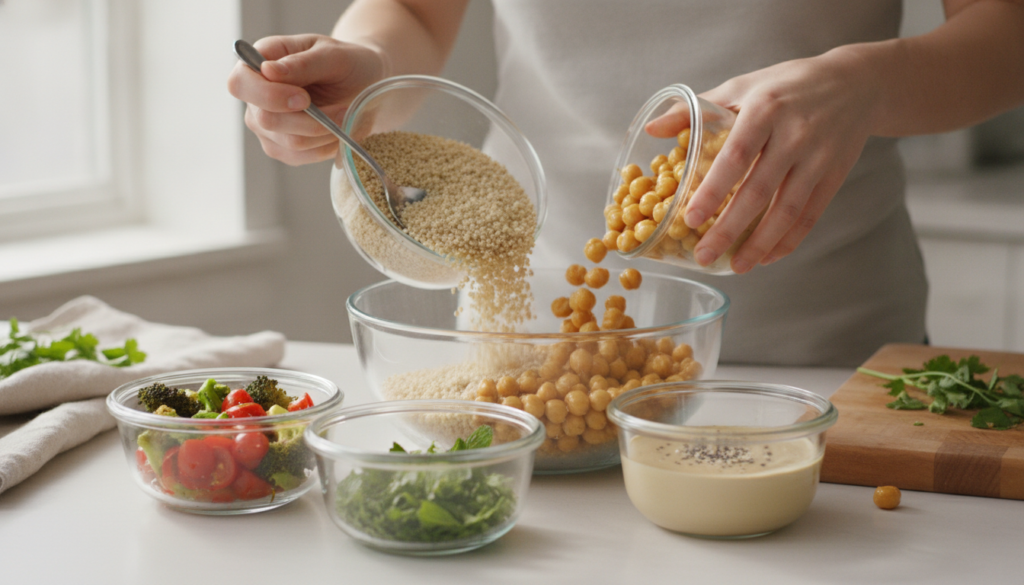
Not every meal needs to be an elaborate cooking project. These simple ideas come together in fifteen minutes or less while still providing substantial protein. Keep your pantry stocked with key ingredients and you’ll always have a nutritious meal option available.
Five-Minute Protein Bowl
Start with pre-cooked grains from your meal prep. Add a can of drained chickpeas or black beans. Toss in whatever raw or roasted vegetables you have on hand. Drizzle with tahini or peanut sauce and you have a complete meal that provides around 20 grams of protein.
This formula works with endless variations. Change the grain base, swap different beans, rotate your vegetables, and alternate your sauce. You’ll never get bored even though the basic concept stays the same.
Sheet Pan Tofu and Vegetables
Sheet pan meals require minimal active cooking time. Cube tofu and toss it with cubed vegetables and your choice of seasonings. Spread everything on a baking sheet. Roast at 425°F for 25 minutes. The hands-on time is less than five minutes, though total cooking takes longer.
This method works well for meal prep. Make multiple sheet pans on Sunday. Store the cooked ingredients separately. Assemble fresh bowls throughout the week by reheating portions of the roasted components.
- Press tofu while preheating oven
- Cut tofu and vegetables into uniform pieces
- Toss with oil and seasonings
- Spread in single layer on sheet pan
- Roast without stirring for even browning
Protein-Packed Smoothie Bowls
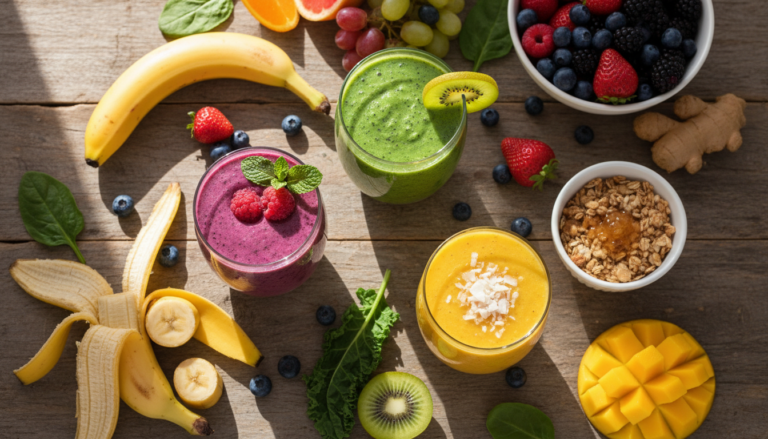
Blend frozen bananas with plant-based protein powder and a splash of plant milk. Pour into a bowl and top with granola, nut butter, fresh fruit, and hemp seeds. Each smoothie bowl can easily reach 25 grams of protein depending on your powder choice and toppings.
The thick, ice cream-like consistency makes this feel more substantial than a regular smoothie. Eating it with a spoon and adding crunchy toppings increases satisfaction. This works equally well for breakfast or as a post-workout meal.
Seasonal High Protein Vegan Meals
Adapting your meals to seasonal produce keeps your diet interesting while taking advantage of peak flavor and lower prices. These protein-rich recipes showcase how to incorporate whatever vegetables are currently at their best.
Summer Options
Warm weather calls for lighter preparations. Cold noodle salads with edamame provide refreshing protein. Grilled tofu skewers with summer vegetables make perfect outdoor meals. Chickpea salad sandwiches packed with fresh herbs need no cooking at all.
Take advantage of abundant zucchini and tomatoes. Stuff zucchini boats with quinoa and white beans. Make fresh tomato sauce with red lentils for pasta. The combination of peak-season produce with hearty proteins creates memorable summer dishes.
Winter Comfort Foods
Cold months demand warming, substantial meals. Split pea soup with plenty of vegetables simmers into thick, satisfying comfort. White bean chili topped with avocado fills you up on chilly evenings. Lentil shepherd’s pie with mashed potato topping brings traditional comfort food to plant-based eating.
Root vegetables roasted alongside chickpeas or tempeh create simple one-pan dinners. The concentrated sweetness of roasted vegetables pairs beautifully with savory protein sources. These meals warm you from the inside while providing the nutrition your body needs.
Spring Favorites
- Asparagus and white bean risotto
- Pea protein pasta primavera
- Tofu scramble with spring vegetables
- Quinoa bowl with radishes and greens
Fall Classics
- Butternut squash and lentil curry
- Tempeh with roasted Brussels sprouts
- Black bean and sweet potato chili
- Mushroom and white bean stew
Global High-Protein Vegan Meals
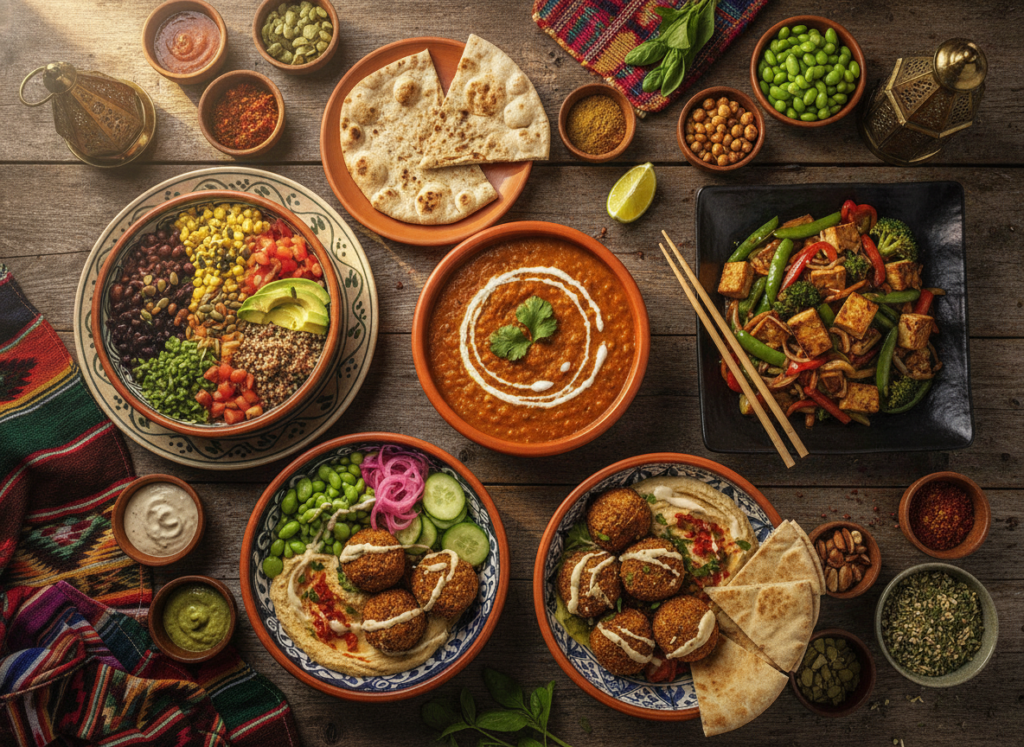
Many traditional cuisines around the world feature naturally plant-based, protein-rich dishes. Exploring these global flavors adds variety to your meal rotation while showing how cultures worldwide have long relied on plant proteins.
Asian-Inspired Dishes
Japanese cuisine offers many high-protein options. Miso soup with tofu and seaweed provides a light but nourishing meal. Edamame delivers complete protein in a simple preparation. Teriyaki tempeh with stir-fried vegetables brings bold flavors to your dinner table.
Thai cuisine showcases peanut-based sauces that boost protein content. Vietnamese pho can be made with tofu and mushrooms for a plant-based version. Korean bibimbap naturally includes tofu and features a rainbow of vegetables over rice.
Mediterranean Choices
The Mediterranean region has centuries of experience with plant-based proteins. Greek-style lentil soup appears in countless variations across the region. Falafel made from chickpeas or fava beans provides portable protein. Pasta e fagioli combines pasta with white beans in a classic Italian combination.
Spanish cuisine features chickpea-based dishes like espinacas con garbanzos. Middle Eastern cuisine offers hummus, which you can make extra protein-rich by adding more tahini. These traditional preparations prove that high protein vegan meals aren’t a modern invention.
Latin American Flavors
Black beans appear throughout Latin American cuisine, often paired with rice for complete protein. Mexican-inspired burrito bowls layer beans with vegetables and whole grains. Brazilian feijoada can be adapted to a plant-based version using multiple types of beans.
Cuban picadillo made with lentils instead of meat delivers familiar flavors in a plant-based format. Arepas stuffed with black beans and avocado make a satisfying meal. These dishes demonstrate the natural abundance of plant proteins in traditional cooking.
Common Questions About High Protein Vegan Meals
How much protein do I actually need per day?
Most adults need between 0.8 and 1.0 grams of protein per kilogram of body weight daily. For a 150-pound person, this equals roughly 55 to 68 grams of protein. Athletes and very active individuals may require up to 1.2 grams per kilogram. The meals described in this article make it easy to meet these targets through plant-based eating.
Can I build muscle on a vegan diet?
Yes, you can absolutely build muscle eating only plants. Many professional athletes follow plant-based diets successfully. The key is consuming enough total calories and protein while following a consistent strength training program. The high protein vegan meals in this guide provide adequate protein for muscle building when combined with proper training.
Do I need to eat protein powder to get enough protein as a vegan?
Protein powder is convenient but not necessary. Whole food sources like tofu, tempeh, legumes, and grains provide plenty of protein. Most people can easily meet their needs through regular meals. Protein powder becomes helpful for athletes with very high requirements or people who struggle to eat enough food volume.
What’s the cheapest high-protein vegan food?
Dried beans and lentils offer the best protein-per-dollar value. They cost around two dollars per pound dry, which yields several pounds of cooked legumes. Each cup of cooked beans or lentils contains 15 to 18 grams of protein. Peanut butter also provides affordable protein at approximately 8 grams per two tablespoons.
How do I get enough protein without eating soy?
Many protein-rich plant foods contain no soy. Lentils, chickpeas, black beans, pinto beans, quinoa, and seitan all provide substantial protein. Nuts, seeds, and whole grains contribute additional protein. The recipes in this article include many soy-free options that still deliver 20 grams or more of protein per serving.
Will eating too much protein harm my kidneys?
For people with healthy kidneys, high protein intake isn’t harmful. Current research shows no adverse effects from eating protein at levels significantly higher than the minimum requirements. Plant protein may even be gentler on kidneys than animal protein. People with existing kidney disease should consult their doctor about appropriate protein levels.
How long does meal-prepped high-protein food stay fresh?
Most cooked grains, legumes, and tofu stay fresh for four to five days in the refrigerator when stored properly. Use airtight containers and keep your refrigerator at 40°F or below. Some items like cooked lentils or bean-based dishes actually taste better after a day as flavors blend. Freeze portions if you want to prepare more than a week’s worth at once.
Can children get enough protein on a vegan diet?
Children can definitely get adequate protein from plant sources. Their protein needs per pound of body weight are actually higher than adults, but the recipes in this guide easily adapt to child-sized portions. Focus on protein-dense foods like nut butters, tofu, beans, and whole grains. Consult a pediatrician or registered dietitian for personalized guidance for your child.
Start Making High Protein Vegan Meals Today
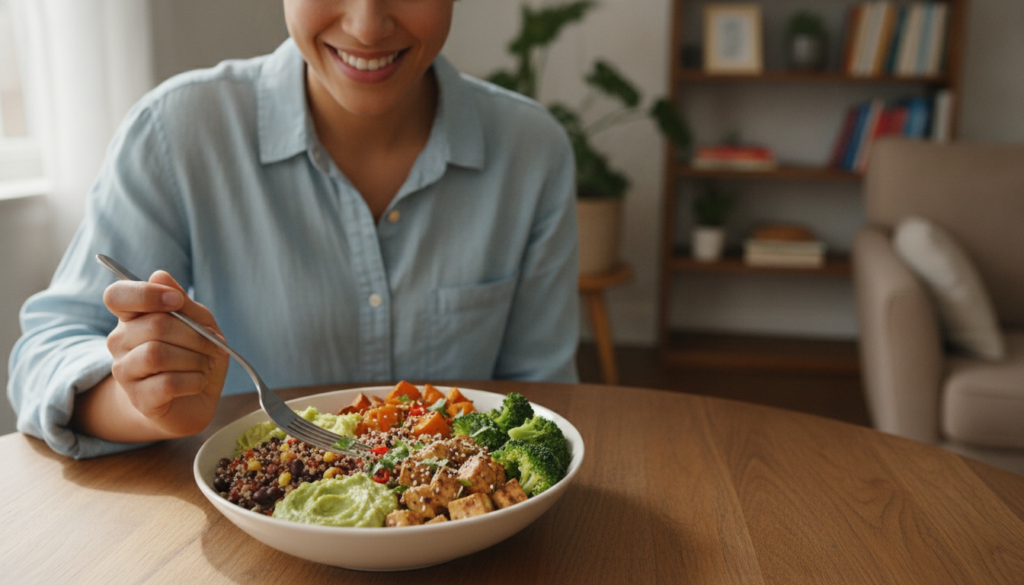
Building a diet rich in plant-based protein is simpler than many people expect. The recipes and strategies outlined here prove you don’t need animal products to meet your protein requirements. From quick breakfast scrambles to elaborate dinner preparations, plant foods provide all the protein your body needs.
Start by incorporating one or two new recipes into your weekly rotation. As you become comfortable with these preparations, gradually expand your repertoire. The variety of options means you’ll never feel restricted or bored with your food choices.
Focus on whole food ingredients rather than heavily processed meat alternatives. Legumes, whole grains, nuts, seeds, and soy products in their minimally processed forms offer the best nutrition. These foods provide not just protein but also fiber, vitamins, minerals, and beneficial plant compounds.
Remember that protein is important but not the only consideration. A healthy vegan diet includes plenty of vegetables, fruits, whole grains, and healthy fats alongside protein-rich foods. The recipes here naturally incorporate these elements, creating balanced meals that support overall health.
Your journey to high-protein plant-based eating doesn’t require perfection. Small, consistent changes add up over time. Each high protein vegan meal you prepare moves you closer to your nutrition and health goals.