Best Vegan Protein Sources: Complete Guide for Plant-Based Diets
Best Vegan Protein Sources: Complete Guide for Plant-Based Diets
This Website contains affiliate links. That means I may earn a small commission if you purchase through my links, at no extra cost to you.
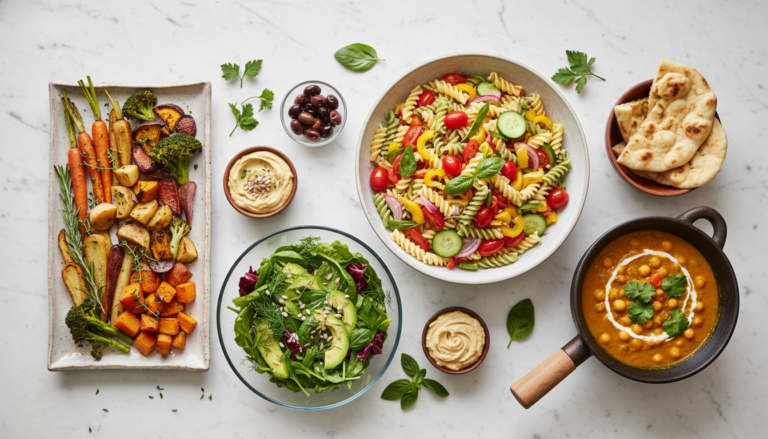
Building a thriving plant-based diet starts with understanding where your protein comes from. Many people worry that vegan eating means protein deficiency. This concern disappears when you discover the abundance of plant foods packed with this essential nutrient.
Your body needs protein for muscle repair, hormone production, and countless other functions. The good news is that plant-based protein sources offer variety, nutrition, and flavors that make healthy eating enjoyable.
This guide reveals the best vegan protein sources available. You will learn exact protein content per serving. You will discover how to combine foods for optimal nutrition. You will find practical ways to boost protein intake throughout your day.
Why Protein Matters on a Plant-Based Diet
Protein serves as your body’s building block. Every cell requires it to function properly. Your muscles, bones, skin, and blood all depend on adequate protein intake.
Most people need about 0.8 grams of protein per kilogram of body weight daily. Active individuals and athletes require more. The beauty of plant-based eating is that meeting these needs becomes simple once you know which foods to choose.

Plant proteins come with added benefits. They provide fiber that supports digestive health. They contain nutrients that boost your overall wellness. They offer healthy fats that animal products often lack.
Complete Proteins
These foods contain all nine essential amino acids your body cannot produce on its own.
- Quinoa provides complete amino acid profile
- Soy products offer all essential amino acids
- Hemp seeds deliver complete protein
- Chia seeds contain full amino acid spectrum
Incomplete Proteins
These sources lack one or more essential amino acids but combine well with other foods.
- Rice pairs perfectly with beans
- Nuts complement whole grains
- Legumes work with seeds
- Vegetables boost any protein meal
Daily Requirements
Understanding how much protein you need helps you plan meals effectively.
- Sedentary adults need 46-56 grams daily
- Active people require 1.2-2.0 grams per kg
- Athletes benefit from higher intake
- Older adults need increased amounts
Protein Benefits
Quality protein sources support multiple body systems and functions.
- Builds and repairs muscle tissue
- Supports immune system function
- Creates enzymes and hormones
- Maintains healthy bones and skin
Ready to Master Plant-Based Nutrition?
Discover how to create perfectly balanced vegan meals that meet all your protein needs. Get expert guidance on combining foods, meal planning, and optimizing your plant-based diet for maximum energy and health.
Legumes and Beans: Protein Powerhouses
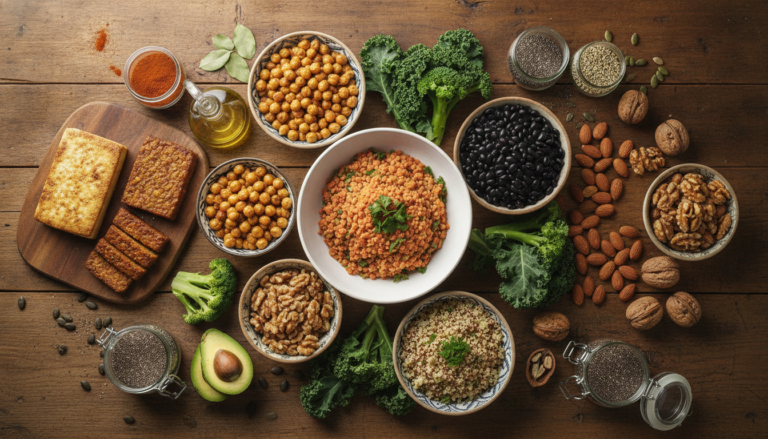
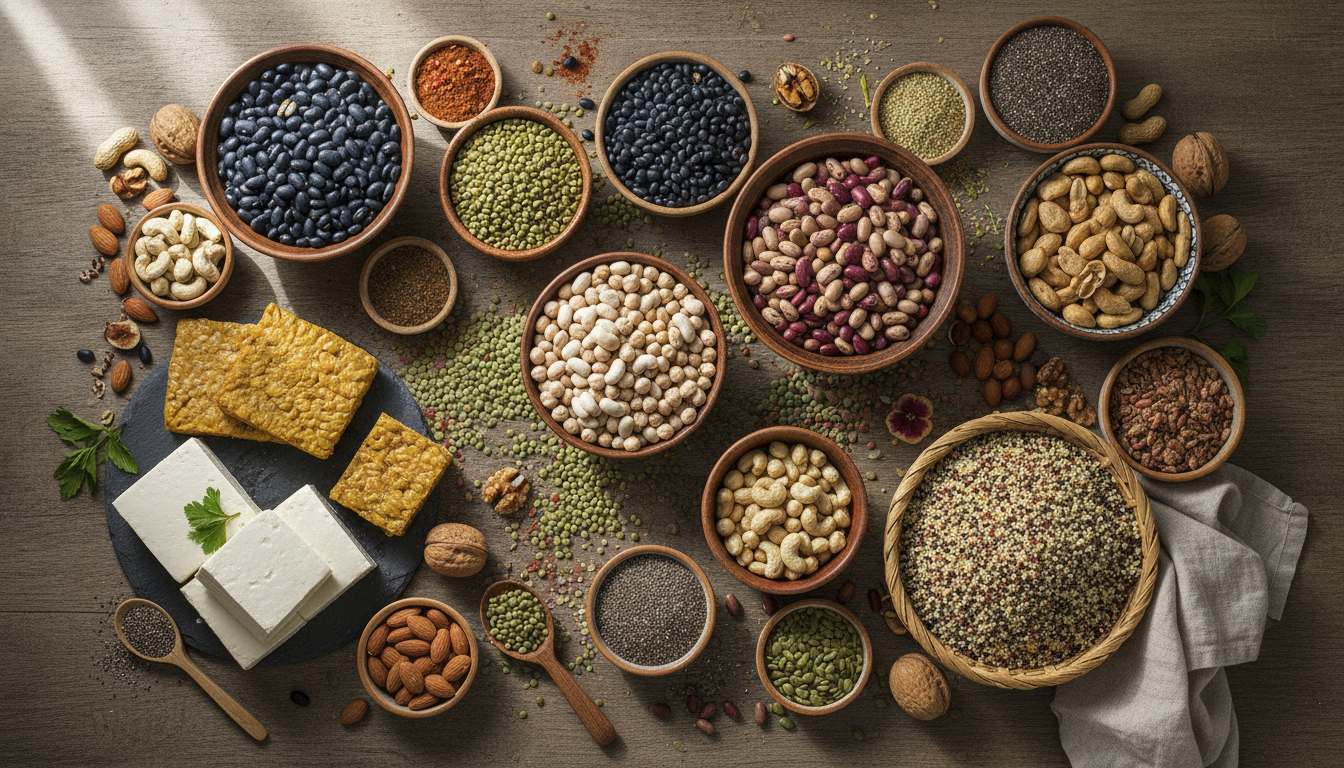
Legumes stand as champions among vegan protein sources. These versatile foods pack impressive nutrition into every serving. They cost less than most protein options while delivering exceptional value.
Lentils: Quick-Cooking Protein Champions
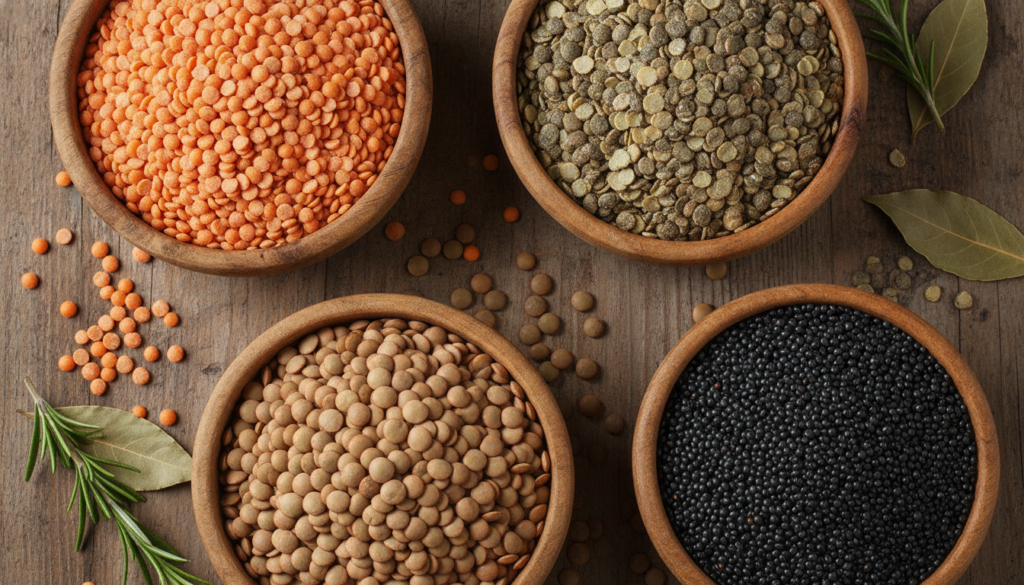
Lentils cook faster than most beans. They require no soaking. One cup of cooked lentils provides 18 grams of protein. This makes them perfect for quick weeknight meals.
Red lentils turn soft and creamy. They work beautifully in soups and curries. Green and brown lentils hold their shape. They shine in salads and side dishes. Black lentils add elegance to any plate.
Pro Tip: Cook a large batch of lentils on Sunday. Store them in your refrigerator. Add them to meals throughout the week for instant protein boost.
Chickpeas: Versatile Protein Stars
Chickpeas deliver 15 grams of protein per cup. Their mild, nutty flavor works in countless dishes. People around the world have relied on chickpeas for centuries.
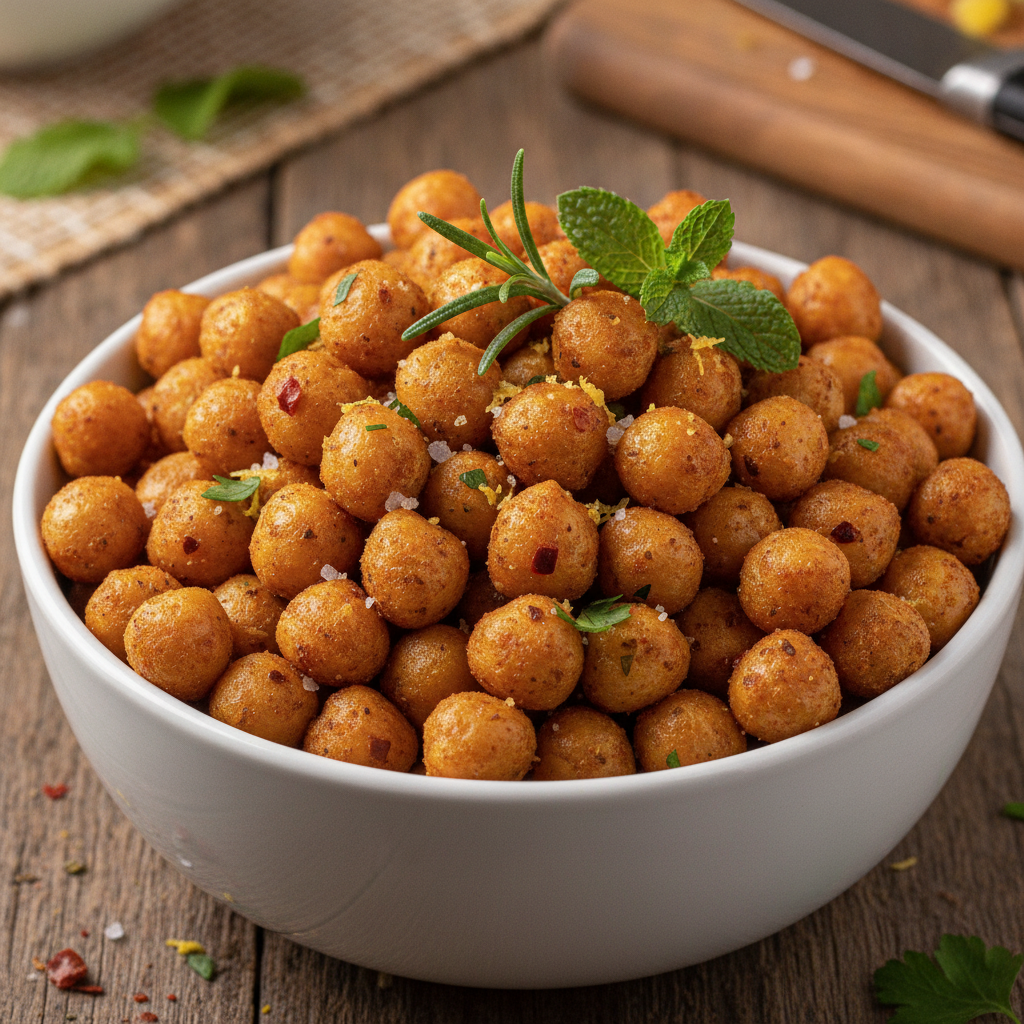
Roast them for crunchy snacks. Blend them into creamy hummus. Toss them in salads for texture. Use chickpea flour for high-protein baking. The options never end.
Black Beans: Fiber and Protein Combined
Black beans provide 15 grams of protein per cup. They also pack 15 grams of fiber. This combination keeps you satisfied for hours.
Their rich, earthy flavor enhances many dishes. They work perfectly in Mexican cuisine. They add substance to burgers and bowls. Their dark color adds visual appeal to meals.
Navy Beans
These small white beans offer 15 grams of protein per cup. They create creamy soups and hearty stews. Their mild flavor absorbs seasonings beautifully.
Kidney Beans
Kidney beans deliver 13 grams of protein per cup. Their firm texture holds up well in chili and casseroles. They add beautiful color to dishes.
Pinto Beans
Pinto beans contain 15 grams of protein per cup. They mash smoothly for refried beans. Their creamy texture works in many applications.
Preparing Beans for Maximum Nutrition
Dried beans cost less than canned versions. They also contain less sodium. Soaking them overnight reduces cooking time. It also improves digestibility.
Rinse canned beans thoroughly before using them. This removes excess sodium. It also eliminates the thick liquid that can cause digestive discomfort for some people.
Nuts and Seeds: Compact Nutrition Bombs
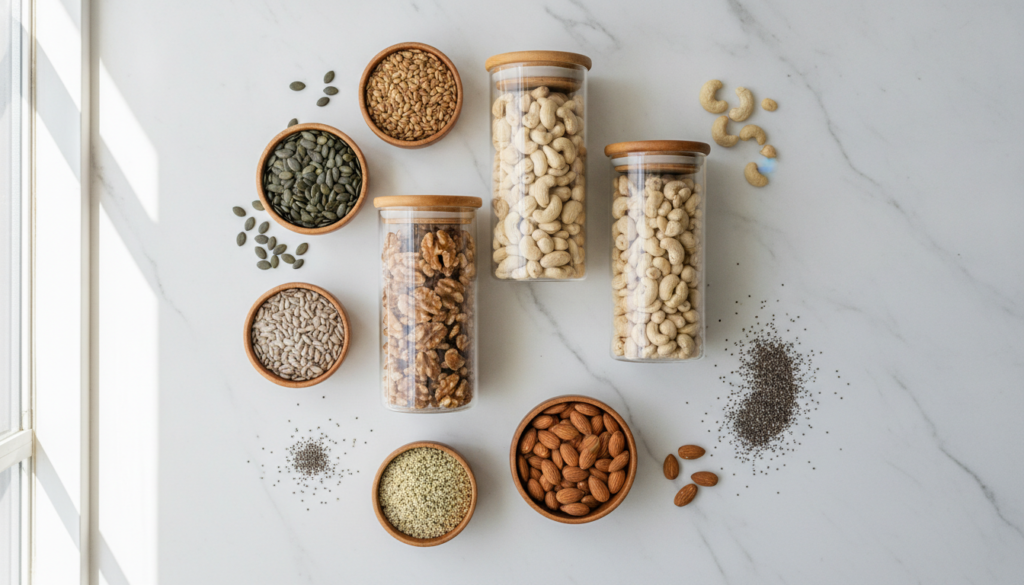
Nuts and seeds pack tremendous protein into small packages. They also provide healthy fats that support brain function and heart health. These foods travel well and require no preparation.
Hemp Seeds: Complete Protein Source
Hemp seeds stand out among vegan protein sources. Three tablespoons provide 10 grams of complete protein. They contain all essential amino acids in ideal ratios.
Their mild, nutty taste works everywhere. Sprinkle them on oatmeal. Blend them into smoothies. Add them to salads. Mix them into energy balls. They never overwhelm other flavors.
Hemp seeds also deliver omega-3 and omega-6 fatty acids. Your body needs these healthy fats for optimal function. Few plant foods offer this combination of protein and essential fats.
Chia Seeds: Tiny Nutritional Giants
Chia seeds provide 5 grams of protein per two tablespoons. They also contain 10 grams of fiber. This combination supports stable blood sugar levels.
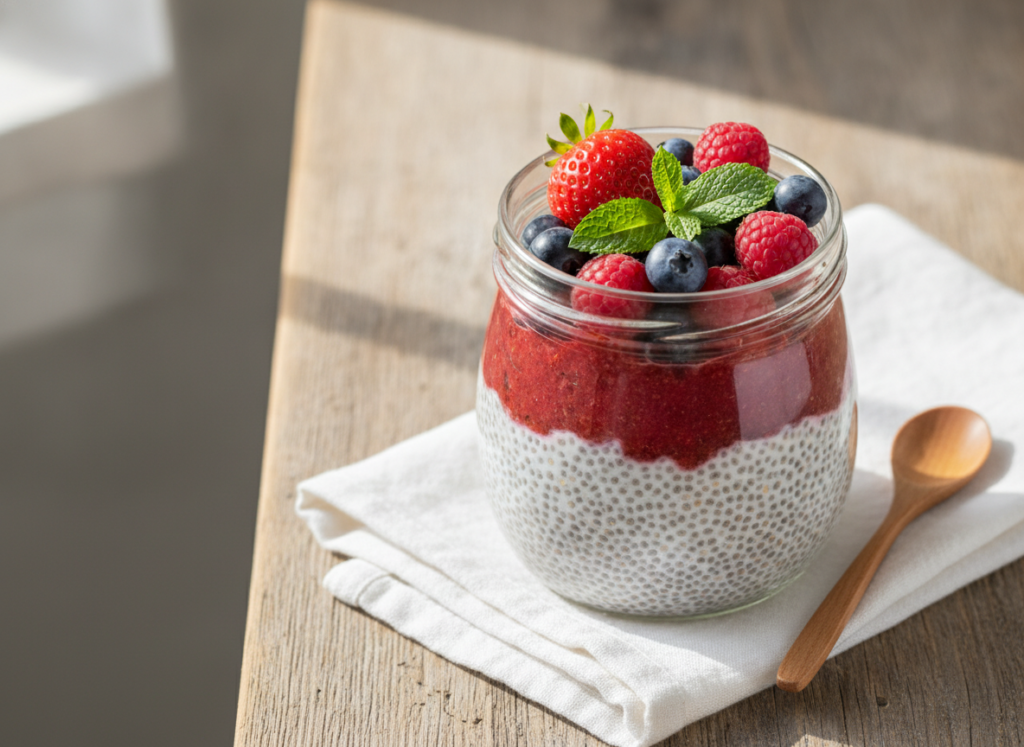
These seeds absorb liquid and form a gel. This property makes them perfect for puddings. It also helps them work as egg replacements in baking. Mix them with plant milk overnight for easy breakfast.
Chia seeds contain more calcium than milk. They provide iron, magnesium, and antioxidants. Adding them to your diet boosts nutrition without changing flavors.
Almonds: Classic Protein Choice
Almonds offer 6 grams of protein per quarter cup. They provide vitamin E that protects your cells. Their satisfying crunch makes them perfect for snacking.
Whole almonds work as portable snacks. Almond butter spreads easily on toast or fruit. Sliced almonds add texture to salads and stir-fries. Almond flour creates protein-rich baked goods.
| Nuts & Seeds | Protein per Serving | Serving Size | Additional Benefits |
| Pumpkin Seeds | 9 grams | 1/4 cup | High in zinc and magnesium |
| Sunflower Seeds | 6 grams | 1/4 cup | Rich in vitamin E |
| Walnuts | 4 grams | 1/4 cup | Omega-3 fatty acids |
| Cashews | 5 grams | 1/4 cup | Creamy texture for sauces |
| Pistachios | 6 grams | 1/4 cup | High in antioxidants |
| Flax Seeds | 4 grams | 3 tablespoons | Omega-3 and lignans |
Maximizing Nut and Seed Nutrition
Buy raw nuts and seeds when possible. Toast them lightly at home to enhance flavor. This method avoids added oils and excessive salt.
Store nuts and seeds in airtight containers. Keep them in cool, dark places. Refrigerate or freeze them for longest freshness. Their healthy fats can turn rancid at room temperature.
Budget Tip: Buy nuts and seeds in bulk from wholesale stores. Portion them into smaller containers at home. This approach saves money while maintaining freshness.
Soy-Based Proteins: Complete Amino Acid Profiles
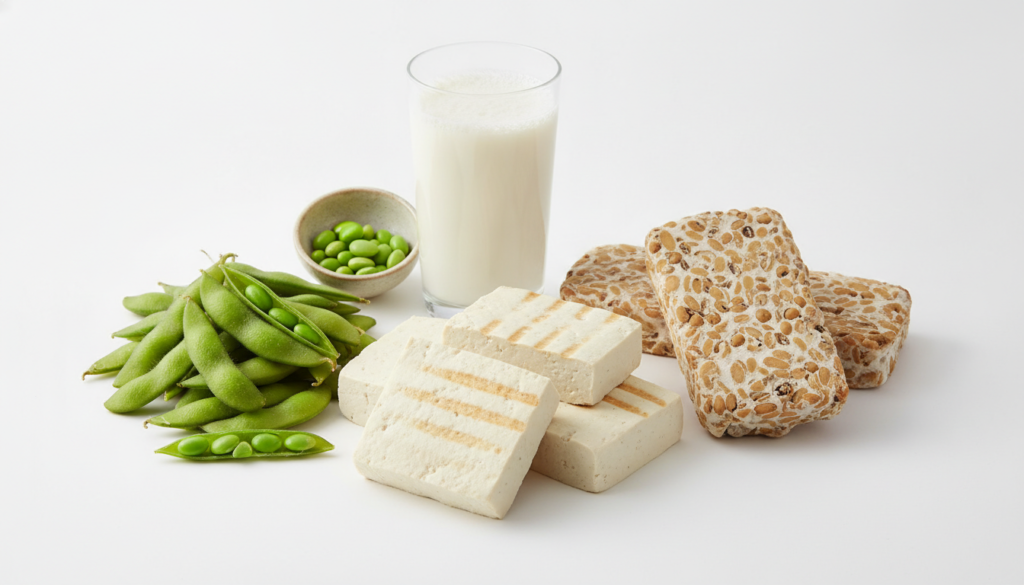
Soy products provide complete protein with all essential amino acids. They offer versatility that few other plant foods match. Cultures across Asia have consumed soy for thousands of years.
Tofu: The Protein Chameleon
Tofu contains 10 grams of protein per half cup. It absorbs flavors from marinades and sauces. Its neutral taste makes it incredibly versatile.
Silken tofu blends smoothly into desserts and smoothies. Firm tofu holds its shape in stir-fries. Extra-firm tofu creates crispy baked dishes. Press it to remove excess water for best texture.

Marinate tofu for several hours before cooking. This allows flavors to penetrate deeply. Try soy sauce, garlic, ginger, and sesame oil for Asian-inspired dishes. Experiment with different seasonings to find your favorites.
Tempeh: Fermented Protein Power
Tempeh delivers 15 grams of protein per half cup. Fermentation makes it easier to digest. It provides probiotics that support gut health.
This Indonesian staple has a firm, chewy texture. Its nutty, earthy flavor adds depth to dishes. Slice it thin for sandwiches. Crumble it for taco filling. Cube it for stir-fries.
Steam tempeh for ten minutes before using. This removes any bitterness. It also helps the tempeh absorb marinades better. The extra step creates superior flavor.
Edamame: Simple Protein Snack
Edamame are young soybeans in their pods. One cup provides 17 grams of protein. They make perfect appetizers or snacks.
Buy them frozen for convenience. Boil them for five minutes. Sprinkle with sea salt. Pop them from their pods and enjoy. Children and adults alike love this fun, interactive snack.
Transform Your Meal Planning Today
Stop struggling with what to eat on your plant-based journey. Access hundreds of delicious, protein-packed recipes that make vegan eating effortless and exciting. Learn meal prep strategies that save time while ensuring you meet your nutrition goals.
Soy Milk: Protein in Your Glass
Soy milk contains 7 grams of protein per cup. This matches cow milk protein content. It works perfectly in coffee, cereal, and baking.
Choose fortified versions for added calcium and vitamin D. These nutrients support bone health. Look for unsweetened varieties to avoid added sugars.
Use soy milk in smoothies for extra protein. Pour it over oatmeal for a nutrition boost. Substitute it in any recipe calling for dairy milk.
Whole Grains: Beyond Simple Carbohydrates
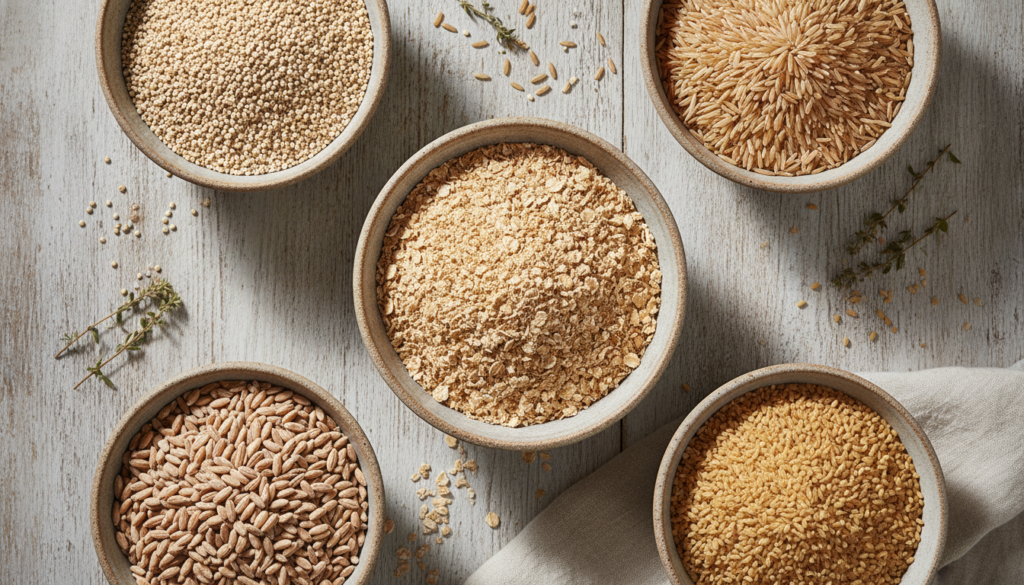
Whole grains offer more than energy. They provide significant protein along with fiber and minerals. These foods form the foundation of healthy plant-based diets worldwide.
Quinoa: The Complete Grain
Quinoa provides 8 grams of complete protein per cup. This pseudo-grain contains all nine essential amino acids. Ancient Incans called it the mother of all grains.
White quinoa cooks quickly and has mild flavor. Red quinoa holds its shape better in salads. Black quinoa offers earthier taste. Try all three varieties.
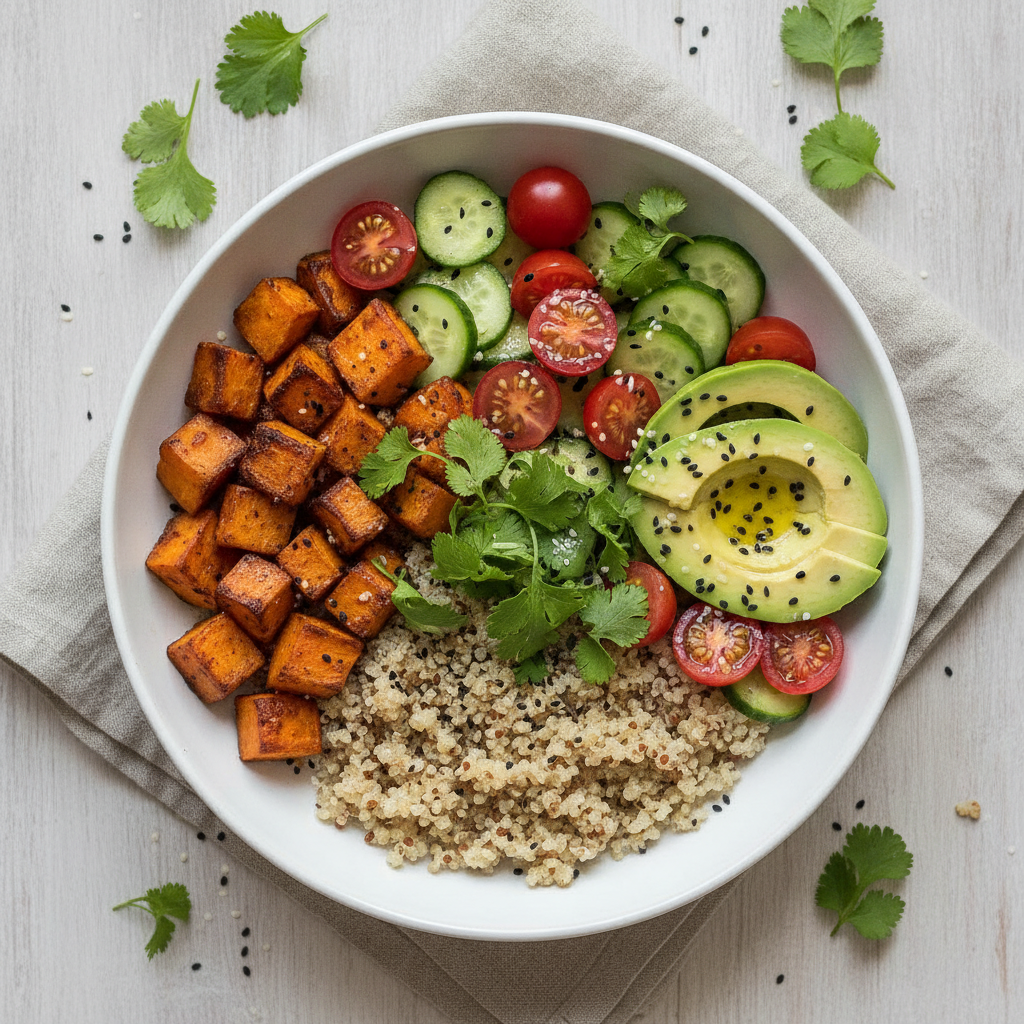
Rinse quinoa before cooking to remove bitter coating. Use two parts water to one part quinoa. Bring to boil, then simmer for fifteen minutes. Fluff with fork and enjoy.
Oats: Breakfast Protein Champion
Oats contain 6 grams of protein per cup when cooked. They also provide beta-glucan fiber that supports heart health. This makes them ideal for starting your day.
Steel-cut oats have chewy texture. Rolled oats cook faster. Instant oats offer convenience. All types deliver similar nutrition. Choose based on your time and texture preference.
Boost your oatmeal protein by adding nuts, seeds, and plant milk. Top with fruit for extra nutrients. This combination creates a balanced breakfast that sustains energy for hours.
Brown Rice: Reliable Protein Base
Brown rice offers 5 grams of protein per cup. It provides steady energy without blood sugar spikes. This whole grain retains its nutritious bran layer.
Combine rice with beans for complete protein. This classic pairing appears in cuisines worldwide. The combination provides all essential amino acids your body needs.
Other Protein-Rich Grains
- Farro delivers 8 grams per cup with chewy texture
- Bulgur wheat provides 6 grams per cup and cooks quickly
- Wild rice contains 7 grams per cup with nutty flavor
- Amaranth offers 9 grams per cup as complete protein
- Barley supplies 4 grams per cup with heart-healthy fiber
- Millet provides 6 grams per cup and gentle digestion
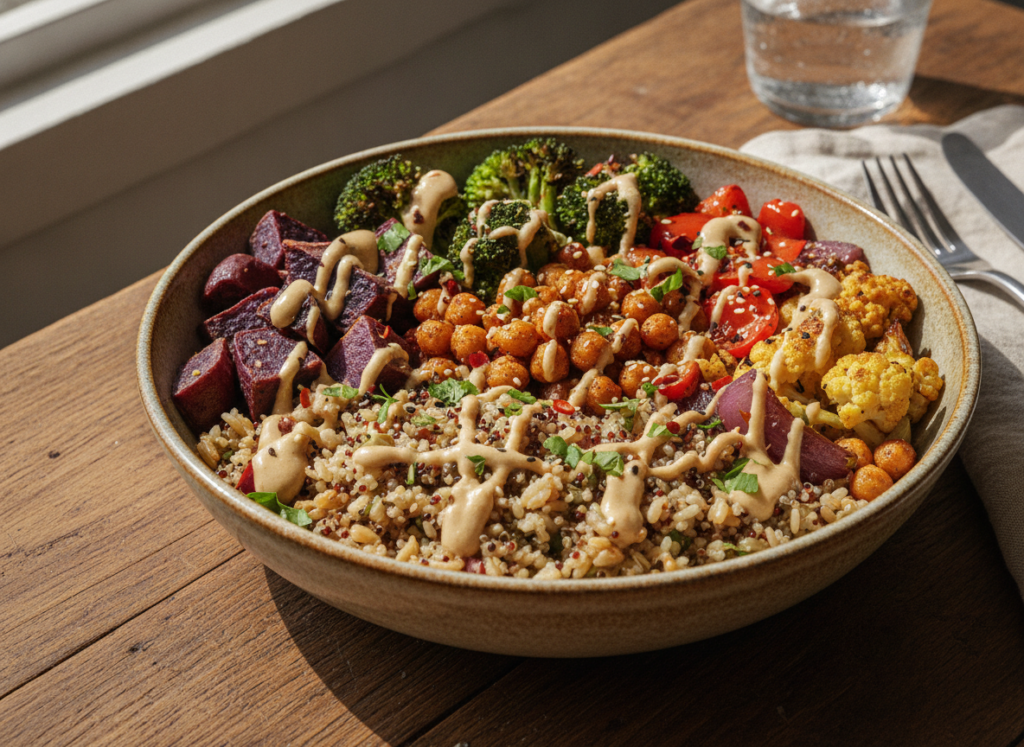
Cooking Grains for Best Results
Cook extra grains when preparing meals. Store them in refrigerator for quick additions throughout the week. They reheat beautifully in minutes.
Toast grains lightly before cooking for enhanced flavor. This simple step adds nutty depth to any dish. Use vegetable broth instead of water for extra taste.
Vegetables: Surprising Protein Contributors
Vegetables may not match beans or nuts in protein content. However, they still contribute meaningful amounts. Eating various vegetables throughout the day adds up significantly.
Green Vegetables Lead the Pack
Spinach provides 5 grams of protein per cooked cup. Broccoli delivers 4 grams per cup. These green vegetables also supply iron, calcium, and vitamins.
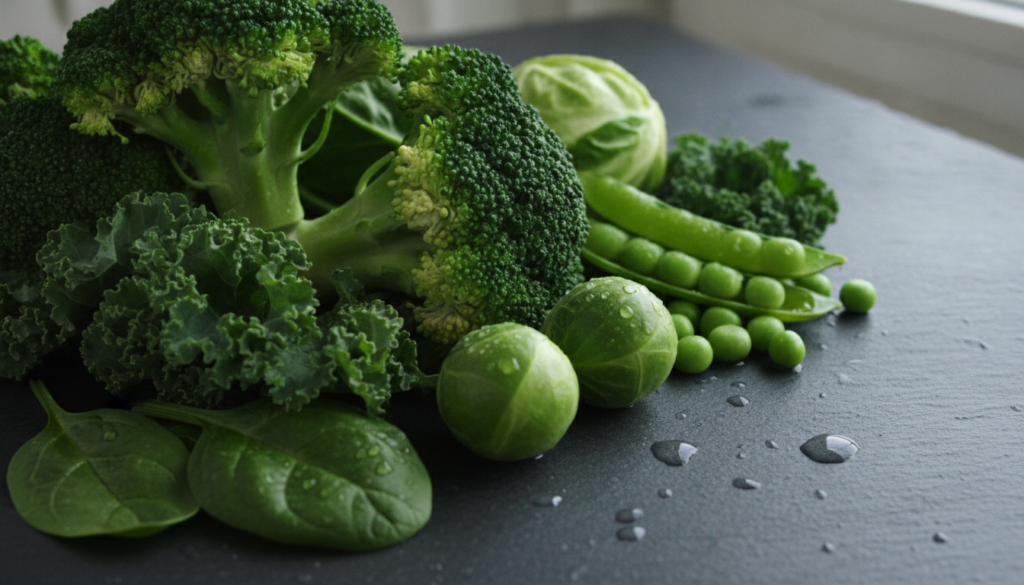
Kale contains 3 grams per cooked cup. Brussels sprouts offer 3 grams per cup. Peas pack 8 grams into each cup. These vegetables prove that greens provide more than just vitamins.
Add spinach to smoothies without changing flavor. Roast broccoli until crispy for amazing side dishes. Massage raw kale with lemon juice to soften it for salads.
Other Protein-Providing Vegetables
Asparagus supplies 4 grams per cup. Mushrooms provide 3 grams per cup. Sweet potatoes offer 4 grams per large potato. Even corn contributes 5 grams per cup.
These amounts seem small individually. However, eating multiple servings of vegetables daily accumulates significant protein. A large salad with various vegetables can provide 10-15 grams of protein.
Smart Strategy: Fill half your plate with vegetables at each meal. This simple habit boosts your protein intake while providing essential vitamins and minerals.
Protein Powders and Supplements
Plant-based protein powders offer concentrated nutrition. They help active people meet higher protein requirements. These products provide convenience when whole foods feel impractical.
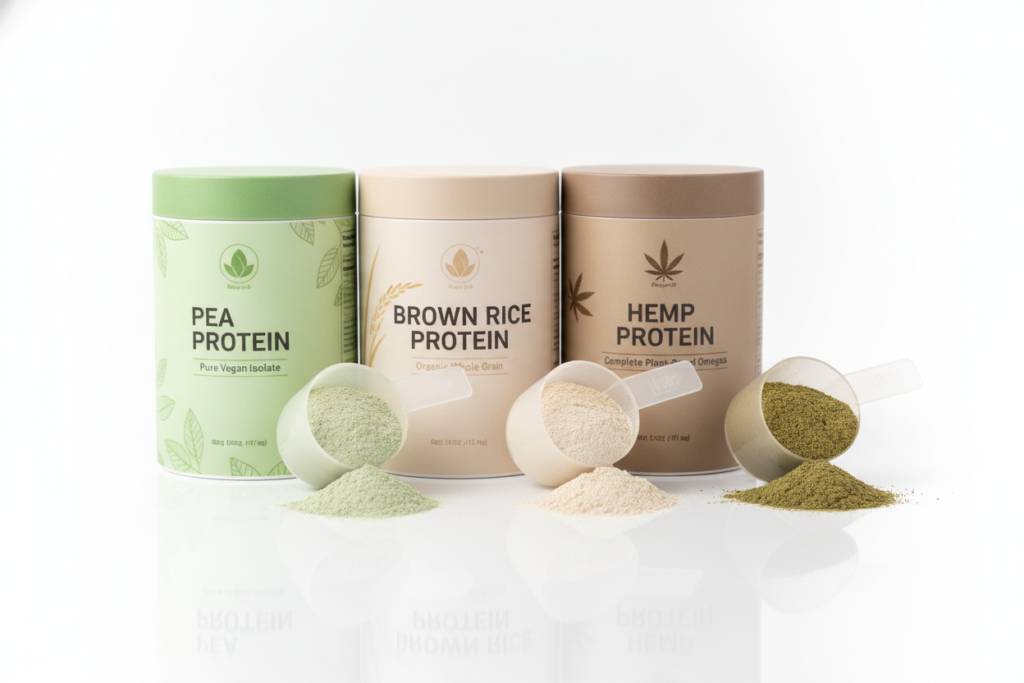
Types of Plant-Based Protein Powder
Pea protein isolate contains 20-25 grams per scoop. It digests easily and rarely causes allergies. Its neutral taste works in many recipes.
Brown rice protein provides 20 grams per scoop. It combines well with pea protein for complete amino acid profile. Many brands blend these two sources.
Hemp protein offers 15 grams per scoop with healthy fats. It provides complete protein naturally. Its earthy flavor works best in smoothies with strong flavors.
When to Use Protein Powder
Post-workout shakes help muscles recover. Morning smoothies jump-start your protein intake. Evening snacks prevent nighttime hunger.
Add protein powder to oatmeal for extra nutrition. Blend it into pancake batter for protein-packed breakfast. Mix it into energy balls for portable snacks.
Important Note: Protein powder supplements whole foods but should not replace them. Whole foods provide fiber, vitamins, and minerals that powders lack.
Combining Foods for Complete Protein
Your body needs nine essential amino acids from food. Complete proteins contain all nine. Many plant foods lack one or more amino acids.
The good news is that you do not need complete protein at every meal. Eating variety throughout the day provides all amino acids. Your body stores them and combines them as needed.
Classic Protein Combinations
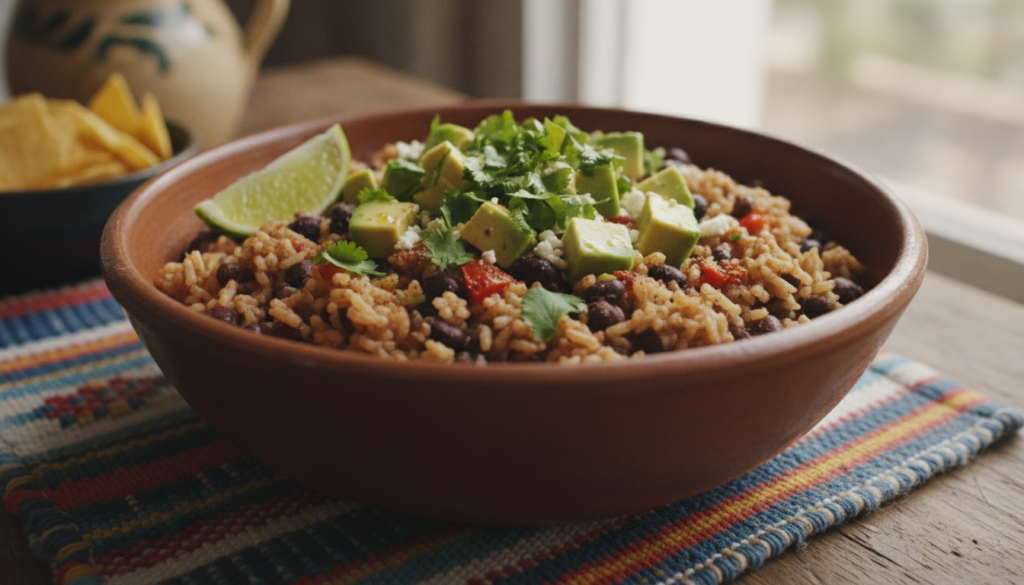
Rice and beans create complete protein together. This combination feeds billions of people worldwide. Every culture has its version of this pairing.
Whole grain bread with nut butter provides all amino acids. Hummus with pita bread offers complete protein. Oatmeal topped with nuts and seeds covers all bases.
- Brown rice with lentils
- Quinoa with black beans
- Whole wheat pasta with chickpeas
- Corn tortillas with pinto beans
- Oats with peanut butter
Grains + Legumes
- Hummus with tahini
- Lentil soup with pumpkin seeds
- Bean salad with sunflower seeds
- Chickpea curry with sesame seeds
- Split pea soup with hemp seeds
Legumes + Seeds
- Rice with almonds
- Quinoa with walnuts
- Oatmeal with cashews
- Whole grain bread with almond butter
- Barley with pine nuts
Grains + Nuts
Simplifying Protein Combinations
Stop stressing about combining foods at each meal. Modern nutrition research shows that eating variety throughout the day works perfectly. Your body is smart enough to build complete proteins from the amino acids you consume.
Focus on including different protein sources daily. Eat beans one meal, nuts another, and grains throughout. This natural approach ensures adequate amino acid intake without complicated planning.
Sample Daily Protein-Rich Meal Plan
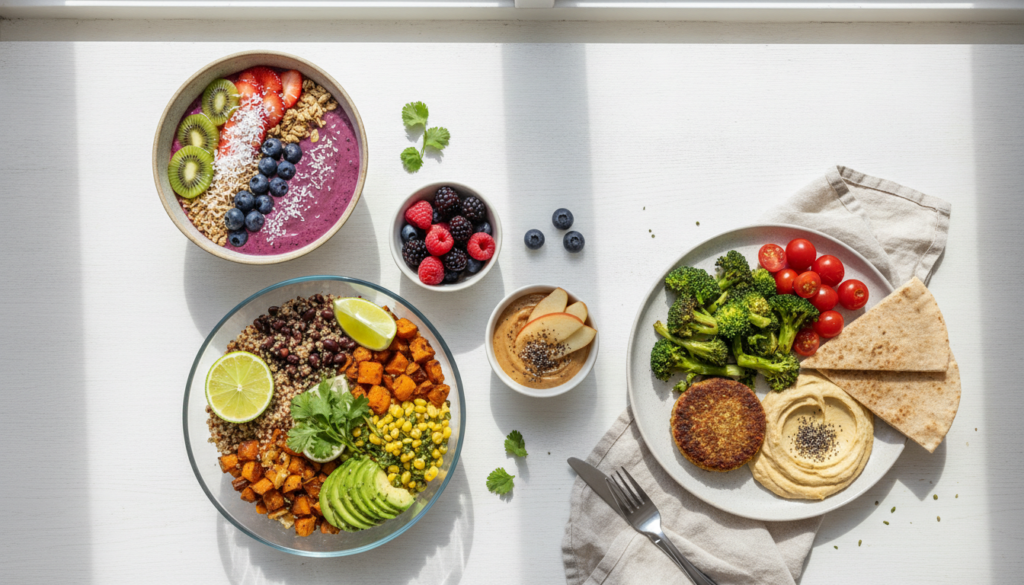
Seeing practical examples helps you understand how easy meeting protein needs becomes. This sample day provides about 80 grams of protein from whole plant foods.
Breakfast: 20 Grams Protein
Start with oatmeal made with soy milk. Top it with hemp seeds, almonds, and berries. Add a tablespoon of chia seeds. This combination provides sustained energy.
The oats supply 6 grams of protein. Soy milk adds 7 grams. Hemp seeds contribute 5 grams. Almonds provide 2 grams. Your morning total reaches 20 grams easily.
Mid-Morning Snack: 10 Grams Protein
Enjoy an apple with two tablespoons of peanut butter. This classic combination satisfies hunger between meals. The peanut butter delivers 8 grams while the apple adds fiber and nutrients.
Lunch: 25 Grams Protein
Create a quinoa bowl with chickpeas and vegetables. Add tahini dressing for extra protein and flavor. Include leafy greens for vitamins and minerals.
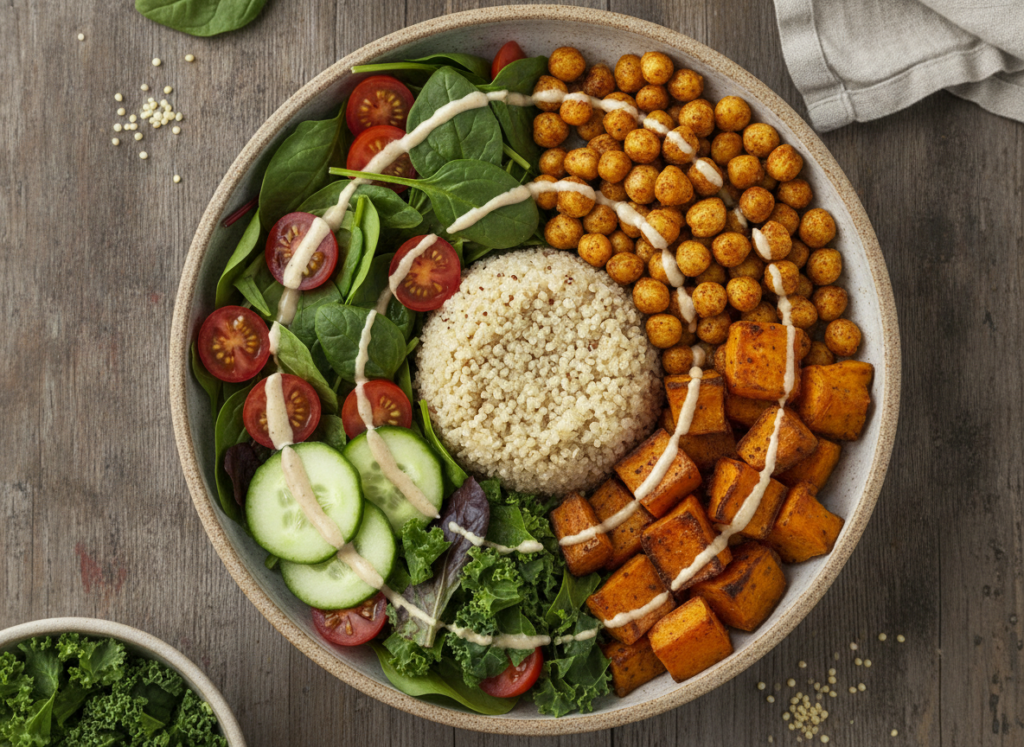
Quinoa provides 8 grams per cup. Chickpeas add 15 grams. Tahini contributes 2 grams. The vegetables supply additional protein. This filling lunch totals 25 grams.
Afternoon Snack: 8 Grams Protein
Mix together a trail mix with pumpkin seeds, walnuts, and dried fruit. This portable snack provides quick energy. The nuts and seeds deliver 8 grams of protein.
Dinner: 22 Grams Protein
Prepare stir-fried tofu with brown rice and broccoli. Season with ginger, garlic, and soy sauce. This satisfying meal ends your day with excellent nutrition.
Tofu supplies 10 grams per half cup. Brown rice adds 5 grams. Broccoli contributes 4 grams. Edamame on the side provides 3 more grams. Dinner delivers 22 grams total.
Your Personalized Plant-Based Success Plan
Ready to take your vegan journey to the next level? Get customized meal plans designed specifically for your goals, lifestyle, and taste preferences. Access expert guidance, shopping lists, and ongoing support to make plant-based eating effortless and enjoyable.
Common Protein Myths Debunked
Misinformation about plant-based protein persists despite scientific evidence. Understanding facts helps you feel confident about your dietary choices.
Myth: Plant Proteins Are Inferior
This outdated belief ignores modern nutrition science. Plant proteins build muscle just as effectively as animal proteins. Multiple studies confirm this fact.
Athletes thrive on plant-based diets. Bodybuilders build impressive physiques eating plants. Endurance athletes set records fueled by vegan foods. Performance depends on total protein intake, not protein source.
Myth: You Must Combine Proteins at Every Meal
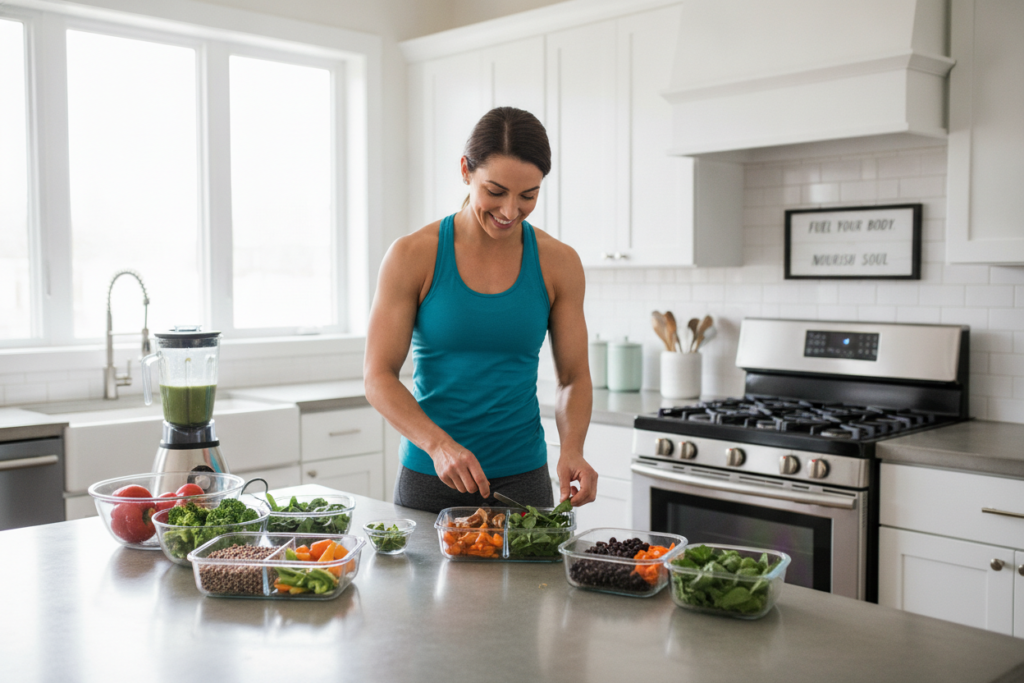
Your body maintains an amino acid pool. It draws from this pool to build complete proteins. You simply need variety throughout the day.
This myth originated from outdated 1970s research. Scientists have since debunked this idea. Eating different protein sources across meals works perfectly.
Myth: Vegans Cannot Get Enough Protein
This concern disappears when you learn about protein content in plant foods. Meeting requirements becomes simple with basic knowledge.
Most vegans actually exceed their protein needs easily. The challenge often involves eating enough calories, not protein specifically. Whole plant foods provide adequate protein naturally.
Plant Protein Advantages
- Contains beneficial fiber for digestion
- Provides antioxidants and phytonutrients
- Costs less than animal proteins
- Reduces environmental impact
- Supports heart health naturally
- Promotes healthy gut bacteria
Considerations
- Requires eating larger volumes of food
- May need B12 supplementation
- Some sources require cooking preparation
- Certain foods may cause gas initially
Getting Protein on a Budget
Plant-based protein sources often cost less than animal products. Smart shopping strategies stretch your budget even further.
Most Affordable Protein Sources
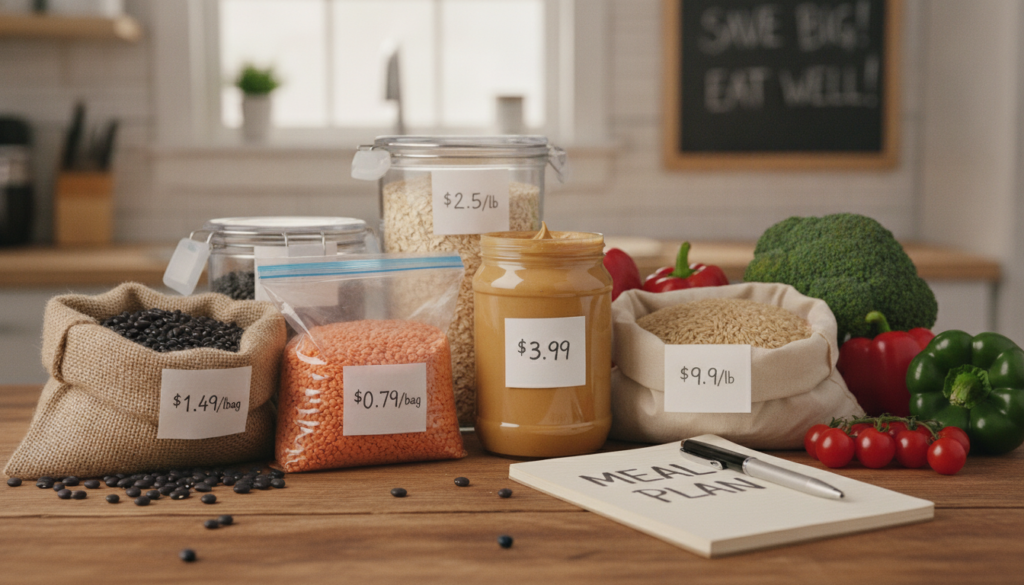
Dried beans and lentils provide cheapest protein available. They cost pennies per serving. Buy them in bulk for maximum savings.
Peanut butter delivers excellent value. Oats cost very little while providing good nutrition. Brown rice remains affordable everywhere. These staples build a budget-friendly protein foundation.
Shopping Strategies That Save Money
Buy seasonal produce for best prices. Frozen vegetables cost less and last longer. They retain full nutritional value.
Shop ethnic markets for deals on legumes and grains. These stores often sell bulk items at lower prices. Asian, Middle Eastern, and Latin markets offer excellent selections.
Batch Cooking for Efficiency
Cook large batches of beans and grains weekly. Portion them into containers for easy meals. This strategy saves time and money simultaneously.
Freeze extras for later use. Cooked beans freeze beautifully for months. Cooked grains reheat perfectly in minutes. Your future self will thank your preparation.
Meeting Higher Protein Needs for Active People
Athletes and highly active individuals require more protein. Their bodies need additional amounts for muscle recovery and growth. Plant-based eating easily meets these elevated needs.
Calculating Your Protein Requirements
Active people need 1.2 to 2.0 grams of protein per kilogram of body weight. This range depends on activity intensity and training goals.
Endurance athletes benefit from the lower end of this range. Strength athletes target the higher end. Calculate your specific needs based on your body weight and activity level.
Timing Your Protein Intake
Distribute protein throughout the day for optimal absorption. Your body uses about 20-30 grams effectively per meal. Multiple protein-rich meals work better than one huge serving.
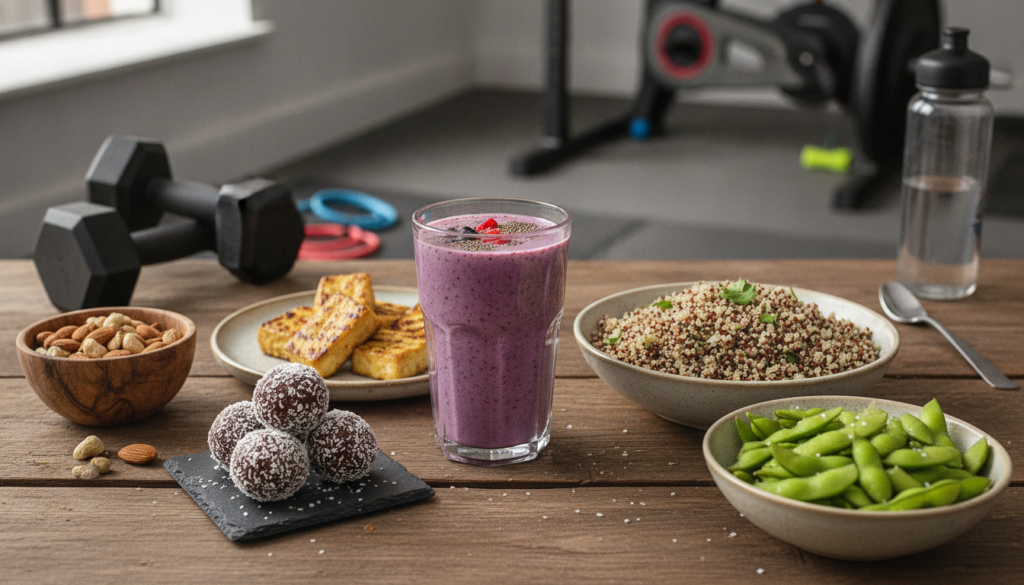
Consume protein within two hours after training. This window maximizes muscle recovery. A post-workout smoothie with protein powder works perfectly.
Pre-Workout Fuel
Eat easily digestible protein one to two hours before exercise. Try a banana with almond butter or a small smoothie with hemp seeds for sustained energy without feeling heavy.
During Exercise
For workouts lasting over ninety minutes, consume small amounts of quick carbohydrates. Save protein for before and after exercise when your body processes it more efficiently.
Post-Workout Recovery
Within two hours after training, consume 20-30 grams of protein with carbohydrates. This combination replenishes glycogen stores while supporting muscle repair and growth.
High-Protein Snacks for Athletes
Keep portable protein options available. Roasted chickpeas travel well. Protein bars made from dates and nuts provide quick nutrition. Trail mix with extra nuts boosts protein content.
Prepare protein-rich smoothies in advance. Freeze them in individual portions. Take them to the gym in insulated containers. They thaw during your workout and are ready when you finish.
Transitioning to Plant-Based Protein Sources
Switching to vegan protein sources feels overwhelming at first. Taking gradual steps makes the transition smooth and sustainable.
Starting Your Plant-Protein Journey
Begin by adding more plant proteins to current meals. Include beans in your pasta sauce. Add nuts to salads. Sprinkle seeds on vegetables. These small changes build confidence.
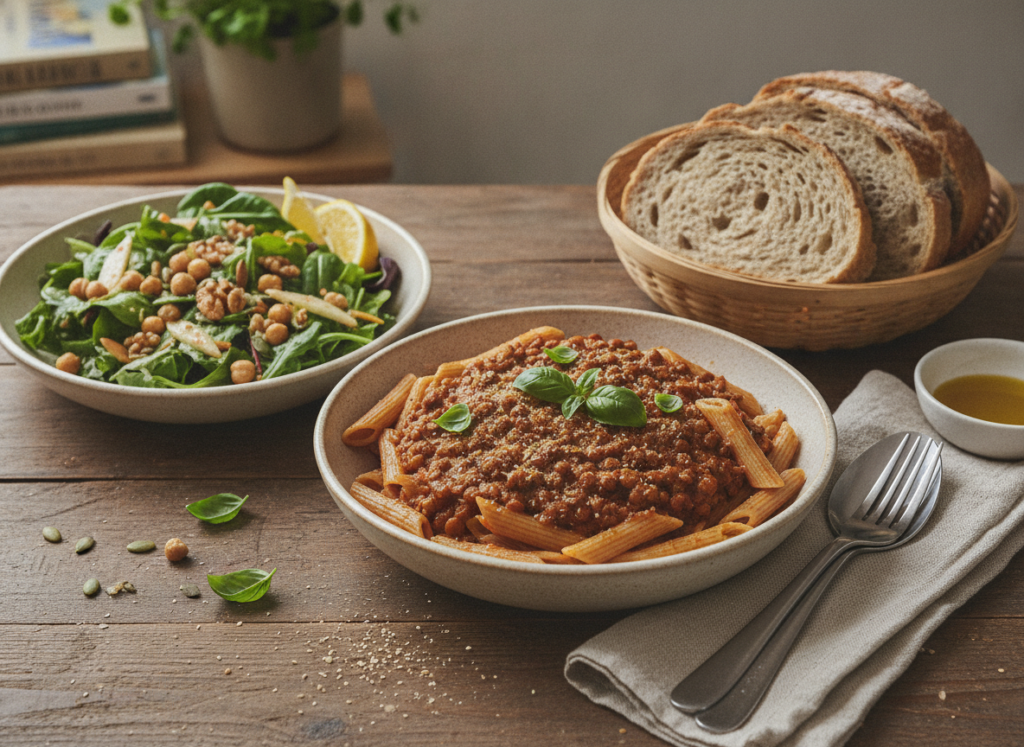
Replace one animal protein meal weekly with plant-based options. Try meatless Mondays to start. Gradually increase plant-based meals as you discover favorites.
Overcoming Common Challenges
Some people experience digestive changes initially. Increase fiber intake gradually to help your system adjust. Drink plenty of water to support digestion.
Season your foods well to enhance flavors. Many people rely on animal fat for taste. Learning to use herbs, spices, and quality seasonings transforms plant foods into delicious meals.
Success Tip: Keep simple protein-rich snacks visible and accessible. When hunger strikes, you will reach for healthy options naturally.
Building Your Plant Protein Pantry
Stock your kitchen with protein staples. Keep dried beans, lentils, and various grains on hand. Store nuts and seeds in your refrigerator. Having ingredients ready makes cooking easier.
Essential Pantry Items
- Variety of dried beans and lentils
- Canned chickpeas and black beans
- Brown rice and quinoa
- Rolled oats and other whole grains
- Natural peanut and almond butter
- Various nuts for snacking
Refrigerator Essentials
- Firm and extra-firm tofu
- Tempeh for quick meals
- Fortified soy milk
- Hemp seeds and chia seeds
- Fresh vegetables for variety
- Tahini for sauces and dressings
Quick Protein-Packed Recipe Ideas
Having go-to recipes simplifies meal planning. These ideas provide inspiration for protein-rich dishes you can prepare quickly.
15-Minute Protein Meals
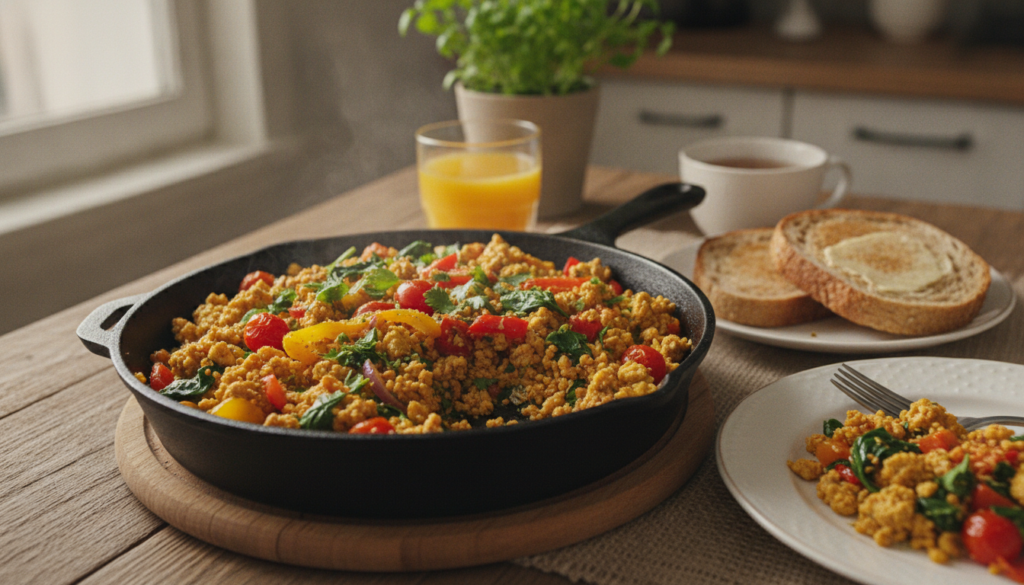
Scramble tofu with vegetables and turmeric for quick breakfast. Season with black salt for eggy flavor. Serve with whole grain toast.
Toss together a chickpea salad with cucumbers, tomatoes, and tahini dressing. Add this protein-rich mixture to pita bread. Pack it for lunch or enjoy it immediately.
Stir-fry pre-cooked edamame with frozen vegetables. Add pre-cooked rice and soy sauce. This complete meal takes only minutes when using prepared ingredients.
Make-Ahead Protein Options
Prepare a large pot of lentil soup on Sunday. Portion it into containers for the week. Freeze half for later. This strategy provides multiple meals from one cooking session.
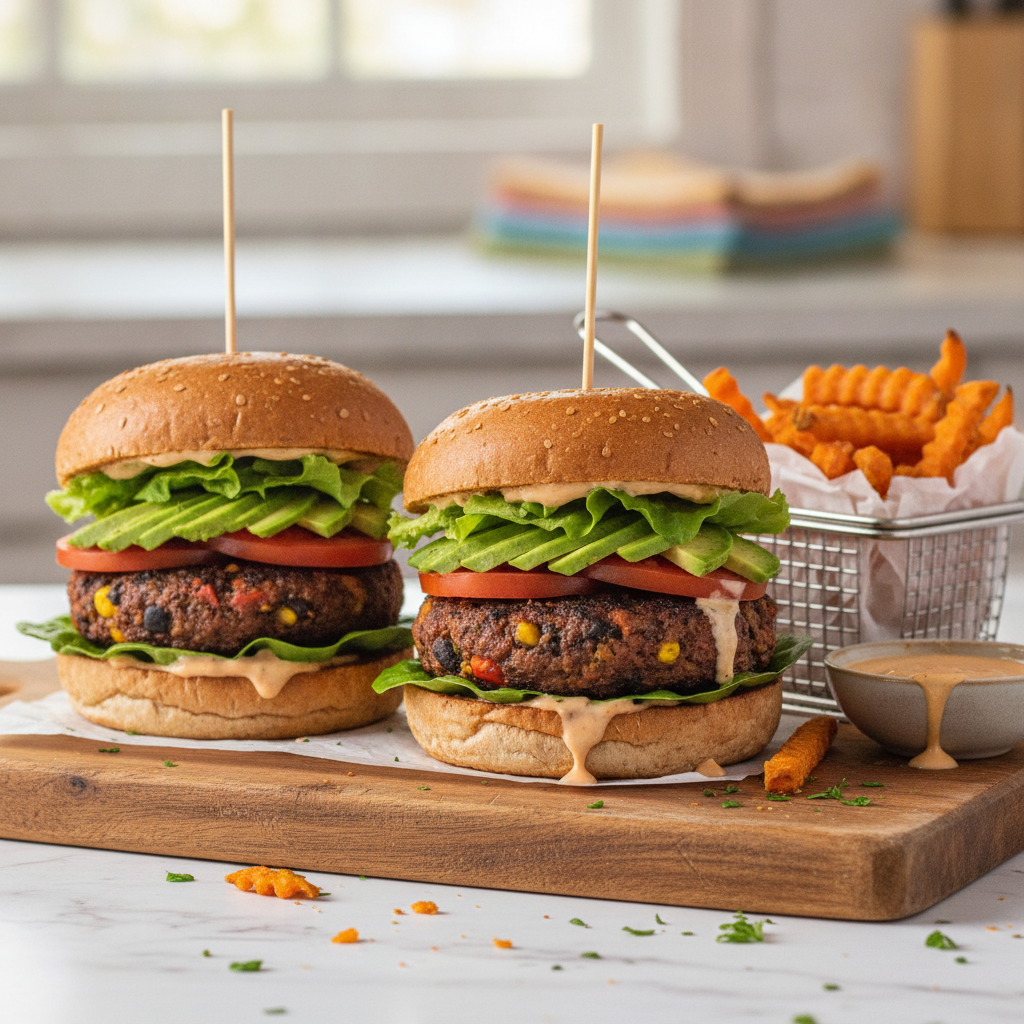
Bake a batch of black bean burgers. Freeze them individually. Pull one out whenever you need quick protein. Toast it and add your favorite toppings.
Mix together energy balls using dates, oats, nut butter, and protein powder. Roll them in coconut or cocoa. Store them in the refrigerator for grab-and-go snacks.
Protein-Boosting Add-Ins
Keep protein-rich ingredients ready to add to any meal. Sprinkle hemp seeds on salads. Stir nut butter into oatmeal. Add beans to soups. These simple additions significantly increase protein content.
Kitchen Hack: Blend silken tofu into smoothies for creamy texture and hidden protein. Nobody will taste it, but everyone benefits from the nutrition boost.
Understanding Protein Content on Labels
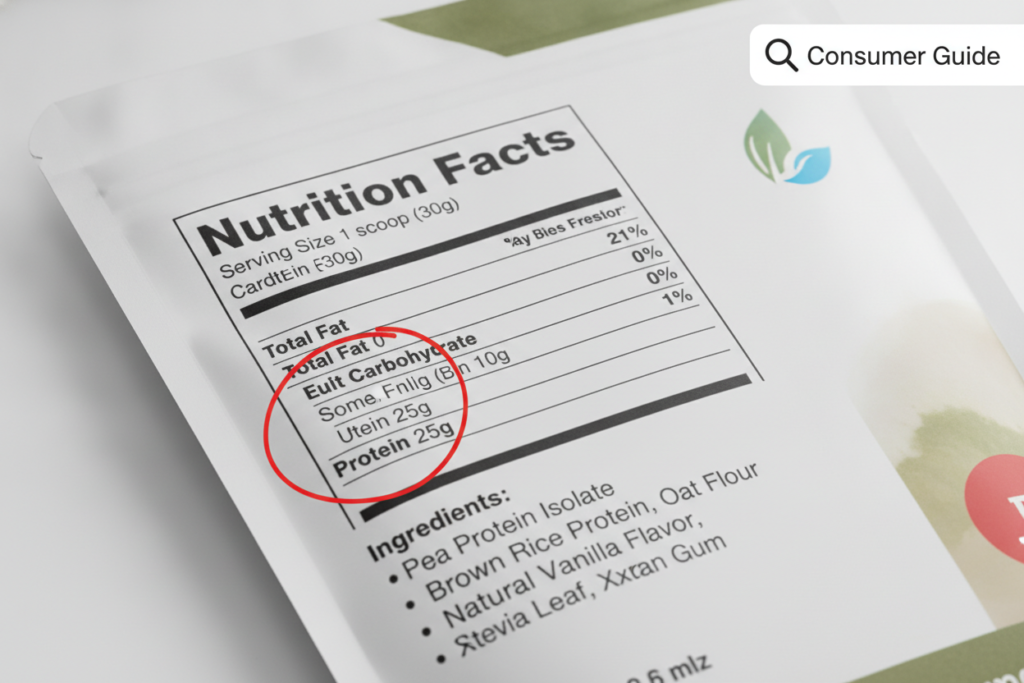
Reading nutrition labels helps you track protein intake accurately. Understanding what to look for ensures you make informed choices.
Decoding Nutrition Facts
Check the serving size first. All nutrition information relates to this amount. Compare actual portions you eat to listed serving sizes.
Look at protein grams per serving. Calculate how much food you need to meet your goals. Some products seem high in protein until you notice the tiny serving size.
Evaluating Protein Quality
Check ingredient lists for whole food sources. Products listing beans, nuts, or whole grains as first ingredients offer better nutrition than highly processed options.
Watch for added sugars that sneak into protein products. Some protein bars contain as much sugar as candy bars. Choose options with minimal added sweeteners.
Comparing Similar Products
Different brands vary significantly in protein content. One brand of bread might contain 3 grams per slice while another provides 6 grams. These differences add up throughout the day.
Compare plant milks carefully. Soy milk contains 7 grams per cup. Almond milk often provides only 1 gram. Choose based on your protein needs and taste preferences.
Special Protein Considerations
Certain life stages and conditions require attention to protein intake. Understanding these situations helps everyone optimize their nutrition.
Protein During Pregnancy
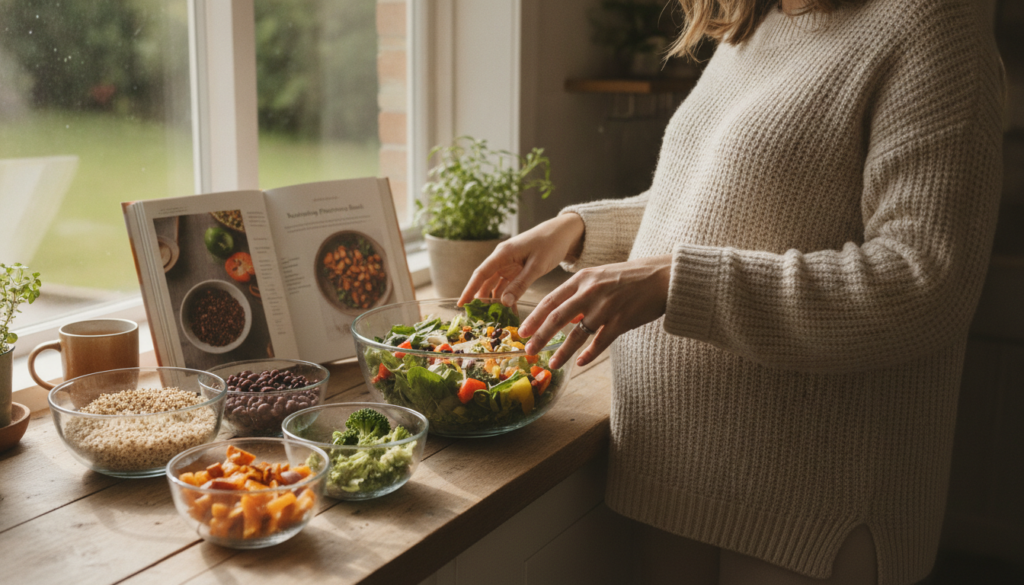
Pregnant individuals need extra protein for fetal development. Requirements increase to about 71 grams daily during pregnancy. This increase supports growing baby and maternal tissues.
Focus on protein-rich whole foods rather than supplements. Beans, lentils, tofu, and nuts provide protein along with other crucial nutrients. Prenatal vitamins supplement but do not replace food-based nutrition.
Protein for Growing Children
Children need adequate protein for growth and development. Their requirements vary by age and size. Most children easily meet needs through varied plant-based diets.
Make protein fun for kids. Serve beans as dips. Create smoothies with nut butter. Let them help prepare tofu dishes. Involvement increases acceptance of new foods.
Protein for Older Adults
Aging bodies need more protein to maintain muscle mass. Older adults benefit from 1.0 to 1.2 grams per kilogram of body weight. This increased intake prevents age-related muscle loss.
Choose easily digestible protein sources. Well-cooked beans, smooth nut butters, and tofu work well. Distribute protein evenly across meals for best absorption.
Environmental Benefits of Plant Protein
Choosing plant-based protein sources benefits our planet significantly. Understanding environmental impacts adds another dimension to your dietary choices.
Resource Efficiency
Producing plant proteins requires far less water than animal proteins. Growing beans uses a fraction of the water needed for beef. This difference becomes critical as water scarcity increases globally.

Land use efficiency favors plants dramatically. One acre produces much more plant protein than animal protein. This efficiency matters as population grows and available farmland decreases.
Reducing Carbon Footprint
Plant protein production generates fewer greenhouse gases. Your dietary choices directly impact climate change. Every plant-based meal contributes to a healthier planet.
Local and seasonal plant foods further reduce environmental impact. Buying from nearby farmers cuts transportation emissions. Supporting local agriculture strengthens your community simultaneously.
Supporting Biodiversity
Plant-based agriculture can support diverse ecosystems better than industrial animal farming. Crop rotation improves soil health. Varied crops support beneficial insects and wildlife.
Your food choices vote for the type of agriculture you want to see. Choosing plant proteins encourages sustainable farming practices. This creates positive ripple effects throughout the food system.
Your Plant-Based Protein Journey Begins Now
You now understand that vegan protein sources offer abundance and variety. Meeting your protein needs through plant foods supports your health while benefiting the planet.
Start incorporating these protein sources today. Add beans to one meal this week. Try tofu in a new recipe. Sprinkle seeds on your breakfast. Small steps create lasting change.

Remember that variety ensures nutritional completeness. Experiment with different protein sources. Discover new favorites. Your taste preferences will evolve as you explore plant-based eating.
The protein myth stops here. You have the knowledge to thrive on plants. Your body will thank you. The environment will thank you. Future generations will thank you.
Plant-based protein sources provide everything your body needs. They taste delicious when prepared well. They cost less than most alternatives. They simplify rather than complicate healthy eating.
Your plant-based protein adventure awaits. The foods you need are probably already in your kitchen. The recipes you want are just a search away. The health you desire becomes possible through simple choices.
Embrace the variety of vegan protein sources available. Enjoy the flavors of beans, nuts, seeds, and grains. Appreciate how plant foods nourish your body completely. This way of eating sustains you and the planet simultaneously.