Vegan Christmas Cookies: 15 Festive Recipes to Bake
Vegan Christmas Cookies: 15 Festive Recipes to Bake
This Website contains affiliate links. That means I may earn a small commission if you purchase through my links, at no extra cost to you.
The holidays bring magic, warmth, and the irresistible aroma of fresh-baked cookies. This year, you can create stunning vegan Christmas cookies that rival any traditional recipe. Plant-based holiday baking has never been easier or more delicious.
Whether you follow a vegan lifestyle year-round or simply want to accommodate guests with dietary restrictions, these vegan Christmas cookie recipes deliver incredible flavor. You won’t miss the butter or eggs when you taste these treats.
This comprehensive guide covers fifteen festive vegan cookie recipes. Each one uses simple ingredients you probably already have in your pantry. Get ready to fill your kitchen with holiday cheer.
Master Vegan Holiday Baking This Season
Transform your Christmas baking with expert techniques and proven recipes. Discover the complete resource that thousands of home bakers trust for perfect vegan cookies every time. Get instant access to detailed guides, troubleshooting tips, and flavor combinations that will make your holiday treats unforgettable.
Why Choose Vegan Christmas Cookies This Holiday Season

Vegan Christmas cookies offer benefits beyond dietary accommodation. They’re often lighter, easier to digest, and surprisingly simple to prepare. Many bakers discover that vegan cookies actually taste better than traditional versions.
Plant-based cookies contain no cholesterol and typically less saturated fat. Your guests with dairy allergies or egg sensitivities can enjoy every bite without worry. Kids with food restrictions finally get to participate fully in cookie exchanges.
The environmental impact matters too. Vegan baking reduces your carbon footprint during the holidays. You can feel good about serving treats that align with sustainable values.
Another advantage is shelf life. Vegan cookies often stay fresh longer than butter-based versions. This makes them perfect for early holiday baking and gifting.
Essential Vegan Baking Substitutions for Perfect Cookies
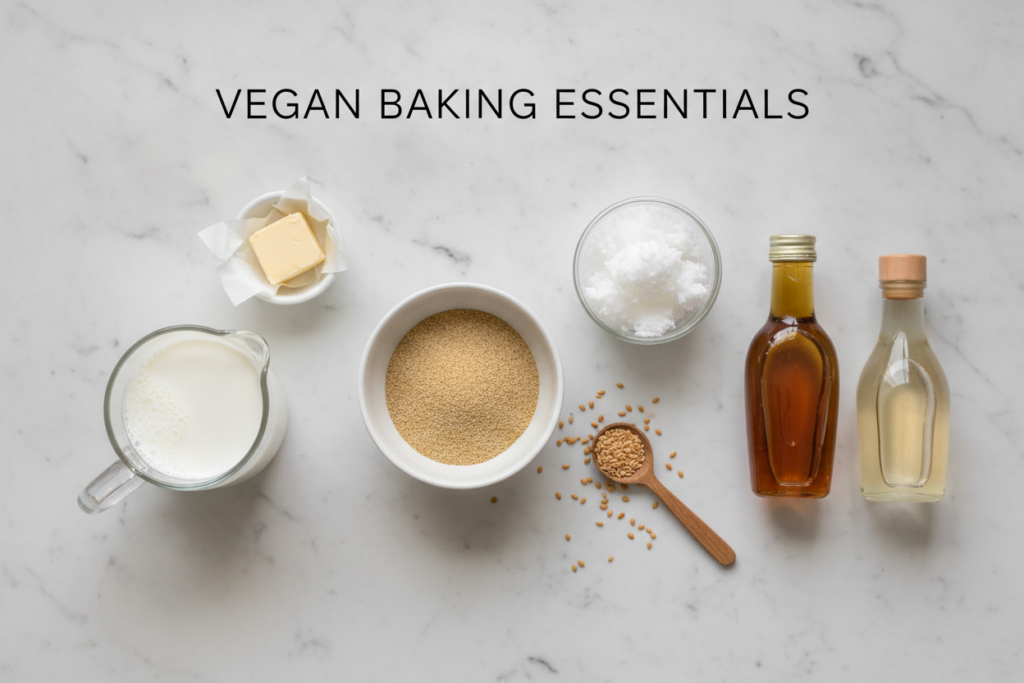
Understanding ingredient swaps transforms traditional recipes into vegan masterpieces. The right substitutions maintain texture, flavor, and that irresistible cookie quality everyone loves.
Replacing Eggs in Cookie Recipes
Eggs provide binding and moisture in traditional baking. Several plant-based alternatives work beautifully in vegan christmas cookies. Each option brings unique benefits to your holiday baking.
Flax eggs are the most popular choice. Mix one tablespoon ground flaxseed with three tablespoons water. Let it sit for five minutes until it becomes gel-like. This mixture works perfectly in most cookie recipes.
Chia eggs function similarly to flax eggs. Use the same ratio with chia seeds. The resulting cookies have slightly more nutritional benefits and omega-3 fatty acids.
Applesauce adds moisture and natural sweetness. Use a quarter cup of unsweetened applesauce per egg. This works best in softer, cake-like vegan sugar cookies.
For recipes requiring extensive resources on premium vegan ingredients and specialty products, you’ll find everything needed for successful holiday baking.
Dairy-Free Butter Alternatives
Vegan butter has improved dramatically in recent years. Many brands now melt, cream, and bake identically to dairy butter. Look for options with similar fat content for best results.
Coconut oil creates crispy edges and chewy centers. Use refined coconut oil to avoid coconut flavor in your vegan christmas cookies. The unrefined version works well in recipes where coconut complements other flavors.
Vegetable shortening produces tender, flaky cookies. This old-fashioned option works especially well in cut-out sugar cookies that need to hold their shape during baking.
Plant-Based Milk Options
Any plant milk works in cookie recipes. Unsweetened almond milk is neutral and widely available. Oat milk adds subtle sweetness and creates tender crumbs.
Soy milk has protein content closest to dairy milk. This makes it excellent for recipes requiring structure. Cashew milk provides richness similar to whole milk.
For the most comprehensive guide to selecting and using vegan ingredients, check out expert baking resources that cover every substitution in detail.
Classic Vegan Sugar Cookies Recipe

These vegan sugar cookies are the foundation of holiday baking. They’re crispy on the edges, soft in the center, and hold their shape perfectly. This recipe makes about three dozen cookies.
The dough requires just eight simple ingredients. You probably have most of them in your pantry already. The preparation takes only fifteen minutes before chilling.
Ingredients for Vegan Sugar Cookies
- Three cups all-purpose flour
- One cup vegan butter, softened
- One cup granulated vegan sugar
- One flax egg (one tablespoon ground flaxseed plus three tablespoons water)
- Two teaspoons vanilla extract
- One teaspoon baking powder
- Half teaspoon salt
- Two tablespoons plant-based milk
Step-by-Step Baking Instructions
Start by preparing your flax egg. Mix ground flaxseed with water and set aside for five minutes. This gives it time to develop that gel-like consistency needed for binding.
Cream the vegan butter and sugar together until light and fluffy. This takes about three minutes with an electric mixer. The mixture should be pale and smooth.
Add the flax egg and vanilla extract. Beat until fully incorporated. The mixture might look slightly separated, but that’s normal with vegan butter.
In a separate bowl, whisk together flour, baking powder, and salt. Add the dry ingredients to the wet ingredients gradually. Mix until just combined, adding plant milk as needed.
The dough should be soft but not sticky. If it’s too dry, add one tablespoon of plant milk at a time. Too wet means you need a few extra tablespoons of flour.
Divide the dough in half and flatten each portion into a disk. Wrap in plastic wrap and refrigerate for at least one hour. Chilled dough is easier to roll and holds its shape better.
When ready to bake cookies, preheat your oven to 350°F. Line baking sheets with parchment paper. Roll out dough on a floured surface to quarter-inch thickness.
Cut out shapes with cookie cutters. Place them on prepared baking sheets, spacing them one inch apart. These vegan christmas cookies don’t spread much during baking.
Bake for ten to twelve minutes. The edges should be lightly golden. The centers might look slightly underdone, but they’ll firm up as they cool.
Let cookies cool on the baking sheet for five minutes. Then transfer them to a wire rack to cool completely before decorating.
Unlock Hundreds of Tested Vegan Cookie Recipes
Why limit yourself to just a few recipes? Access an extensive collection of holiday cookie recipes that have been tested and perfected by professional vegan bakers. From classic favorites to innovative creations, you’ll never run out of festive baking ideas.
Best Vegan Chocolate Chip Cookies

No holiday cookie collection is complete without chocolate chip cookies. This vegan version delivers that perfect combination of crispy edges and chewy centers. The vegan chocolate chips melt beautifully throughout.
These cookies are incredibly easy to make. The dough comes together in one bowl in less than ten minutes. You don’t even need to chill the dough before baking.
What Makes These Cookies Special
The secret is using both brown and white vegan sugar. Brown sugar adds moisture and that characteristic chewiness. The combination creates depth of flavor you won’t find in single-sugar recipes.
A touch of maple syrup enhances the butterscotch notes from brown sugar. It also helps create those crispy, caramelized edges everyone loves. Just two tablespoons make a noticeable difference.
Using room temperature vegan butter is crucial. Cold butter won’t cream properly with sugar. Softened butter creates the light, airy texture that makes these cookies irresistible.
Quick Recipe Overview
Mix two cups flour with one teaspoon baking soda and half teaspoon salt. In another bowl, cream three-quarters cup vegan butter with half cup each of white and brown vegan sugar.
Add one flax egg, two tablespoons maple syrup, and two teaspoons vanilla extract. Beat until smooth. Fold in the flour mixture gradually, then stir in one and a half cups vegan chocolate chips.
Drop rounded tablespoons of dough onto lined baking sheets. Space them two inches apart. Bake at 375°F for eleven to thirteen minutes. The edges should be golden brown.
Let cookies rest on the baking sheet for five minutes. This allows them to finish cooking and makes them easier to transfer. Move to a wire rack to cool completely.
For those seeking more advanced chocolate cookie variations, explore comprehensive recipe databases with dozens of vegan chocolate cookie options.
Festive Vegan Gingerbread Cookies

Gingerbread cookies are quintessential vegan christmas treats. The warm spices fill your home with irresistible holiday aromas. These cookies stay soft for days when stored properly.
The molasses provides deep, rich flavor and helps bind ingredients without eggs. It also gives these cookies their characteristic dark color. Don’t substitute with regular sugar or honey in vegan baking.
Spice Blend for Perfect Gingerbread
The spice combination makes or breaks gingerbread cookies. Ground ginger should be fresh for maximum flavor impact. Old spices taste dusty rather than warm and aromatic.
Use two teaspoons ground ginger, two teaspoons cinnamon, and half teaspoon each of nutmeg and cloves. A pinch of black pepper adds unexpected depth. This combination creates authentic gingerbread flavor.
Achieving the Right Texture
Gingerbread dough needs proper chilling time. Refrigerate for at least two hours, or overnight if possible. Well-chilled dough is much easier to roll out and cut into shapes.
Roll the dough to quarter-inch thickness for cookies that are sturdy but not rock-hard. Thinner cookies become too crispy. Thicker ones stay doughy in the middle.
Bake at 350°F for ten to twelve minutes. The cookies should feel firm when gently touched. They continue hardening as they cool. Overbaking makes them taste bitter.
Vegan Thumbprint Cookies with Jam Filling

Vegan thumbprint cookies bring color and elegance to holiday cookie platters. The buttery base contrasts beautifully with sweet fruit filling. These treats look impressive but are surprisingly simple to make.
Choose high-quality fruit preserves for the best flavor. Raspberry, strawberry, and apricot are traditional choices. Mix different flavors on one platter for visual appeal.
Creating Perfect Thumbprints
The dough for these cookies is slightly firmer than standard cookie dough. This prevents the indentations from disappearing during baking. Add an extra quarter cup of flour if your dough feels too soft.
Roll dough into one-inch balls. Press your thumb gently into each ball’s center to create an indentation. Don’t press all the way through. The well should be about halfway deep.
If the dough cracks around the edges, it’s too dry. Add one tablespoon of plant milk. If it sticks to your thumb, dust your thumb lightly with flour.
Bake the cookies for ten minutes before adding filling. This prevents the jam from burning. Remove them from the oven and carefully spoon jam into each indentation.
Return to the oven for another five to seven minutes. The jam will bubble and the cookie edges will turn golden. Let cookies cool completely before moving them.
Vegan Peppermint Christmas Cookies

Peppermint transforms ordinary cookies into festive holiday treats. These vegan peppermint cookies combine chocolate and mint flavors perfectly. The crushed candy cane topping adds delightful crunch and visual appeal.
Use pure peppermint extract rather than artificial flavoring. The quality difference is noticeable in the final taste. Start with one teaspoon and adjust to your preference.
Working with Candy Canes
Crushing candy canes requires a specific technique. Place unwrapped candy canes in a sealed plastic bag. Use a rolling pin to crush them into small pieces.
Don’t crush them too finely. You want visible chunks for texture and appearance. Dust-like powder dissolves into the icing and loses its impact.
Mix some crushed peppermint directly into the cookie dough. Reserve more for topping the finished cookies. This double dose of peppermint flavor really makes these cookies special.
Chocolate Peppermint Variation
Add half cup cocoa powder to the basic vegan sugar cookie recipe. Reduce flour by the same amount to maintain proper dough consistency. The result is rich chocolate cookies with refreshing mint.
Drizzle melted vegan chocolate over cooled cookies. Sprinkle with crushed candy canes while the chocolate is still wet. Let chocolate harden completely before storing.
These vegan chocolate peppermint cookies are especially popular with kids. They’re perfect for gifting and always disappear quickly at cookie exchanges.
Easy Vegan Shortbread Cookies
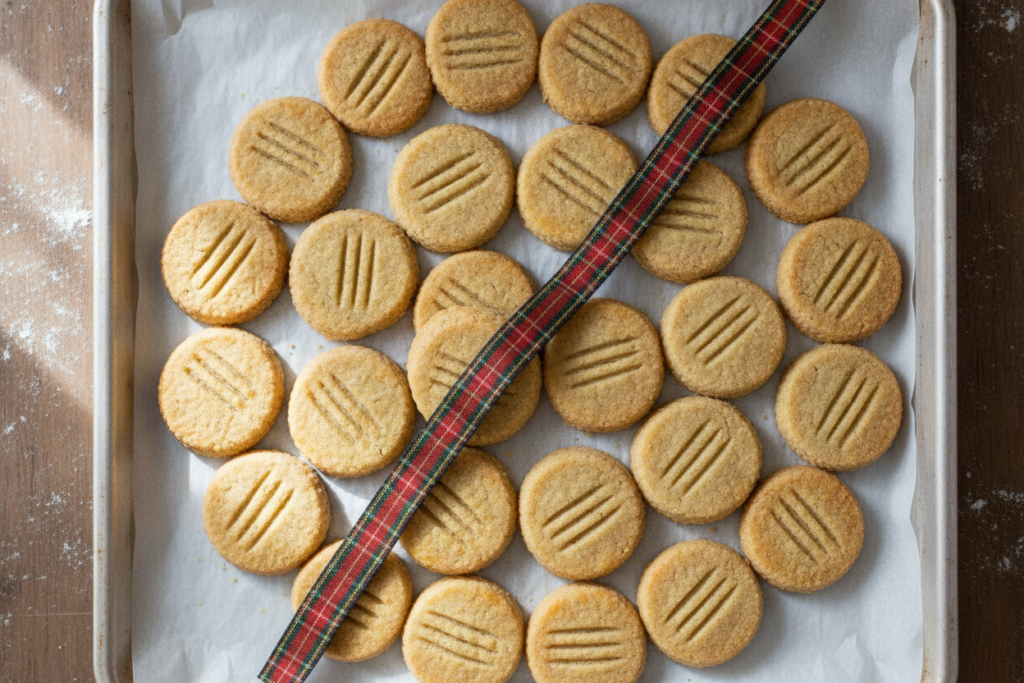
Vegan shortbread proves that simple ingredients create extraordinary results. These cookies contain just four components. They’re buttery, crumbly, and melt in your mouth.
Traditional shortbread relies heavily on butter flavor. Quality vegan butter makes all the difference here. Choose a brand specifically designed for baking rather than spreading.
Classic Shortbread Technique
The secret to perfect shortbread is avoiding overworking the dough. Mix just until ingredients combine. Excessive mixing develops gluten and makes cookies tough rather than tender.
Use one cup vegan butter, half cup powdered vegan sugar, two cups flour, and quarter teaspoon salt. Cream butter and sugar briefly. Add flour and salt, mixing until dough comes together.
Press dough into an ungreased pan or roll to half-inch thickness. Cut into rectangles or use cookie cutters. Prick each cookie several times with a fork.
Bake at 325°F for eighteen to twenty minutes. Shortbread should be pale golden, not brown. The low temperature prevents over-browning while allowing proper baking.
Let shortbread cool completely in the pan. These cookies are very fragile when warm. They firm up significantly as they cool to room temperature.
Vegan Snickerdoodle Cookies Recipe
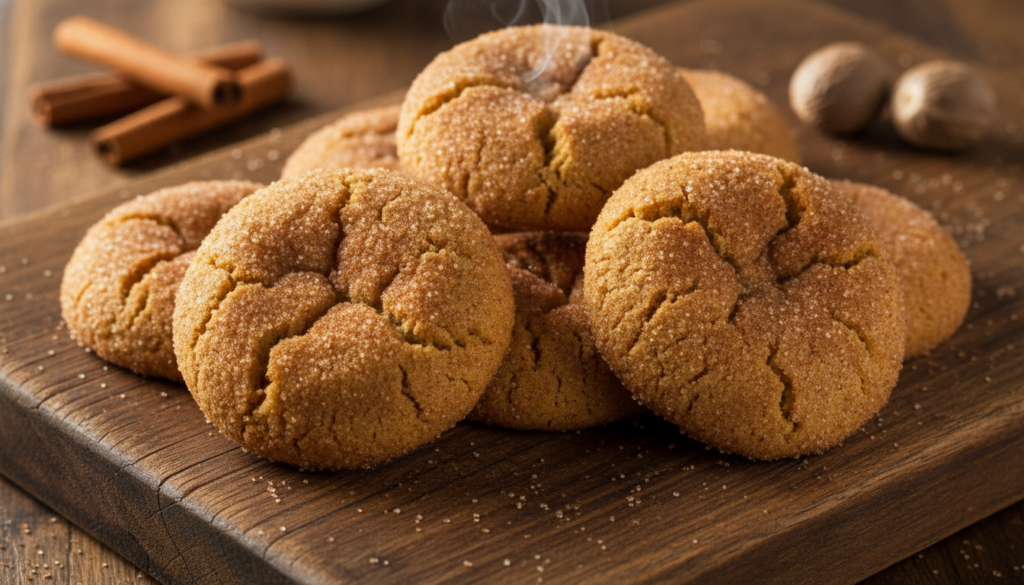
Vegan snickerdoodles are incredibly popular during the holiday season. The cinnamon-sugar coating creates a crispy exterior. The inside stays soft and chewy for days.
These cookies get their distinctive tang from cream of tartar. This ingredient also helps create the characteristic crackled surface. Don’t skip it or substitute baking powder.
Making the Cinnamon-Sugar Coating
Mix quarter cup vegan sugar with one tablespoon cinnamon in a shallow bowl. This coating gives snickerdoodles their signature appearance and flavor. Make extra if you’re doubling the recipe.
Roll each ball of dough thoroughly in the cinnamon sugar. Don’t just sprinkle it on top. Complete coverage ensures every bite has that perfect spiced flavor.
Achieving Soft Centers
The trick to soft vegan snickerdoodles is slightly underbaking them. Remove cookies from the oven when the edges are set but centers look slightly underdone.
They continue cooking on the hot baking sheet. This residual heat finishes the baking process while maintaining that soft interior texture everyone loves.
Space dough balls three inches apart on baking sheets. These cookies spread significantly during baking. Crowded cookies will run together into one giant cookie.
Classic Vegan Peanut Butter Cookies
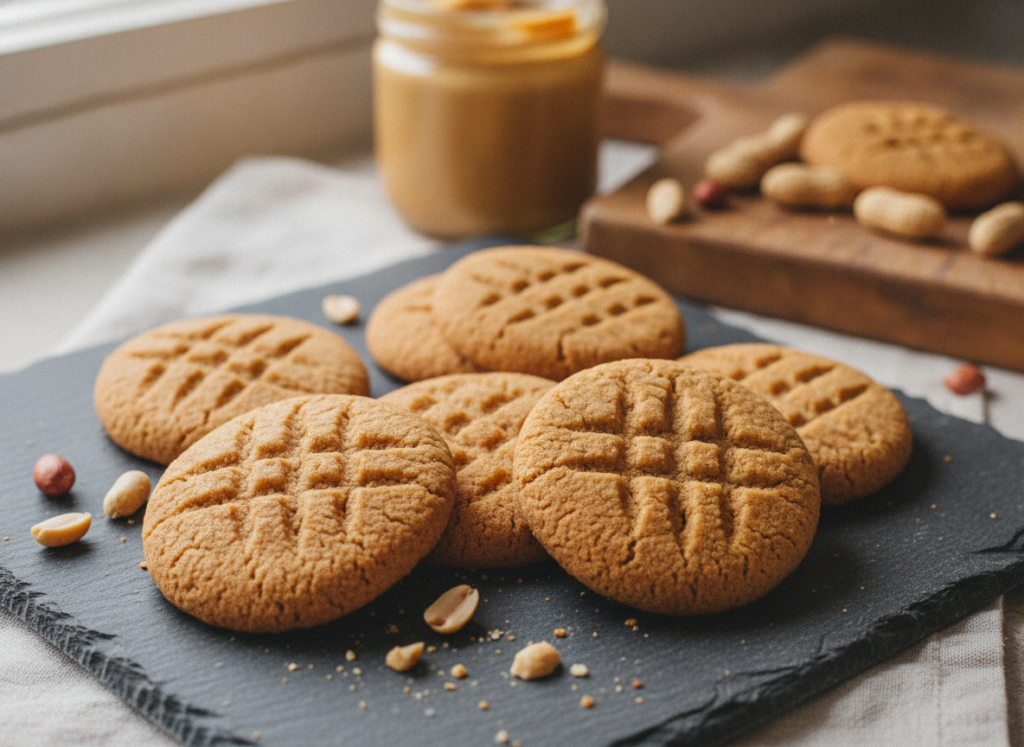
Vegan peanut butter cookies are naturally egg-free friendly. Peanut butter provides binding and moisture that eggs usually contribute. These cookies are incredibly easy to make.
Use natural peanut butter without added oils or sugar. The pure peanut flavor shines through better. Stir the peanut butter well before measuring to incorporate any separated oil.
Three-Ingredient Version
The simplest vegan peanut butter cookies require just three ingredients. Mix one cup peanut butter with one cup vegan sugar and one flax egg. That’s it.
The result is intensely peanutty cookies with crispy edges. They’re slightly crumbly but hold together well. This recipe makes perfect last-minute treats when time is short.
Enhanced Classic Recipe
For more traditional texture, add flour and leavening. Use one cup peanut butter, half cup each vegan butter and sugar, one flax egg, one cup flour, and one teaspoon baking soda.
These cookies have a more cake-like texture than the three-ingredient version. They’re sturdier and travel better. The flavor is still dominated by delicious peanut butter.
Press each dough ball with a fork in a crisscross pattern. This traditional decoration helps cookies bake evenly. It also signals “peanut butter cookie” to everyone who sees them.
Take Your Vegan Baking to the Next Level
Ready to become a vegan baking expert? Access professional techniques, troubleshooting guides, and advanced recipes that will impress even the most skeptical cookie critics. Join thousands of successful bakers who have transformed their holiday treats with proven methods and insider tips.
Chewy Vegan Oatmeal Raisin Cookies

Vegan oatmeal raisin cookies are wholesome holiday treats. The oats provide satisfying texture and staying power. These cookies are perfect for breakfast or afternoon snacks throughout the christmas season.
Use old-fashioned rolled oats rather than quick oats. They maintain better texture and don’t become mushy. Steel-cut oats are too chewy and won’t work in this recipe.
Plumping the Raisins
Soak raisins in hot water for ten minutes before adding to the dough. This prevents them from drawing moisture from the cookies. Plump raisins also taste better and are easier to chew.
Drain raisins thoroughly and pat them dry with paper towels. Excess water makes the dough too wet. You can soak them in orange juice instead of water for extra flavor.
Adding Mix-Ins
Customize these cookies with your favorite additions. Chopped walnuts add crunch and healthy fats. Vegan chocolate chips make them more dessert-like and popular with kids.
Dried cranberries replace raisins beautifully for festive color. The tartness balances the sweetness perfectly. You can also use chopped dates for natural sweetness and fiber.
Add half teaspoon cinnamon and quarter teaspoon nutmeg to the dough. These warm spices enhance the cookies’ holiday flavor. A pinch of cardamom adds sophisticated depth.
Elegant Vegan Linzer Cookies
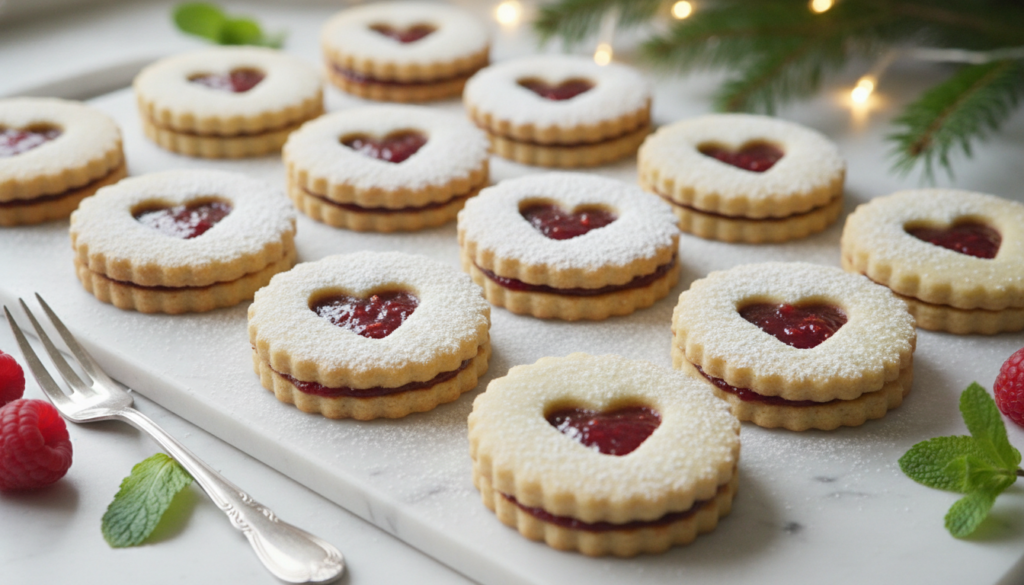
Vegan linzer cookies are sandwich cookies with jam centers. They look incredibly elegant on holiday cookie platters. The almond flavor pairs beautifully with fruit preserves.
Traditional linzer cookies contain ground almonds. This provides structure without eggs and adds wonderful nutty flavor. Pulse almonds in a food processor until finely ground but not paste-like.
Creating the Cutout Design
You need two cookie cutters in different sizes. The larger cutter shapes both bottom and top cookies. The smaller cutter removes the center from top cookies only.
Common designs include hearts, stars, or circles for the cutout. The jam shows through this window beautifully. Use contrasting jam colors for different visual effects.
Bake all cookies at once. The tops with cutouts and solid bottoms take the same baking time. Cool completely before assembling to prevent jam from melting.
Assembly Instructions
Spread jam on solid bottom cookies. Use about one teaspoon per cookie. Don’t overfill or jam will squish out the sides when you press the top cookie on.
Dust top cookies generously with powdered vegan sugar before assembling. This creates beautiful contrast with the jam showing through. The white powder also hides any imperfections.
Press top and bottom cookies together gently. The jam acts as glue. Let assembled cookies sit for several hours so the jam sets properly.
Vegan Coconut Macaroons
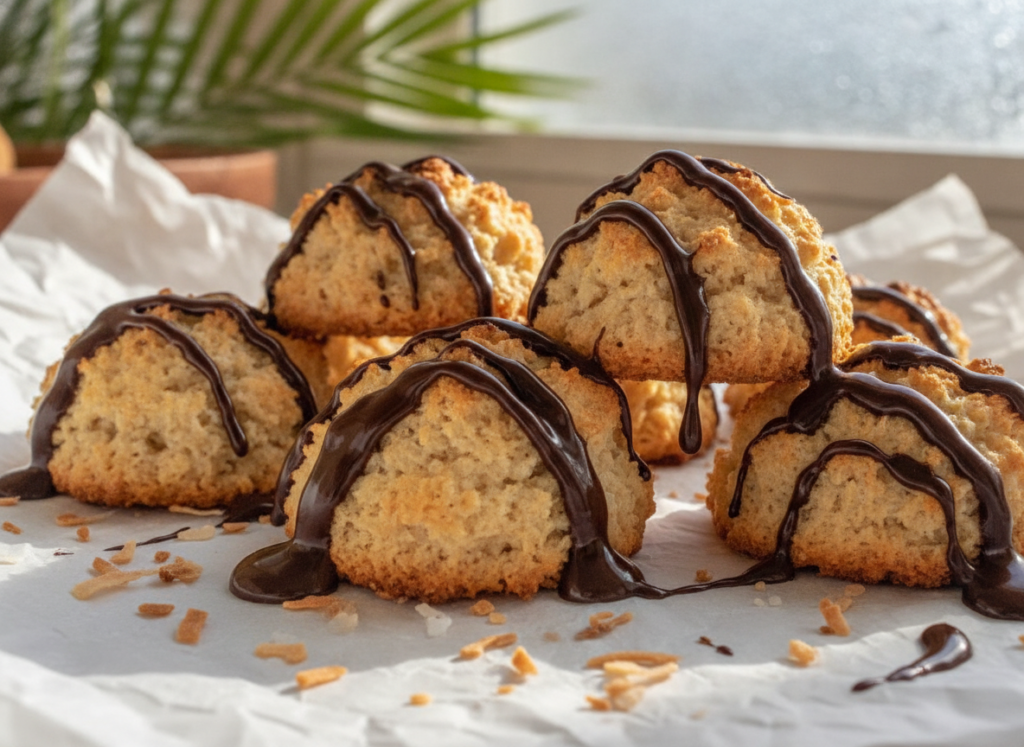
Vegan coconut macaroons are naturally gluten-free when made with certified ingredients. These chewy treats taste tropical yet perfectly fit holiday cookie platters. The recipe is remarkably simple.
Use unsweetened shredded coconut for best results. Sweetened coconut makes cookies overly sugary. You have better control over sweetness when starting with unsweetened flakes.
Binding Without Eggs
Aquafaba is the secret weapon in vegan coconut macaroons. This chickpea cooking liquid whips up like egg whites. Three tablespoons aquafaba equals one egg white in recipes.
Whip aquafaba until stiff peaks form. This takes about five minutes with an electric mixer. The volume should triple and look like glossy white meringue.
Fold coconut and sweetener gently into whipped aquafaba. Don’t stir vigorously or you’ll deflate the mixture. Gentle folding preserves the air bubbles that make macaroons light.
Shaping and Baking Tips
Use a cookie scoop for uniform macaroons. This ensures even baking and professional appearance. Wet your hands slightly when shaping to prevent sticking.
Bake at 325°F for twenty to twenty-five minutes. The macaroons should be golden brown on top and bottom. They firm up as they cool.
Dip cooled macaroons in melted vegan chocolate. Let excess chocolate drip off before placing on parchment. The chocolate hardens at room temperature in about thirty minutes.
For expanded collections of coconut and tropical-inspired vegan christmas treats, browse specialty recipe databases with international holiday cookies.
Crunchy Vegan Biscotti for Dunking
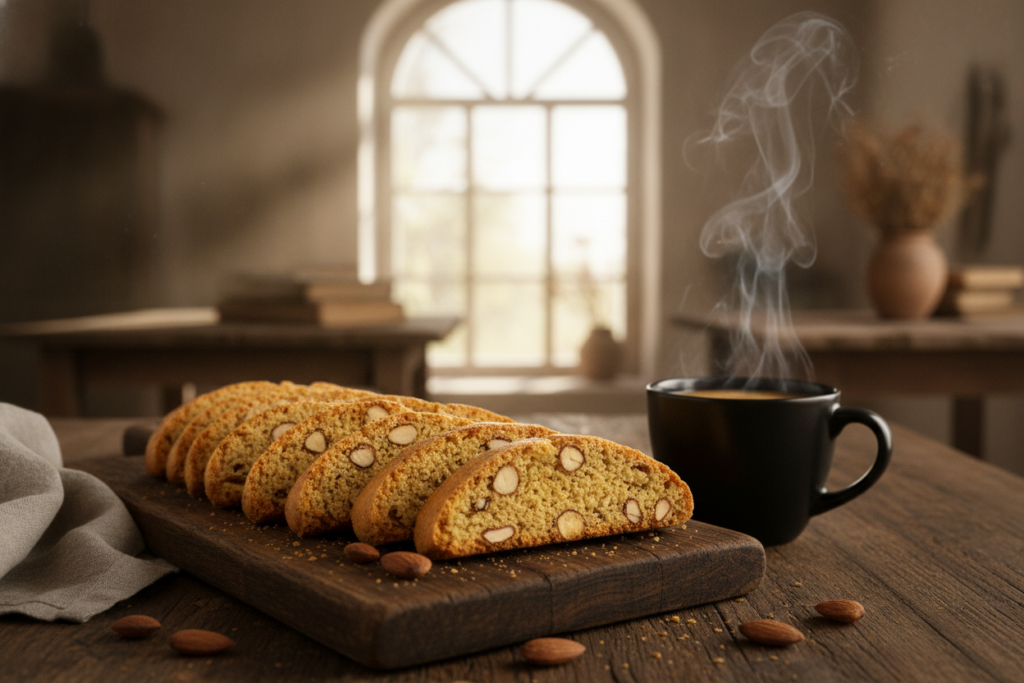
Vegan biscotti are twice-baked italian cookies. They’re incredibly crunchy and perfect for dunking in coffee or hot chocolate. These cookies stay fresh for weeks in airtight containers.
The double-baking process removes moisture and creates that characteristic crunch. Don’t rush this step. Proper baking ensures biscotti that won’t become soggy.
First Bake: Creating the Log
Shape dough into logs about twelve inches long and three inches wide. Place them on parchment-lined baking sheets with plenty of space between. They expand during baking.
Bake logs at 350°F for thirty minutes. They should be firm to the touch and lightly golden. Let them cool for fifteen minutes before slicing.
Use a serrated knife for clean cuts. Slice logs diagonally into half-inch thick pieces. Arrange slices cut-side down on baking sheets for the second bake.
Second Bake: Achieving Perfect Crunch
Bake sliced biscotti at 325°F for ten minutes per side. Flip them halfway through. They should be dry and crispy throughout.
Cool completely before storing. Biscotti continue to crisp up as they cool. Store in airtight containers at room temperature for up to three weeks.
Add chocolate chips, dried cranberries, or pistachios to the dough. These additions make biscotti more festive and colorful. Toast nuts before adding for enhanced flavor.
Simple Vegan Jam Sandwich Cookies
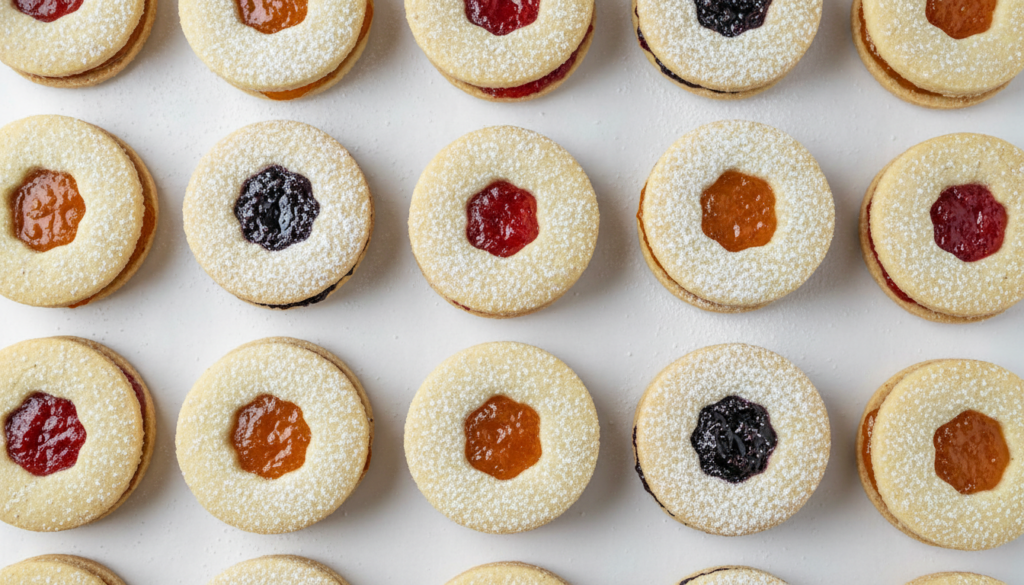
Vegan jam sandwich cookies combine two cookies with sweet filling. They’re reminiscent of popular store-bought cookies but taste infinitely better. Kids especially love these nostalgic treats.
Any basic vegan sugar cookie recipe works for the cookies. The key is rolling them thin so they’re crispy rather than cakey. Thin cookies provide better texture contrast with soft jam.
Choosing the Right Jam
Seedless jam works best for sandwich cookies. Seeds can make eating messy and awkward. Smooth jam spreads more evenly across cookie surfaces.
Use jam with high fruit content and low water content. Watery jam soaks into cookies and makes them soggy. Check the ingredients label for fruit as the first component.
Popular flavors include raspberry, strawberry, and apricot. Mix different flavors on one platter for variety. Color-code cookie shapes to indicate different jam flavors.
Assembly and Storage
Spread jam only on one cookie. Place the second cookie on top and press gently. Too much pressure squishes jam out the sides messily.
Use about half teaspoon jam per sandwich cookie. This amount provides flavor without overwhelming the cookies. You can always add more if you prefer.
Store assembled cookies in single layers separated by parchment paper. Stacking them causes jam to stick cookies together. They stay fresh for five days at room temperature.
Festive Vegan Spritz Cookies
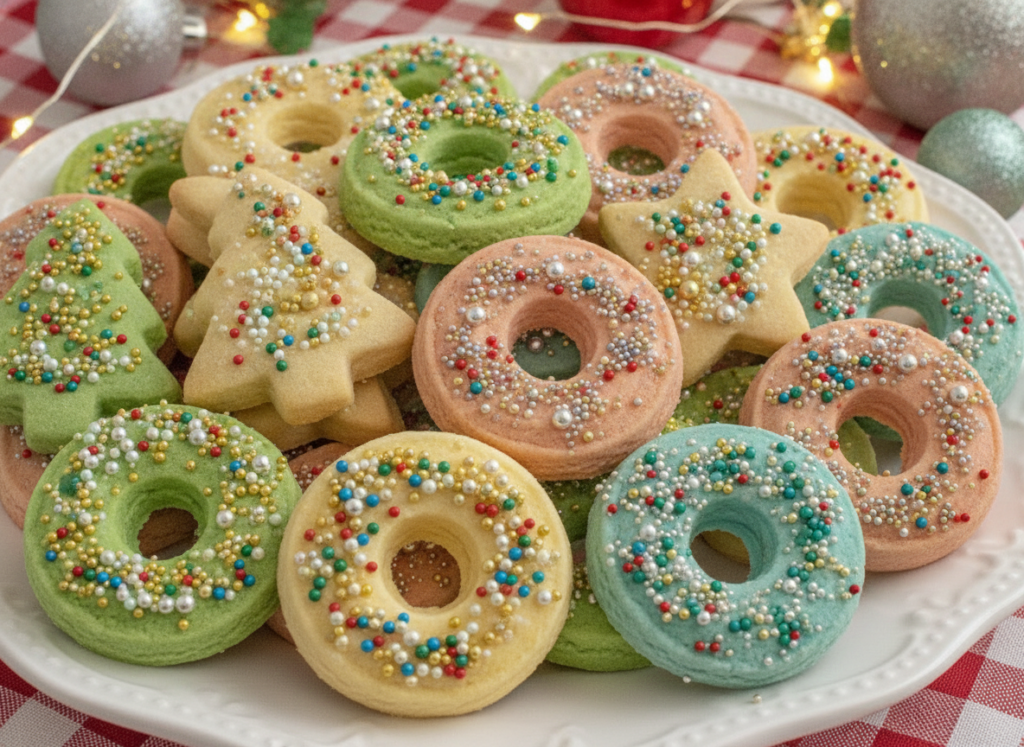
Vegan spritz cookies are pressed through a cookie press into decorative shapes. They’re buttery, delicate, and beautifully festive. These cookies are traditional scandinavian christmas treats.
A cookie press is essential equipment for authentic spritz cookies. The press creates uniform shapes that would be impossible to achieve by hand. Various disks make different designs.
Dough Consistency for Pressing
Spritz dough needs perfect consistency to press properly. Too soft and it won’t hold its shape. Too stiff and it won’t come out of the press smoothly.
The dough should be room temperature for pressing. Cold dough is too firm. If dough seems too soft, refrigerate for fifteen minutes then try again.
Add one tablespoon of flour at a time if dough is too soft. Mix thoroughly after each addition. Test the consistency by pressing one cookie before committing to the whole batch.
Decorating Spritz Cookies
Add colored sugar, sprinkles, or dragées immediately after pressing. Press decorations gently into the dough so they stick during baking.
For a simple elegant look, leave cookies plain and dust with powdered vegan sugar after baking. The intricate pressed designs show beautifully without additional decoration.
Bake spritz cookies at 375°F for eight to ten minutes. They should be set but not browned. These cookies are meant to stay pale for traditional appearance.
Decorating Vegan Christmas Cookies

Decorated vegan christmas cookies transform simple treats into edible art. The decorating process is creative and fun for the whole family. Even simple designs make cookies look professionally made.
Royal icing is the gold standard for cookie decorating. It dries hard and smooth, creating a perfect canvas for additional details. Vegan royal icing uses aquafaba instead of egg whites.
Making Vegan Royal Icing
Whip three tablespoons aquafaba until frothy. Gradually add two cups powdered vegan sugar and half teaspoon vanilla extract. Beat until stiff peaks form and icing is glossy.
The icing should hold its shape when piped but still be spreadable. Add more powdered sugar to thicken it. Add drops of plant milk to thin it out.
Divide icing into separate bowls for different colors. Use gel food coloring for vibrant hues. Liquid food coloring can make icing too thin.
Decorating Techniques
Outline cookies first with thick icing in a piping bag. Let outlines dry for fifteen minutes. This creates borders that prevent flooding icing from running off edges.
Thin some icing with water for flooding. It should be the consistency of thick syrup. Pour or pipe this inside the outlined areas, spreading with a toothpick.
Let flooded cookies dry completely before adding details. This takes at least four hours at room temperature. Rushing this step causes colors to bleed together.
Add final details with thick icing in contrasting colors. Use piping tips for different effects. Tiny dots, lines, and swirls add professional polish.
Simple Decoration Ideas
Not every cookie needs elaborate icing. Simple treatments can be just as beautiful and take far less time to complete.
Dip cookies halfway in melted vegan chocolate. Let excess drip off before placing on parchment. Sprinkle with crushed nuts or coconut while chocolate is wet.
Dust cookies with powdered vegan sugar through a fine-mesh sieve. Use stencils to create patterns. This works especially well on chocolate cookies for contrast.
Press whole or sliced almonds into cookie dough before baking. Add a candied cherry or dried cranberry to the center. These decorations bake right into the cookies.
Storing and Gifting Vegan Christmas Cookies

Proper storage keeps vegan christmas cookies fresh for weeks. Most cookies freeze beautifully for make-ahead convenience. Smart storage prevents cookies from becoming stale or soggy.
Completely cool all cookies before storing. Warm cookies create condensation in containers. This moisture makes cookies soggy and reduces shelf life dramatically.
Short-Term Storage Methods
Store cookies in airtight containers at room temperature for up to one week. Separate different types of cookies to prevent flavor transfer. Soft cookies can make crispy cookies lose their crunch.
Place parchment paper between cookie layers in containers. This prevents sticking and makes removing individual cookies easier. It also protects decorated surfaces.
Add a piece of bread to containers with soft cookies. The bread maintains moisture levels. Replace the bread every few days as it dries out.
Keep crispy cookies like biscotti and gingerbread away from soft cookies. Store them in separate containers with tight-fitting lids. Humidity is the enemy of crunchy cookies.
Freezing Cookie Dough
Most cookie doughs freeze exceptionally well. Shape dough into balls or logs before freezing. This allows you to bake cookies fresh anytime with minimal effort.
Flash-freeze shaped dough on baking sheets for one hour. Transfer frozen dough to freezer bags. Label bags with cookie type and baking instructions.
Frozen cookie dough keeps for three months. Bake cookies directly from frozen, adding one or two extra minutes to baking time. No thawing required for most recipes.
Creating Beautiful Cookie Gifts
Homemade vegan christmas cookies make thoughtful gifts. Present them attractively in cellophane bags tied with ribbon. Include a tag listing ingredients for guests with allergies.
Layer different cookie varieties in clear containers. The color and shape variety looks impressive. Include a favorite recipe card as a personal touch.
Pack cookies carefully for shipping. Use sturdy boxes and plenty of cushioning material. Place a sheet of bubble wrap between cookie layers for extra protection.
Arrange cookies on decorative platters covered with plastic wrap. Add a festive bow on top. This presentation works perfectly for parties and potlucks.
For comprehensive guides on food preservation and holiday meal planning, explore resources that cover everything from storage to presentation.
Troubleshooting Common Vegan Cookie Problems
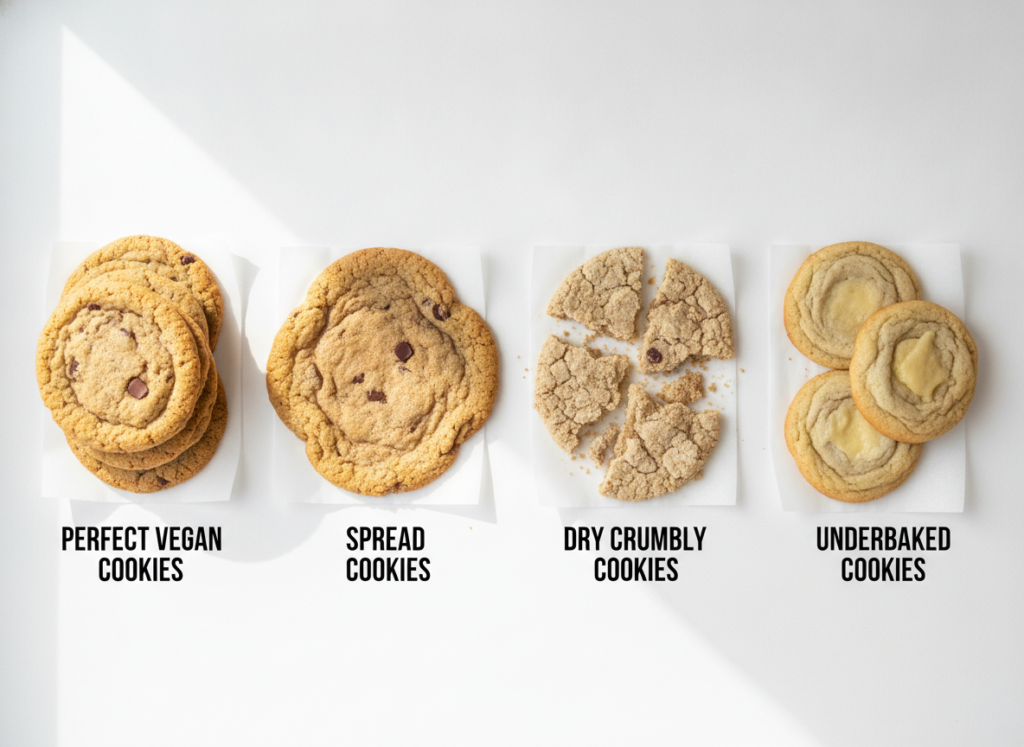
Even experienced bakers encounter cookie problems occasionally. Understanding what went wrong helps you fix issues and improve future batches. Most problems have simple solutions.
Cookies Spreading Too Much
Excessive spreading creates thin, crispy cookies instead of thick, chewy ones. This usually indicates dough that’s too warm or too soft.
Chill dough thoroughly before baking. At least thirty minutes in the refrigerator makes a noticeable difference. Cold dough spreads less during baking.
Your vegan butter might be too soft. Butter should be softened but still hold its shape. If you can’t make an indentation with your finger, it’s too cold. If it’s shiny and melting, it’s too warm.
Add two to four tablespoons more flour to the dough. This absorbs excess moisture and provides more structure. Mix well and test-bake one cookie before committing.
Dry, Crumbly Cookies
Cookies that fall apart or taste dry need more moisture or fat. Several factors can cause this frustrating problem.
You may have added too much flour. Measure flour by spooning it into measuring cups and leveling off. Don’t scoop directly from the bag, which compresses flour.
Add one tablespoon of plant milk at a time to dry dough. Mix thoroughly after each addition. The dough should hold together when squeezed but not be sticky.
Overbaking is another common cause of dry cookies. Remove cookies when edges are set but centers look slightly underdone. They continue baking on hot pans after removal from oven.
Cookies Not Browning
Pale cookies often indicate oven temperature issues. Use an oven thermometer to verify your oven’s accuracy. Many ovens run twenty-five degrees cooler than the setting indicates.
Switch to a darker baking sheet. Light-colored pans reflect heat and result in paler cookies. Dark pans absorb heat and promote better browning.
Increase oven temperature by twenty-five degrees. Check cookies frequently to prevent burning. Every oven behaves differently and may need temperature adjustments.
Flat, Dense Cookies
Old baking soda or baking powder loses effectiveness over time. These leavening agents should be replaced every six months for best results.
Test baking soda by adding half teaspoon to two tablespoons vinegar. It should bubble vigorously. Test baking powder by adding half teaspoon to three tablespoons hot water.
Don’t overmix cookie dough once flour is added. Excessive mixing develops gluten, which makes cookies tough and dense. Mix just until flour disappears into the dough.
Making Healthier Vegan Christmas Cookies
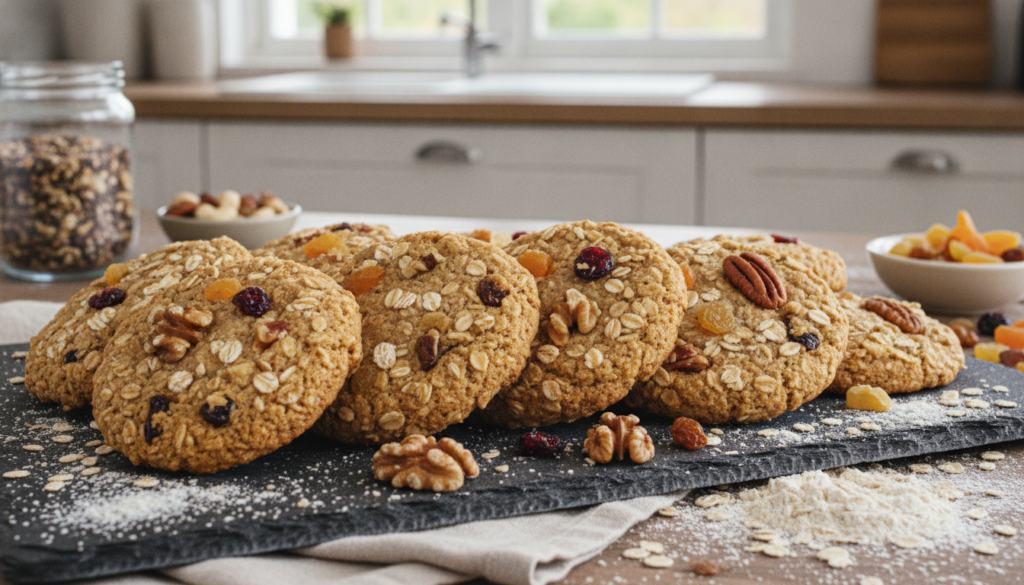
Holiday treats don’t have to derail healthy eating goals. Simple substitutions create vegan christmas cookies with better nutritional profiles. These modifications maintain delicious flavor and satisfying texture.
Reducing Sugar Content
Cut sugar by one-quarter to one-third in most cookie recipes. The cookies will be slightly less sweet but still perfectly enjoyable. You probably won’t notice a significant difference.
Replace half the sugar with mashed banana or unsweetened applesauce. This adds moisture and natural sweetness. Reduce other liquids slightly to compensate for the added moisture.
Use coconut sugar or date sugar instead of white vegan sugar. These alternatives have lower glycemic impact. They also add subtle caramel flavor depth.
Incorporating Whole Grains
Replace half the all-purpose flour with whole wheat pastry flour. This adds fiber and nutrients without making cookies heavy. Regular whole wheat flour is too dense for cookies.
Add rolled oats to any cookie recipe for extra fiber. Replace up to one cup of flour with oats. Pulse oats in a food processor for finer texture if desired.
Experiment with almond flour or oat flour for gluten-free options. These flours create tender cookies with unique flavors. They often require adjustments to liquid amounts.
Boosting Nutritional Value
Add ground flaxseed or chia seeds to cookie dough. Two tablespoons per batch adds omega-3 fatty acids and fiber. These seeds also help bind ingredients together.
Incorporate finely chopped nuts into any recipe. Walnuts, almonds, and pecans add healthy fats and protein. They also create interesting texture contrast.
Use dark vegan chocolate chips instead of regular ones. Dark chocolate contains more antioxidants and less sugar. Choose options with seventy percent cacao or higher.
Add dried fruit like cranberries or chopped dates. These provide natural sweetness and additional fiber. They’re more nutritious than candy or frosting decorations.
Everything You Need for Perfect Vegan Holiday Baking
Stop struggling with trial and error. Get instant access to comprehensive vegan baking resources that cover every technique, ingredient substitution, and troubleshooting solution. Whether you’re a complete beginner or experienced baker, these proven guides will transform your holiday cookies into show-stopping masterpieces that everyone will love.
Your Vegan Christmas Cookie Journey Begins

Creating delicious vegan christmas cookies is easier than you might have imagined. These recipes prove that plant-based baking produces results just as good as traditional methods. Your holiday cookie platter will impress everyone.
Start with simple recipes like vegan sugar cookies or chocolate chip cookies. Build confidence before attempting more complex decorated cookies. Every baker was a beginner once.
Don’t be afraid to experiment with flavors and decorations. Vegan baking is forgiving and adaptable. The most important ingredient is enthusiasm for creating something special.
Share these vegan christmas cookies generously with friends and family. Homemade cookies spread joy and create lasting holiday memories. The time spent baking cookies is never wasted.
Remember that practice makes perfect. Each batch of cookies teaches you something new. Keep notes about what works well for your specific oven and climate.
Make cookie baking a holiday tradition. Involve children in decorating and gifting cookies. These activities create cherished memories that last far beyond the holiday season.
Your kitchen will fill with wonderful aromas, your cookie jars will overflow with treats, and your heart will be full of holiday spirit. That’s the magic of vegan christmas cookie baking.