Vegan Protein Guide: Best Sources & Benefits 2027
Vegan Protein Guide: Best Sources & Benefits 2027
This Website contains affiliate links. That means I may earn a small commission if you purchase through my links, at no extra cost to you.

Making the switch to a plant-based diet often brings one major question to mind. Can you really get enough protein without eating animal products? The short answer is yes. Plant-based protein sources are abundant, nutritious, and powerful enough to fuel your body for any lifestyle.
Whether you’re an athlete looking to build muscle or someone simply wanting to improve your health, understanding vegan protein is essential. This comprehensive guide will show you exactly how to meet your protein needs on a plant-based diet.
You’ll discover the best protein sources, learn about their health benefits, and get practical tips for incorporating more plant protein into your daily meals. Let’s explore how vegan protein can transform your nutrition and overall wellness.
Common Myths About Vegan Protein Debunked

Misconceptions about plant-based protein have persisted for decades. Many people still believe you can’t build muscle or maintain health without animal products. These myths prevent countless individuals from exploring the benefits of a vegan diet.
Myth 1: Plant Proteins Are Incomplete
One of the most common concerns is that plant proteins lack essential amino acids. While individual plant foods may be lower in certain amino acids, eating a variety of plant protein sources throughout the day provides all the amino acids your body needs.
Your body pools amino acids from different foods. You don’t need to combine specific proteins at every meal. Foods like quinoa, soy, and hemp are actually complete protein sources on their own.

Myth 2: You Can’t Build Muscle on Plants
Numerous vegan athletes and bodybuilders prove this myth wrong every day. Plant-based protein supports muscle growth just as effectively as animal protein when you consume adequate amounts. Research shows that protein from plants can increase muscle mass and strength when combined with resistance training.
The key is eating enough protein per day and including resistance exercise in your routine. Plant protein powders and whole food sources provide all the amino acids needed for muscle recovery and growth.
Myth 3: Vegan Diets Are Always Protein Deficient
Protein deficiency is rare in developed countries, regardless of diet type. Most vegans easily meet their daily protein requirements by including legumes, grains, nuts, and seeds in their meals. Many plant foods are surprisingly high in protein per serving.

Ready to Master Vegan Nutrition?
Discover the complete system for getting optimal protein on a plant-based diet. Learn which sources provide the most nutrition, how to combine foods for maximum benefits, and proven meal plans that support your health goals.
Powerful Benefits of Vegan Protein for Health and Fitness

Choosing plant-based protein sources offers remarkable advantages beyond just meeting your daily protein requirements. These benefits extend to your heart, digestion, weight management, and overall wellness. Understanding these advantages can help you make informed decisions about your nutrition.
Heart Health and Reduced Disease Risk
Plant protein sources contain zero cholesterol and are typically low in saturated fat. This nutritional profile supports cardiovascular health by helping maintain healthy cholesterol levels. Research consistently shows that people who consume more plant protein have lower risks of heart disease.
Legumes, nuts, and seeds also provide fiber, which further protects heart health. The combination of quality protein and heart-healthy nutrients makes plant sources superior for long-term cardiovascular wellness.

Better Digestion and Gut Health
The fiber content in plant-based protein sources promotes healthy digestion and supports beneficial gut bacteria. Foods like beans, lentils, and whole grains provide both protein and the fiber your digestive system needs to function optimally.
This combination helps regulate bowel movements, reduces inflammation, and may lower the risk of digestive disorders. Animal products contain no fiber, making plant sources the clear winner for digestive health.
Weight Management and Satiety
Plant proteins often come packaged with fiber and complex carbohydrates that promote fullness. This satiety factor helps control appetite and supports healthy weight loss or maintenance. Studies show that people eating more plant protein tend to have lower body weights.

The high fiber content slows digestion, providing steady energy throughout the day. This prevents the energy crashes and cravings often associated with low-fiber diets. Plant protein keeps you satisfied longer with fewer calories.
Enhanced Athletic Performance and Recovery
Vegan protein supports athletic performance through its anti-inflammatory properties and nutrient density. Plant sources provide protein alongside vitamins, minerals, and antioxidants that aid recovery. Many elite athletes have switched to plant-based diets and report improved performance.
The alkalizing nature of plant foods may also help reduce exercise-induced inflammation. This can speed recovery time between workouts and reduce muscle soreness.

Environmental and Ethical Advantages
Beyond personal health, choosing plant protein reduces your environmental footprint significantly. Plant-based protein production requires less water, land, and energy compared to animal protein. This choice aligns with sustainable living principles.
For many people, the ethical consideration of animal welfare adds another layer of benefit. Plant protein allows you to nourish your body while supporting your values and protecting the planet.
Transform Your Health with Plant-Based Nutrition
Experience the life-changing benefits of optimal vegan protein intake. Get access to expert-designed meal plans, recipes, and strategies that make plant-based eating simple and delicious while maximizing your health and fitness results.
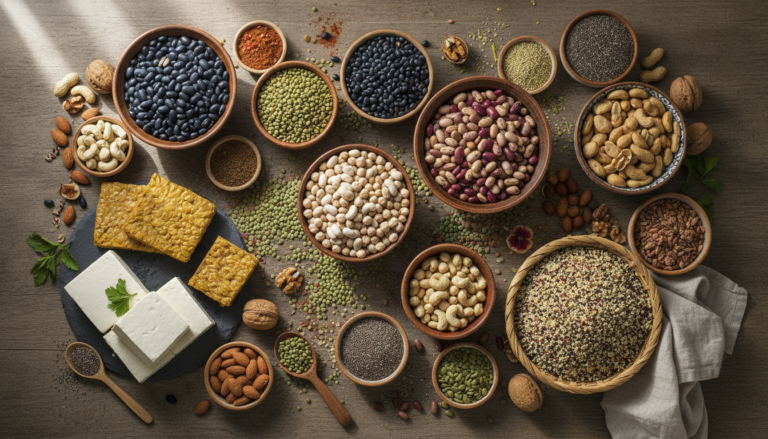
Top High-Quality Plant-Based Protein Sources

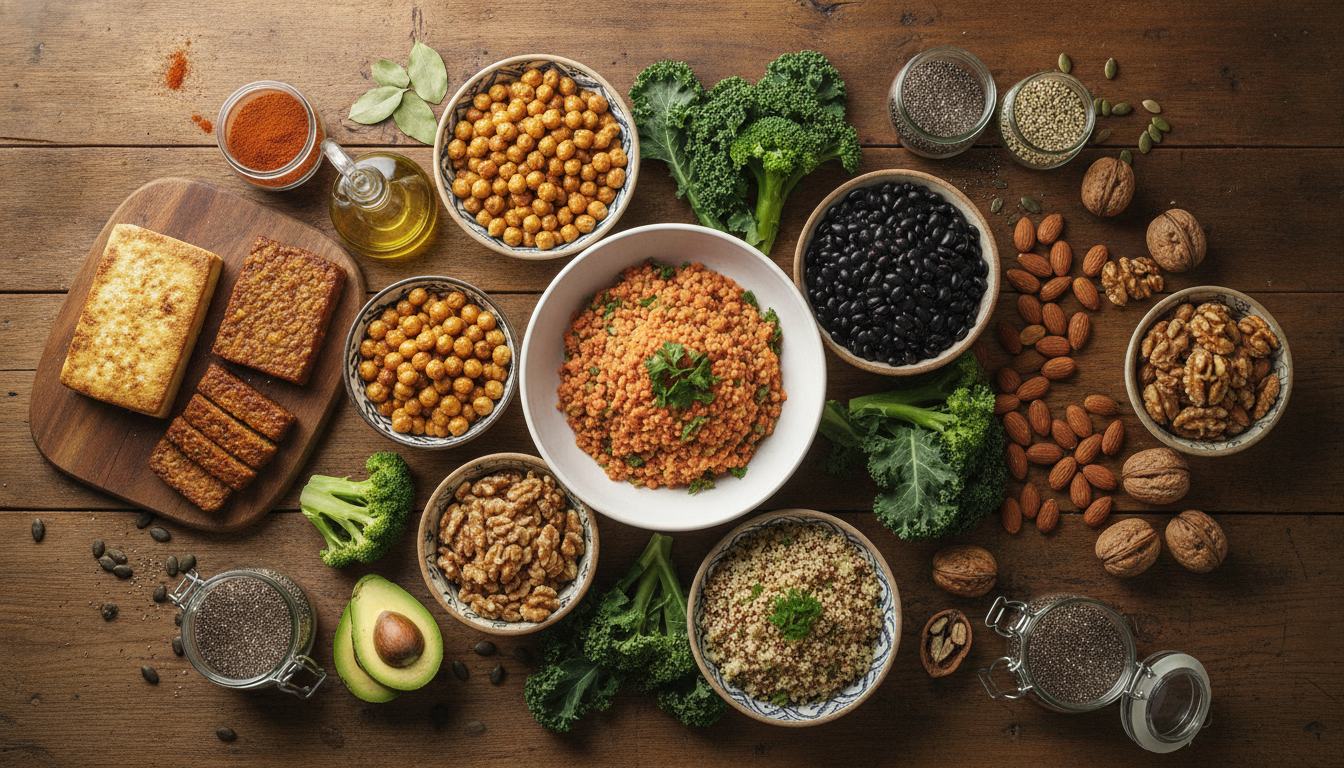
Understanding which plant foods provide the most protein helps you build satisfying, nutritious meals. The variety of vegan protein sources ensures you’ll never get bored while meeting your daily requirements. Each category offers unique nutritional benefits beyond just protein content.
Legumes: The Protein Powerhouses
Legumes rank among the best sources of plant-based protein available. These versatile foods include beans, lentils, peas, and peanuts. They provide substantial protein per serving along with fiber, iron, and other essential nutrients.
Lentils

Lentils pack about 18 grams of protein per cooked cup. They cook quickly and work perfectly in soups, salads, and curries. Red, green, and black varieties offer different flavors and textures.
These legumes also provide folate, iron, and magnesium. Their versatility makes them a staple in many vegan kitchens worldwide.
Chickpeas

Chickpeas deliver 15 grams of protein per cooked cup. Use them in hummus, roast them for snacks, or add them to salads and grain bowls. Their mild flavor adapts to countless recipes.
Rich in zinc and B vitamins, chickpeas support immune function and energy production. They’re equally delicious in sweet or savory dishes.
Black Beans

Black beans contain 15 grams of protein per cup and are loaded with antioxidants. They’re perfect for Mexican-inspired dishes, burgers, and grain bowls. Their creamy texture adds substance to any meal.
The anthocyanins in black beans provide powerful anti-inflammatory benefits. They also support digestive health with their high fiber content.
Green Peas

Green peas offer 8 grams of protein per cup. Both fresh and split peas work beautifully in soups, curries, and side dishes. Their sweet flavor appeals to all ages.
Peas provide vitamin K for bone health and vitamin C for immune support. They’re an affordable protein source available year-round.
Soy Products: Complete Protein Champions
Soy stands out as one of the few plant foods containing all essential amino acids in optimal ratios. This makes soy products complete protein sources comparable to animal products. The variety of soy-based foods offers options for every taste preference.

Tofu
Tofu provides 10-20 grams of protein per half-cup depending on firmness. It absorbs flavors beautifully and works in everything from scrambles to desserts. Pressing and marinating tofu enhances its texture and taste.
Calcium-set tofu adds bone-supporting minerals to your diet. Its neutral taste makes it incredibly versatile in both sweet and savory applications.
Tempeh
Tempeh delivers 20 grams of protein per half-cup. This fermented soy product has a nutty flavor and firm texture. The fermentation process increases nutrient availability and adds beneficial probiotics.
Tempeh works excellently in stir-fries, sandwiches, and grain bowls. Its hearty texture satisfies those craving meat-like consistency.
Edamame
Edamame contains 17 grams of protein per cup. These young soybeans make perfect snacks or salad additions. Simply steam and sprinkle with sea salt for a satisfying treat.
Rich in folate and vitamin K, edamame supports cellular health. They’re convenient, delicious, and kid-friendly.
Soy Milk
Fortified soy milk provides 7-9 grams of protein per cup. Choose unsweetened varieties for the healthiest option. It works perfectly in smoothies, coffee, and baking recipes.
Many brands add calcium and vitamin D for bone health. Soy milk remains the highest-protein plant milk available.
Nuts and Seeds: Nutrient-Dense Protein
Nuts and seeds combine protein with healthy fats and minerals. While higher in calories, their nutrition density makes them valuable protein sources. A small serving delivers substantial nutrients alongside quality plant protein.

Hemp Seeds

Hemp seeds contain 10 grams of protein per 3 tablespoons. They’re a complete protein source with all essential amino acids. Sprinkle them on salads, blend into smoothies, or add to baked goods.
These seeds provide omega-3 fatty acids and magnesium. Their mild, nutty flavor complements most dishes without overpowering other ingredients.
Chia Seeds

Chia seeds deliver 5 grams of protein per 2 tablespoons. They absorb liquid and create a gel-like consistency perfect for puddings. Add them to overnight oats or smoothies for extra nutrition.
Packed with fiber and omega-3s, chia seeds support digestive and heart health. They expand in your stomach, promoting fullness and satisfaction.
Almonds
Almonds provide 6 grams of protein per ounce. Enjoy them as snacks, in almond butter, or as milk. Their satisfying crunch and mild sweetness make them universally loved.
Rich in vitamin E and magnesium, almonds support skin health and muscle function. They’re perfect for on-the-go protein needs.
Pumpkin Seeds
Pumpkin seeds contain 9 grams of protein per ounce. They add delightful crunch to salads and roasted vegetable dishes. Their zinc content supports immune health and wound healing.
These seeds also provide iron and magnesium. Roast them with spices for a savory snack that satisfies cravings.
Whole Grains: Unexpected Protein Sources
Many people overlook grains as protein sources, but several varieties contribute significantly to daily protein intake. Whole grains provide protein alongside complex carbohydrates and essential minerals. They form the foundation of satisfying, energy-sustaining meals.

Quinoa

Quinoa offers 8 grams of protein per cooked cup. As a complete protein, it contains all essential amino acids. Its fluffy texture and nutty taste work in both savory and sweet dishes.
Quinoa cooks in just 15 minutes, making it convenient for quick meals. It provides iron, magnesium, and B vitamins for sustained energy.
Oats

Oats contain 6 grams of protein per half-cup dry. They’re incredibly versatile for breakfast bowls, baking, and even savory applications. Steel-cut and rolled oats offer slightly different textures.
The beta-glucan fiber in oats supports heart health and stable blood sugar. Add protein powder or nut butter to boost the protein content further.
Brown Rice
Brown rice provides 5 grams of protein per cooked cup. Combined with legumes, it creates a complete protein profile. Its mild flavor pairs perfectly with countless dishes from various cuisines.
The magnesium in brown rice supports muscle and nerve function. Choose brown rice over white for additional fiber and nutrients.
Amaranth
Amaranth delivers 9 grams of protein per cooked cup. This ancient grain contains all essential amino acids. Its slightly peppery taste adds interest to porridge and grain bowls.
Amaranth provides calcium and iron in addition to quality protein. Cook it as porridge or pop it like popcorn for a crunchy snack.
Unlock the Full Potential of Plant-Based Eating
Stop guessing and start thriving with a proven system for vegan protein success. Get detailed food lists, portion guides, meal prep strategies, and delicious recipes that make hitting your protein goals effortless every single day.
Plant-Based Protein Supplements and Products

While whole food sources should form the foundation of your diet, protein supplements offer convenience for busy lifestyles. Plant-based protein powders help athletes and active individuals meet higher protein requirements. These products have improved dramatically in taste and texture over recent years.
Types of Vegan Protein Powders
Several plant-based protein powders dominate the market, each with unique characteristics. Pea protein offers excellent amino acid profiles and digestibility. Rice protein provides hypoallergenic options for those with sensitivities.

Hemp protein contains omega fatty acids alongside protein. Soy protein remains a complete protein with all essential amino acids. Many brands now blend multiple plant proteins to create optimal amino acid profiles.
Choosing Quality Protein Products
Read labels carefully when selecting protein supplements. Look for products with minimal additives and no artificial sweeteners. Third-party testing ensures quality and accurate nutrition information.

Consider your taste preferences and any dietary restrictions. Some powders work better in smoothies while others mix well in baking. Experiment with different brands to find your favorites.
Check protein content per serving and compare prices across brands. Higher protein per scoop generally offers better value. Research the brand’s reputation and customer reviews before purchasing.
Incorporating Supplements Strategically
Use protein powder to supplement, not replace, whole food sources. Add it to smoothies, oatmeal, or baked goods for extra protein. Post-workout shakes support muscle recovery when whole food meals aren’t immediately available.

Time your protein intake around workouts for maximum benefit. Consuming 20-30 grams of protein within two hours post-exercise optimizes muscle protein synthesis. Protein shakes offer convenient solutions for this critical window.
Don’t rely solely on supplements for your daily protein needs. Whole foods provide additional nutrients, fiber, and satiety that powders cannot match. Use supplements as convenient tools within a varied, whole-food-based diet.
How Much Vegan Protein Do You Actually Need?

Understanding your individual protein requirements helps you plan meals effectively. Protein needs vary based on activity level, age, and health goals. Most adults need more protein than they realize to support optimal health.
General Protein Requirements
The recommended dietary allowance suggests 0.8 grams of protein per kilogram of body weight. For a 150-pound person, this equals about 55 grams daily. However, active individuals and athletes require significantly more for recovery and performance.
Research indicates that 1.2-2.0 grams per kilogram supports muscle maintenance and growth better. This higher intake proves especially important for those following plant-based diets. Spreading protein intake throughout the day optimizes absorption and utilization.

Protein Needs for Different Goals
Weight Loss
Higher protein intake supports weight loss by increasing satiety and preserving muscle mass. Aim for 1.6-2.0 grams per kilogram when in a calorie deficit. Protein helps prevent the metabolic slowdown often associated with dieting.
Distribute protein across meals to maintain fullness throughout the day. This strategy reduces cravings and supports adherence to your nutrition plan.
Muscle Building
Athletes building muscle should consume 1.6-2.2 grams per kilogram daily. Combine adequate protein with progressive resistance training for best results. The anabolic window post-workout represents a key opportunity for protein intake.
Consistency matters more than precise timing. Hitting your daily protein target proves more important than obsessing over exact meal timing.
Maintenance
Maintaining current weight and muscle mass requires 1.2-1.6 grams per kilogram. This range provides enough protein to support daily activities and recovery. Active individuals should aim toward the higher end of this range.
Regular assessment of your body composition helps determine if your protein intake adequately supports your goals.
Aging Adults
Older adults need more protein to combat age-related muscle loss. Research suggests 1.2-1.5 grams per kilogram for those over 65. Protein becomes increasingly important for maintaining independence and quality of life.
Spreading protein across meals helps older adults meet higher needs without overwhelming digestion at any single meal.
Calculating Your Personal Needs
Start by converting your weight to kilograms by dividing pounds by 2.2. Multiply your weight in kilograms by your chosen protein target per kilogram. This calculation gives you your daily protein goal in grams.

Track your intake for several days to understand your current consumption. Many people discover they’re eating less protein than they thought. Apps and food journals help you monitor and adjust your intake accurately.
Adjust based on how you feel and your progress toward goals. Energy levels, recovery time, and body composition changes provide valuable feedback. Your optimal protein intake is the amount that supports your health and performance while feeling sustainable long-term.
Practical Tips for Incorporating More Vegan Protein Daily

Knowing protein sources is just the beginning. Implementing practical strategies ensures you consistently meet your daily protein goals. These tips make adding plant protein to your diet simple and sustainable.
Start Your Day with Protein
Breakfast sets the tone for your entire day’s nutrition. Including 20-30 grams of protein at breakfast reduces cravings later and supports stable energy levels. Protein-rich breakfasts also help preserve muscle mass during weight loss.

Try tofu scrambles loaded with vegetables. Blend protein powder into overnight oats with nuts and seeds. Make hearty breakfast bowls with quinoa, beans, and avocado. These options provide substantial protein to start your day strong.
Build Meals Around Protein
Plan each meal starting with your protein source, then add complementary ingredients. This approach ensures adequate protein at every meal. Aim for 25-35 grams per main meal for optimal muscle protein synthesis.
Choose legumes, tofu, tempeh, or seitan as your meal centerpiece. Add whole grains and plenty of vegetables for a complete, balanced plate. This strategy naturally creates satisfying meals that support your protein goals.

Boost Protein in Familiar Dishes
Add protein to recipes you already love without changing them completely. Sprinkle hemp seeds on salads. Stir white beans into pasta sauce. Mix chia seeds into baked goods for extra nutrition.
Simple Protein Additions
- Add nutritional yeast to popcorn and pasta for cheesy flavor plus protein
- Mix silken tofu into smoothies for creaminess and extra protein
- Top soups with pumpkin seeds or hemp hearts
- Blend white beans into hummus or salad dressings
- Use protein powder in pancakes and muffins
- Add edamame to stir-fries and grain bowls
Protein-Packed Snacks
- Roasted chickpeas seasoned with your favorite spices
- Apple slices with almond or peanut butter
- Trail mix with nuts, seeds, and dried fruit
- Hummus with vegetable sticks or whole grain crackers
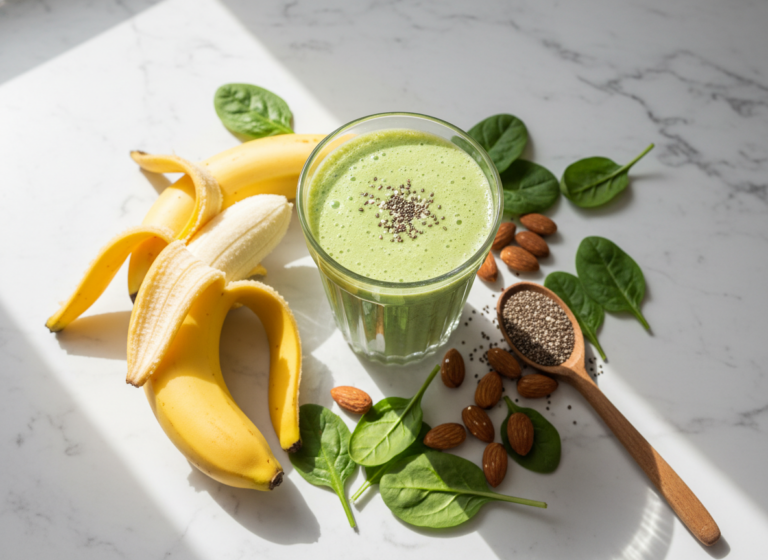
- Protein smoothies with frozen fruit and plant milk
- Energy balls made with dates, nuts, and protein powder
Prepare Protein Sources in Advance
Meal prep dramatically increases your success rate with plant-based protein goals. Cook large batches of beans, lentils, and grains on weekends. Store them in portioned containers for quick meal assembly throughout the week.

Press and marinate tofu ahead of time so it’s ready to cook. Make big batches of protein-rich sauces and dressings. Having these components ready transforms meal preparation from a chore into a simple assembly process.
Freeze individual portions of cooked beans and grains for even longer storage. This creates a personal frozen convenience food section that’s far healthier and more affordable than store-bought options.
Combine Complementary Proteins
While you don’t need to combine proteins at every meal, pairing foods throughout the day ensures complete amino acid intake. Classic combinations like rice and beans create complete proteins with all essential amino acids.

Other powerful combinations include hummus with whole wheat pita, peanut butter on whole grain bread, and lentil soup with barley. These pairings occur naturally in traditional cuisines around the world. Your body pools amino acids throughout the day, so variety matters more than specific meal combinations.
Stay Consistent with Tracking
Monitor your protein intake for at least a few weeks to establish awareness. Use nutrition tracking apps or simple food journals to record meals. This practice reveals patterns and helps identify gaps in your nutrition.

Once you develop intuition about protein content, you can track less frequently. Many people find that checking in periodically keeps them accountable without becoming obsessive. The goal is awareness and consistency, not perfection.
Master Plant-Based Nutrition with Expert Guidance
Stop struggling with meal planning and protein tracking. Get instant access to done-for-you meal plans, shopping lists, and prep guides that take the guesswork out of vegan nutrition. Make hitting your protein goals effortless every single day.
Delicious High-Protein Vegan Meal Ideas

Practical meal ideas make implementing your protein goals much easier. These suggestions provide substantial protein while tasting delicious. Each meal concept can be customized to your preferences while maintaining high protein content.
Breakfast Ideas
Protein-Packed Smoothie Bowl

Blend frozen berries with plant protein powder, banana, and plant milk. Top with granola, hemp seeds, and nut butter. This provides 30+ grams of protein to start your day.
The combination of protein, healthy fats, and carbohydrates provides sustained energy. Customize toppings based on your preferences and what’s in season.
Tofu Scramble Supreme

Crumble firm tofu and season with turmeric, nutritional yeast, and black salt. Add sautéed vegetables and serve with whole grain toast. This savory breakfast delivers 25+ grams of protein.
The turmeric gives it an egg-like color while providing anti-inflammatory benefits. Nutritional yeast adds a cheesy flavor plus B vitamins.
Overnight Protein Oats
Combine oats with chia seeds, protein powder, plant milk, and nut butter. Let sit overnight and top with fresh fruit in the morning. This easy option provides 25+ grams of protein.
Make several jars at once for grab-and-go breakfasts all week. The no-cook preparation saves time during busy mornings.
Quinoa Breakfast Bowl
Cook quinoa in plant milk and top with nuts, seeds, and fruit. Add a scoop of protein powder for an extra boost. This warm, comforting bowl offers 20+ grams of protein.
Savory versions work equally well with vegetables and avocado. Quinoa’s complete protein profile makes it an excellent breakfast grain.
Lunch Ideas

Buddha Bowl
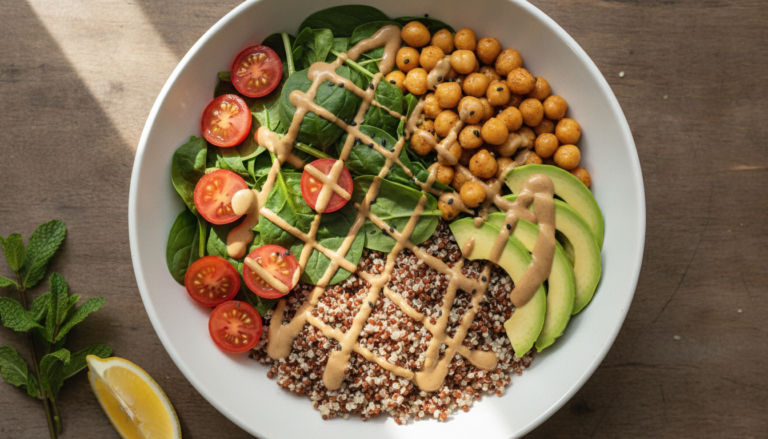
Layer quinoa, roasted chickpeas, steamed vegetables, and tahini dressing in a bowl. Add hemp seeds for extra protein. This balanced meal provides 30+ grams of protein.
Buddha bowls are endlessly customizable based on seasonal vegetables and your taste preferences. They’re also perfect for meal prep.
Lentil and Veggie Soup
Simmer lentils with vegetables, tomatoes, and spices for a hearty soup. Serve with whole grain bread for dipping. This comforting meal offers 20+ grams of protein per serving.
Make large batches and freeze portions for quick future meals. Lentils break down during cooking, creating a naturally thick, satisfying texture.
Dinner Ideas
Teriyaki Tempeh Stir-Fry

Marinate tempeh in teriyaki sauce, then stir-fry with vegetables and serve over brown rice. This delicious dinner provides 35+ grams of protein.
The fermentation process in tempeh makes it easier to digest while adding beneficial probiotics. Its firm texture holds up beautifully in stir-fries.
Black Bean and Sweet Potato Tacos

Fill tortillas with seasoned black beans, roasted sweet potatoes, avocado, and salsa. This crowd-pleasing meal offers 20+ grams of protein.
Sweet potatoes add fiber and vitamins while complementing the black beans’ protein. Top with nutritional yeast for extra protein and cheesy flavor.
Chickpea Curry
Simmer chickpeas in coconut milk with curry spices, tomatoes, and spinach. Serve over rice or with naan bread. This aromatic dish provides 25+ grams of protein.
Curry spices offer anti-inflammatory compounds and antioxidants. The coconut milk creates a creamy texture without dairy products.
Lentil Bolognese
Make a hearty pasta sauce with lentils, tomatoes, and Italian herbs. Serve over whole grain pasta with nutritional yeast. This comforting meal delivers 30+ grams of protein.
Lentils mimic the texture of ground meat while providing more fiber. This plant-based version is lighter yet equally satisfying as traditional Bolognese.
Vegan Protein for Athletes and Fitness Enthusiasts

Athletic performance demands optimal nutrition, and protein plays a crucial role in recovery and adaptation. Plant-based athletes can absolutely meet their elevated protein needs through strategic food choices. Many elite athletes have proven that vegan diets support peak performance.
Protein Timing for Athletes
While total daily protein intake matters most, timing can optimize results. Consuming protein within two hours post-workout supports muscle recovery. This window represents when your muscles are most receptive to nutrient uptake.

Pre-workout protein can also benefit performance by providing amino acids during training. A small protein-rich snack 30-60 minutes before exercise fuels your workout without causing digestive discomfort. Balance your pre-workout nutrition based on workout intensity and duration.
Building Muscle on Plants
Muscle growth requires adequate protein, progressive overload training, and sufficient calories. Vegan athletes should aim for 1.6-2.2 grams of protein per kilogram of body weight daily. Distribute this across 4-5 meals for optimal muscle protein synthesis.

Include complete protein sources like soy, quinoa, and hemp regularly. Combine incomplete proteins throughout the day to ensure adequate essential amino acid intake. Consistency with training and nutrition matters more than any single food choice.
Focus on progressive overload in your strength training. Gradually increase weight, reps, or sets over time to stimulate muscle growth. Adequate rest between training sessions allows recovery and adaptation to occur.
Endurance Sports and Protein
Endurance athletes benefit from protein for muscle repair and immune function support. While carbohydrates fuel endurance performance, protein prevents muscle breakdown during long training sessions. Aim for 1.2-1.6 grams per kilogram for endurance activities.

Include protein in post-run or post-ride recovery meals along with carbohydrates. This combination replenishes glycogen stores while supporting muscle repair. Chocolate soy milk makes an excellent recovery drink with an ideal carbohydrate-to-protein ratio.
Recovery and Inflammation
Plant-based diets offer natural anti-inflammatory benefits that may speed recovery. The antioxidants in plant foods help reduce exercise-induced oxidative stress. This advantage can help athletes train harder and recover faster between sessions.
Include plenty of colorful fruits and vegetables alongside your protein sources. These foods provide vitamins and minerals that support the recovery process. Adequate sleep remains essential regardless of diet quality.
Optimize Your Athletic Performance with Plant Power
Discover the exact nutrition strategies used by elite plant-based athletes. Get sport-specific meal plans, timing protocols, and recovery strategies that maximize your performance while supporting optimal health and longevity.
Vegan Protein for Weight Loss and Management

Protein plays a vital role in successful weight management. Higher protein intake increases satiety, preserves lean muscle mass during calorie restriction, and slightly boosts metabolism. Plant-based proteins offer these benefits while providing fiber for additional fullness.
How Protein Supports Weight Loss
Protein requires more energy to digest than carbohydrates or fats, creating a slight metabolic advantage. This thermic effect means you burn more calories processing protein. Additionally, protein triggers the release of satiety hormones that reduce appetite.

Maintaining muscle mass during weight loss proves crucial for long-term success. Muscle burns more calories at rest than fat tissue. Adequate protein intake combined with resistance training preserves this metabolically active tissue while you lose fat.
Optimal Protein Intake for Fat Loss
During weight loss, increase your protein intake to 1.6-2.0 grams per kilogram of body weight. This higher amount helps prevent muscle loss while in a calorie deficit. Many people find that eating more protein naturally reduces overall calorie intake by increasing fullness.

Distribute protein evenly across meals rather than loading up at dinner. Eating 25-30 grams per meal maximizes muscle protein synthesis. This distribution also helps maintain steady energy levels and reduces cravings throughout the day.
High-Protein, Lower-Calorie Food Choices
Some plant proteins provide excellent nutrition with fewer calories. Lentils, beans, and peas offer substantial protein with minimal fat. Tofu and tempeh provide complete proteins with reasonable calorie counts.
Focus on whole food sources rather than processed vegan products. Whole foods typically contain more fiber and nutrients per calorie. They also tend to be more filling than processed alternatives with similar calorie contents.
Best Low-Calorie Protein Sources
- Lentils and split peas for maximum protein with minimal calories
- Edamame as a perfect high-protein, low-calorie snack
- Plain tofu for versatile, lean protein options
- Tempeh for satisfying, protein-dense meals
- Black beans and kidney beans in soups and salads
- Protein powder in smoothies for concentrated nutrition
Foods to Moderate for Weight Loss
- Nuts and nut butters, while nutritious, are calorie-dense
- Avocado should be enjoyed in measured portions
- Coconut products contain healthy fats but many calories
- Dried fruit concentrates sugars and calories
- Vegan cheese alternatives often match regular cheese in calories
- Protein bars vary widely; read labels carefully
Combining Protein with Other Strategies
Weight loss requires a calorie deficit, which protein intake alone cannot create. Combine higher protein intake with overall calorie awareness. Track your food intake initially to understand portion sizes and calorie content.

Include plenty of non-starchy vegetables in your meals. These provide volume and nutrients with minimal calories. The fiber in vegetables and whole grains supports digestive health and satiety.
Stay consistent with your eating patterns rather than trying extreme approaches. Sustainable weight loss comes from habits you can maintain long-term. Focus on progress rather than perfection, and be patient with the process.
Addressing Common Vegan Protein Concerns and Questions

Many questions arise when transitioning to a plant-based diet or optimizing vegan protein intake. Addressing these concerns helps you make informed decisions about your nutrition. Understanding the science behind vegan protein builds confidence in your food choices.
Are Plant Proteins Difficult to Digest?
Concerns about digestibility of plant proteins have some basis in truth but are often overstated. While plant proteins may be slightly less digestible than animal proteins, this difference rarely affects meeting protein needs. Proper preparation methods significantly improve digestibility.

Soaking and cooking legumes thoroughly breaks down anti-nutrients that can interfere with protein absorption. Fermented soy products like tempeh are easier to digest than whole soybeans. Your digestive system also adapts over time as you consume more plant foods.
If you experience digestive issues initially, increase fiber intake gradually. Start with smaller portions of beans and lentils, then increase as your system adjusts. Drinking adequate water helps your body process the increased fiber effectively.
Do I Need to Worry About Amino Acid Deficiencies?
The concept of combining proteins at every meal is outdated. Your body pools amino acids throughout the day. Eating a variety of plant proteins across your daily meals provides all essential amino acids in adequate amounts.

Some plant foods like quinoa, soy, and hemp are complete proteins containing all essential amino acids. Even incomplete proteins become complete when you eat diverse plant foods daily. Most vegans naturally consume complementary proteins without consciously trying.
Will I Lose Muscle on a Vegan Diet?
Muscle loss occurs from inadequate protein intake or lack of resistance training, not from eating plants. Numerous vegan athletes maintain impressive muscle mass while thriving on plant-based diets. The key factors are eating enough protein and training consistently.

Aim for 1.6-2.2 grams of protein per kilogram daily if building or maintaining muscle is your goal. Include progressive resistance training 3-4 times weekly. These factors matter far more than whether your protein comes from plants or animals.
Are Vegan Protein Powders Necessary?
Protein powders offer convenience but aren’t essential for most people. Whole food sources should form the foundation of your protein intake. Powders can help athletes or busy individuals meet higher protein requirements more easily.
If you choose to use protein powder, select products with minimal additives. Look for third-party testing certifications for quality assurance. Remember that powders supplement a whole-food diet rather than replace it.

Can Children Get Enough Protein on Vegan Diets?
Children can absolutely thrive on well-planned vegan diets. Their protein needs per kilogram of body weight are actually higher than adults. Include protein-rich foods at each meal and offer protein-containing snacks throughout the day.
Nut butters, soy products, and legumes provide excellent nutrition for growing children. Consult with a pediatrician or registered dietitian to ensure your child’s specific needs are met. Monitoring growth and development provides reassurance that nutrition is adequate.
Get All Your Vegan Protein Questions Answered
Stop second-guessing your nutrition choices. Access comprehensive guides covering every aspect of plant-based protein, from meal planning to athletic performance. Get evidence-based answers to all your questions plus practical implementation strategies.
Beyond Protein: Other Nutrients to Consider on a Vegan Diet

While protein often dominates discussions about vegan nutrition, other nutrients deserve attention for optimal health. A well-planned vegan diet easily provides most nutrients. Understanding which nutrients require extra focus ensures you thrive on a plant-based diet.
Vitamin B12: The Essential Supplement
Vitamin B12 is the one nutrient vegans must supplement. This vitamin comes primarily from animal products and fortified foods. Deficiency can cause serious neurological damage and anemia over time.

Take a daily supplement providing at least 250 micrograms or a weekly supplement of 2,500 micrograms. Some people absorb B12 better from daily smaller doses. Fortified nutritional yeast, plant milks, and cereals can contribute but shouldn’t replace supplementation.
Iron: Absorption Matters
Plant foods contain non-heme iron, which is less readily absorbed than heme iron from meat. However, vegans can meet iron needs through strategic food choices and preparation methods. Vitamin C significantly enhances iron absorption from plant sources.
Include iron-rich foods like lentils, tofu, quinoa, and dark leafy greens daily. Pair these with vitamin C sources such as citrus fruits, tomatoes, or bell peppers. Avoid drinking tea or coffee with meals as they inhibit iron absorption.

Omega-3 Fatty Acids
While not directly related to protein, omega-3 fats deserve mention in any vegan nutrition discussion. Plant sources provide ALA omega-3s, which your body converts to EPA and DHA at low rates. Include ground flaxseeds, chia seeds, hemp seeds, and walnuts daily.
Consider an algae-based EPA and DHA supplement for optimal brain and heart health. These supplements provide the same omega-3 forms found in fish without the environmental concerns. Aim for 250-500 mg combined EPA and DHA daily.
Calcium and Vitamin D
Many plant foods contain calcium, including fortified plant milks, tofu made with calcium sulfate, and leafy greens. Aim for 1,000-1,200 mg daily depending on age. Vitamin D helps your body absorb calcium efficiently.

Get vitamin D from sun exposure when possible, but supplement during winter months or if you have limited sun exposure. Most people benefit from 1,000-2,000 IU daily. Vitamin D2 is vegan, as is D3 derived from lichen.
Zinc for Immune Health
Zinc absorption from plant foods can be lower than from animal products. However, vegans typically meet zinc needs through legumes, nuts, seeds, and whole grains. Soaking and sprouting improve zinc availability.
Men need 11 mg daily while women need 8 mg. Include pumpkin seeds, hemp seeds, and lentils regularly. If concerned about adequacy, consider a supplement providing 15-25 mg daily.
Achieving Long-Term Success with Vegan Protein

Transitioning to a plant-based diet focused on adequate protein requires patience and planning. Long-term success comes from developing sustainable habits rather than following rigid rules. Focus on progress and variety while remaining flexible with your approach.
Building Sustainable Habits
Start with foods you already enjoy and gradually expand your repertoire. Trying one new protein source or recipe weekly prevents overwhelm. Small consistent changes create lasting transformation more effectively than dramatic overhauls.

Prepare favorite meals in bulk for convenience during busy times. Having ready-to-eat protein sources available prevents resorting to less nutritious options. Stock your pantry with dried beans, lentils, and whole grains for last-minute meals.
Staying Flexible and Realistic
Perfection isn’t required for health success. Some days you’ll hit your protein target perfectly; other days you’ll fall short. What matters is your overall pattern across weeks and months, not daily perfection.
Develop go-to meals for different situations. Have quick options for busy days and more elaborate recipes for weekends. This variety keeps eating enjoyable while ensuring adequate nutrition regardless of your schedule.

Connecting with Community
Finding support from others following plant-based diets helps maintain motivation. Online communities, local vegan groups, and plant-based cooking classes provide inspiration and practical tips. Learning from others’ experiences accelerates your own growth.
Share your favorite protein-rich recipes with friends and family. Teaching others reinforces your own knowledge and helps create a supportive environment. You might inspire others to incorporate more plant-based meals into their diets.
Tracking Progress Beyond the Scale
Monitor how you feel rather than focusing solely on weight or body composition. Energy levels, digestion quality, athletic performance, and overall wellbeing indicate successful nutrition. Many people report feeling better on plant-based diets within weeks.

Take progress photos and measurements if body composition is a goal. These objective measures often show changes that daily mirror checks miss. Celebrate non-scale victories like increased strength, improved endurance, or better sleep quality.
Continuing Education
Nutrition science evolves constantly. Stay informed about new research regarding vegan nutrition and protein. However, avoid information overload by following only reputable sources with scientific backing.
Consider working with a registered dietitian specializing in plant-based nutrition, especially if you have specific health conditions or athletic goals. Professional guidance can optimize your approach and address individual needs.
Start Your Vegan Protein Transformation Today
You’ve learned the fundamentals of vegan protein – now it’s time to put knowledge into action. Get instant access to complete meal plans, shopping lists, prep guides, and ongoing support that makes plant-based eating simple, delicious, and sustainable for life.
Embracing the Power of Plant-Based Protein

Your journey with vegan protein doesn’t have to be complicated or restrictive. The variety of plant-based protein sources ensures you’ll never run out of delicious options. From hearty legumes to versatile soy products, nutritious nuts to protein-packed grains, plant foods provide everything your body needs.
Meeting your protein needs on a vegan diet becomes second nature with practice and planning. Focus on including protein sources at each meal, experiment with new recipes, and stay consistent with your efforts. The health benefits extend far beyond protein intake to encompass improved cardiovascular health, better digestion, sustainable weight management, and reduced environmental impact.
Remember that successful plant-based eating is a marathon, not a sprint. Be patient with yourself as you develop new habits and discover your favorite foods. Seek support from communities and resources that align with your goals. Your commitment to adequate protein intake on a vegan diet supports not just your own health, but the wellbeing of animals and our planet.

Whether you’re an athlete pushing performance boundaries, someone managing weight, or simply seeking better health, plant-based protein supports your goals effectively. The myths surrounding vegan protein have been thoroughly debunked by both science and real-world experience of countless healthy vegans worldwide.
Take what you’ve learned and start implementing one change at a time. Perhaps you’ll add hemp seeds to your morning smoothie, try tempeh in your stir-fry, or experiment with lentil soup. Each small step builds toward a sustainable, nourishing way of eating that serves you for life.
Your plant-based protein journey starts now. Embrace the abundance of options available to you. Enjoy the process of discovering new flavors and meals. Trust that your body will thrive on the quality nutrition that plant foods provide. Welcome to a healthier, more compassionate way of nourishing yourself.