50 Vegan Soup Recipes for Every Season | Plant-Based Meals
50 Vegan Soup Recipes for Every Season | Plant-Based Meals
This Website contains affiliate links. That means I may earn a small commission if you purchase through my links, at no extra cost to you.
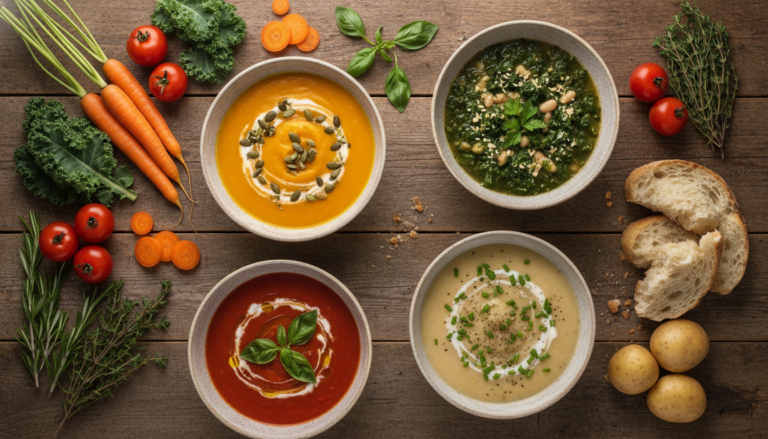
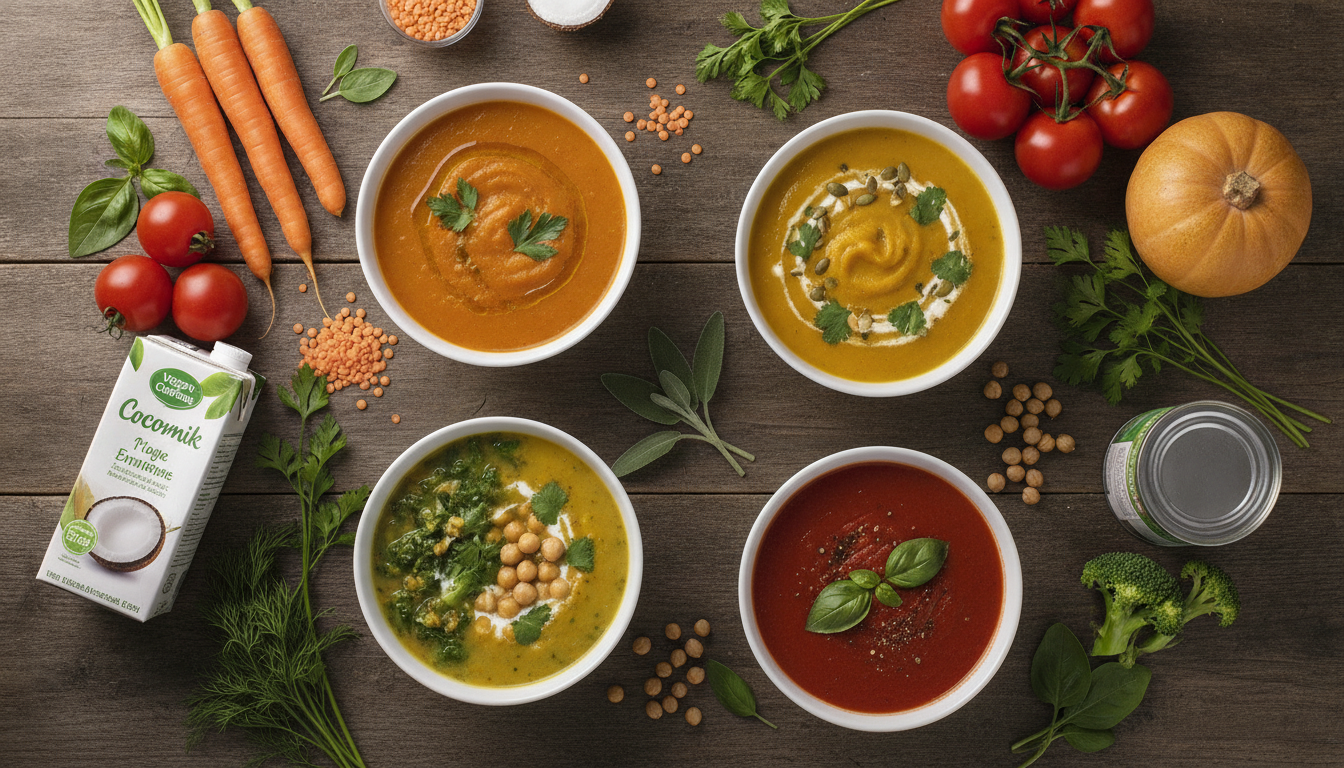
Plant-based eating transforms simple ingredients into incredible comfort meals. Vegan soup recipes offer warmth, nutrition, and satisfaction in every bowl.
These dishes bring together vegetables, beans, lentils, and aromatic herbs. They create meals that nourish your body and soul.
Whether you crave creamy butternut squash soup or hearty lentil stew, these recipes deliver. Each one brings unique flavors and textures to your table.
Why Vegan Soups Transform Your Meals
Vegan soup brings remarkable benefits to your kitchen routine. These plant-based meals pack nutrition without compromising taste.
Every recipe uses whole food ingredients that support your health. Vegetables, legumes, and herbs combine to create complete nutrition.
Nutritional Powerhouses
Plant-based soup recipes deliver fiber, vitamins, and minerals. Lentils provide protein while vegetables add antioxidants.
Coconut milk creates creamy texture with healthy fats. Herbs and spices boost both flavor and wellness benefits.
Budget-Friendly Comfort
These recipes use affordable ingredients available year-round. Dried beans, lentils, and seasonal vegetables keep costs low.
One pot creates multiple servings for meal prep. Soup stays fresh for days, saving time and money.
Vegan soups adapt to any season or preference. Winter brings warming butternut squash blends while summer offers light vegetable broths.
Essential Ingredients for Perfect Vegan Soup
Building delicious vegan soup starts with quality ingredients. These staples create the foundation for countless variations.
Protein-Rich Legumes
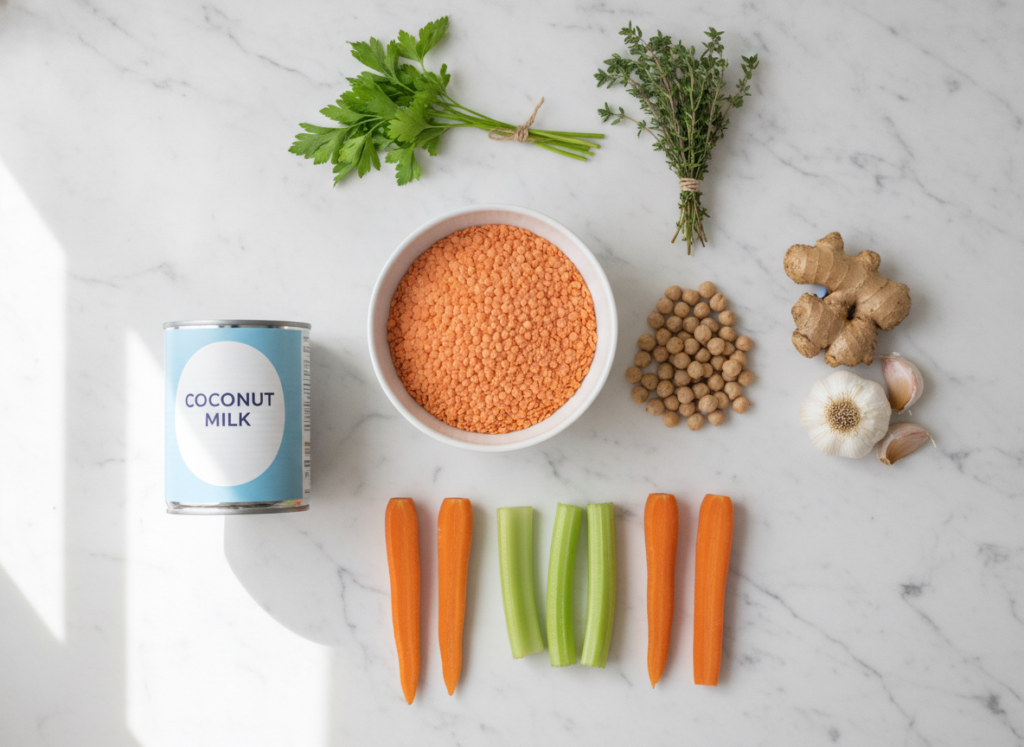
Lentils stand out as the ultimate soup ingredient. Red lentil soup cooks quickly while green lentils hold their shape beautifully.
Chickpeas add hearty texture and protein to any recipe. White beans create creamy bases without dairy products.
- Red lentils cook in 15 minutes for quick meals
- Green lentils maintain texture through long cooking
- Chickpeas provide satisfying bite and protein
- White beans blend smooth for creamy soup bases
Vegetable Stars
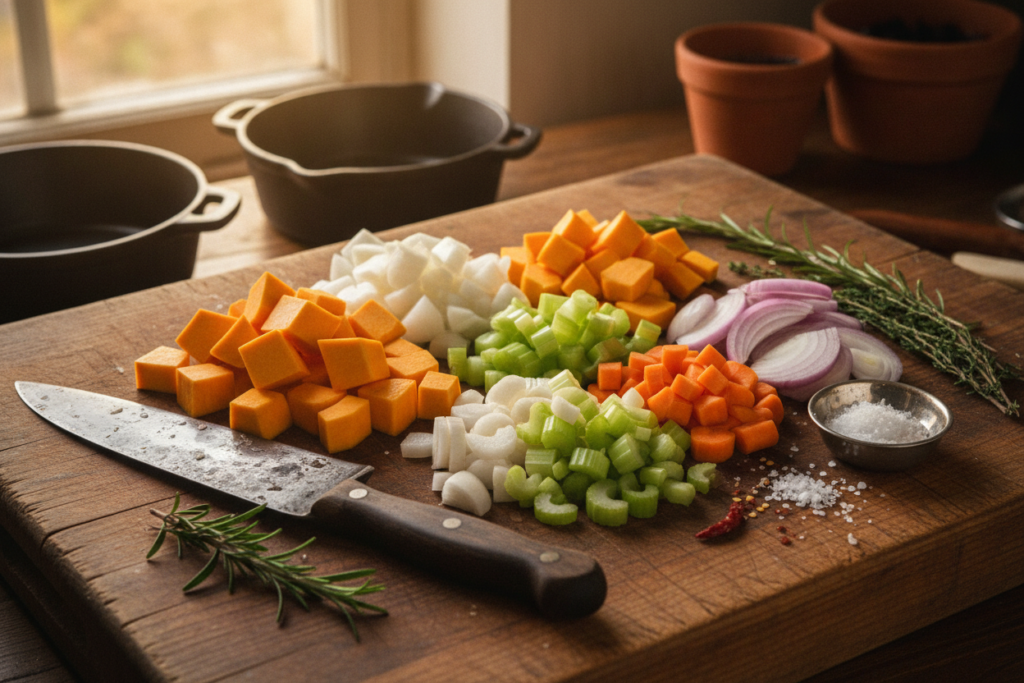
Butternut squash creates naturally sweet, velvety soup. This vegetable roasts beautifully or cooks directly in broth.
Carrots add natural sweetness and vibrant color. Tomatoes bring acidity that balances rich flavors.
Flavor Builders
Coconut milk transforms ordinary soup into creamy comfort. This ingredient adds richness without dairy products.
Fresh ginger brings warmth and subtle spice. Garlic creates savory depth in every spoonful.
Vegetable broth serves as the liquid foundation. Quality broth elevates flavor throughout the entire pot.
Ready to Master Vegan Cooking?
Access hundreds of tested vegan soup recipes and complete meal plans. Get expert techniques that make plant-based cooking simple and delicious.
Quick and Easy Vegan Soup Recipes
Busy weeknights demand fast, satisfying meals. These vegan soup recipes come together in under 30 minutes.
15-Minute Red Lentil Soup
This recipe delivers protein-packed comfort in record time. Red lentils break down quickly, creating naturally thick texture.
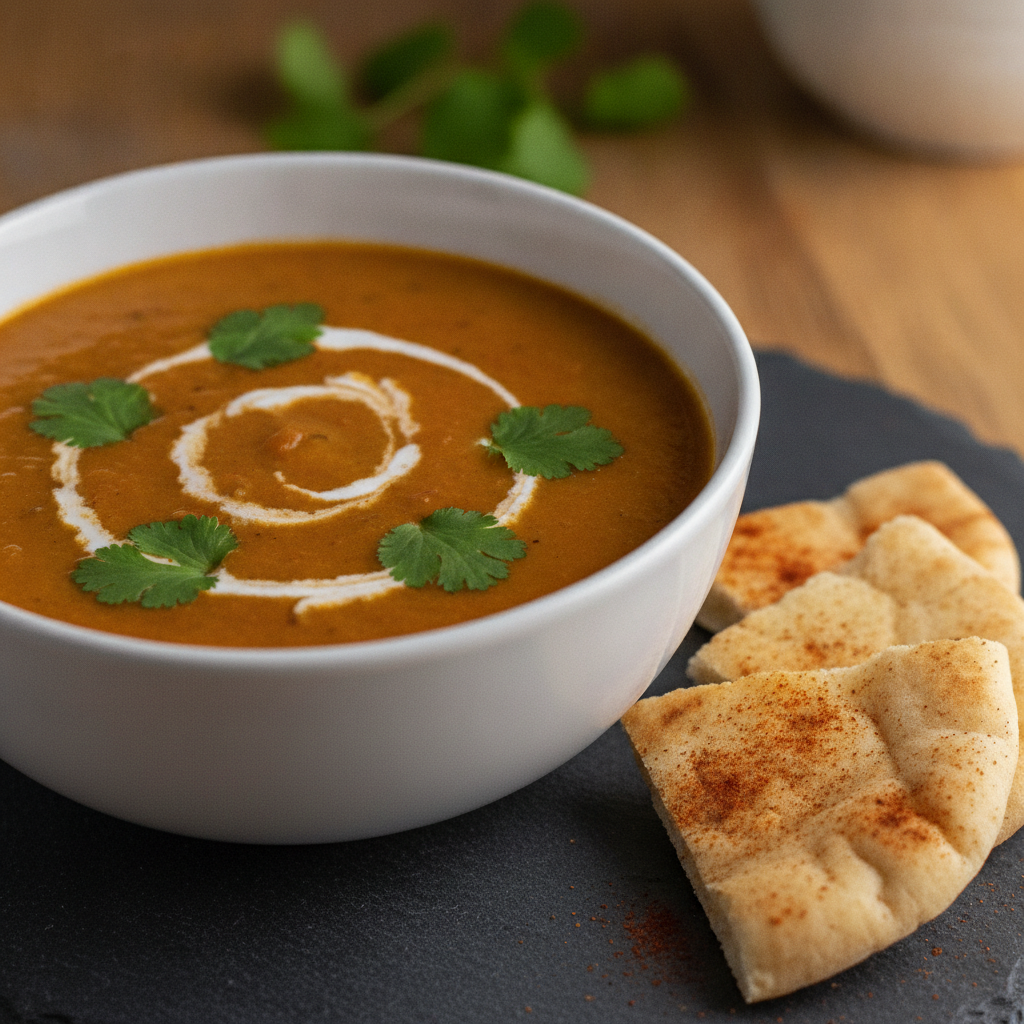
Sauté onions and garlic in a pot for two minutes. Add red lentils, vegetable broth, and cumin.
Simmer for 12 minutes until lentils soften completely. Blend half the soup for creamy consistency.
- 1 cup red lentils, rinsed thoroughly
- 4 cups vegetable broth for liquid base
- 1 onion and 3 garlic cloves, diced
- 2 teaspoons cumin and 1 teaspoon turmeric
- Salt, pepper, and fresh lemon juice
Simple Chickpea Vegetable Soup
Canned chickpeas make this recipe incredibly convenient. The soup tastes like it simmered for hours.
Combine chickpeas with diced tomatoes and vegetables. Add herbs and simmer for 20 minutes.
The chickpeas absorb flavors while vegetables soften perfectly. Each spoonful delivers hearty satisfaction.
Quick Coconut Ginger Soup
Coconut milk and fresh ginger create restaurant-quality flavor. This soup feels indulgent yet comes together fast.
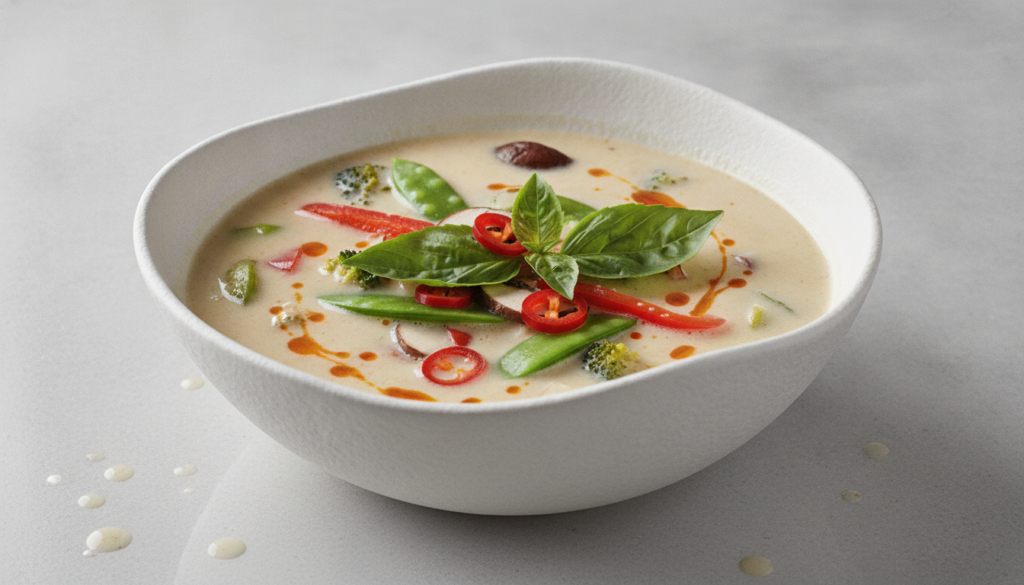
Sauté ginger, garlic, and vegetables in a pot. Pour in coconut milk and vegetable broth.
Season with lime juice and soy sauce for balance. Simmer until vegetables reach perfect tenderness.
Hearty Comfort Vegan Soup Recipes
Cold weather calls for substantial, warming soups. These recipes satisfy hunger and bring cozy comfort.
Creamy Butternut Squash Soup
Butternut squash soup represents ultimate autumn comfort. The naturally sweet squash creates velvety texture.
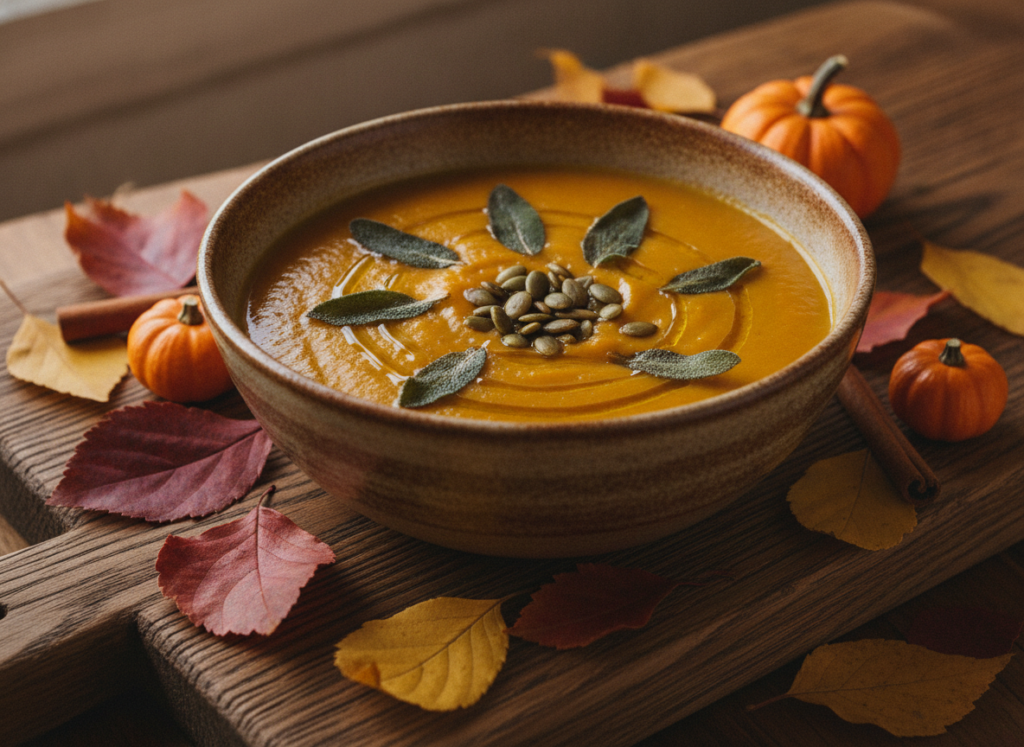
Roast cubed butternut squash with olive oil until caramelized. This step develops deep, sweet flavors.
Blend roasted squash with vegetable broth and coconut milk. Add sage, nutmeg, and maple syrup for complexity.
- 1 large butternut squash, peeled and cubed
- 3 cups vegetable broth for smooth blending
- 1 can coconut milk for creaminess
- Fresh sage leaves and ground nutmeg
- 2 tablespoons maple syrup for balance
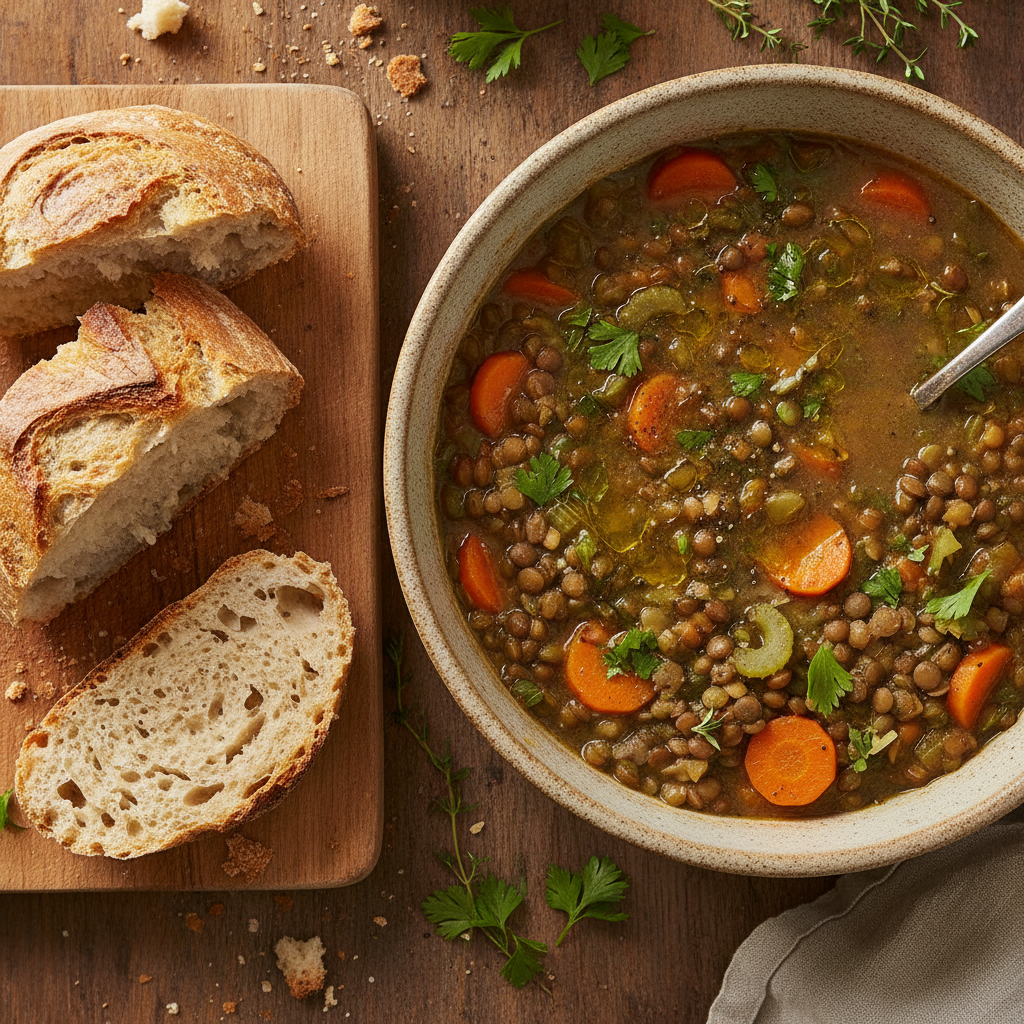
Classic Lentil and Vegetable Soup
This lentil soup feels like a warm hug. Green lentils maintain their shape while absorbing flavors.
Combine lentils with carrots, celery, and tomatoes. Season with thyme and bay leaves.
Simmer for 35 minutes until lentils become tender. The soup thickens naturally as it cooks.
Why This Recipe Works
Green lentils hold texture better than red varieties. They create satisfying bite in every spoonful.
The combination of vegetables adds layers of flavor. Each ingredient contributes unique taste and nutrition.
Rich Mushroom and Barley Soup
Mushrooms bring deep umami flavor to this recipe. Mixed varieties create complex taste profiles.
Sauté mushrooms until golden for maximum flavor. Add barley, vegetables, and herb-infused broth.
The barley absorbs liquid while releasing starches. This creates naturally thick, satisfying texture.
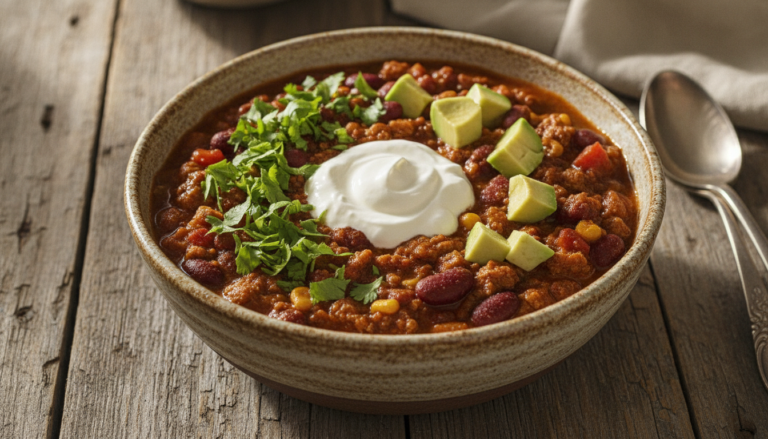
Smoky Black Bean Soup
Black beans transform into rich, hearty soup. Smoked paprika adds depth without meat.
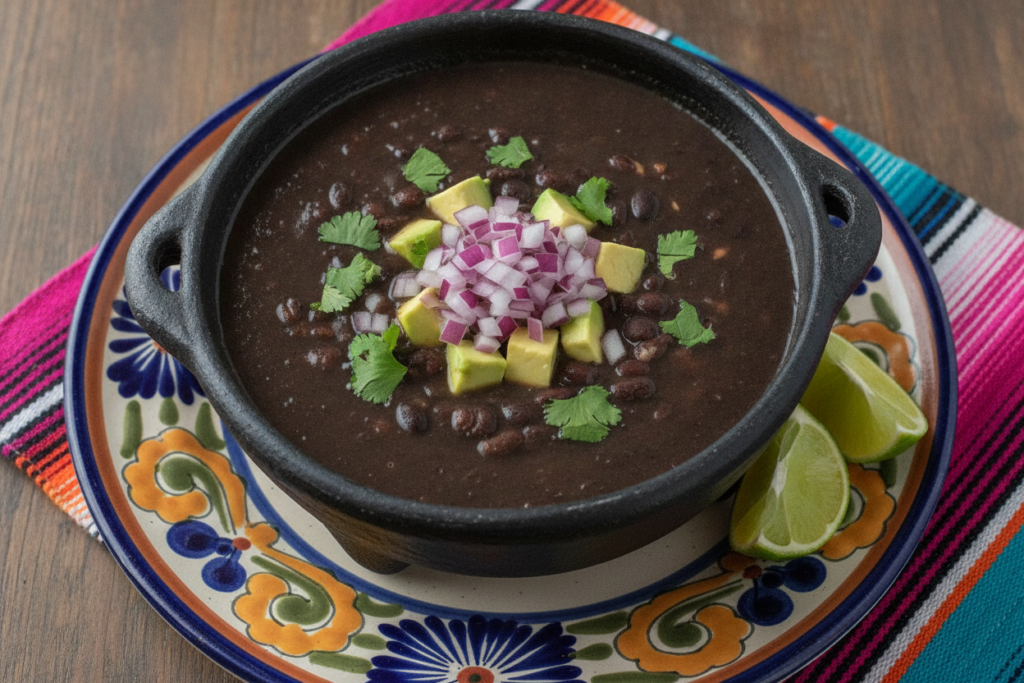
Cook soaked black beans with onions and peppers. Season generously with cumin and smoked paprika.
Blend half the beans for creamy base. Leave remaining beans whole for texture contrast.
Creamy Vegan Soups Without Dairy
Achieving creamy texture without dairy seems challenging. These techniques create luxurious soups naturally.
Coconut Milk Magic
Coconut milk serves as the ultimate dairy replacement. Full-fat versions create richest results.
This ingredient works beautifully in curried soups. It also complements sweet potato and pumpkin flavors.
- Full-fat coconut milk creates restaurant-quality richness
- Light coconut milk works for lower-calorie options
- Coconut cream adds extra decadence to special recipes
- The flavor pairs perfectly with ginger and curry spices
Cashew Cream Technique
Blended cashews create neutral, creamy base. This method works for any soup recipe.
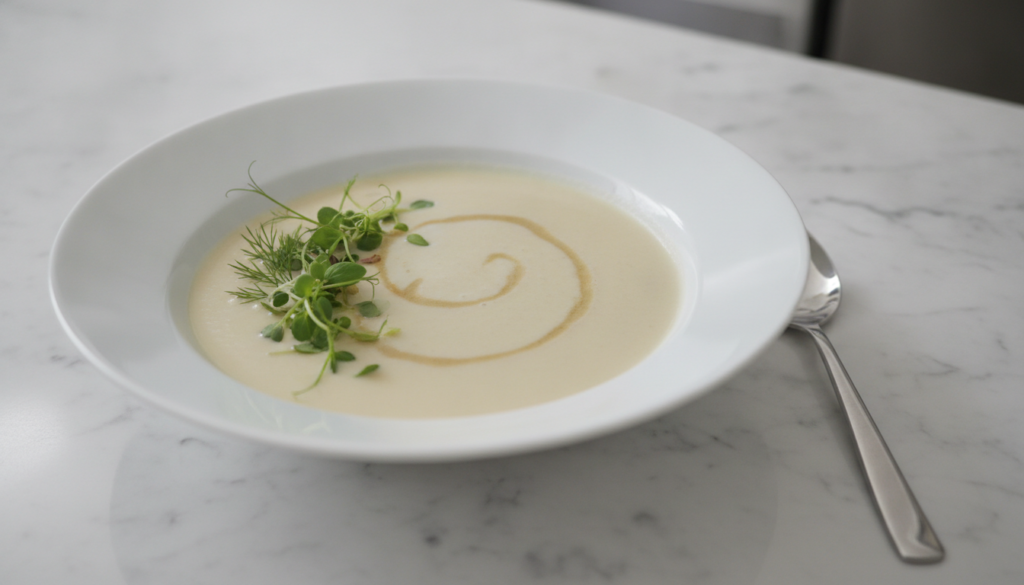
Soak raw cashews in hot water for 30 minutes. Blend until completely smooth with fresh water.
Add cashew cream at the end of cooking. Stir gently to maintain silky texture.
Vegetable-Based Creaminess
White beans blend into invisible cream. Cauliflower creates thickness without distinct flavor.
These vegetables add nutrition while improving texture. Soup becomes satisfying without added fats.
Transform Your Vegan Cooking Skills
Learn professional techniques for creating restaurant-quality vegan meals at home. Access complete guides covering everything from basics to advanced methods.
International Vegan Soup Inspirations
Global cuisines offer incredible soup diversity. These recipes bring world flavors to your kitchen.
Thai-Inspired Coconut Soup
This soup captures authentic Thai restaurant flavors. Lemongrass and lime create bright, fresh taste.
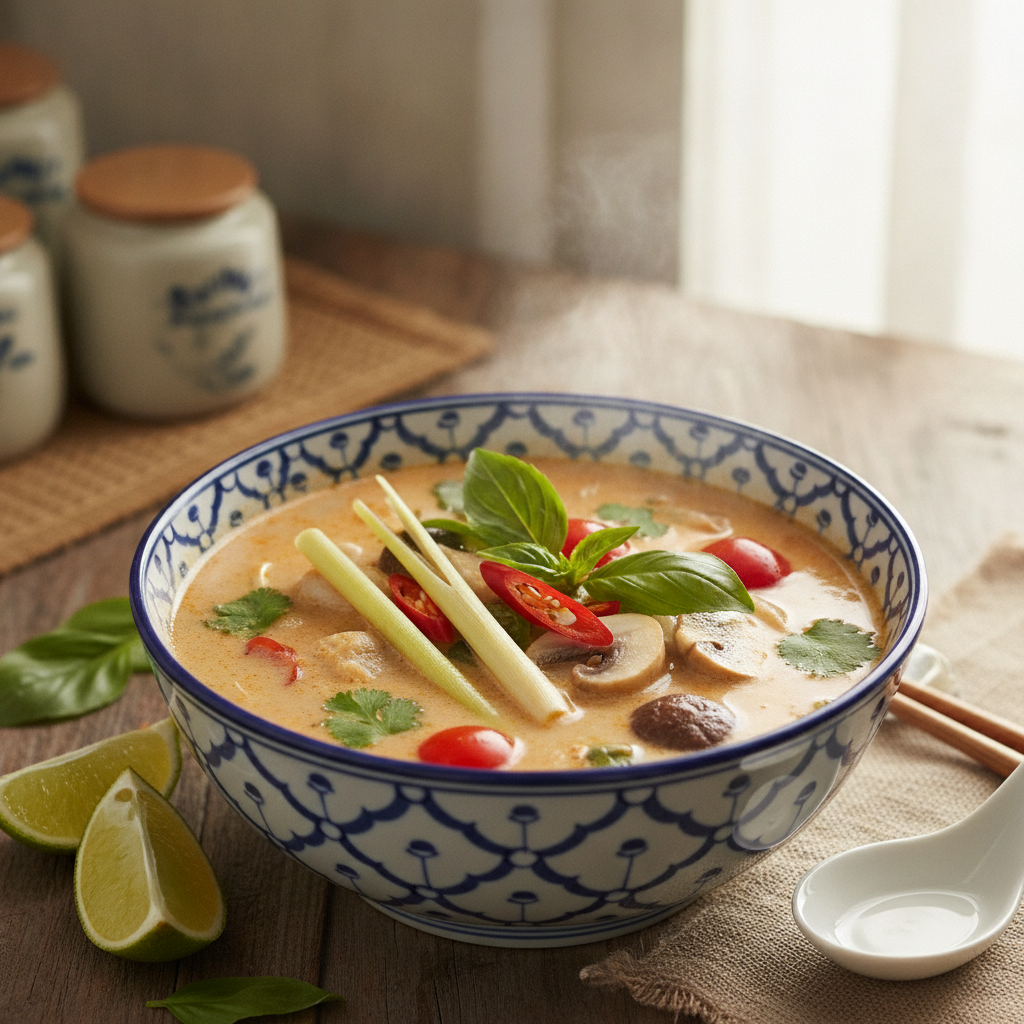
Simmer coconut milk with lemongrass and galangal. Add vegetables and tofu for protein.
Finish with lime juice and fresh herbs. The balance of flavors creates addictive taste.
Moroccan Spiced Lentil Soup
Warm spices transform simple lentils into exotic meal. Cumin, coriander, and cinnamon create depth.
Red lentils cook down into thick texture. Tomatoes add acidity to balance spices.
- Red lentils provide protein and creamy texture
- Warm spices create complex flavor without heat
- Preserved lemon adds authentic Moroccan taste
- Fresh cilantro brightens the rich spice blend
Italian Minestrone
This classic vegetable soup satisfies every time. Small pasta shapes add traditional Italian comfort.
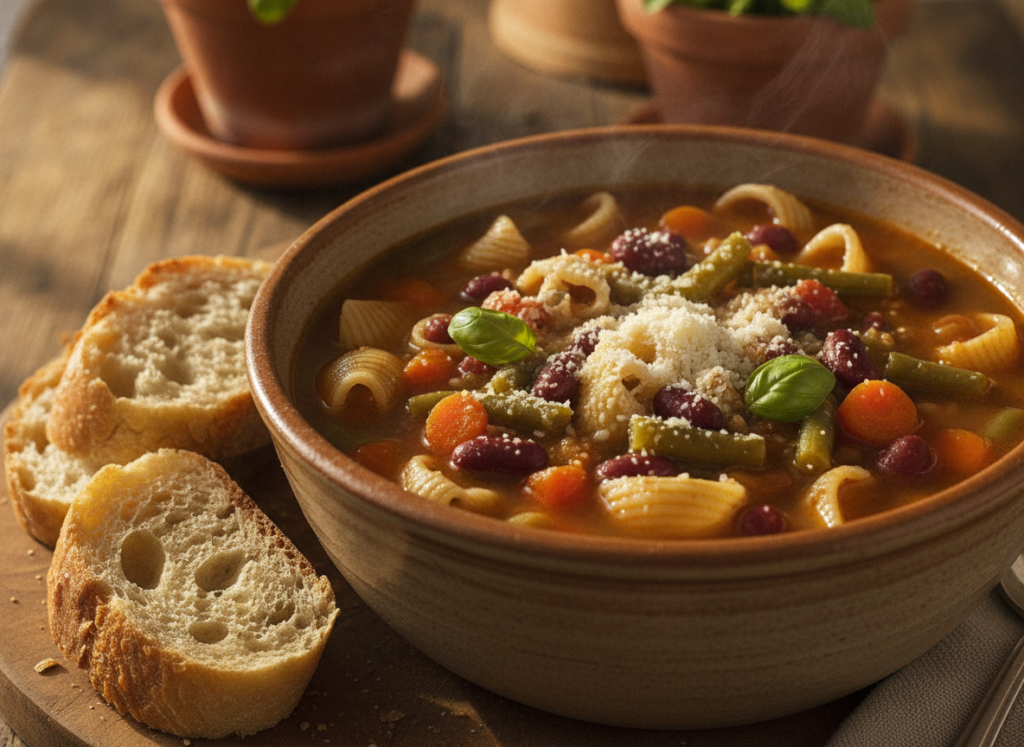
Combine seasonal vegetables with cannellini beans. Add pasta during final cooking minutes.
Season with basil and oregano for authentic flavor. Each spoonful delivers Italian comfort.
Japanese Miso Soup with Vegetables
Miso paste creates umami-rich broth quickly. This soup works perfectly as light meal or starter.
Dissolve miso in hot broth carefully. Add tofu, seaweed, and green onions.
The simplicity allows ingredient quality to shine. Fresh miso makes remarkable difference in taste.
Seasonal Vegan Soup Recipes
Each season brings unique produce and cravings. These recipes celebrate seasonal ingredients perfectly.
Spring: Fresh Pea and Mint Soup
Spring peas create vibrant green soup. Fresh mint adds cooling, refreshing element.
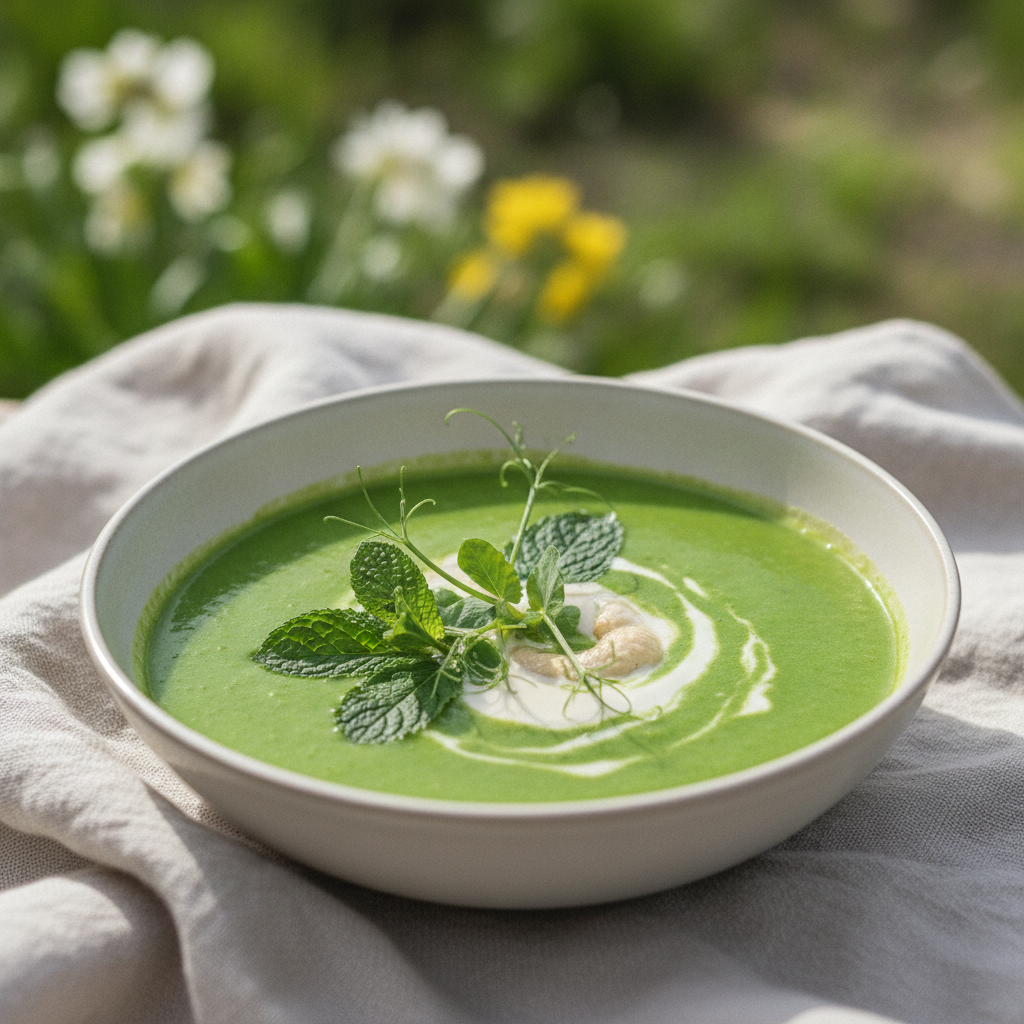
Simmer peas with vegetable broth until tender. Blend with fresh mint leaves until smooth.
Serve chilled or warm depending on weather. Both versions taste incredibly fresh.
Summer: Chilled Gazpacho
Tomatoes reach peak flavor during summer months. This cold soup refreshes on hot days.
Blend ripe tomatoes with cucumber and peppers. Season with garlic, vinegar, and olive oil.
Chill thoroughly before serving for best results. The flavors develop beautifully when cold.
Fall: Apple and Squash Bisque
Apples add unexpected sweetness to butternut squash soup. This combination defines autumn comfort.
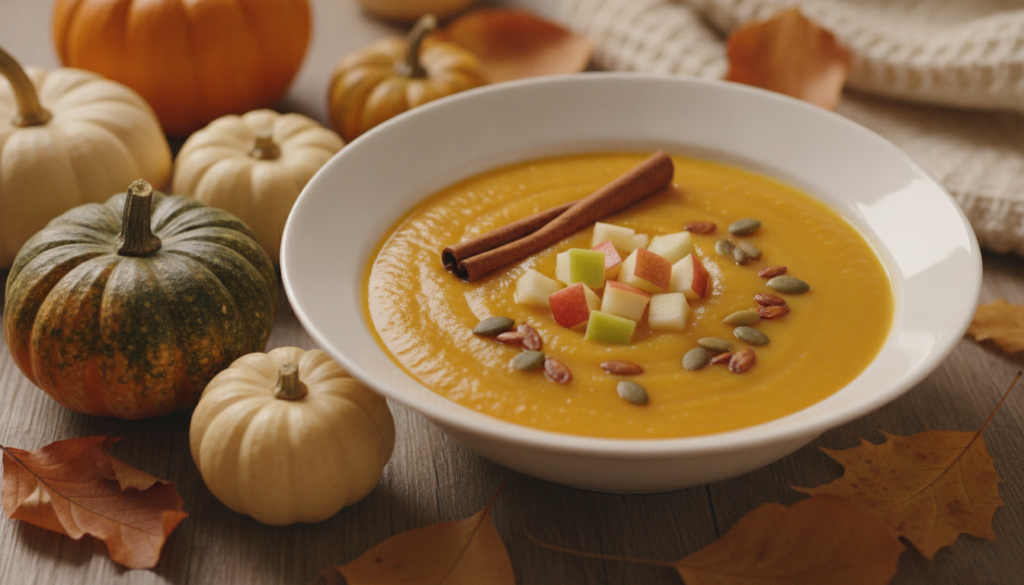
Roast butternut squash with apple slices until caramelized. Blend with vegetable broth and warming spices.
The natural sweetness requires minimal seasoning. Cinnamon and nutmeg enhance autumn flavors.
Winter: Hearty Root Vegetable Soup
Winter root vegetables create substantial, warming meal. Carrots, parsnips, and turnips combine beautifully.
Roast vegetables before adding to broth. This extra step develops incredible flavor depth.
Blend partially for rustic texture. Leave some vegetable chunks for hearty satisfaction.
Meal Prep and Storage for Vegan Soups
Proper storage extends soup freshness significantly. These strategies ensure quality throughout the week.
Refrigerator Storage
Most vegan soups stay fresh for five days refrigerated. Store in airtight containers after cooling completely.
Best Practices
- Cool soup to room temperature before storing
- Use glass containers for longest freshness
- Label containers with date and contents
- Store within two hours of cooking
What to Avoid
- Don’t store hot soup in closed containers
- Avoid plastic containers for hot liquids
- Don’t add fresh herbs until reheating
- Skip storing soup in original cooking pot
Freezer Storage
Freezing soup preserves quality for three months. Some ingredients freeze better than others.
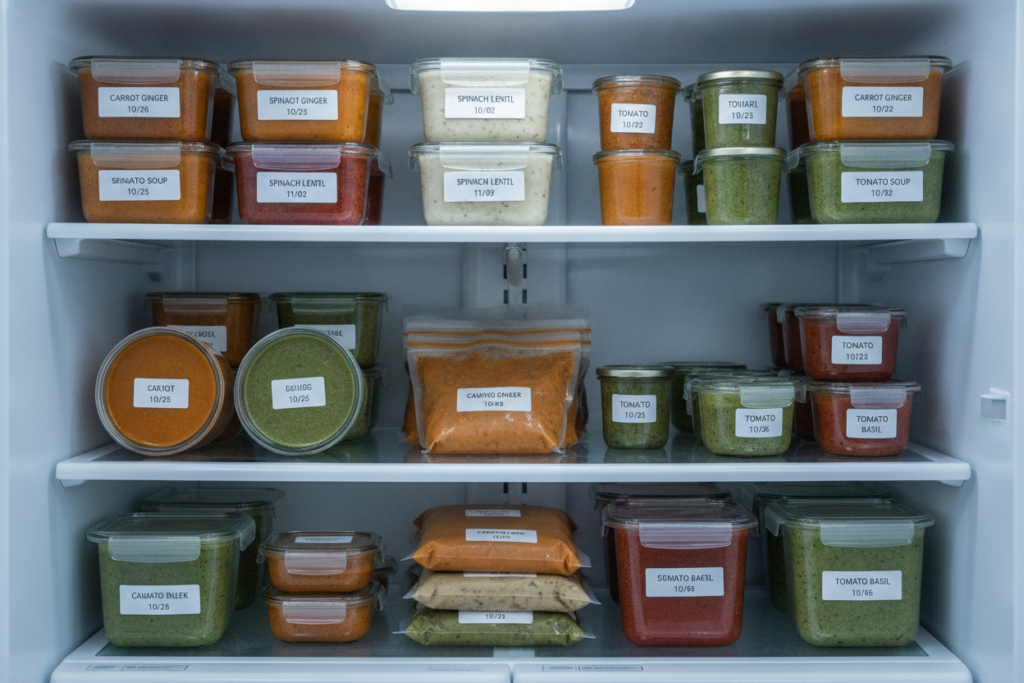
Leave headspace in containers for liquid expansion. Soup expands as it freezes completely.
Freeze in portion sizes matching your needs. Individual servings thaw faster than large batches.
- Bean soups freeze exceptionally well
- Lentil soup maintains texture after freezing
- Cream-based soups may separate slightly
- Add fresh herbs after reheating frozen soup
Reheating Methods
Gentle reheating preserves texture and flavor. Avoid high heat that can break down vegetables.
Stovetop reheating works best for most soups. Stir occasionally while warming over medium heat.
Microwave reheating offers convenience for single servings. Use medium power and stir halfway through.
Essential Equipment for Soup Making
Quality equipment simplifies soup preparation significantly. These tools make the process more enjoyable.
Dutch Oven or Large Pot
A heavy-bottomed pot distributes heat evenly. This prevents burning and ensures consistent cooking.
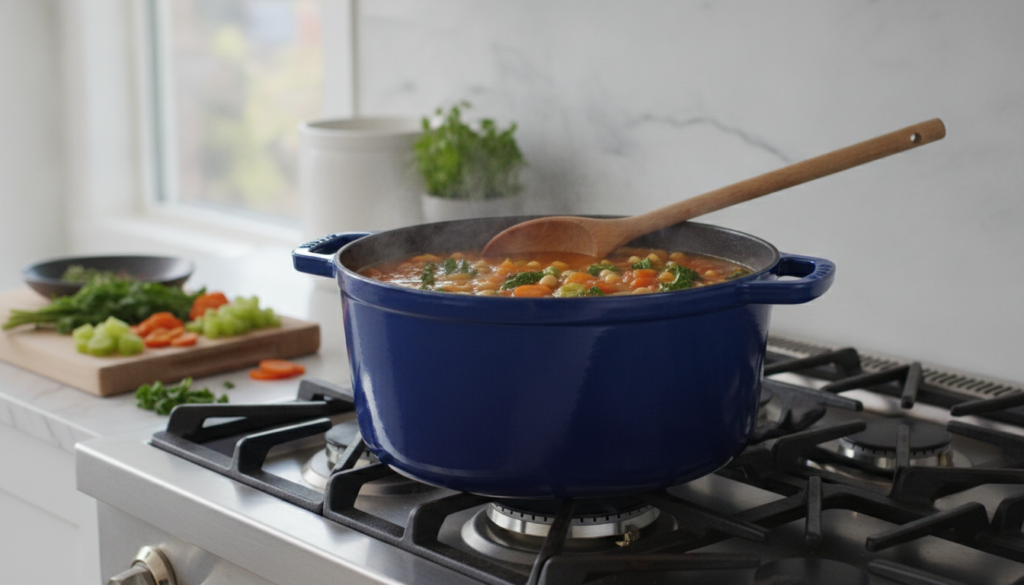
Size matters when cooking soup in batches. An eight-quart pot handles most recipes comfortably.
Cast iron or stainless steel work best. These materials last decades with proper care.
Immersion Blender
This tool blends soup directly in the pot. No transferring hot liquid to countertop blenders.
Immersion blenders create smooth texture instantly. They also blend partially for rustic consistency.
- Easier and safer than traditional blenders
- Less cleanup required after cooking
- Adjustable consistency control while blending
- Affordable option for most kitchens
Sharp Chef’s Knife
Efficient vegetable prep starts with sharp knives. Quality blades make chopping faster and safer.
A single eight-inch chef’s knife handles most tasks. Proper maintenance keeps edges performing well.
Upgrade Your Plant-Based Cooking
Access comprehensive guides covering techniques, equipment recommendations, and hundreds of tested recipes. Everything you need for confident vegan cooking success.
Flavor Enhancement Techniques for Vegan Soup
Building complex flavors requires specific techniques. These methods elevate simple soups dramatically.
Layering Aromatics
Start every soup with sautéed aromatics. Onions, garlic, and celery create flavor foundation.
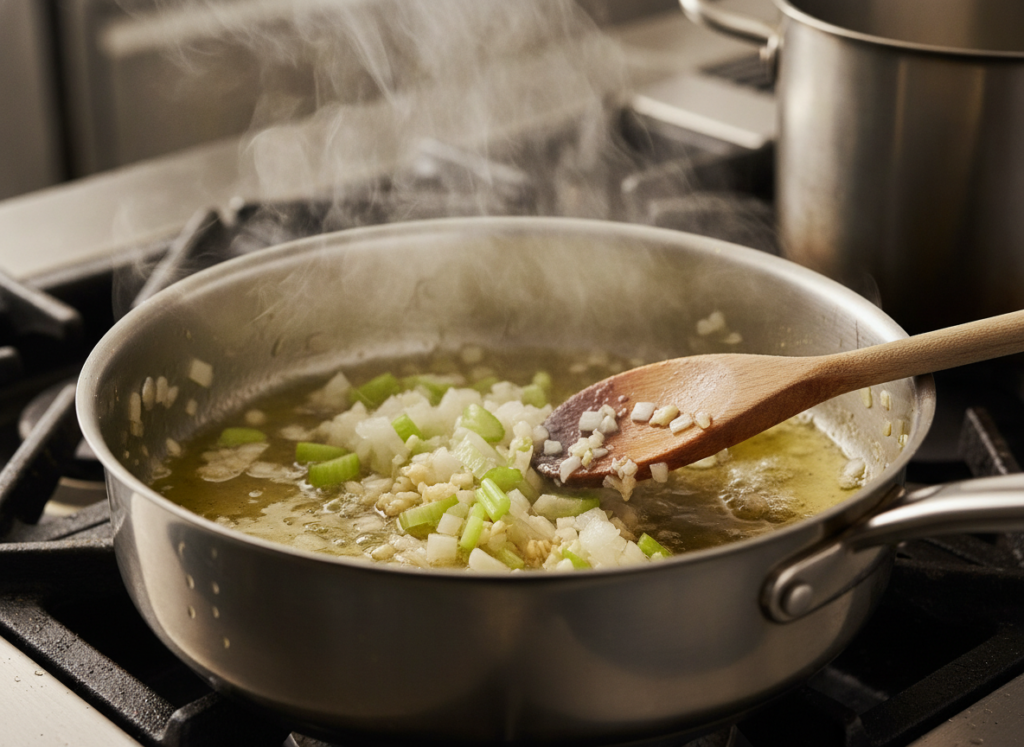
Cook aromatics until softened and fragrant. This releases essential oils that flavor entire pot.
Don’t rush this step despite time pressure. Proper caramelization develops depth impossible to achieve later.
Spice Blooming
Toasting spices in oil releases aromatic compounds. This technique intensifies flavor significantly.
Add ground spices to hot oil briefly. Stir constantly to prevent burning within seconds.
- Toast cumin, coriander, and turmeric together
- Heat releases essential oils and aromatics
- Bloom spices before adding liquid ingredients
- Watch carefully to avoid bitter burnt taste
Acid Balance
Finishing soup with acid brightens all flavors. Lemon juice or vinegar adds essential balance.
Acid Options
Fresh lemon juice works universally well. Apple cider vinegar adds subtle sweetness.
Lime juice pairs perfectly with coconut-based soups. Red wine vinegar complements tomato recipes.
Application Tips
Add acid at the very end. Heat diminishes bright, fresh flavor quickly.
Start with small amounts and taste. You can always add more but cannot remove excess.
Fresh Herb Finishing
Fresh herbs added at serving time provide aromatic lift. Dried herbs cook in soup while fresh herbs garnish.
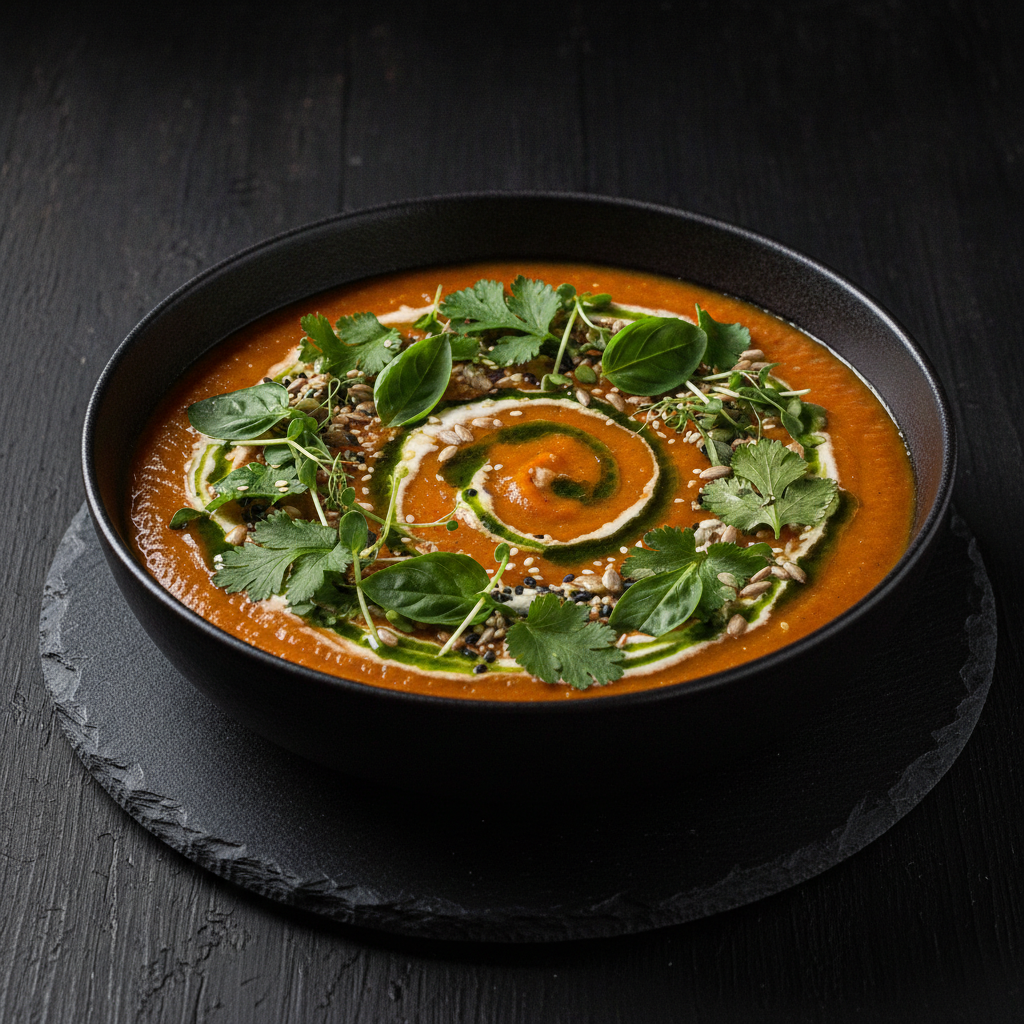
Cilantro, parsley, and basil work beautifully. Chop just before serving for maximum impact.
Reserve some herbs for garnish separately. Visual appeal enhances eating experience significantly.
Nutritional Benefits of Vegan Soup Recipes
Plant-based soups deliver exceptional nutritional value. Every bowl provides vitamins, minerals, and fiber.
Protein from Legumes
Lentils and beans supply complete nutrition. These ingredients provide protein without meat products.
One cup of lentils contains approximately 18 grams protein. Chickpeas deliver similar amounts with different amino acid profiles.
- Lentils cook quickly and digest easily
- Beans provide fiber along with protein
- Chickpeas add satisfying texture to soup
- Combining legumes creates complete amino acids
Vegetable Micronutrients
Colorful vegetables pack antioxidants and vitamins. Each color represents different nutrient compounds.
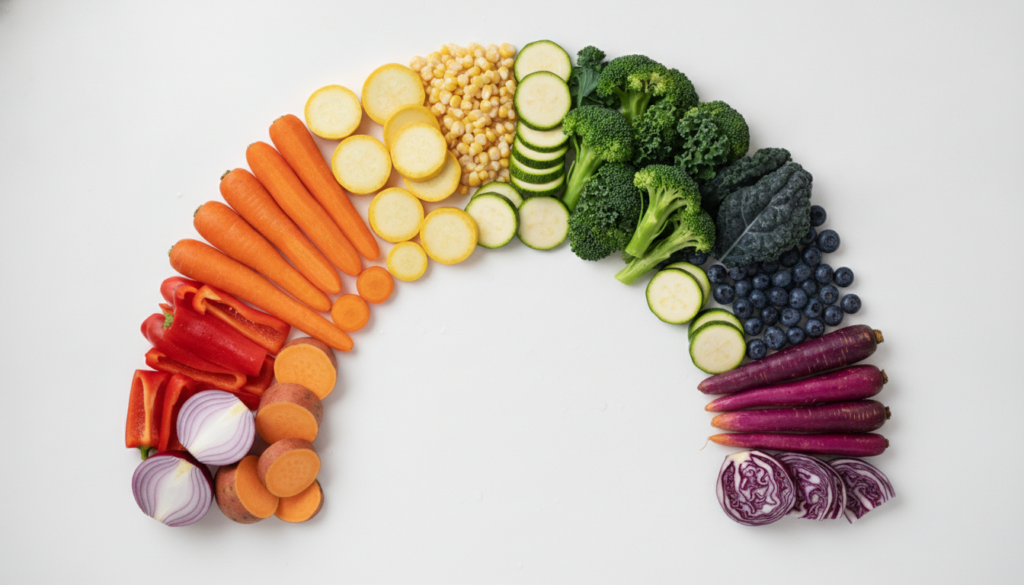
Carrots provide beta-carotene for eye health. Tomatoes contain lycopene with antioxidant properties.
Dark leafy greens add iron and calcium. Sweet potatoes deliver complex carbohydrates and fiber.
Healthy Fats
Coconut milk and olive oil provide beneficial fats. These ingredients support nutrient absorption effectively.
Fat-soluble vitamins require dietary fat for absorption. Adding coconut milk helps body utilize vegetable nutrients.
Common Mistakes to Avoid When Making Vegan Soup
Even experienced cooks make preventable errors. Avoiding these mistakes ensures better results consistently.
Oversalting Too Early
Salt intensifies as liquid reduces during cooking. Early seasoning leads to overly salty results.
The Problem
Soup concentrates as it simmers. Salt becomes more pronounced over time.
Beans and lentils absorb salt differently. They can taste bland despite salty broth.
The Solution
Season lightly during cooking process. Taste and adjust at the end.
Add salt gradually in small amounts. Wait between additions to assess impact.
Not Building Flavor Layers
Dumping all ingredients together creates flat taste. Proper technique builds complex flavor profiles.
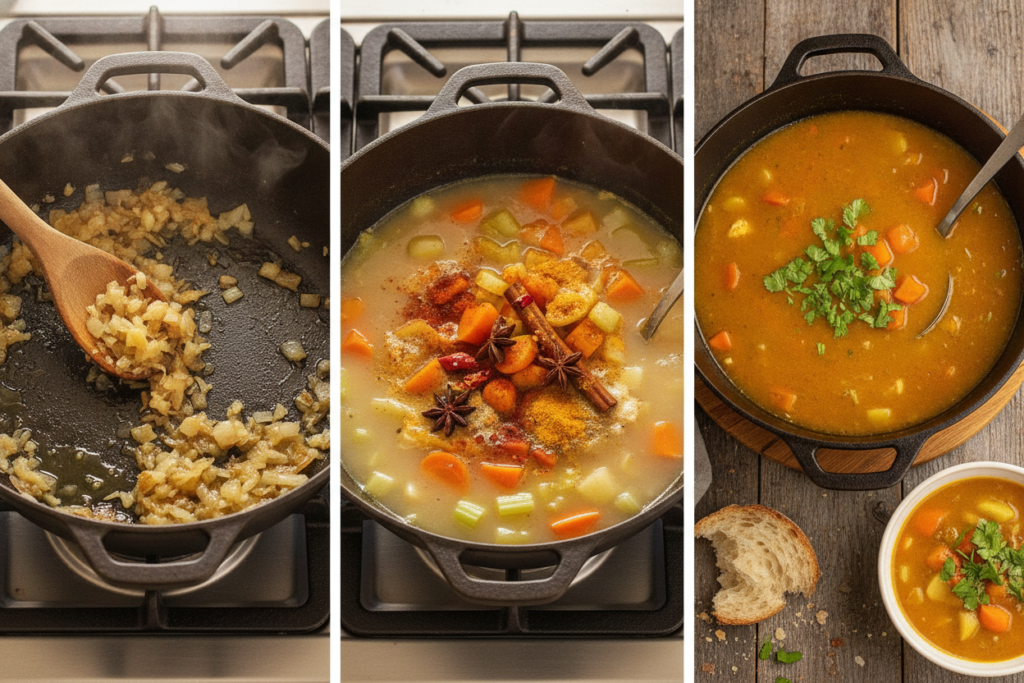
Start with aromatics cooked properly first. Add vegetables in order of cooking time.
Toast spices before adding liquid ingredients. Each step contributes to final depth.
Overcooking Vegetables
Extended cooking destroys vegetable texture completely. Mushy vegetables lack appeal despite good flavor.
Different vegetables require different cooking times. Add quick-cooking items near the end.
- Root vegetables need longest cooking time
- Leafy greens wilt in just minutes
- Frozen vegetables cook faster than fresh
- Test texture regularly near end time
Using Poor Quality Broth
Broth forms the flavor foundation entirely. Low-quality stock creates disappointing final results.
Homemade vegetable broth tastes significantly better. Commercial options vary dramatically in quality.
Read ingredient labels carefully when purchasing. Avoid broths with excessive sodium or additives.
Budget-Friendly Vegan Soup Strategies
Delicious soup doesn’t require expensive ingredients. These strategies maximize flavor while minimizing costs.
Buying Dried Legumes
Dried beans and lentils cost significantly less. They store indefinitely in pantry containers.
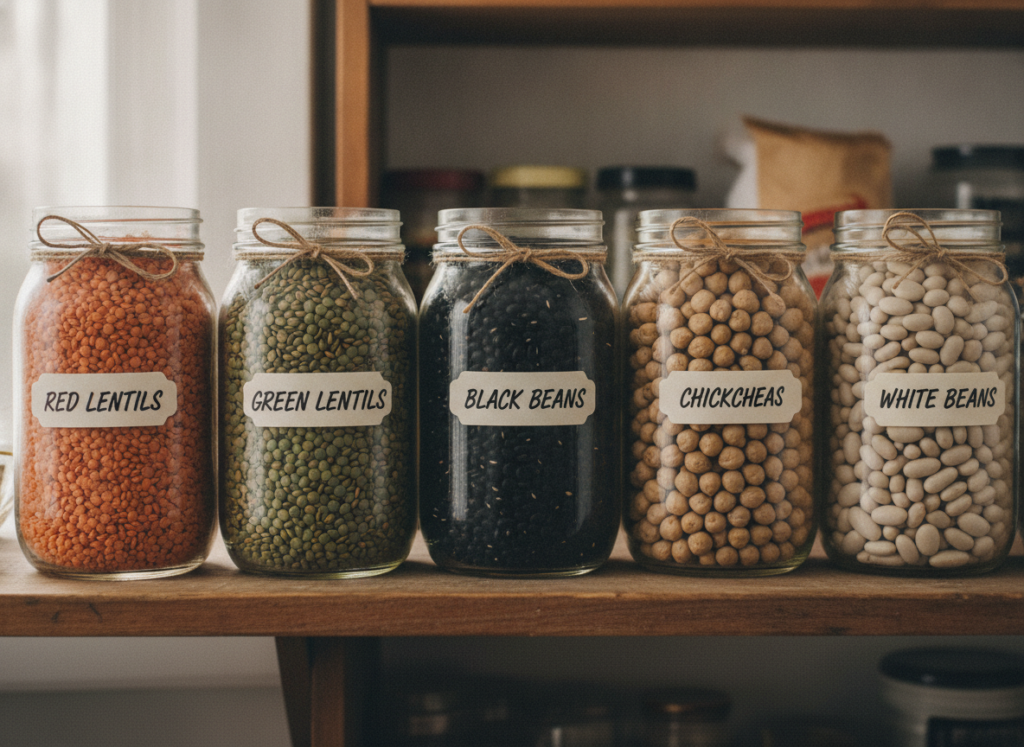
One pound of dried lentils makes multiple meals. The cost per serving drops to pennies.
Dried beans require soaking time but save money. Plan ahead for convenient meal preparation.
Seasonal Vegetable Shopping
Seasonal produce costs less and tastes better. Shop farmers markets for best deals.
Butternut squash prices drop during fall months. Summer brings affordable tomatoes and peppers.
- Buy vegetables at peak season prices
- Freeze excess produce for future meals
- Root vegetables store well without freezing
- Local produce often costs less than imported
Making Your Own Broth
Vegetable broth from scraps costs almost nothing. Save vegetable peels and ends throughout week.
Simmer scraps with water and herbs. Strain after one hour for flavorful stock.
Freeze homemade broth in containers or ice cube trays. This provides convenient portions for recipes.
Master Budget-Friendly Vegan Cooking
Get complete meal plans designed for maximum nutrition at minimum cost. Learn shopping strategies and batch cooking techniques that save time and money.
Creative Garnish Ideas for Vegan Soup
Thoughtful garnishes transform simple soup into special meals. These toppings add texture and visual appeal.
Crunchy Elements
Toasted seeds and nuts provide satisfying contrast. Crunch balances smooth, creamy textures perfectly.
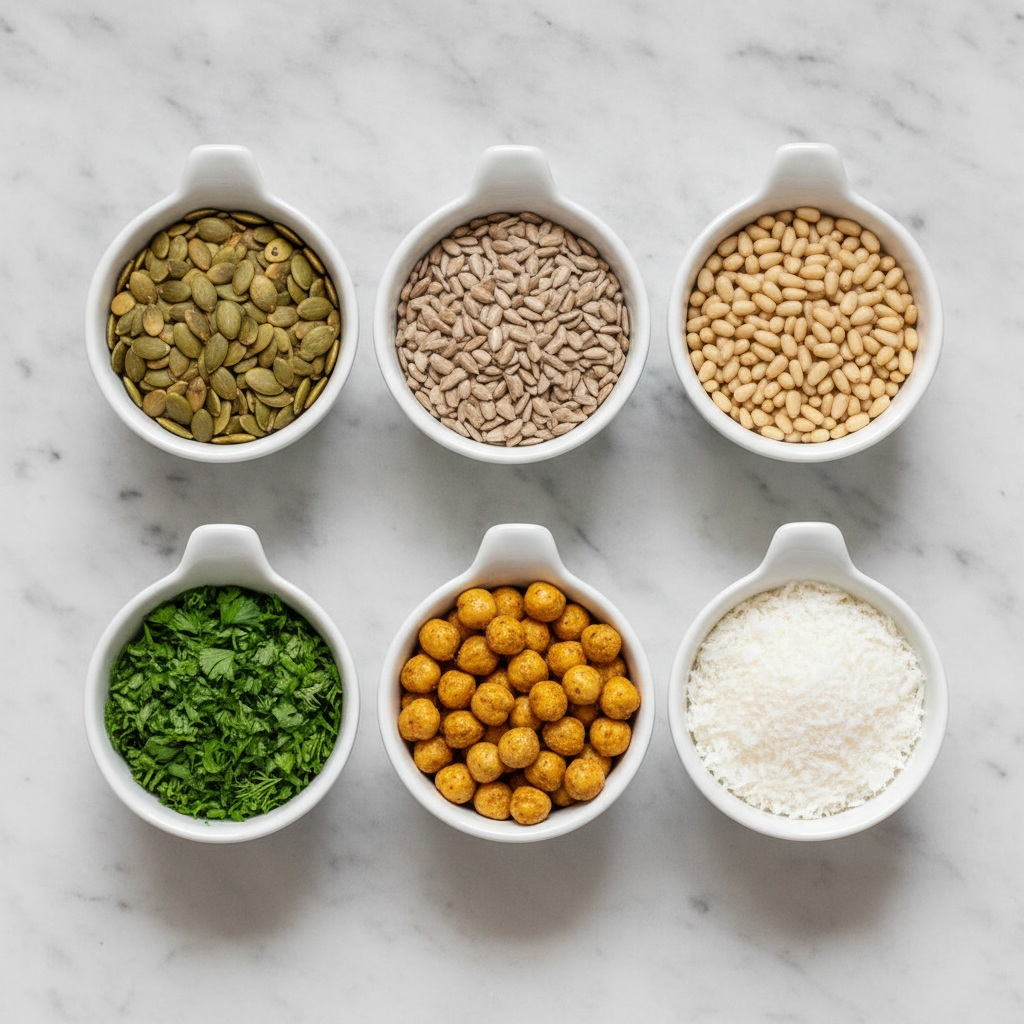
Toast pumpkin seeds in dry pan until fragrant. Sprinkle over soup just before serving.
Crispy chickpeas add protein along with texture. Roast with spices for extra flavor dimension.
- Toasted pumpkin seeds add nutty flavor
- Roasted chickpeas provide protein and crunch
- Chopped nuts create elegant finishing touch
- Croutons work beautifully on thick soups
Fresh and Bright Additions
Fresh herbs brighten heavy, rich soups. Green toppings provide color contrast visually.
Cilantro works perfectly on spiced soups. Basil complements tomato-based recipes beautifully.
Sliced green onions add mild onion flavor. They remain crisp even when soup is hot.
Creamy Swirls
Coconut cream creates beautiful white swirls. Cashew cream adds richness to each spoonful.
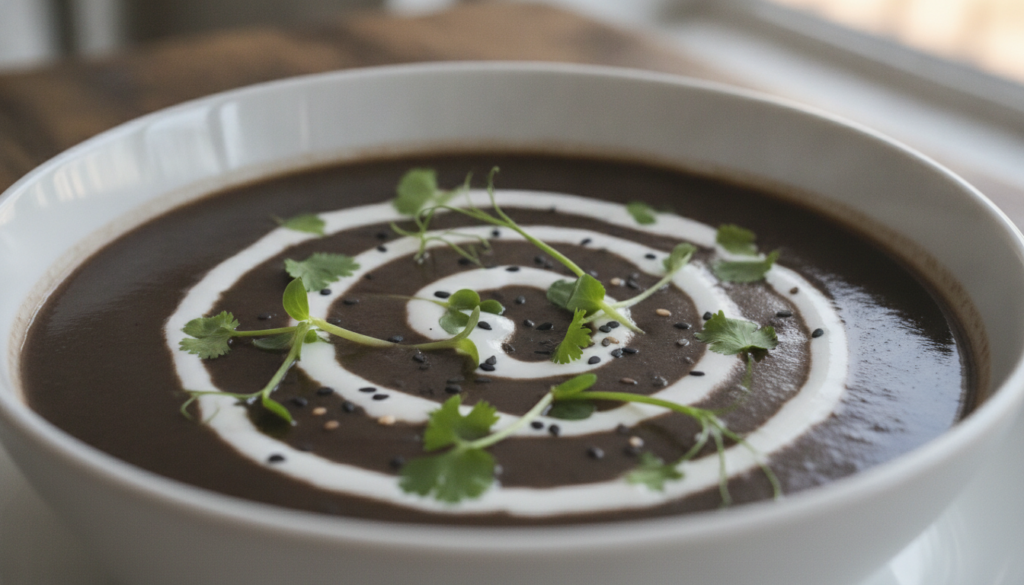
Drizzle cream in circular motion across surface. Use toothpick to create decorative patterns.
This technique adds visual interest significantly. It also provides extra richness in each bite.
Frequently Asked Questions About Vegan Soup
Can I freeze vegan soup with coconut milk?
Yes, soup with coconut milk freezes well for up to three months. The coconut milk may separate slightly when thawed.
Stir or blend briefly after reheating to restore smooth texture. The flavor remains excellent despite minor texture changes.
How do I thicken vegan soup naturally?
Several methods thicken soup without flour or cornstarch. Blend portion of the soup and return it to pot.
Add cooked white beans or potatoes and blend smooth. Simmer uncovered to reduce liquid naturally through evaporation.
What makes vegan soup taste rich without meat?
Building flavor layers creates richness naturally. Start by caramelizing aromatics thoroughly before adding liquid.
Toast spices to release essential oils completely. Add umami ingredients like miso, nutritional yeast, or soy sauce for depth.
How long does vegan soup last in the refrigerator?
Most vegan soups stay fresh for five days when properly stored. Cool completely before transferring to airtight containers.
Cream-based soups sometimes last three to four days. Always smell and inspect before consuming stored soup.
Your Vegan Soup Journey Starts Now
These vegan soup recipes open endless culinary possibilities. Each recipe offers unique flavors and nutritional benefits.
Start with simple recipes that match your comfort level. Build confidence before attempting complex preparations.
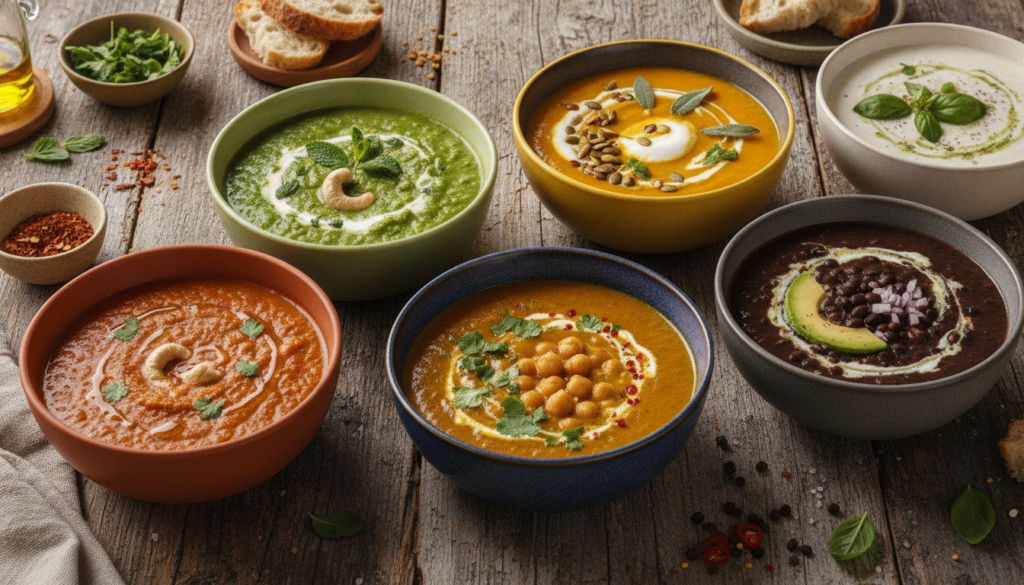
Experiment with different vegetables and flavor combinations. Your personal preferences guide recipe adaptations successfully.
Remember that soup making improves with practice. Each batch teaches valuable lessons about timing and seasoning.
Stock your pantry with essential ingredients now. Having lentils, beans, and spices ready encourages spontaneous cooking.
Share these recipes with friends and family. Plant-based meals bring people together around nourishing food.
Continue Your Plant-Based Success
Ready to expand beyond soup? Access complete vegan cooking resources with hundreds of recipes, meal plans, and expert guidance. Transform your entire approach to plant-based meals.
Every bowl of soup represents self-care and nutrition. These meals nourish body while respecting personal values.
Start your soup-making adventure today with confidence. The recipes provided offer solid foundation for delicious success.