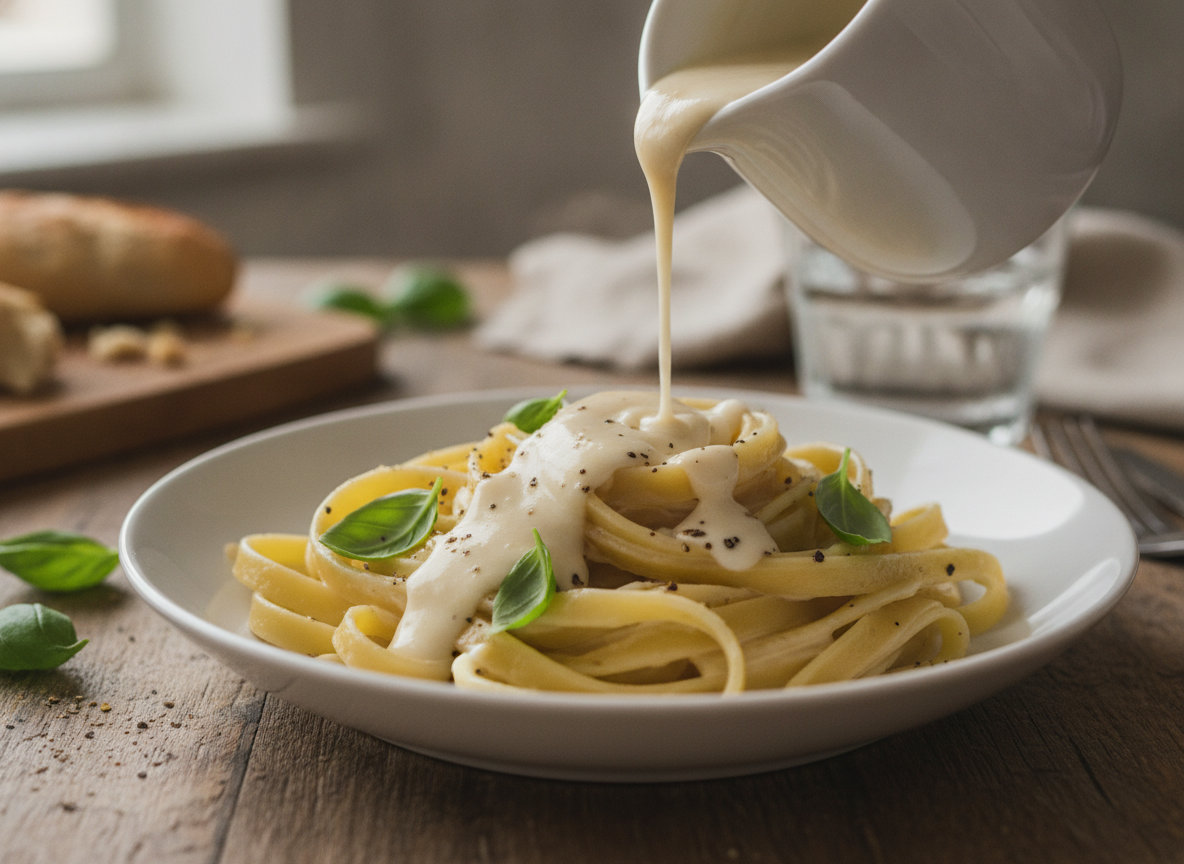
Vegan Alfredo Sauce: The Creamiest Dairy-Free Recipe You’ll Ever Make
Creating a rich alfredo sauce without dairy might seem impossible. Many people think plant-based versions can’t match the silky texture of traditional recipes.
This Website contains affiliate links. That means I may earn a small commission if you purchase through my links, at no extra cost to you.
The truth is different. Vegan alfredo sauce can be even creamier than the original.
This recipe uses simple ingredients you probably have in your kitchen. No weird additives or hard-to-find items.
The secret lies in combining the right plant-based ingredients. Oat milk brings natural creaminess while cashews add body and richness.
Transform Your Plant-Based Cooking
Discover comprehensive guides and resources that make vegan cooking simple and delicious. Get access to hundreds of tested recipes and expert techniques.
What Makes Vegan Alfredo Sauce So Creamy
Traditional alfredo relies on heavy cream and parmesan cheese for its signature texture. Vegan versions need different ingredients to create that same luxurious feel.
The combination of fat and starch creates the perfect consistency. Oat milk provides natural thickness without any strange aftertaste.
The Science Behind Plant-Based Creaminess
Cashews become incredibly smooth when soaked and blended. Their natural oils create a base similar to heavy cream.
Oat milk contains beta-glucans that thicken when heated. This gives the sauce body without adding gums or thickeners.
Nutritional yeast adds a cheesy flavor while also contributing to texture. It helps bind the sauce components together.
Why This Recipe Works Better Than Others
Many vegan alfredo recipes use only nuts or only plant milk. This creates either a grainy texture or thin consistency.
Combining both ingredients gives you the best of each. The result is a sauce that clings to pasta perfectly.
The sauce also reheats beautifully. Unlike some plant-based sauces that separate, this one stays smooth even days later.
Essential Ingredients for Perfect Vegan Alfredo
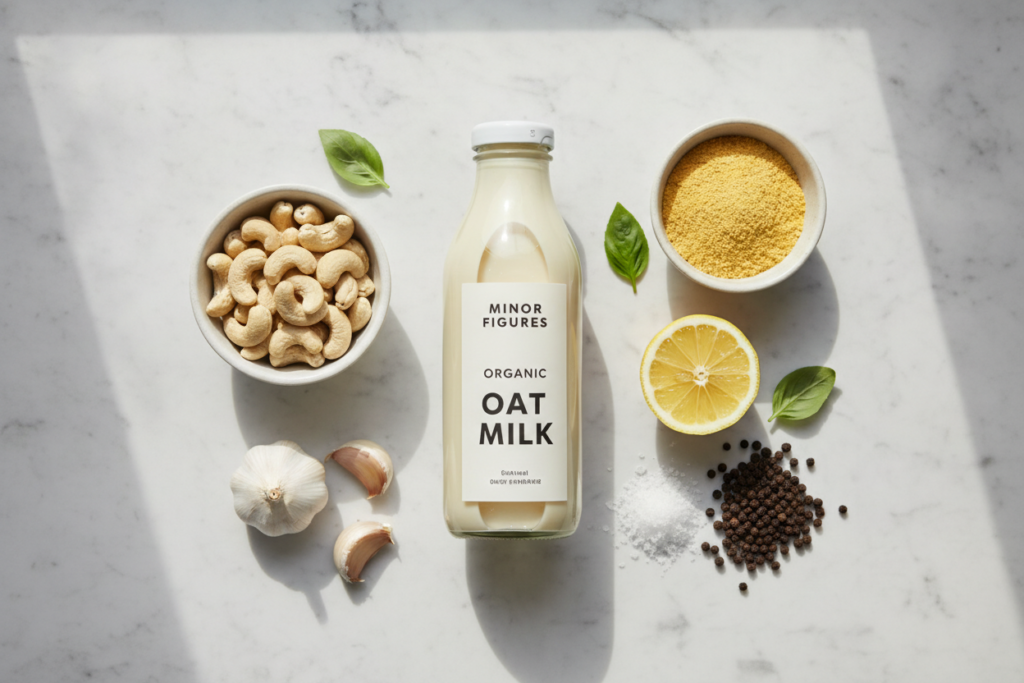
Getting the right ingredients makes all the difference. Each component plays a specific role in creating that creamy texture.
Base Ingredients
- Raw cashews for richness and body
- Oat milk for natural creaminess
- Nutritional yeast for cheesy flavor
- Fresh garlic for depth and aroma
Flavor Enhancers
- Lemon juice for brightness and balance
- Ground black pepper for subtle heat
- Salt to enhance all other flavors
- Vegan butter for extra richness
Choosing the Right Oat Milk
Not all oat milk works the same in cooking. Look for varieties without added oils for the cleanest flavor.
Full-fat versions create richer sauce than low-fat options. The extra fat content helps create that silky texture.
Unsweetened oat milk is essential. Sweetened versions will make your alfredo sauce taste odd.
Cashew Selection and Preparation
Raw cashews work better than roasted ones. Roasted cashews can add unwanted flavors to the sauce.
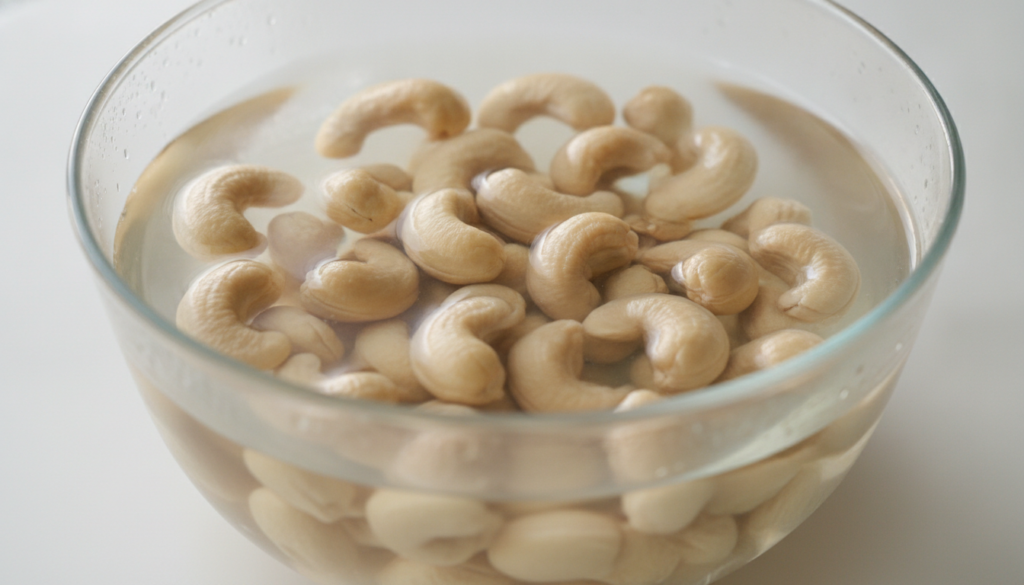
Soaking cashews for at least two hours makes them blend smoothly. If you’re short on time, use hot water for thirty minutes.
Properly soaked cashews create a perfectly smooth sauce. No graininess or chunks remain after blending.
Master Plant-Based Cooking Techniques
Learn professional methods for creating restaurant-quality vegan dishes at home. Access detailed video tutorials and step-by-step guides.
How to Make Vegan Alfredo Sauce
Making this sauce takes just fifteen minutes from start to finish. The process is simpler than traditional alfredo.
Preparation Steps
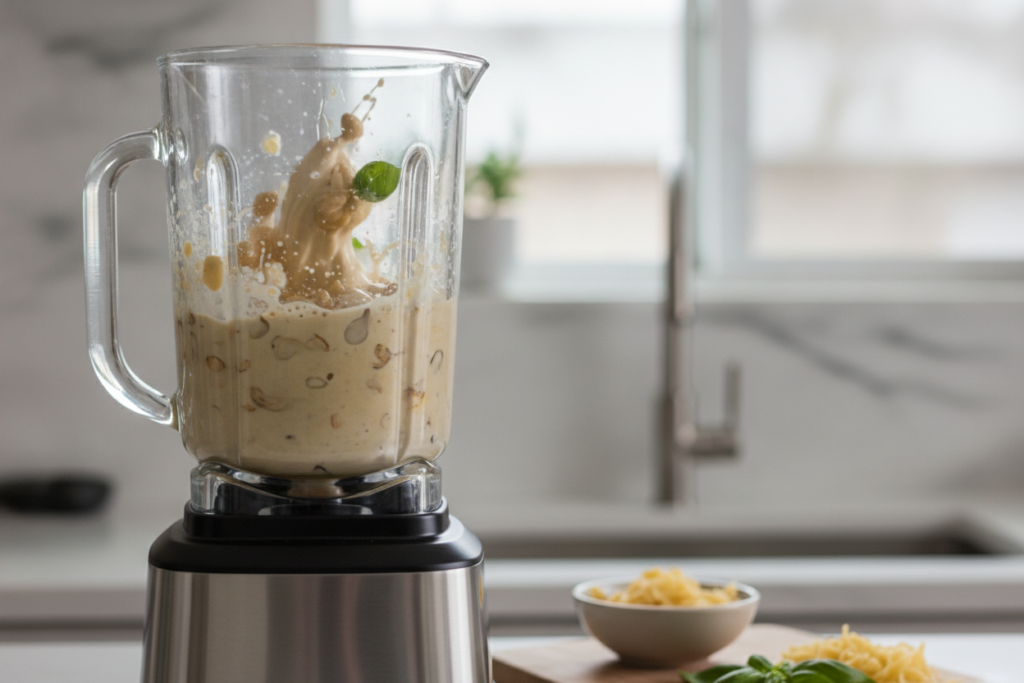
- Drain soaked cashews and add to a high-speed blender
- Pour two cups of oat milk over the cashews
- Add three tablespoons of nutritional yeast
- Squeeze in two tablespoons of fresh lemon juice
- Add one teaspoon of salt and half teaspoon of ground black pepper
- Blend on high for two minutes until completely smooth
Cooking the Sauce
Heat two tablespoons of vegan butter in a large pan over medium heat. Add three minced garlic cloves and cook for one minute.
Pour the blended mixture into the pan. Stir constantly to prevent sticking.
The sauce will thicken as it heats. This takes about five minutes of gentle simmering.
Taste and adjust seasoning as needed. Some people prefer more lemon juice for brightness.
Achieving Perfect Consistency
If the sauce becomes too thick, add oat milk one tablespoon at a time. Stir well after each addition.
For thicker sauce, let it simmer a bit longer. The liquid will reduce naturally.
The sauce should coat the back of a spoon smoothly. This indicates the perfect consistency for pasta.
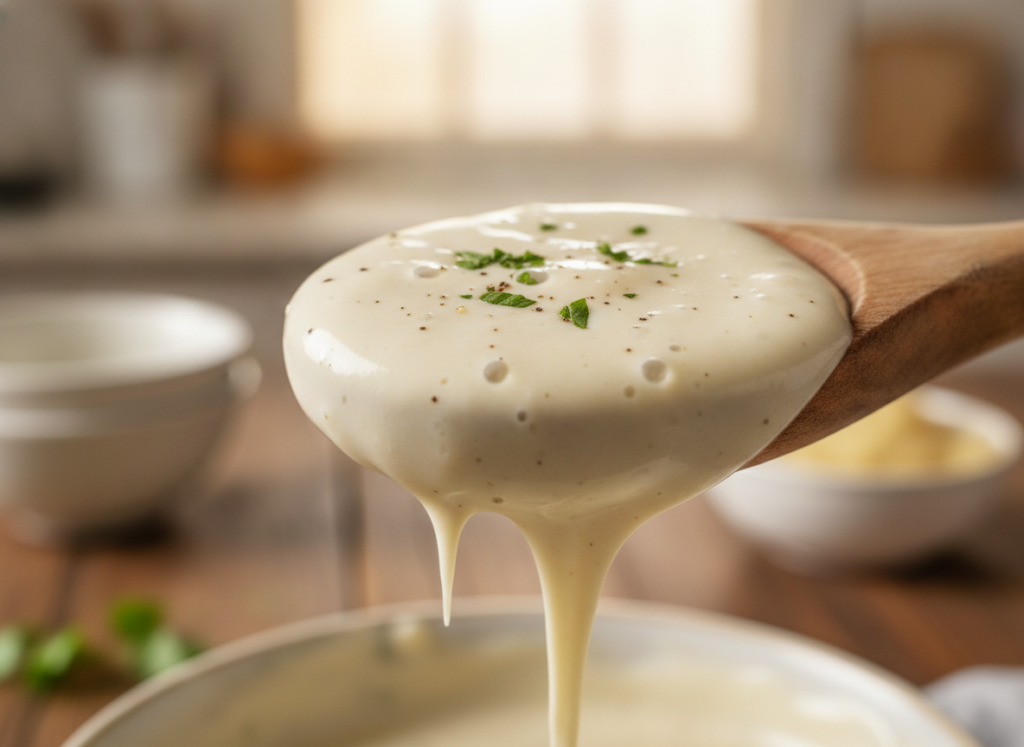
Delicious Flavor Variations
The basic recipe is just the starting point. You can customize this vegan alfredo sauce in countless ways.
Garlic Lover’s Version
Double the garlic for extra punch. Roasted garlic adds sweeter, mellower flavor than raw.
Add one teaspoon of garlic powder to the blend. This creates layers of garlic flavor throughout.
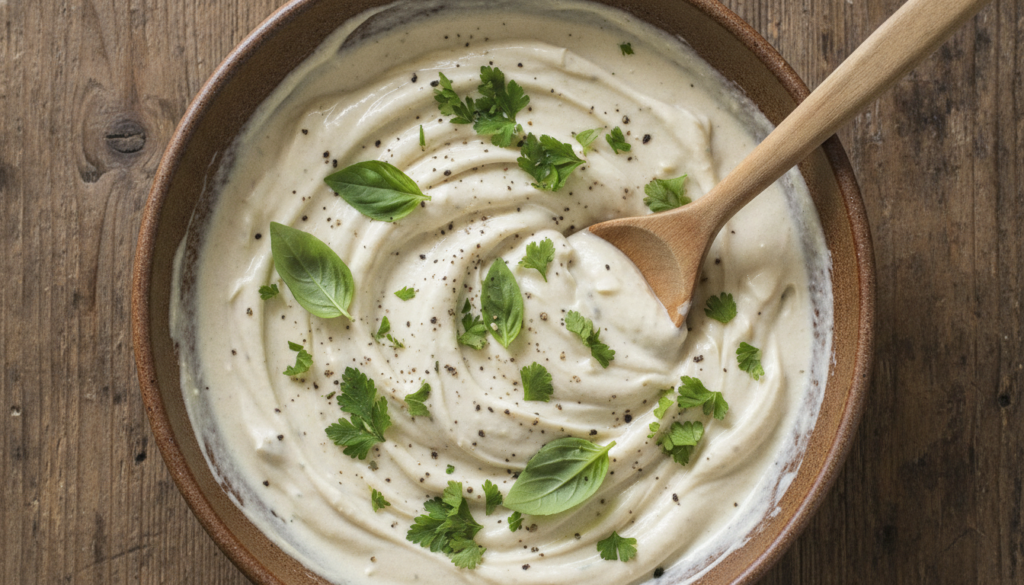
Herb-Infused Alfredo
Fresh basil transforms the sauce into something special. Add a handful of leaves before blending.
Dried Italian herbs work well too. Use one tablespoon of mixed herbs for best results.
Fresh parsley adds color and freshness. Stir it in just before serving for the brightest flavor.
Protein-Packed Version
Add half a cup of white beans to the blender. This increases protein without changing taste.
Silken tofu can replace some of the cashews. This makes the recipe more budget-friendly.
Both additions maintain the creamy texture people love. The sauce stays rich and satisfying.
Spicy Kick
Add red pepper flakes for heat. Start with half a teaspoon and adjust to taste.
Cayenne pepper gives cleaner heat than red pepper flakes. Use just a pinch at first.
Smoky Depth
Smoked paprika adds incredible depth. One teaspoon changes the entire flavor profile.
Liquid smoke works in tiny amounts. Two drops are enough for subtle smokiness.
Mushroom Magic
Sautéed mushrooms add umami richness. Cook them before adding to the sauce.
Mushroom powder intensifies savory flavor. Mix in one teaspoon for extra depth.
Unlock Advanced Recipe Collections
Get instant access to premium vegan recipe databases with hundreds of variations and substitutions. Perfect for creative home cooks who want more options.
Best Ways to Serve Vegan Alfredo Sauce
This sauce works with more than just pasta. The versatility makes it a kitchen staple.
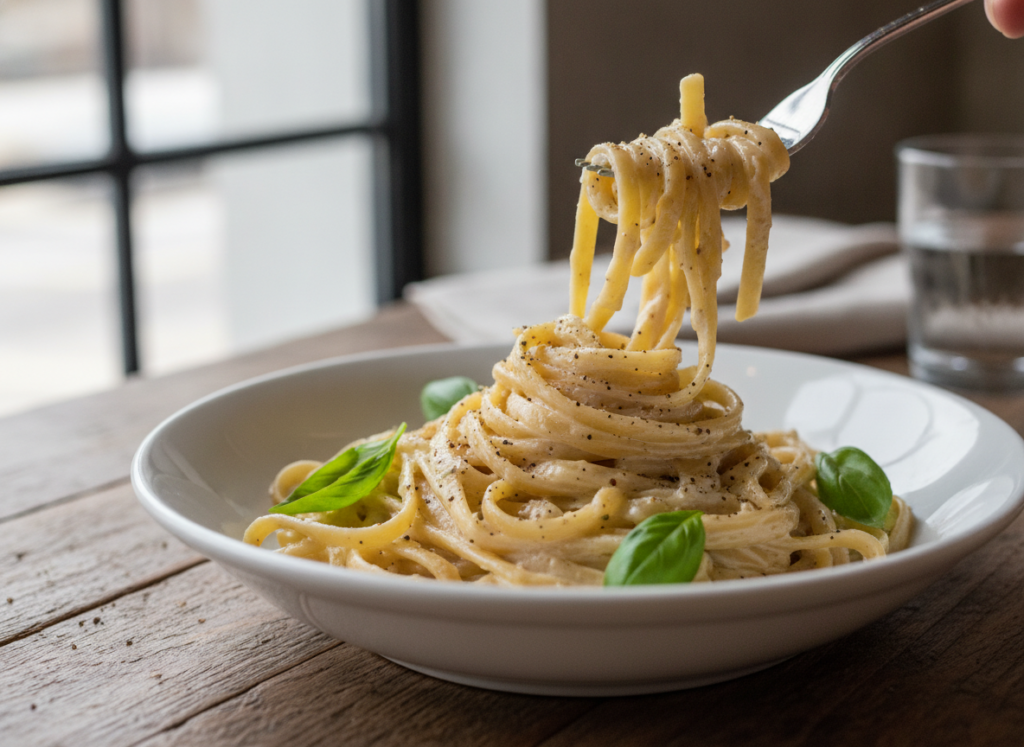
Perfect Pasta Pairings
Fettuccine is the classic choice for alfredo sauce. The wide noodles hold sauce beautifully.
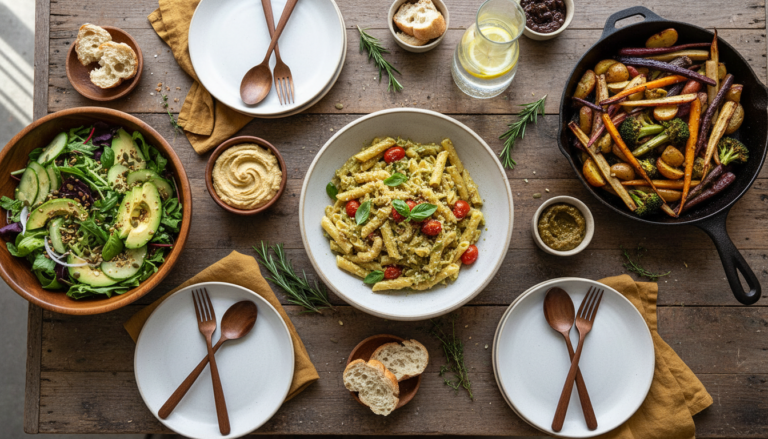
Penne works great when you want easier eating. The sauce fills the tube shapes perfectly.
Spaghetti creates lighter dishes than wider pasta. Use this for less filling meals.
Cook pasta until just tender but still firm. This takes about eight minutes for most shapes.
Beyond Pasta Ideas
Pour the sauce over roasted vegetables for easy side dishes. Broccoli and cauliflower work especially well.
Use it as pizza sauce for white pizza variations. Spread thin before adding toppings.
Drizzle over baked potatoes instead of sour cream. This creates a more substantial meal.
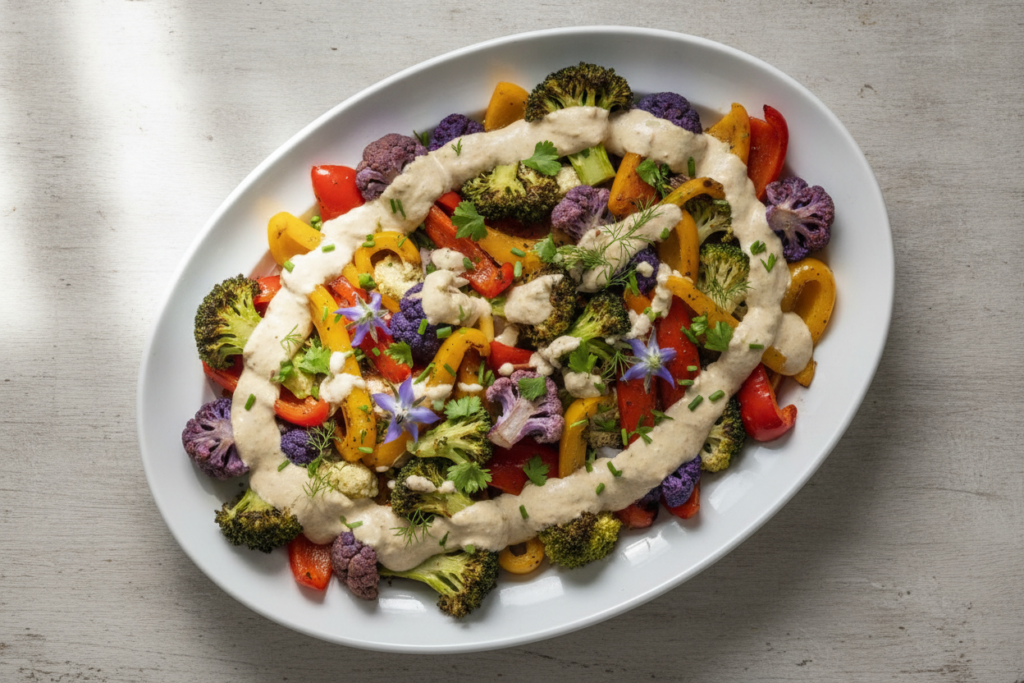
Creating Complete Meals
Add cooked chicken-style plant protein for hearty dinners. This makes the dish more filling and satisfying.
Toss in sun-dried tomatoes for tangy sweetness. They provide nice contrast to the creamy sauce.
Steamed peas bring color and texture to the plate. Add them in the last two minutes of cooking.
Storage Tips and Meal Prep Strategies
Making sauce ahead saves time during busy weeks. Proper storage keeps it fresh and delicious.
Refrigerator Storage
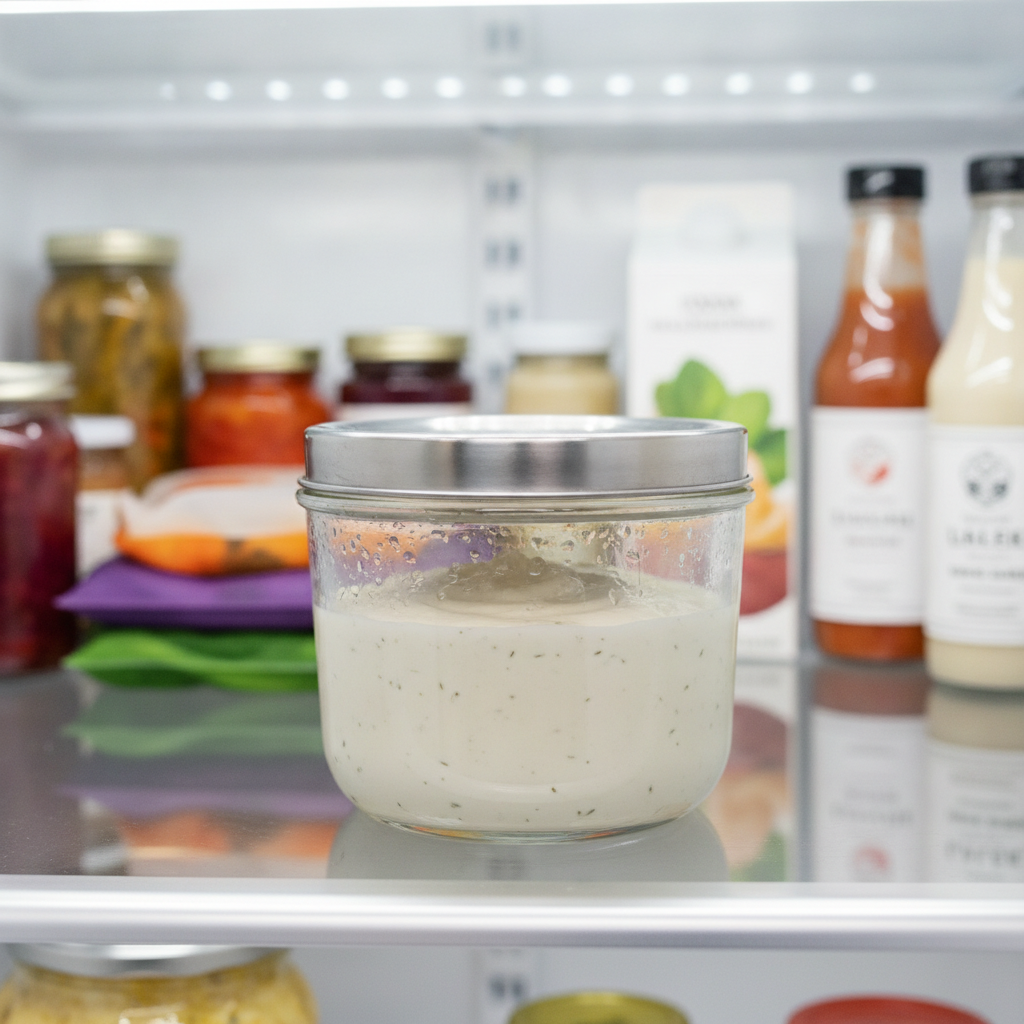
Store leftover sauce in an airtight container. Glass containers work better than plastic for preventing odors.
The sauce stays fresh in the fridge for up to five days. Always check for any off smells before using.
Cold sauce becomes very thick after refrigeration. This is completely normal and easy to fix.
Reheating Methods
The stove works best for reheating this sauce. Place it in a pan over low heat and stir often.
Add a bit of oat milk or water to restore consistency. Start with two tablespoons and add more if needed.
The microwave works in a pinch for small amounts. Heat in thirty-second intervals, stirring between each one.
Never boil the sauce when reheating. High heat can cause separation and graininess.
Freezer Storage
This sauce freezes well for up to three months. Use freezer-safe containers with tight lids.
Leave some space at the top of containers. The sauce expands slightly when frozen.
Thaw overnight in the fridge before reheating. Quick thawing can affect texture negatively.
Stir well after thawing as some separation may occur. The texture returns to normal once heated and stirred.
Plan Your Plant-Based Meals Effortlessly
Discover meal planning systems designed specifically for vegan cooking. Save time, reduce waste, and always have delicious meals ready.
Nutritional Benefits of Vegan Alfredo Sauce
This plant-based version offers more than just great taste. The nutritional profile surpasses traditional alfredo in several ways.
Comparing to Traditional Alfredo
Traditional alfredo sauce contains heavy cream and butter. These ingredients pack in saturated fat and cholesterol.
The vegan version has zero cholesterol naturally. Plant-based ingredients simply don’t contain it.
Saturated fat content drops significantly too. Cashews provide mostly healthy unsaturated fats instead.
Key Nutrients in This Recipe
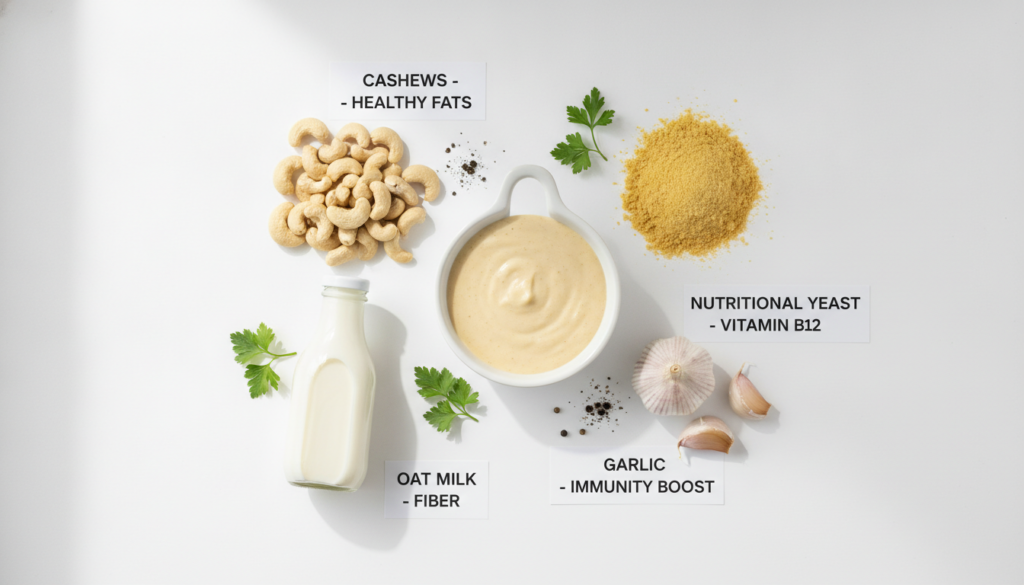
Cashews deliver protein and healthy fats in every serving. They also provide important minerals like copper and magnesium.
Oat milk adds fiber that traditional cream lacks. This helps with digestion and keeps you fuller longer.
Nutritional yeast brings vitamin B12 to the table. This vitamin is essential, especially for people eating plant-based diets.
Garlic contributes immune-supporting compounds. These help your body fight off common illnesses.
Lemon juice provides vitamin C for better iron absorption. This makes the meal more nutritious overall.
Per Serving Benefits
- Lower in calories than dairy versions
- Rich in plant-based protein from cashews
- Contains beneficial fiber for digestion
- Provides essential B vitamins
- Free from cholesterol and lactose
Health Advantages
- Easier to digest than heavy cream
- Suitable for lactose-intolerant individuals
- Supports heart health with better fats
- Includes anti-inflammatory ingredients
- Works for various dietary restrictions
Common Problems and Quick Fixes
Even simple recipes can have hiccups. These solutions help you rescue any batch of sauce.
Sauce Too Thick
Add liquid gradually to thin overly thick sauce. Oat milk works best for maintaining flavor.
Water works too but dilutes taste slightly. Use it only if you’re out of milk.
Warm the sauce while adding liquid for even mixing. Cold sauce absorbs additions less smoothly.
Sauce Too Thin
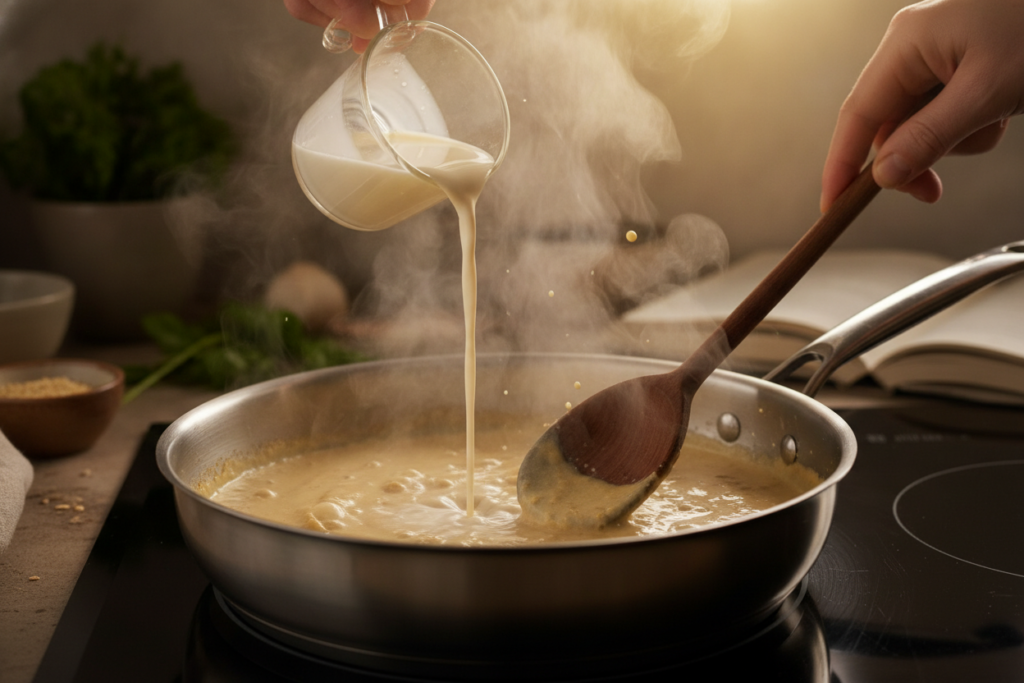
Simmer thin sauce for a few more minutes. The water content reduces naturally through evaporation.
Add a tablespoon of cashew butter for instant thickening. This also boosts the nutty flavor.
A small amount of tapioca starch helps too. Mix one teaspoon with cold water first, then stir into sauce.
Grainy Texture Issues
Insufficient blending causes grainy texture problems. Blend for at least two full minutes on high speed.
Using a regular blender instead of high-speed can cause this. If needed, strain the sauce through a fine-mesh sieve.
Old cashews sometimes refuse to blend smoothly. Always use fresh, properly soaked nuts for best results.
Lack of Flavor
Under-seasoned sauce tastes flat and boring. Salt is crucial for bringing out other flavors.
Add salt in small amounts, tasting after each addition. You can always add more but can’t remove it.
A squeeze of extra lemon juice brightens dull sauce. Acid makes all flavors pop more noticeably.
More nutritional yeast increases the cheesy taste. Add it by the tablespoon until you’re happy.
Essential Equipment for Best Results
Having the right tools makes this recipe even easier. You don’t need much, but quality matters.
Blender Selection
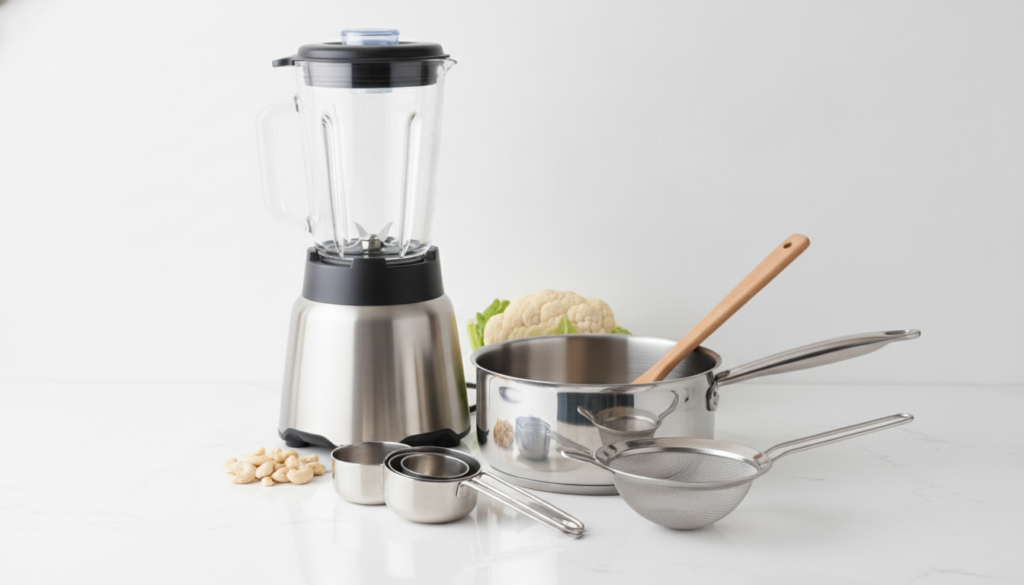
A high-speed blender creates the smoothest sauce. Brands like Vitamix or Blendtec work perfectly.
Regular blenders can work if you blend longer. Expect to run it for three to four minutes instead of two.
Immersion blenders struggle with this recipe. They rarely create the smooth texture you want.
Cookware Recommendations
Use a heavy-bottomed pan to prevent sticking. Thin pans create hot spots that burn the sauce.
Stainless steel or enameled cast iron work best. Nonstick pans are fine but metal utensils can damage them.
A wooden spoon is gentler than metal ones. It won’t scratch your cookware either.
Storage Containers
Glass containers preserve flavor better than plastic. They also don’t stain from the sauce.
Choose containers with airtight lids for longest freshness. Poor seals let in air that spoils food faster.
Small containers work well for single servings. This makes reheating individual portions much easier.
Upgrade Your Plant-Based Kitchen
Learn which tools and ingredients make the biggest difference in vegan cooking. Get comprehensive kitchen setup guides and equipment recommendations.
Ingredient Substitutions That Work
Don’t have all the ingredients on hand? These swaps maintain the creamy texture and rich flavor.
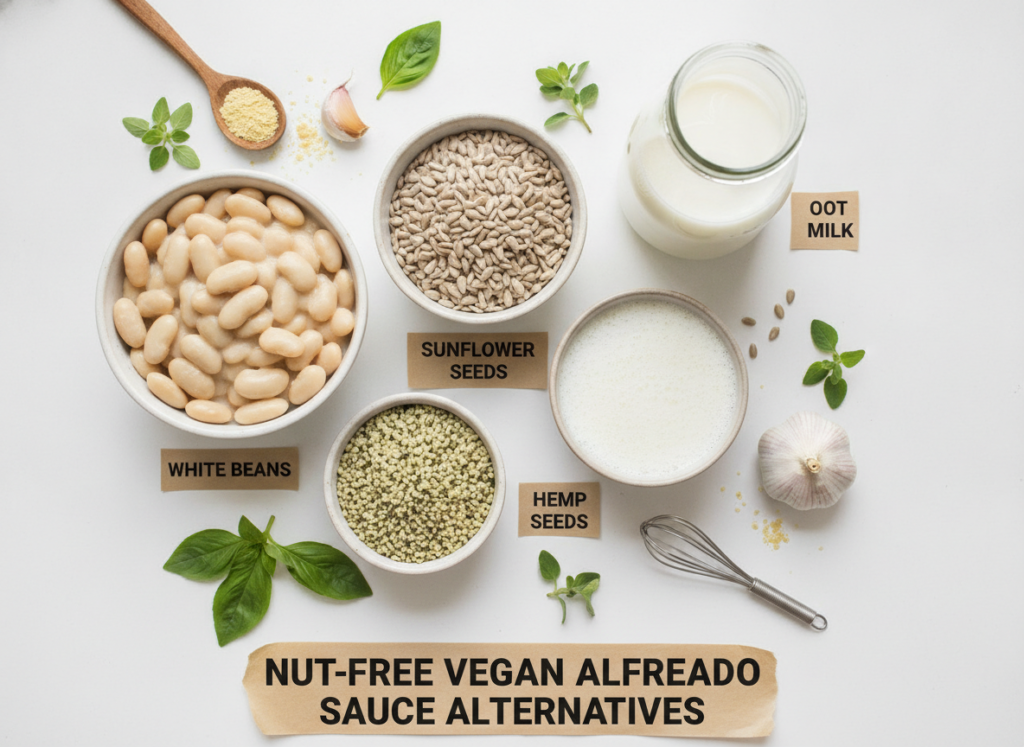
Nut-Free Alternatives
Sunflower seeds replace cashews perfectly for nut allergies. Soak them the same way as cashews.
Hemp seeds create a slightly different flavor but work well. Use the same amount as cashews.
White beans make the sauce nut-free and budget-friendly. Use one can of drained, rinsed beans.
Milk Alternatives
Soy milk works as a direct substitute for oat milk. Choose unsweetened versions only.
Cashew milk creates extra rich sauce when paired with cashews. The flavor intensifies beautifully.
Almond milk is thinner than oat milk. Reduce the amount by one-quarter cup for proper consistency.
Coconut milk from a can makes incredibly rich sauce. Use light coconut milk to avoid overwhelming coconut flavor.
Butter Replacements
Olive oil replaces vegan butter easily in this recipe. Use the same amount for cooking the garlic.
Refined coconut oil works without adding coconut taste. Make sure it’s refined, not virgin coconut oil.
Avocado oil has a neutral flavor perfect for this sauce. It also handles high heat very well.
Complete Vegan Alfredo Sauce Recipe
Ingredients
Sauce Base
- 1 cup raw cashews (soaked 2 hours)
- 2 cups unsweetened oat milk
- 3 tablespoons nutritional yeast
- 2 tablespoons fresh lemon juice
- 1 teaspoon salt
- ½ teaspoon ground black pepper
Cooking Components
- 2 tablespoons vegan butter
- 3 cloves garlic (minced)
- ½ cup reserved pasta water
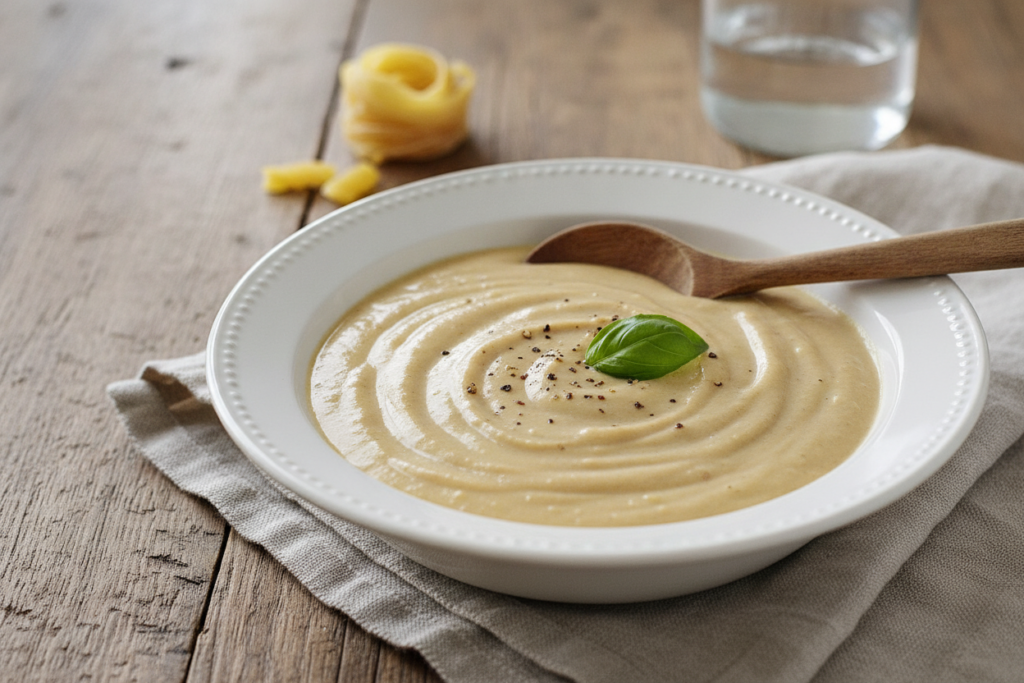
- Fresh basil for garnish
- Extra black pepper for serving
Instructions
- Drain soaked cashews completely and add to high-speed blender
- Add oat milk, nutritional yeast, lemon juice, salt, and pepper to blender
- Blend on highest setting for 2 full minutes until completely smooth
- Heat vegan butter in large pan over medium heat
- Add minced garlic and sauté for 1 minute until fragrant
- Pour blended mixture into pan with garlic
- Stir constantly and simmer for 5 minutes until sauce thickens
- Adjust consistency with pasta water or oat milk as needed
- Taste and adjust seasoning with more salt, pepper, or lemon juice
- Pour sauce over cooked noodles immediately and toss to coat
- Garnish with fresh basil and extra ground black pepper
- Serve hot and enjoy your creamy vegan alfredo
Recipe Notes
Prep Time: 10 minutes (plus 2 hours soaking)
Cook Time: 8 minutes
Total Time: 18 minutes
Yield: 4 servings (about 3 cups sauce)
Storage: Refrigerate up to 5 days or freeze up to 3 months
Nutrition Per Serving
- Calories: 245
- Protein: 8g
- Fat: 18g (mostly healthy unsaturated)
- Carbohydrates: 15g
- Fiber: 2g
- Sodium: 620mg
- Vitamin B12: 130% daily value
Frequently Asked Questions
Can I make vegan alfredo sauce without cashews?
Yes, several alternatives work well for nut-free versions. Sunflower seeds create similar creaminess when soaked and blended.
White beans offer another excellent option that’s budget-friendly. Use one 15-ounce can of drained white beans instead of cashews.
Hemp seeds work too, though they create a slightly different flavor. The texture remains smooth and creamy with any of these substitutes.
How long does homemade vegan alfredo sauce last?
Properly stored vegan alfredo sauce stays fresh in the fridge for five days. Always use an airtight container to prevent odors.
For longer storage, freeze the sauce in portions for up to three months. Thaw overnight in the refrigerator before reheating.
The sauce may separate slightly after storage but returns to normal when stirred during reheating. Never leave it at room temperature for more than two hours.
Why is my vegan alfredo sauce grainy?
Grainy texture usually means the cashews weren’t blended long enough. High-speed blenders need at least two minutes on the highest setting.
Regular blenders require three to four minutes to achieve smoothness. If graininess persists, your cashews may not have soaked long enough.
Strain grainy sauce through a fine-mesh sieve as a quick fix. This removes any chunks and creates smooth texture immediately.
Can I use this sauce for pizza?
Absolutely! This vegan alfredo sauce makes excellent white pizza sauce. Spread it thin on pizza dough before adding toppings.
The sauce becomes slightly thicker when baked, creating perfect pizza texture. Add vegetables, plant-based protein, or herbs as desired.
Use about half a cup of sauce per standard pizza. Too much sauce makes the crust soggy, so spread it thinly.
What pasta works best with vegan alfredo?
Fettuccine is the traditional choice and works beautifully. The wide, flat noodles hold the sauce perfectly.
Penne and rigatoni trap sauce inside their tubes for flavor in every bite. These shapes make eating easier too.
Any pasta shape works well with this versatile sauce. Choose based on your preference and what you have available.
Is vegan alfredo sauce healthier than regular alfredo?
Yes, in several important ways. Vegan alfredo contains zero cholesterol since it uses only plant ingredients.
It has less saturated fat than traditional versions made with heavy cream. The fats from cashews are mostly heart-healthy unsaturated types.
This version also provides fiber, vitamin B12 from nutritional yeast, and beneficial plant compounds. Traditional alfredo offers none of these nutrients.
Final Thoughts on Vegan Alfredo Sauce
Creating restaurant-quality vegan alfredo sauce at home is surprisingly simple. This recipe proves you don’t need dairy for incredible creaminess.

The combination of oat milk and cashews delivers texture that rivals traditional versions. Many people actually prefer this plant-based version.
You can customize the flavor endlessly with herbs, spices, and vegetables. Each variation creates a completely different meal experience.
The sauce stores well for quick weeknight dinners. Make a double batch on meal prep day for easy meals all week.
This recipe works for various dietary needs beyond veganism. It’s naturally gluten-free, dairy-free, and can be made nut-free easily.
Start with the basic recipe and experiment from there. You’ll develop your own perfect version over time.
Take Your Vegan Cooking to the Next Level
Ready to master more plant-based recipes like this? Access comprehensive cooking courses, meal plans, and exclusive recipes that make vegan cooking effortless and delicious.
The versatility of this sauce makes it a true kitchen staple. Use it on pasta, vegetables, pizza, or potatoes for endless meal options.
Share this recipe with friends who think vegan food can’t be creamy. They’ll be amazed at how rich and satisfying plant-based cooking can be.