Vegan High Protein Recipes: 25+ Delicious Plant-Based Meals
Vegan High Protein Recipes: 25+ Delicious Plant-Based Meals
This Website contains affiliate links. That means I may earn a small commission if you purchase through my links, at no extra cost to you.
Getting enough protein on a vegan diet doesn’t have to feel like an impossible challenge. Many people worry that plant-based eating means sacrificing their protein intake. The truth is quite different.
Plant-based protein sources are abundant, delicious, and incredibly versatile. From hearty beans to protein-packed tofu, the options are endless. These ingredients can create satisfying meals that rival any meat-based dish.
This guide brings you over twenty five practical vegan high protein recipes. Each recipe delivers substantial protein per serving while keeping preparation simple. Whether you’re meal prepping for the week or cooking dinner tonight, you’ll find exactly what you need.
Ready to Master Plant-Based Protein?
Get access to complete vegan meal plans with precise protein calculations, shopping lists, and prep guides. Transform your approach to plant-based eating today.
Understanding Plant-Based Protein Sources
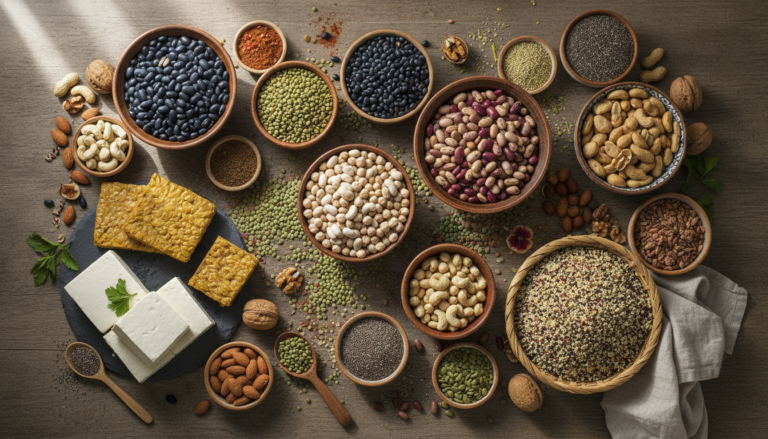
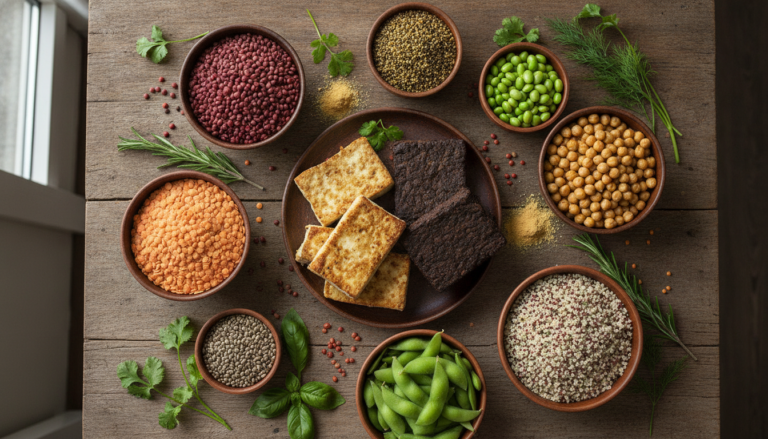
Plant-based protein comes from many different foods. Each source offers unique nutritional benefits and flavors. Understanding these options helps you create balanced, satisfying meals.
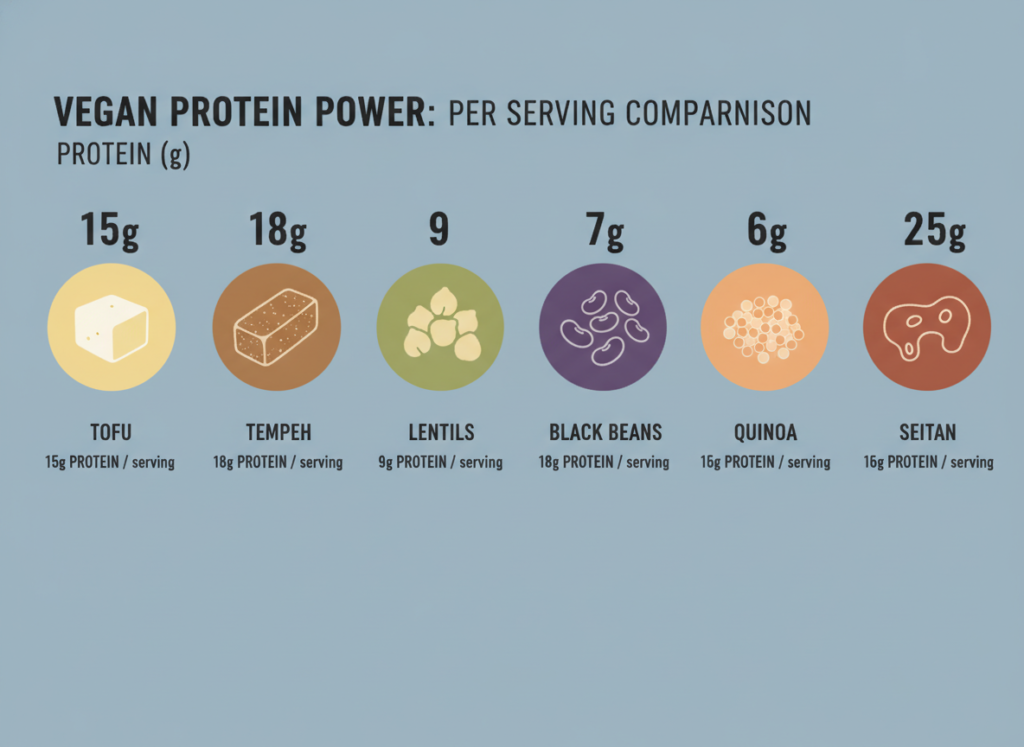
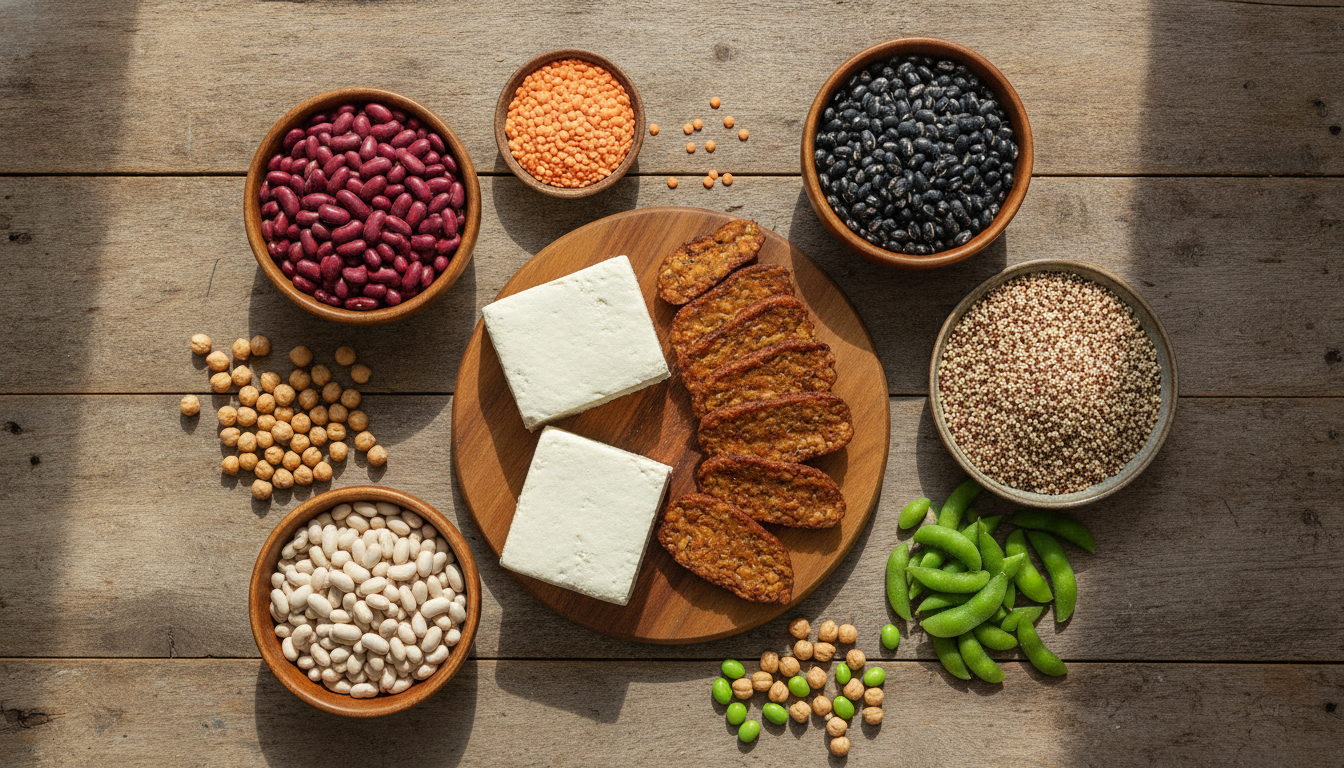
Tofu stands as one of the most versatile protein sources. It absorbs flavors beautifully and works in countless dishes. A single cup of firm tofu provides around twenty grams of protein.
Tempeh offers even more protein per serving than tofu. This fermented soy product has a nutty flavor and firm texture. It contains roughly thirty one grams of protein per cup.
Top Vegan Protein Sources
- Tofu delivers versatile protein with neutral flavor
- Tempeh provides fermented goodness with high protein
- Lentils offer quick-cooking convenience and fiber
- Chickpeas bring protein plus satisfying texture
- Black beans combine protein with essential minerals
- Quinoa supplies complete protein with all amino acids
- Seitan contains wheat protein for meat-like texture
Beans and lentils form the foundation of many high protein vegan meals. They’re affordable, shelf-stable, and packed with fiber. Most varieties provide fifteen to eighteen grams of protein per cooked cup.
Quinoa stands out as a complete protein. Unlike most plant foods, it contains all nine essential amino acids. This makes it particularly valuable for vegan diets.
High Protein Vegan Breakfast Recipes
Starting your day with adequate protein sets you up for sustained energy. These breakfast options deliver protein while remaining quick to prepare. Most recipes work perfectly for meal prep.
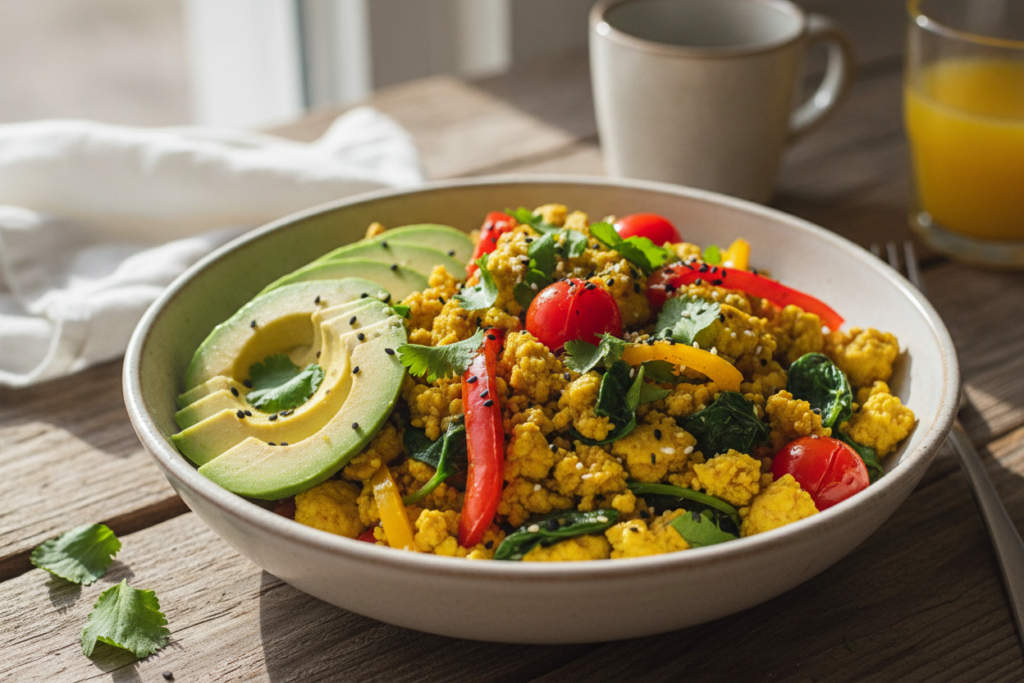
Tofu Scramble Power Bowl
This tofu scramble rivals traditional eggs in every way. Crumbled firm tofu cooks with turmeric for color and cumin for flavor. Add your favorite vegetables for nutrition and taste.
The recipe delivers approximately twenty five grams of protein per serving. Turmeric provides anti-inflammatory benefits. Black salt adds an egg-like flavor that makes this dish special.
Base Ingredients
- Firm tofu pressed and crumbled
- Turmeric for golden color
- Nutritional yeast for cheesy flavor
- Black salt for egg-like taste
Vegetable Mix
- Bell peppers diced fine
- Fresh spinach chopped
- Cherry tomatoes halved
- Green onions sliced thin
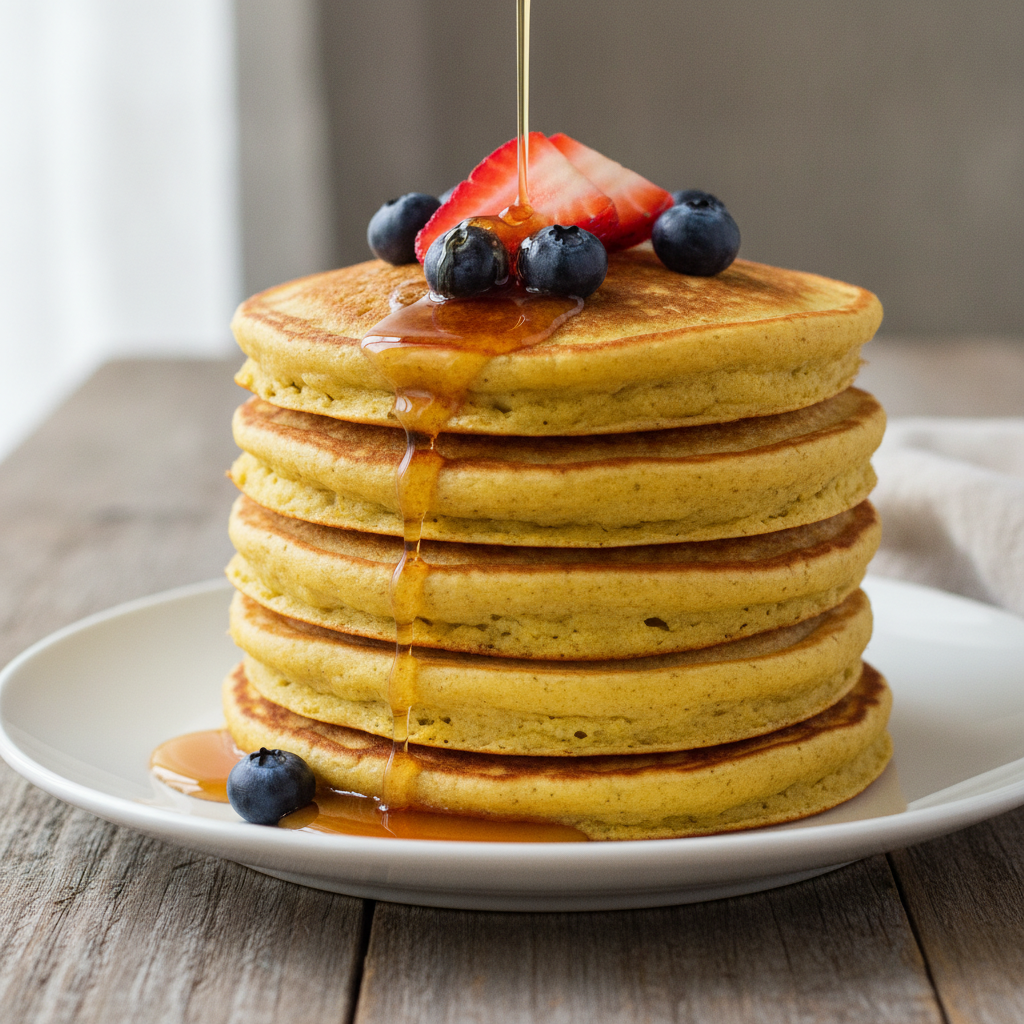
Chickpea Flour Protein Pancakes
These pancakes pack serious protein thanks to chickpea flour. Each serving contains roughly eighteen grams of protein. The flour creates a slightly nutty flavor that pairs wonderfully with fruit.
Mix chickpea flour with plant milk, baking powder, and a touch of maple syrup. Let the batter rest for ten minutes before cooking. This allows the flour to hydrate properly.
Top your pancakes with fresh berries and nut butter. This combination adds even more protein while keeping breakfast interesting. These pancakes freeze beautifully for quick weekday meals.
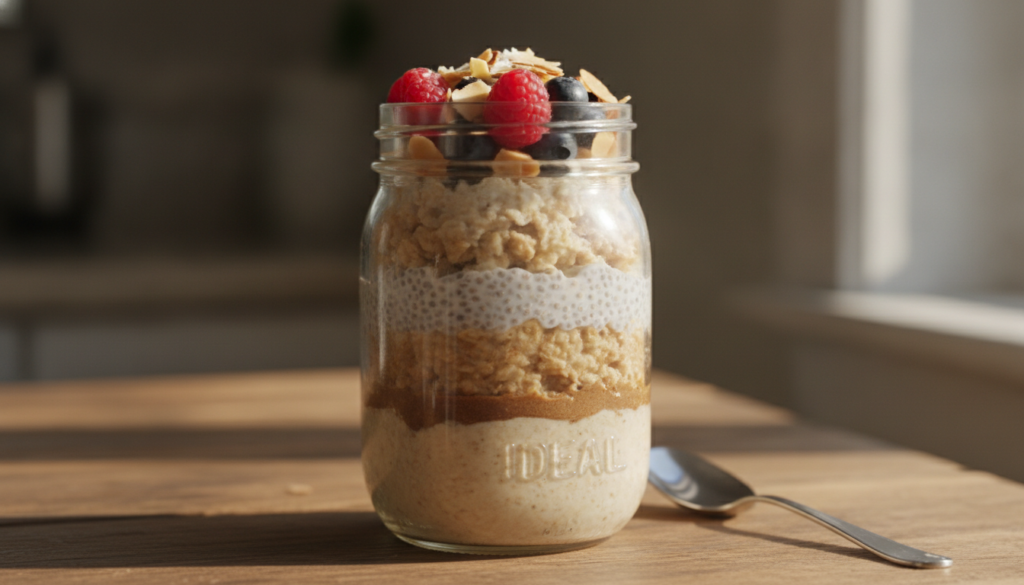
Overnight Protein Oats
Overnight oats save precious morning time. Combine rolled oats with plant-based protein powder, chia seeds, and your preferred milk. Let everything soak overnight in the refrigerator.
The chia seeds provide omega-three fatty acids and additional protein. Plant-based protein powder boosts the protein per serving to around thirty grams. Add nut butter for healthy fats and extra flavor.
Protein-Packed Vegan Lunch Ideas
Lunch needs to provide sustained energy for afternoon activities. These recipes combine protein with complex carbohydrates and healthy fats. Each option works perfectly for meal prep or fresh preparation.
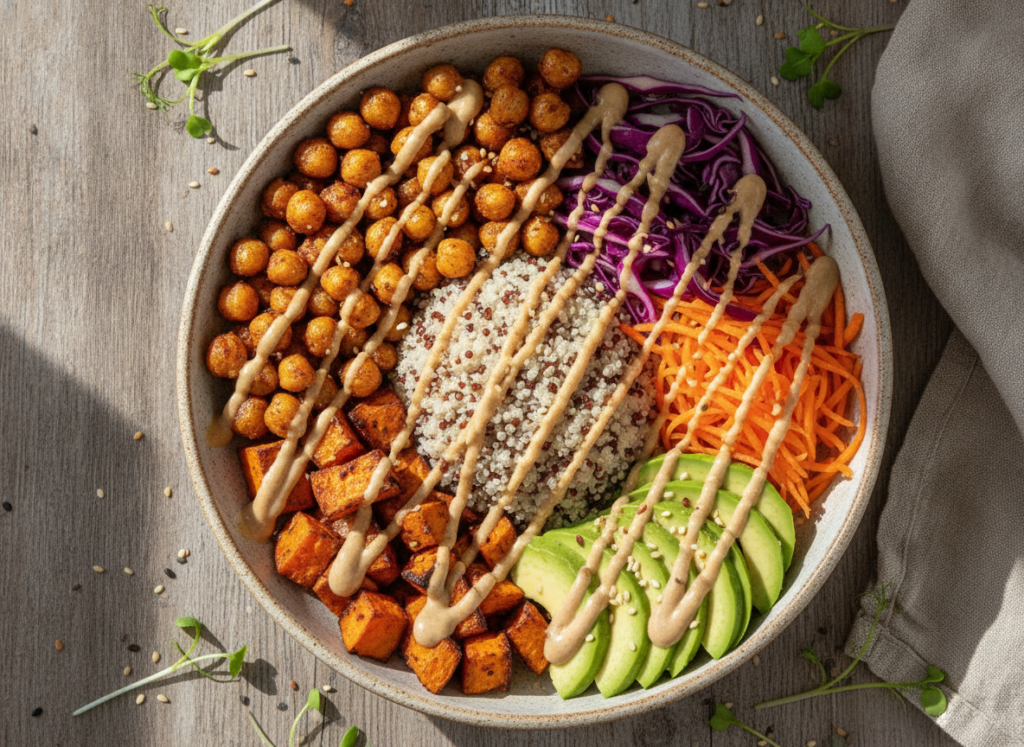
Mediterranean Quinoa Power Bowl
This bowl brings together quinoa, chickpeas, and plenty of vegetables. Quinoa provides the base with its complete protein profile. Roasted chickpeas add crunch and additional protein.
Each serving delivers approximately twenty two grams of protein. The combination of quinoa and chickpeas creates a satisfying meal. Add tahini dressing for healthy fats and incredible flavor.
Prep components ahead of time for quick assembly. Cook quinoa in batches and roast chickpeas with your favorite spices. Store vegetables separately to maintain freshness throughout the week.
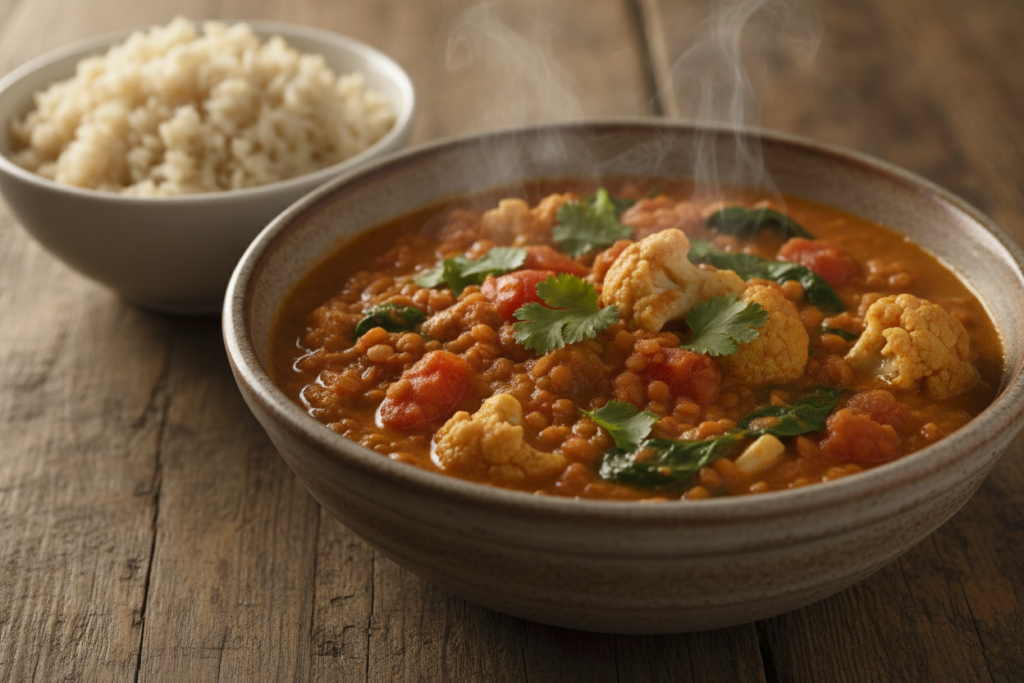
Creamy Lentil Curry
Red lentils cook quickly and create naturally creamy texture. This curry combines lentils with coconut milk and warming spices. The result is comfort food that happens to be incredibly nutritious.
One serving provides around eighteen grams of protein per serving. Lentils also deliver substantial fiber for digestive health. The curry tastes even better the next day as flavors meld together.
- Red lentils cook in just twenty minutes
- Coconut milk adds richness without dairy
- Curry powder brings complex flavor depth
- Cauliflower adds volume and nutrition
- Spinach wilts in for extra vitamins
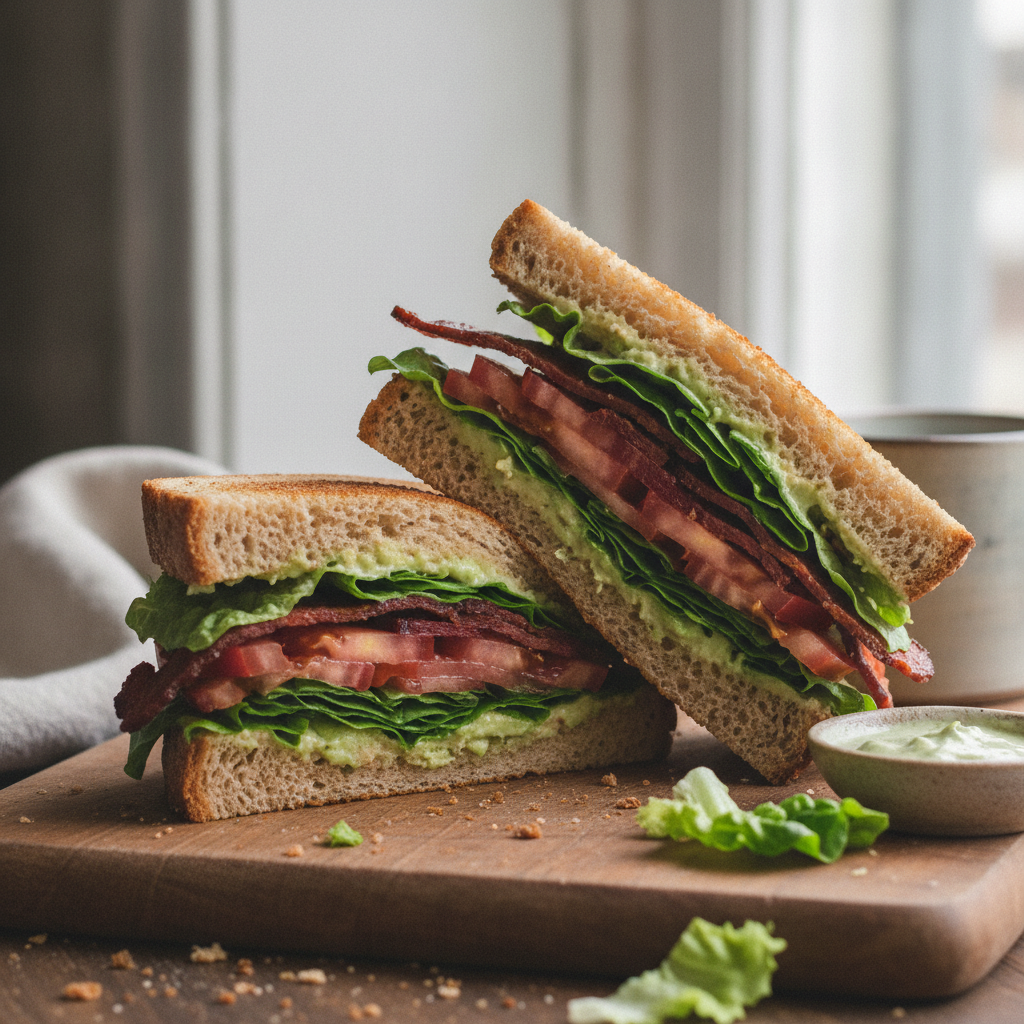
Tempeh BLT Sandwich
Marinated tempeh transforms into smoky bacon-like strips. This sandwich combines that tempeh with fresh vegetables and creamy avocado. Each sandwich contains roughly twenty five grams of protein.
Marinate tempeh slices in soy sauce, maple syrup, and liquid smoke. Pan-fry until crispy on both edges. The tempeh develops incredible flavor through this simple preparation.
Layer your sandwich with plenty of lettuce and ripe tomatoes. Add avocado for healthy fats and creamy texture. This lunch satisfies completely while supporting your protein intake goals.
Meal Prep Tip: Discover professional meal prep strategies that help you prepare high-protein lunches for the entire week in just two hours.
Satisfying High-Protein Vegan Dinners
Dinner provides the perfect opportunity for hearty, protein-rich meals. These recipes feed the whole family while meeting your nutritional needs. Each dish proves that vegan dinner can be both satisfying and delicious.
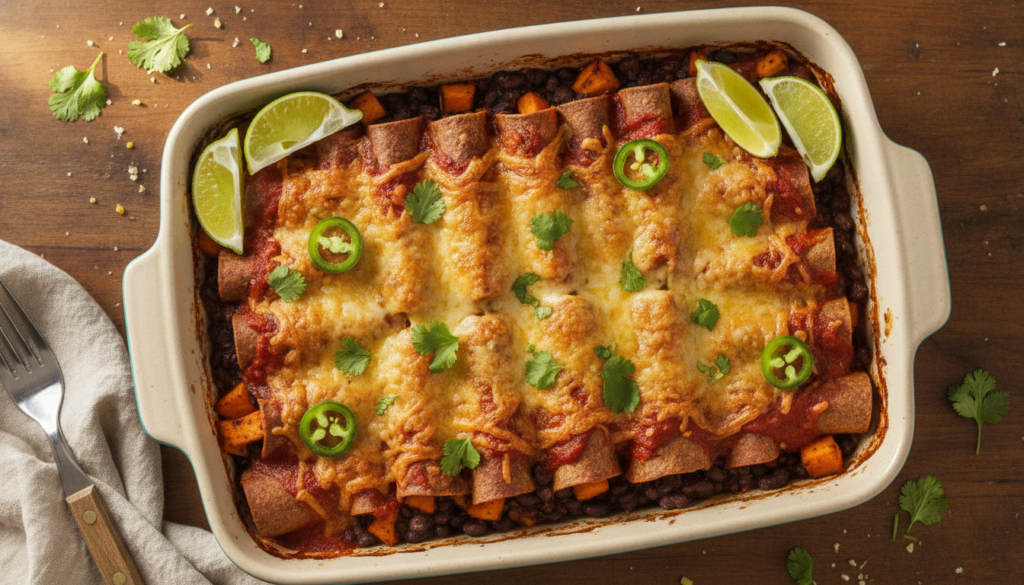
Black Bean Sweet Potato Enchiladas
These enchiladas combine black beans with roasted sweet potato. The filling delivers substantial protein while remaining naturally sweet and savory. Each serving provides approximately nineteen grams of protein.
Black beans form the protein foundation of this dish. Sweet potato adds vitamins and natural sweetness. Wrap everything in corn tortillas and cover with enchilada sauce.
This recipe works beautifully for meal prep. Assemble enchiladas ahead and refrigerate until dinner time. Bake until bubbling hot and serve with fresh cilantro and avocado.
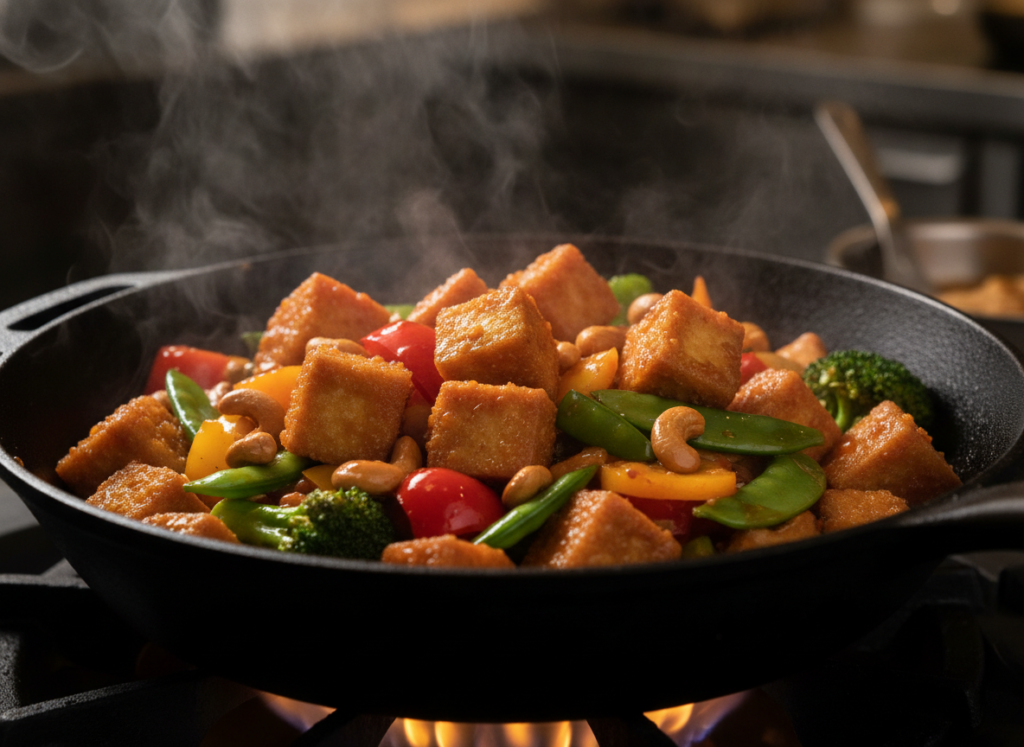
Crispy Tofu Stir-Fry
Crispy tofu transforms this simple stir-fry into something special. Press tofu thoroughly before cooking to achieve maximum crispiness. Each serving delivers around twenty three grams of protein per serving.
Cut tofu into cubes and coat with cornstarch. Pan-fry in a hot skillet until golden brown on all sides. This technique creates incredible texture that holds up to sauce.
Protein Components
- Extra firm tofu pressed well
- Edamame for added protein
- Cashews for crunch and protein
Vegetable Mix
- Broccoli florets cut small
- Bell peppers sliced thin
- Snap peas for sweetness
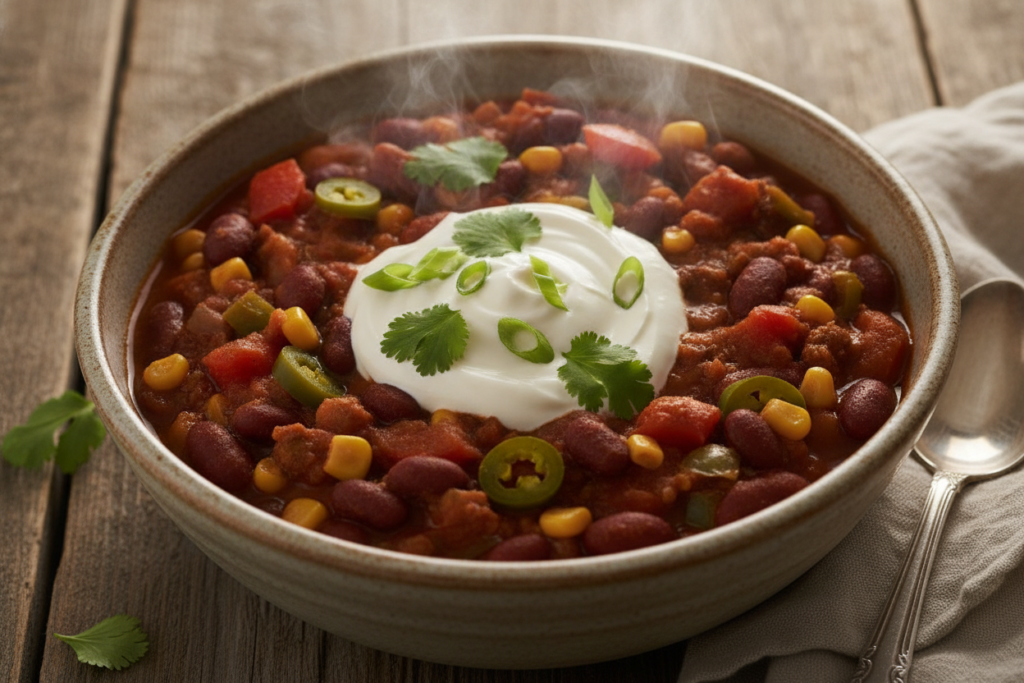
Three-Bean Vegan Chili
This vegan chili combines three types of beans for maximum protein. Kidney beans, black beans, and pinto beans each bring unique texture. The result is hearty comfort food with serious nutrition.
One generous bowl provides roughly twenty one grams of protein. The beans also deliver plenty of fiber for digestive health. This chili tastes even better on day two.
Serve your chili with cornbread or over brown rice. Top with avocado, green onions, and vegan sour cream. This meal satisfies completely while supporting muscle recovery and growth.
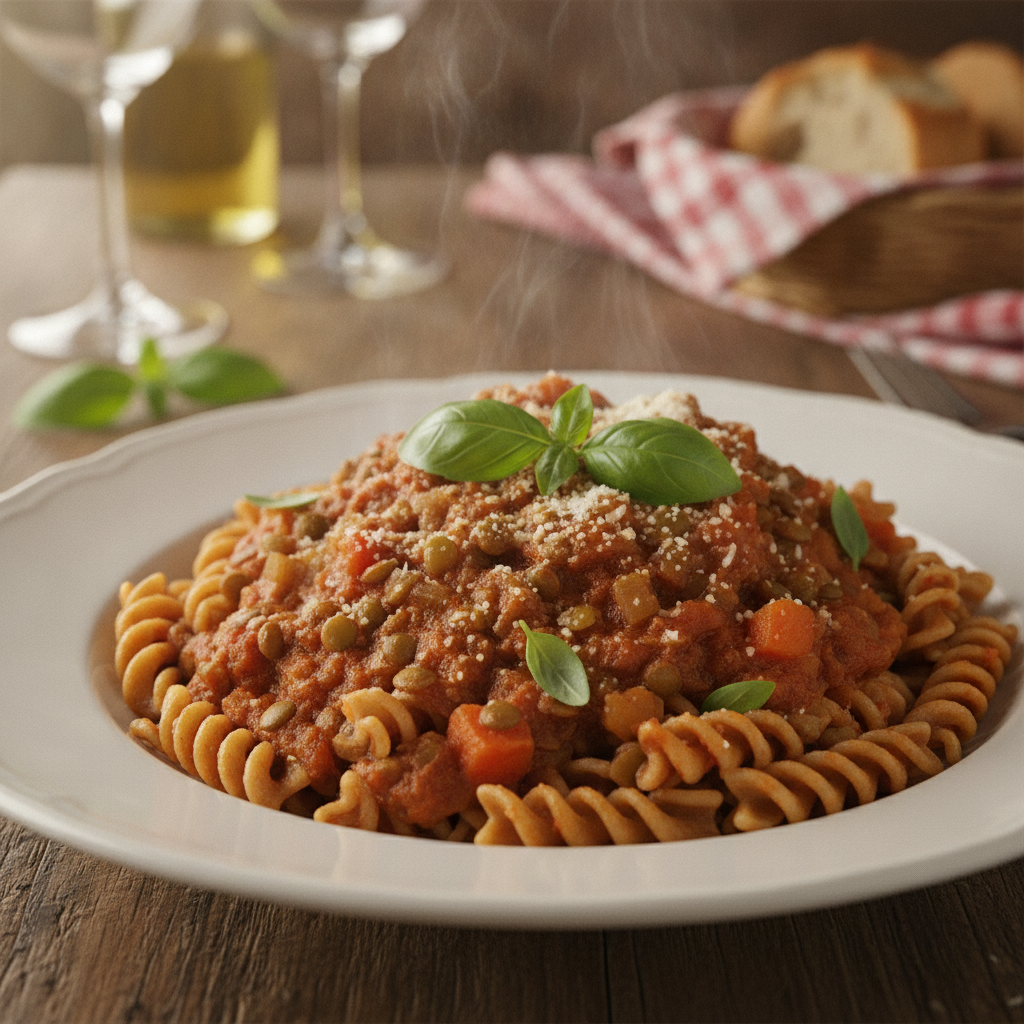
Lentil Bolognese Pasta
Lentils create surprisingly meaty texture in this vegan bolognese. Brown or green lentils work best for maintaining structure. The sauce develops deep flavor through slow simmering.
Each serving delivers around seventeen grams of protein from the lentils alone. Add whole wheat pasta for additional protein and fiber. This dinner proves plant-based meals can satisfy even dedicated meat eaters.
Want More Dinner Inspiration?
Access hundreds of high-protein vegan dinner recipes with detailed nutritional information and step-by-step video guides.
High-Protein Vegan Snacks and Sides
Snacks help maintain steady protein intake throughout the day. These options provide quick nutrition between meals. Each recipe takes minimal time while delivering substantial protein.
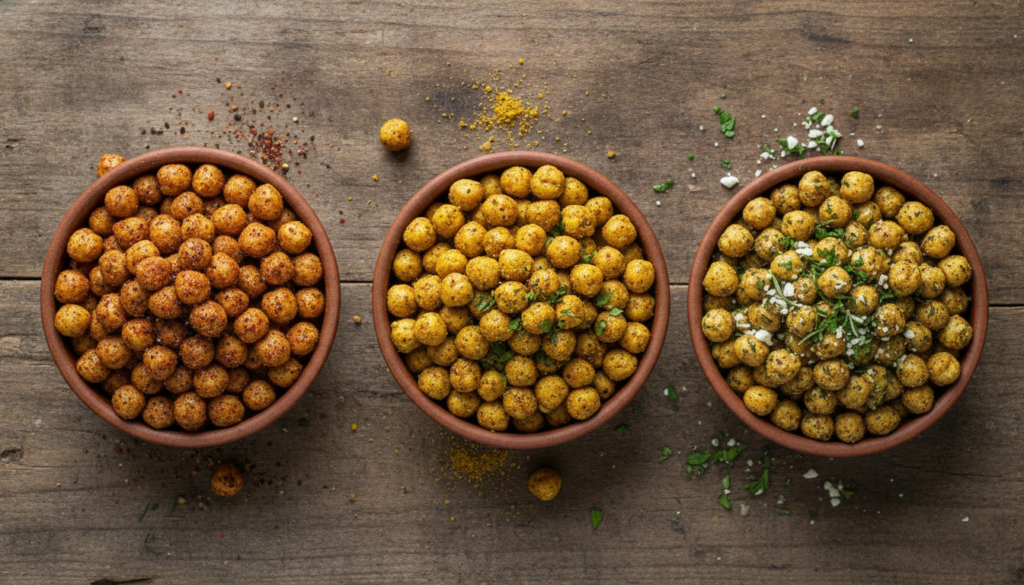
Crispy Roasted Chickpeas
Roasted chickpeas become addictively crunchy snacks. One cup of roasted chickpeas provides roughly fifteen grams of protein. Season them with any spice blend you enjoy.
Drain and dry canned chickpeas thoroughly. Toss with olive oil and your chosen seasonings. Roast at four hundred degrees until crispy throughout.
- Pat chickpeas completely dry with paper towels
- Toss with minimal oil and seasonings
- Spread in single layer on baking sheet
- Roast for thirty to forty minutes
- Shake pan every ten minutes for even crisping
- Cool completely before storing
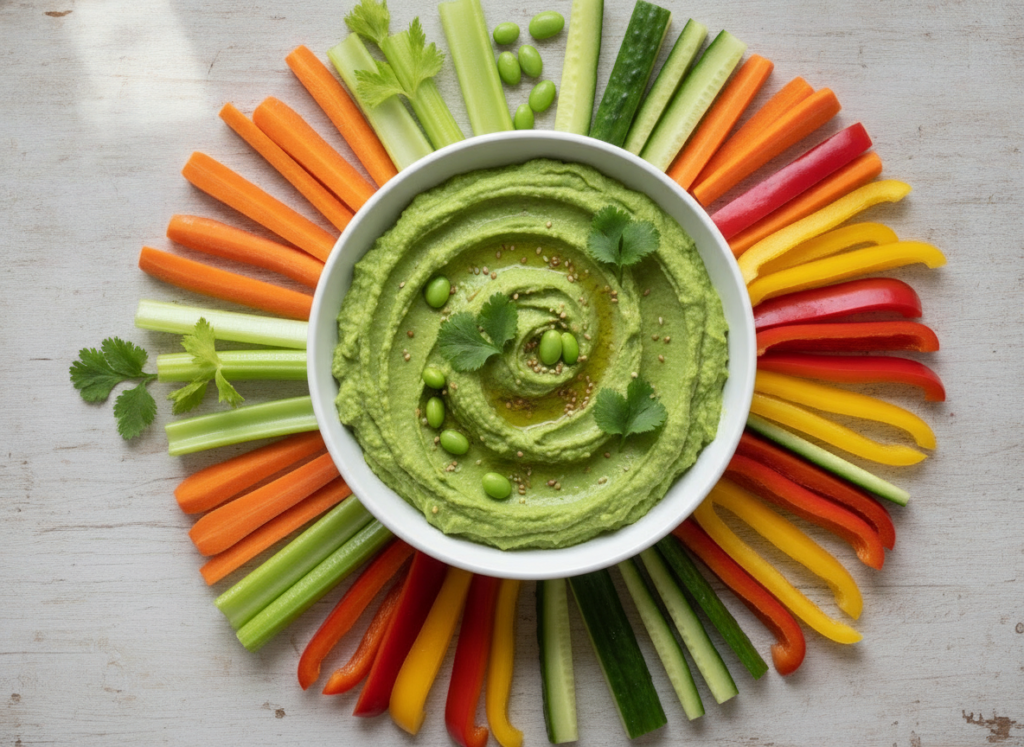
Edamame Hummus
Edamame creates bright green hummus with extra protein. This twist on traditional hummus uses shelled edamame instead of chickpeas. Each serving provides around twelve grams of protein.
Blend cooked edamame with tahini, lemon juice, garlic, and olive oil. The result is smooth, creamy, and incredibly nutritious. Serve with vegetable sticks for a complete snack.
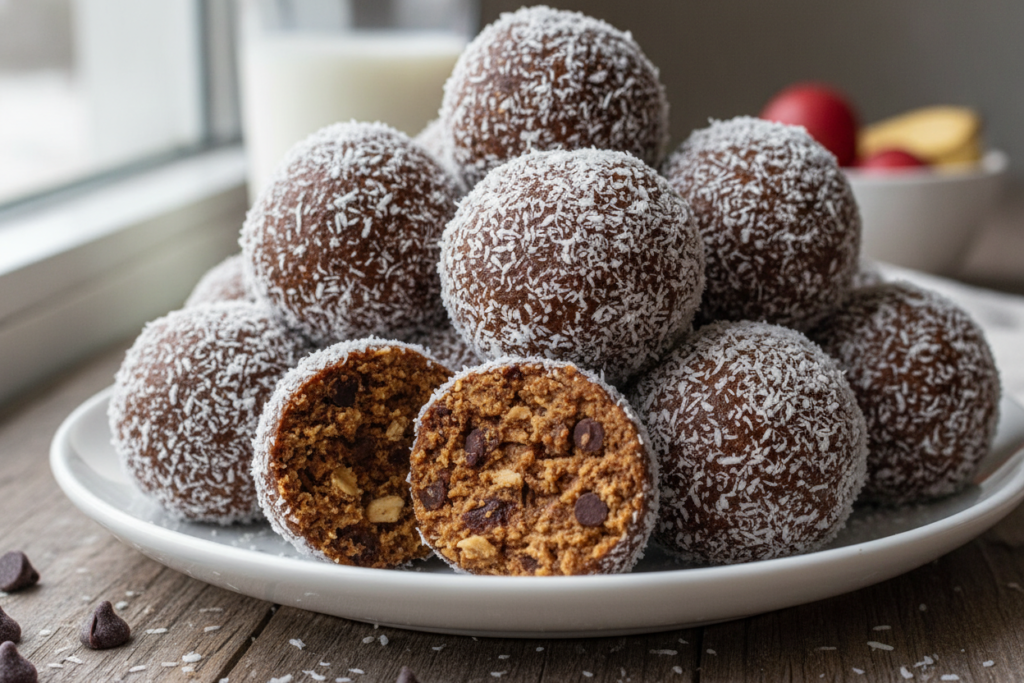
Peanut Butter Protein Balls
These no-bake energy balls come together in minutes. Combine peanut butter with oats, dates, and vegan protein powder. Each ball provides approximately six grams of protein.
Roll the mixture into balls and refrigerate until firm. These snacks store for up to two weeks in the refrigerator. They’re perfect for pre-workout fuel or afternoon energy.
Strategies for Maximizing Your Protein Intake
Meeting protein goals requires some planning on a vegan diet. These strategies help you consistently hit your targets. Small changes make significant differences over time.
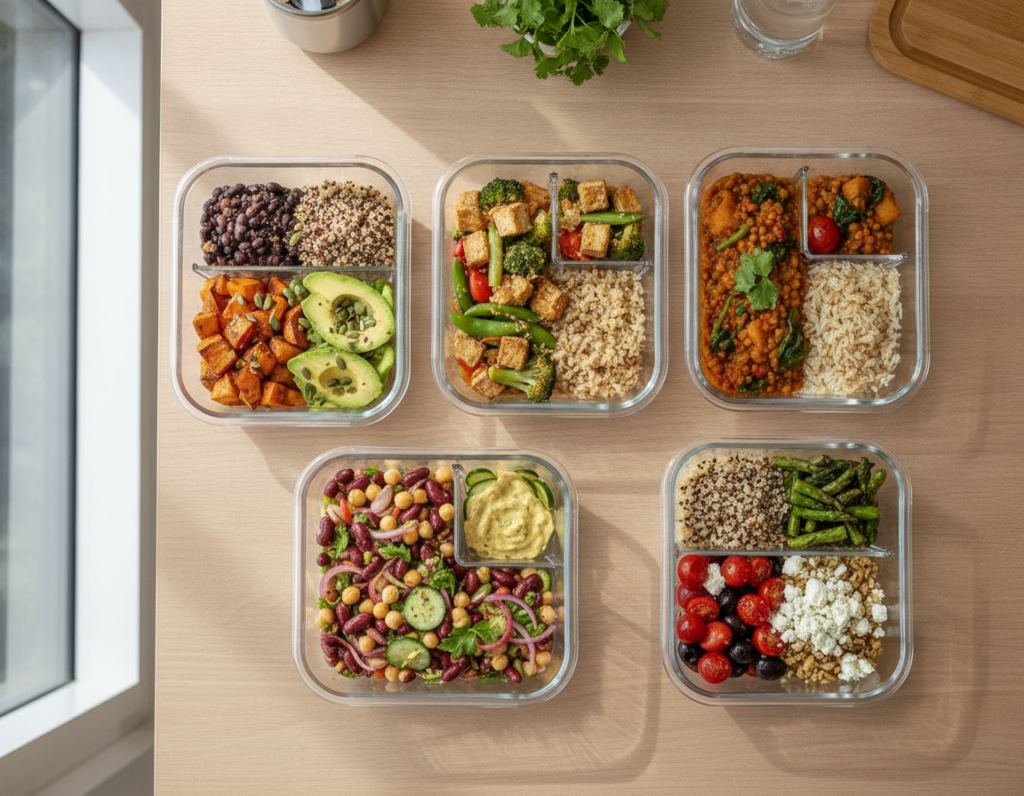
Meal Prep for Protein Success
Meal prep ensures you always have high-protein options available. Dedicate a few hours each week to preparation. Cook grains, beans, and protein sources in larger batches.
Store components separately for maximum flexibility. Mix and match throughout the week to prevent boredom. This approach makes meeting protein goals effortless.
Prep Ahead Items
- Cooked quinoa and brown rice
- Seasoned baked tofu blocks
- Cooked beans and lentils
- Marinated tempeh ready to cook
These prepped ingredients become building blocks for quick meals. Combine them with fresh vegetables and sauces. You can create complete dinners in under fifteen minutes.
Proper storage extends freshness significantly. Use airtight containers and label everything with dates. Most cooked components last four to five days refrigerated.
Protein Combining Strategies
Combining different plant proteins throughout the day ensures complete amino acid intake. You don’t need to combine proteins in every meal. Focus on variety over the course of each day.
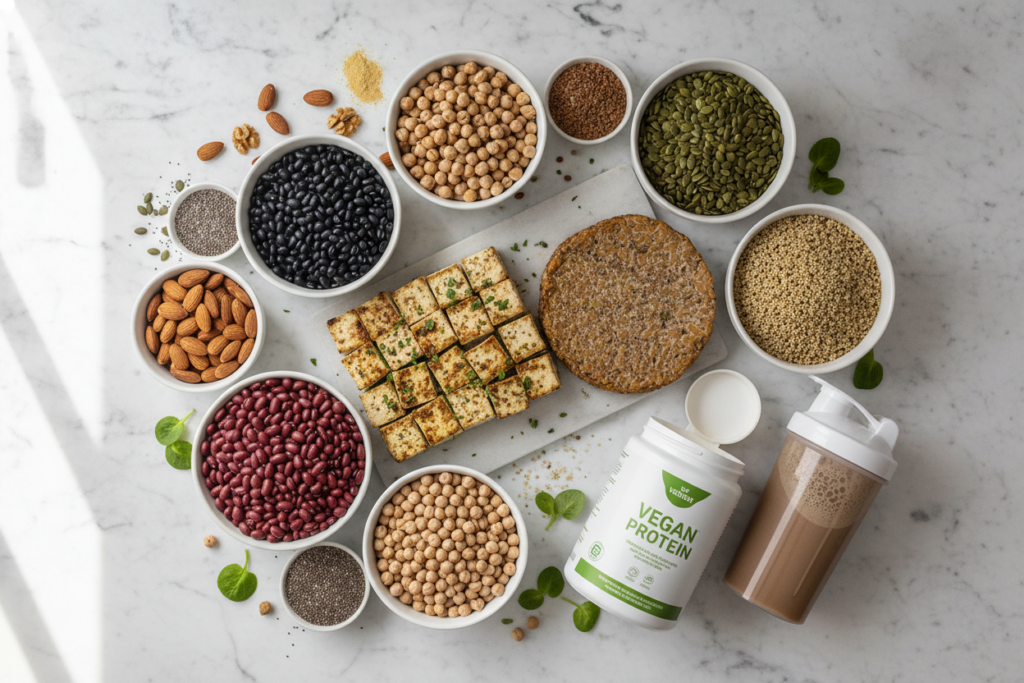
- Pair beans with whole grains for complete protein
- Add nuts or seeds to grain-based meals
- Include soy products daily for all amino acids
- Vary protein sources throughout the week
- Consider plant-based protein powder for smoothies
- Snack on protein-rich foods between meals
Tracking Your Protein Intake
Tracking helps identify gaps in your nutrition. Use a food tracking app for a few weeks. This reveals patterns and helps you adjust accordingly.
Most adults need roughly zero point eight grams of protein per kilogram of body weight. Athletes and active individuals may need more. Calculate your specific needs based on activity level.
Pro Tip: Boost any meal’s protein content by adding nutritional yeast, hemp seeds, or spirulina. These ingredients pack serious nutrition without changing flavor profiles.
Adapting Recipes for Higher Protein
Many standard recipes can be modified to increase protein content. Simple swaps make significant differences. These modifications maintain flavor while boosting nutrition.
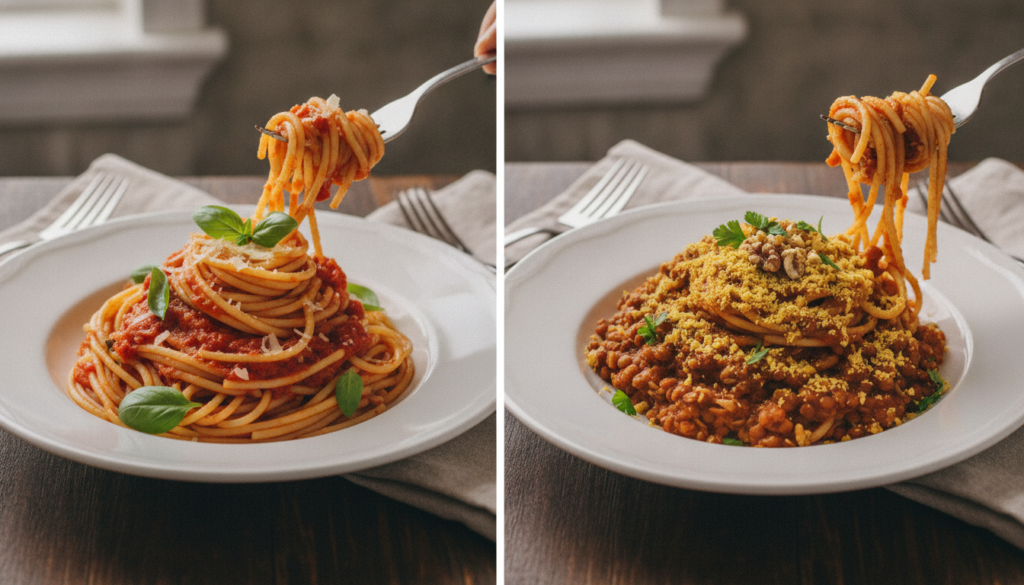
Smart Ingredient Substitutions
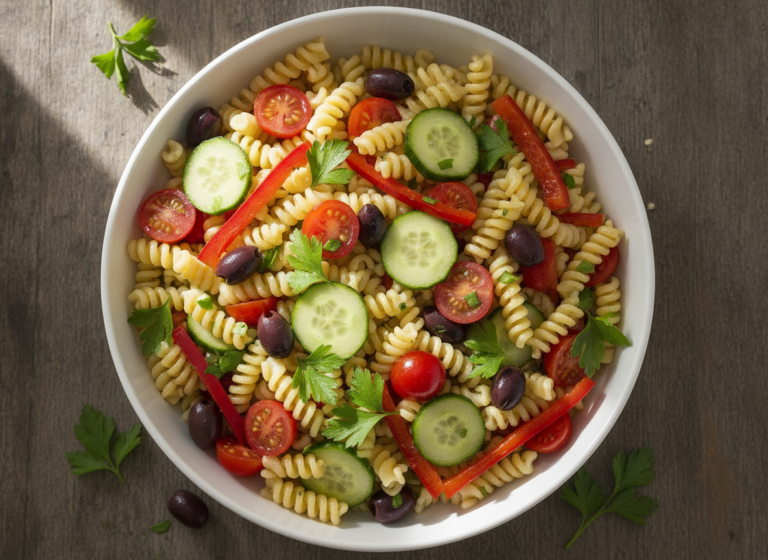
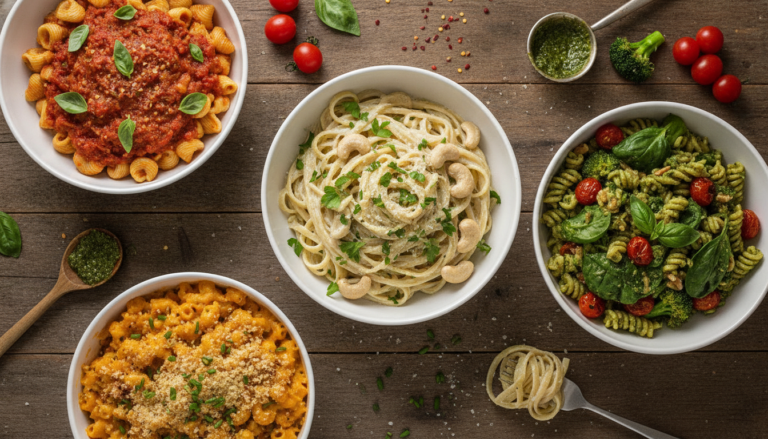
Replace regular pasta with legume-based versions. Chickpea pasta and red lentil pasta contain significantly more protein per serving. They cook similarly to traditional pasta.
Swap white rice for quinoa in most recipes. This simple change nearly doubles the protein content. Quinoa also cooks in about the same time as rice.
Standard Ingredients
- Regular pasta
- White rice
- All-purpose flour
- Regular milk
High-Protein Alternatives
- Chickpea or lentil pasta
- Quinoa or farro
- Chickpea or almond flour
- Soy milk or pea protein milk
Adding Protein Boosters
Incorporate protein boosters into existing recipes. Nutritional yeast adds cheesy flavor plus protein. Hemp seeds blend seamlessly into smoothies and oatmeal.
Silken tofu works perfectly in creamy sauces and smoothies. It adds protein without changing flavor. Use it to replace cream in pasta sauces.
- Add nutritional yeast to pasta dishes and popcorn
- Blend silken tofu into creamy soups and sauces
- Sprinkle hemp seeds on salads and grain bowls
- Mix protein powder into pancake and waffle batter
- Stir ground flaxseed into oatmeal and baked goods
Master Recipe Modifications
Learn professional techniques for transforming any recipe into a high-protein powerhouse. Get expert guidance on ingredient substitutions and protein optimization.
Budget-Friendly High-Protein Options
High-protein vegan eating doesn’t require expensive ingredients. Many of the best protein sources cost very little. Smart shopping stretches your food budget significantly.
Affordable Protein Sources
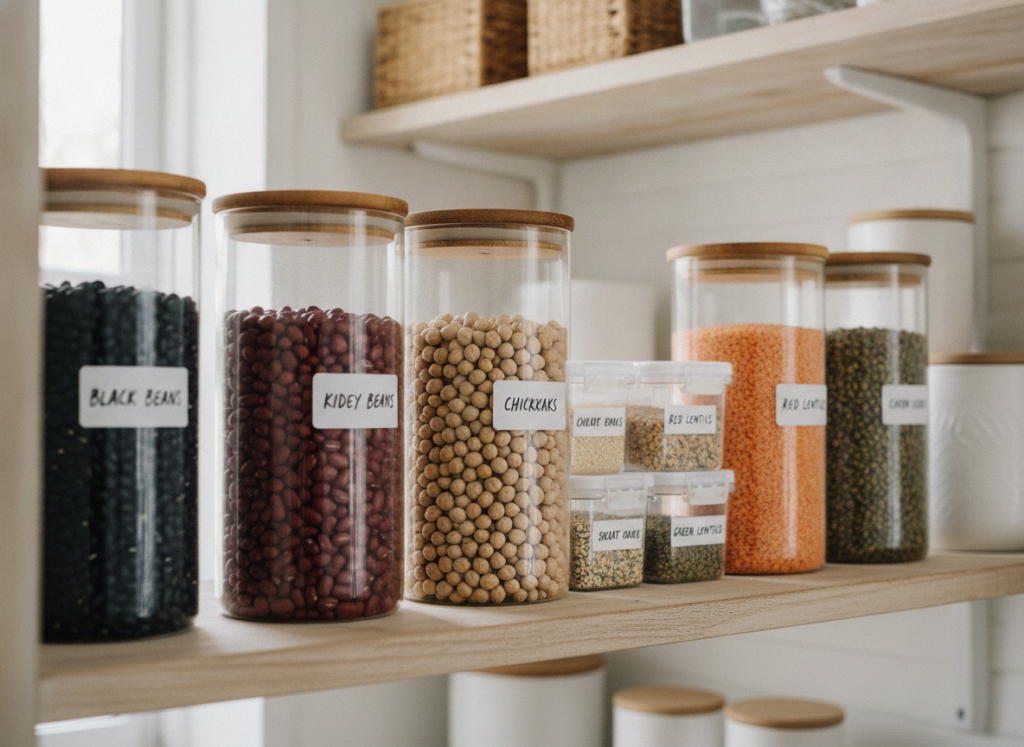
Dried beans cost pennies per serving compared to meat or processed foods. One pound of dried beans yields approximately six cups cooked. This provides protein for multiple meals.
Lentils require no soaking and cook quickly. They’re among the most affordable protein sources available. Stock your pantry with various colors for different recipes.
- Dried beans of all varieties
- Red and green lentils
- Peanut butter in bulk
- Oats and whole grains
- Frozen edamame
Most Affordable Proteins
- Firm tofu from Asian markets
- Canned beans for convenience
- Quinoa bought in bulk
- Tempeh on sale
- Protein powder with discount
Moderate Price Proteins
Money-Saving Shopping Tips
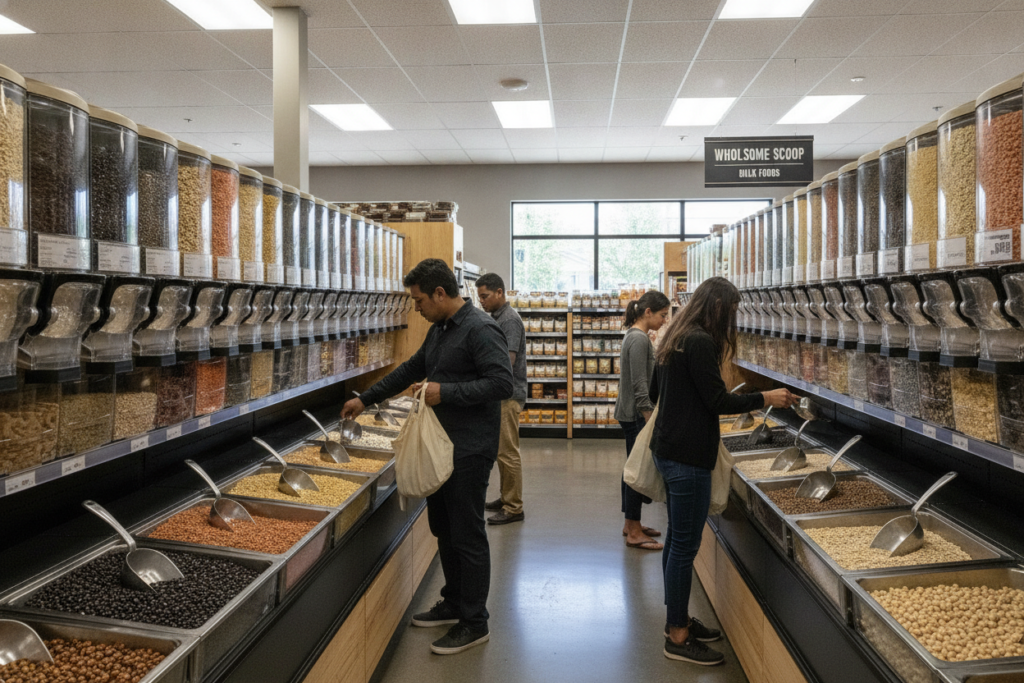
Buy dried beans and lentils in bulk whenever possible. Warehouse stores offer excellent prices on these staples. Proper storage keeps them fresh for months.
Purchase tofu from Asian grocery stores for better prices. These stores typically sell firm tofu at half the cost of regular supermarkets. Stock up when you find good deals.
- Compare prices between regular stores and ethnic markets
- Buy protein sources in bulk when on sale
- Choose dried beans over canned when time allows
- Stock up on seasonal produce to freeze
- Make your own seitan from vital wheat gluten
- Plan meals around affordable protein sources
Batch Cooking for Savings
Cook large batches of beans and grains to save time and energy. Freeze portions in meal-sized containers. This approach reduces both cooking time and utility costs.
Prepare multiple recipes simultaneously to maximize oven use. Roast vegetables while baking tofu. This efficiency reduces overall energy consumption.
Common Protein-Related Mistakes to Avoid
Many people make predictable mistakes when starting high-protein vegan eating. Understanding these pitfalls helps you avoid them. Small adjustments prevent common problems.
Not Eating Enough Variety
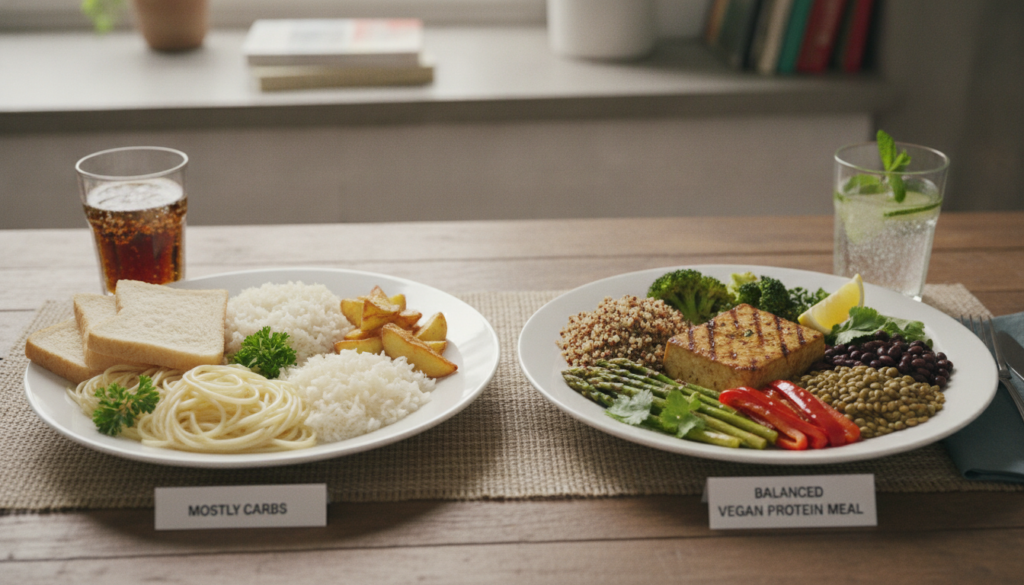
Relying on just one or two protein sources limits amino acid intake. Rotate between different beans, tofu, tempeh, and whole grains. Variety ensures complete nutrition.
Each protein source offers unique nutrients beyond protein. Diversifying your diet maximizes overall nutritional intake. Try new protein sources regularly to expand your options.
Undercooking Beans and Legumes
Improperly cooked beans can cause digestive discomfort. Always cook beans until completely tender. This improves both digestibility and nutrient absorption.
Soaking dried beans overnight reduces cooking time significantly. It also improves digestibility by removing some compounds that cause gas. Change the soaking water before cooking.
Important: Never eat undercooked kidney beans. They contain toxins that only break down through thorough cooking. Boil kidney beans vigorously for at least ten minutes.
Ignoring Protein Timing
Distributing protein throughout the day optimizes muscle protein synthesis. Aim for protein at each meal rather than one large serving. This approach supports better absorption.
Include protein in snacks as well as main meals. This steady intake maintains energy levels throughout the day. It also prevents excessive hunger between meals.
- Start your day with protein-rich breakfast
- Include protein sources at lunch and dinner
- Choose protein-based snacks between meals
- Time protein intake around workouts when active
- Don’t skip meals or go too long without eating
Not Reading Nutrition Labels
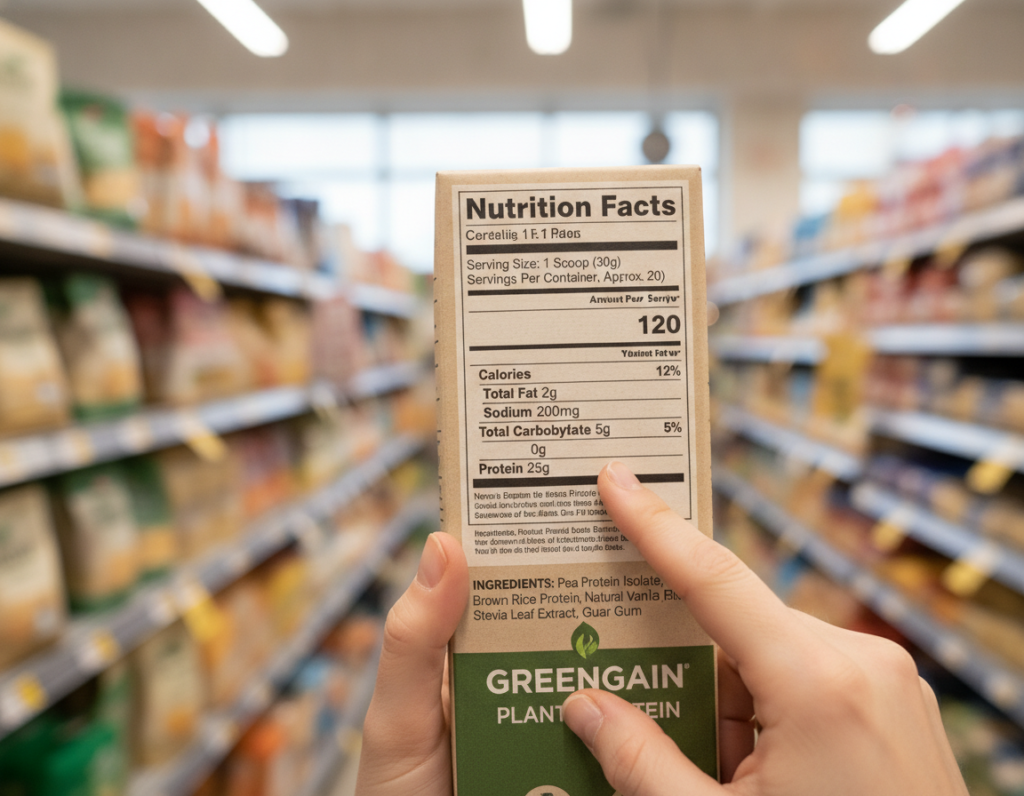
Many plant-based products vary dramatically in protein content. Always check nutrition labels before assuming protein levels. Some meat alternatives contain surprisingly little protein.
Compare brands to find options with highest protein per serving. Some companies fortify their products while others don’t. Reading labels ensures you’re getting what you expect.
Special Dietary Considerations
Certain situations require extra attention to protein intake. Athletes, pregnant women, and older adults have increased protein needs. These groups benefit from strategic planning.

Athletic Performance and Recovery
Athletes need more protein to support training and recovery. Aim for one point two to two grams per kilogram of body weight. This supports muscle repair and growth.
Time protein intake around workouts for best results. Consume protein within two hours after training. This window optimizes muscle protein synthesis.
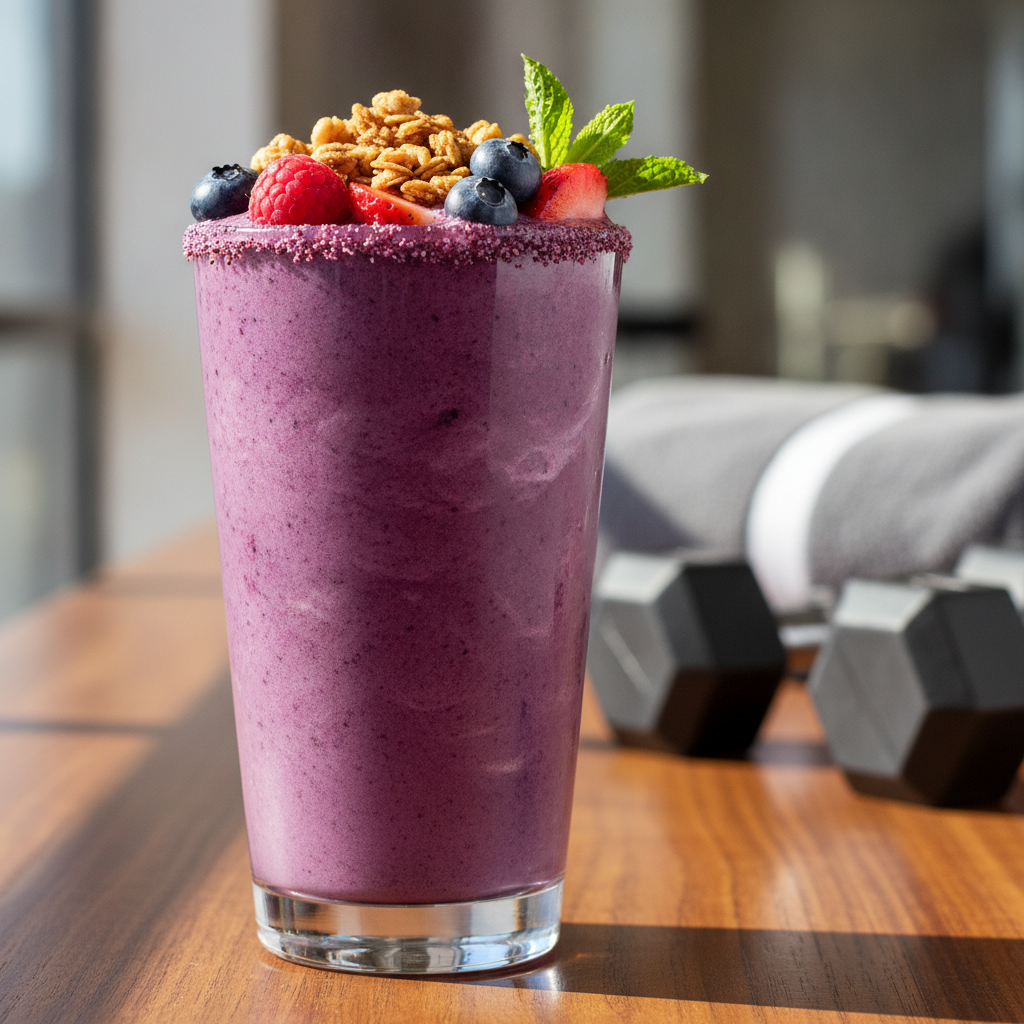
Post-Workout Meal Ideas
- Protein smoothie with banana and peanut butter
- Tofu scramble with whole grain toast
- Lentil soup with quinoa bread
- Tempeh stir-fry with brown rice
These meals provide quick-absorbing protein plus carbohydrates. This combination replenishes energy stores while supporting muscle recovery.
Pregnancy and Nursing
Pregnant and nursing women need additional protein for fetal development and milk production. Aim for seventy to one hundred grams daily depending on stage. Consult healthcare providers for personalized recommendations.
Choose easily digestible protein sources during pregnancy. Tofu, lentils, and quinoa typically cause fewer digestive issues. Spread protein intake evenly throughout the day.
Aging and Muscle Preservation
Older adults benefit from higher protein intake to maintain muscle mass. Research suggests one point two grams per kilogram helps preserve muscle. This becomes increasingly important after age fifty.
Focus on nutrient-dense protein sources that provide additional vitamins and minerals. Fortified plant milks, tofu, and legumes offer protein plus essential nutrients. Regular strength training combined with adequate protein optimizes results.
Your High-Protein Vegan Journey Starts Now
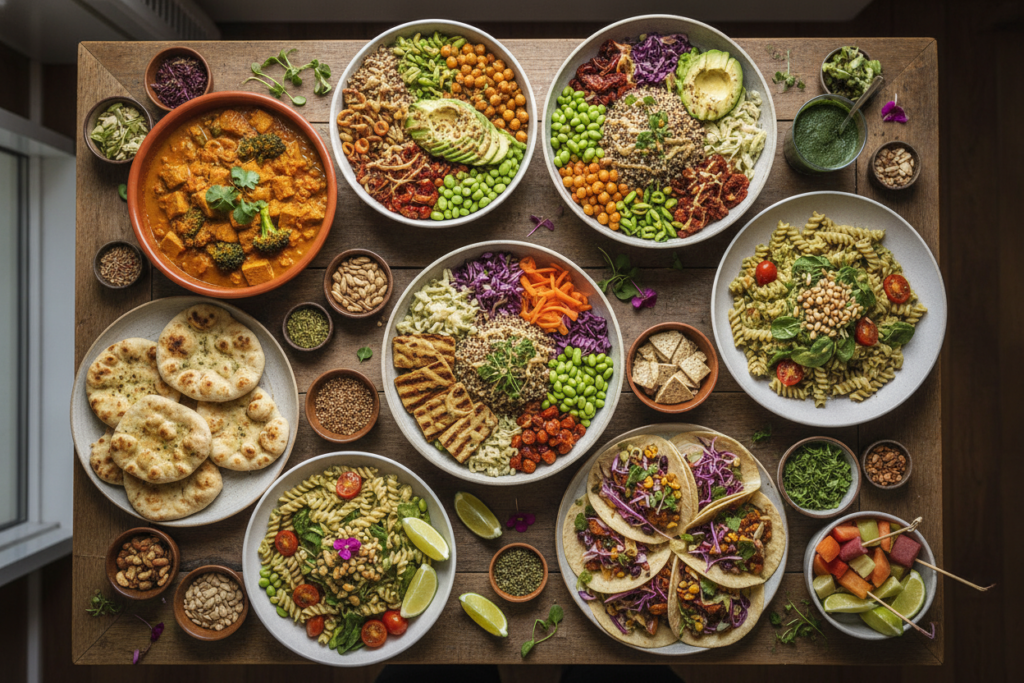
Meeting protein needs on a vegan diet becomes simple with the right knowledge and recipes. These twenty five plus recipes provide endless meal possibilities. Each dish proves that plant-based eating supports any lifestyle or fitness goal.

Start by incorporating two or three new recipes into your weekly rotation. Gradually expand your repertoire as you discover favorite dishes. Meal prep makes consistency effortless even during busy weeks.
Remember that protein intake represents just one aspect of healthy eating. Focus on whole foods, plenty of vegetables, and adequate calories. This balanced approach supports overall health while meeting your protein goals.
Track your intake for a few weeks to identify patterns. Adjust portion sizes and meal frequency based on your results. Small tweaks create significant improvements over time.
The recipes and strategies in this guide empower you to thrive on a high-protein vegan diet. Share your favorite discoveries with others who are beginning their plant-based journey.
Plant-based protein sources offer sustainability, affordability, and health benefits. They support both personal wellness and environmental conservation. Your food choices create positive impact beyond your own health.
Continue exploring new ingredients and preparation methods. The world of plant-based protein extends far beyond these recipes. Each cooking session builds your skills and confidence.
Ready to Transform Your Vegan Protein Game?
Take your plant-based nutrition to the next level with comprehensive meal plans, shopping guides, and expert support. Join thousands who’ve successfully mastered high-protein vegan eating.