Keto Food List: Complete Guide to What You Can Eat
Starting a keto diet can feel overwhelming when you’re not sure what foods you can actually eat. You stand in the grocery store wondering which items fit your new lifestyle. The good news is that the keto food list is more diverse and delicious than you might think.
This Website contains affiliate links. That means I may earn a small commission if you purchase through my links, at no extra cost to you.
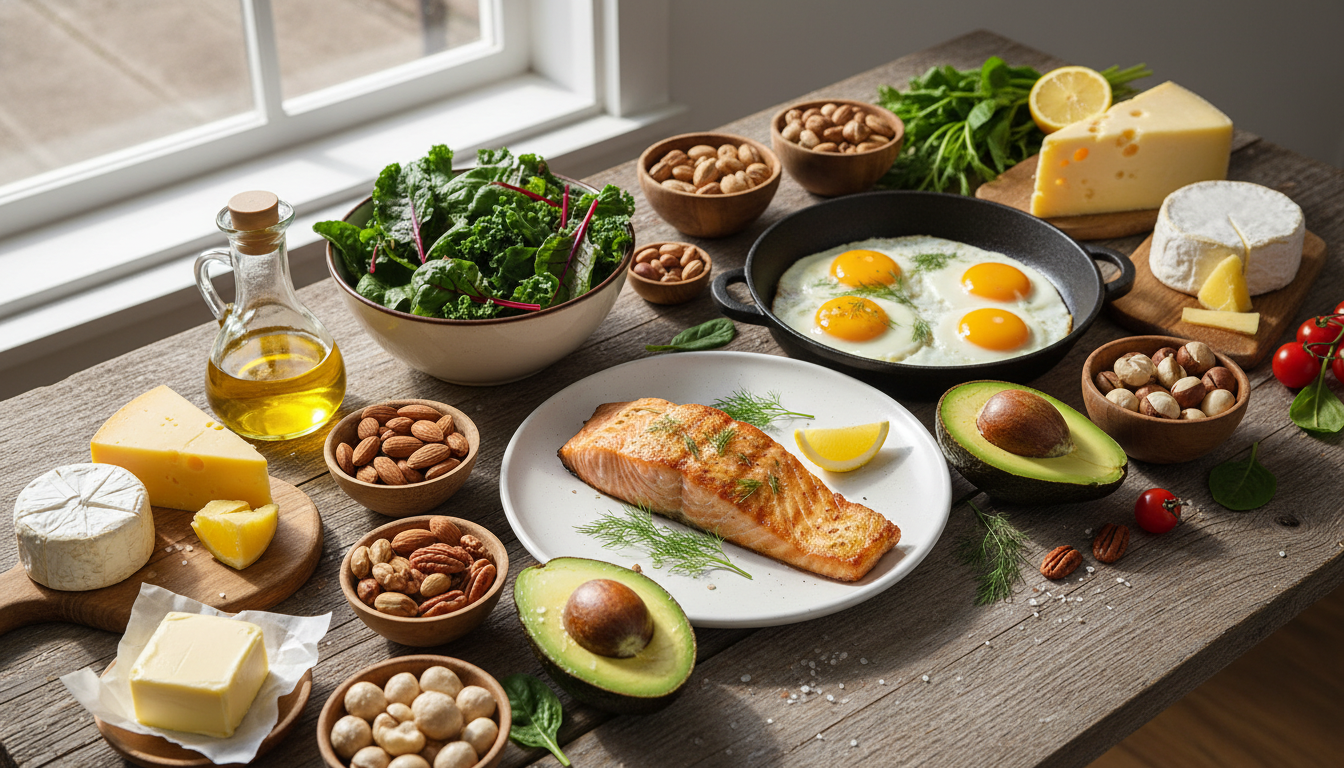
This comprehensive guide breaks down exactly what you can eat on keto. You’ll discover which foods help your body enter ketosis. You’ll learn about proteins, vegetables, fats, and even treats that fit your macros.
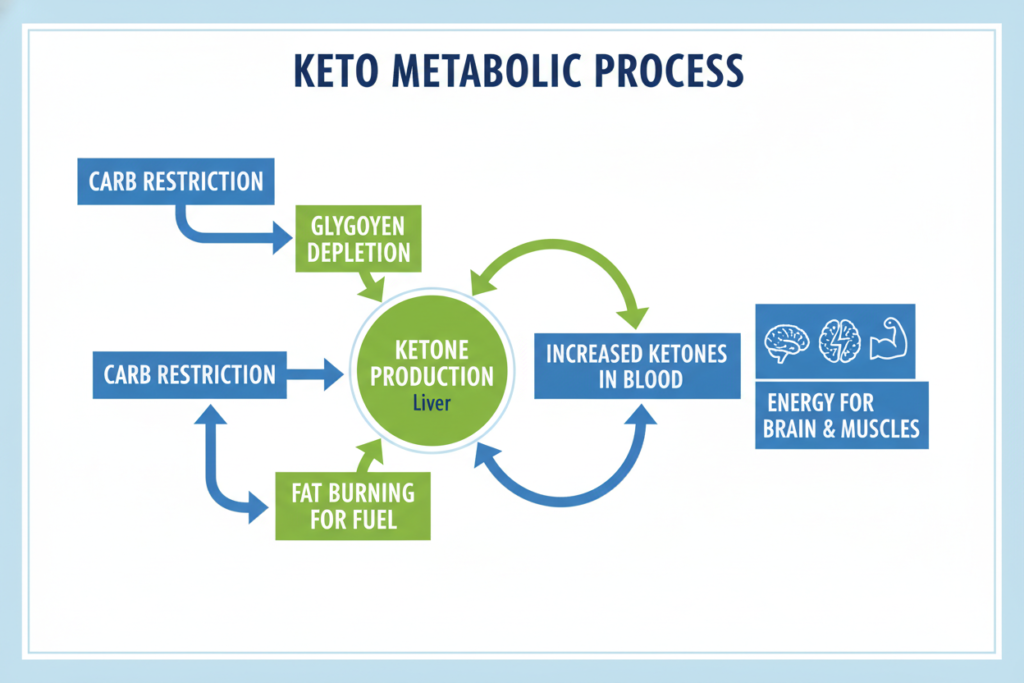
The keto diet focuses on low carbs and high fat to shift your body into ketosis. In this metabolic state, your body burns fat for fuel instead of carbohydrates. Understanding which foods support this process makes your keto journey much easier.
Note: This article contains affiliate links to resources we recommend. We may earn a commission at no cost to you when you make a purchase through these links.
Ready to Simplify Your Keto Journey?
Get instant access to a complete keto program with meal plans, recipes, and shopping lists designed specifically for beginners. Join thousands who have transformed their health.
Understanding the Keto Diet and Food Choices
The keto diet works by drastically reducing your carb intake while increasing healthy fats. Most people on keto eat fewer than 50 grams of carbs per day. Some aim for as low as 20 grams daily.
When you limit carbs this much, your body runs out of its usual fuel source. It then starts breaking down fat into ketones. These ketones become your primary energy source.
Your food choices directly impact whether you stay in ketosis. Foods high in carbs will kick you out of this fat-burning state. That’s why having a reliable keto food list matters so much.
What Happens in Ketosis
Your body switches from burning glucose to burning fat for energy. This metabolic shift can lead to weight loss and improved mental clarity.
- Fat becomes primary fuel source
- Reduced hunger and cravings
- Stable blood sugar levels
- Enhanced mental focus
Daily Macro Targets
Success on keto requires hitting specific macronutrient ratios each day. These percentages help maintain ketosis.
- 70-75% of calories from fat
- 20-25% from protein
- 5-10% from carbs
- Track your intake initially
Understanding these basics helps you make better food choices. When you know how your body responds to different foods, meal planning becomes simpler. The right foods keep you in ketosis while satisfying your hunger.
Key Point: Always read nutrition labels carefully. Many foods contain hidden carbs that can derail your progress. Make sure you count net carbs by subtracting fiber from total carbohydrates.
Best Protein Sources for Your Keto Food List
Protein forms the foundation of every keto meal. You need adequate protein to preserve muscle mass during weight loss. The right protein sources also provide essential nutrients and keep you feeling full.
Meat and Poultry Options
Meat and poultry contain zero carbs and high-quality protein. These foods should feature prominently in your eat keto plan. Choose fattier cuts when possible to increase your fat intake naturally.
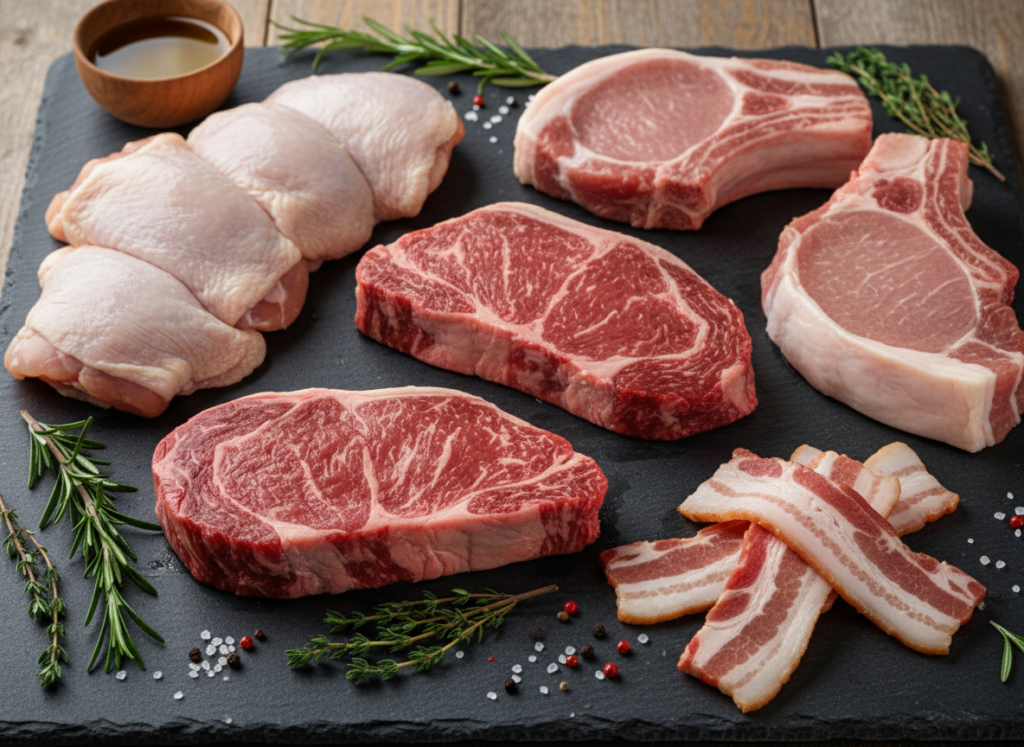
- Beef (steaks, ground beef, roasts)
- Pork (chops, bacon, sausage)
- Chicken (thighs, wings, whole chicken)
- Turkey (ground turkey, turkey breast)
- Lamb (chops, ground lamb)
- Duck and other poultry
Grass-fed meat offers more omega-3 fatty acids than conventional options. These healthy fats support heart health and reduce inflammation. When shopping for meat, choose options without added sugars or fillers.
Fish and Seafood
Fish provides protein along with heart-healthy omega-3 fats. Fatty fish works particularly well for keto because it helps you reach your fat macros. Seafood also delivers important minerals like selenium and iodine.
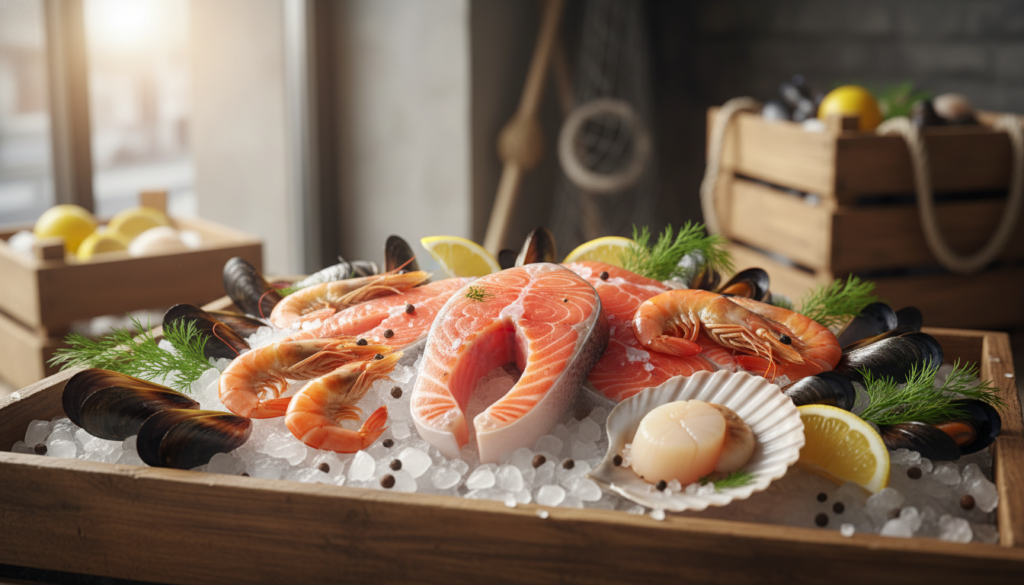
- Salmon (wild-caught preferred)
- Mackerel and sardines
- Tuna and other white fish
- Shrimp and prawns
- Crab and lobster
- Oysters and mussels (moderate amounts)
Aim to eat fish at least twice per week. The protein in fish helps maintain muscle while the fats support your keto goals. Just watch out for breaded or heavily sauced preparations that add carbs.
Eggs: The Perfect Keto Protein
Eggs deserve special mention as one of the most versatile keto foods. Each egg contains about 6 grams of protein and 5 grams of fat. They’re also incredibly affordable and easy to prepare.

You can eat eggs prepared any way you like. The cholesterol in eggs doesn’t negatively impact heart health for most people. In fact, eggs raise HDL (good) cholesterol levels.
Struggling to Create Balanced Keto Meals?
Access done-for-you meal plans that perfectly balance proteins, fats, and carbs. Get weekly shopping lists and prep instructions to make your keto diet effortless.
The amount of protein you need varies by body weight and activity level. Most people do well with 0.8 to 1.2 grams of protein per pound of lean body mass. This ensures you maintain muscle while losing fat.
Low-Carb Vegetables That Fit Your Keto Diet
Vegetables provide essential vitamins, minerals, and fiber on keto. The key is choosing vegetables that are low in carbs but high in nutrients. Most vegetables that grow above ground work well for the keto diet.
Leafy Greens and Cruciferous Vegetables
Leafy greens contain minimal carbs and maximum nutrition. These vegetables should appear on your plate daily. They provide fiber that aids digestion and helps you feel full.
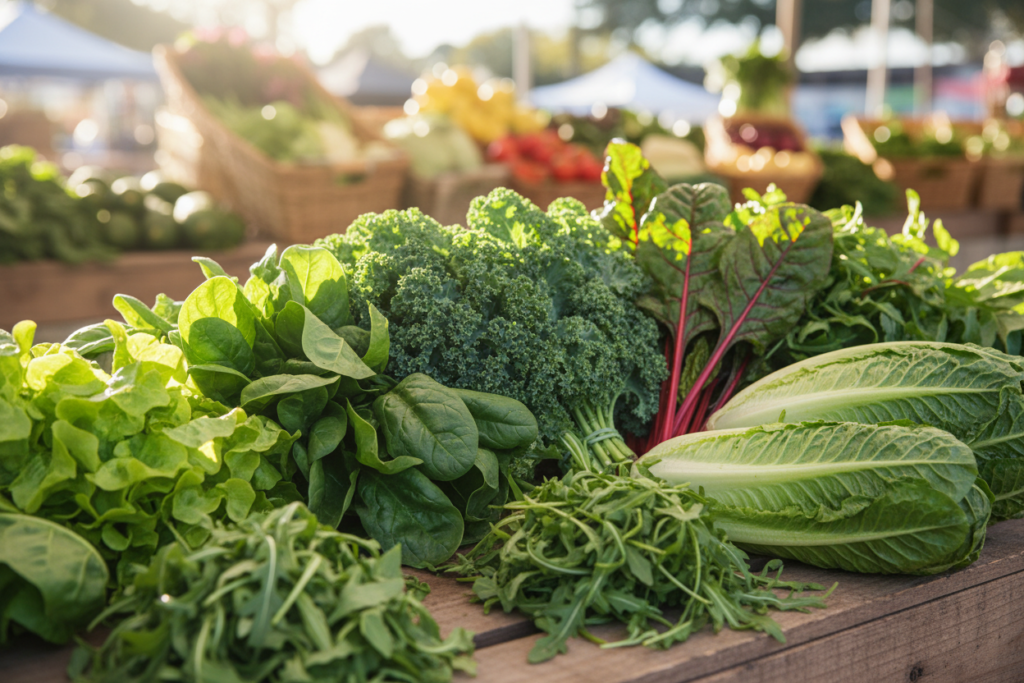
- Spinach (only 1 gram net carbs per cup)
- Kale and collard greens
- Lettuce (all varieties)
- Arugula and watercress
- Swiss chard and bok choy
Cruciferous vegetables pack powerful nutrients and cancer-fighting compounds. While slightly higher in carbs than leafy greens, they still fit easily into your daily carb limit.
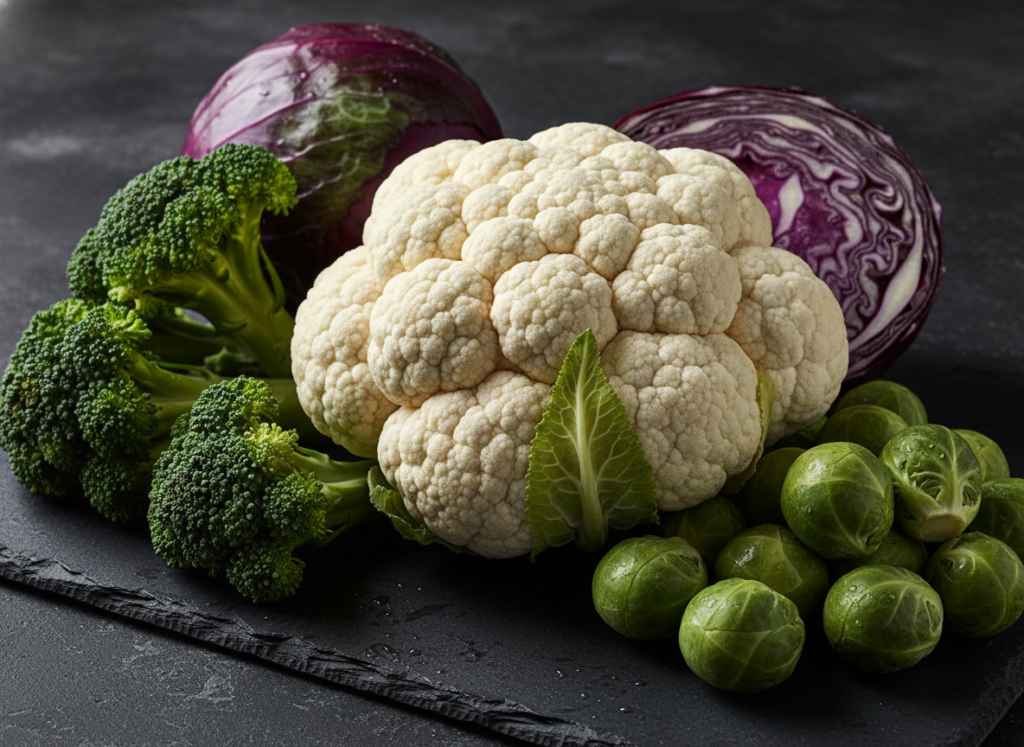
- Broccoli (provides vitamin C and fiber)
- Cauliflower (rice substitute)
- Brussels sprouts (moderate portions)
- Cabbage (green and red varieties)
Other Keto-Friendly Vegetables
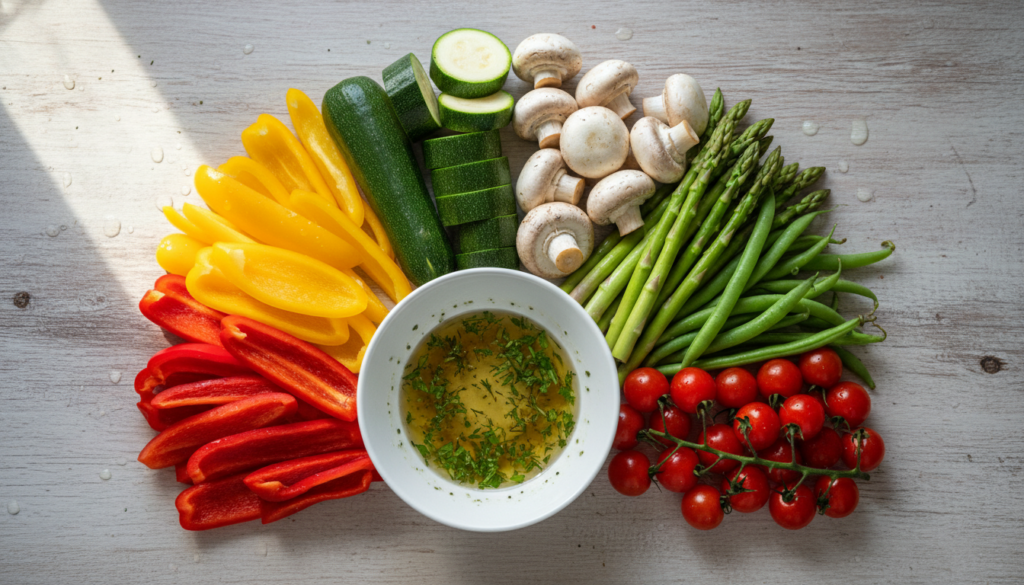
Many vegetables beyond leafy greens work perfectly for keto. These options add variety and different nutrients to your diet. Focus on vegetables that grow above ground as a general rule.
Very Low Carb
- Cucumber
- Celery
- Radishes
- Zucchini
Low Carb
- Bell peppers
- Asparagus
- Green beans
- Mushrooms
Moderate Carb
- Tomatoes
- Eggplant
- Onions
- Garlic
Vegetables add volume to meals without adding many calories. The fiber in vegetables slows digestion and helps stabilize blood sugar. This keeps your energy steady throughout the day.
Watch Out: Avoid starchy vegetables like potatoes, sweet potatoes, corn, and peas. These foods are high in carbs and will quickly use up your daily carb allowance.
The fiber content in vegetables doesn’t count toward your net carbs. You calculate net carbs by subtracting fiber grams from total carb grams. This means you can eat generous portions of low-carb vegetables.
Want More Variety in Your Keto Meals?
Discover 1000+ delicious keto recipes that use these vegetables in creative ways. Never get bored with your keto diet again.
Healthy Fats and Oils for Keto Success
Fat forms the cornerstone of the keto diet. You need to consume enough fat to feel satisfied and maintain energy. The types of fat you choose matter for both health and taste.
Cooking Oils and Fats
Choosing the right cooking oil makes a significant difference in your keto meals. Some oils remain stable at high heat while others break down. Select oils based on how you plan to use them.
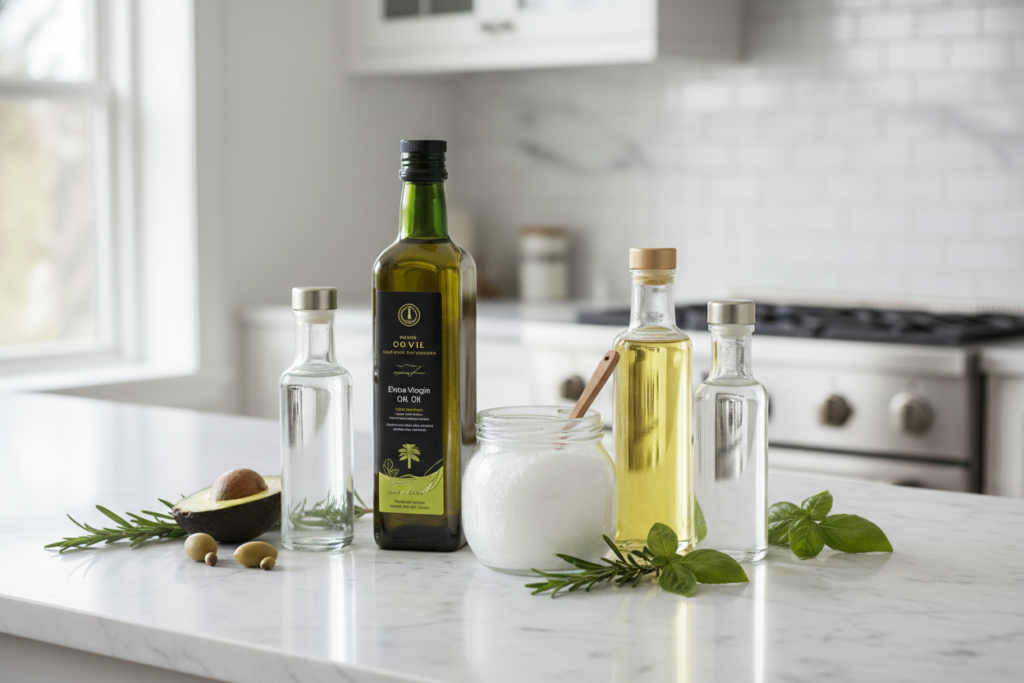
- Olive oil (best for low-heat cooking and dressings)
- Coconut oil (medium-chain triglycerides support ketosis)
- Avocado oil (high smoke point for frying)
- Butter and ghee (adds flavor to everything)
- MCT oil (pure medium-chain fats for coffee)
Olive oil provides monounsaturated fats that benefit heart health. Use it for salad dressings or light sautéing. The antioxidants in olive oil fight inflammation throughout your body.
Coconut oil contains medium-chain triglycerides that your liver converts directly to ketones. This makes coconut oil especially beneficial when you’re starting keto. Add it to coffee or use it for baking.
Nutrient-Dense Fat Sources
Beyond cooking oils, whole food fat sources provide additional nutrients. These foods deliver vitamins, minerals, and fiber along with healthy fats. They help you meet your fat macros while nourishing your body.
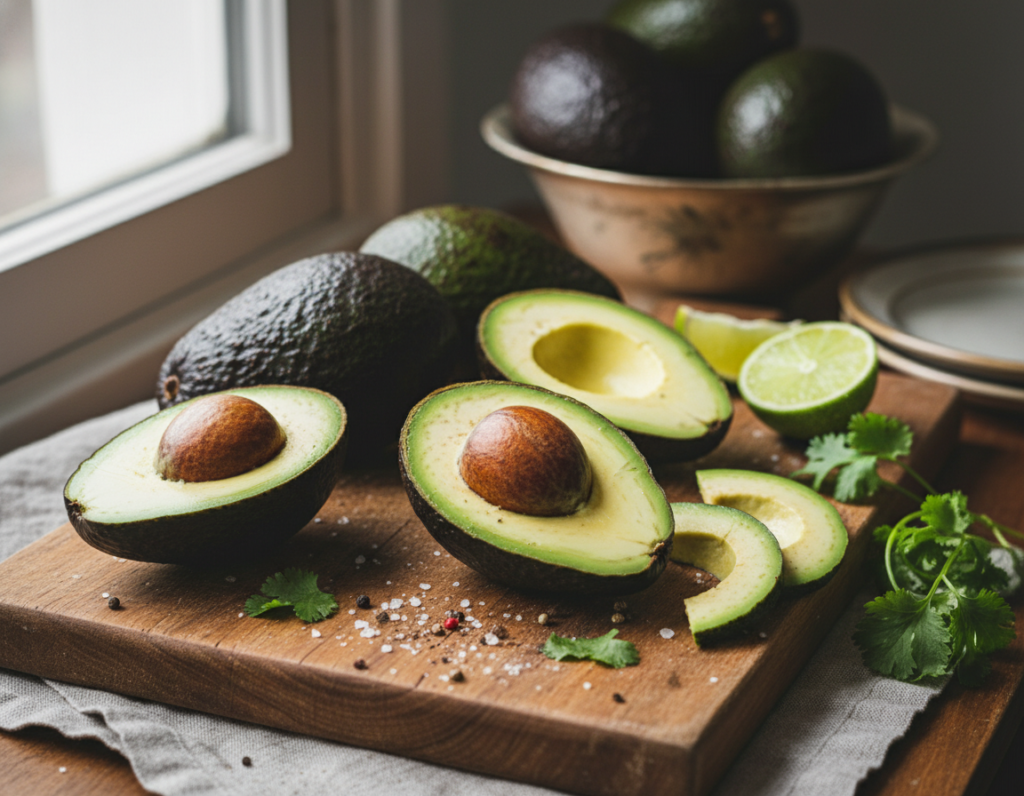
Avocados deserve special attention in any keto food list. Each avocado provides about 15 grams of healthy fat and 7 grams of fiber. They also contain potassium, which many people lack on keto.
Avocados and Olives
These whole food fats provide nutrients that oils lack. Eat them daily for best results.
- Half an avocado with meals
- Guacamole as a snack
- Green and black olives
- Olive tapenade
Animal Fats
Don’t fear animal fats on keto. They provide essential fat-soluble vitamins.
- Fatty cuts of meat
- Chicken skin and duck fat
- Bacon grease for cooking
- Bone marrow
The fat in your diet should come from various sources. This diversity ensures you get different types of fatty acids. Each type of fat serves specific functions in your body.
Pro Tip: Add a tablespoon of olive oil or butter to your vegetables. This helps you absorb fat-soluble vitamins A, D, E, and K more effectively.
Master Your Keto Macros
Learn exactly how much fat, protein, and carbs you need each day. Get personalized macro calculations and tracking tools that make keto simple.
Dairy Products for Your Keto Food List
Many dairy products fit perfectly into a keto diet. They provide protein, fat, and calcium in delicious forms. However, you need to choose carefully because some dairy contains significant carbs.
Best Dairy Choices
Full-fat dairy works best for keto because it helps you reach your fat goals. The fat in dairy also helps you feel satisfied after meals. Choose organic and grass-fed options when possible.
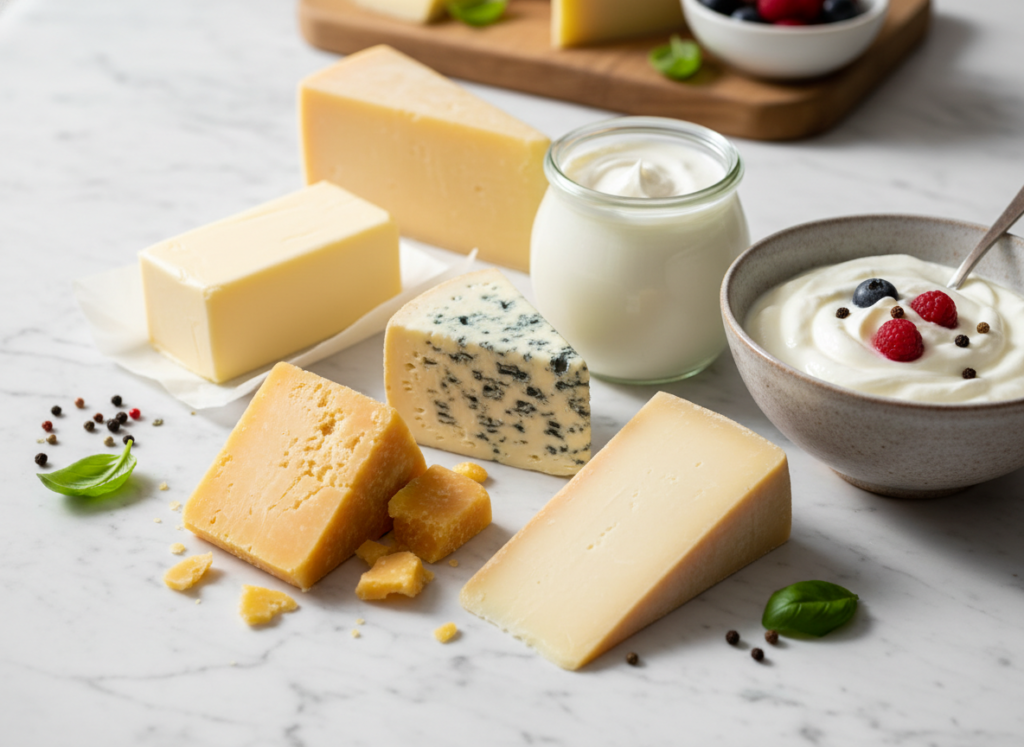
- Hard cheeses (cheddar, parmesan, Swiss)
- Soft cheeses (brie, goat cheese, cream cheese)
- Heavy whipping cream
- Butter (salted and unsalted)
- Full-fat Greek yogurt (plain, unsweetened)
- Sour cream
Cheese provides both protein and fat in convenient portions. Most hard cheeses contain less than 1 gram of carbs per ounce. You can eat cheese as a snack or add it to meals for extra flavor.
Heavy cream contains minimal lactose (milk sugar). Use it in coffee, sauces, or whipped as a dessert topping. Each tablespoon adds about 5 grams of fat with less than 1 gram of carbs.
Dairy to Limit or Avoid
Not all dairy products work for keto. Milk contains significant amounts of lactose, a natural sugar. Even small amounts can add up quickly and kick you out of ketosis.
Keto-Friendly Dairy
- Full-fat cheeses
- Heavy cream
- Butter and ghee
- Full-fat Greek yogurt
High-Carb Dairy to Avoid
- Regular milk (12g carbs per cup)
- Low-fat or skim milk
- Sweetened yogurt
- Ice cream (traditional)
Some people find that dairy slows their weight loss even when tracking macros correctly. If you notice a plateau, try eliminating dairy for two weeks. Then reintroduce it gradually to see how your body responds.
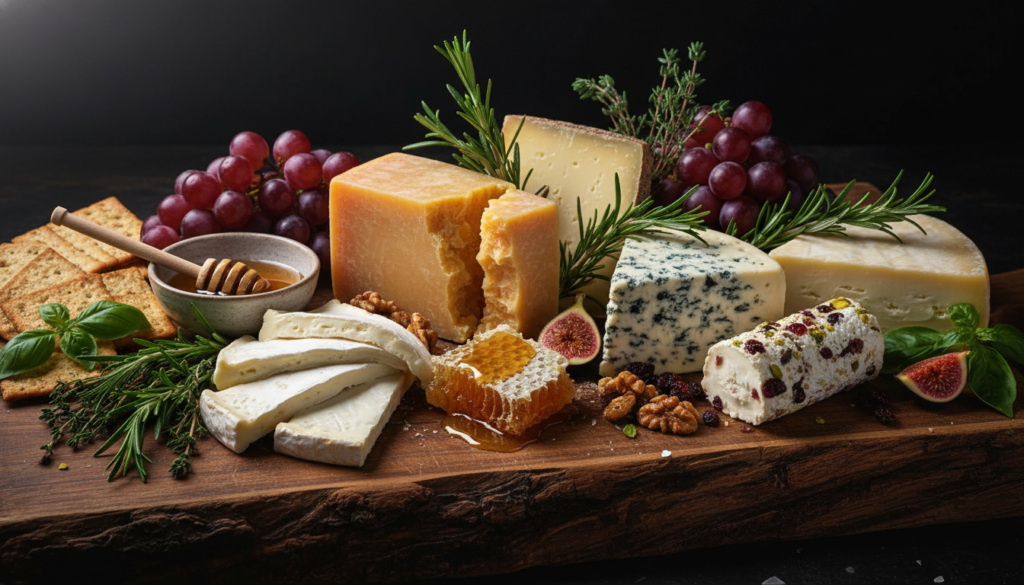
Yogurt requires careful selection on keto. Most flavored yogurts contain added sugar. Choose plain, full-fat Greek yogurt and check the label. Look for options with 5 grams or fewer carbs per serving.
Nuts and Seeds: Perfect Keto Snacks
Nuts and seeds provide healthy fats, protein, and important minerals. They make convenient snacks when you need something crunchy. However, portion control matters because nuts contain carbs that add up quickly.
Best Nuts for Keto
Some nuts fit better into a keto diet than others. The amount of carbs varies significantly between different types. Always measure portions to avoid accidentally consuming too many carbs.
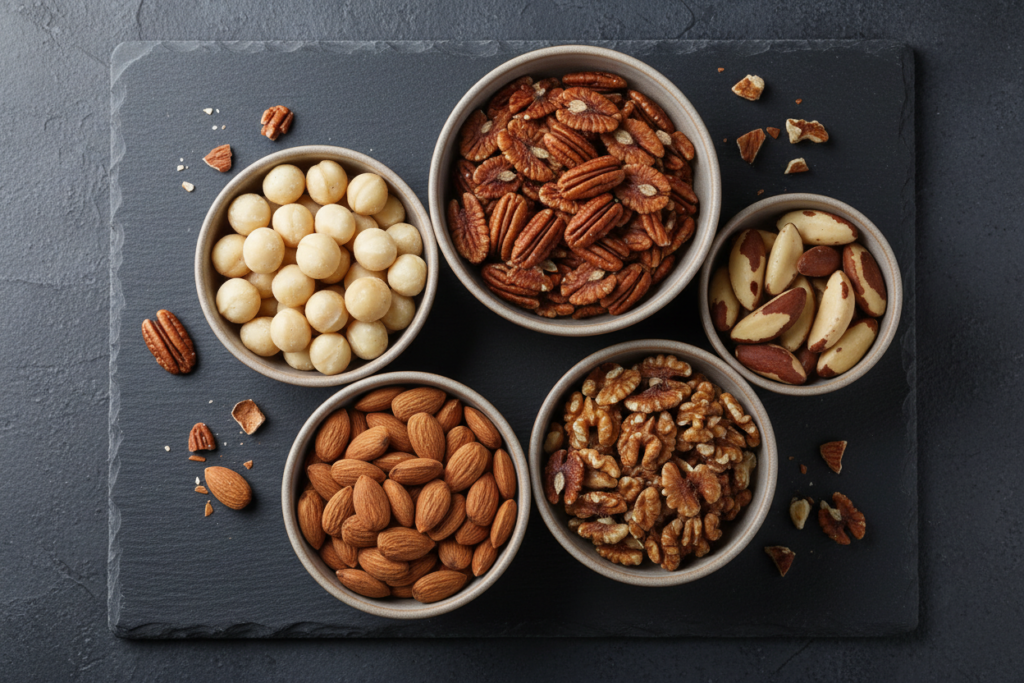
- Macadamia nuts (lowest carbs at 2g per ounce)
- Pecans (4g net carbs per ounce)
- Brazil nuts (selenium-rich, limit to 2-3 daily)
- Walnuts (omega-3 fatty acids)
- Almonds (6g net carbs per ounce)
Macadamia nuts work best for keto because they’re highest in fat and lowest in carbs. They also contain monounsaturated fats that support heart health. A one-ounce serving (about 10-12 nuts) makes an ideal snack.
Pecans and walnuts provide anti-inflammatory omega-3 fats. These nuts help balance your omega-6 to omega-3 ratio. Most people consume too many omega-6 fats from vegetable oils.
Seeds and Nut Butters
Seeds offer similar benefits to nuts with different nutrient profiles. They work well sprinkled on salads or eaten as snacks. Many seeds also provide important minerals that support thyroid function.
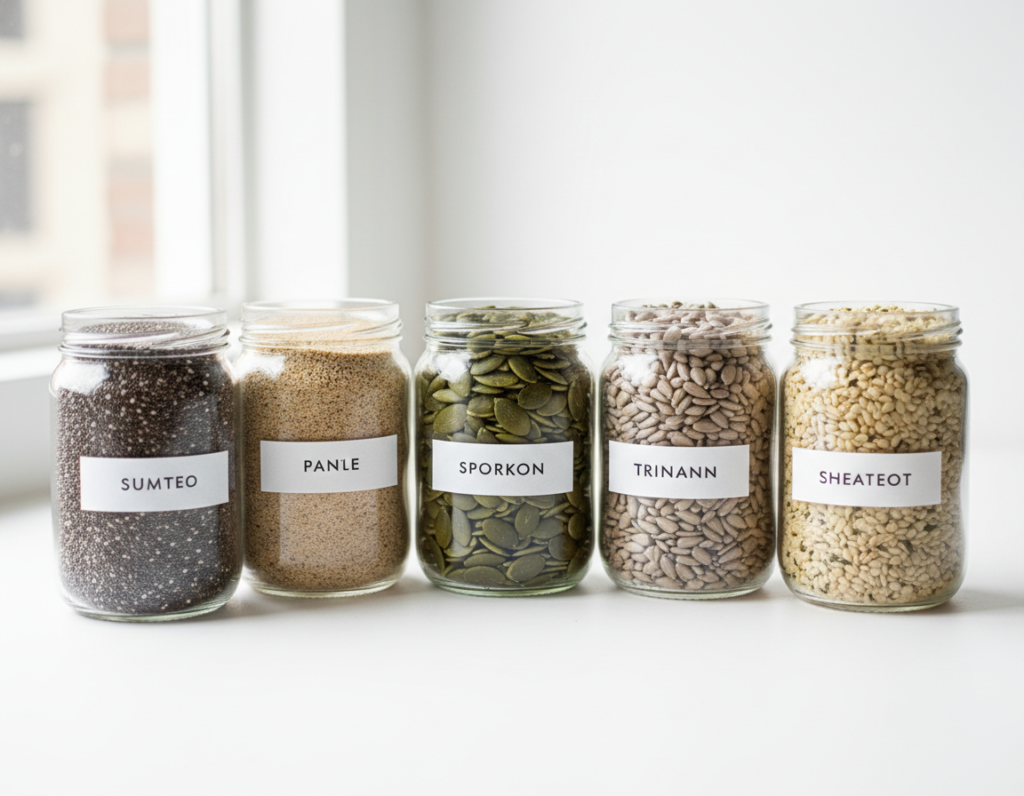
- Chia seeds (high in fiber and omega-3s)
- Flax seeds (ground for better absorption)
- Pumpkin seeds (magnesium and zinc)
- Sunflower seeds (vitamin E)
- Hemp hearts (complete protein)
Nut butters make convenient additions to keto meals. Choose natural versions without added sugar or vegetable oils. Almond butter, peanut butter, and sunflower seed butter all work well in moderation.
Portion Warning: Nuts are easy to overeat. A standard serving is just one ounce (about 28 grams). Measure your portions until you learn what one serving looks like.
The fiber in nuts and seeds supports digestive health on keto. Many people experience constipation when starting a low-carb diet. Regular consumption of nuts and seeds helps prevent this issue.
Never Run Out of Keto Snack Ideas
Get access to hundreds of easy keto snack recipes using nuts, seeds, and other low-carb ingredients. Perfect for busy days and late-night cravings.
Fruits and Berries on the Keto Diet
Most fruits contain too much sugar for keto. However, you don’t have to eliminate all fruit completely. Certain berries and low-sugar fruits fit into your daily carb limit when eaten in small amounts.
Keto-Friendly Berries
Berries offer the best fruit option for keto because they’re lower in sugar than other fruits. They also provide antioxidants and fiber. The fiber reduces the net carb content significantly.
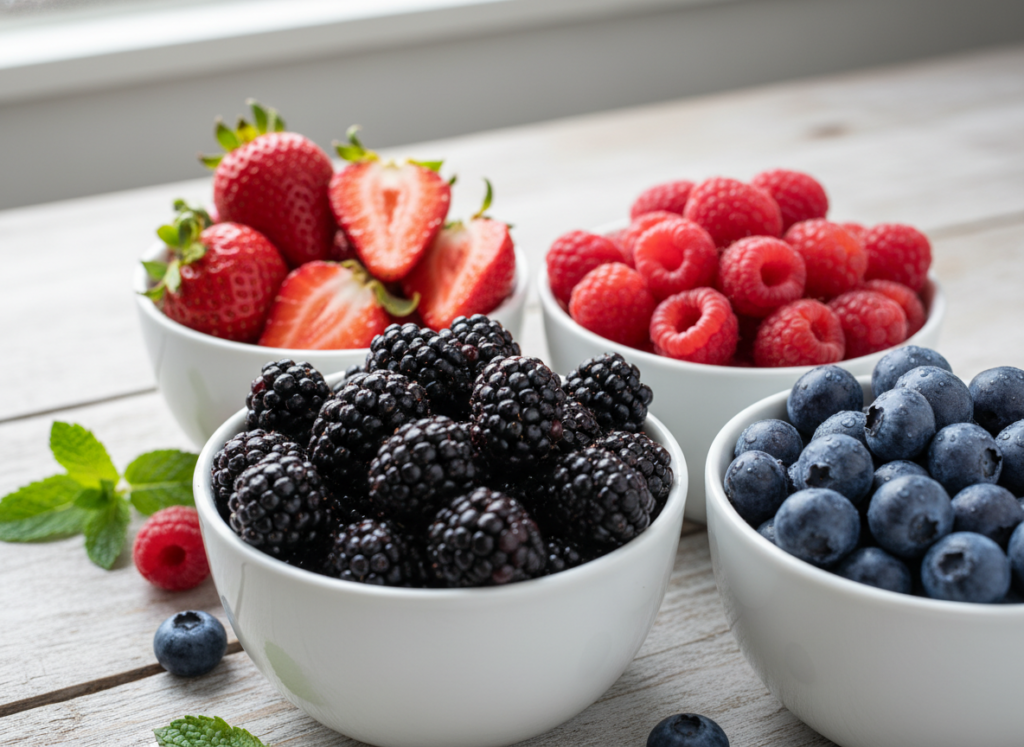
- Strawberries (3g net carbs per 1/4 cup)
- Raspberries (2g net carbs per 1/4 cup)
- Blackberries (3g net carbs per 1/4 cup)
- Blueberries (4g net carbs per 1/4 cup, use sparingly)
Measure berry portions carefully to stay within your carb limit. A quarter cup serving size works well for most people. You can add berries to yogurt, blend them into smoothies, or eat them plain as a treat.
The antioxidants in berries fight free radicals and reduce inflammation. Dark berries like blackberries contain particularly high amounts. These compounds support overall health while you lose weight.
Other Low-Sugar Fruits
A few other fruits work occasionally on keto in very small amounts. These options give you variety without derailing your progress. Always account for these carbs in your daily total.
Occasionally Acceptable
- Avocado (technically a fruit, very low carb)
- Coconut (fresh, not sweetened)
- Lemon and lime juice (for flavor)
- Small amounts of cantaloupe
Fruits to Avoid
- Bananas (too high in carbs)
- Apples and pears
- Grapes and cherries
- Tropical fruits (mango, pineapple)
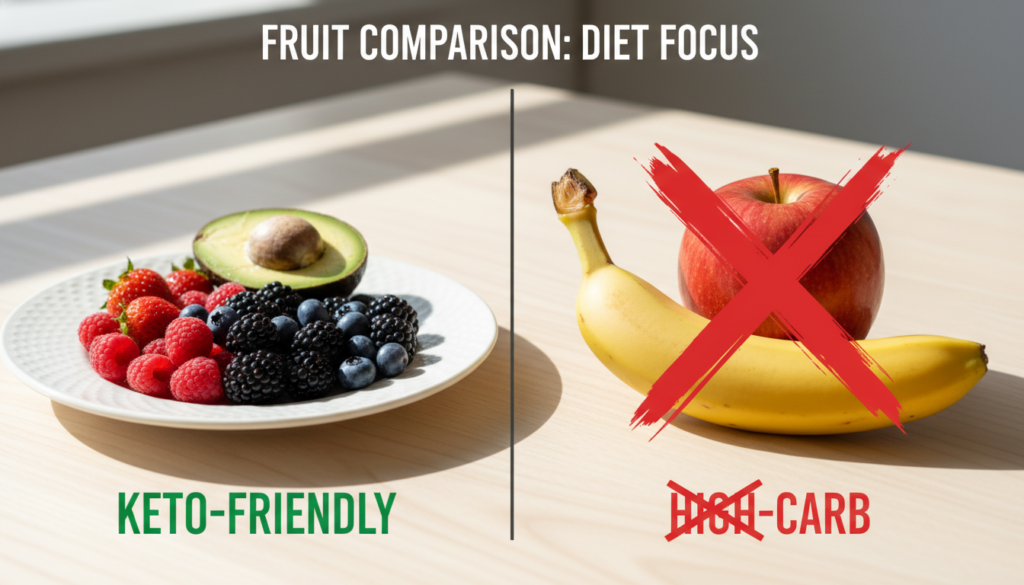
Most people find they don’t miss fruit much after adapting to keto. Your sugar cravings typically decrease within two to three weeks. When cravings hit, berries with whipped cream make a satisfying dessert.
Remember: The sugar in fruit affects your body the same way as table sugar. While fruit contains vitamins, you can get these nutrients from vegetables without the carbs.
Keto-Friendly Beverages to Stay Hydrated
What you drink matters just as much as what you eat on keto. Many beverages contain hidden sugars that can kick you out of ketosis. Choosing the right drinks helps you stay hydrated and supports your goals.
Zero-Carb Drink Options
Water should form the foundation of your beverage choices. When you cut carbs, your body releases stored water and electrolytes. You need to drink more water than usual to compensate.

- Water (aim for at least 8 glasses daily)
- Coffee (black or with heavy cream)
- Tea (green, black, herbal varieties)
- Sparkling water (unflavored or naturally flavored)
- Bone broth (provides electrolytes)
Coffee and tea contain zero carbs and provide beneficial antioxidants. Black coffee works perfectly for keto. You can add heavy cream, butter, or MCT oil for a fat-boosted drink.
Many people enjoy bulletproof coffee on keto. This drink blends coffee with grass-fed butter and MCT oil. The fat provides sustained energy and helps you feel full until lunch.
Drinks to Limit or Avoid
Most commercial beverages contain sugar or artificial ingredients. Even diet sodas can trigger cravings and affect your insulin response. Read labels carefully before consuming any packaged drinks.
- Plain water
- Black coffee and tea
- Sparkling water
- Unsweetened almond milk
- Bone broth
Approved Drinks
- Regular soda
- Fruit juice
- Sweet tea
- Energy drinks with sugar
- Regular milk
Drinks to Avoid
Alcohol can slow ketosis and weight loss. Your body prioritizes metabolizing alcohol over burning fat. If you choose to drink, stick to dry wine, light beer, or spirits mixed with zero-carb mixers.

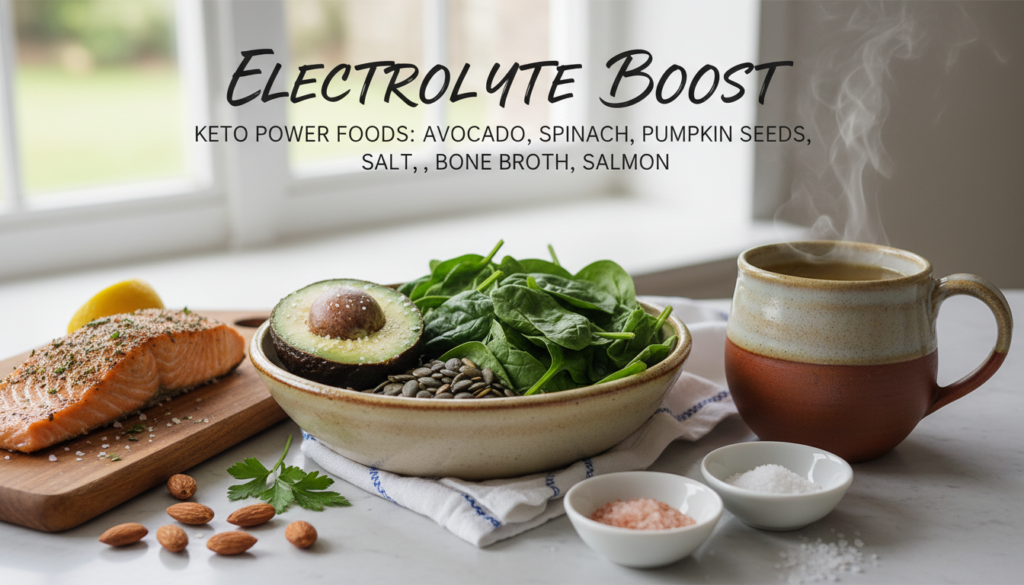
Electrolyte balance becomes crucial on keto. Consider adding a pinch of salt to your water or drinking bone broth daily. This prevents the “keto flu” symptoms that many people experience initially.
Hydration Tip: Drink a large glass of water first thing each morning. This jump-starts your metabolism and helps flush toxins from your body overnight.
Foods to Avoid on Your Keto Diet
Understanding what not to eat is just as important as knowing what to include. Certain foods will quickly exceed your carb limit and prevent ketosis. Avoiding these items makes staying on track much easier.
High-Carb Foods That Stop Ketosis
These foods contain too many carbs to fit into any keto meal plan. Even small portions will use up your entire daily carb allowance. Make sure you eliminate these completely from your diet.
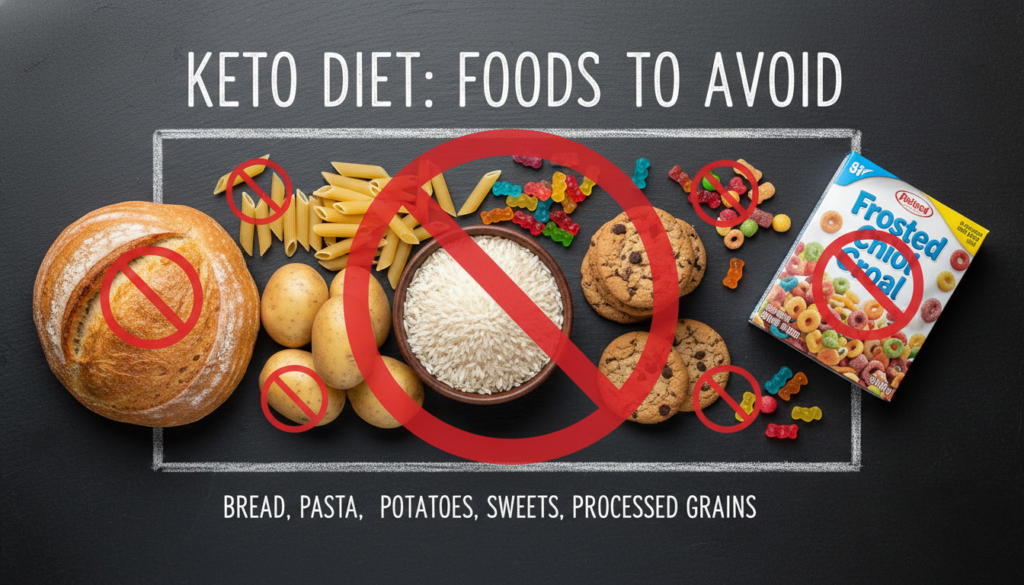
Grains and Starches
- Bread and pasta
- Rice (white and brown)
- Cereal and oatmeal
- Quinoa and couscous
- Corn and corn products
Sugars and Sweets
- Table sugar and honey
- Candy and chocolate bars
- Cookies and cakes
- Ice cream (regular)
- Maple syrup and agave
Starchy Vegetables
- Potatoes (all varieties)
- Sweet potatoes and yams
- Corn
- Peas
- Butternut squash
Grains contain concentrated carbohydrates that spike blood sugar. Even whole grains affect your body the same way as refined versions. The carbs in a single slice of bread exceed what most people eat in an entire day on keto.
Hidden Carbs in Processed Foods
Many packaged foods contain hidden sugars and starches. Manufacturers add these ingredients to improve taste or texture. Always read nutrition labels carefully before purchasing any packaged items.
Watch For Hidden Carbs In: Salad dressings, sauces and condiments, processed meats with fillers, protein bars and shakes, yogurt with fruit, and low-fat products (often high in sugar).
Vegetable oils high in omega-6 fatty acids can cause inflammation. Avoid soybean oil, corn oil, and other industrial seed oils. These oils appear in most processed foods and restaurant cooking.
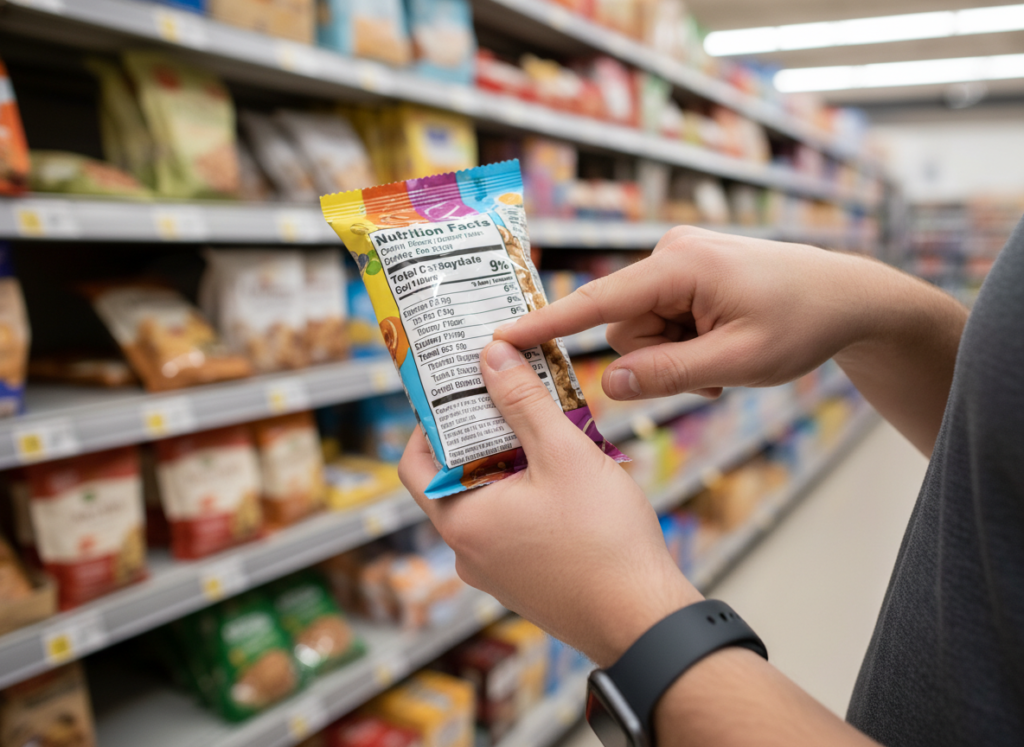
Sugar hides under many names on ingredient lists. Look for anything ending in “ose” like glucose, fructose, or sucrose. Also watch for maltodextrin, dextrose, and modified food starch.
Practical Meal Planning and Shopping Tips
Success on keto requires planning ahead. When you have keto-friendly foods readily available, staying on track becomes effortless. These practical strategies help you implement your keto food list effectively.
Building Your Weekly Meal Plan
Planning meals in advance removes daily decision-making stress. You’ll save time and money while ensuring you eat balanced keto meals. Dedicate one hour each week to plan your upcoming meals.
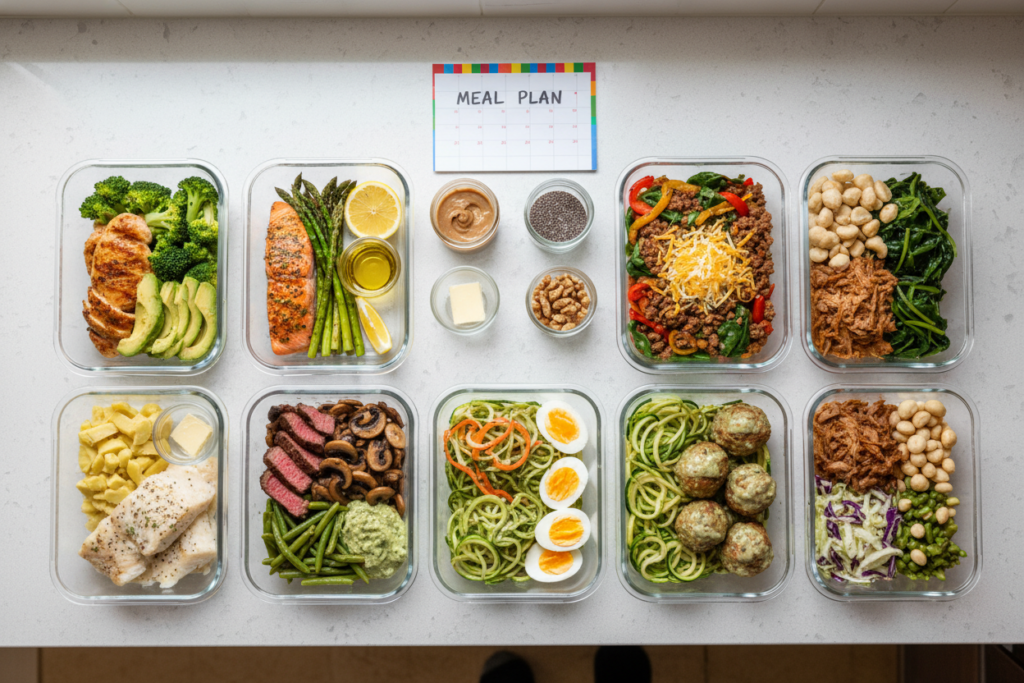
- Choose 3-4 simple protein options for the week
- Select 5-6 different vegetables you enjoy
- Pick 2-3 fat sources to rotate through meals
- Plan for one or two batch-cooked items
- Include easy backup options for busy days
Batch cooking saves enormous amounts of time during the week. Cook large portions of proteins and vegetables on Sunday. Store them in containers for quick assembly throughout the week.
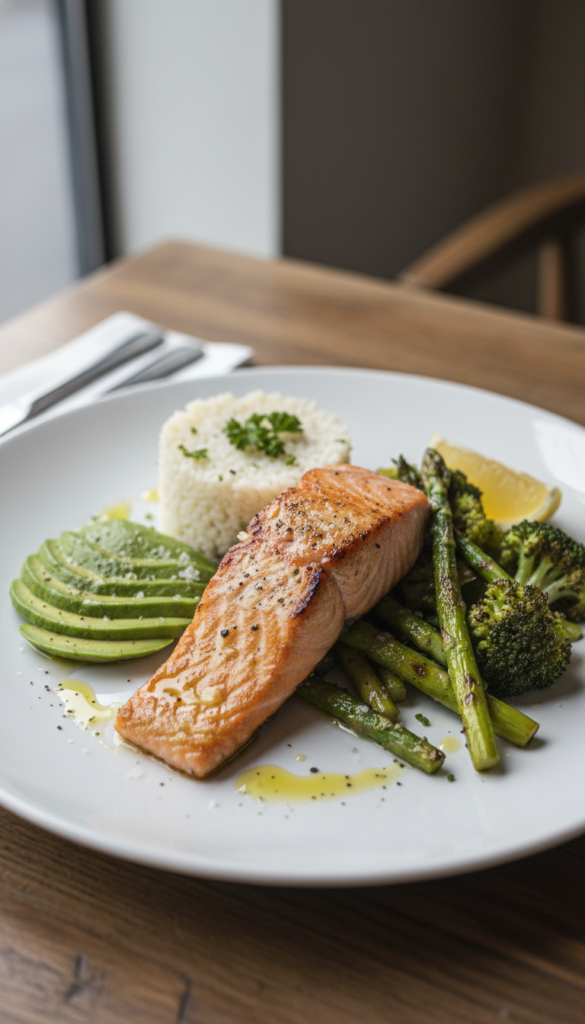
Sample Day of Keto Eating
This example shows how to combine foods from your keto food list into balanced meals.
- Breakfast: Eggs cooked in butter with spinach and avocado
- Lunch: Grilled chicken salad with olive oil dressing and cheese
- Dinner: Salmon with roasted broccoli and cauliflower rice
- Snacks: Macadamia nuts or celery with almond butter
Stop Struggling With Meal Planning
Get done-for-you weekly meal plans with shopping lists and prep instructions. Save hours of planning time and ensure you stay in ketosis effortlessly.
Smart Grocery Shopping Strategies
Shopping with a list prevents impulse purchases of non-keto foods. Organize your list by store sections to save time. Most of your cart should come from the perimeter where fresh foods are located.
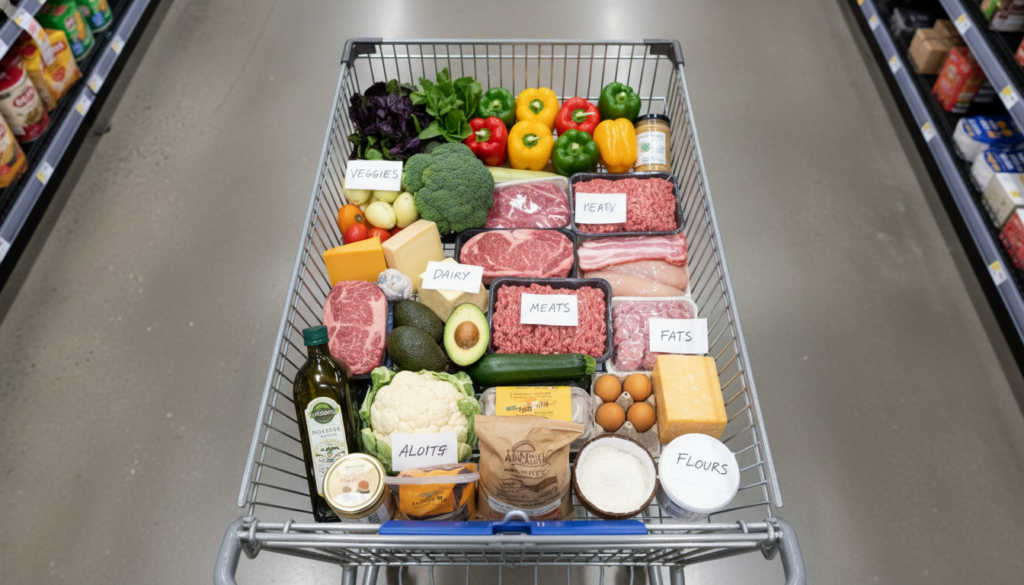
- Shop the perimeter first for fresh foods
- Buy proteins on sale and freeze extras
- Choose seasonal vegetables for better prices
- Stock up on pantry staples when discounted
- Avoid shopping when hungry to prevent impulse buys
Building a well-stocked keto pantry makes daily meal prep faster. Keep essential items on hand so you can always prepare a quick meal. This prevents the temptation to order takeout or grab non-keto convenience foods.
Pantry Essentials: Canned tuna and salmon, olive oil and coconut oil, nuts and seeds, canned coconut milk, bone broth, spices and herbs, almond flour, and sugar-free sweeteners.
Tracking Your Progress and Adjusting Your Diet
Monitoring your results helps you understand what works for your body. Everyone responds slightly differently to keto. Tracking key metrics allows you to optimize your approach for best results.
Important Metrics to Monitor
Weight is just one measure of success on keto. Many people see improvements in energy, mental clarity, and health markers. Track multiple indicators to get the complete picture of your progress.
Take measurements beyond the scale. Measure your waist, hips, and thighs monthly. Many people lose inches before they see significant weight changes. These measurements often provide more motivation than the scale.

Testing for Ketosis
You can measure ketones in your body through urine strips, breath meters, or blood tests. Blood testing provides the most accurate results but costs more. Most people find that tracking how they feel works just as well.
- Increased mental clarity and focus
- Steady energy throughout the day
- Reduced hunger between meals
- Slight fruity breath smell
- Temporary increase in urination
The amount of ketones in your body varies throughout the day. Morning readings tend to be lower than evening measurements. Don’t obsess over ketone levels as long as you’re following your keto food list correctly.
When to Adjust Your Approach
If weight loss stalls for more than three weeks, evaluate your food intake. Common issues include eating too many calories or hidden carbs. Track everything you eat for a week to identify problems.
Signs You Need More Fat
- Constantly feeling hungry
- Low energy levels
- Difficulty focusing
- Not feeling satisfied after meals
Signs You Need Less Fat
- Weight loss has stalled
- Digestive discomfort
- Feeling too full constantly
- Consuming too many calories
Some people need to adjust their protein intake for optimal results. Too much protein can convert to glucose through gluconeogenesis. However, too little protein causes muscle loss. Find your personal sweet spot through experimentation.
Get Personalized Keto Guidance
Access customized meal plans and macros based on your specific body type, activity level, and goals. Stop guessing and start seeing consistent results.
Common Keto Mistakes and How to Avoid Them
Many people make preventable mistakes when starting keto. Understanding these common pitfalls helps you avoid frustration and achieve better results. Learn from others’ experiences to smooth your own keto journey.
Not Eating Enough Fat
The biggest mistake new keto dieters make is not consuming enough fat. Coming from a low-fat diet mindset makes this challenging. Remember that fat is your primary fuel source on keto.
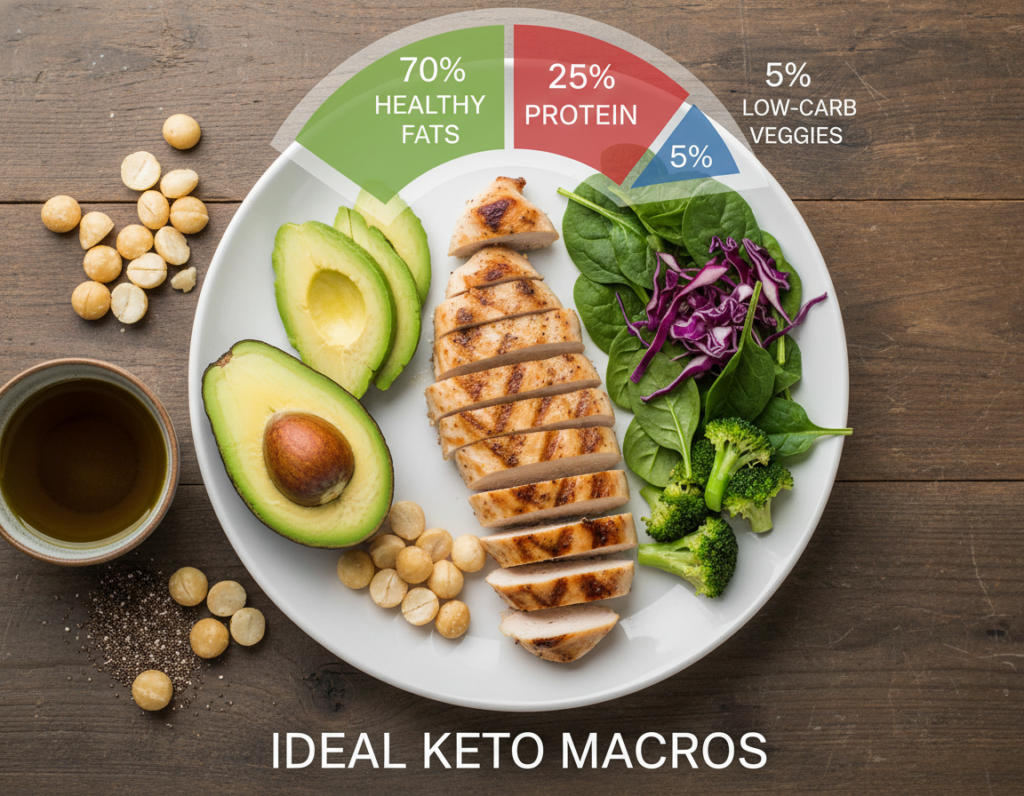
Your body needs sufficient fat to produce energy and feel satisfied. If you’re hungry between meals, you likely need more fat. Add butter to vegetables, use olive oil generously, and choose fattier cuts of meat.
Not Drinking Enough Water
Dehydration causes many symptoms people attribute to keto flu. When you cut carbs, your body releases stored water and sodium. You must replace these through increased water intake.
Hydration Goal: Drink at least half your body weight in ounces of water daily. A 150-pound person should drink 75 ounces minimum. Add more if you exercise or live in a hot climate.
Ignoring Electrolytes
The keto diet changes how your body handles electrolytes. Low sodium, potassium, and magnesium cause fatigue, muscle cramps, and headaches. These symptoms are preventable with proper supplementation.
Sodium
Need: 3,000-5,000mg daily
- Add salt to foods
- Drink bone broth
- Use sea salt liberally
Potassium
Need: 3,000-4,000mg daily
- Eat avocados
- Choose leafy greens
- Use salt substitute
Magnesium
Need: 300-400mg daily
- Eat pumpkin seeds
- Take supplements
- Choose dark chocolate
Comparing Your Progress to Others
Everyone loses weight at different rates on keto. Your results depend on starting weight, age, gender, and metabolic health. Focus on your own progress rather than comparing yourself to others.
Men typically lose weight faster than women due to higher muscle mass. Younger people often see quicker results than older individuals. People with more weight to lose typically see faster initial drops.
Reality Check: Healthy weight loss averages 1-2 pounds per week after the initial water weight drops. Slower loss is more sustainable and indicates fat loss rather than muscle loss.
Strategies for Long-Term Keto Success
Starting keto is easier than maintaining it long-term. These strategies help you stick with the diet and make it a sustainable lifestyle. Success comes from building habits that support your health goals.
Making Keto Sustainable
The key to long-term success is finding a version of keto you can maintain indefinitely. Some people eat strict keto every day. Others use a cyclical approach with occasional higher-carb days.

- Find keto versions of foods you love
- Build a collection of easy go-to meals
- Connect with others following keto
- Allow flexibility for special occasions
- Focus on how you feel, not just weight
Many people find that cravings for sugar and carbs disappear after several months. Your taste buds change and previously loved foods may taste too sweet. This makes staying on keto much easier over time.
Eating Keto in Social Situations
Social events and restaurants can challenge your keto commitment. Planning ahead makes these situations manageable. Most restaurants offer keto-friendly options if you know what to order.
Restaurant Strategies
- Ask for extra vegetables instead of rice or potatoes
- Request butter or olive oil for cooking
- Order burgers without buns
- Choose grilled meats with salads
- Skip sugary sauces and dressings
Party Tactics
- Eat before attending to avoid temptation
- Bring a keto-friendly dish to share
- Focus on protein and vegetable options
- Drink water or unsweetened beverages
- Don’t explain your diet unless asked
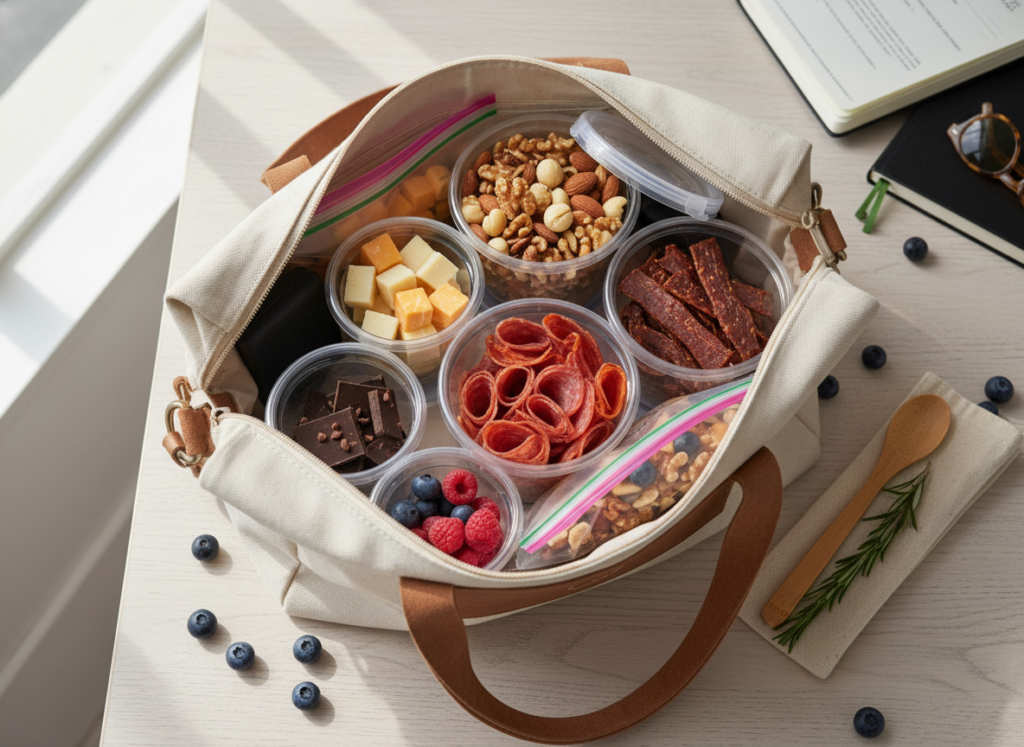
Traveling while maintaining keto requires extra preparation. Pack nuts, cheese, and other portable snacks. Research restaurants near your destination beforehand. Most hotels have refrigerators if you request one.
Dealing With Plateaus
Weight loss plateaus happen to everyone eventually. Your body adapts to new eating patterns and weight stabilizes temporarily. This doesn’t mean keto has stopped working.
- Recalculate your macros based on current weight
- Track everything you eat for one week
- Try intermittent fasting to break through plateaus
- Increase physical activity or change your routine
- Reduce dairy if it causes inflammation for you
- Ensure you’re getting enough sleep and managing stress
Sometimes your body needs time to adjust before losing more weight. Focus on non-scale victories during plateaus. Notice improvements in energy, health markers, or how your clothes fit.
Break Through Your Plateau
Get advanced strategies and troubleshooting guides to overcome weight loss stalls. Learn exactly what adjustments work when progress slows down.
Your Complete Keto Food List for Success
This comprehensive keto food list gives you everything needed to start and maintain a successful ketogenic diet. You now understand which proteins, vegetables, fats, and other foods support your goals. The key is choosing whole, unprocessed foods whenever possible.
Remember that the keto diet focuses on quality fats, adequate protein, and minimal carbs. Your body will adapt to burning fat for fuel within a few weeks. Most people experience increased energy, better mental clarity, and steady weight loss.
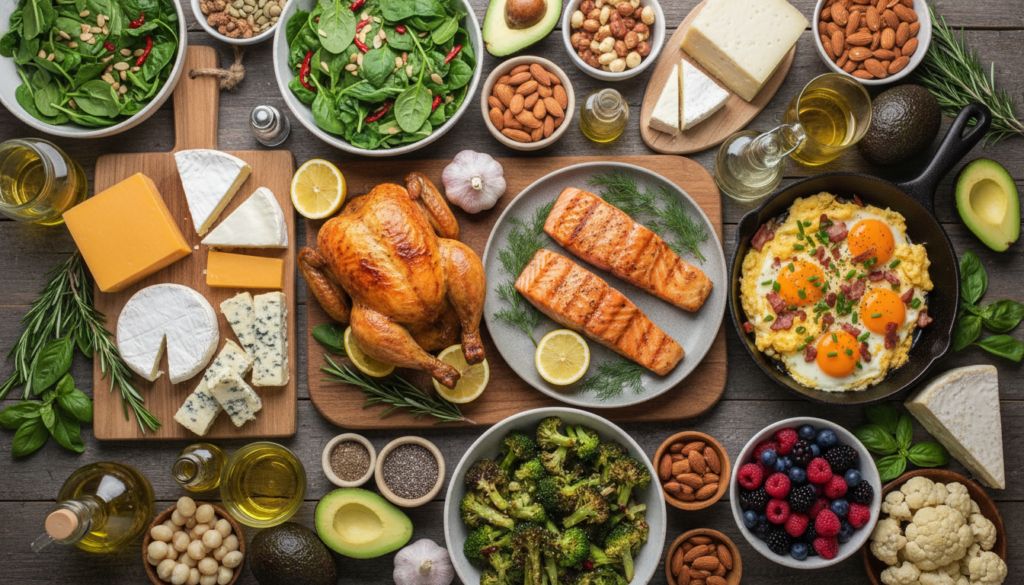
Success on keto comes from preparation and consistency. Build your meals around the foods in this guide. Plan ahead, track your progress, and adjust as needed for your individual body.
The foods on this keto food list provide all the nutrition your body needs. You don’t have to feel deprived or hungry on this diet. With so many delicious options available, you can create satisfying meals every day.
Key Takeaway: Focus on eating real, whole foods from this keto food list. Avoid processed items with hidden carbs. Stay hydrated, get enough electrolytes, and give your body time to adapt. Most people feel better than ever within a few weeks on keto.
Start with simple meals using basic ingredients from this list. As you become comfortable, experiment with new recipes and food combinations. The keto diet offers incredible flexibility once you understand the fundamentals.
Your journey to better health starts with the food choices you make each day. Use this keto food list as your guide to selecting nourishing foods that support your weight loss and health goals. Many people find that keto becomes a sustainable lifestyle rather than a temporary diet.
Start Your Keto Transformation Today
Get the complete keto system with meal plans, recipes, shopping lists, and support to ensure your success. Join thousands who have transformed their health and lost weight with this proven program.
The information in this guide empowers you to make informed food choices. You now have the knowledge to create balanced keto meals that taste great and support your health. Take action today and experience the benefits of the ketogenic diet for yourself.