Keto Diet for Beginners: Your Complete Guide to Getting Started

The keto diet has transformed millions of lives worldwide. This eating approach helps people lose weight, boost energy, and improve their overall health. Many individuals struggle with confusing diet advice and complicated meal plans.
This Website contains affiliate links. That means I may earn a small commission if you purchase through my links, at no extra cost to you.
This comprehensive guide simplifies everything. You will discover exactly what the ketogenic diet is and how it works. The information here provides clear steps to start your journey today.
Whether you want to shed extra pounds or enhance your well-being, the keto diet offers a proven path. Getting started is easier than you think. Let’s explore how this low carb lifestyle can work for you.
What Is the Keto Diet?

The keto diet is a low carb, high fat eating plan. Your body enters a metabolic state called ketosis. This happens when you dramatically reduce carbohydrate intake.
Normally, your body uses carbs for fuel. When carbs are restricted, your system switches to burning fat. The liver converts fat into molecules called ketones. These ketones become the primary energy source for your body and brain.
The standard ketogenic diet typically includes 70-75% fat, 20-25% protein, and only 5-10% carbs. This means eating around 20-50 grams of carbs per day. For comparison, a single banana contains about 25 grams of carbs.
How Ketosis Works
Your body stores glucose from carbs in muscles and liver. These stores run out after a few days of low carb eating. Blood sugar and insulin levels drop significantly.
Fat cells release stored fatty acids. The liver processes these fats and produces ketone bodies. Your brain and organs use these ketones for energy instead of glucose.
The Metabolic Switch
This metabolic state offers unique advantages. Fat becomes your primary fuel source. Your body becomes incredibly efficient at burning fat for energy.
Most people enter ketosis within 3-7 days. Some individuals need up to two weeks. Testing ketone levels helps confirm you’ve achieved this fat-burning state.

Ready to Master the Keto Diet?
Starting keto doesn’t have to be complicated. Get access to a comprehensive program that walks you through every step, from understanding ketosis to creating your perfect meal plan. Thousands of beginners have successfully transformed their health with this proven system.
Health Benefits of the Keto Diet

The ketogenic diet delivers remarkable health advantages. Research confirms numerous benefits beyond simple weight loss. These improvements can transform your quality of life.
Weight Loss and Fat Burning
The keto diet excels at helping people lose weight. Your body becomes a fat-burning machine in ketosis. Studies show ketogenic diets lead to more weight loss compared to low fat diets.
This approach helps reduce appetite naturally. High fat foods keep you feeling satisfied longer. You eat fewer calories without feeling hungry or deprived.
Many people lose significant weight in the first few weeks. Initial weight loss includes water weight. Continued fat loss follows as your body adapts to burning fat for fuel.

Blood Sugar and Insulin Control
The ketogenic diet dramatically improves blood sugar levels. This benefit is especially important for people with type diabetes or prediabetes. Cutting carbs reduces blood sugar spikes.
Lower carb intake means less insulin production. Insulin sensitivity improves significantly. Some people with type diabetes reduce or eliminate medication under medical supervision.
Studies show the keto diet can lower HbA1c levels. This marker indicates average blood sugar over three months. Better glucose control reduces diabetes complications.
Mental Clarity and Focus
Many people report improved brain function on keto. Ketones provide steady energy to the brain. You avoid the mental fog that comes from blood sugar crashes.
Research suggests ketogenic diets may protect brain health. Some studies explore benefits for neurological conditions. The consistent energy supply supports cognitive performance.
Increased Energy Levels
Fat provides more efficient fuel than carbs. You experience sustained energy throughout the day. No more afternoon energy crashes or constant hunger.
Your body accesses stored fat reserves easily. This creates a nearly unlimited energy supply. Many people feel more energetic after adapting to ketosis.
Heart Health Improvements
The keto diet positively impacts several heart health markers. HDL cholesterol often increases significantly. Higher HDL levels protect against heart disease.
Blood pressure typically decreases on keto. Lower insulin levels reduce sodium retention. Many people see improvements in triglyceride levels.
While some worry about dietary fat and heart health, research shows the right fats don’t harm cardiovascular health. Focus on healthy fat sources like olive oil, avocados, and fatty fish.

Reduced Inflammation
Chronic inflammation contributes to many diseases. The keto diet helps reduce inflammatory markers in the body. Lower carb intake decreases overall inflammation.
Ketones themselves have anti-inflammatory properties. This can help with conditions like arthritis. Many people experience less joint pain and stiffness.
Additional Health Benefits
- May help reduce acne by lowering insulin levels
- Could improve symptoms of polycystic ovary syndrome
- Might reduce seizure frequency in epilepsy patients
- Shows promise for certain cancer treatments as adjunct therapy
- May slow progression of Alzheimer’s disease
- Can improve sleep quality for many individuals
These health benefits make the ketogenic diet more than a weight loss tool. The approach supports overall wellness and disease prevention. Many people experience life-changing improvements.
Getting Started with the Keto Diet

Starting the keto diet requires preparation and knowledge. Following the right steps makes the transition smoother. Most people succeed when they plan ahead.
Calculate Your Macros
Understanding macronutrients is essential for keto success. Macros include fats, proteins, and carbs. You need specific amounts of each to achieve and maintain ketosis.
Calculate your daily calorie needs first. Then determine your macro breakdown. Most people target 20-50 grams of carbs per day. Protein should be moderate at about 0.8-1.2 grams per pound of lean body mass.
The remaining calories come from fat. This typically equals 70-75% of your daily intake. Many online calculators help determine your personal macro goals.

Clear Your Kitchen
Remove high carb foods from your pantry. This eliminates temptation and makes meal preparation easier. Donate unopened items or give them to friends.
Get rid of bread, pasta, rice, and cereals. Remove sugary snacks, candies, and desserts. Clear out high sugar condiments and sauces. Eliminate fruit juices and sugary beverages.
Stock your kitchen with keto-friendly staples instead. Fill your refrigerator with whole foods. Having the right ingredients available sets you up for success.
Week 1 Focus
Your first week involves adaptation. Keep carbs under 20 grams daily. Drink plenty of water to stay hydrated.
You might experience some fatigue. This is temporary as your body adjusts. Stay committed through this initial phase.
Week 2 Progress
Energy levels begin to stabilize. Your body starts producing ketones more efficiently. Continue tracking your food intake carefully.
Some people test ketone levels now. You may notice reduced hunger. Keep electrolytes balanced to feel your best.
Week 3-4 Adaptation
Full keto-adaptation typically occurs now. You burn fat efficiently for energy. Mental clarity and physical performance improve.
Your eating patterns become more natural. Cravings for carbs diminish significantly. You establish sustainable keto habits.
Stay Hydrated and Maintain Electrolytes
Proper hydration is crucial on the ketogenic diet. Your body releases more water when reducing carbs. Aim for at least 8-10 glasses of water per day.
Electrolyte balance matters significantly. Sodium, potassium, and magnesium levels can drop. This causes symptoms often called the “keto flu.”
Add extra salt to your foods. Drink bone broth for sodium. Eat potassium-rich foods like avocados and leafy greens. Consider a magnesium supplement if needed.

Track Your Progress
Monitoring your journey helps you stay on track. Track daily food intake using an app. Log your macros to ensure you hit targets.
Weigh yourself weekly, not daily. Take body measurements and progress photos. Notice non-scale victories like increased energy and better sleep.
Some people use ketone testing strips or meters. These confirm you’re in ketosis. However, how you feel often matters more than numbers.
Eliminate Guesswork from Your Keto Journey
Starting keto can feel overwhelming with all the calculations and planning. This comprehensive program includes personalized macro calculations, step-by-step meal plans, and ongoing support to ensure your success. Join thousands who’ve transformed their health by following this proven system.
Prepare for Social Situations
Eating keto at restaurants and social events requires planning. Research restaurant menus ahead of time. Most places can accommodate low carb requests.
Ask for substitutions without hesitation. Replace fries or bread with extra vegetables. Order protein with healthy fat sources like olive oil or butter.
Bring keto-friendly dishes to gatherings. Explain your eating approach to friends and family. Most people respect dietary choices when you’re clear about them.
Foods to Eat on the Keto Diet

Knowing what to eat makes following the keto diet much easier. Focus on whole, nutrient-dense foods. Quality matters as much as macro ratios.
Healthy Fats and Oils
Fat forms the foundation of your ketogenic diet. Choose high-quality sources for best results. These fats support ketosis and overall health.
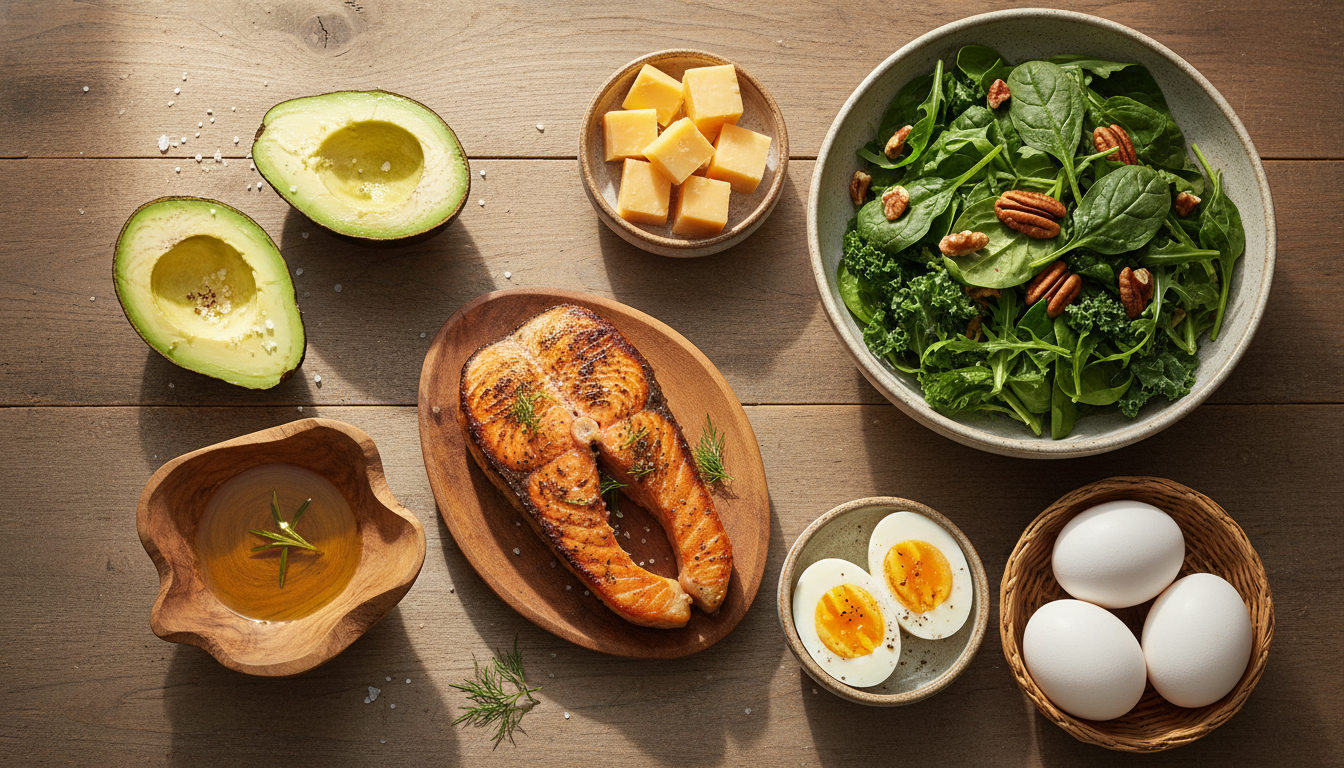
Extra virgin olive oil is excellent for cooking and dressings. Coconut oil provides medium-chain triglycerides that convert to ketones quickly. Avocado oil works well for high-heat cooking.
Butter and ghee add flavor and nutrition. MCT oil offers concentrated ketone-producing fats. Use these oils liberally in your cooking and meal preparation.

Protein Sources
Protein intake should be moderate on keto. Too much protein can interfere with ketosis. Choose high-quality animal proteins and some plant sources.
Animal Proteins
- Grass-fed beef and lamb
- Pasture-raised chicken and turkey
- Wild-caught fatty fish like salmon and mackerel
- Pork chops and bacon
- Eggs from pasture-raised chickens
- Organ meats for nutrient density
Seafood Options
- Sardines packed in olive oil
- Anchovies for flavor and omega-3s
- Shrimp and other shellfish
- Tuna and halibut
- Oysters and mussels
- Crab and lobster

Low Carb Vegetables
Vegetables provide essential nutrients, fiber, and volume to meals. Focus on above-ground vegetables that grow in leafy or flowering forms. These typically contain fewer carbs than root vegetables.
Leafy greens should be staples in your diet. Spinach, kale, lettuce, and arugula are excellent choices. Cruciferous vegetables like broccoli, cauliflower, and Brussels sprouts are also great.
Eat vegetables with healthy fats. This improves nutrient absorption. Add butter, olive oil, or cheese to your vegetable dishes.
Leafy Greens
- Spinach
- Kale
- Swiss chard
- Arugula
- Romaine lettuce
- Collard greens
Cruciferous Vegetables
- Broccoli
- Cauliflower
- Brussels sprouts
- Cabbage
- Bok choy
- Asparagus
Other Low Carb Veggies
- Zucchini
- Bell peppers
- Green beans
- Cucumber
- Celery
- Mushrooms
Dairy Products
Full-fat dairy fits perfectly into the ketogenic diet. These products provide fat, protein, and calcium. Always choose full-fat versions over low-fat alternatives.
Hard cheeses like cheddar, parmesan, and gouda work great. Soft cheeses including brie, mozzarella, and cream cheese are excellent. Greek yogurt in moderation provides probiotics.
Heavy cream adds richness to coffee and recipes. Sour cream makes a great topping. Some people digest dairy better than others, so pay attention to how your body responds.

Nuts and Seeds
Nuts and seeds provide healthy fats, protein, and fiber. These make convenient snacks and recipe ingredients. Watch portions as some varieties contain more carbs.
Macadamia nuts and pecans are lowest in carbs. Almonds, walnuts, and Brazil nuts work well in moderation. Chia seeds and flaxseeds add omega-3 fatty acids.
Nut butters without added sugar are convenient. Almond butter and natural peanut butter fit keto guidelines. Always check labels for hidden carbs and sugars.
Beverages
Staying hydrated supports ketosis and overall health. Choose beverages without added sugars or carbs. Many drinks can fit into your keto lifestyle.
Water should be your primary beverage. Coffee and tea without sugar are excellent choices. Add heavy cream or MCT oil to coffee for extra fat.
Bone broth provides electrolytes and nutrients. Unsweetened almond milk works for recipes. Sparkling water adds variety without carbs.
Quick Reference: Best Keto Foods
- Meats: beef, pork, lamb, chicken, turkey
- Fish: salmon, trout, tuna, mackerel, sardines
- Eggs: whole eggs from any source
- Oils: olive oil, coconut oil, avocado oil, MCT oil
- Butter and cream: grass-fed when possible
- Cheese: unprocessed varieties like cheddar, mozzarella, goat cheese
- Nuts: macadamias, almonds, walnuts, pecans
- Seeds: chia, flax, pumpkin, sunflower
- Low carb vegetables: leafy greens, broccoli, cauliflower, zucchini
- Avocados: whole or as oil
Foods to Avoid on Keto

Success on the keto diet requires avoiding certain foods. These items contain too many carbs to maintain ketosis. Eliminating them from your diet is essential.
Sugary Foods
All forms of sugar must be eliminated. This includes obvious sources and hidden sugars. Even small amounts can disrupt ketosis.
Avoid keto soda, fruit juice, smoothies, cake, ice cream, and candy. Skip sweetened yogurt and flavored milk. Read labels carefully as sugar hides in many processed foods.
Honey, maple syrup, and agave are still sugar. These natural sweeteners spike blood sugar just like white sugar. Save them for occasional treats after you reach your goals.
Grains and Starches
All grain products are too high in carbs for keto. This includes foods made from wheat, rice, oats, and corn. These form the base of many Western diets but must be avoided.
Avoid These Grains
- Bread and rolls of all types
- Pasta and noodles
- Rice (white, brown, wild)
- Cereal and granola
- Oatmeal and porridge
- Crackers and pretzels
- Tortillas and wraps
Skip These Starches
- Potatoes (all varieties)
- Sweet potatoes and yams
- Corn and corn products
- Quinoa and other ancient grains
- Couscous and bulgur
- Beans and lentils
- Chickpeas and hummus

Most Fruits
Fruit contains natural sugar that raises blood glucose. Most fruits have too many carbs for the keto diet. The exceptions are small portions of berries.
Avoid keto bananas, apples, oranges, grapes, and mangoes. Skip pears, peaches, pineapple, and melons. Dried fruit is especially concentrated in sugar.
You can eat small amounts of berries occasionally. Raspberries, blackberries, and strawberries have fewer carbs. Keep portions small and track them in your daily carb count.
Legumes
Beans, lentils, and peas are too high in carbs. While nutritious, they don’t fit keto macros. A single serving contains more carbs than your daily limit.
This includes black beans, kidney beans, chickpeas, and pinto beans. Avoid keto lentils, split peas, and edamame in large amounts. Even green beans should be eaten in moderation.
Low-Fat and Diet Products
Low-fat products often contain added sugar and carbs. Manufacturers replace fat with sugar to improve taste. These products work against your keto goals.
Avoid keto low-fat milk, yogurt, and cheese. Skip diet salad dressings with added sugar. Choose full-fat versions of all dairy products.
Many “diet” foods contain artificial sweeteners that may affect ketosis. Whole, unprocessed foods are always your best choice.

Condiments and Sauces
Many condiments hide significant amounts of sugar. Ketchup, barbecue sauce, and sweet chili sauce contain added sugars. These carbs add up quickly.
Check labels on salad dressings, marinades, and pasta sauces. Many contain high fructose corn syrup or sugar. Even “healthy” options may have hidden carbs.
Choose condiments wisely. Mustard, mayonnaise, and hot sauce typically work. Make your own dressings with olive oil and vinegar.
Alcohol
Most alcoholic beverages contain carbs and can disrupt ketosis. Beer is particularly high in carbs. Sweet wines and mixed drinks contain significant sugar.
Your body prioritizes metabolizing alcohol over burning fat. This temporarily stops fat burning. Alcohol also lowers inhibitions and may lead to poor food choices.
If you choose to drink, stick to dry wines or spirits without mixers. Keep consumption minimal and track the carbs. Many people find they’re more sensitive to alcohol on keto.
Hidden Carb Sources to Watch
Many foods contain more carbs than expected. Onions and tomatoes add up in large quantities. Nuts can exceed your carb limit if you’re not careful.
Protein bars often contain hidden sugars. Sugar-free products may use sugar alcohols that affect some people. Always read nutrition labels carefully.
Restaurant sauces frequently contain sugar and thickeners. Ask for plain preparations with butter or oil instead. Being vigilant helps you stay in ketosis.
Keto Meal Planning Made Simple

Planning your meals ahead of time ensures keto success. A solid meal plan eliminates guesswork and reduces temptation. You’ll save time and money while staying on track.
Building Your Keto Meal Plan
Start with your daily macro targets. Plan three meals and optional snacks. Each meal should include protein, healthy fat, and low carb vegetables.
Create a weekly meal plan every Sunday. Write down each meal and snack. Make a shopping list based on your plan. This preparation prevents last-minute unhealthy choices.
Batch cooking saves significant time. Prepare large portions of protein on weekends. Cook several servings of keto-friendly vegetables. Store meals in individual containers for easy grab-and-go options.

Sample One-Day Keto Meal Plan
This sample menu provides approximately 1,800 calories with proper macro ratios. Adjust portions based on your individual needs and goals.
Breakfast: Keto Coffee and Eggs (7:00 AM)
- 3 eggs scrambled in butter
- 2 ounces cheddar cheese
- 1 cup spinach sautéed in olive oil
- Coffee with 1 tablespoon MCT oil and heavy cream
- ½ avocado on the side
Macros: 45g fat, 28g protein, 6g carbs

Lunch: Chicken Caesar Salad (12:30 PM)
- 6 ounces grilled chicken breast
- 4 cups romaine lettuce
- 3 tablespoons Caesar dressing (full-fat)
- 2 tablespoons parmesan cheese
- 5 olives
- 1 tablespoon olive oil drizzled on top
Macros: 38g fat, 42g protein, 8g carbs

Dinner: Salmon with Asparagus (6:30 PM)
- 6 ounces wild-caught salmon
- 2 cups asparagus roasted in olive oil
- 2 tablespoons butter on salmon
- Side salad with 2 tablespoons olive oil dressing
- Lemon wedge for flavor
Macros: 52g fat, 38g protein, 10g carbs

Snacks (Optional, if needed)
- 1 ounce macadamia nuts (23g fat, 2g protein, 4g carbs)
- 2 ounces full-fat cheese (18g fat, 14g protein, 2g carbs)
- Celery sticks with 2 tablespoons almond butter (16g fat, 7g protein, 6g carbs)
Never Wonder What to Eat Again
Creating meal plans and calculating macros takes time and effort. Get instant access to hundreds of done-for-you keto meal plans with shopping lists and macro calculations. This comprehensive program removes all the guesswork so you can focus on your results.
Weekly Meal Prep Strategy
Dedicate 2-3 hours on Sunday for meal preparation. This investment saves hours during busy weekdays. You’ll eat healthier and stay consistent with your keto diet.
- Grill 3-4 pounds of chicken breast
- Bake a large salmon fillet
- Cook ground beef for quick meals
- Hard-boil a dozen eggs
- Pan-fry bacon strips
Proteins to Prep
- Wash and chop salad greens
- Roast broccoli and cauliflower
- Steam asparagus bundles
- Slice bell peppers and cucumbers
- Make cauliflower rice batches
Vegetables to Prepare
- Portion nuts into snack bags
- Slice cheese into serving sizes
- Make keto salad dressings
- Prepare fat bombs for snacks
- Mix MCT oil coffee creamer
Fats and Add-ons
Budget-Friendly Keto Meal Planning
The keto diet doesn’t have to be expensive. Smart shopping and planning keep costs manageable. Focus on affordable protein and fat sources.
Buy meat in bulk when on sale. Eggs provide inexpensive protein and healthy fat. Canned fish like sardines and tuna are budget-friendly options.
Frozen vegetables cost less than fresh and last longer. Buy seasonal produce for better prices. Make your own dressings and sauces to save money.

Common Keto Diet Mistakes to Avoid

Many beginners make similar mistakes when starting keto. Understanding these pitfalls helps you avoid them. Learning from others’ experiences speeds up your success.
Not Eating Enough Fat
The biggest mistake is not consuming enough fat. Years of low-fat diet advice make this challenging. Your body needs fat for energy in ketosis.
Fat should comprise 70-75% of your daily calories. This feels counterintuitive at first. Add butter, olive oil, and avocado to every meal.
Without adequate fat, you’ll feel hungry and tired. Your body won’t have fuel for energy. Embrace healthy fats to succeed on keto.
Eating Too Much Protein
Excess protein can prevent ketosis. Your body converts protein to glucose through gluconeogenesis. This process raises blood sugar and reduces ketone production.
Stick to moderate protein intake. Calculate 0.8-1.2 grams per pound of lean body mass. Choose fattier cuts of meat to balance your macros.
Don’t fear protein but don’t overdo it either. Track your intake to stay within targets. Balance is key for maintaining ketosis.

Ignoring Electrolytes
Electrolyte imbalance causes the dreaded “keto flu.” Symptoms include headaches, fatigue, muscle cramps, and brain fog. These issues are preventable with proper supplementation.
Your body releases water and electrolytes when starting keto. Sodium, potassium, and magnesium levels drop quickly. Supplement these minerals to avoid keto discomfort.
Add extra salt to your food generously. Drink bone broth for sodium. Eat avocados and spinach for potassium. Consider magnesium supplements before bed.
Not Drinking Enough Water
Dehydration is common on the ketogenic diet. Your body releases water as it burns through glycogen stores. Increased urination continues as your body adjusts.
Drink at least 8-10 glasses of water daily. More if you exercise or live in a hot climate. Proper hydration supports ketosis and reduces side effects.
Keep a water bottle with you always. Add lemon or lime for flavor. Monitor your urine color to ensure adequate hydration.
Snacking Too Frequently
Constant snacking prevents your body from fully utilizing fat stores. Eating raises insulin levels even slightly. This interrupts the fat-burning process.
Aim for three meals per day without snacking. If you need snacks, keep them small and high in fat. Many people find hunger decreases significantly on keto.
Listen to your body’s true hunger signals. Don’t eat out of boredom or habit. Let yourself experience comfortable hunger between meals.
Giving Up Too Soon
The adaptation period can be challenging. Some people quit before experiencing the benefits. Your body needs 3-4 weeks to fully adapt.
Push through the initial discomfort. The keto flu is temporary. Once adapted, you’ll feel better than before you started.
Track non-scale victories during this time. Notice improved energy, mental clarity, and reduced cravings. These benefits motivate you to continue.

Not Tracking Your Food
Many people underestimate their carb intake. Hidden carbs add up quickly without tracking. Use a food tracking app for at least the first month.
Measure portions with a food scale initially. This teaches you proper serving sizes. After a few weeks, you’ll estimate portions more accurately.
Track everything that goes in your mouth. Condiments, oils, and beverages count toward your macros. Accurate tracking ensures you stay in ketosis.
Eating Too Many Keto Products
The market is flooded with keto-labeled products. Many contain hidden carbs or low-quality ingredients. These processed foods can stall your progress.
Focus on whole, unprocessed foods instead. Vegetables, meat, fish, eggs, and healthy fats should form your diet’s foundation. Save packaged keto products for occasional convenience.
Read labels carefully on all packaged foods. Check net carbs and ingredient lists. Just because it says “keto” doesn’t mean it supports your goals.
Comparing Your Progress to Others
Everyone’s body responds differently to keto. Weight loss speed varies based on many factors. Comparing yourself to others creates unnecessary stress.
Focus on your own journey and progress. Celebrate your personal victories. Some people lose weight quickly while others take longer.
Factors affecting your rate include starting weight, metabolic health, age, and activity level. Trust the process and stay consistent with your efforts.
Quick Checklist: Avoiding Common Mistakes
- Eat enough fat (70-75% of calories)
- Keep protein moderate (20-25% of calories)
- Stay hydrated with 8-10 glasses of water daily
- Supplement electrolytes (sodium, potassium, magnesium)
- Track food intake accurately for first 30 days
- Read all nutrition labels carefully
- Give your body 3-4 weeks to adapt
- Focus on whole foods over processed products
- Eat when hungry, stop when satisfied
- Measure progress beyond the scale
Managing Keto Side Effects

Starting the keto diet often brings temporary side effects. These symptoms result from your body adapting to using fat for fuel. Understanding and managing them makes your transition smoother.
The Keto Flu
Keto flu describes a collection of symptoms during the first week. This isn’t an actual flu but rather adaptation symptoms. Most people experience some degree of discomfort initially.
Common symptoms include headaches, fatigue, irritability, and difficulty concentrating. You might feel muscle cramps, nausea, or dizziness. These effects typically last 3-7 days.
The primary cause is electrolyte depletion and dehydration. Your body releases water and minerals as it switches fuel sources. Proper supplementation prevents or minimizes these symptoms.
Increase Sodium
Add 2-3 grams of extra sodium daily. Salt your food liberally without guilt.
Drink bone broth or bouillon throughout the day. This provides sodium in an easily absorbed form.
Boost Potassium
Eat potassium-rich foods like avocados and spinach. One avocado contains about 500mg potassium.
Consider a potassium supplement if needed. Target 3,000-4,000mg per day from all sources.
Add Magnesium
Take 300-400mg of magnesium daily. This mineral supports numerous body functions.
Magnesium citrate or glycinate absorb better. Take it before bed to improve sleep quality.

Digestive Changes
Your digestive system needs time to adjust to increased fat intake. Some people experience constipation while others have loose stools. Both situations usually resolve within a few weeks.
Constipation often results from dehydration and reduced fiber intake. Drink more water and eat fibrous vegetables. Magnesium supplements also help promote regular bowel movements.
Diarrhea can occur if you increase fat too quickly. Your body needs to produce more bile to digest fat. Gradually increase fat intake over several days.
Bad Breath
Some people develop fruity or metallic breath in ketosis. This comes from acetone, a type of ketone released through breath. While temporary, it can be bothersome.
This actually indicates you’re in ketosis successfully. The symptom typically fades after a few weeks. Your body becomes more efficient at using ketones.
Maintain excellent oral hygiene in the meantime. Brush teeth more frequently and use sugar-free mints. Drink plenty of water to reduce the odor. Some people chew fresh herbs like parsley.
Sleep Disturbances
Sleep patterns may change initially on keto. Some people experience insomnia while others sleep more soundly. These issues usually resolve after full adaptation.
Lower carb intake reduces serotonin production temporarily. This neurotransmitter helps regulate sleep. Your body adjusts its production pathways over time.
Take magnesium before bed to improve sleep. Avoid caffeine after 2 PM. Maintain consistent sleep and wake times. Practice relaxation techniques if needed.

Reduced Physical Performance
Athletic performance may decrease during the adaptation period. Your muscles are learning to use fat for fuel efficiently. This temporary dip lasts 2-4 weeks.
Don’t judge the keto diet based on this initial period. Once fully adapted, many athletes perform as well or better than before. Endurance especially improves with keto-adaptation.
Reduce workout intensity during the first few weeks. Focus on maintaining movement rather than setting records. Gradually increase intensity as energy returns.
Heart Palpitations
Some people notice heart palpitations or increased heart rate. This usually stems from dehydration and low sodium. The condition resolves with proper electrolyte supplementation.
Drink more water and increase salt intake significantly. Monitor how you feel after adding electrolytes. Most people see rapid improvement.
If palpitations persist despite proper hydration, consult your doctor. While usually harmless, it’s wise to rule out other causes.
Navigate Keto Adaptation with Confidence
Don’t let temporary side effects derail your success. This comprehensive program includes detailed strategies to manage all adaptation symptoms, plus ongoing support from keto experts. You’ll know exactly what to expect and how to handle every challenge that comes up.
When to See a Doctor
Most keto side effects are temporary and manageable. However, seek medical advice if you experience severe or persistent symptoms. Contact your doctor if you have chest pain, severe digestive issues, or symptoms that worsen over time.
People with existing medical conditions should consult healthcare providers before starting keto. This includes those with diabetes, kidney disease, or heart conditions. Your doctor can monitor your progress and adjust medications if needed.
Tracking Your Keto Progress

Monitoring your progress keeps you motivated and accountable. The scale tells only part of the story. Multiple measurements provide a complete picture of your transformation.
Body Weight Measurements
Weigh yourself once per week at the same time. Morning weights before eating give the most consistent readings. Daily weighing can be discouraging due to natural fluctuations.
Your weight will fluctuate 2-5 pounds throughout the week. Water retention, hormones, and digestion affect these numbers. Focus on the overall trend rather than daily changes.
Women may see weight fluctuations during their menstrual cycle. Expect temporary water retention before periods. This doesn’t reflect actual fat gain or loss.
Body Measurements
Take body measurements every two weeks. Measure your waist, hips, thighs, arms, and chest. You lose inches even when the scale doesn’t move.
Fat loss often occurs before the scale reflects changes. Measurements reveal progress the scale misses. Many people lose multiple clothing sizes while weight drops slowly.
Keep a measurement log to track changes over time. Seeing inches disappear motivates you to continue. This data proves your hard work is paying off.

Progress Photos
Take progress photos every two weeks. Wear the same outfit and use the same lighting. Capture front, side, and back views for comparison.
Photos reveal changes you can’t see in the mirror. Your brain adapts to gradual changes daily. Comparing photos from weeks apart shows dramatic differences.
Store photos privately if you’re uncomfortable sharing them. These images are for your personal motivation. Many people are surprised by their visual transformation.
Ketone Testing
Testing ketone levels confirms you’re in ketosis. Three methods exist: urine strips, breath meters, and blood meters. Each has advantages and limitations.
Urine strips are cheapest but least accurate long-term. They work well initially but become unreliable after adaptation. Your body stops excreting excess ketones in urine.
Blood ketone meters provide the most accurate readings. They’re more expensive but give precise measurements. Test in the morning before eating for consistent results.
Breath meters measure acetone in breath. They’re reusable and moderately accurate. These offer a middle ground between strips and blood testing.
Optimal Ketone Ranges
Nutritional ketosis ranges from 0.5 to 3.0 mmol/L. Most people feel best between 1.0 and 2.0 mmol/L. Higher isn’t necessarily better for weight loss.
Focus on how you feel rather than chasing numbers. Consistent low carb eating matters more than ketone levels. Some people achieve great results with lower readings.
When to Test
Test ketones in the morning before eating. This provides the most consistent baseline. You can also test before bed to see daily patterns.
Don’t test immediately after eating. Wait 2-3 hours for accurate results. Test weekly rather than daily to save money.

Non-Scale Victories
Many benefits of keto don’t show on the scale. These non-scale victories often matter more than pounds lost. Track these improvements to stay motivated.
Common Non-Scale Victories
- Increased energy throughout the day
- Better mental clarity and focus
- Reduced hunger and cravings
- Improved sleep quality
- Clothes fitting better or needing smaller sizes
- Compliments from friends and family
- Improved blood work results
- Better mood and emotional stability
- Increased confidence and self-esteem
- More defined muscle tone
- Reduced inflammation and joint pain
- Better skin appearance
Keeping a Food and Progress Journal
Journaling provides valuable insights into your patterns. Record what you eat, how you feel, and any challenges faced. This information helps you adjust your approach.
Note your energy levels, mood, and hunger throughout the day. Track exercise, sleep quality, and stress levels. These factors all impact your results.
Review your journal weekly to identify patterns. Notice which foods make you feel best. Recognize situations that challenge your commitment. Use this knowledge to improve your strategy.

Blood Work and Health Markers
Get comprehensive blood work before starting keto and again after 3 months. This shows how the diet affects your health markers. Most people see significant improvements.
Important markers include fasting glucose, HbA1c, triglycerides, HDL and LDL cholesterol, and inflammatory markers. Your doctor can order these tests and interpret results.
Many people see triglycerides drop dramatically. HDL cholesterol typically increases. Blood sugar and insulin levels usually improve significantly. These changes indicate better metabolic health.
Long-Term Success on the Keto Diet

Achieving initial results is one thing. Maintaining them long term requires different strategies. Sustainable success comes from developing lasting habits and flexible approaches.
Making Keto a Lifestyle
The keto diet works best as a long term lifestyle rather than a temporary fix. Quick fixes don’t create lasting change. Focus on building sustainable habits you can maintain.
Stop thinking of keto as a restrictive diet. View it as a way of eating that supports your health goals. This mindset shift makes the approach feel natural rather than forced.
Find keto foods and recipes you genuinely enjoy. Experiment with new ingredients and cooking methods. Make meals satisfying and delicious so you don’t feel deprived.
Dealing with Plateaus
Weight loss plateaus are normal and expected. Your body adjusts to new weight levels periodically. These pauses don’t mean the diet stopped working.
Plateaus lasting 2-4 weeks are common. Your body is recomposing, losing fat while maintaining or building muscle. Continue your routine without making drastic changes.
If a plateau extends beyond 4 weeks, evaluate your approach. Are you tracking accurately? Have portions crept up? Are you eating too much protein? Small adjustments often break plateaus.
Strategies to Break Plateaus
Recalculate your macros based on current weight. Calorie needs decrease as you lose weight. Adjust your targets accordingly.
Try intermittent fasting for a few weeks. This can jumpstart fat burning. Skip breakfast and eat within an 8-hour window.
Increase physical activity gradually. Add more walking or strength training. Building muscle boosts metabolism long term.
What Not to Do
Don’t drastically cut calories. This slows metabolism and causes muscle loss. Maintain adequate calorie intake for sustainable fat loss.
Avoid adding cheat days to break plateaus. This disrupts ketosis and often backfires. Stay consistent with your keto approach.
Don’t weigh yourself daily during plateaus. This creates unnecessary stress and discouragement. Focus on non-scale victories instead.

Social Situations and Dining Out
Maintaining keto during social events challenges many people. Planning ahead makes these situations manageable. You can enjoy social activities while staying on track.
Review restaurant menus online before going out. Most establishments offer keto-friendly options. Don’t hesitate to make special requests or substitutions.
Order meat or fish with vegetables cooked in butter or olive oil. Skip breading, sauces with sugar, and starchy sides. Replace bread, rice, or potatoes with extra vegetables or salad.
Handling Special Occasions
Holidays and celebrations don’t have to derail your progress. Decide in advance how you’ll approach these events. Having a plan prevents impulsive decisions you’ll regret.
Eat a keto meal before attending parties. This reduces temptation from high carb foods. Bring a keto dish to share so you have safe options available.
Focus on socializing rather than food. Enjoy conversations and connections. Food is just one small part of celebrations.
Cyclical and Targeted Keto Approaches
Some people incorporate carb cycling once fully adapted. Cyclical keto involves periods of higher carb intake. This approach suits athletes or those doing intense training.
Targeted keto adds carbs around workouts specifically. You eat 25-50 grams of carbs before exercise. This provides quick energy while maintaining ketosis most of the time.
These advanced strategies work only after several months of strict keto. Your body must be fully fat-adapted first. Beginners should stick to standard keto for best results.

Maintaining Results After Reaching Goals
Many people wonder what to do after reaching their target weight. You have several options based on your preferences and goals. Choose an approach you can sustain indefinitely.
Some people stay on strict keto indefinitely. They enjoy the lifestyle and feel their best this way. This is perfectly healthy and sustainable for most individuals.
Others gradually increase carbs to find their personal threshold. Add 5-10 grams of carbs weekly while monitoring your weight and how you feel. Find the highest carb level where you maintain results.
Another option is following keto during the week with higher carb weekends. This provides flexibility while maintaining most benefits. Ensure you’re maintaining weight and feeling good with this approach.
Keys to Long-Term Maintenance
- Continue tracking food occasionally to prevent portion creep
- Weigh yourself weekly to catch small gains quickly
- Maintain most keto habits even if you add some carbs
- Keep processed foods and sugar intake minimal
- Stay active with regular exercise you enjoy
- Prioritize sleep and stress management
- Build a support system of like-minded people
- Plan meals and prep food in advance
- Allow flexibility without abandoning principles
- Remember why you started when motivation wanes
Building a Support System
Long term success is easier with support from others. Connect with people following similar lifestyles. Share experiences, recipes, and encouragement.
Join online keto communities or local groups. These connections provide accountability and motivation. You’ll learn from others’ successes and challenges.
Educate family and friends about your choices. Their understanding and support makes social situations easier. Many people find their loved ones become interested in keto too.
Exercise and the Keto Diet

Combining keto with exercise accelerates results and improves health. Physical activity enhances the benefits of ketogenic eating. The two work synergistically for optimal outcomes.
Exercise During Adaptation
Reduce exercise intensity during your first 2-3 weeks on keto. Your body is learning to use fat efficiently for fuel. High-intensity workouts feel more difficult initially.
Focus on low to moderate intensity activities. Walking, light jogging, yoga, and gentle cycling work well. Maintain your exercise habit without pushing too hard.
Don’t judge your fitness based on this adaptation period. Performance returns and often exceeds previous levels. Give your body time to adjust before resuming intense training.
Best Exercises for Keto
Once adapted, most exercise types work well with keto. Different activities offer specific benefits. Choose exercises you enjoy for better long term adherence.
Strength Training
Lifting weights builds muscle and boosts metabolism. The keto diet preserves muscle mass during fat loss.
Focus on compound movements like squats, deadlifts, and presses. Train 3-4 times per week for best results.
Adequate protein intake supports muscle growth. Keep protein at 1.2 grams per pound of lean body mass.
Cardio Exercise
Steady-state cardio works excellently on keto. Fat provides endless fuel for endurance activities.
Walking, jogging, cycling, and swimming are ideal. These activities feel easier as you become fat-adapted.
Many endurance athletes thrive on ketogenic diets. They avoid energy crashes from carb depletion.
High-Intensity Training
HIIT and sprinting work well once fully adapted. These activities primarily use stored muscle glycogen.
Your body learns to replenish glycogen from protein and fat. This process improves over several months.
Consider targeted keto if doing frequent intense workouts. Add small amounts of carbs around training.

Pre and Post-Workout Nutrition
Keto changes your approach to workout nutrition. You don’t need carbs before exercise once adapted. Fat provides sustained energy without spiking blood sugar.
Many people train fasted on keto successfully. This maximizes fat burning and growth hormone release. Try exercising before your first meal of the day.
If you need pre-workout fuel, eat a small high-fat snack. MCT oil provides quick energy that converts to ketones. Some people add MCT oil to coffee before training.
Post-workout nutrition should include protein and fat. This supports muscle recovery and replenishes energy. A typical meal with meat and vegetables works perfectly.
Building Muscle on Keto
You can definitely build muscle while following a ketogenic diet. Protein and calories matter most for muscle growth. Keto doesn’t prevent muscle building when these factors are adequate.
Ensure sufficient protein intake for your goals. Athletes building muscle may need up to 1.2 grams per pound of body weight. This provides amino acids for muscle repair and growth.
Eat enough total calories to support muscle building. You need a slight caloric surplus to gain muscle mass. Track your intake to ensure you’re eating enough.
Progressive overload remains essential regardless of diet. Gradually increase weights, reps, or intensity. Consistency with training matters more than diet type for muscle growth.

Hydration and Electrolytes for Athletes
Athletes on keto need extra attention to hydration and electrolytes. Exercise increases fluid and mineral losses through sweat. Replace these adequately to maintain performance.
Drink water before, during, and after workouts. Add extra salt to your water bottle for longer sessions. This prevents cramping and maintains energy levels.
Consider electrolyte supplements for intense or long workouts. Choose products without added sugar or carbs. Proper electrolyte balance significantly impacts athletic performance.
Keto Diet for Specific Health Conditions

The ketogenic diet offers therapeutic benefits beyond weight loss. Research supports its use for various health conditions. Always consult healthcare providers before using keto to manage medical issues.
Type 2 Diabetes Management
The keto diet powerfully improves type diabetes. Reducing carbs directly lowers blood sugar levels. Many people reduce or eliminate diabetes medication under medical supervision.
Studies show keto improves insulin sensitivity significantly. Participants often see HbA1c levels drop into normal ranges. This indicates better long term blood sugar control.
Work closely with your doctor when using keto for diabetes. Medication adjustments may be necessary as blood sugar improves. Monitor blood glucose frequently during the transition period.
Some people reverse their type diabetes completely with sustained keto eating. This doesn’t mean you’re cured, but that blood sugar normalizes without medication. Returning to high carb eating would likely bring symptoms back.

Metabolic Syndrome
Metabolic syndrome includes several conditions occurring together. These include high blood pressure, high blood sugar, excess belly fat, and abnormal cholesterol levels. The keto diet addresses all these factors simultaneously.
Research demonstrates keto improves every component of metabolic syndrome. Weight loss reduces belly fat specifically. Insulin sensitivity improves, lowering blood sugar. Blood pressure typically decreases significantly.
Triglycerides drop dramatically on keto for most people. HDL cholesterol increases, which protects heart health. These changes reduce your risk of heart disease and diabetes.
Polycystic Ovary Syndrome (PCOS)
PCOS affects hormone balance and fertility in many women. Insulin resistance plays a central role in this condition. The keto diet improves insulin sensitivity and hormonal balance.
Women with PCOS often see improved menstrual regularity on keto. Testosterone levels may decrease toward normal ranges. Many women report improved fertility after following a ketogenic diet.
Weight loss from keto helps reduce PCOS symptoms significantly. Even modest weight reduction improves hormone balance. The diet addresses the root metabolic dysfunction in PCOS.
Neurological Benefits
The keto diet was originally developed to treat epilepsy. It reduces seizure frequency in many patients, especially children.
Research explores keto for Alzheimer’s and Parkinson’s diseases. Ketones provide alternative brain fuel when glucose metabolism is impaired. Early studies show promise for cognitive protection.
Some people use keto to manage migraines. The stable blood sugar and reduced inflammation help many sufferers. Frequency and intensity of headaches often decrease.
Cancer Support
Some cancer cells rely heavily on glucose for fuel. The keto diet may help starve these cells by limiting available glucose.
Research in this area is ongoing and promising. Keto is studied as an adjunct to conventional cancer treatments. It’s not a cancer cure but may support other therapies.
Always work with your oncology team if considering keto during cancer treatment. The diet may interact with certain therapies. Professional guidance ensures safety and effectiveness.

Heart Health Considerations
The relationship between keto and heart health generates much discussion. Most markers improve significantly on a well-formulated ketogenic diet. However, individual responses vary.
Many people see LDL cholesterol increase on keto. However, particle size often shifts to larger, less harmful LDL. Triglycerides typically drop substantially. The triglyceride to HDL ratio improves, indicating better cardiovascular health.
Focus on quality fat sources for heart health. Emphasize olive oil, avocados, nuts, and fatty fish. Limit processed meats and poor-quality fats. The type of fat matters significantly.
Get comprehensive lipid panels, not just basic cholesterol tests. Advanced testing shows particle sizes and other important markers. Work with a doctor familiar with ketogenic diets for interpretation.
Important Medical Disclaimer
The information here is educational, not medical advice. Always consult qualified healthcare providers before using the keto diet to manage medical conditions. This is especially important if you take medications for diabetes, blood pressure, or other conditions.
Some people shouldn’t follow a ketogenic diet. This includes pregnant or breastfeeding women, people with eating disorders, those with certain kidney or liver conditions, and individuals with a history of pancreatitis. Your doctor can determine if keto is appropriate for your situation.
Eating Keto on a Budget

Many people worry that keto costs too much. Smart shopping and planning keep expenses manageable. You can succeed on keto without breaking your budget.
Affordable Protein Sources
Eggs provide the most affordable quality protein available. A dozen eggs costs just a few dollars and provides numerous meals. They’re nutritious, versatile, and perfect for keto.
Choose cheaper cuts of meat that fit your budget. Chicken thighs, ground beef, and pork shoulder cost less than premium cuts. These options are often fattier, which works perfectly for keto macros.
Buy meat in bulk when on sale and freeze portions. This saves significant money over time. Divide large packages into meal-sized portions before freezing.
Canned fish like sardines, mackerel, and tuna are incredibly affordable. These provide omega-3 fatty acids and quality protein. Stock up when they go on sale.
Budget Protein Options
- Whole eggs ($3-5/dozen)
- Ground beef (buy fattier 80/20)
- Chicken thighs with skin
- Pork shoulder or chops
- Canned sardines and mackerel
- Tuna in oil
Budget Fat Sources
- Butter (especially on sale)
- Coconut oil in large containers
- Store-brand olive oil
- Lard or bacon fat (save drippings)
- Avocados when in season
- Nuts bought in bulk
Budget Vegetables
- Frozen broccoli and cauliflower
- Cabbage (extremely cheap)
- Frozen spinach
- Seasonal fresh vegetables
- Lettuce and salad greens on sale
- Zucchini in summer

Shopping Strategies
Shop sales and use coupons whenever possible. Stock up on shelf-stable items when prices drop. Building a pantry of basics saves money long term.
Buy store brands instead of name brands. The quality is often identical at significantly lower prices. Compare unit prices to find the best value.
Shop at discount grocery stores if available. Stores like Aldi offer quality products at lower prices. Ethnic markets often have affordable meat and produce.
Avoid pre-cut or pre-packaged vegetables. Buying whole vegetables and cutting them yourself saves substantial money. The extra few minutes are worth the savings.
Meal Planning for Savings
Plan meals around what’s on sale that week. Build your menu based on discounted items. This approach minimizes food costs while providing variety.
Use leftovers strategically to stretch meals. Cook once, eat twice or three times. Repurpose proteins and vegetables into different meals.
Make cheaper cuts tender through slow cooking. Tough, inexpensive meats become delicious when cooked properly. Crockpots and instant pots are perfect for this.
Money-Saving Tips
- Buy whole chickens and break them down yourself
- Grow herbs in pots on your windowsill
- Save bacon grease for cooking
- Make bone broth from chicken carcasses
- Buy seasonal produce when prices are lowest
- Join a warehouse club for bulk discounts
- Shop farmers markets at closing time for deals
- Freeze cheese when it goes on sale
- Make your own salad dressings
- Use every part of vegetables (broccoli stems, etc.)
Avoiding Expensive Keto Products
Skip specialty “keto” packaged foods and products. These are overpriced and often unnecessary. Whole foods cost less and provide better nutrition.
Make your own fat bombs instead of buying them. Basic ingredients cost a fraction of pre-made versions. You control quality and ingredients.
Avoid expensive MCT oil supplements unless they truly benefit you. Coconut oil provides similar benefits at much lower cost. Regular cooking oils work perfectly fine for most people.
Don’t buy special low-carb bread, pasta, or dessert alternatives. These products are expensive and often unsatisfying. Focus on naturally low carb foods instead.
Frequently Asked Questions About Keto

How long does it take to enter ketosis?
Most people enter ketosis within 2-7 days of restricting carbs to 20-50 grams per day. The exact timing depends on several factors including your previous diet, activity level, and metabolic health.
Factors that speed up ketosis include exercise, fasting, and MCT oil consumption. People switching from high carb diets may take longer than those already eating moderate carb.
You can test ketone levels to confirm ketosis using urine strips, breath meters, or blood meters. However, how you feel often indicates ketosis more reliably than testing.
Can I eat fruit on the keto diet?
Most fruits are too high in carbs for the keto diet. However, small portions of berries fit within keto macros. Raspberries, blackberries, and strawberries contain fewer carbs than other fruits.
A half-cup serving of berries typically contains 5-7 grams of net carbs. This allows room for berries if you carefully track your total daily carb intake.
Avoid high-sugar fruits like bananas, apples, grapes, and tropical fruits entirely. These spike blood sugar too much and will kick you out of ketosis.
Will I lose muscle on the keto diet?
The keto diet actually helps preserve muscle mass during weight loss. Adequate protein intake and resistance training prevent muscle loss. Ketones have a muscle-sparing effect in the body.
Eat sufficient protein (0.8-1.2 grams per pound of lean body mass) to maintain muscle. Combine this with strength training 3-4 times weekly. This combination builds or maintains muscle effectively.
Many athletes and bodybuilders successfully build muscle on ketogenic diets. The key is eating enough calories and protein while training consistently.
How much weight can I lose on keto?
Weight loss varies significantly between individuals. Most people lose 5-10 pounds in the first week, primarily water weight. After that, expect 1-2 pounds per week on average.
People with more weight to lose typically see faster initial results. Those closer to their goal weight lose more slowly. Your starting weight, age, gender, and activity level all affect the rate.
Focus on sustainable fat loss rather than rapid weight drop. Losing 1-2 pounds per week preserves muscle mass and is maintainable long term. Patience leads to lasting results.
Can I drink alcohol on keto?
Some alcoholic beverages fit into keto macros in moderation. Pure spirits like vodka, whiskey, and tequila contain zero carbs. Dry wines contain 3-4 grams of carbs per glass.
Avoid beer, sweet wines, and mixed drinks with sugary mixers. These contain too many carbs and will disrupt ketosis. If you drink, choose low-carb options and track them carefully.
Alcohol temporarily stops fat burning as your body prioritizes metabolizing alcohol. Many people find they’re more sensitive to alcohol on keto. Drink responsibly and in moderation.
Is keto safe long term?
Research supports the safety of long term ketogenic diets for most healthy individuals. Many people follow keto for years without adverse effects. The diet has been used medically since the 1920s.
Focus on nutrient-dense whole foods for long term health. Eat plenty of vegetables, quality proteins, and healthy fats. Avoid relying heavily on processed “keto” products.
Get regular blood work to monitor your health markers. Most people see improvements in metabolic health markers on keto. Consult with healthcare providers familiar with ketogenic diets.
What if I accidentally eat too many carbs?
Don’t panic if you accidentally exceed your carb limit. One high-carb meal won’t ruin your progress. Simply return to your regular keto eating at your next meal.
You may temporarily exit ketosis after eating high carbs. Your body will return to ketosis within 24-48 hours of resuming low carb eating. No need for extreme measures or fasting to “fix” the situation.
Learn from the experience and plan better for similar situations in the future. Occasional mistakes happen and don’t derail long term success.
Can vegetarians or vegans follow the keto diet?
Vegetarians can follow keto with careful planning. Focus on eggs, dairy, nuts, seeds, and low carb vegetables. Plant-based protein sources like tempeh and tofu work in moderation.
Vegan keto is more challenging but possible. Rely on nuts, seeds, avocados, coconut products, and low carb vegetables. You’ll need to carefully track macros to ensure adequate protein and fat.
Both approaches require more planning than standard keto. Supplementation may be necessary for certain nutrients. Consult a nutritionist familiar with plant-based keto for guidance.
Get All Your Questions Answered
Still have questions about starting or maintaining your keto lifestyle? This comprehensive program includes expert support, detailed FAQ resources, and a community of thousands of keto followers. You’ll never feel stuck or confused about what to do next.
Your Keto Journey Starts Now

The keto diet for beginners doesn’t have to be complicated or overwhelming. You now have all the essential information to get started successfully. Understanding the basics sets you up for long term achievement.
This eating approach offers powerful benefits beyond weight loss. Improved energy, mental clarity, and better health markers await you. Thousands of people have transformed their lives through ketogenic eating.
Start by calculating your macros and clearing your kitchen of high carb foods. Stock up on quality proteins, healthy fats, and low carb vegetables. Plan your first week of meals to eliminate decision fatigue.
Remember that the adaptation period is temporary. Push through the first challenging weeks knowing that it gets much easier. Your body needs time to become efficient at burning fat for energy.

Track your progress using multiple methods beyond the scale. Take measurements, photos, and note how you feel. These non-scale victories often matter more than pounds lost.
Build a support system of people who understand your goals. Join online communities or find local keto groups. Sharing experiences and recipes keeps you motivated and accountable.
Most importantly, view keto as a sustainable lifestyle rather than a temporary diet. Focus on developing lasting habits you can maintain. This mindset shift creates results that last.
The keto diet has helped millions achieve their health goals. Your success story can be next. Take that first step today and commit to your transformation.

Every successful person on keto started exactly where you are now. They faced the same questions and concerns. What set them apart was taking action and staying consistent.
Your body wants to be healthy and function optimally. The keto diet provides the nutritional foundation for this transformation. Give your body the chance to thrive on this approach.
Start small if needed. Even reducing carbs gradually leads to positive changes. Progress matters more than perfection. Each healthy choice builds momentum toward your goals.
You have all the knowledge needed to succeed. The only thing missing is action. Your transformation begins with a single decision to start today.
Begin Your Transformation Today
You’ve learned the fundamentals of the keto diet. Now it’s time to put this knowledge into action with a proven system. Get personalized meal plans, macro calculations, shopping lists, and ongoing expert support. Join thousands who’ve successfully transformed their health and achieved their weight loss goals. Your new life starts right now.
The path forward is clear. The resources are available. The time is now. Welcome to your keto journey and the healthier, more energetic version of yourself that awaits.