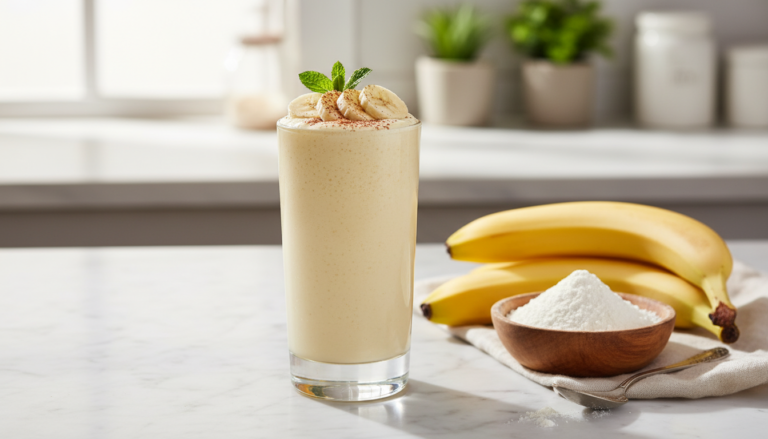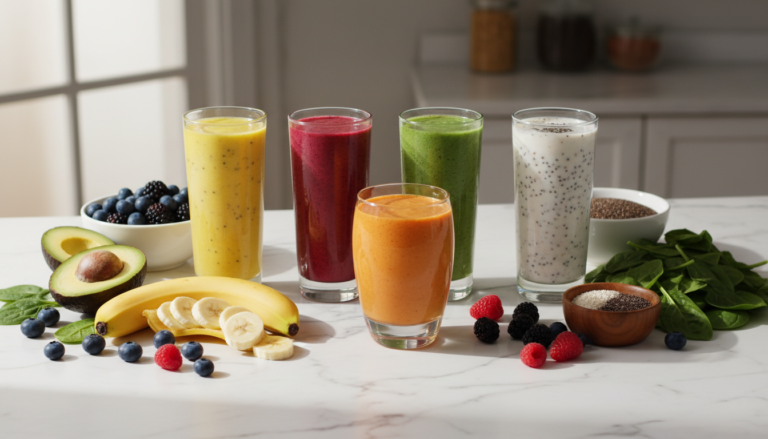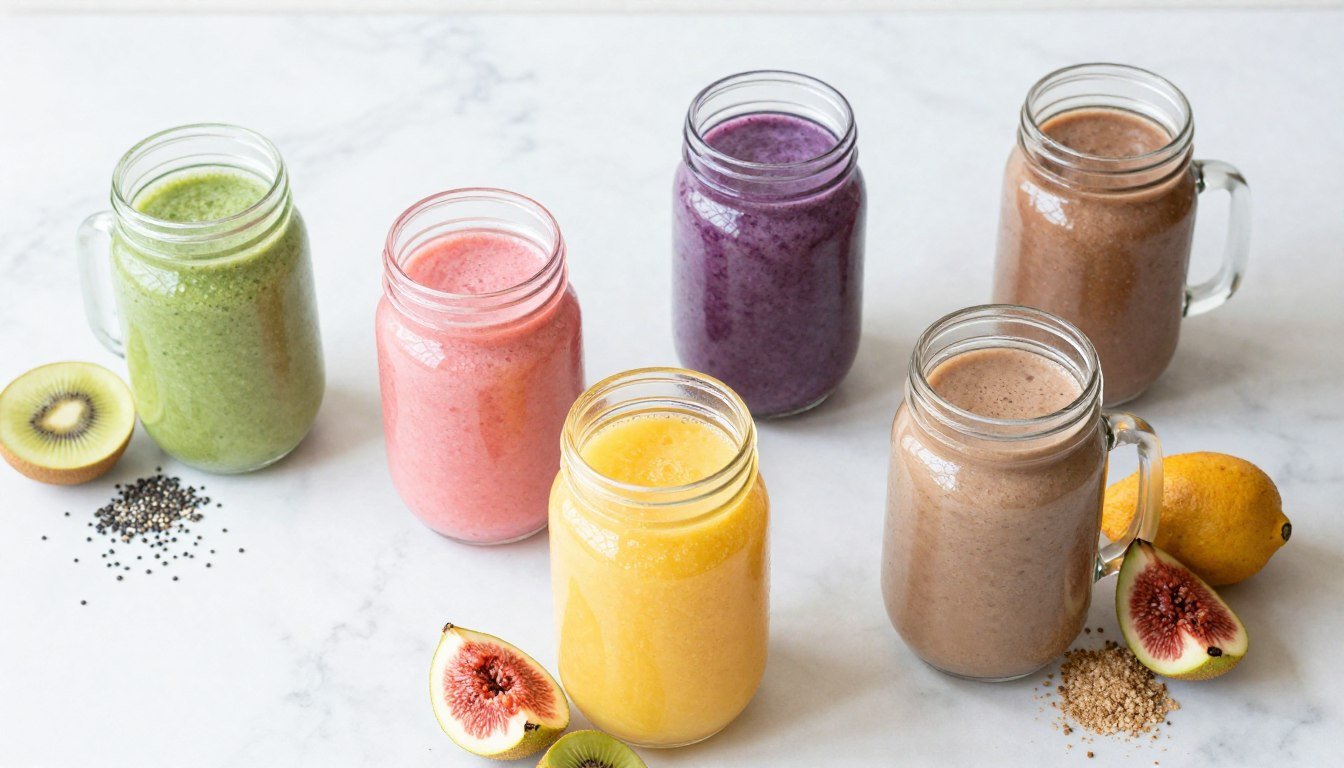
Protein Smoothie Recipes Healthy: 10 Delicious Ideas to Fuel Your Day
Starting your day with a nutritious boost shouldn’t feel like a chore. Protein smoothies offer the perfect solution for busy mornings, post-workout recovery, or anytime you need sustained energy. These blended beverages combine taste and nutrition in one convenient package.
This Website contains affiliate links. That means I may earn a small commission if you purchase through my links, at no extra cost to you.
The beauty of protein smoothies lies in their versatility. You can customize ingredients to match your dietary needs and taste preferences. Whether you prefer plant-based options or dairy-rich blends, there’s a recipe waiting for you.
This guide shares ten proven recipes that deliver both flavor and nutrition. Each smoothie packs essential protein, fiber, and vitamins to keep you energized throughout your day. Let’s explore these delicious options together.
Understanding the Power of Protein Smoothies
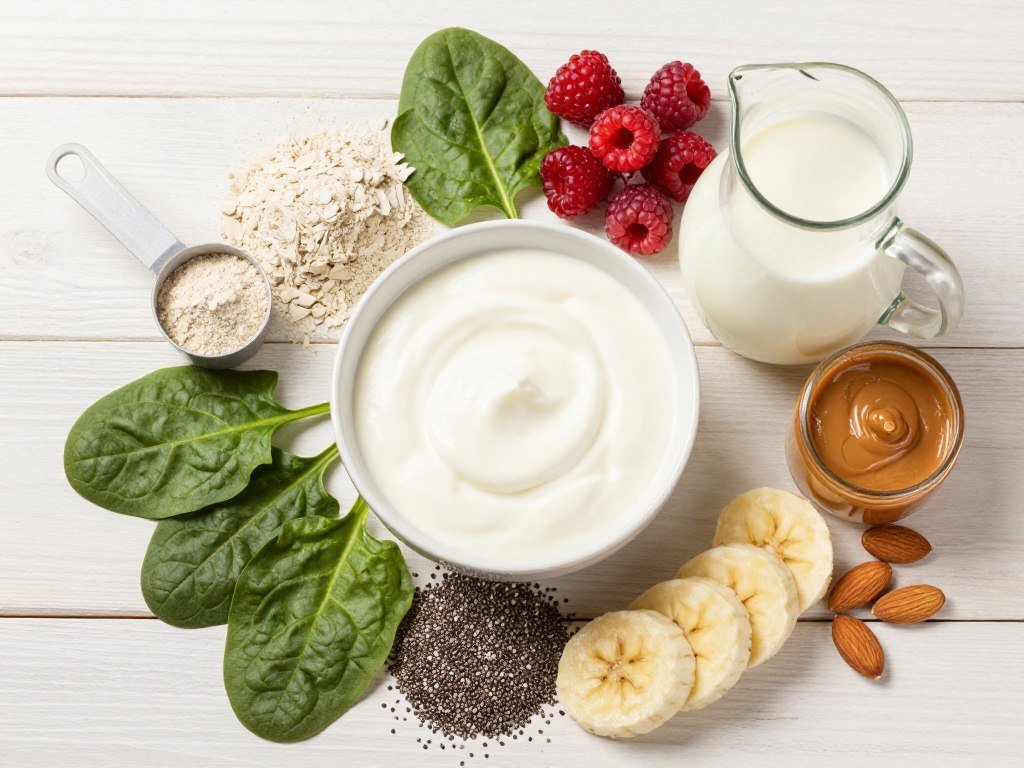
Protein serves as a building block for your body. It supports muscle growth, repairs tissues, and helps maintain healthy skin and bones. Getting enough protein throughout the day becomes easier when you incorporate smoothies into your routine.
A well-crafted smoothie delivers more than just protein. The fiber from fruits and vegetables aids digestion and promotes feelings of fullness. Vitamins and minerals from whole food ingredients support your immune system and overall health.
The combination of protein and fiber creates sustained energy. Unlike sugary drinks that cause energy crashes, these smoothies provide steady fuel. Your blood sugar remains stable, helping you avoid mid-morning or afternoon slumps.
Muscle Recovery Benefits
Post-workout nutrition becomes simple with protein smoothies. The protein content helps repair muscle tissue damaged during exercise.
- Accelerates muscle recovery after workouts
- Reduces muscle soreness and fatigue
- Supports lean muscle development
- Provides quick nutrient absorption
Weight Management Support
Protein smoothies can assist with healthy weight management. The protein content increases satiety and reduces hunger throughout the day.
- Controls appetite and reduces cravings
- Boosts metabolism naturally
- Replaces high-calorie meal options
- Provides portion-controlled nutrition
Convenience Factor
Busy schedules often derail healthy eating plans. Smoothies solve this problem by offering complete nutrition in minutes.
- Prepares in under five minutes
- Portable for on-the-go consumption
- Requires minimal cleanup
- Easy ingredient prep and storage
Nutrient Density
Each smoothie packs multiple servings of fruits, vegetables, and protein sources into one drink.
- Delivers concentrated nutrition per serving
- Increases daily fruit and vegetable intake
- Provides essential vitamins and minerals
- Offers complete amino acid profiles
Essential Ingredients for Perfect Protein Smoothies
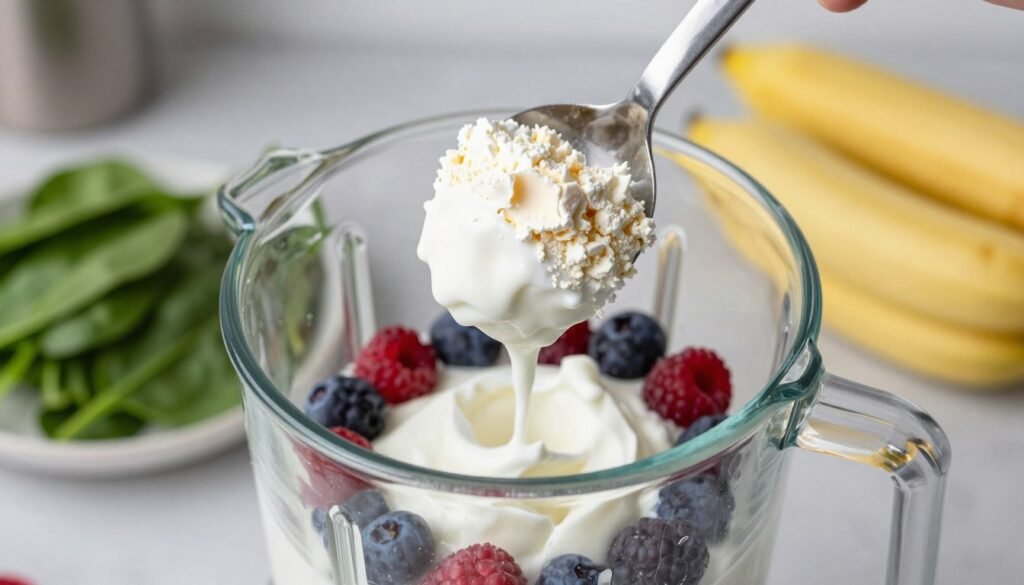
Building a great smoothie starts with understanding your ingredient options. Each component plays a specific role in creating the perfect texture, taste, and nutritional profile. Let’s break down the essential elements.
Protein Sources
The protein foundation determines your smoothie’s nutritional impact. Greek yogurt provides a creamy texture while delivering substantial protein. One cup contains approximately 20 grams of protein and beneficial probiotics for gut health.
Protein powder offers concentrated nutrition in various flavors. Whey protein absorbs quickly, making it ideal for post-workout recovery. Plant-based options like pea or hemp protein work perfectly for vegan diets.
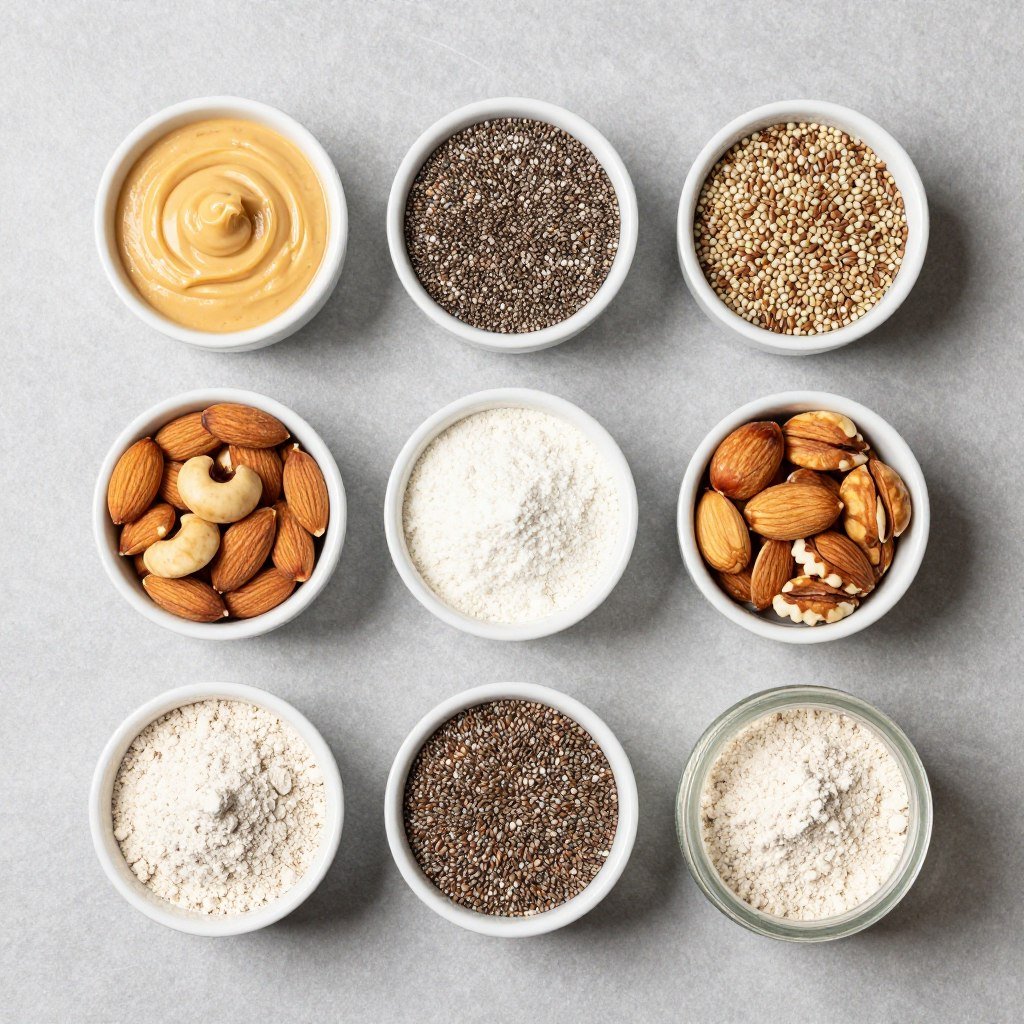
Nut butters add both protein and healthy fat. Almond butter contains about 7 grams of protein per two tablespoons. The fat content creates a satisfying, creamy texture while providing sustained energy.
Liquid Base Options
Your choice of liquid affects both nutrition and taste. Almond milk provides a subtle nutty flavor with minimal calories. Unsweetened varieties keep sugar content low while adding calcium and vitamin E.
Coconut milk creates an ultra-creamy texture with tropical undertones. The medium-chain triglycerides provide quick energy. Regular milk offers additional protein and works well for those without dairy sensitivities.
Fruits and Vegetables
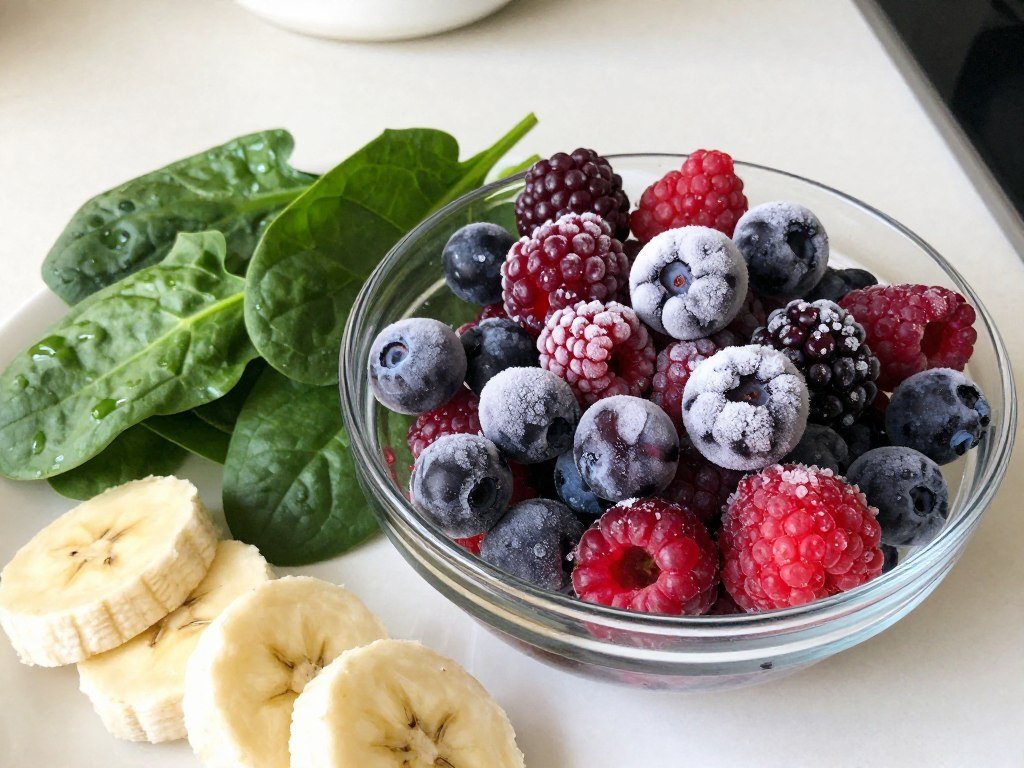
Frozen fruit eliminates the need for ice while maintaining nutrients. Berries deliver antioxidants and fiber with relatively low sugar content. Blueberries contain powerful compounds that support brain health and reduce inflammation.
Bananas provide natural sweetness and creamy texture. They’re rich in potassium, which supports muscle function and heart health. One medium banana adds about 3 grams of fiber to your smoothie.
Leafy greens boost nutrition without overwhelming taste. Spinach blends seamlessly into smoothies, adding iron, calcium, and vitamins. Two cups of fresh spinach add negligible calories while significantly increasing nutrient density.
Flavor Enhancers and Add-ins
Vanilla extract elevates flavor profiles without adding calories. Natural vanilla creates depth and sweetness perception, allowing you to reduce added sugars. A teaspoon transforms ordinary smoothies into gourmet treats.
Seeds like chia and flax add omega-3 fatty acids and extra fiber. These tiny powerhouses expand in liquid, creating a thicker texture. They also provide sustained energy and support heart health.
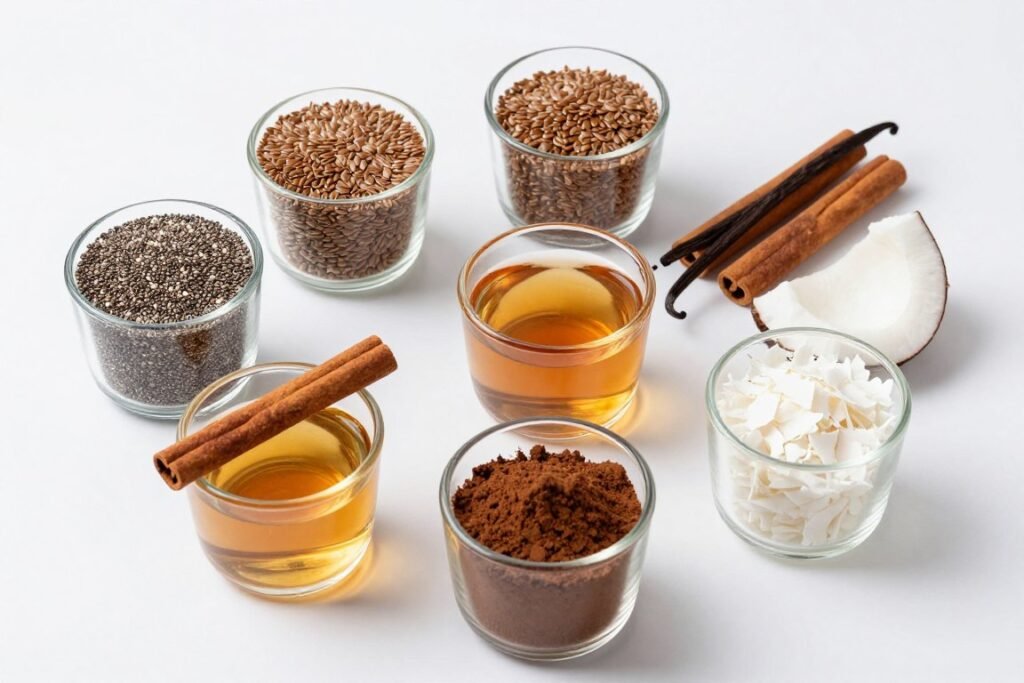
Cinnamon offers natural sweetness and helps regulate blood sugar. This warming spice contains antioxidants and anti-inflammatory properties. Just half a teaspoon adds significant flavor without calories.
Classic Protein Smoothie Recipes
These foundational recipes serve as your starting point for smoothie mastery. Each one delivers balanced nutrition with ingredients you likely already have. Master these classics before experimenting with variations.
Berry Blast Protein Smoothie
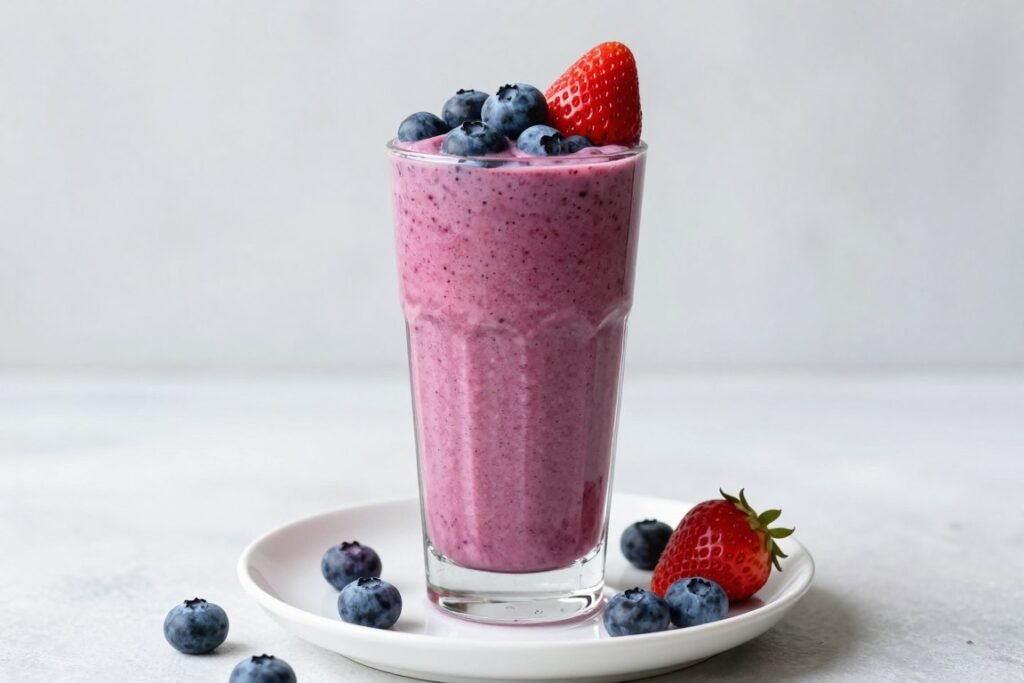
This antioxidant-rich blend combines the power of mixed berries with protein for sustained energy. The natural sweetness from frozen fruit eliminates the need for added sugar.
| Ingredient | Amount | Nutrition Benefit |
| Mixed frozen berries | 1 cup | Antioxidants, fiber |
| Greek yogurt | 1 cup | Protein, probiotics |
| Vanilla protein powder | 1 scoop | Protein content |
| Almond milk | 1 cup | Calcium, vitamin E |
| Chia seeds | 1 tablespoon | Omega-3, fiber |
Combine all ingredients in your blender. Process on high for 60 seconds until smooth and creamy. The texture should be thick but pourable.
This smoothie provides approximately 35 grams of protein and 8 grams of fiber per serving. The combination keeps you satisfied for hours while supporting muscle recovery and immune function.
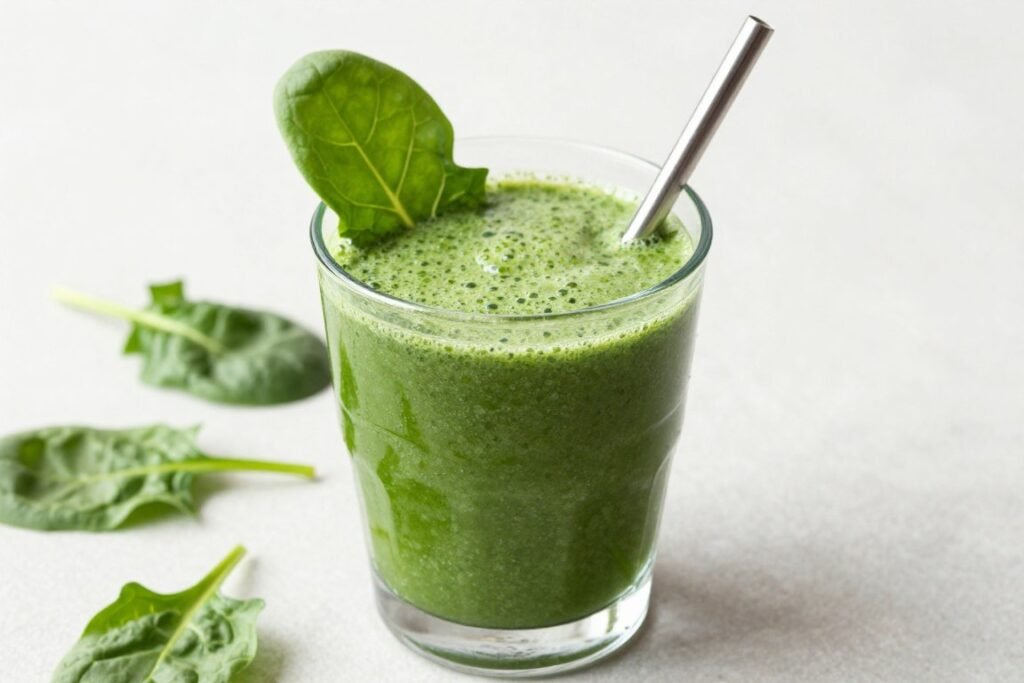
Green Power Smoothie
Don’t let the green color fool you. This nutrient-dense blend tastes surprisingly sweet thanks to banana and mango. The spinach adds vitamins without affecting the tropical flavor profile.
| Ingredient | Amount | Key Nutrients |
| Fresh spinach | 2 cups | Iron, calcium, vitamins |
| Frozen mango | 1 cup | Vitamin C, fiber |
| Banana | 1 medium | Potassium, natural sugar |
| Vanilla protein powder | 1 scoop | Complete protein |
| Coconut milk | 1 cup | Healthy fats |
Place spinach and liquid in the blender first. This ensures the greens blend completely smooth. Add remaining ingredients and blend until no green flecks remain visible.
Each serving delivers over 30 grams of protein along with a full day’s worth of vitamin A. The natural sweetness makes this an excellent choice for green smoothie beginners.
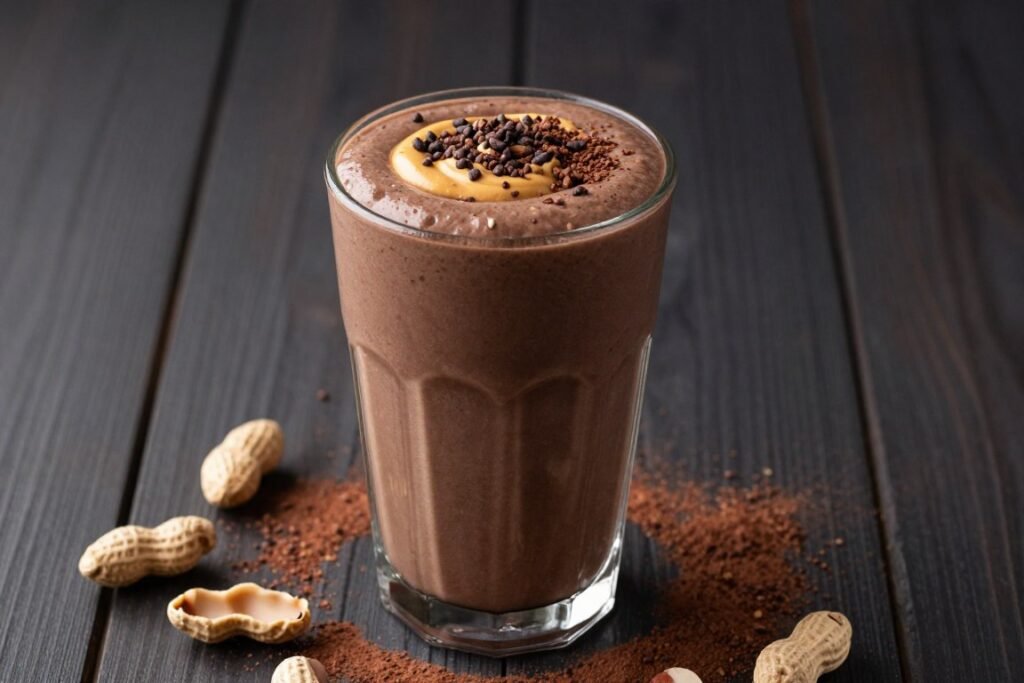
Chocolate Peanut Butter Dream
This indulgent-tasting smoothie satisfies dessert cravings while delivering serious nutrition. The combination of chocolate and peanut butter creates a treat-like experience without guilt.
| Ingredient | Amount | Purpose |
| Chocolate protein powder | 1 scoop | Protein, chocolate flavor |
| Natural peanut butter | 2 tablespoons | Healthy fat, protein |
| Frozen banana | 1 medium | Creamy texture, sweetness |
| Greek yogurt | ½ cup | Extra protein, thickness |
| Almond milk | 1 cup | Liquid base |
Blend all ingredients together until completely smooth. The frozen banana creates an ice cream-like consistency. Add ice cubes if you prefer an even thicker texture.
This smoothie packs over 40 grams of protein per serving. The healthy fat from peanut butter provides lasting satisfaction and supports hormone production.
Ready to Transform Your Smoothie Game?
Discover the complete system thousands use to create restaurant-quality protein smoothies at home. Get access to over 100 proven recipes, meal prep strategies, and nutrition guidance designed by certified experts. Stop guessing about ingredients and portions—start making smoothies that deliver real results for your health and fitness goals.
Advanced Protein Smoothie Creations
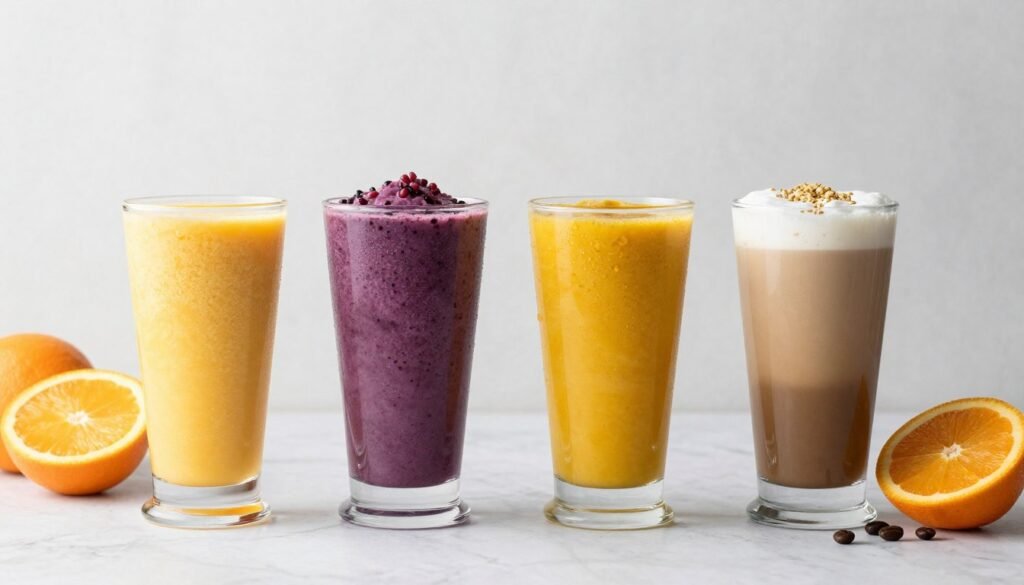
Once you’ve mastered the basics, these advanced recipes introduce new flavors and nutritional benefits. Each one offers unique health advantages while maintaining delicious taste profiles.
Tropical Paradise Protein Smoothie
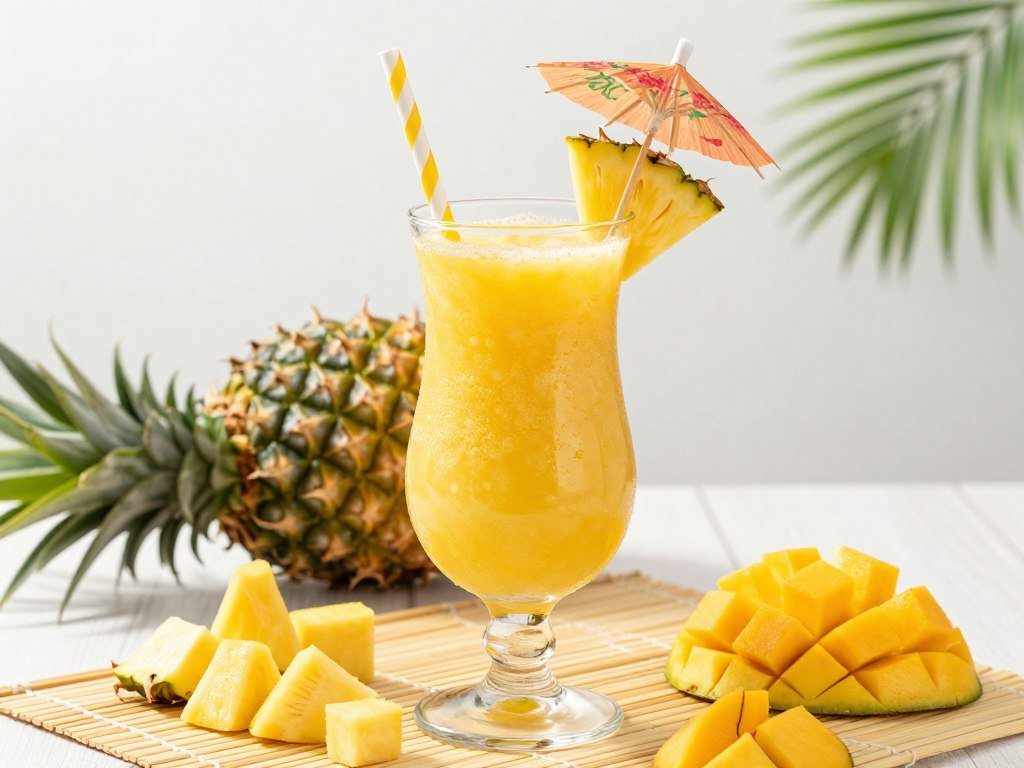
Transport yourself to a beach paradise with this tropical blend. Pineapple contains bromelain, an enzyme that aids protein digestion and reduces inflammation. Mango adds vitamin C to support immune function.
- 1 cup frozen pineapple chunks
- 1 cup frozen mango
- 1 scoop vanilla protein powder
- ½ cup coconut milk
- ½ cup coconut water
- 1 tablespoon shredded coconut
The coconut water provides natural electrolytes for hydration. This makes the smoothie perfect after workouts or hot summer days. The natural sweetness eliminates any need for added sugar.
Blend all ingredients until smooth and creamy. The shredded coconut adds subtle texture and enhances the tropical flavor. This smoothie delivers 28 grams of protein with a taste that rivals any smoothie shop creation.
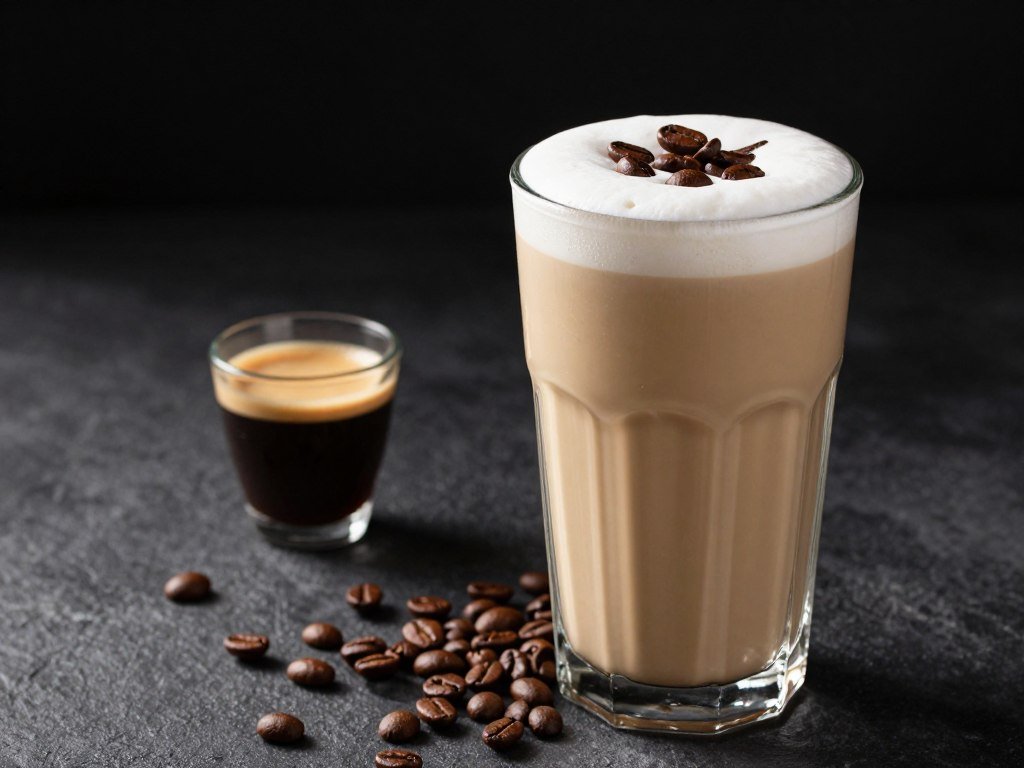
Coffee Protein Power Smoothie
Combine your morning caffeine with nutrition in this energizing blend. Cold brew coffee provides smooth flavor without bitterness. The protein helps moderate caffeine’s effects for steady energy.
- 1 cup cold brew coffee
- 1 scoop chocolate protein powder
- 1 frozen banana
- 1 tablespoon almond butter
- ½ cup greek yogurt
- Handful of ice
This smoothie replaces your morning latte with a healthier alternative. The combination of caffeine and protein jumpstarts your metabolism. Almond butter adds healthy fat that enhances mental clarity.
Process all ingredients in your blender until frothy and smooth. The result tastes like a frozen mocha but with 35 grams of protein. It’s the perfect pre-workout boost or breakfast replacement.
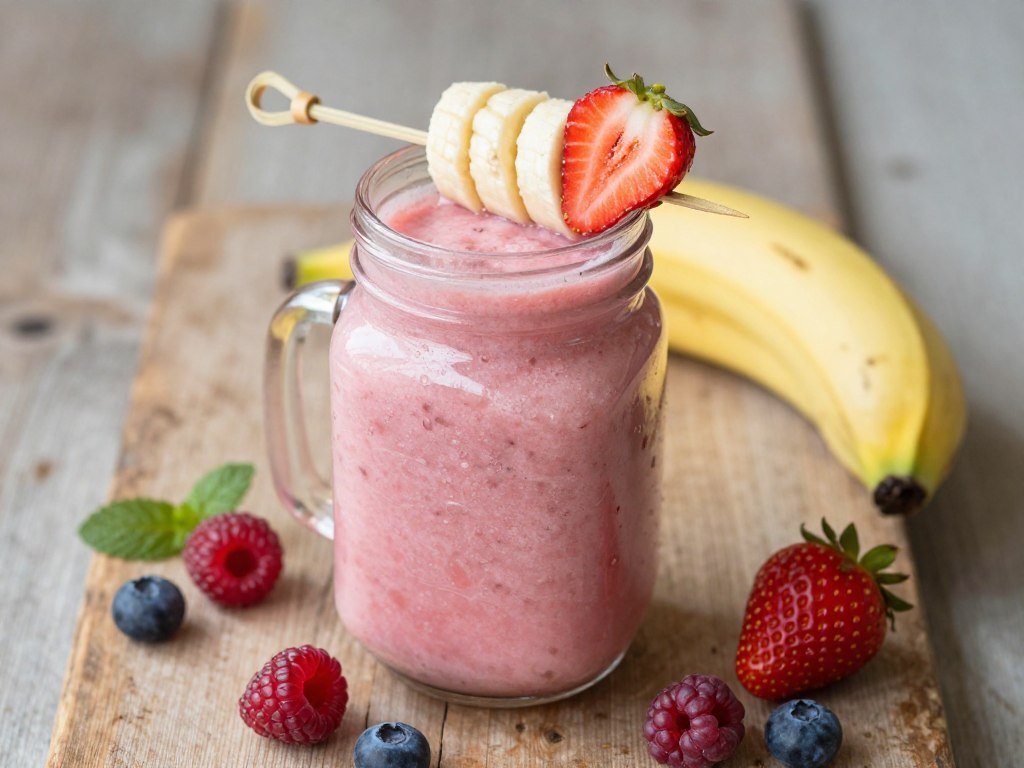
Classic Strawberry Banana Smoothie
This timeless combination never goes out of style. Strawberries provide vitamin C and antioxidants while the banana creates natural sweetness. Together they form a perfectly balanced flavor profile.
- 1 cup frozen strawberries
- 1 medium banana
- 1 scoop vanilla protein powder
- 1 cup almond milk
- ½ cup greek yogurt
- 1 teaspoon vanilla extract
The vanilla extract amplifies the natural sweetness of the fruit. Greek yogurt adds extra protein and creates an incredibly creamy texture. This smoothie works perfectly for any time of day.
Blend until completely smooth with no visible fruit chunks. The beautiful pink color makes this smoothie as appealing to the eyes as it is to the taste buds. Each serving contains 32 grams of protein.
Apple Cinnamon Protein Smoothie
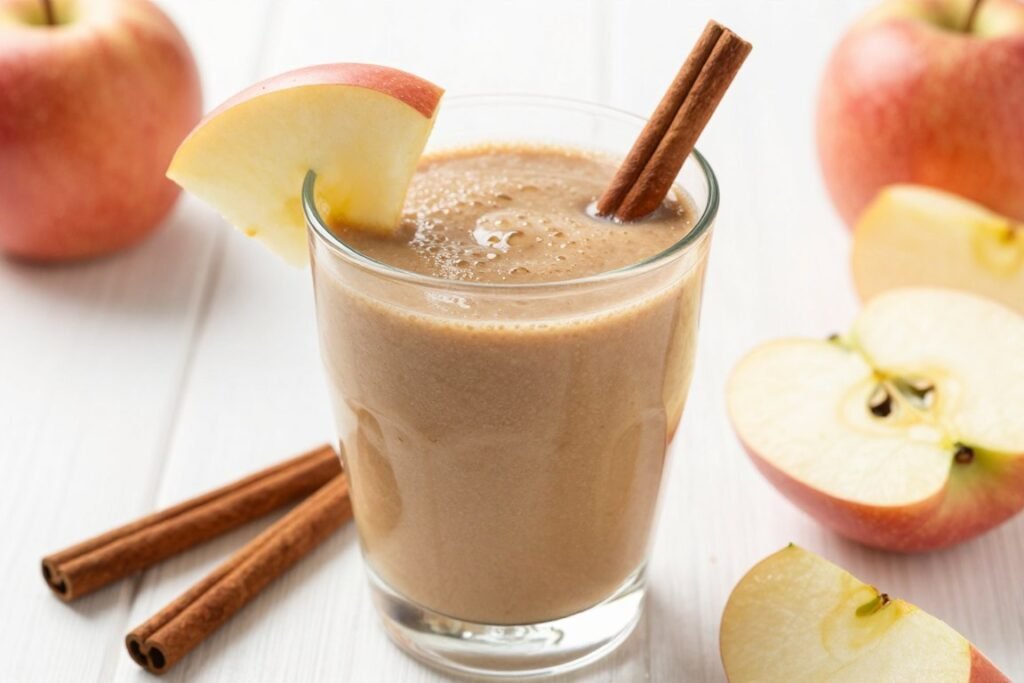
Fall flavors meet nutrition in this comforting blend. Fresh apple provides fiber and natural sweetness. Cinnamon adds warmth while helping regulate blood sugar levels throughout the day.
Ingredients
- 1 medium apple, cored and chopped
- 1 frozen banana
- 1 scoop vanilla protein powder
- 1 cup almond milk
- ½ cup greek yogurt
- 1 teaspoon cinnamon
- ¼ teaspoon nutmeg
- Handful of ice
Preparation Tips
Leave the apple skin on for extra fiber and nutrients. The skin blends smoothly and adds nutritional value without affecting taste. Core the apple thoroughly to avoid any bitter seeds.
Start blending the apple and liquid first. This ensures the apple breaks down completely. Add remaining ingredients and blend until the consistency resembles a thick milkshake.
The warming spices create a cozy flavor perfect for cooler months. This smoothie tastes like apple pie but delivers 30 grams of protein. It’s an excellent choice for breakfast or an afternoon snack.
Specialized Protein Smoothie Recipes
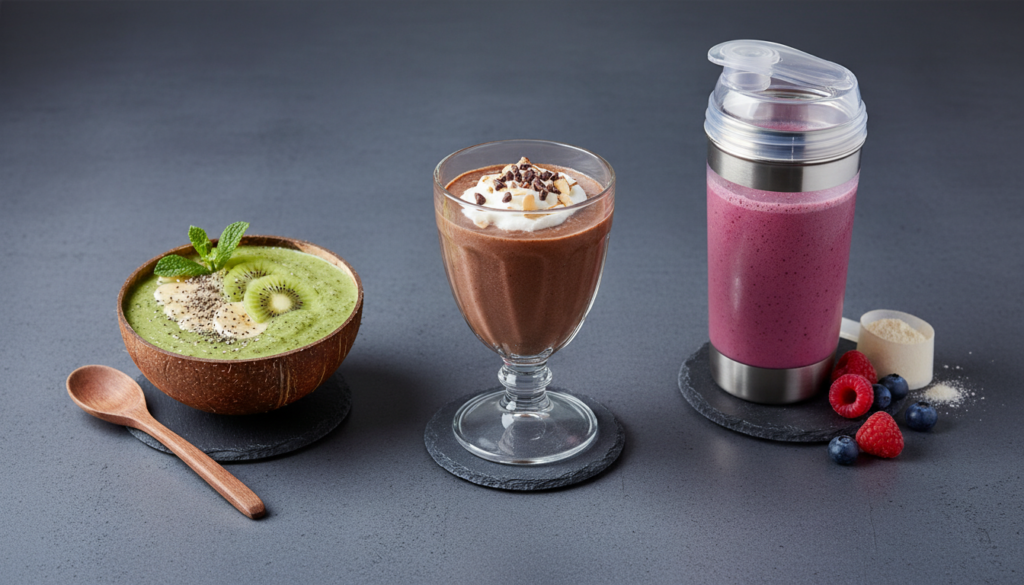
Different dietary needs and fitness goals require customized approaches. These specialized recipes address specific nutritional requirements while maintaining exceptional taste.
Post-Workout Recovery Smoothie
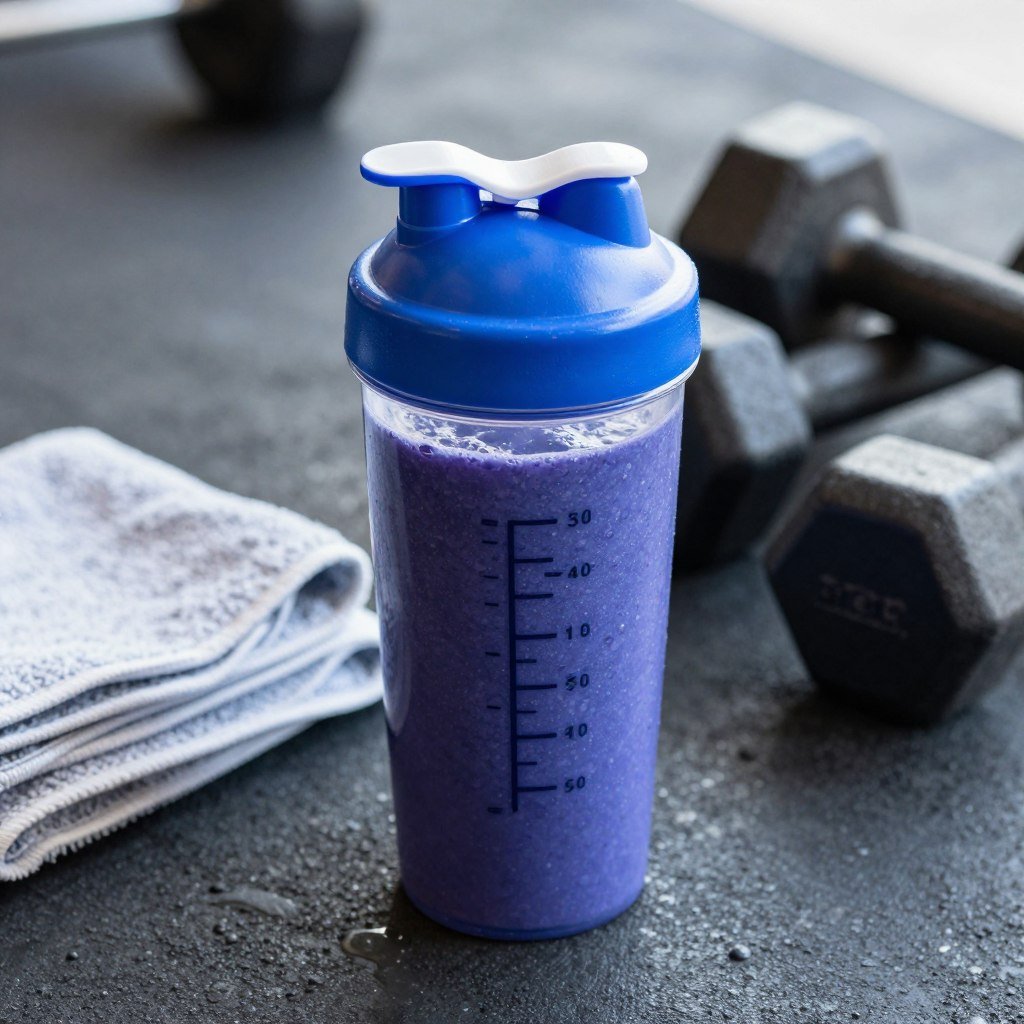
Optimized for muscle recovery, this blend delivers fast-absorbing protein with carbohydrates to replenish glycogen stores. The combination accelerates recovery and reduces muscle soreness after intense exercise.
- 1 scoop whey protein powder
- 1 cup frozen blueberries
- 1 medium banana
- 1 tablespoon almond butter
- 1 cup almond milk
- 1 tablespoon honey
Consume within 30 minutes after your workout for optimal results. The fast-digesting protein reaches muscles quickly while the natural sugars restore energy. This timing maximizes the anabolic window for muscle growth.
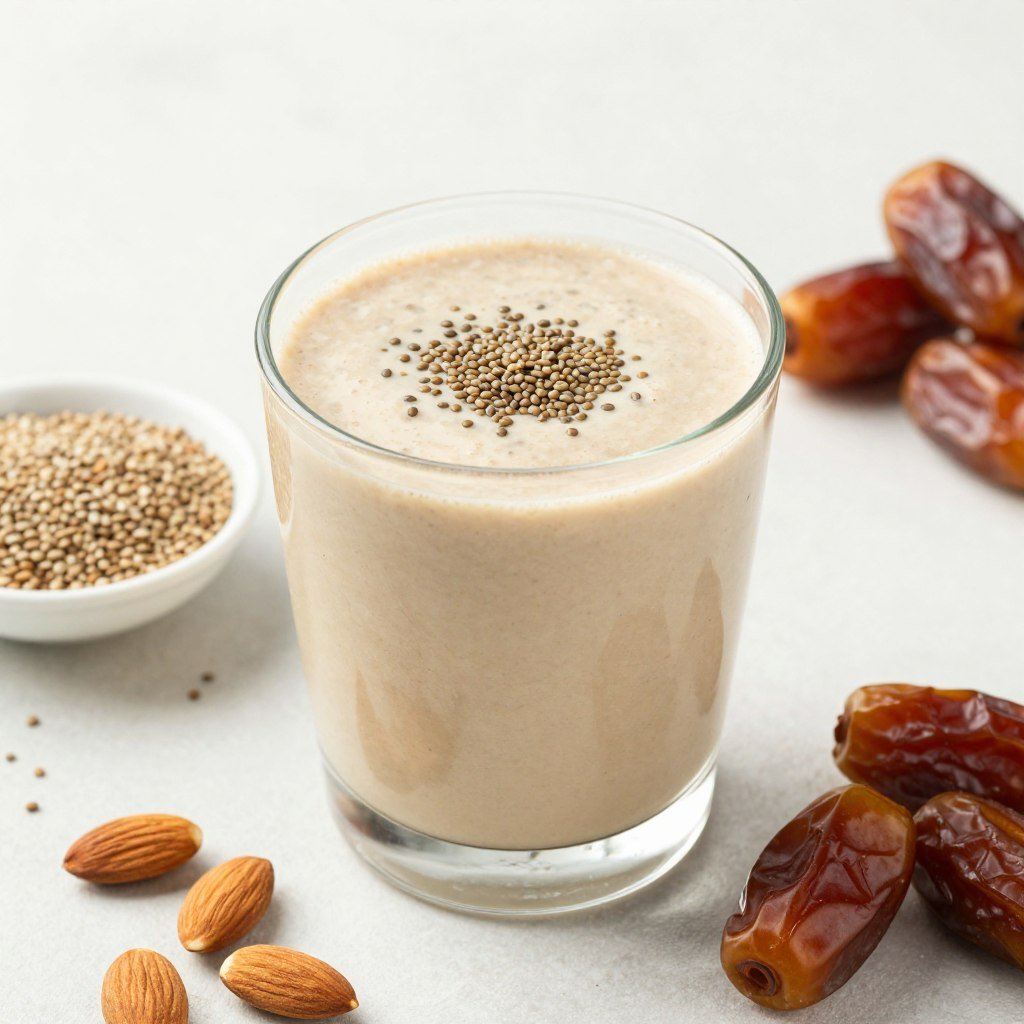
Plant-Based Protein Powerhouse
This completely vegan recipe proves plant-based eating can deliver abundant protein. Hemp and pea protein provide complete amino acid profiles. The combination rivals any dairy-based smoothie for nutrition.
- 1 scoop pea protein powder
- 2 tablespoons hemp seeds
- 1 cup frozen berries
- 1 tablespoon almond butter
- 2 cups spinach
- 1 cup coconut milk
- 2 pitted dates
Hemp seeds add omega-3 fatty acids and extra protein. Dates provide natural sweetness without refined sugar. The spinach boosts iron content, which is especially important for plant-based diets.
Blend dates with liquid first to ensure they break down completely. Add remaining ingredients and process until silky smooth. This smoothie delivers 35 grams of plant-based protein per serving.
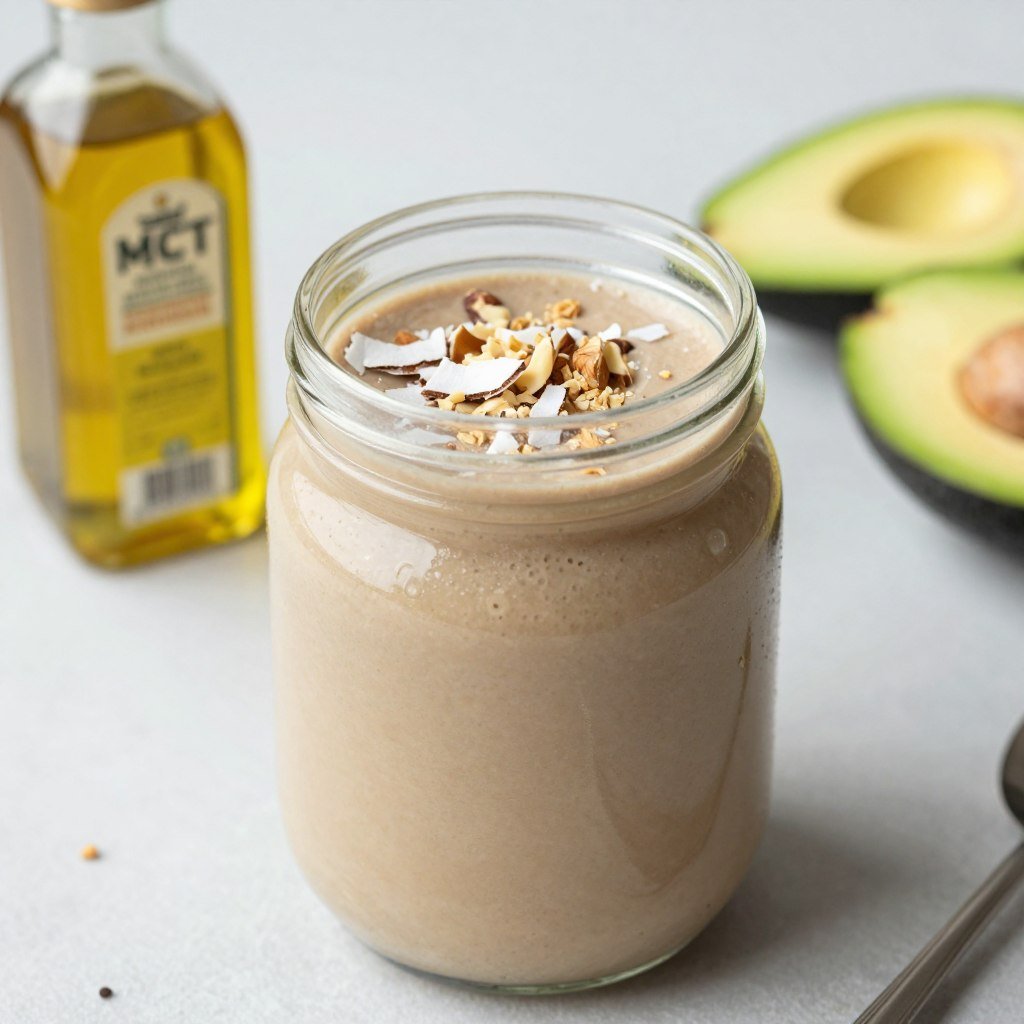
Low-Carb Keto Smoothie
Designed for ketogenic diets, this high-fat, moderate-protein blend keeps you in ketosis while satisfying hunger. Avocado creates incredible creaminess without adding carbs or affecting flavor.
- ½ medium avocado
- 1 scoop unflavored protein powder
- 2 tablespoons almond butter
- 1 cup unsweetened coconut milk
- 2 tablespoons heavy cream
- 1 tablespoon MCT oil
- Stevia to taste
- ½ cup ice
MCT oil provides quick energy that supports ketone production. The high fat content keeps you satisfied for hours. This smoothie contains only 8 grams of net carbs while delivering 32 grams of protein.
Unlock Expert Nutrition Strategies
Take your health transformation to the next level with professionally designed nutrition programs. Discover science-backed meal plans, advanced smoothie recipes, and personalized guidance from certified nutritionists. Join thousands who have achieved their wellness goals with proven systems that work. Limited-time access to comprehensive resources that simplify healthy living.
Expert Tips for Perfect Smoothie Preparation
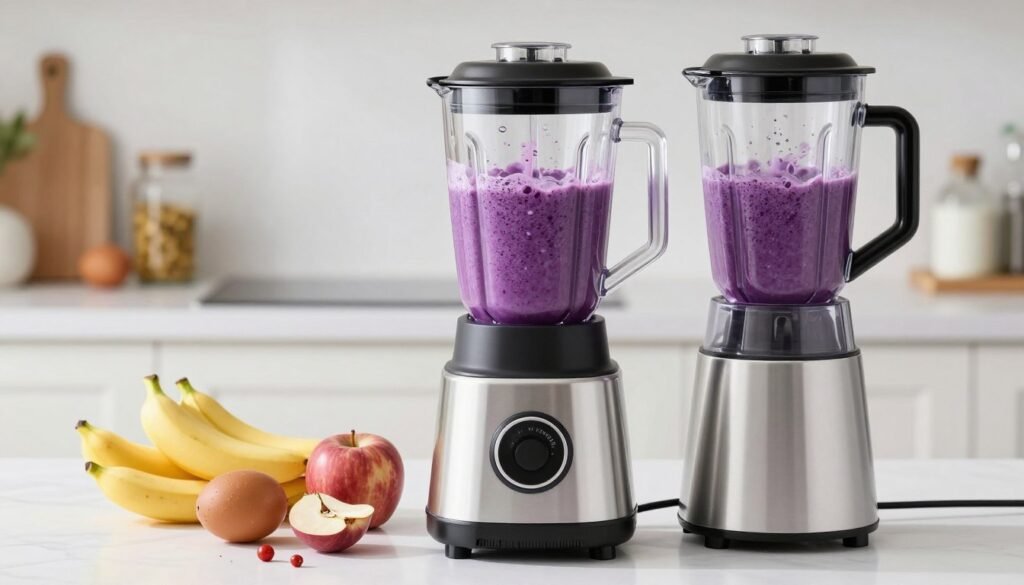
Technique matters as much as ingredients when creating exceptional smoothies. These professional tips ensure consistently perfect results every time you blend.
Proper Blending Order
Liquid First Method
Always pour your liquid base into the blender before adding other ingredients. This prevents the blade from getting stuck and ensures smooth blending from the start.
Add soft ingredients like banana and yogurt next. These items help create a vortex that pulls other ingredients down toward the blade. The swirling motion improves blending efficiency.
Place hard or frozen items on top last. Ice, frozen fruit, and protein powder should go in after everything else. This layering technique produces the smoothest texture with minimal blending time.
Optimal Blending Time
Start your blender on low speed for 10 seconds. This initial mixing prevents large chunks from getting stuck. The gradual start protects your blender motor from strain.
Increase to high speed and blend for 45-60 seconds. Most smoothies reach perfect consistency within this timeframe. Over-blending can warm your smoothie and create a thin, watery texture.
Stop and check consistency before serving. Add more liquid if too thick or more ice if too thin. Small adjustments create your ideal texture preference.
Achieving the Perfect Texture
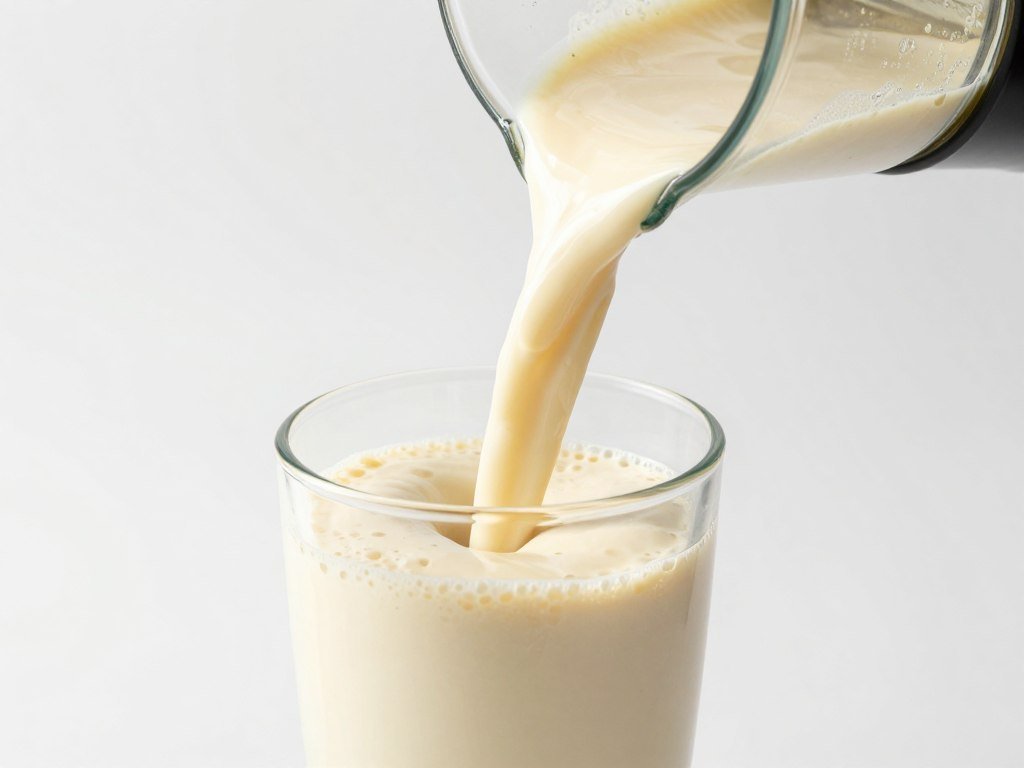
Frozen banana serves as the ultimate texture secret. It creates ice cream-like thickness without diluting flavor. Always keep peeled, sliced bananas in your freezer for smoothie-making.
Greek yogurt adds luxurious creaminess while boosting protein. The thick consistency helps create that smoothie shop quality texture. Choose full-fat versions for the richest mouthfeel.
Ice should be added sparingly. Too much ice waters down flavor and creates an icy texture. Use frozen fruit instead to maintain flavor intensity while achieving cold temperature.
Make-Ahead Strategies
- Pre-portion ingredients into freezer bags
- Label bags with recipe names and dates
- Store liquid separately until blending
- Freeze individual servings in jars
- Prepare smoothie packs for the week
- Keep backup frozen fruit stocked
Prep Methods That Work
- Adding liquid to freezer prep bags
- Storing blended smoothies over 24 hours
- Using regular milk in frozen prep
- Skipping labels on prep containers
- Freezing leafy greens without blanching
- Overfilling storage containers
Common Mistakes to Avoid
Smoothie prep bags simplify busy mornings. Combine all ingredients except liquid in freezer bags. When ready to blend, dump the frozen contents into your blender with fresh liquid.
This method preserves nutrients while saving significant time. You can prepare five to seven bags on Sunday for the entire week. Each morning becomes as simple as blend and go.
Understanding Smoothie Nutrition
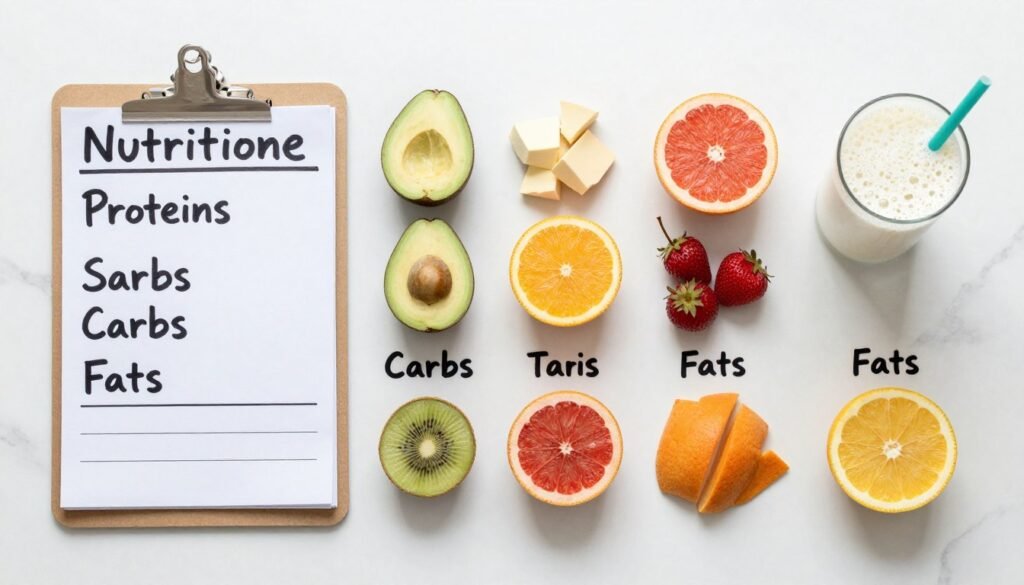
Knowledge of nutritional content helps you make informed choices. Understanding macronutrients allows you to customize smoothies for your specific health goals.
Protein Requirements
Most adults need between 0.8 to 1.2 grams of protein per kilogram of body weight daily. Active individuals and athletes require higher amounts, often 1.6 to 2.2 grams per kilogram. A well-crafted protein smoothie can provide 25 to 40 grams toward this goal.
Timing your protein intake matters for fitness goals. Consuming protein within two hours after exercise supports muscle recovery. Morning protein smoothies help maintain steady energy and reduce cravings throughout the day.
| Protein Source | Protein per Serving | Additional Benefits | Best For |
| Greek Yogurt (1 cup) | 20g | Probiotics, calcium | Gut health, bone strength |
| Whey Protein (1 scoop) | 24g | Fast absorption, BCAAs | Post-workout recovery |
| Pea Protein (1 scoop) | 20g | Vegan, iron | Plant-based diets |
| Almond Butter (2 tbsp) | 7g | Healthy fats, vitamin E | Satiety, heart health |
| Hemp Seeds (3 tbsp) | 10g | Omega-3s, complete protein | Anti-inflammation |
Fiber Content
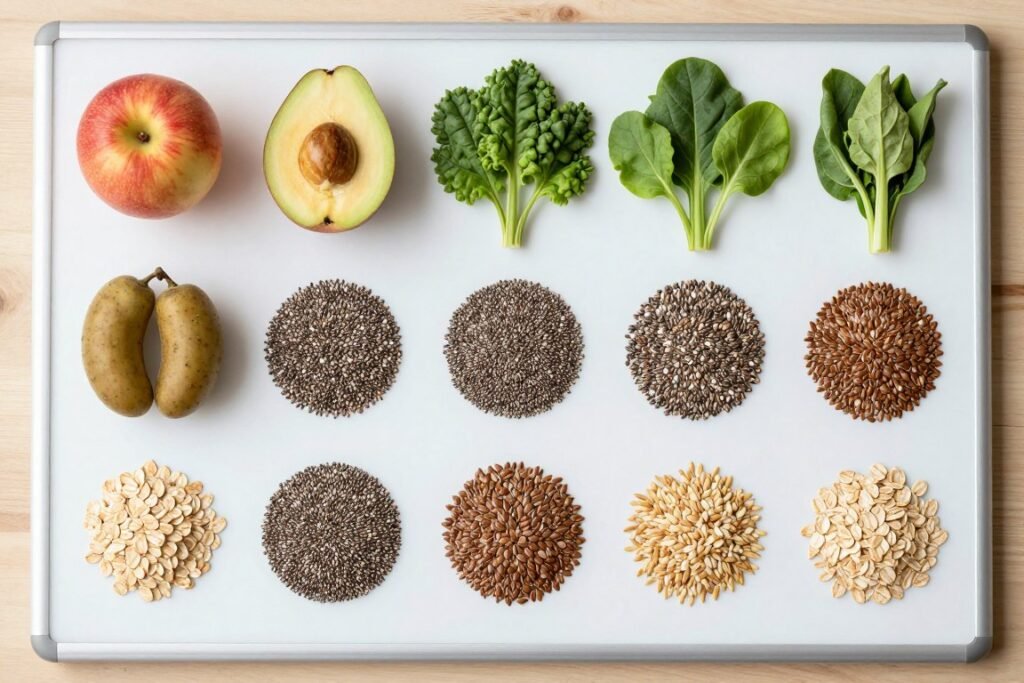
Dietary fiber supports digestive health and promotes feelings of fullness. Most Americans consume only half the recommended 25 to 35 grams daily. One protein smoothie can easily provide 8 to 12 grams of fiber.
Soluble fiber from fruits and oats slows digestion and stabilizes blood sugar. Insoluble fiber from seeds and greens promotes regular bowel movements. The combination in smoothies delivers both types for optimal digestive function.
Sugar and Carbohydrate Balance
Natural fruit sugars differ significantly from refined sugars. The fiber in whole fruit slows sugar absorption, preventing blood sugar spikes. This makes fruit-based smoothies far healthier than juice or soda.
Pay attention to total carbohydrate content if managing blood sugar. Berries contain less sugar than tropical fruits. Bananas provide more carbs but offer potassium and natural sweetness that reduces need for added sweeteners.
Natural Sweetness Benefits
- Provides essential vitamins and minerals
- Includes beneficial fiber for digestion
- Delivers antioxidants and phytonutrients
- Offers sustained energy without crashes
- Contains water for hydration
Added Sugar Drawbacks
- Causes rapid blood sugar spikes
- Provides empty calories without nutrition
- Increases inflammation in the body
- Creates energy crashes and cravings
- Contributes to weight gain over time
Healthy Fat Integration
Don’t fear fat in your smoothies. Healthy fats from nuts, seeds, and avocado enhance nutrient absorption. Fat-soluble vitamins like A, D, E, and K require fat for proper absorption.
Fats also slow digestion, creating longer-lasting satiety. A smoothie with balanced macronutrients keeps you full for three to four hours. This prevents overeating and supports weight management goals.
Customizing Smoothies for Your Goals
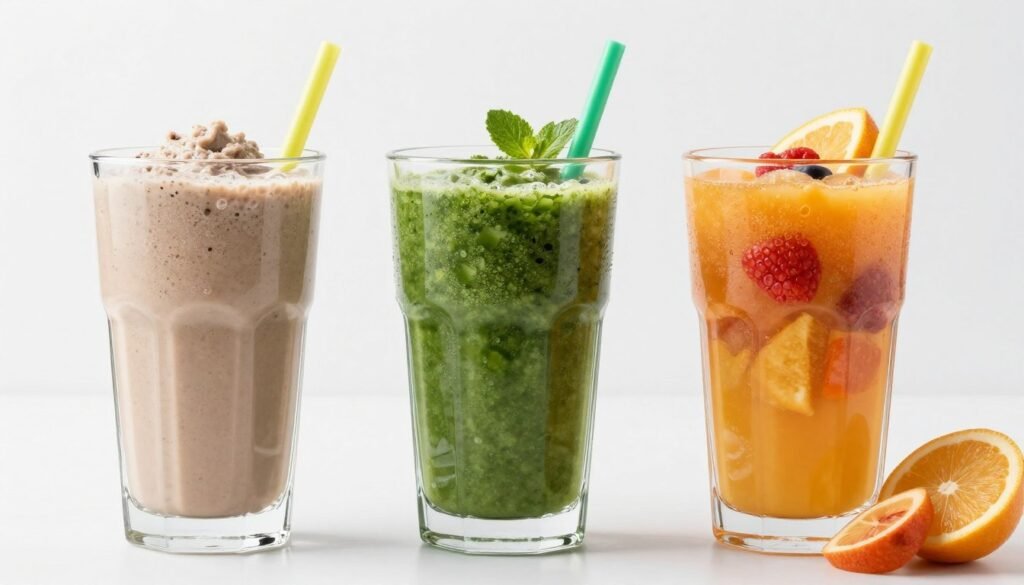
Your individual health goals should guide smoothie customization. These modifications help you tailor recipes to match specific objectives.
Weight Loss Modifications
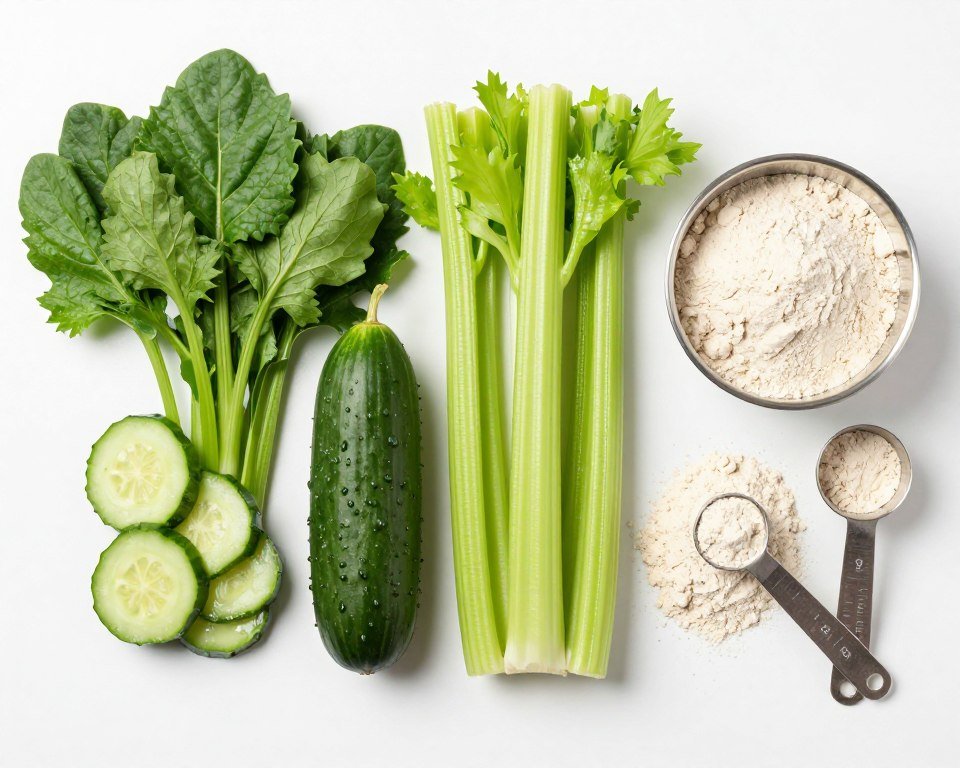
Reduce overall calories while maintaining protein and fiber. Replace banana with frozen cauliflower for thickness without extra sugar. The mild vegetable blends invisibly while creating creamy texture.
Use unsweetened almond milk instead of coconut milk. This simple swap saves 100 calories per cup. The subtle nutty flavor works well with most smoothie combinations.
Increase vegetable content to boost volume without calories. Spinach, kale, and cucumber add minimal calories while providing nutrients and fiber. The extra volume helps you feel satisfied with fewer calories.
Watch portion sizes carefully. Even healthy smoothies contain calories that count toward daily intake. Stick to 12 to 16 ounce servings for meal replacements.
Muscle Building Adjustments
Increase protein to 35 to 45 grams per smoothie for muscle growth. Add a second scoop of protein powder or include multiple protein sources. Greek yogurt plus protein powder creates a powerful combination.
Include complex carbohydrates for energy and glycogen replenishment. Oats blend smoothly into smoothies while providing sustained energy. One-quarter cup adds beneficial carbs without overwhelming flavor.
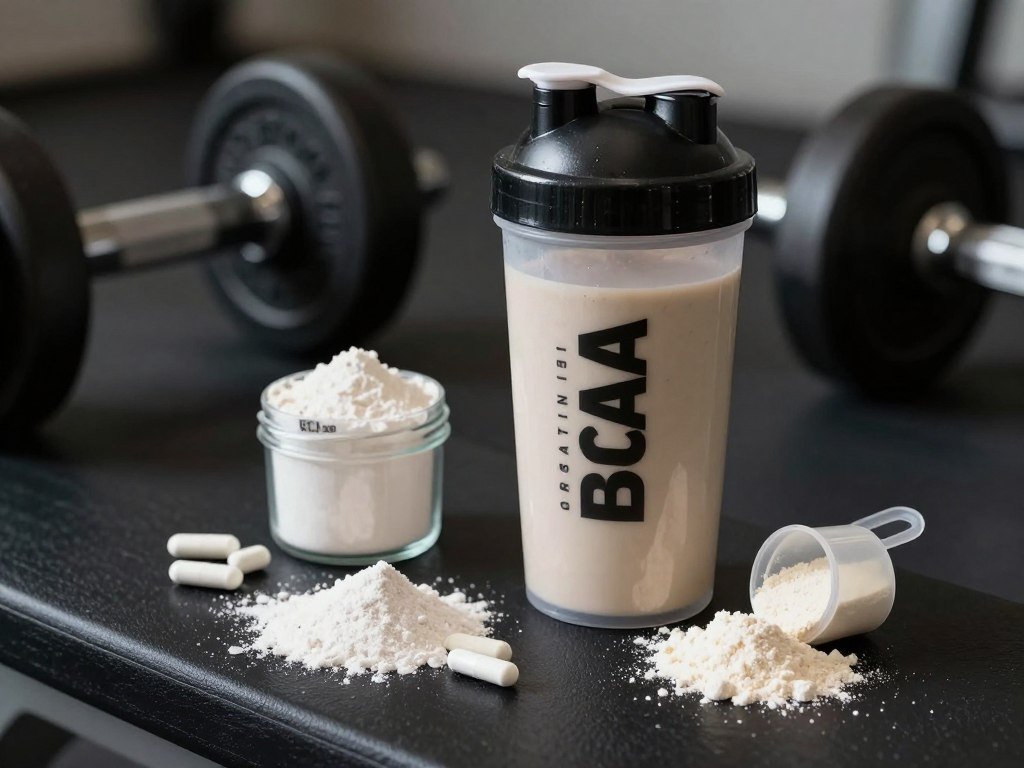
Add creatine monohydrate for enhanced muscle performance. Five grams daily supports strength gains and muscle growth. The flavorless powder dissolves easily in smoothies without affecting taste.
Energy and Performance Boosters
Caffeine from coffee or matcha provides immediate energy. Combine with protein to avoid jitters and crashes. The protein slows caffeine absorption for steady, sustained alertness.
Include healthy fats for long-lasting energy. MCT oil provides quick fuel that doesn’t spike insulin. Start with one teaspoon and gradually increase to one tablespoon as tolerance builds.
Morning Energy
- Add cold brew coffee
- Include complex carbs
- Use B-vitamin rich greens
- Add maca powder
Pre-Workout Power
- Increase simple carbs
- Add beetroot powder
- Include quick-digesting protein
- Keep fat content low
Afternoon Sustenance
- Balance all macros equally
- Add adaptogens like ashwagandha
- Include healthy fats
- Use moderate protein
Common Smoothie Problems and Solutions
Even experienced smoothie makers encounter occasional issues. These proven solutions fix the most common problems quickly and effectively.
Texture Issues
Excess liquid creates thin, watery smoothies. Reduce your liquid base by one-quarter cup next time. Add more frozen fruit or ice to thicken without diluting flavor.
Watery vegetables like cucumber release moisture during blending. Reduce cucumber quantity or remove seeds before adding. The seeds contain most of the water content.
Quick fix for current smoothie: Add one tablespoon of chia seeds and let sit for five minutes. The seeds absorb excess liquid and create gel-like thickness.
Overly thick smoothies strain your blender and become difficult to drink. Add liquid gradually in two-tablespoon increments. Blend briefly between additions until reaching desired consistency.
Frozen banana creates thickness quickly. Use half a banana instead of a whole one. The reduction maintains creaminess while preventing excessive thickness.
Let your smoothie sit for two minutes before drinking. This allows ice to melt slightly, naturally thinning the texture. Stir well before consuming.
Separation occurs when ingredients have different densities. Adding one tablespoon of chia or flax seeds creates emulsification. These seeds help bind ingredients together.
Blend for a full 60 seconds on high speed. Insufficient blending allows ingredients to separate. The extended time creates better integration.
Greek yogurt acts as a natural emulsifier. Include at least half a cup in recipes prone to separation. The thick consistency helps maintain smooth texture.
Flavor Challenges
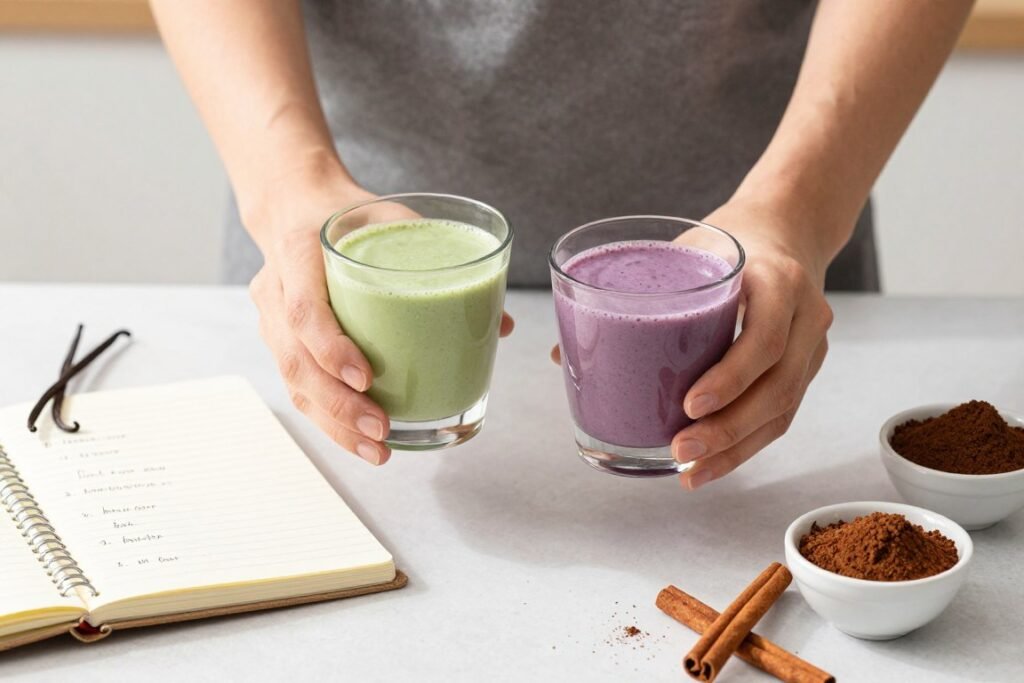
Frozen pineapple overpowers green vegetable flavors better than any other fruit. One cup makes spinach virtually undetectable. The tropical sweetness dominates the flavor profile.
Always use baby spinach instead of mature leaves. Baby greens have milder flavor without bitterness. They also blend smoother with less fibrous texture.
Add one-quarter teaspoon of vanilla extract. This simple addition masks earthy vegetable notes. The vanilla creates perceived sweetness without adding sugar.
Some protein powders create unpleasant chalky texture. Blend for an extra 30 seconds to break down powder particles completely. The extended blending creates smoother integration.
Add one tablespoon of nut butter to mask chalkiness. The fat coats your palate and reduces powder perception. Almond or peanut butter works best.
Switch to a higher quality protein powder. Cheaper brands often use inferior ingredients that create chalky texture. Invest in cold-processed or isolate formulas for smoother results.
Overly sweet smoothies can be cloying. Add fresh lemon or lime juice to balance sweetness. Start with one teaspoon and adjust to taste.
Include more greens to dilute sugar content. Spinach or kale adds volume without sweetness. The vegetables balance fruit sugar naturally.
Reduce banana quantity in your next batch. Bananas contribute significant natural sugar. Replace with frozen cauliflower for thickness without sweetness.
Smart Ingredient Substitutions
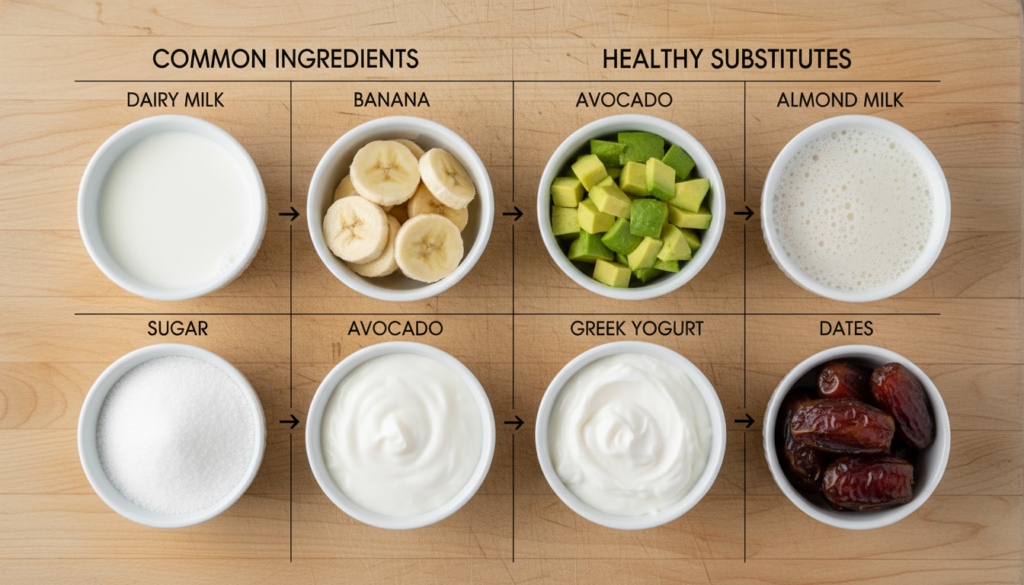
Dietary restrictions or ingredient availability shouldn’t stop your smoothie routine. These substitutions maintain nutrition and taste while accommodating various needs.
Dairy-Free Alternatives
| Dairy Ingredient | Best Substitute | Texture Notes | Flavor Impact |
| Greek Yogurt | Coconut yogurt | Equally thick and creamy | Subtle coconut taste |
| Cow’s Milk | Oat milk | Creamy, slightly thicker | Mild, naturally sweet |
| Whey Protein | Pea protein | Similar consistency | More neutral flavor |
| Butter | Coconut oil | Adds richness | Light coconut flavor |
Allergen-Free Options
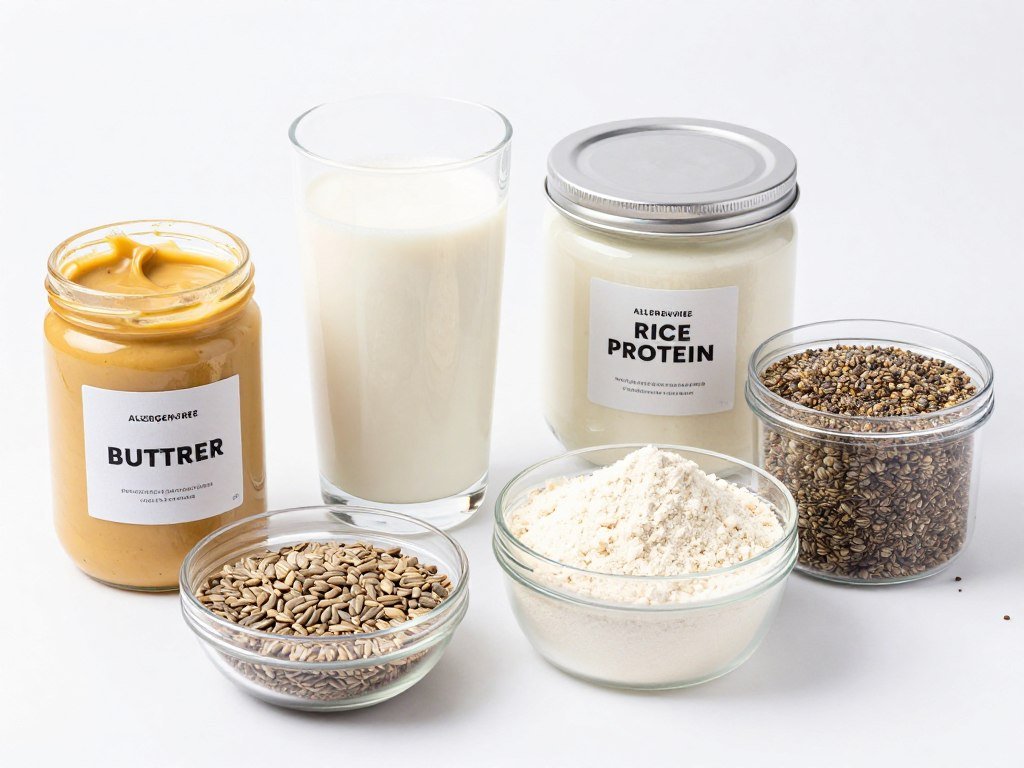
Nut allergies require careful substitution. Replace almond butter with sunflower seed butter for similar texture and protein. The seeds provide comparable healthy fats without allergen concerns.
Swap almond milk with oat or rice milk. These alternatives offer creamy texture without nuts. Oat milk provides natural sweetness that enhances smoothie flavor.
Budget-Friendly Swaps
Protein powder represents a significant expense. Regular yogurt provides protein at lower cost. Use one and a half cups of regular yogurt to replace one scoop of protein powder.
Fresh fruit costs more than frozen without added nutritional benefit. Buy frozen fruit in bulk for significant savings. The frozen versions often contain more nutrients since they’re frozen at peak ripeness.
- Grass-fed whey protein powder
- Fresh organic berries
- Cold-pressed almond butter
- Organic coconut milk
- Fresh pressed green juice
- Premium superfood powders
Premium Ingredients
- Regular whey or plant protein
- Frozen conventional berries
- Standard peanut butter
- Regular almond milk
- Fresh spinach or kale
- Standard ingredients only
Budget-Friendly Alternatives
Seasonal Smoothie Variations
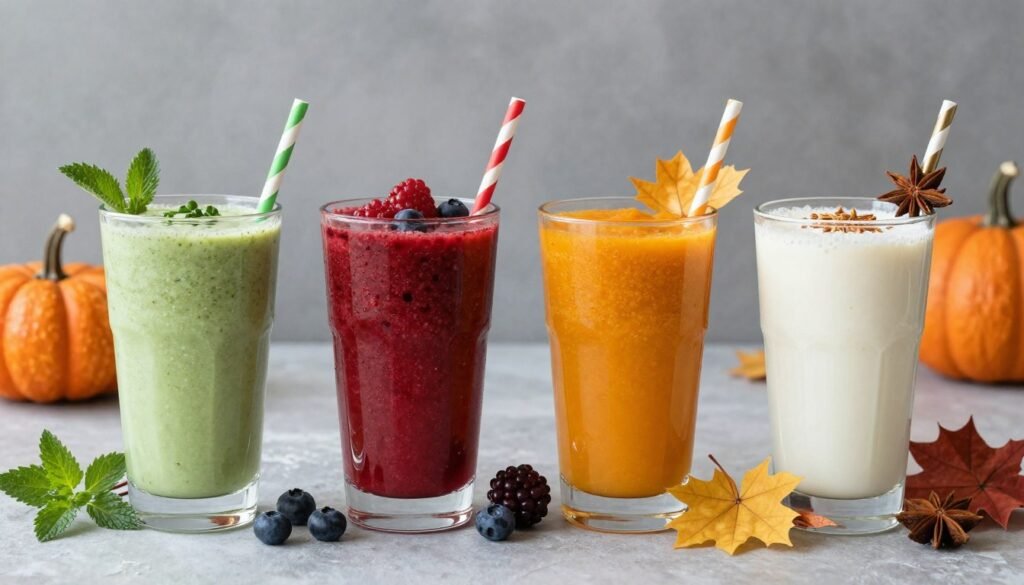
Seasonal ingredients offer peak flavor and nutrition at lower prices. These variations celebrate each season’s best offerings while maintaining protein and nutrition standards.
Summer Refreshers
Watermelon Mint Protein Cooler
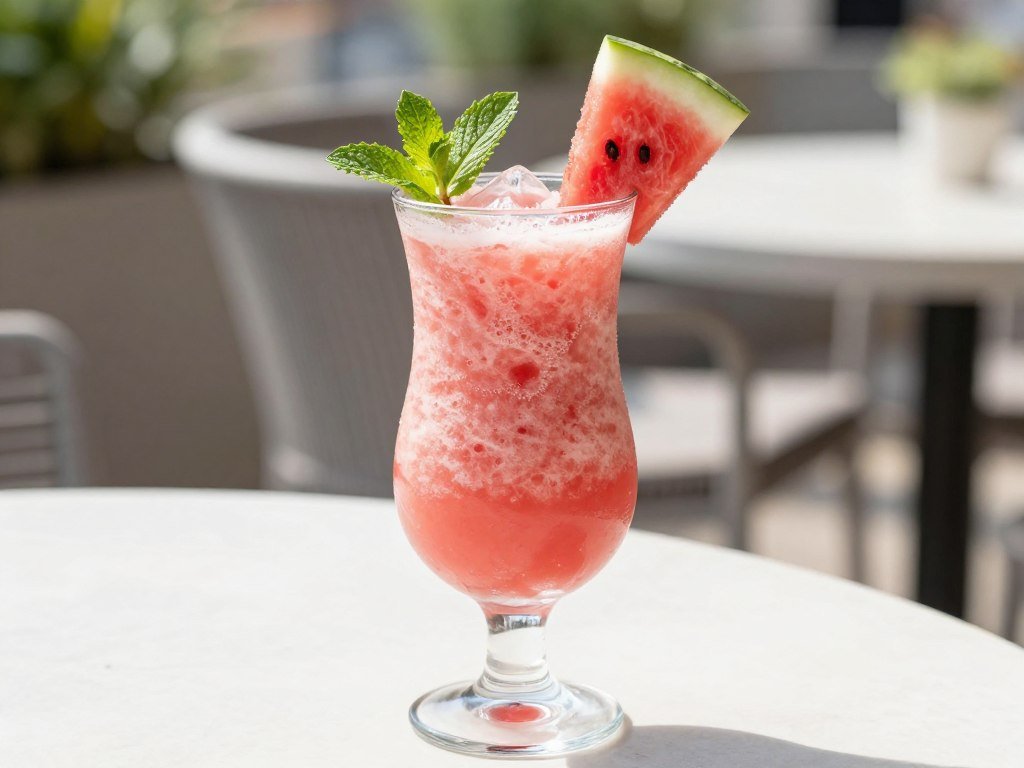
Hydrating watermelon provides natural electrolytes perfect for hot weather. Fresh mint adds cooling sensation and aids digestion. This light smoothie refreshes without feeling heavy.
- 2 cups frozen watermelon chunks
- 1 scoop vanilla protein powder
- ½ cup greek yogurt
- ¼ cup fresh mint leaves
- 1 cup coconut water
- Juice of 1 lime
The high water content keeps you hydrated during summer activities. Coconut water adds electrolytes lost through perspiration. This smoothie works perfectly as a post-exercise refresher.
Pumpkin Spice Protein Blend
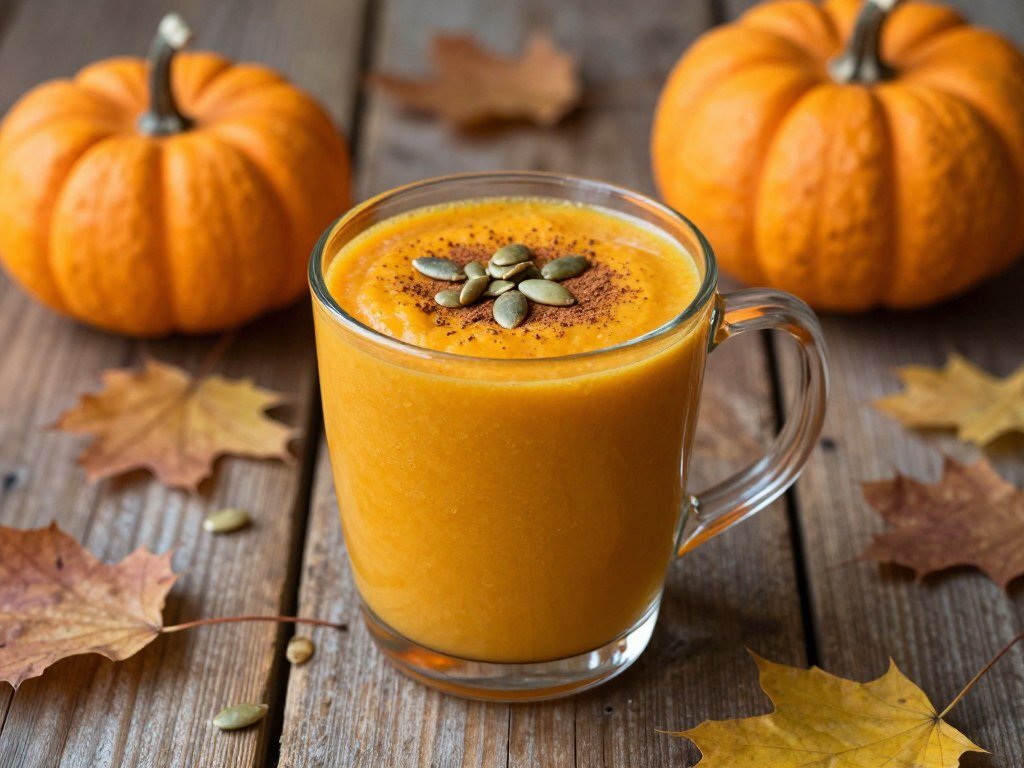
Embrace autumn flavors with this seasonal favorite. Pumpkin puree provides vitamin A and fiber while creating silky texture. Warming spices make this smoothie taste like liquid pumpkin pie.
- ½ cup pure pumpkin puree
- 1 frozen banana
- 1 scoop vanilla protein powder
- 1 cup almond milk
- 1 teaspoon pumpkin pie spice
- 1 tablespoon maple syrup
- Handful of ice
Use pure pumpkin puree, not pumpkin pie filling which contains added sugar. The natural pumpkin provides beta-carotene and supports immune function as cold weather approaches.
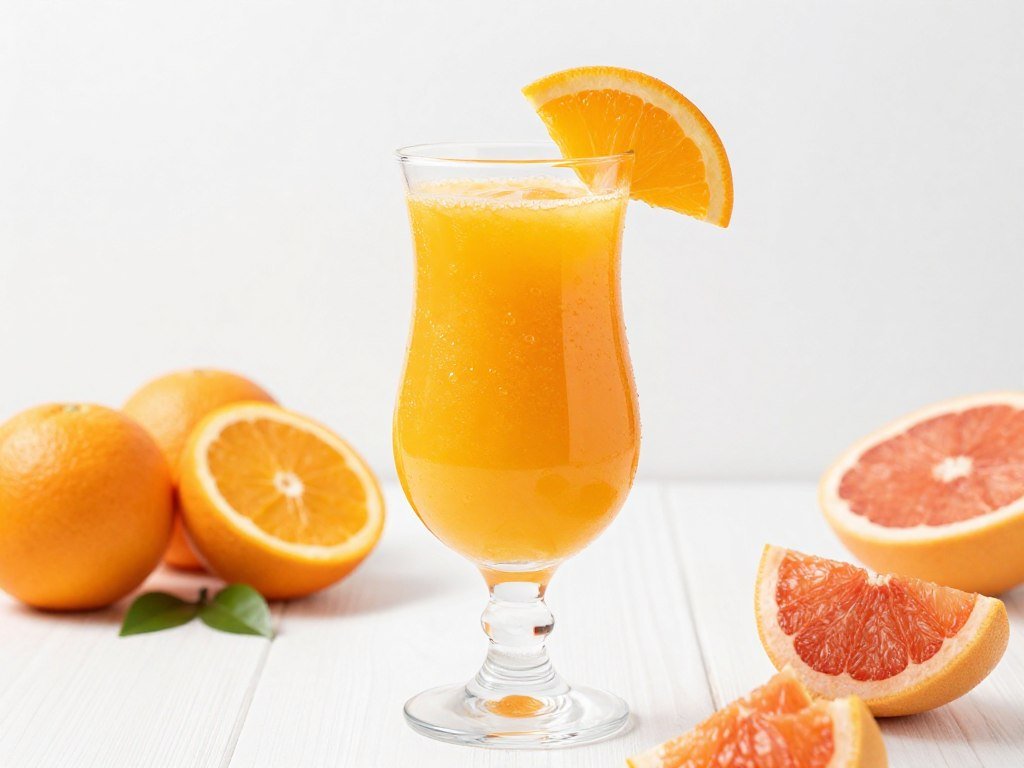
Winter Citrus Immunity Booster
Combat winter illness with vitamin C-packed citrus fruits. This bright smoothie supports immune function during cold and flu season. The sunny flavor fights winter blues.
- 1 peeled orange, segmented
- ½ pink grapefruit, peeled
- 1 scoop vanilla protein powder
- 1 cup greek yogurt
- ½ cup almond milk
- 1 tablespoon honey
- 1 teaspoon fresh ginger
Fresh ginger adds warming spice and anti-inflammatory benefits. The combination of citrus provides over 100 percent of daily vitamin C needs. Perfect for starting winter mornings strong.
Frequently Asked Questions About Protein Smoothies
Yes, daily protein smoothies fit perfectly into a healthy diet. They provide convenient nutrition without negative effects when properly balanced. Vary your ingredients to ensure diverse nutrient intake.
One smoothie daily works well as a meal replacement or substantial snack. Monitor your total daily protein intake to avoid excessive consumption. Most people tolerate and benefit from one to two smoothies daily.
Listen to your body’s response. Some people thrive on daily smoothies while others prefer occasional consumption. Adjust frequency based on your energy levels, digestion, and overall health goals.
Morning consumption jumpstarts metabolism and provides sustained energy. The protein and fiber combination prevents mid-morning energy crashes. Many find breakfast smoothies improve focus and productivity.
Post-workout timing maximizes muscle recovery and growth. Consume within 30 to 60 minutes after exercise for optimal results. The protein helps repair muscle tissue damaged during training.
Afternoon smoothies combat the typical 3 PM energy slump. They provide sustained energy without the crash from sugary snacks. The protein content helps you feel satisfied until dinner.
Freshly blended smoothies taste best immediately after preparation. Consume within 24 hours for optimal flavor and nutrition. Refrigerate in an airtight container if storing for later.
Separation occurs naturally during storage. Simply shake or stir well before drinking. The ingredients remain safe and nutritious despite visual changes.
Freeze smoothies in individual portions for up to three months. Thaw overnight in the refrigerator and shake well. This method works perfectly for meal prep and busy schedules.
Protein smoothies support weight loss when used strategically. They provide filling nutrition with controlled calories. The protein content increases satiety and reduces overall calorie intake.
Replace high-calorie meals with balanced smoothies for effective weight management. One smoothie meal replacement daily can create a calorie deficit. Combine with whole food meals for sustainable results.
Avoid adding excessive high-calorie ingredients like nut butters and sweeteners. Keep smoothies between 300 and 400 calories for weight loss. Focus on protein, fiber, and low-sugar fruits.
Children benefit from nutrient-dense smoothies made with whole food ingredients. Focus on fruits, vegetables, yogurt, and nut butters rather than protein powders. Whole foods provide better nutrition for growing bodies.
Reduce portion sizes for younger children. A child-sized serving ranges from 6 to 10 ounces. Adjust based on age, size, and activity level.
Consult your pediatrician before adding protein powder to children’s diets. Most kids get adequate protein from whole foods. Protein powder may be appropriate for very active teens or those with specific dietary needs.
Smoothies typically contain whole fruits and vegetables blended with liquid. They provide fiber along with vitamins and minerals. The whole food base creates thicker, more filling texture.
Protein shakes focus primarily on protein powder mixed with liquid. They contain minimal whole food ingredients. Shakes offer concentrated protein with less fiber and fewer calories.
Both serve different purposes in a healthy diet. Smoothies work better as meal replacements while shakes suit post-workout recovery. Choose based on your specific nutritional needs and goals.
Greek yogurt provides substantial protein without powder. One cup delivers approximately 20 grams. Choose full-fat versions for better satiety and nutrient absorption.
Cottage cheese blends smoothly and adds significant protein. Half a cup contributes about 14 grams. The mild flavor works well with both fruit and chocolate smoothies.
Combine multiple protein sources for impressive totals. Greek yogurt plus nut butter plus seeds creates 25 to 30 grams easily. This whole food approach provides additional nutrients beyond just protein.
Smoothies and whole foods both offer unique advantages. Blending breaks down fiber but doesn’t eliminate it. The nutrition remains largely intact despite processing.
Smoothies allow consumption of larger quantities than eating whole. You can easily blend three cups of spinach where eating that amount raw proves difficult. This increases overall nutrient intake.
Balance smoothies with whole foods for optimal nutrition. Eat some whole fruits and vegetables daily while enjoying smoothies for convenience. The combination provides the best of both approaches.
Start Your Smoothie Journey Today

Protein smoothies offer an accessible path to better nutrition. These blended beverages deliver complete nutrition in convenient, delicious packages. The recipes and strategies in this guide provide everything needed to start creating exceptional smoothies.
Begin with the classic recipes to build your skills and confidence. Master the fundamentals before exploring advanced variations. Each smoothie you make improves your technique and understanding.
Remember that consistency matters more than perfection. Making smoothies regularly creates lasting healthy habits. Even simple combinations deliver impressive nutritional benefits when consumed consistently.
Your smoothie journey starts with a single blend. Choose a recipe that appeals to your taste preferences. Gather your ingredients and take that first step toward improved nutrition and energy.
The power to transform your health sits in your blender. These protein smoothie recipes healthy options provide the roadmap. Your commitment to trying them creates the results. Start blending your way to better health today.