Best Vegan Chili Recipe – Easy, Hearty & Flavorful
Best Vegan Chili Recipe – Easy, Hearty & Flavorful
This Website contains affiliate links. That means I may earn a small commission if you purchase through my links, at no extra cost to you.
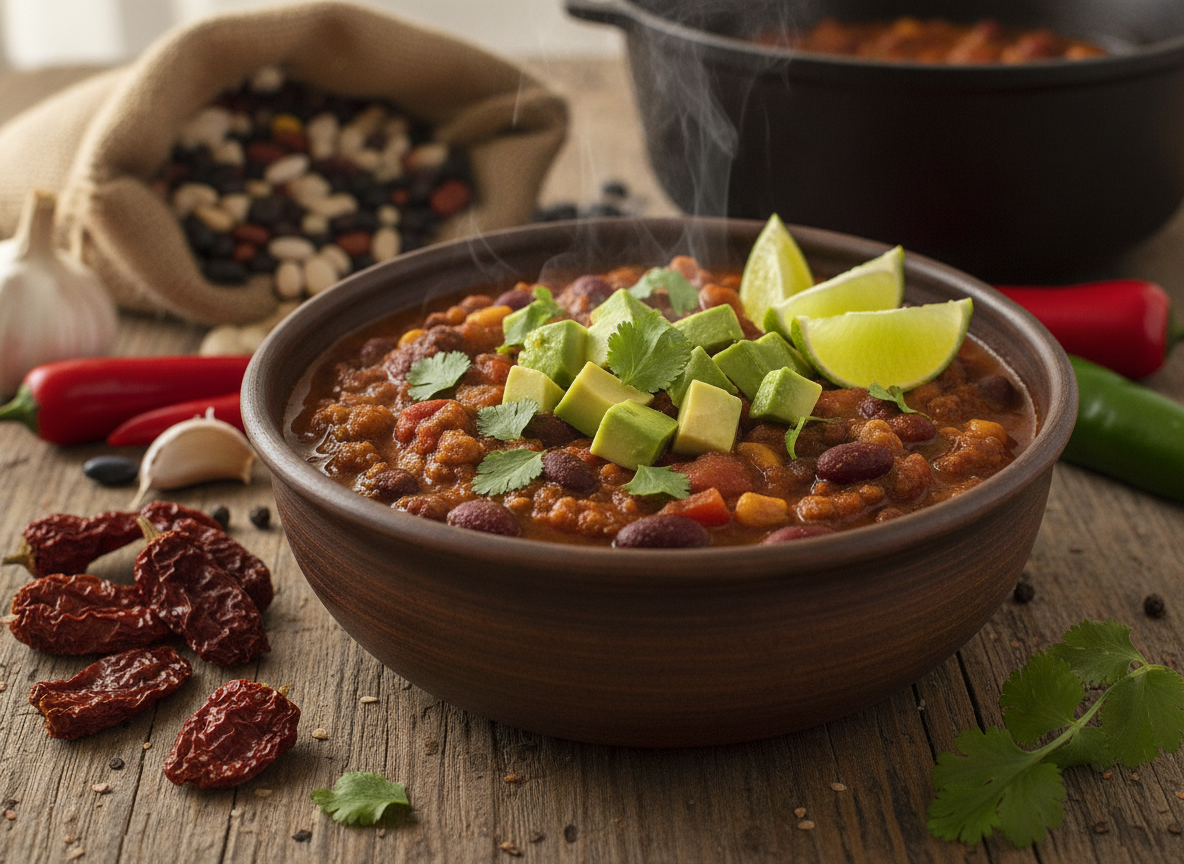
There’s something magical about a bowl of perfectly spiced chili that warms you from the inside out. This vegan chili recipe delivers all the comfort and satisfaction you crave without any animal products. Whether you’re fully plant-based or just exploring meatless meals, this recipe proves that vegan food can be incredibly flavorful and filling.
What makes this vegan chili stand out is the depth of flavor achieved through carefully layered spices and a secret ingredient that creates an umami-rich base. The combination of beans provides satisfying protein and texture that rivals any meat-based version.
You’ll love how simple this recipe is to make. Most of the ingredients are pantry staples you probably already have. The active cooking time is minimal, letting the pot do most of the work while flavors meld together beautifully.
Why This Vegan Chili Recipe Works Every Time
The foundation of exceptional chili lies in building layers of flavor rather than just throwing ingredients together. This vegan chili recipe starts with aromatic vegetables that create a flavor base known as sofrito in many cuisines.
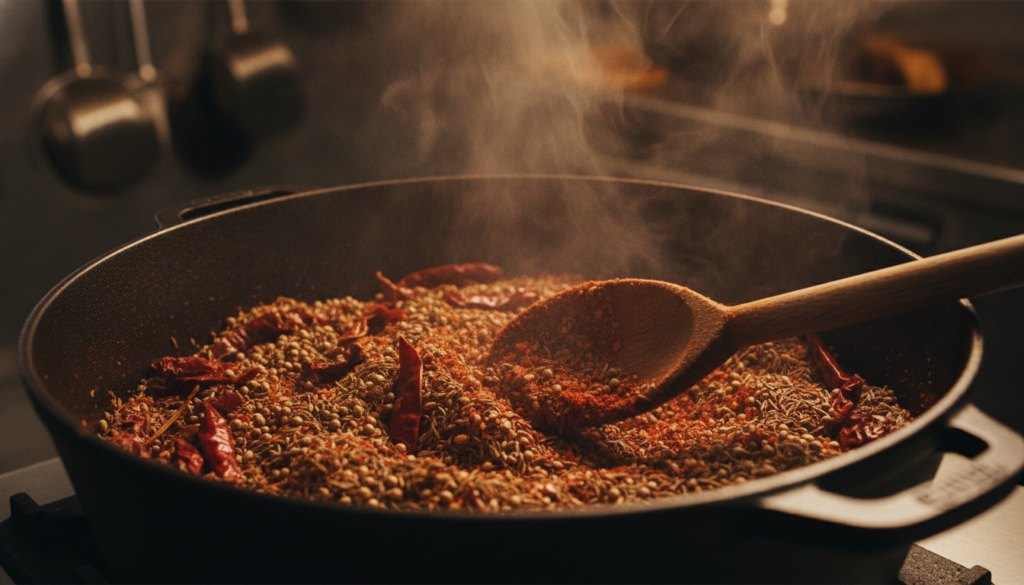
The magic happens when you toast your chili powder and spices before adding liquid. This technique, called blooming, releases essential oils and intensifies the flavor compounds. It’s a step many home cooks skip, but it makes a tremendous difference in the final result.
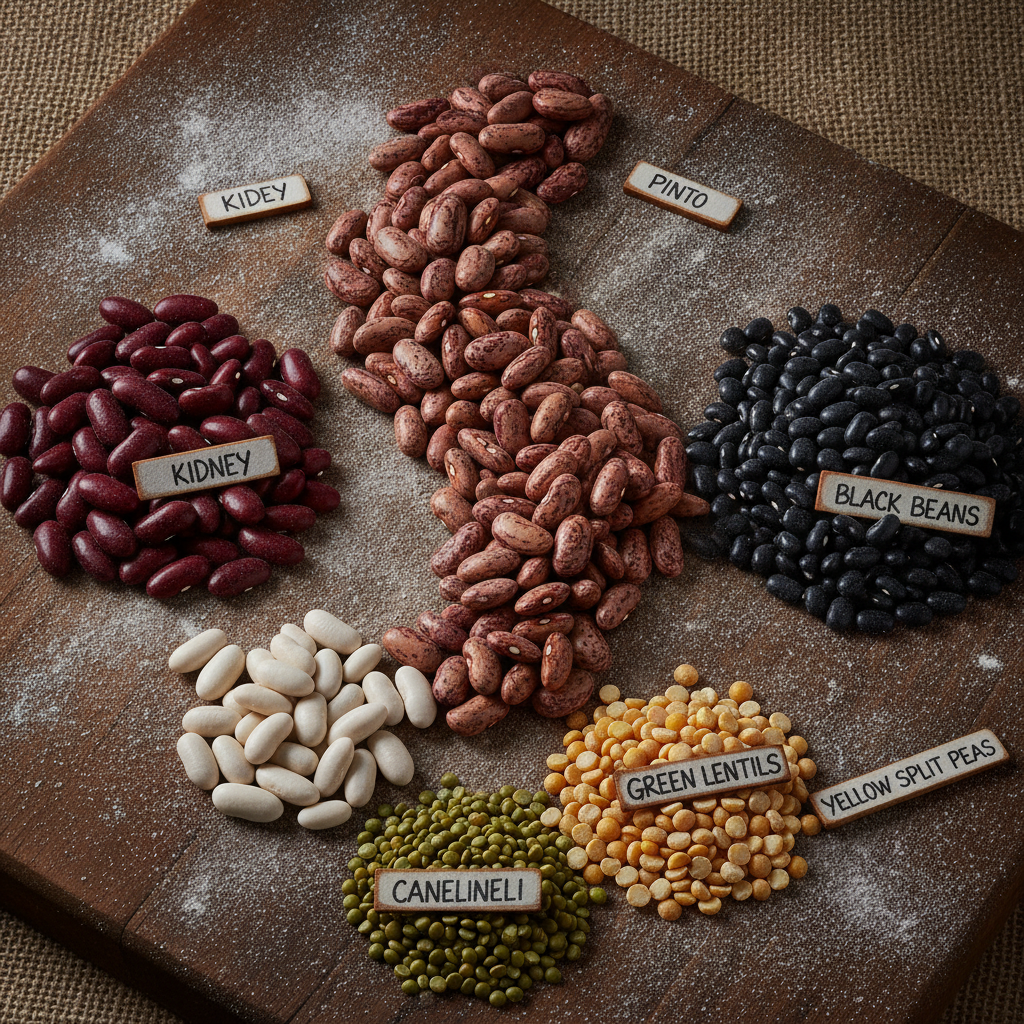
Another key factor is using multiple types of beans. While you can certainly make chili with just one bean variety, combining pinto beans with kidney or black beans creates textural variety. Each bean type contributes different characteristics to the final dish.
The addition of soy sauce might surprise you in a chili recipe. This ingredient adds savory depth and compensates for the umami typically provided by meat. Just a few tablespoons transform the entire flavor profile without making the chili taste Asian-inspired.
Essential Ingredients for Perfect Vegan Chili
Gathering your ingredients before you start cooking makes the process smooth and enjoyable. This vegan chili recipe calls for a combination of fresh vegetables, pantry staples, and bold spices that work together harmoniously.
The Vegetable Base
Start with two medium onions, diced into small pieces. Yellow onions work wonderfully, but red or white onions are fine substitutions. The onions provide sweetness and body to the chili foundation.
You’ll need one large bell pepper, though using a combination of red and green peppers adds visual appeal and slightly different flavor notes. Red peppers bring more sweetness while green peppers offer a subtle bitter edge that balances richness.
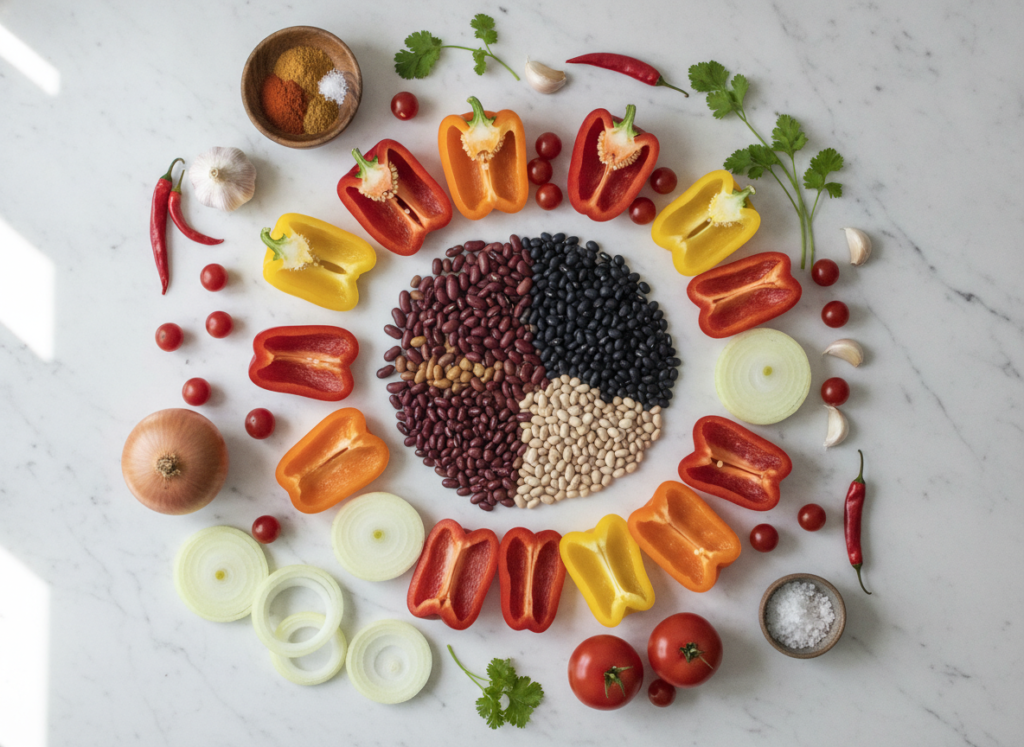
Fresh garlic is non-negotiable for authentic flavor. Use four to five cloves, minced finely. When you add garlic to the pot, it releases aromatic compounds that form the flavor backbone of your chili.
The Bean Selection
This three bean chili uses pinto beans as the primary component. Two cans of pinto beans provide creaminess and traditional chili texture. These beans break down slightly during cooking, helping to thicken the sauce naturally.
Add one can of kidney beans for their firm texture and meaty bite. Kidney beans hold their shape beautifully even after extended simmering. Some cooks prefer black beans instead, which work equally well in this vegan chili.
If you’re using dried beans instead of canned, you’ll need to cook them separately first. Dried beans require soaking overnight and simmering for one to two hours before adding to chili. The texture reward is worth the extra time investment.
Take Your Plant-Based Cooking Further
Ready to expand your vegan recipe collection? Discover comprehensive guides and meal plans that make plant-based cooking effortless and delicious every single day.
Spices and Seasonings
Chili powder is the star seasoning, and you’ll use three to four tablespoons depending on your heat preference. Not all chili powder blends are created equal. Some contain only ground chilies while others include cumin, garlic, and oregano.
Ground cumin adds earthy warmth and is essential in any chili recipe. Two tablespoons might seem like a lot, but cumin provides depth without overwhelming other flavors. Toast it briefly with the chili powder for maximum impact.
Smoked paprika contributes a subtle smoky flavor that mimics the char traditionally achieved through grilling meat. One tablespoon is sufficient. Regular paprika works if you don’t have the smoked variety, though the flavor profile will be slightly different.
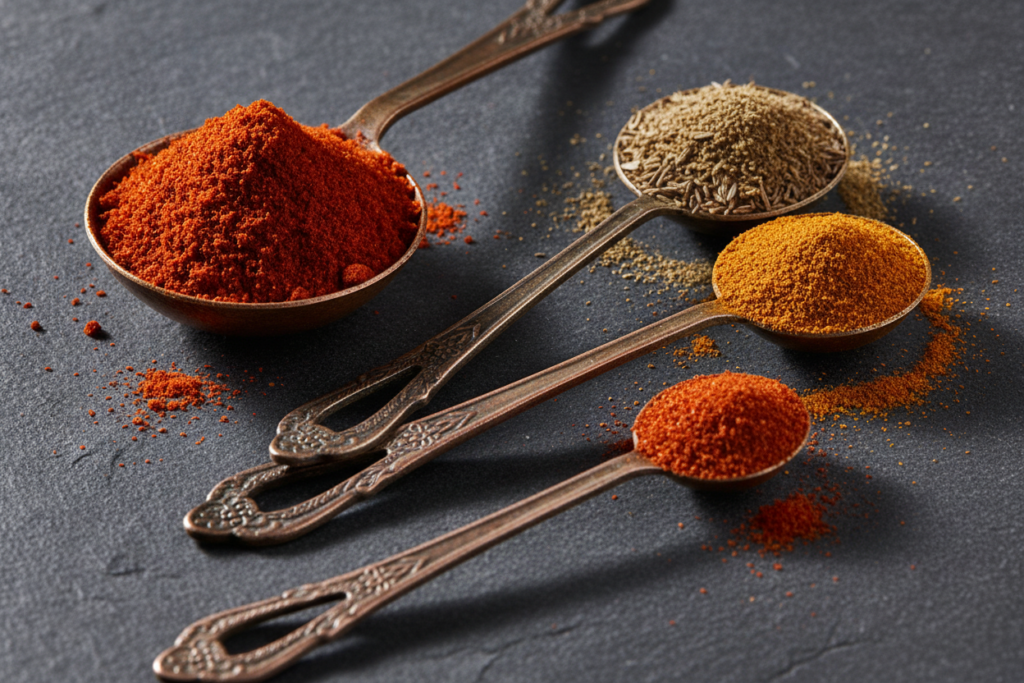
Cocoa powder is the secret ingredient that adds richness and complexity. Just one to two tablespoons of unsweetened cocoa powder deepens the color and creates layers of flavor. The chocolate notes are subtle and sophisticated rather than obvious.
Don’t forget salt and pepper to taste. You’ll add these throughout cooking, adjusting as flavors concentrate. Start with one teaspoon of salt and half a teaspoon of black pepper, then adjust at the end.
Liquid Components
One can of crushed tomatoes forms the tomato base. Crushed tomatoes provide more texture than tomato sauce while being smoother than diced tomatoes. Fire-roasted crushed tomatoes add an extra dimension of flavor if available.
Add one can of diced tomatoes with their juice for chunks of tomato throughout the chili. These tomatoes maintain their shape and provide bursts of bright tomato flavor in every bite.
Vegetable broth brings everything together and controls the consistency. Use two to three cups depending on how thick you want your vegan chili. Low-sodium broth gives you better control over the final salt level.
The soy sauce addition consists of two tablespoons. This ingredient boosts savory notes and adds the umami component typically provided by meat. Tamari works if you need a gluten-free option.
How to Make This Vegan Chili Recipe
Making exceptional chili is more about technique and timing than difficulty. Follow these steps carefully for the best results. The process takes about forty-five minutes of active time plus simmering.
Preparing Your Ingredients
Start by dicing your onions into quarter-inch pieces. Uniform size ensures even cooking. Chop the bell peppers into similar-sized pieces so everything cooks at the same rate.

Mince your garlic cloves finely or use a garlic press. Smaller garlic pieces distribute flavor more evenly and prevent large chunks from burning. Set your minced garlic aside separately since it cooks faster than onions.
Drain and rinse your canned beans thoroughly. This removes excess sodium and the starchy liquid that can make chili gummy. Give the beans a good shake in the strainer to remove all water.
Building the Flavor Base
Heat two tablespoons of oil in a large pot over medium heat. Olive oil works wonderfully, though any neutral cooking oil is fine. The pot should be large enough to hold all ingredients with room to stir comfortably.
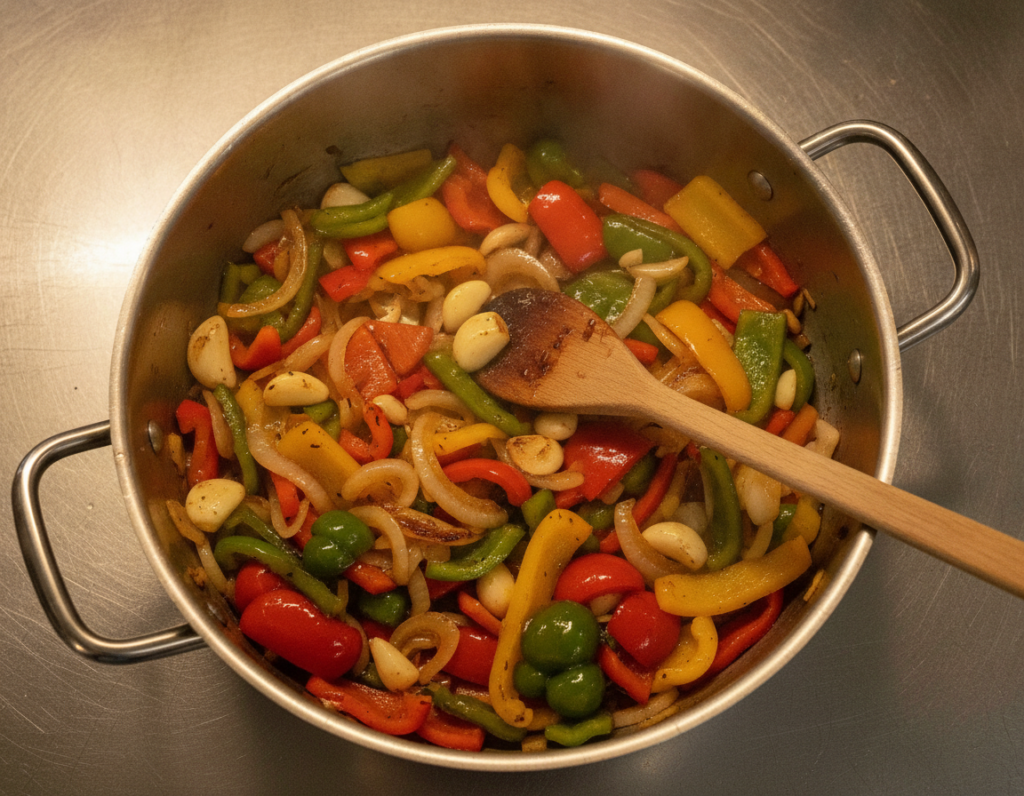
Add the onions first and cook for five to seven minutes until they become translucent and soft. Stir occasionally to prevent sticking. The onions should not brown significantly at this stage.
Add the bell peppers to the pot and continue cooking for another three to four minutes. The peppers should soften but still maintain some texture. They’ll continue cooking once you add other ingredients.
Now add garlic and cook for just one minute while stirring constantly. Garlic burns easily and becomes bitter, so watch it carefully. You’ll smell the wonderful aroma as it releases its flavor compounds.
Blooming the Spices
Push the vegetables to the sides of the pot and add chili powder, cumin, smoked paprika, and cocoa powder to the center. Let the spices cook in the oil for thirty to sixty seconds while stirring constantly.
This crucial step awakens the spices and intensifies their flavors dramatically. You’ll notice the spices become fragrant and slightly darker. Don’t skip this step even if you’re in a hurry.
Stir the spices into the vegetables thoroughly, coating everything evenly. The vegetables should take on the rich red-brown color of the spice mixture. Cook everything together for another minute.
Adding Liquid and Beans
Pour in the crushed tomatoes, diced tomatoes, and vegetable broth. Stir well to combine everything and scrape any browned bits from the bottom of the pot. These browned bits add tremendous flavor.
Add the soy sauce now, stirring it into the liquid. The soy sauce will darken the color slightly and add that savory depth. At this point, you can taste and adjust the seasoning with salt and pepper.
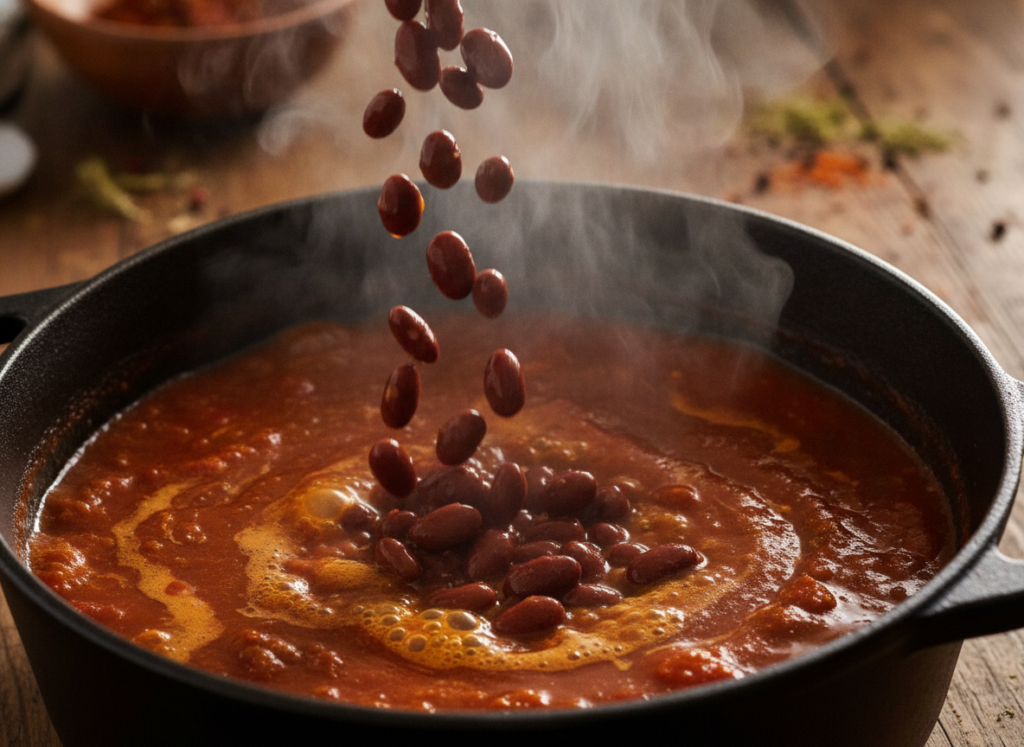
Add beans to the pot and stir gently to incorporate them without mashing. The beans will absorb flavor as they simmer. Bring the entire mixture to a boil over high heat.
Once the chili reaches a boil, lower heat to maintain a gentle simmer. You want small bubbles breaking the surface rather than a rolling boil. A vigorous boil can break down beans too much and make the chili mushy.
Simmering for Perfect Flavor
Simmer the vegan chili uncovered for thirty minutes, stirring occasionally. During this time, the flavors meld together and the sauce thickens naturally. The kitchen will smell incredible.
Taste the chili after twenty minutes and adjust seasonings. You might want more chili powder for heat, additional salt for flavor enhancement, or a pinch of sugar if the tomatoes taste too acidic.
For even deeper flavor, continue simmering for up to one hour total. The longer cooking time allows flavors to develop more complexity. Add more broth if the chili becomes too thick during extended cooking.
Expert Tips for the Best Vegan Chili
These professional tricks elevate your chili from good to extraordinary. Small adjustments and technique refinements make significant differences in the final result.
Thickness Control
If your chili seems too thin after simmering, continue cooking uncovered to allow more liquid to evaporate. You can also mash some of the beans against the side of the pot to release their starches, which naturally thickens the sauce.
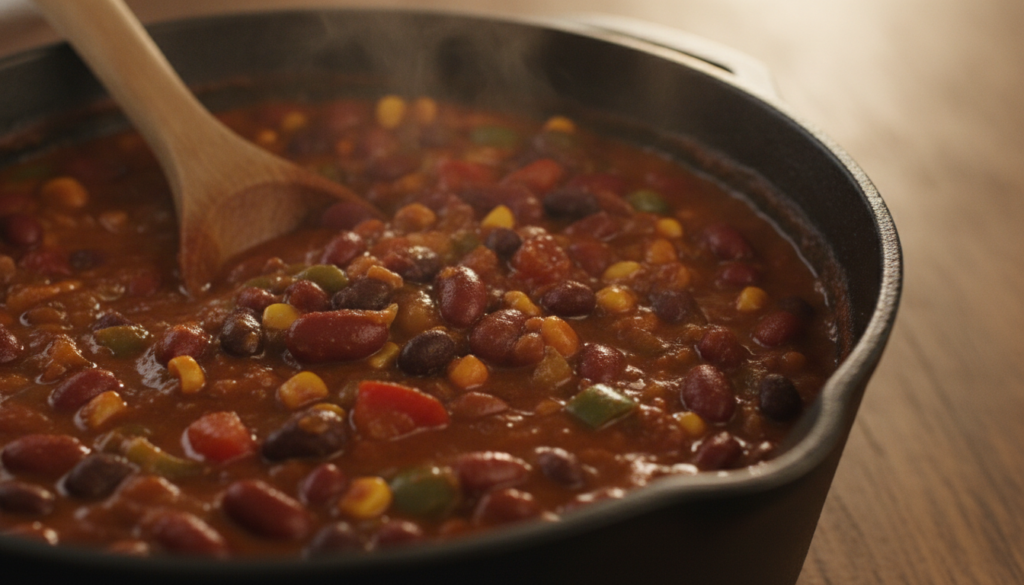
Conversely, if the chili becomes too thick, add more vegetable broth or water in small increments. Add liquid in quarter-cup portions, stirring and assessing before adding more. This prevents over-thinning.
The ideal consistency coats the back of a spoon but isn’t stiff. Remember that chili thickens as it cools, so aim for slightly looser consistency while hot than you want to serve.
Heat Level Adjustments
Control spice levels by adjusting chili powder amounts or adding fresh peppers. For mild chili, use three tablespoons of chili powder and skip any additional hot peppers. For medium heat, stick with the four tablespoons specified.
To make this vegan chili genuinely spicy, add one or two minced jalapeño peppers with the bell peppers. Remove seeds for less heat or keep them for maximum fire. Chipotle peppers in adobo sauce add smoky heat along with complexity.
Add cayenne pepper in small amounts for clean heat without changing other flavor dimensions. Start with a quarter teaspoon and increase gradually. You can always add more heat but cannot remove it.
Flavor Enhancement Techniques
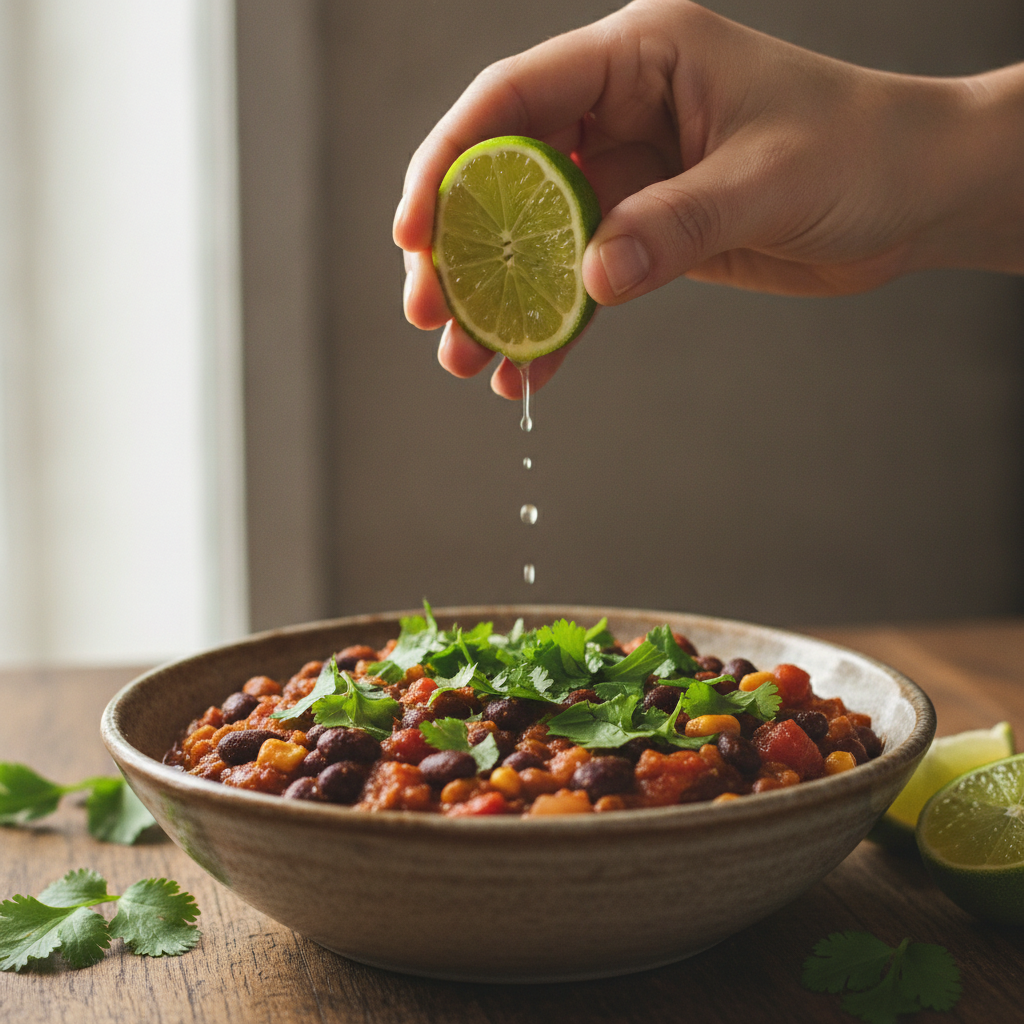
A splash of lime juice at the end brightens all the flavors remarkably. Add one to two tablespoons of fresh lime juice just before serving. The acidity balances the richness and makes other flavors pop.
Consider adding a tablespoon of maple syrup or brown sugar if your tomatoes taste acidic. This small amount of sweetness balances acidity without making the chili taste sweet. Adjust based on your tomato brand.
Fresh cilantro stirred in at the end adds brightness and freshness. Chop about half a cup of cilantro leaves and stir them through just before serving. Those who dislike cilantro can substitute fresh parsley.
For deeper complexity, explore advanced seasoning techniques that professional chefs use to layer flavors in plant-based dishes.
Texture Variations
Want a chunkier chili? Add diced vegetables like zucchini, mushrooms, or carrots along with the bell peppers. These vegetables add nutritional variety and different textures throughout the bowl.
For a creamier vegan chili, blend one cup of the cooked chili and stir it back into the pot. This technique creates body without adding cream or thickeners. The blended beans create a silky texture.
Add corn kernels in the last ten minutes of cooking for sweetness and pop. Frozen or canned corn works equally well. The corn adds visual appeal and a sweet contrast to spicy flavors.
How to Serve Your Vegan Chili
Presentation and accompaniments transform a simple pot of chili into a memorable meal. These serving ideas work for casual family dinners or entertaining guests.
Classic Toppings
Vegan sour cream is essential for cooling the heat and adding tanginess. Cashew-based sour cream provides richness while coconut-based versions offer lighter texture. A generous dollop on top creates beautiful visual contrast.
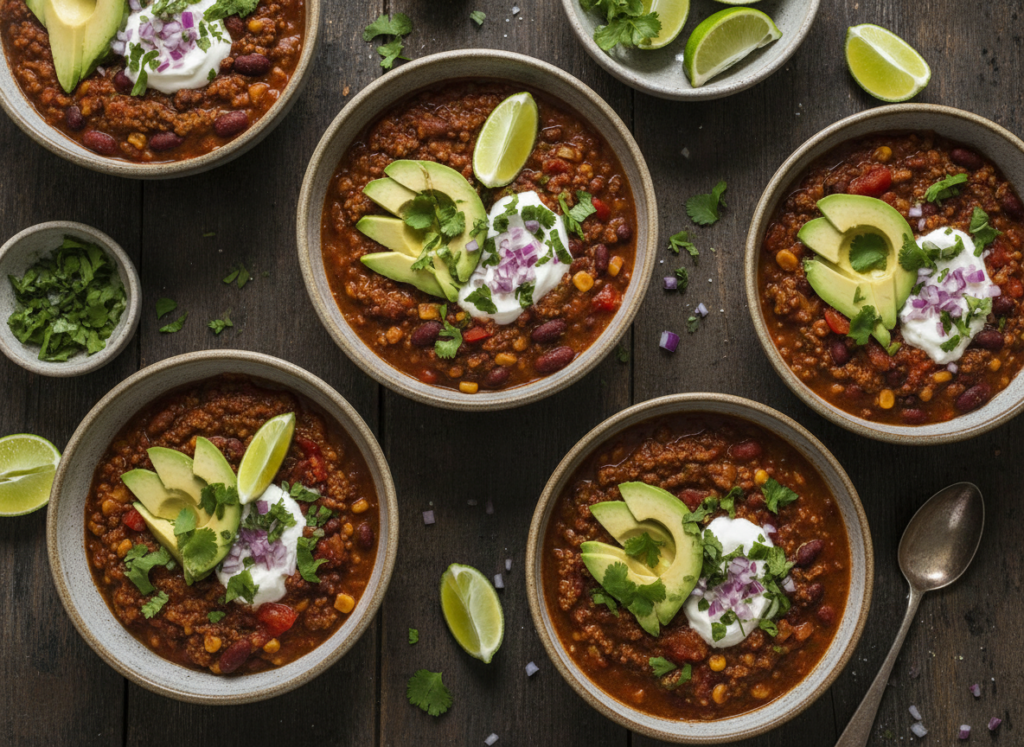
Fresh avocado slices or guacamole add creaminess and healthy fats. The buttery texture of avocado pairs perfectly with spicy chili. Dice the avocado just before serving to prevent browning.
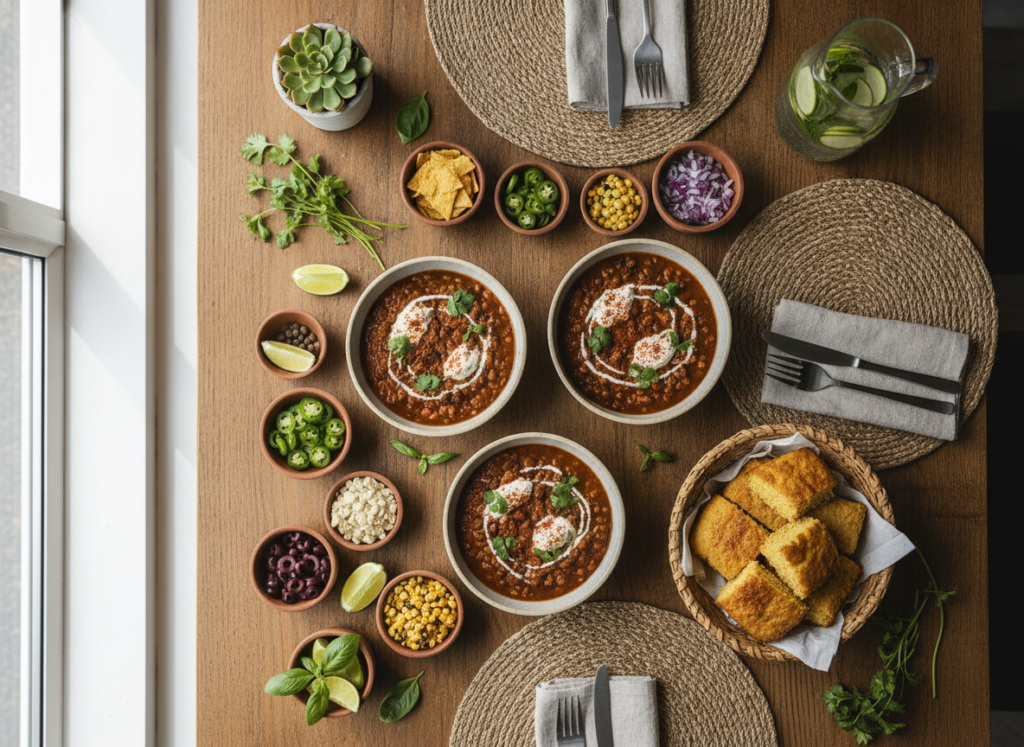
Chopped fresh cilantro, diced red onions, and sliced jalapeños create a fresh topping bar. Let diners customize their bowls according to personal preferences. This approach works especially well for gatherings.
Shredded vegan cheese melts beautifully over hot chili. Cheddar-style or Mexican blend varieties work best. The cheese adds richness and familiar comfort food appeal.
Bread and Grain Pairings
Cornbread is the traditional chili accompaniment. The slightly sweet corn flavor contrasts beautifully with spicy chili. Serve warm cornbread squares or muffins on the side for dipping.
Crusty bread or rolls work wonderfully for soaking up the flavorful sauce. Toast the bread lightly and rub with garlic for extra flavor dimension. French bread or sourdough both complement chili nicely.
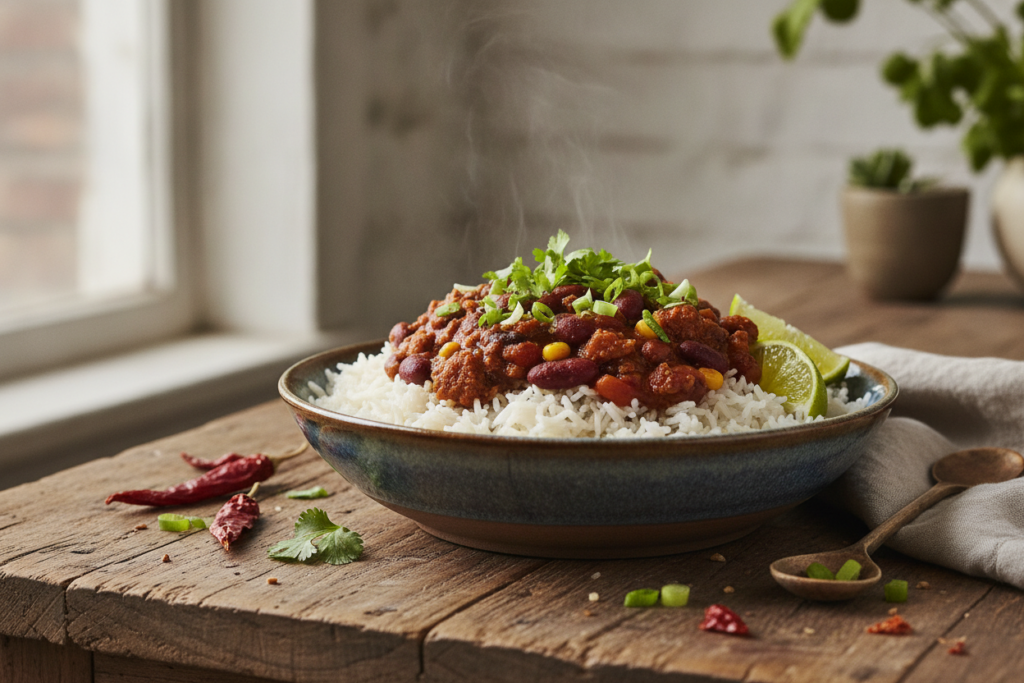
Serve the vegan chili over rice for a hearty, filling meal. Brown rice adds nuttiness while white rice provides a neutral base. Cilantro lime rice creates a complete flavor experience.
Tortilla chips offer crunch and can serve as edible spoons. Crumble chips over the top or serve them alongside for dipping. Baked tortilla chips provide a healthier alternative to fried versions.
Complete Meal Ideas
Create a chili bar for entertaining by setting out the vegan chili in a slow cooker on warm setting. Arrange various toppings in small bowls so guests can customize their portions. This interactive approach works well for parties.
Pair chili with a simple side salad for nutritional balance. A crisp green salad with vinaigrette dressing cuts through the richness. The fresh vegetables provide textural contrast to the hearty bean chili.
For a complete Tex-Mex spread, discover complementary plant-based recipes that round out your meal with authentic flavors and techniques.
Meal Prep and Storage Tips
Vegan chili is ideal for meal preparation and actually tastes better the next day. Proper storage ensures you can enjoy this recipe throughout the week or freeze portions for future meals.
Refrigerator Storage
Allow the chili to cool completely before transferring to storage containers. Hot food can raise your refrigerator temperature and affect other stored items. Cooling to room temperature takes about one hour.
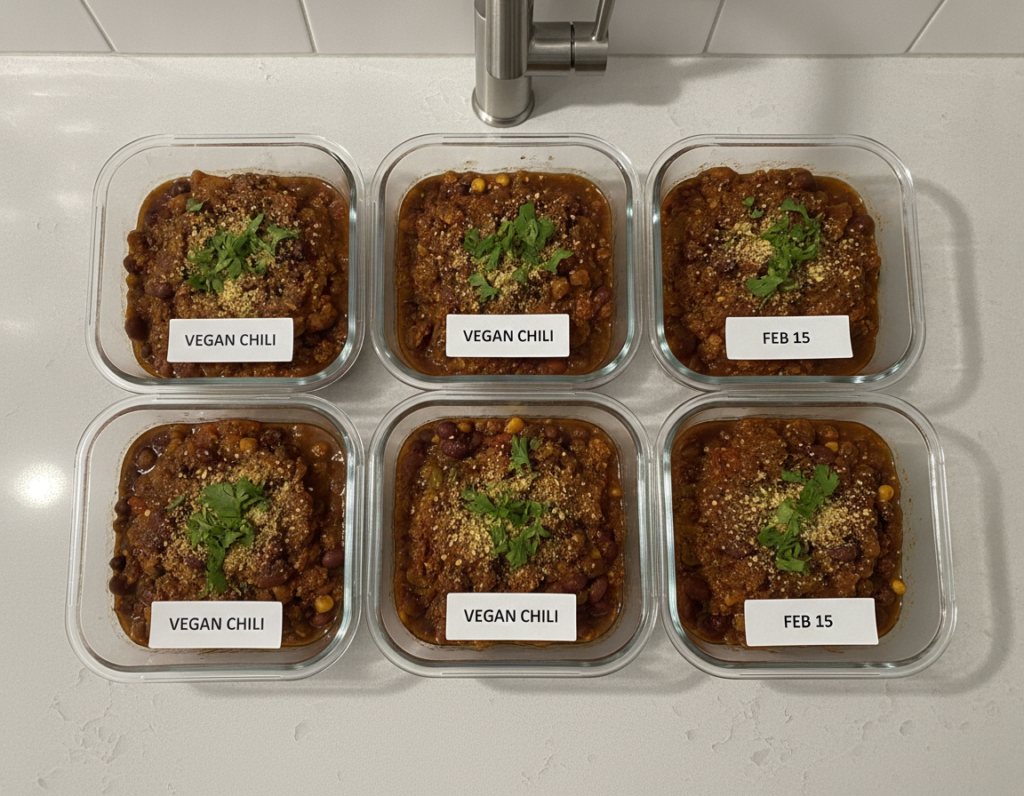
Store cooled chili in airtight containers in the refrigerator for up to five days. Glass containers work best as they don’t absorb odors or stains. Divide into individual portions for easy reheating throughout the week.
The flavors continue developing in the refrigerator overnight. Many people find leftover chili tastes even better than fresh. The spices have more time to marry and mellow.
Freezer Storage
This vegan chili recipe freezes beautifully for up to three months. Freeze in portion sizes that match your household needs. Individual portions thaw and reheat quickly for convenient meals.
Use freezer-safe containers or heavy-duty freezer bags for storage. Remove as much air as possible from bags to prevent freezer burn. Label containers with the date so you can track freshness.
Leave some headspace in containers since liquids expand when frozen. Fill containers only three-quarters full to prevent cracking or lid popping. This precaution is especially important with glass containers.
Thaw frozen chili overnight in the refrigerator for food safety. You can also reheat directly from frozen, though it takes longer. Add a splash of broth when reheating as the chili may thicken during freezing.
Reheating Methods
Reheat chili on the stovetop over medium-low heat, stirring occasionally. Add a little water or broth if needed to restore the desired consistency. Stovetop reheating provides the most even heating.

Microwave reheating works for individual portions. Use a microwave-safe bowl and cover loosely to prevent splatters. Heat in one-minute intervals, stirring between each, until heated through. Microwaving takes about three to four minutes total.
For frozen chili, place the sealed bag in warm water to partially thaw before reheating. This speeds the process and ensures more even heating. Never use hot water directly from the tap as this can promote bacterial growth.
Nutritional Benefits of Vegan Chili
This vegan chili recipe isn’t just delicious—it’s incredibly nutritious. Understanding the health benefits helps you appreciate why this meal supports your wellness goals while satisfying your taste buds.
Protein Power
Beans provide substantial plant-based protein with one serving of this chili delivering approximately fifteen to eighteen grams. Pinto beans offer complete amino acid profiles when combined with vegetables and grains.
Unlike animal proteins, bean protein comes packaged with fiber and complex carbohydrates. This combination provides steady energy release rather than blood sugar spikes. The protein keeps you satisfied for hours after eating.
The three bean chili approach offers protein variety. Different beans contain varying amino acid profiles. Combining multiple types creates a more complete protein similar to what you’d find in meat.
For athletes or active individuals, this recipe provides recovery nutrition without inflammation-causing animal products. The protein supports muscle repair while antioxidants from vegetables reduce exercise-induced oxidative stress.
Fiber Content
One serving contains approximately twelve to fifteen grams of dietary fiber. This substantial amount supports digestive health and promotes feelings of fullness. Most Americans consume far less fiber than recommended.
The fiber in beans feeds beneficial gut bacteria, supporting your microbiome health. A healthy gut microbiome influences everything from immunity to mood regulation. Eating fiber-rich meals regularly improves overall gut function.
Soluble fiber from beans helps manage cholesterol levels naturally. This type of fiber binds to cholesterol in the digestive system and removes it from the body. Regular consumption can contribute to heart health.
To learn more about optimizing nutrition through plant-based meals, explore comprehensive guides that break down macro and micronutrient strategies.
Vitamins and Minerals
This vegan chili recipe provides significant amounts of iron from beans and tomatoes. Plant-based iron absorption improves when combined with vitamin C from peppers and tomatoes in the same meal.
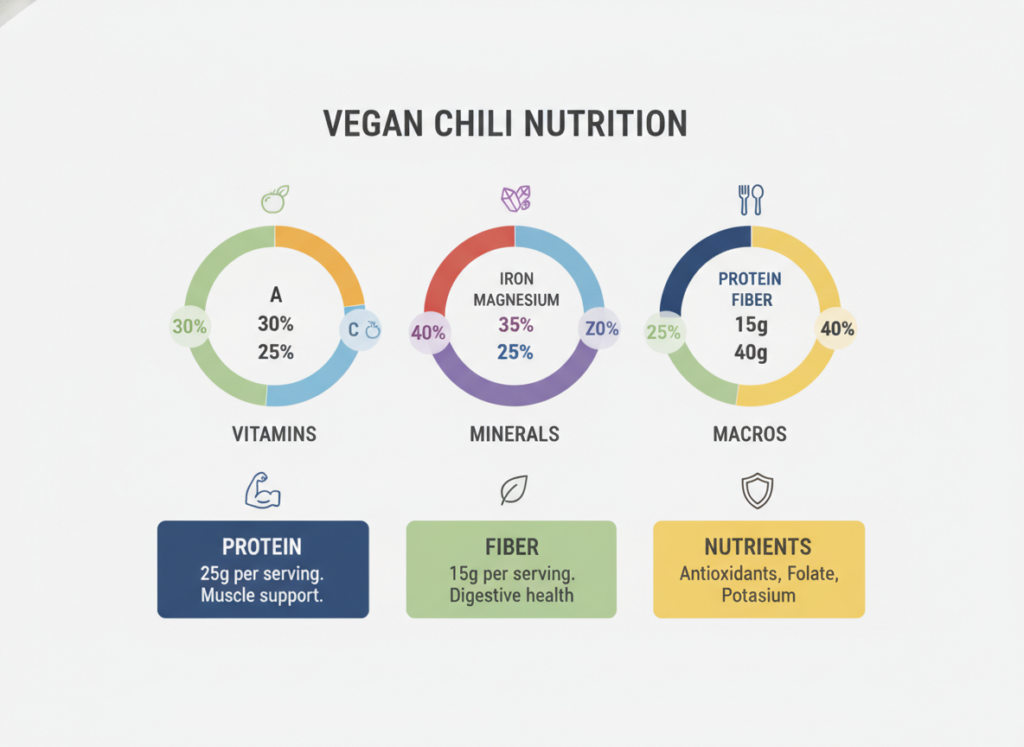
Potassium content is impressive, with one serving providing about twenty percent of daily needs. Potassium supports healthy blood pressure and heart function. Most people don’t consume enough potassium-rich foods.
Tomatoes contribute lycopene, a powerful antioxidant linked to reduced cancer risk and heart health. Cooking tomatoes actually increases lycopene bioavailability, making this chili recipe particularly beneficial.
B vitamins from beans support energy metabolism and nervous system function. Folate is especially abundant in this recipe, important for cell division and DNA synthesis. One serving provides significant folate intake.
Low-Fat Nutrition
This bean chili contains minimal fat, primarily from the small amount of cooking oil. The recipe is naturally low in saturated fat, supporting heart health and maintaining healthy cholesterol levels.
The absence of animal products means zero dietary cholesterol. Plant-based meals like this one help maintain or improve cardiovascular health. The fiber content further supports cholesterol management.
Despite being low in fat, the chili remains satisfying due to protein and fiber content. You won’t feel deprived or hungry shortly after eating. This makes it excellent for weight management goals.
Customizing Your Vegan Chili Recipe
One of the best aspects of this recipe is its versatility. Make adjustments based on dietary needs, ingredient availability, or personal preferences without compromising the delicious result.
Dietary Modifications
For gluten-free diets, simply verify that your chili powder blend and soy sauce are certified gluten-free. Most pure chili powder is naturally gluten-free, but some blends contain additives. Use tamari instead of regular soy sauce.
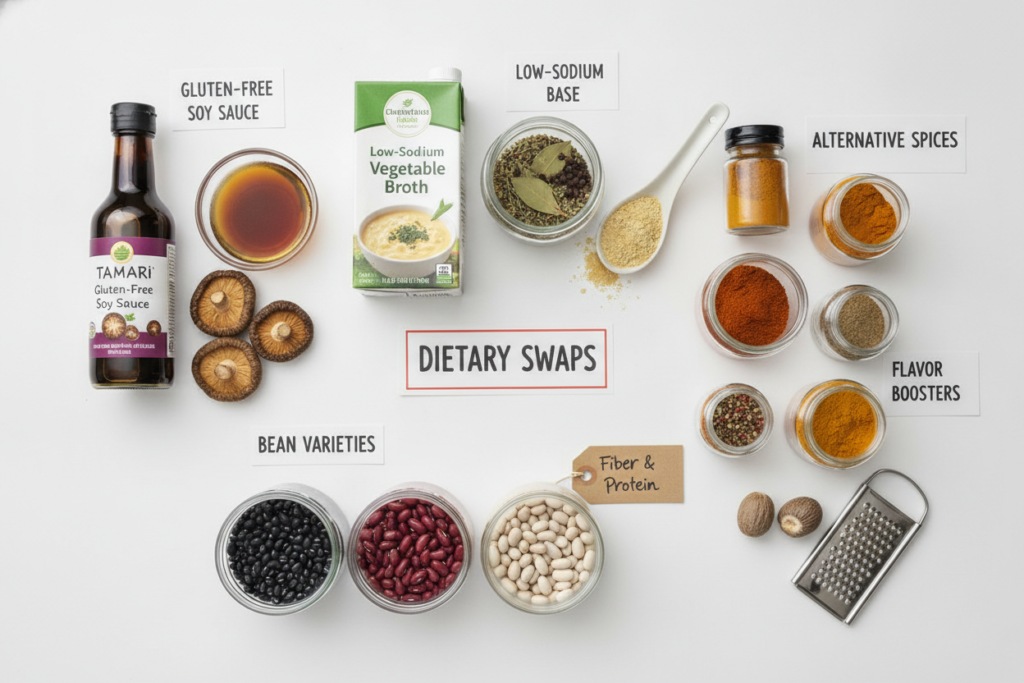
Reduce sodium by using no-salt-added canned tomatoes and beans, low-sodium broth, and omitting the soy sauce. Add extra spices to compensate for flavor loss. You can always add salt at the table for individual preferences.
Make this recipe oil-free by sautéing vegetables in vegetable broth instead of oil. Use a few tablespoons of broth and add more as needed to prevent sticking. The technique requires more attention but works effectively.
Vegetable Additions
Sweet potatoes add natural sweetness and thickness to the chili. Dice one large sweet potato into half-inch cubes and add with the bell peppers. The sweet potato will soften and partially dissolve, creating creamy texture.
Mushrooms provide meaty texture and umami flavor. Use chopped button mushrooms, portobello, or even dried shiitake rehydrated in hot water. Add mushrooms when you add the bell peppers for proper cooking time.
Butternut Squash Addition
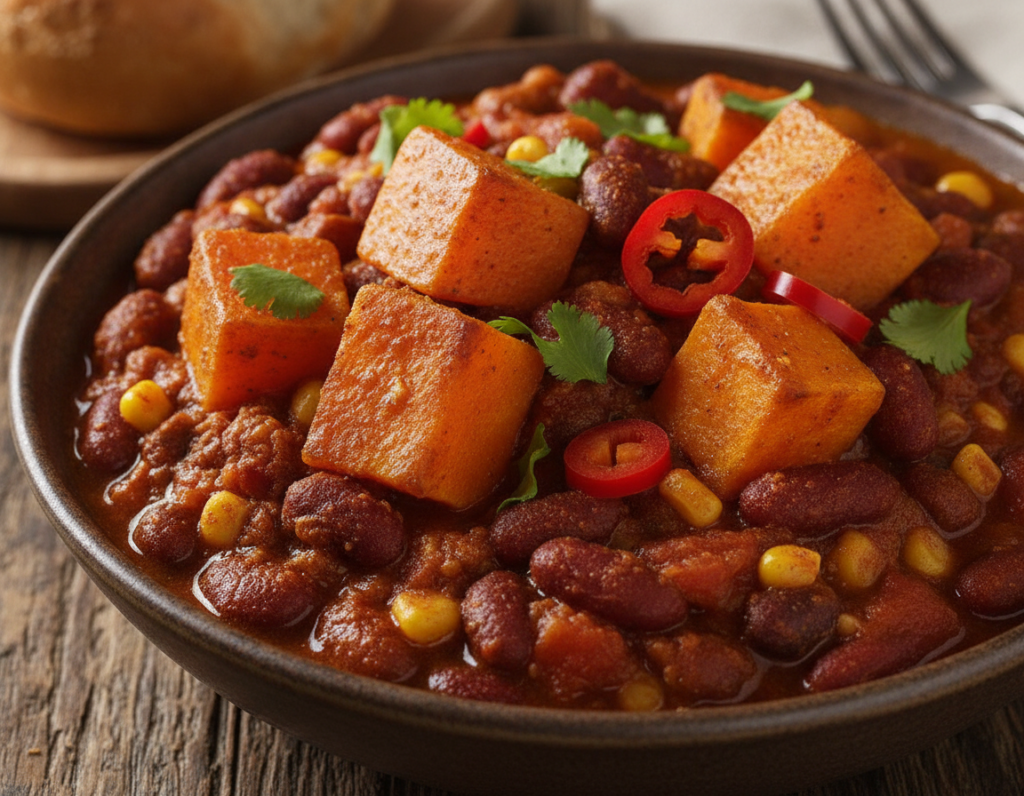
Butternut squash adds autumn flavor and creamy texture. Dice two cups of peeled squash and add with bell peppers. The squash softens beautifully and adds natural sweetness that balances heat.
Leafy Green Integration
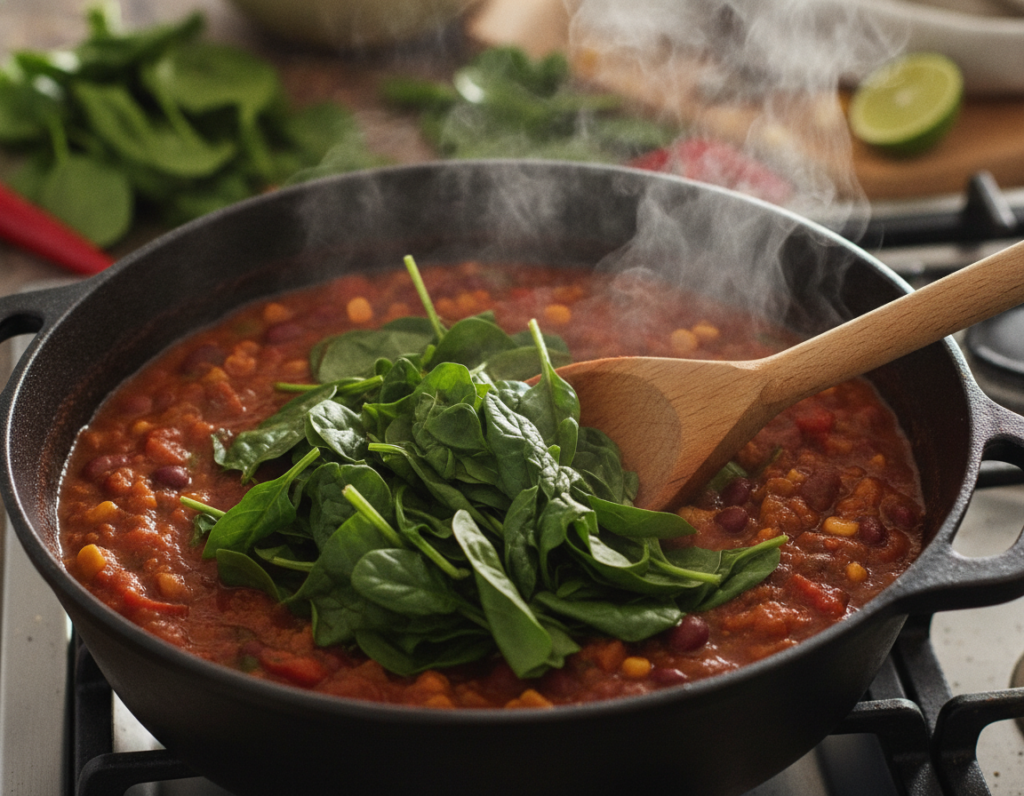
Stir in fresh spinach or kale during the last five minutes of cooking. The greens wilt into the chili, adding nutrients and color. Two packed cups of greens reduce significantly once wilted.
Roasted Vegetable Variation
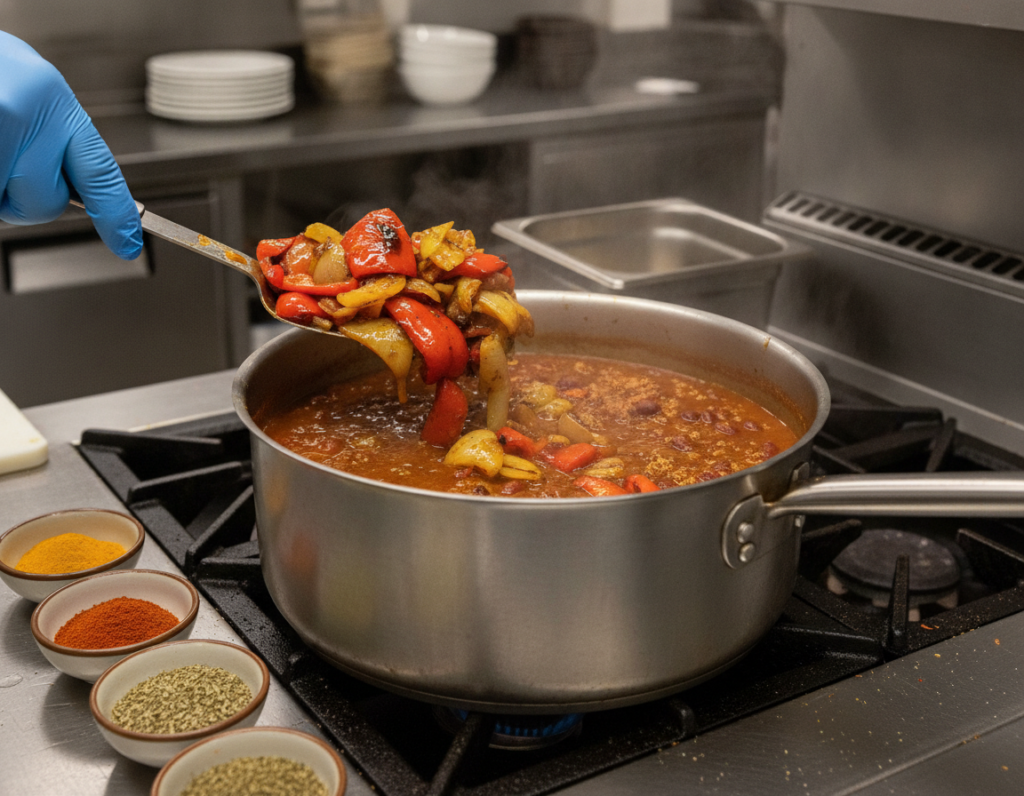
Roast your peppers and onions before adding to the chili for deeper flavor. The caramelization creates complexity. This extra step requires more time but delivers restaurant-quality results.
Spice Blend Variations
Create a smoky chipotle version by replacing regular chili powder with chipotle chili powder. Add one or two minced chipotle peppers from a can of chipotles in adobo sauce. This variation has wonderful depth and moderate heat.
For Cincinnati-style vegan chili, add warm spices like cinnamon, allspice, and cloves. Use one teaspoon of cinnamon, half a teaspoon of allspice, and a quarter teaspoon of ground cloves. The result is surprisingly delicious and unique.
Make a Mexican-inspired version by adding one tablespoon of dried oregano and substituting black beans for kidney beans. Finish with fresh cilantro and serve with lime wedges. This variation pairs beautifully with Mexican rice.
Common Vegan Chili Recipe Problems and Solutions
Even experienced cooks sometimes encounter issues when making chili. These solutions address the most common problems and help you achieve perfect results every time.
Chili Too Watery
If your vegan chili turns out too thin, the simplest fix is continued simmering. Remove the lid and cook over medium-low heat, allowing excess liquid to evaporate. Stir frequently to prevent sticking as the chili reduces.
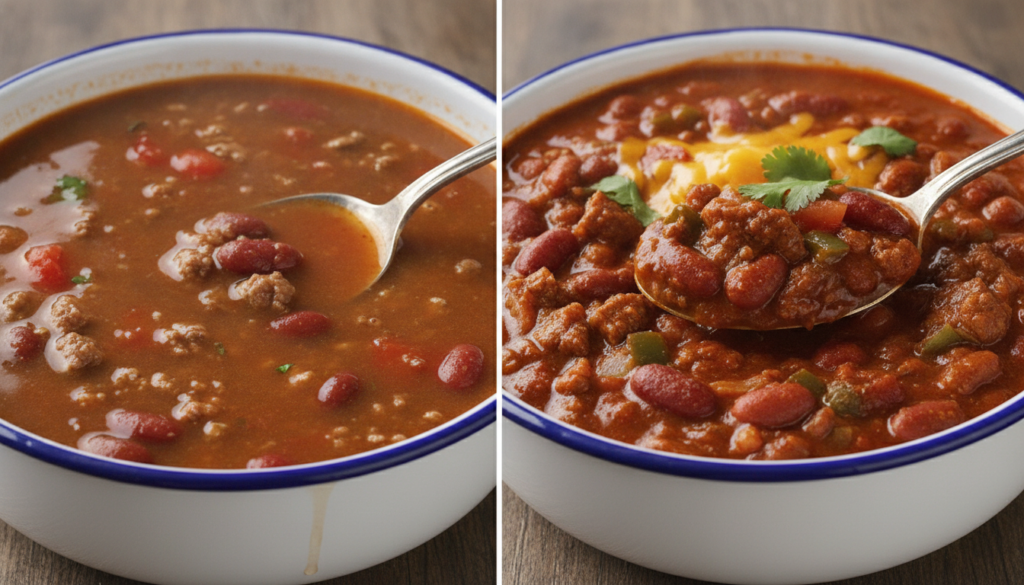
Mash some beans against the pot side with your spoon. The released starches naturally thicken the sauce without changing flavor. This technique works better than adding flour or cornstarch which can create unpleasant texture.
Add a tablespoon of tomato paste to thicken and intensify tomato flavor simultaneously. Stir the paste thoroughly into the chili and simmer for ten more minutes. Tomato paste adds body without diluting other flavors.
Chili Without Enough Flavor
Underseasoned chili is easily fixed by adjusting salt levels first. Add salt in quarter-teaspoon increments, stirring and tasting between additions. Salt enhances all other flavors and often solves blandness issues.
Boost umami by adding another tablespoon of soy sauce or a teaspoon of miso paste. These ingredients add depth without making the chili taste Asian. Nutritional yeast also contributes savory notes if you have it available.
Acidity brightens flavors dramatically. Add lime juice, lemon juice, or even a splash of apple cider vinegar. Start with one tablespoon and adjust from there. The difference is remarkable.
Chili Too Spicy
If your chili is too hot, add acid to balance the heat. Lime juice or vinegar temper spiciness while adding brightness. Start with one tablespoon and taste before adding more.
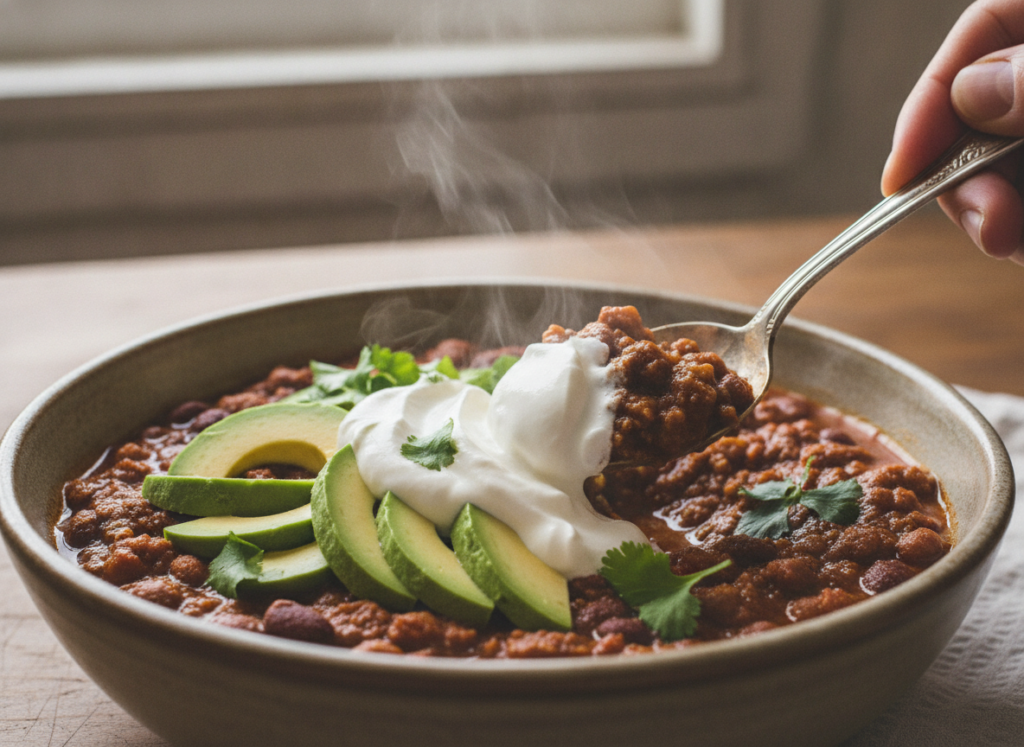
Dairy-free options like coconut milk or vegan sour cream cut heat effectively. Stir in quarter-cup portions of full-fat coconut milk until the spice level becomes comfortable. The fat helps neutralize capsaicin compounds.
Add more beans, tomatoes, or vegetables to dilute the spiciness. This increases the total volume while reducing heat concentration per serving. You’ll have extra chili for another meal as a bonus.
Beans Too Mushy
Overcooked beans become mushy and unappetizing. Prevent this by adding beans later in the cooking process. Wait until the last twenty minutes of simmering to add beans if you plan extended cooking time.
If beans are already mushy, embrace it and blend a portion of the chili for creamy texture. Transfer half the chili to a blender, puree until smooth, then stir it back in. This creates intentional creaminess rather than accidental mushiness.
Next time, reduce the simmering time or keep the heat lower. A gentle simmer maintains bean integrity better than aggressive boiling. Patience produces better texture results.
Alternative Cooking Methods for Vegan Chili
While stovetop cooking produces excellent results, alternative methods offer convenience and different advantages. These variations accommodate various schedules and equipment preferences.
Instant Pot Vegan Chili
The Instant Pot dramatically reduces cooking time while developing deep flavors. Use the sauté function to cook vegetables and bloom spices exactly as you would on the stovetop.
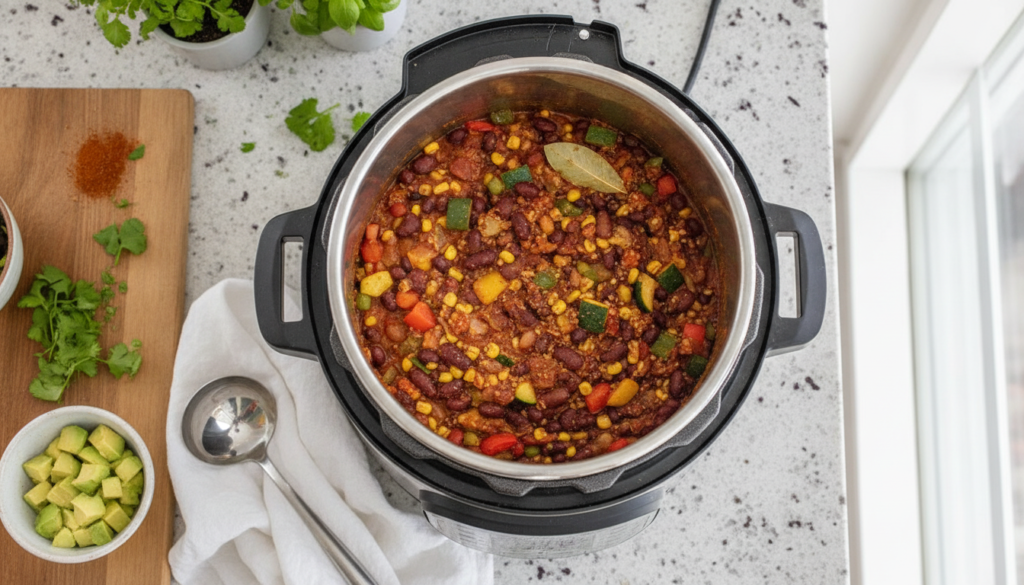
After adding all ingredients, secure the lid and set to high pressure for fifteen minutes. Allow natural pressure release for ten minutes before quick-releasing remaining pressure. The chili will be perfectly cooked and flavorful.
The pressure cooking environment intensifies flavors more quickly than traditional simmering. You’ll achieve results comparable to hours of slow cooking in under thirty minutes total time. This method is perfect for busy weeknights.
Slow Cooker Method
Slow cooker chili requires minimal hands-on time. Brown vegetables and bloom spices on the stovetop first for best flavor, then transfer everything to the slow cooker. This initial step makes a significant difference.
Cook on low for six to eight hours or high for three to four hours. The long, gentle cooking develops rich flavor complexity. Your house will smell amazing all day.
Add delicate ingredients like fresh herbs or lime juice during the last thirty minutes. This preserves their bright flavors rather than cooking them out. Taste and adjust seasonings before serving since flavors mellow during slow cooking.
Master Every Cooking Method
Want to become confident with pressure cookers, slow cookers, and advanced stovetop techniques? Access detailed guides that walk you through every cooking method with plant-based recipes designed for success.
Dutch Oven Method
A heavy Dutch oven provides superior heat distribution and retention. Follow the standard stovetop method, then transfer the covered pot to a 325°F oven after bringing to a boil.
Oven cooking creates even, surrounding heat that prevents scorching. Cook for one to two hours in the oven, stirring occasionally. The result is exceptionally smooth, well-developed flavor.
This method works wonderfully when you want chili simmering while you do other tasks. The oven does all the work with minimal supervision required. Just check and stir every thirty minutes.
Complete Meal Planning with Vegan Chili
Building a complete meal around your vegan chili creates balanced nutrition and satisfying variety. These pairing suggestions help you plan menus that complement the chili’s bold flavors.
Beverages That Complement
Beer pairs excellently with chili’s spicy, hearty flavors. Choose Mexican lagers, amber ales, or stouts depending on preference. The carbonation and slight bitterness cut through richness beautifully.
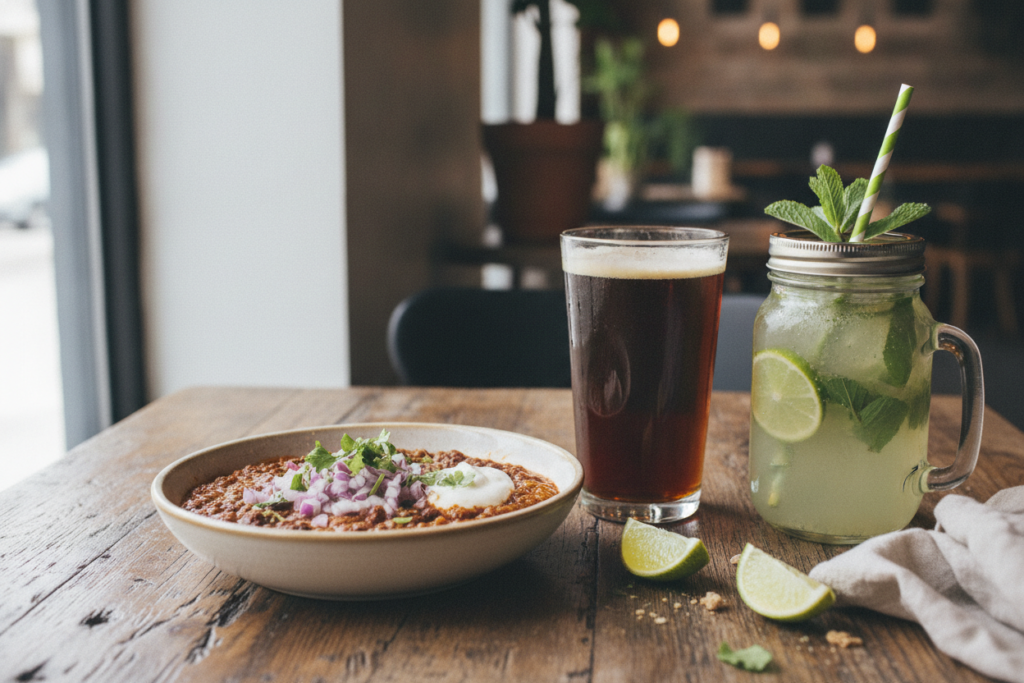
Non-alcoholic options include sparkling water with lime, which refreshes the palate between bites. Iced tea, particularly unsweetened or lightly sweetened versions, provides cooling contrast to spice.
For a festive touch, serve lime agua fresca or horchata. These traditional Mexican beverages complement the Tex-Mex flavor profile perfectly. Both are easy to make and naturally vegan-friendly.
Side Salad Combinations
A simple mixed greens salad with vinaigrette provides freshness and crunch. Keep dressing light with lime juice, olive oil, and cumin to echo chili flavors. Add sliced radishes and pepitas for texture.
Mexican street corn salad makes an excellent companion dish. Combine grilled corn, lime juice, vegan mayo, chili powder, and cilantro. The sweet corn balances chili’s heat while staying in the same flavor family.
Jicama slaw offers refreshing crunch and natural sweetness. Julienne jicama and carrots, toss with lime juice and cilantro. The crisp texture contrasts perfectly with soft, saucy chili.
Appetizer Ideas
Guacamole and chips create the perfect starter before a chili dinner. The creamy avocado prepares your palate for the main course. Make guacamole fresh for best flavor and texture.
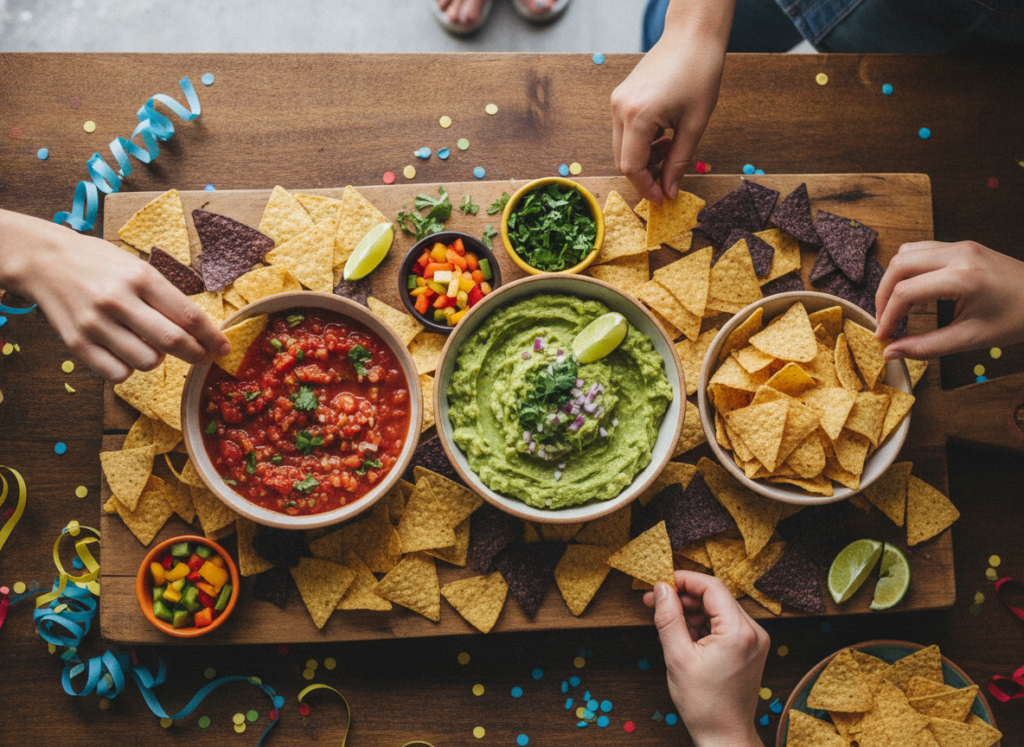
Stuffed jalapeño poppers using cashew cream instead of dairy make spicy, satisfying appetizers. These prepare guests for the chili’s heat level. Bake until golden and serve warm.
Black bean hummus with vegetable crudités offers a lighter starter option. The beans in the hummus complement the bean-forward main course. Serve with bell pepper strips, carrots, and cucumber.
Making Vegan Chili on a Budget
This vegan chili recipe is naturally economical, but these strategies stretch your dollar even further without sacrificing quality or flavor.
Using Dried Beans
Dried beans cost significantly less than canned versions. One pound of dried pinto beans yields approximately six cups cooked, equivalent to three cans. The savings add up quickly for regular chili makers.
Soak dried beans overnight in cold water with a pinch of salt. Drain and rinse the next day, then simmer in fresh water for one to two hours until tender. Cook large batches and freeze portions for convenience.
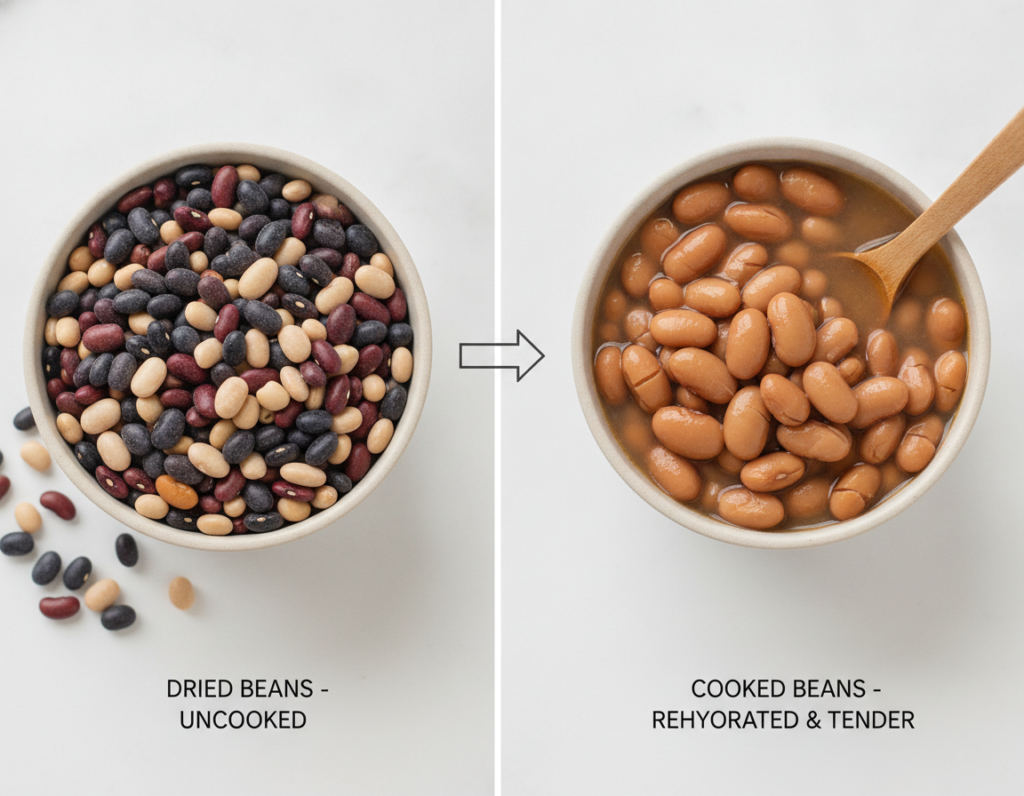
Pressure cook dried beans in the Instant Pot for even faster preparation. Unsoaked beans cook in thirty-five to forty minutes at high pressure. This eliminates overnight soaking while still delivering cost savings.
Buying in Bulk
Purchase spices from bulk bins rather than jarred options. Buying exactly what you need reduces waste and cost. Store bulk spices in airtight containers away from light and heat.
Stock up on canned tomatoes when they’re on sale. Tomatoes have a long shelf life and form the base of countless recipes. Buy multiple cans during sales for significant savings over time.
Dried chili peppers cost less than powder and you can blend your own. Purchase whole dried chilies, toast them lightly, and grind in a spice grinder. The flavor is superior and the cost is lower.
Seasonal Vegetable Swaps
Buy bell peppers when they’re in season and prices drop. Freeze diced peppers in portions for year-round use. Frozen peppers work perfectly in chili where texture softens anyway.
Use whatever onions are cheapest. Yellow, white, and red onions all work in this recipe. The flavor differences become negligible after cooking with strong spices.
Substitute frozen vegetables when fresh prices are high. Frozen corn, bell peppers, and even diced onions maintain quality and cost less than fresh. The convenience also saves time.
Budget-Friendly Plant-Based Meal Plans
Eating plant-based doesn’t mean spending more. Discover complete meal planning systems that show you how to create delicious, nutritious meals while staying within budget. Learn shopping strategies and batch cooking techniques that save money.
Frequently Asked Questions About Vegan Chili
Can I make vegan chili without beans?
Yes, you can make chili without beans by substituting additional vegetables or meat alternatives. Use diced mushrooms, crumbled tempeh, or textured vegetable protein for hearty texture. Increase vegetables like zucchini, bell peppers, and carrots to maintain substance. The result won’t be traditional three bean chili, but it’s delicious and still nutritious. Adjust cooking time since vegetables cook faster than beans.
How do I make this vegan chili recipe spicier?
Increase heat by adding fresh jalapeño or serrano peppers when you add the bell peppers. Include seeds for maximum spice or remove them for milder heat. Add cayenne pepper in quarter-teaspoon increments, tasting after each addition. Use hot chili powder instead of regular, or add chipotle peppers in adobo sauce for smoky heat. Red pepper flakes stirred in at the end provide adjustable heat that guests can customize.
What’s the best way to thicken vegan chili?
The best thickening method is continued simmering with the lid off to evaporate excess liquid. Mash some beans against the pot side to release starches naturally. Add one to two tablespoons of tomato paste for thickness and concentrated tomato flavor. Stir in a tablespoon of ground flaxseed or chia seeds which absorb liquid and add nutrition. Avoid flour or cornstarch as they can create unpleasant texture in chili.
Can I use fresh tomatoes instead of canned?
Fresh tomatoes work but require more preparation and cooking time. Use about two pounds of fresh tomatoes, blanched, peeled, and chopped. Simmer longer to break down fresh tomatoes and concentrate flavors. Canned tomatoes are processed at peak ripeness and provide consistent results year-round. If using fresh, choose very ripe tomatoes for best flavor and add an extra tablespoon of tomato paste for depth.
How long does leftover vegan chili last?
Store leftover chili in airtight containers in the refrigerator for up to five days. The chili actually tastes better after a day as flavors continue melding. Freeze portions for up to three months in freezer-safe containers or bags. Label with the date and remove excess air to prevent freezer burn. Thaw overnight in the refrigerator before reheating for food safety.
What can I substitute for soy sauce?
Tamari provides the same umami flavor and is gluten-free. Coconut aminos work for soy-free diets with slightly sweeter flavor. Liquid aminos offer similar savory notes. Use the same amount as the recipe specifies for soy sauce. Miso paste dissolved in a little water creates umami depth—use one tablespoon of paste mixed with one tablespoon water as replacement for two tablespoons soy sauce.
Is vegan chili good for meal prep?
Vegan chili is ideal for meal prep because it reheats beautifully and flavors improve over time. Divide into individual portions in meal prep containers for grab-and-go lunches. The chili maintains texture and flavor throughout the week. Freeze portions for longer storage. Pair with different toppings and sides throughout the week to prevent meal fatigue. The recipe scales easily for batch cooking.
Can I add vegetables to make it heartier?
Absolutely add more vegetables for nutrition and volume. Diced sweet potatoes, butternut squash, zucchini, mushrooms, or carrots all work wonderfully. Add harder vegetables like sweet potatoes with the bell peppers so they have time to soften. Stir in softer vegetables like zucchini during the last fifteen minutes of cooking. Corn adds sweetness and texture—stir it in near the end to maintain some firmness.
Start Making This Vegan Chili Recipe Today
This vegan chili recipe combines simplicity with sophisticated flavor that satisfies everyone at the table. The straightforward technique and common ingredients make it accessible for cooks of all skill levels.
The versatility means you can adapt this recipe to your preferences, dietary needs, and ingredient availability. Make it your own while maintaining the core techniques that guarantee success every time you cook.
Beyond the delicious taste, you’re creating a nutritious meal packed with protein, fiber, vitamins, and minerals. The plant-based nutrition supports your health goals while delivering comfort food satisfaction.
Whether you’re cooking for meal prep, family dinner, or entertaining friends, this vegan chili delivers consistent results. The recipe scales easily and stores beautifully for maximum convenience.
Start your plant-based cooking journey with confidence. This recipe provides the foundation for exploring more creative variations and developing your culinary skills. Each pot of chili teaches you something new about flavor building and technique.
Transform Your Plant-Based Cooking Skills
Ready to go beyond this recipe and master the complete spectrum of plant-based cooking? Access comprehensive programs that guide you through advanced techniques, meal planning strategies, and hundreds of delicious recipes. Build confidence in the kitchen while creating meals your whole family will love.
The simple act of preparing homemade meals connects you to your food and supports mindful eating. This vegan chili recipe becomes more than just dinner—it’s nourishment for body and soul.
Gather your ingredients and start cooking. Your kitchen will soon be filled with the irresistible aroma of simmering spices and tomatoes. That first spoonful of perfectly seasoned, hearty vegan chili will convince you that plant-based eating is anything but boring.
Share this recipe with friends and family who claim they could never enjoy vegan food. Let the flavors speak for themselves. Most people are amazed that something this delicious contains no animal products.
Remember that cooking is a journey of continuous learning and experimentation. Each time you make this vegan chili recipe, you’ll discover small ways to refine and personalize it. Embrace the process and enjoy every delicious bowl.