Healthy Smoothie Recipes for Kids That They’ll Actually Drink
Getting kids to eat nutritious foods can feel like an uphill battle. Every parent knows the struggle of trying to sneak vegetables into meals while keeping taste buds happy. Smoothies offer a perfect solution to this challenge.
This Website contains affiliate links. That means I may earn a small commission if you purchase through my links, at no extra cost to you.
These blended drinks combine fruits, vegetables, protein, and other nutrients into one delicious cup. Kids love the sweet taste and fun colors. Parents appreciate the vitamins and minerals packed into each serving.
The best part? Making smoothies takes just five minutes. You can customize recipes based on what your child enjoys and what ingredients you have on hand.
Why Smoothies Work for Picky Eaters
Smoothies hide vegetables in plain sight. The natural sweetness from fruit masks the taste of spinach, kale, and other greens. Kids drink down nutrients they would normally refuse on a plate.
The smooth texture appeals to children who dislike chunky foods. Blending breaks down ingredients into a consistent form that feels easy to consume.
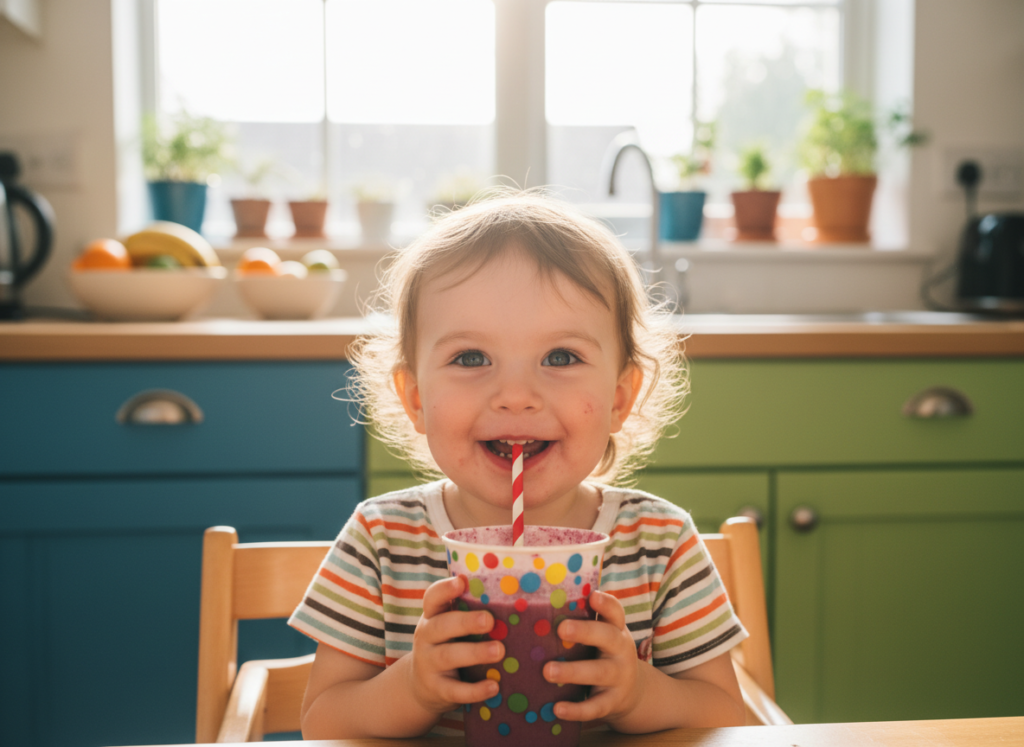
Cold smoothies taste refreshing on warm days. They work as breakfast, snack, or even dessert replacement. The versatility makes them practical for busy families.
You control every ingredient that goes into the blender. This means avoiding added sugars, artificial flavors, and preservatives found in store-bought options.
Essential Smoothie Ingredients Every Parent Needs
Base Liquids
Every smoothie needs liquid to blend properly. Cup milk serves as the most common base. Regular dairy milk, almond milk, coconut milk, and other non-dairy options all work well.
Plain water creates lighter smoothies. Coconut water adds natural electrolytes. Choose based on your child’s preferences and dietary needs.
Fruits for Natural Sweetness
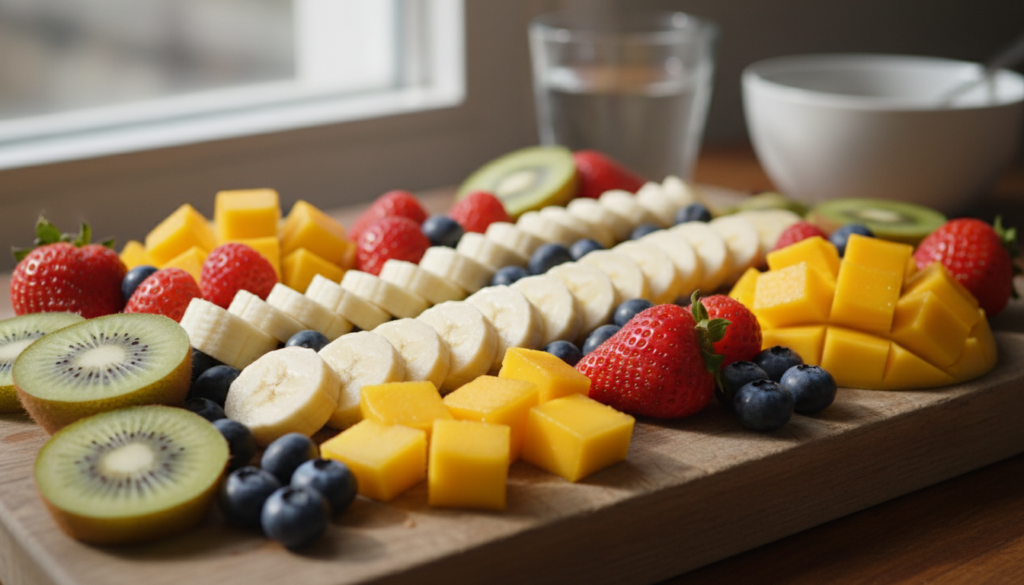
Frozen banana forms the foundation of most smoothie recipes. It creates creamy consistency without ice cream. Keep ripe bananas in your freezer for quick smoothie prep.
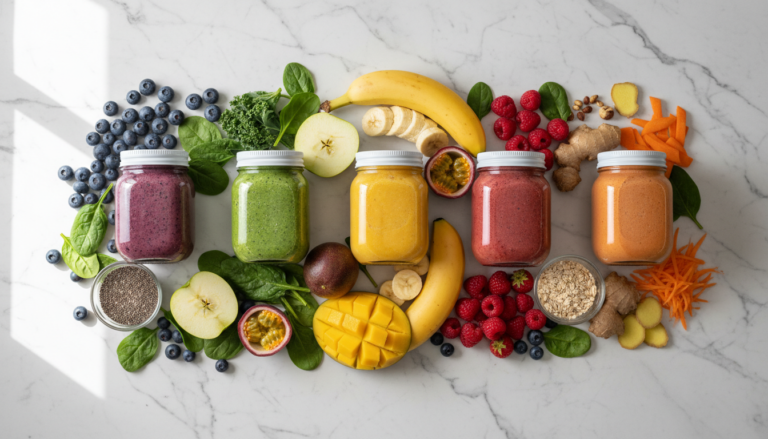
Strawberries add bright flavor and vitamin C. Mango brings tropical sweetness. Berries provide antioxidants. Mix different fruit combinations to discover what your kid loves most.
Protein Boosters
Protein powder turns smoothies into complete meals. Choose unflavored or vanilla varieties designed for children. Greek yogurt adds protein and creates thick texture.
Nut butter contributes healthy fats and keeps kids full longer. Almond butter, peanut butter, and sunflower seed butter all work beautifully in smoothies.
Hidden Vegetables
Spinach blends invisibly into fruit smoothies. The mild taste disappears under sweet ingredients. Start with one cup of spinach and increase gradually.
Frozen cauliflower florets add creaminess without flavor. Carrots bring natural sweetness. Cucumber adds hydration without affecting taste.
Nutritional Add-Ins
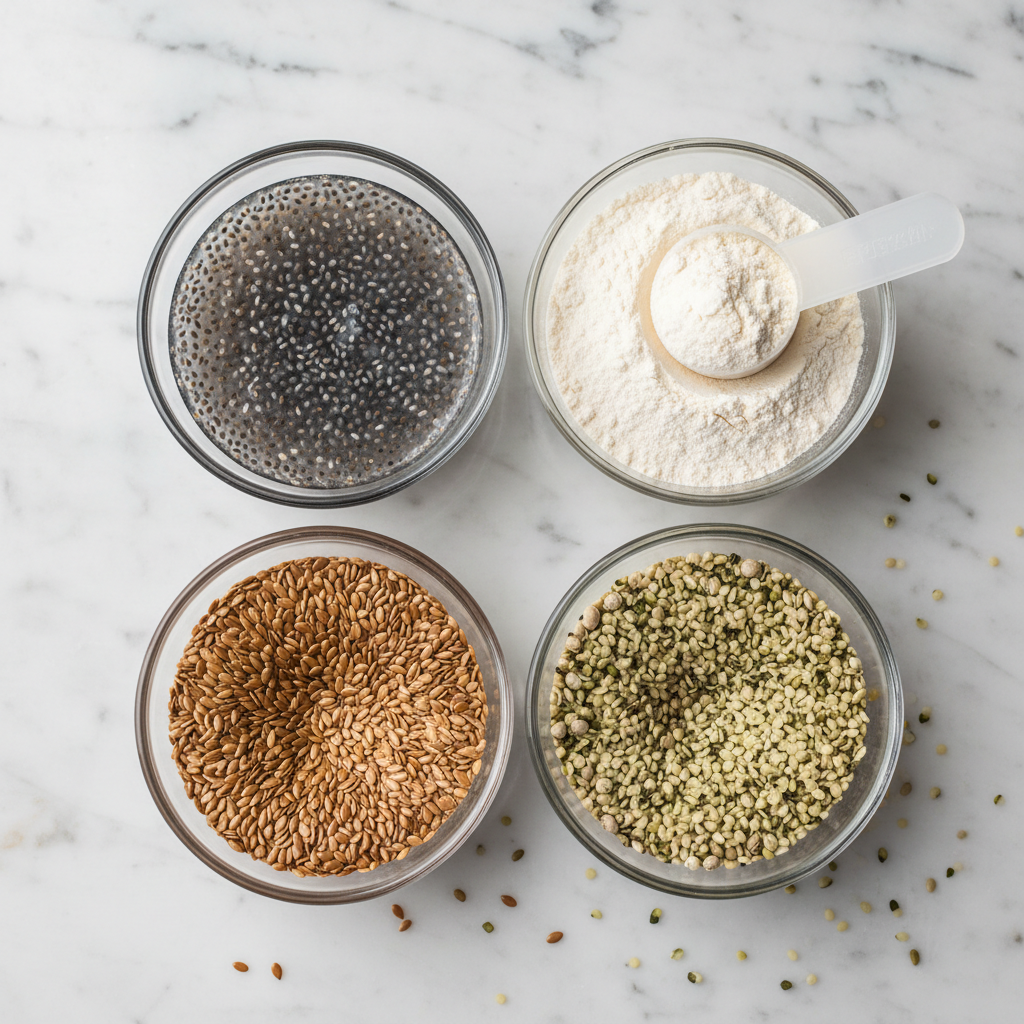
Chia seeds provide omega-3 fatty acids and fiber. They thicken smoothies as they absorb liquid. Add one tablespoon per serving.
Ground flaxseed boosts nutrition without changing taste. Hemp hearts add complete protein. Cocoa powder creates chocolate flavor kids adore.
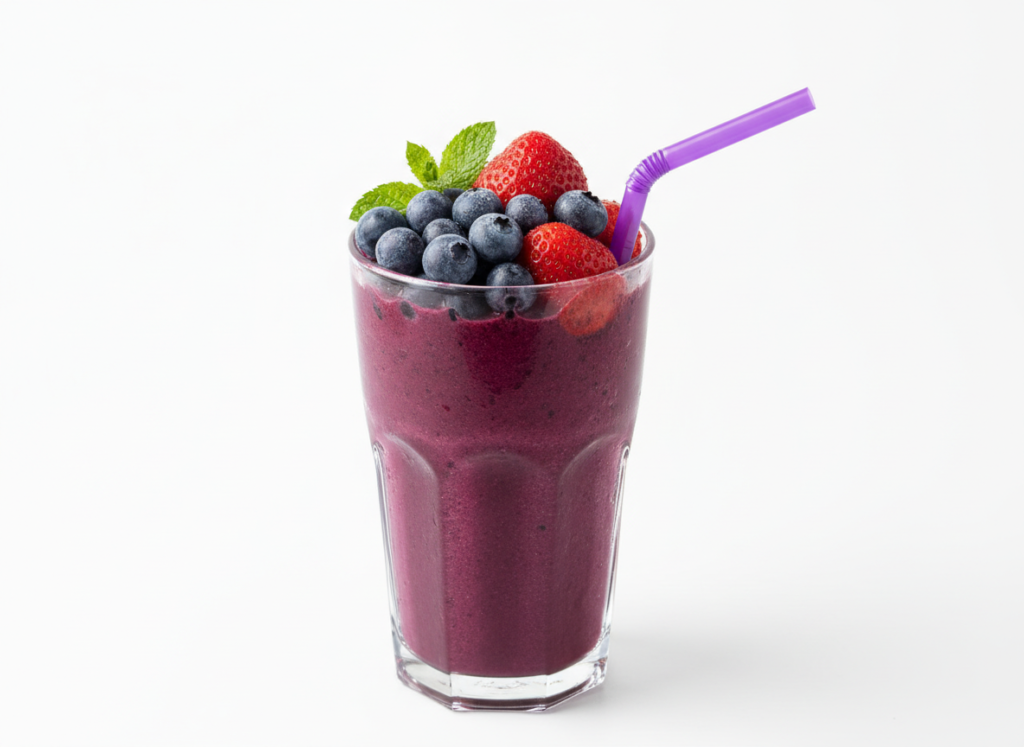
Berry Blast Smoothie
Ingredients
- 1 cup frozen mixed berries
- 1 frozen banana
- 1 cup milk of choice
- 1/2 cup plain greek yogurt
- 1 tablespoon chia seeds
- 1 teaspoon honey or maple syrup
Instructions
- Add all ingredients to your blender in the order listed
- Blend on high speed for 45 seconds until completely smooth
- Check consistency and add more milk if too thick
- Pour into cups and serve immediately
This recipe creates a thick, creamy texture kids love. The berries provide antioxidants while banana adds natural sweetness. Greek yogurt delivers protein to keep children satisfied until their next meal.
Adjust thickness by varying the milk amount. Some kids prefer thicker smoothies they can eat with a spoon from a bowl. Others want thinner consistency for drinking through a straw.
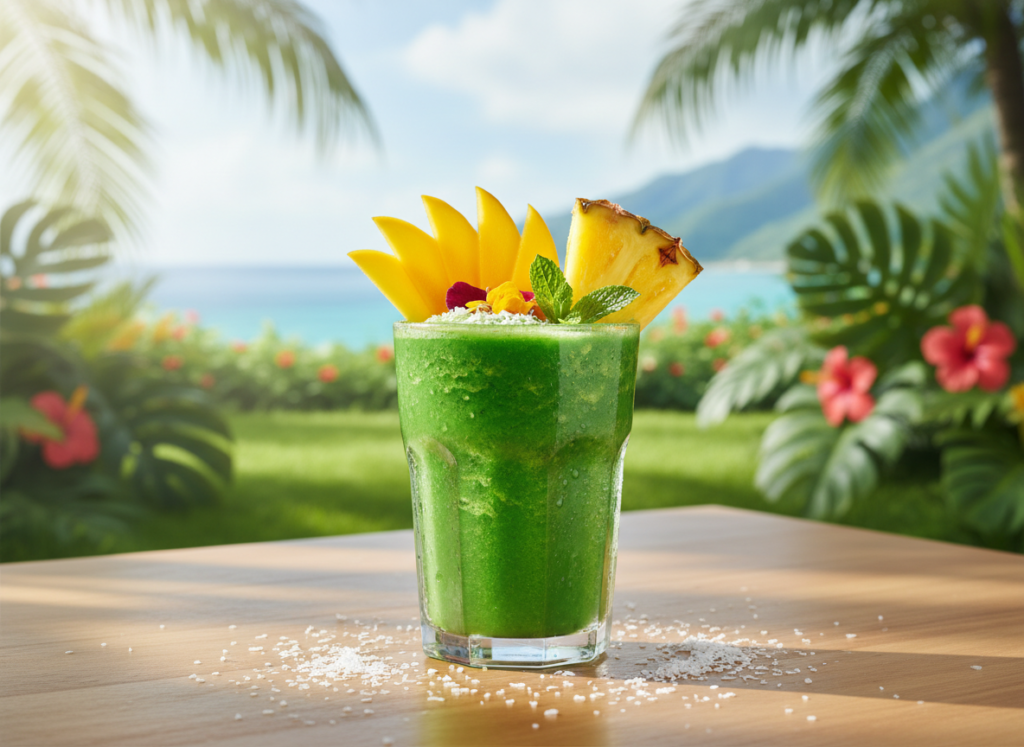
Tropical Green Machine
Ingredients
- 1 cup frozen mango chunks
- 1 cup fresh spinach leaves
- 1/2 frozen banana
- 1 cup coconut milk
- 1 tablespoon almond butter
- 1/2 cup frozen pineapple
Instructions
- Place spinach and coconut milk in blender first
- Add remaining fruit and almond butter on top
- Blend until no green flecks remain visible
- Taste and add maple syrup if needed for sweetness
The mango and pineapple completely mask the spinach flavor. Kids see a fun green color but taste only tropical fruit. This smoothie sneaks in a full serving of vegetables without complaints.
Coconut milk creates rich, creamy consistency. The healthy fats from almond butter provide sustained energy. This recipe works perfectly as a breakfast replacement or after-school snack.
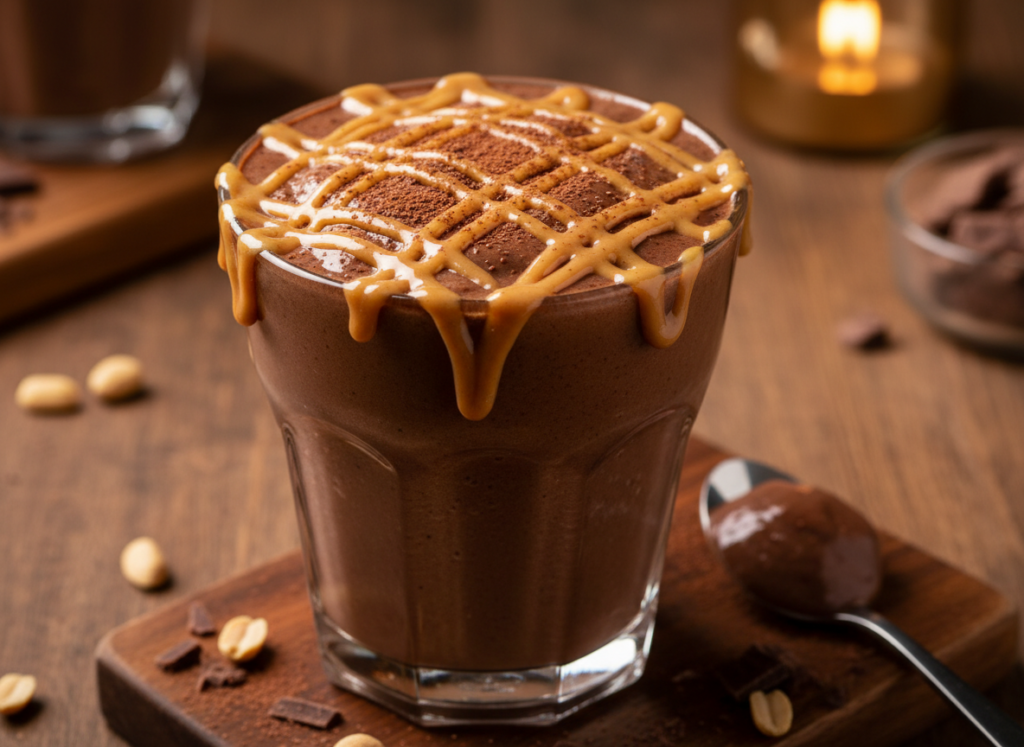
Chocolate Peanut Butter Power
Ingredients
- 2 frozen bananas
- 1 cup milk
- 2 tablespoons peanut butter
- 2 tablespoons cocoa powder
- 1 scoop chocolate protein powder
- 1 tablespoon chia seeds
- Ice cubes for thickness
Instructions
- Combine milk, peanut butter, and cocoa powder first
- Add frozen bananas and protein powder
- Include chia seeds and ice cubes
- Blend until smooth and creamy like a milkshake
This smoothie tastes like dessert but delivers serious nutrition. The combination of banana, peanut butter, and protein powder creates a filling meal replacement.
Cocoa powder provides antioxidants and chocolate flavor kids crave. Chia seeds add omega-3s without affecting the taste. Serve this after sports practice or as a breakfast on busy mornings.
Take Your Child’s Nutrition to the Next Level
These smoothie recipes are just the beginning. Discover a complete system for raising healthy eaters with proven strategies that work for even the pickiest children. Get access to meal plans, nutrition guides, and expert tips trusted by thousands of parents.
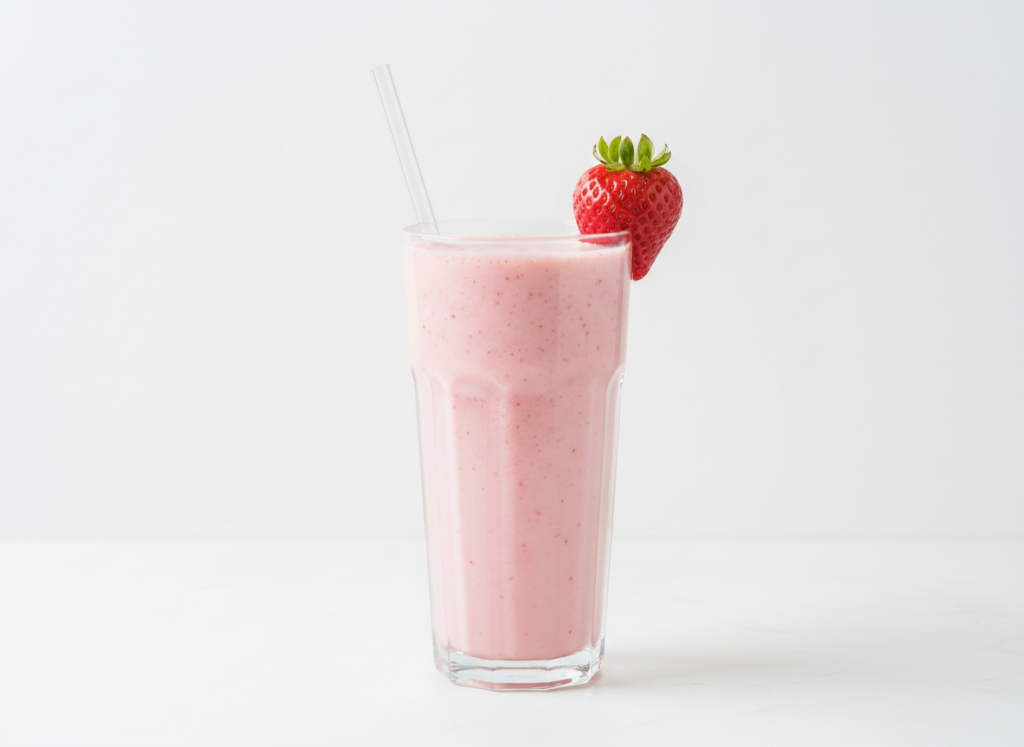
Strawberry Banana Classic
Ingredients
- 1 cup frozen strawberries
- 1 frozen banana
- 1 cup milk of choice
- 1/2 cup plain greek yogurt
- 1 teaspoon vanilla extract
- 1 tablespoon honey if needed
Instructions
- Add milk and yogurt to blender base
- Top with frozen fruit and vanilla
- Blend until completely smooth with no chunks
- Adjust sweetness with honey if desired
This timeless combination never fails with kids. The familiar flavors create an easy introduction to smoothies for hesitant children.
Strawberries provide vitamin C and fiber. Banana adds potassium and creamy texture. Greek yogurt contributes calcium and protein. This simple recipe becomes a reliable favorite.
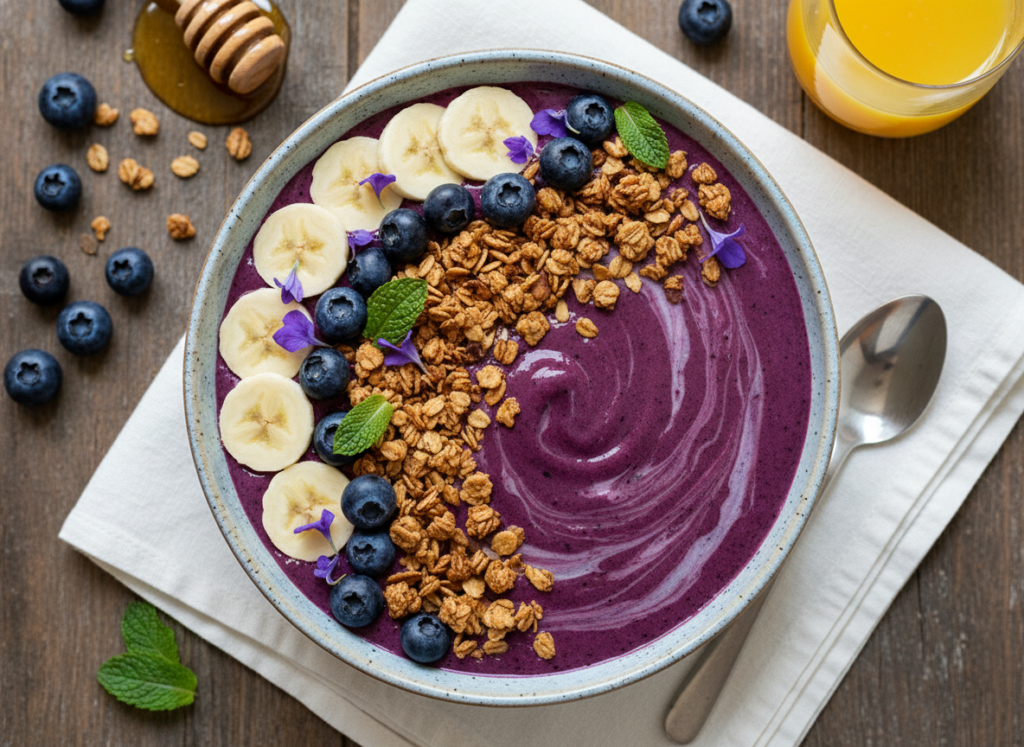
Blueberry Oat Breakfast Bowl
Ingredients
- 1 cup frozen blueberries
- 1 frozen banana
- 1/2 cup rolled oats
- 1 cup milk
- 1 tablespoon almond butter
- 1 teaspoon maple syrup
Instructions
- Blend oats first to create fine powder
- Add remaining ingredients to blender
- Blend until thick and spoonable consistency
- Pour into a bowl and add favorite toppings
This recipe creates a thicker smoothie meant for eating with a spoon. The oats add fiber and create satisfying texture. Kids enjoy choosing their own toppings.
Try granola, coconut flakes, additional fresh fruit, or a drizzle of nut butter on top. The bowl format makes smoothies feel more like a fun meal than just a drink.
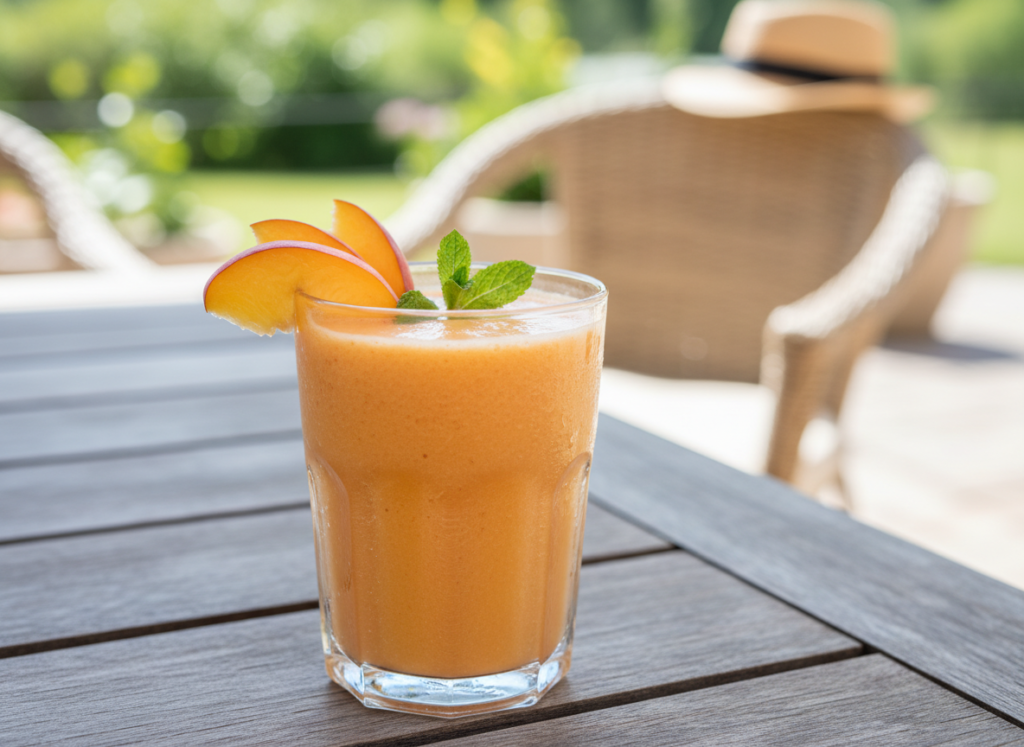
Peachy Keen Smoothie
Ingredients
- 1 cup frozen peaches
- 1/2 cup frozen mango
- 1 frozen banana
- 1 cup plain greek yogurt
- 1/2 cup orange juice
- 1 tablespoon chia seeds
Instructions
- Combine orange juice and yogurt first
- Add all frozen fruit pieces
- Sprinkle chia seeds on top
- Blend until creamy and smooth throughout
Peaches bring gentle sweetness and vitamins. The orange juice adds vitamin C and creates a thinner consistency perfect for drinking.
This recipe works beautifully during summer when fresh peaches are abundant. Freeze ripe peaches in slices for year-round smoothie making. The combination tastes like sunshine in a cup.
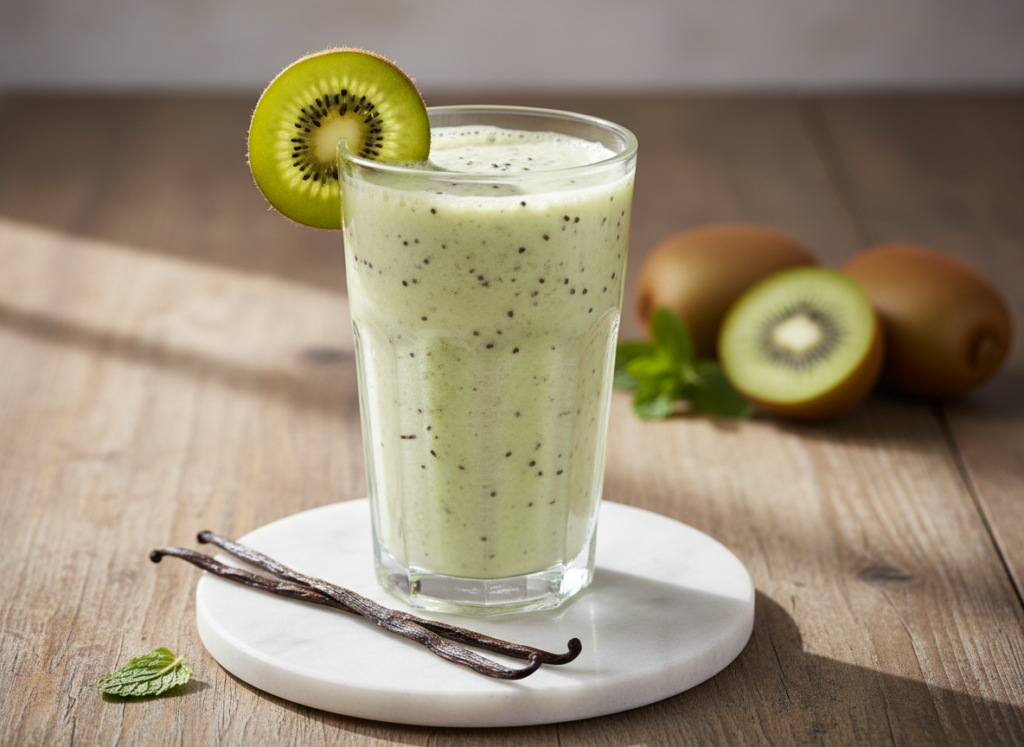
Vanilla Kiwi Dream
Ingredients
- 2 kiwi fruits, peeled
- 1 frozen banana
- 1 cup coconut milk
- 1/2 cup frozen pineapple
- 1 teaspoon vanilla extract
- 1 tablespoon honey
- 1/2 cup spinach optional
Instructions
- Peel kiwi and cut into quarters
- Add coconut milk and vanilla to blender
- Include all fruit and optional spinach
- Blend until no kiwi seeds are visible
Kiwi provides unique tangy-sweet flavor that stands out from typical smoothies. The fruit contains more vitamin C than oranges plus beneficial fiber.
Vanilla extract enhances the natural sweetness. Coconut milk creates tropical flavor. Kids enjoy the bright green color and fun taste. This recipe introduces children to new fruits in an approachable way.
Health Benefits of Kid-Friendly Smoothies
Vitamin and Mineral Intake
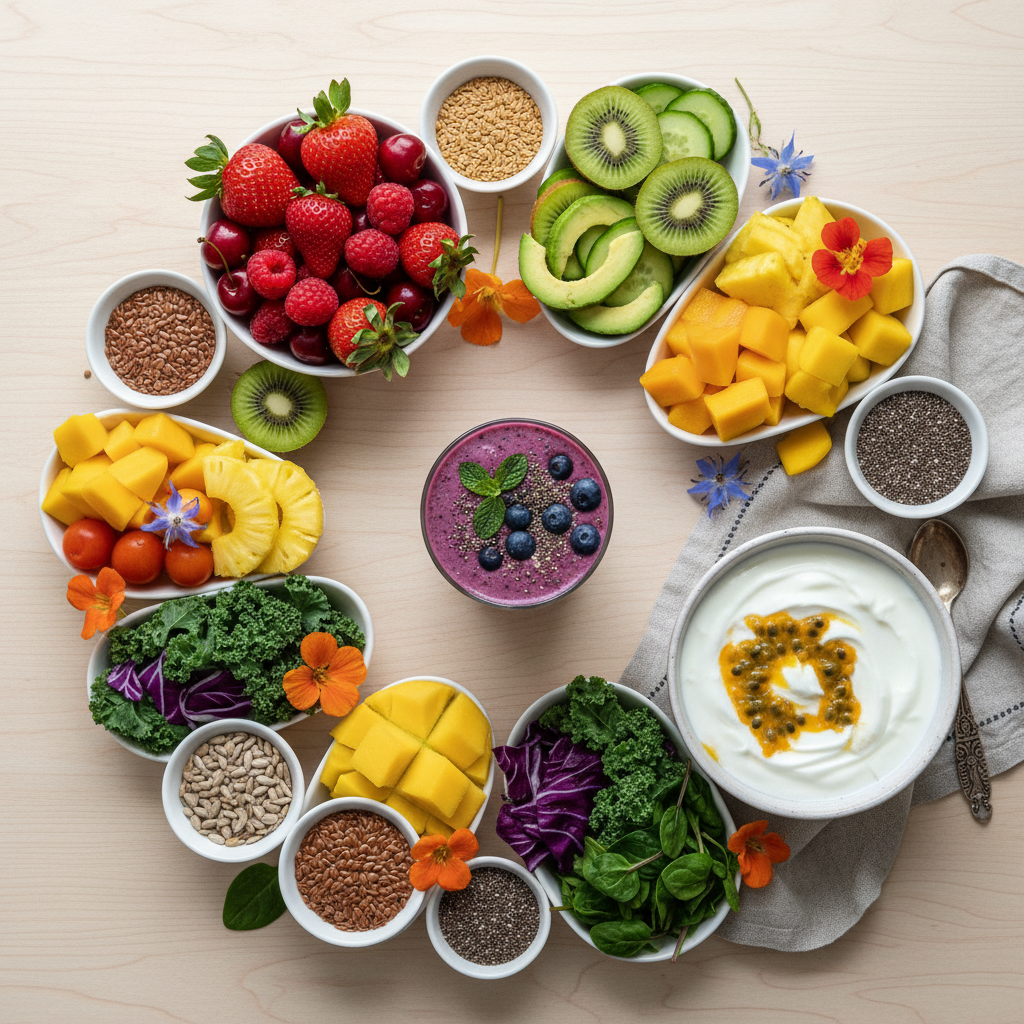
Smoothies pack multiple servings of fruit and vegetables into one cup. Kids consume vitamins A, C, and K without realizing it. The blending process breaks down cell walls, making nutrients easier to absorb.
Calcium from yogurt and milk supports growing bones. Iron from spinach aids brain development. Potassium from bananas helps muscle function. Each smoothie delivers a spectrum of essential nutrients.
Digestive Health
Fiber from fruits, vegetables, chia seeds, and oats supports healthy digestion. Kids who struggle with constipation benefit from regular smoothie consumption.
The liquid format makes nutrients gentle on sensitive stomachs. Probiotics from yogurt promote gut health. Smoothies work well for children recovering from illness who need easy-to-digest nutrition.
Energy and Focus
Natural sugars from fruit provide quick energy without the crash of processed foods. Protein from yogurt, powder, and nut butter sustains energy levels throughout the day.
Omega-3 fatty acids from chia seeds support brain function. Complex carbohydrates from oats provide steady fuel. Kids who drink smoothies for breakfast show better concentration at school.
Hydration Support
Many children do not drink enough water during the day. Smoothies contribute to daily fluid intake while delivering nutrition simultaneously.
The high water content in fruits and vegetables keeps kids hydrated. Coconut water adds natural electrolytes. Smoothies become especially important during hot weather or after physical activity.
Expert Tips for Making Smoothies Kids Will Love
Start Simple and Build Gradually
Begin with basic fruit combinations your child already enjoys. Strawberry banana or mango pineapple create familiar flavors. Once they accept the smoothie habit, slowly introduce new ingredients.
Add spinach one handful at a time. Increase protein powder gradually. This approach prevents overwhelming picky eaters with too many changes at once.
Involve Kids in the Process
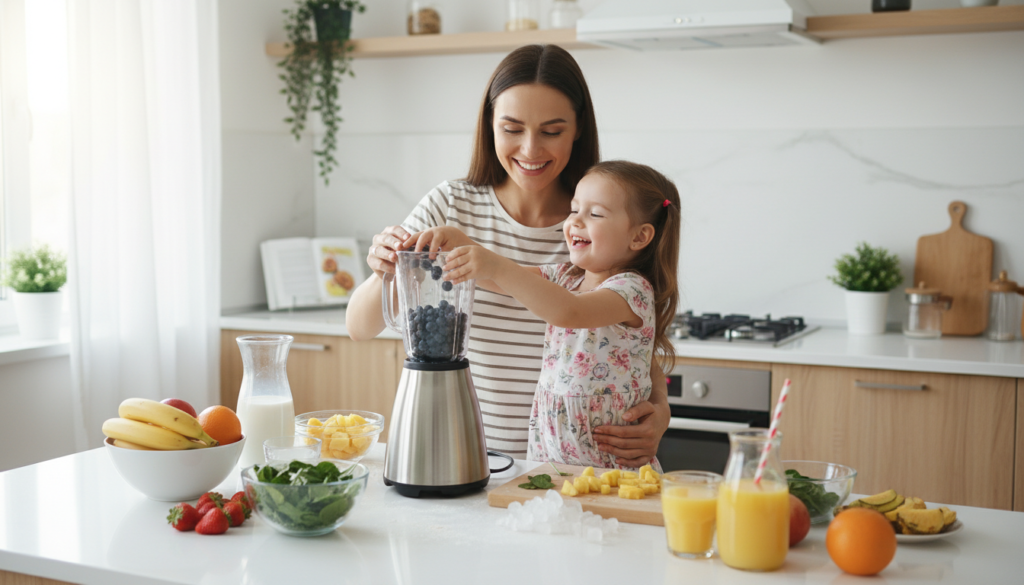
Let children choose which fruits go into the blender. They feel ownership over creations they help design. Provide options and let them decide the combination.
Young kids can wash fruit and add ingredients to the blender. Older children can operate the blender with supervision. Participation increases the likelihood they will drink the finished product.
Make It Visually Appealing
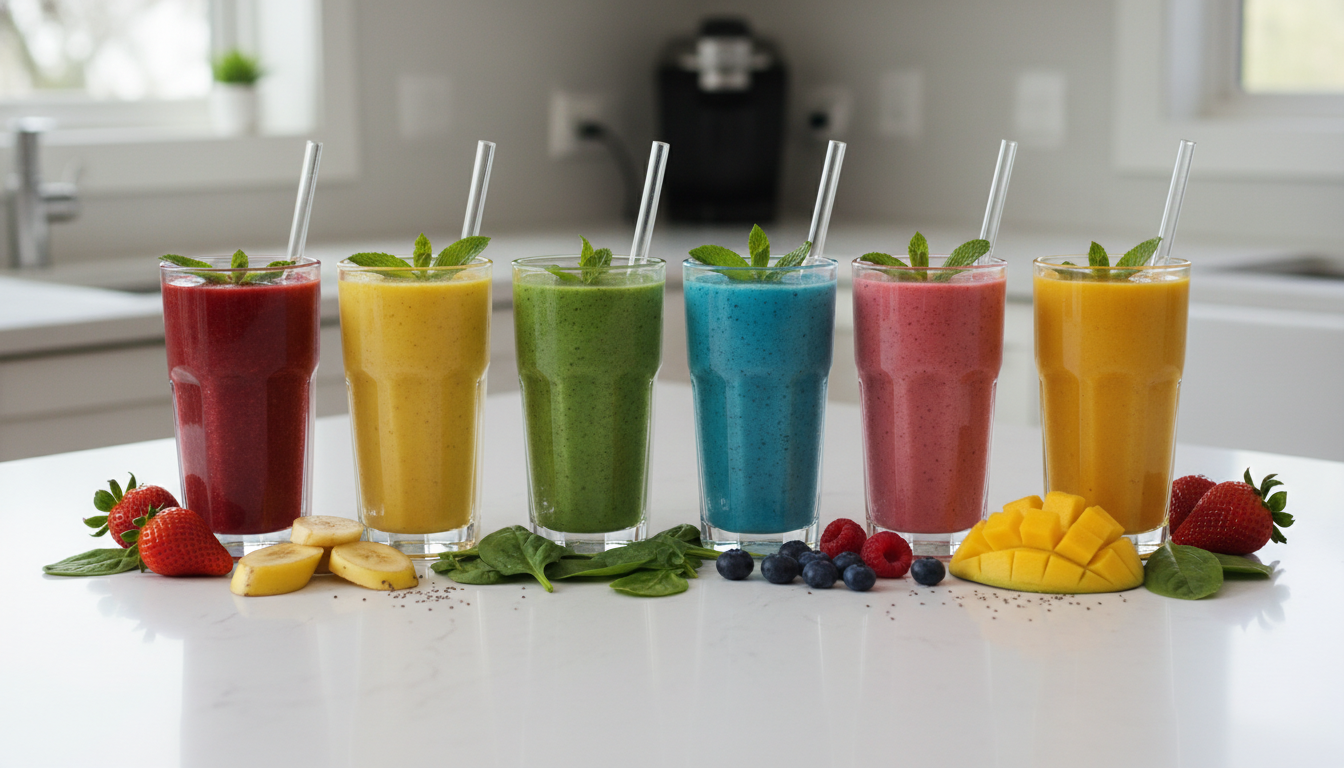
Pour smoothies into fun cups or clear glasses that show off bright colors. Add colorful straws or silly decorative elements. Presentation matters to children.
Create smoothie art by layering different colored smoothies. Freeze one recipe in the cup, then pour another color on top. The visual appeal captures attention.
Perfect Your Consistency
Consistency determines whether kids will drink your smoothie. Too thick and they cannot sip through a straw. Too thin and it feels like juice rather than a filling snack.
Frozen banana creates ideal thickness without watering down flavor. Add liquid gradually during blending. You can always thin a smoothie but cannot easily thicken one.
Some children prefer smoothie bowl consistency they can eat with a spoon. Use less liquid and more frozen fruit. Top with crunchy elements for texture contrast.
Prep Ingredients in Advance
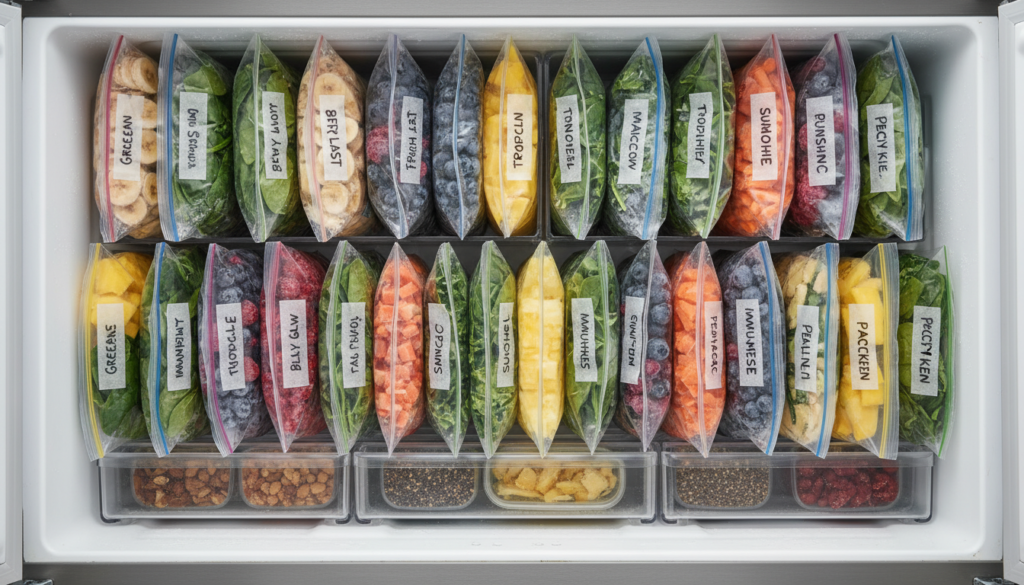
Portion smoothie ingredients into freezer bags for grab-and-go convenience. Each bag contains everything needed for one recipe except the liquid.
When smoothie time arrives, dump the freezer bag contents into the blender and add milk. This method saves time on busy mornings and ensures you always have smoothie supplies ready.
Peel and slice bananas before freezing. Wash and portion berries. Pre-measure protein powder and seeds. Preparation prevents the excuse that smoothies take too long to make.
Use High-Quality Blender
A powerful blender creates smooth consistency without chunks. Kids reject smoothies with leafy bits or ice chunks floating around.
Invest in a blender with at least 1000 watts of power. The motor should handle frozen fruit easily. A good blender makes the difference between smooth or grainy texture.
Temperature Matters
Most kids prefer cold smoothies. Using frozen fruit eliminates the need for ice which can water down flavor. Keep ingredients frozen until blending time.
Some children enjoy smoothies slightly less cold. Let the cup sit for a minute after blending. Others want extra-thick, almost frozen consistency. Adjust based on individual preferences.
Address Texture Concerns
If your child dislikes pulp or seeds, strain the smoothie through a fine mesh strainer. This removes raspberry seeds, strawberry seeds, or any remaining vegetable pieces.
Choose seedless fruits when possible. Blend longer to completely break down all ingredients. The goal is completely smooth texture that appeals to sensitive palates.
Common Smoothie Mistakes to Avoid
Using Too Much Fruit
While fruit provides natural sweetness, too much creates sugar overload. Balance fruit with protein, healthy fats, and vegetables. Aim for one to two cups of fruit per smoothie.
Skipping Protein
Fruit-only smoothies cause blood sugar spikes and crashes. Add protein powder, yogurt, or nut butter to create balanced nutrition. Protein keeps kids satisfied longer.
Adding Too Many Ingredients
Keep recipes simple with four to six ingredients. Complex combinations overwhelm the blender and create confusion for taste buds. Simple smoothies taste better.
Not Adjusting for Age
Toddlers need smaller portions than teenagers. Young children may require simpler flavors. Adjust serving sizes and complexity based on your child’s age and appetite.
Smoothie Storage and Meal Prep Ideas
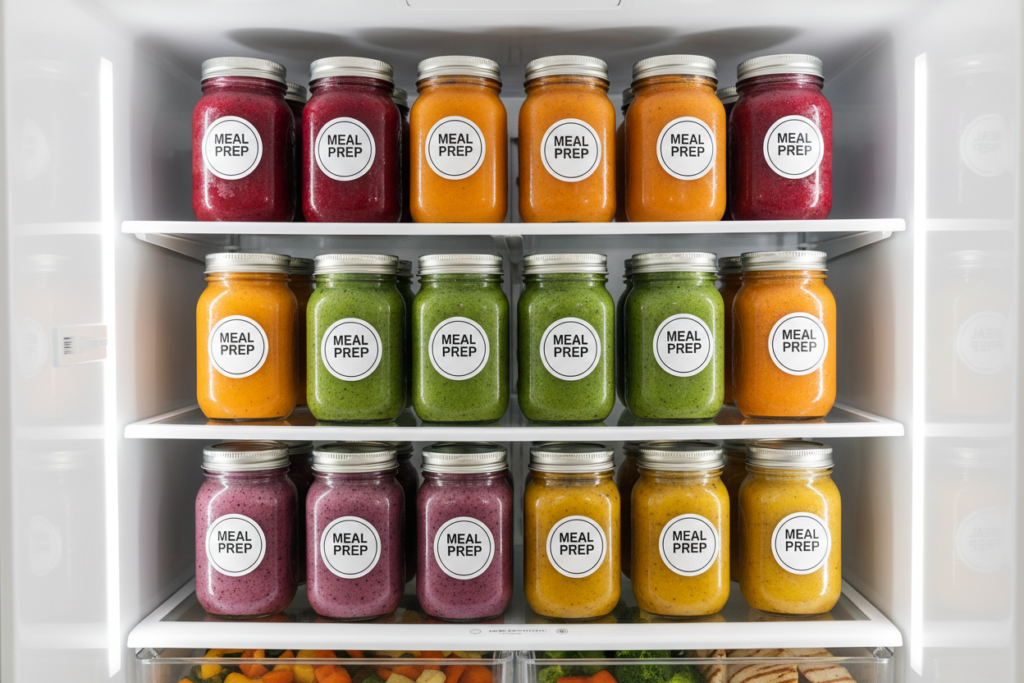
Refrigerator Storage
Freshly made smoothies taste best immediately. However, you can store them in the refrigerator for up to 24 hours. Use airtight containers or mason jars with tight lids.
Separation occurs naturally as smoothies sit. Shake vigorously before serving. The texture and taste remain good despite the appearance change.
Freezer Storage
Pour smoothies into ice cube trays and freeze. Pop out the cubes and store in freezer bags. When ready to serve, blend the cubes with a small amount of milk.
This method works perfectly for kids who want popsicles. Pour smoothie into popsicle molds for a healthy frozen treat. The fruit-based popsicles provide nutrition kids love.
Batch Preparation
Make large batches on weekends for the entire week. Portion into individual servings and freeze in cups. Remove from freezer the night before and let thaw in the refrigerator.
By morning, the smoothie reaches perfect drinkable consistency. This approach eliminates morning stress while ensuring kids get nutrition daily.
Master Meal Planning for Your Entire Family
Smoothies are just one piece of the puzzle. Transform your family’s eating habits with a comprehensive meal planning system that saves time, reduces stress, and ensures balanced nutrition every day. Join parents who have discovered the secret to stress-free, healthy family meals.
Troubleshooting Common Smoothie Problems
My child says smoothies taste too healthy
This usually means not enough sweetness. Add an extra frozen banana or a teaspoon of honey. Start with more fruit and less vegetables. Gradually adjust the ratio as their palate adapts. Cocoa powder makes smoothies taste like chocolate milk.
The smoothie is too thick to drink
Add liquid in small amounts while blending. Start with two tablespoons of milk at a time. Too much liquid thins it excessively. You can also let the smoothie sit for one minute to soften slightly before serving.
Green smoothies look unappetizing
Use dark berries like blueberries to mask the green color. Frozen mango also helps create orange tones. Serve in opaque cups if color remains an issue. Focus on taste rather than appearance when introducing vegetables.
My blender leaves chunks of vegetables
Blend leafy greens with liquid first before adding other ingredients. This creates a smooth base. Use a high-powered blender if possible. Blend for longer periods, at least 60 seconds. Frozen spinach blends smoother than fresh.
Creating a Smoothie Routine That Sticks
Healthy smoothie recipes for kids transform nutrition from a battle into an enjoyable routine. The recipes shared here provide a starting point for your family’s smoothie journey.
Start with familiar fruit combinations. Gradually introduce new ingredients and vegetables. Involve your children in the process to build excitement and ownership.
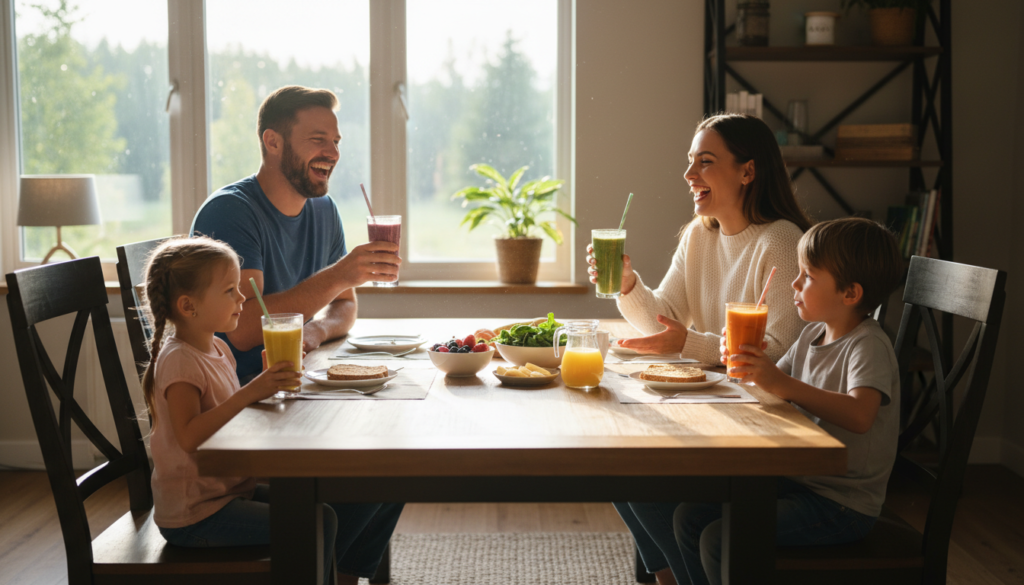
Remember that every child has unique preferences. What works for one may not work for another. Experiment with different recipes, ingredients, and presentations until you discover winning combinations.
The goal extends beyond just getting vegetables into your child. Smoothies teach kids that healthy food tastes good. They provide consistent nutrition that supports growth and development.
Keep ingredients stocked and ready. Make smoothie-making a regular part of your routine. Over time, children develop positive associations with these nutritious drinks.
These simple blended recipes offer powerful nutrition in an appealing format. Your child gets essential vitamins, minerals, protein, and fiber without complaint. That represents a victory every parent can celebrate.