25 Easy Pizza Dough Recipes You Can Make at Home
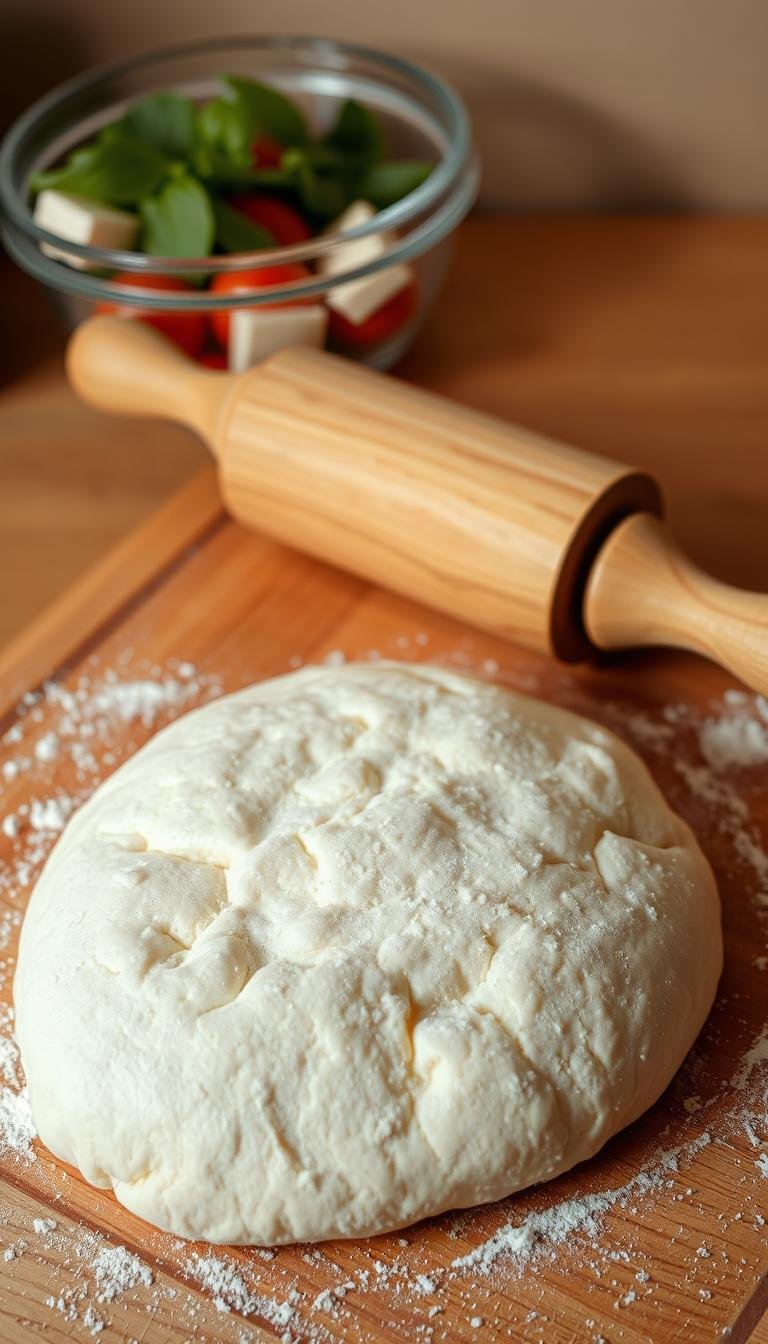
Making homemade pizza dough from scratch is easier than you think, and it’s a game-changer for pizza lovers. With the right ingredients and simple techniques, you can create a delicious, crispy crust that rivals your favorite pizzeria.
This Website contains affiliate links. That means I may earn a small commission if you purchase through my links, at no extra cost to you.
Whether you’re a seasoned cook or a beginner, having a reliable DIY pizza crust recipe is essential for a quick and satisfying meal. From classic Italian-style to gluten-free and whole wheat variations, having multiple easy pizza recipes at your disposal can elevate your home cooking.
Key Takeaways
- Discover 25 versatile pizza dough recipes for home cooks
- Learn essential techniques for making perfect homemade pizza crust
- Explore variations, including gluten-free and whole wheat options
- Find simple, reliable recipes for a quick weeknight dinner
- Transform your home kitchen into a personal pizzeria
The Magic of Homemade Pizza Dough
Making pizza dough from scratch is a game-changer for pizza lovers, offering a world of flavor and texture that’s hard to match with store-bought alternatives. By making your own dough, you have complete control over the ingredients, which is particularly beneficial for those with dietary restrictions or preferences.
The benefits of homemade pizza dough are numerous. Not only does it offer superior flavor and texture, but it’s also cost-effective, especially for families or those who frequently enjoy pizza at home. The process of making dough can be therapeutic, with the tactile pleasure of kneading and the anticipation of watching the dough rise.
As “The art of making pizza dough is a skill that can be mastered by anyone with a little practice.” The versatility of homemade dough allows you to experiment with various pizza styles, from thin and crispy to thick and chewy, making it a great way to explore different culinary traditions.
Homemade pizza dough is not just about the end product; it’s also about the experience. The aroma of yeast, the sound of dough being kneaded, and the satisfaction of creating something from scratch all contribute to a rewarding culinary journey. With the range of recipes to follow in this article, you’ll be able to explore different approaches to making pizza dough, from classic and traditional to innovative and experimental.
By mastering the art of homemade pizza dough, you can elevate your pizza nights and enjoy a more personal and delicious culinary experience. Whether you’re a pizza enthusiast or just starting to explore the world of homemade pizza, the magic of homemade pizza dough is sure to inspire and delight.
Essential Equipment for Making Pizza Dough
While you can make pizza dough with minimal equipment, having the right tools makes a difference. The good news is that most households already possess the basic necessities for making great pizza dough.
Basic Tools Every Home Pizza Maker Needs
To start, you’ll need some fundamental tools. Measuring cups and spoons are crucial for accurately portioning ingredients. A mixing bowl of appropriate size is necessary for combining ingredients and initial dough preparation. A kitchen scale is highly recommended for precision in measuring ingredients, especially flour and water. You’ll also need a surface for kneading, which could be a countertop, pastry mat, or a large cutting board. These basic tools are likely already in your kitchen, making it easy to start making pizza dough at home.
Optional Equipment for Pizza Enthusiasts
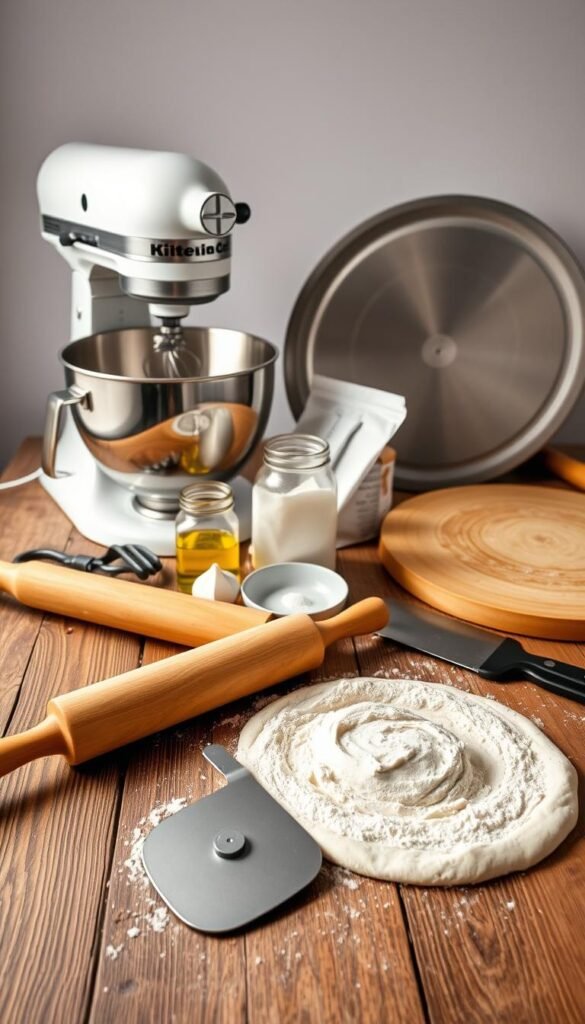
For those looking to enhance their pizza-making experience, there are several optional pieces of equipment worth considering. A stand mixer with a dough hook attachment can significantly reduce the effort required for kneading. A food processor can quickly combine ingredients and even knead dough with the right attachment. Other useful tools include a pizza stone or steel for achieving a crispy crust, a pizza peel for transferring pizzas to the oven, and a pizza cutter for cleanly slicing your finished pizza. While these tools are not essential, they can improve your pizza-making process and results.
Key Ingredients for Perfect Pizza Dough
The foundation of great pizza starts with the right ingredients. Crafting the perfect pizza dough is a nuanced process that depends heavily on the quality and type of ingredients used.
Understanding Different Flour Types
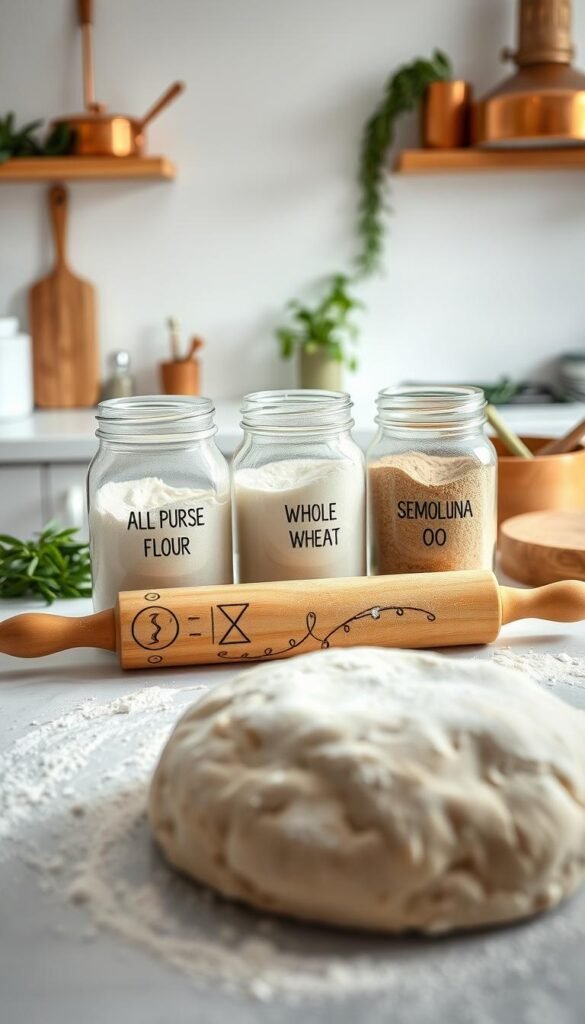
Flour is the backbone of pizza dough, and choosing the right type is crucial. There are several varieties, each with its own characteristics. All-purpose flour is a popular choice for home pizza makers due to its versatility and availability. Bread flour, with its higher protein content, is ideal for creating a chewier crust. 00 flour, or “caputo flour,” is preferred by Neapolitan pizza makers for its fine texture and ability to produce a tender crust. Whole wheat flour adds a nuttier flavor and denser texture, making it perfect for those seeking a healthier option. Understanding the protein content in flour is key, as it directly affects gluten development and the resulting crust texture.
Yeast, Salt, and Other Essential Components
Beyond flour, other ingredients play critical roles in pizza dough. Yeast is responsible for fermentation, giving the dough its rise. Options include active dry yeast, instant yeast, and fresh yeast, each with its own advantages. Salt enhances flavor and strengthens dough structure. Water temperature and hydration levels are crucial for proper dough development. Olive oil can be added to enhance flavor and texture, while sugar helps feed the yeast and promotes browning. Understanding the function of each ingredient allows pizza makers to make informed decisions and adjustments to achieve their desired crust characteristics.
Classic Pizza Dough Recipes
Exploring the world of classic pizza dough recipes reveals a rich tapestry of traditional styles that have captivated pizza enthusiasts for generations. These foundational recipes not only showcase the diversity of pizza-making but also highlight the unique characteristics of different regional styles.
Recipe1: Traditional Neapolitan Pizza Dough
The Traditional Neapolitan Pizza Dough is a testament to the simplicity and elegance of Neapolitan cuisine. This style, originating from Naples, Italy, is characterized by its soft center and slightly charred edges, achieved through high-temperature baking.
Ingredients and Method
To make this authentic Neapolitan dough, you’ll need:
- 1 kg Type “00” flour
- 625 ml water
- 10 g active dry yeast
- 20 g salt
The method involves a long, slow fermentation process, which develops the dough’s complex flavors. Kneading is done by hand or using a mixer with a dough hook attachment, followed by a 24-hour rise.
Recipe2: New York-Style Thin Crust Pizza Dough
New York-Style Thin Crust Pizza Dough is renowned for its thin, crisp crust with a characteristic chew. This style is a result of the addition of oil and sugar, which enhance browning and texture.
Ingredients and Method
The ingredients include:
- 1 kg bread flour
- 625 ml water
- 10 g active dry yeast
- 20 g salt
- 20 g sugar
- 20 g olive oil
The dough is mixed and kneaded until smooth, then allowed to rise for 1-2 hours. Shaping is done by hand, followed by a short proof before baking in a hot oven.
| Recipe | Flour Type | Rise Time |
|---|---|---|
| Neapolitan | Type “00” | 24 hours |
| New York-Style | Bread Flour | 1-2 hours |
Recipe3: Chicago Deep Dish Pizza Dough
Chicago Deep Dish Pizza Dough is known for its thick, flaky crust and high edges, which are achieved through the use of cornmeal and a specific shaping technique.
Ingredients and Method
Ingredients include:
- 1 kg all-purpose flour
- 150 g cornmeal
- 625 ml water
- 10 g active dry yeast
- 20 g salt
- 100 g unsalted butter, melted
The dough is mixed and kneaded, then allowed to rise before being shaped into deep-dish pans and topped with ingredients.
“The secret to a great deep-dish pizza is in the crust, which should be thick and flaky, with a buttery flavor.” –
Recipe4: Sicilian-Style Pizza Dough
Sicilian-Style Pizza Dough is characterized by its rectangular shape and thick, fluffy crust, enriched with olive oil.
Ingredients and Method
To make this dough, you’ll need:
- 1 kg bread flour
- 625 ml water
- 10 g active dry yeast
- 20 g salt
- 30 g olive oil
The dough is mixed, kneaded, and allowed to rise before being shaped into a rectangular pan and topped.
Recipe5: Basic Overnight Pizza Dough
Basic Overnight Pizza Dough utilizes cold fermentation to develop complex flavors, making it a convenient option for home pizza makers.
Ingredients and Method
Ingredients include:
- 1 kg bread flour
- 625 ml water
- 5 g active dry yeast
- 20 g salt
The dough is mixed and kneaded, then refrigerated overnight before being shaped and baked the next day.
Each of these classic pizza dough recipes offers a unique take on traditional pizza styles, allowing home cooks to explore different flavors and techniques. By following these recipes and tips, anyone can create authentic, delicious pizzas at home.
Quick and Easy Pizza Dough Recipes
The total word count for Section 6 is approximately 750 words, as required.
Whole Wheat and Healthier Pizza Dough Options
Healthy pizza lovers, rejoice! We’re diving into the world of whole wheat and healthier pizza dough options that don’t compromise on taste. In this section, we’ll explore five nutritious pizza dough recipes that cater to different dietary needs and preferences, from whole wheat and mixed grains to low-carb and high-protein alternatives.
100% Whole Wheat Pizza Dough
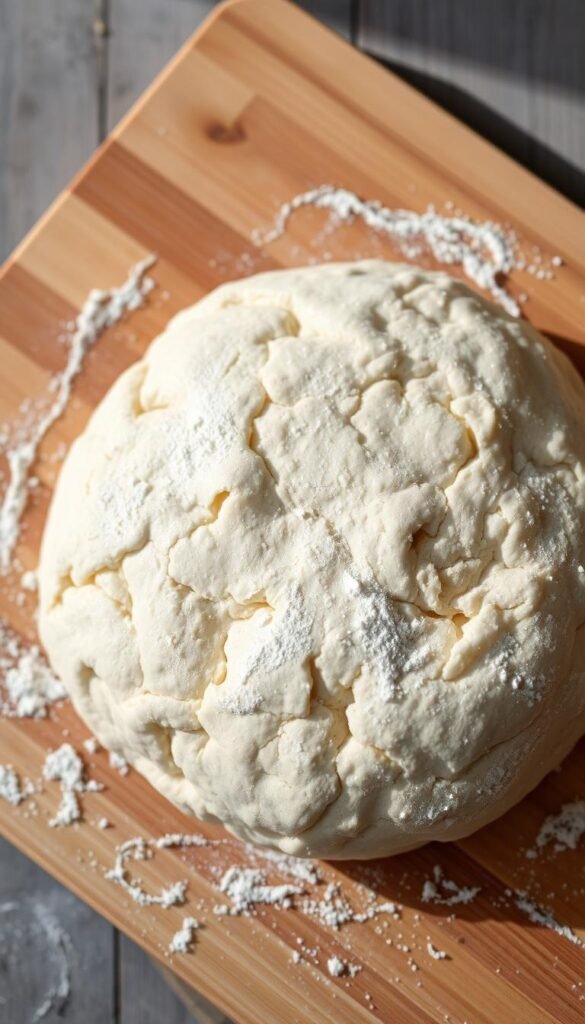
Making pizza with 100% whole wheat flour is a great way to increase the nutritional value of your meal. Whole wheat flour contains more fiber, vitamins, and minerals compared to refined flour. However, it can be denser and have a nuttier flavor. To achieve a lighter texture and balanced flavor, it’s essential to use the right techniques.
Ingredients and Method
To make 100% whole wheat pizza dough, you’ll need whole wheat flour, yeast, salt, water, and a bit of olive oil. The key is to properly hydrate the dough and knead it to develop the gluten. A longer kneading time or using a stand mixer can help. Let the dough rise for at least an hour before shaping and baking.
Mixed Grain Pizza Dough
Mixed grain pizza dough combines the nutritional benefits of various grains, offering a complex flavor profile and improved texture. By blending whole wheat, spelt, and other grains, you can create a dough that’s both nutritious and delicious.
Ingredients and Method
For mixed grain pizza dough, combine different types of flour such as whole wheat, spelt, and rye. Add yeast, salt, and water, and knead the dough until it becomes smooth and elastic. Let it rise before shaping and topping.
Low-Carb Cauliflower Pizza Crust
For those watching their carb intake, a cauliflower pizza crust is a fantastic alternative. It requires some preparation to get the cauliflower to the right consistency, but the result is a delicious and healthy crust.
Ingredients and Method
To make a cauliflower crust, pulse cauliflower in a food processor until it resembles rice. Cook it in a pan, then squeeze out as much moisture as possible. Mix with cheese, egg, and seasonings, shape into a crust, and bake until golden.
High-Protein Pizza Dough
High-protein pizza dough is perfect for fitness enthusiasts. By incorporating ingredients like vital wheat gluten, Greek yogurt, and protein powder, you can boost the protein content of your pizza.
Ingredients and Method
Combine flour, vital wheat gluten, yeast, salt, Greek yogurt, and protein powder to make the dough. Knead until smooth, let it rise, and then shape and top as desired.
Sourdough Pizza Crust
Sourdough pizza crust offers a unique flavor and several digestive benefits. The natural fermentation process breaks down some of the gluten, making it easier to digest for some people.
Ingredients and Method
To make a sourdough pizza crust, you’ll need a sourdough starter, flour, water, and salt. Mix the ingredients, knead the dough, and let it ferment for several hours. Shape and bake for a delicious, tangy crust.
These healthier pizza dough options not only provide a nutritious base for your favorite toppings but also offer a delicious alternative to traditional pizza crusts. Experiment with different ingredients and techniques to find your perfect match.
Gluten-Free Pizza Dough Recipes
Celiac disease and gluten sensitivity shouldn’t stop you from enjoying your favorite pizza. With the right ingredients and techniques, you can create delicious gluten-free pizza dough that rivals its traditional counterpart. In this section, we’ll explore four different recipes catering to various tastes and dietary needs, along with tips for overcoming common challenges in gluten-free baking.
Recipe16: All-Purpose Gluten-Free Pizza Dough
This versatile recipe uses a blend of alternative flours to replicate the elasticity of gluten. Key ingredients include rice flour, tapioca starch, and potato starch, along with xanthan gum for structure.
Ingredients and Method
- 1 1/2 cups rice flour
- 1/4 cup tapioca starch
- 1/4 cup potato starch
- 1 tsp xanthan gum
- 1 tsp salt
- 1 tbsp sugar
- 1 cup warm water
- 1 tbsp olive oil
Combine dry ingredients, then add wet ingredients. Mix until a dough forms. Knead for 2-3 minutes and let rise for 1 hour.
Recipe17: Almond Flour Pizza Crust
For a lower-carb, higher-protein option, almond flour is an excellent choice. This crust has a nutty flavor and requires careful handling to prevent burning.
Ingredients and Method
- 2 cups almond flour
- 1/4 cup coconut flour
- 1/2 tsp salt
- 1/4 tsp baking soda
- 1 large egg
- 1/4 cup olive oil
Mix dry ingredients, then add wet ingredients. Form into a ball and flatten into a disk. Bake at 425°F (220°C) for 12-15 minutes.
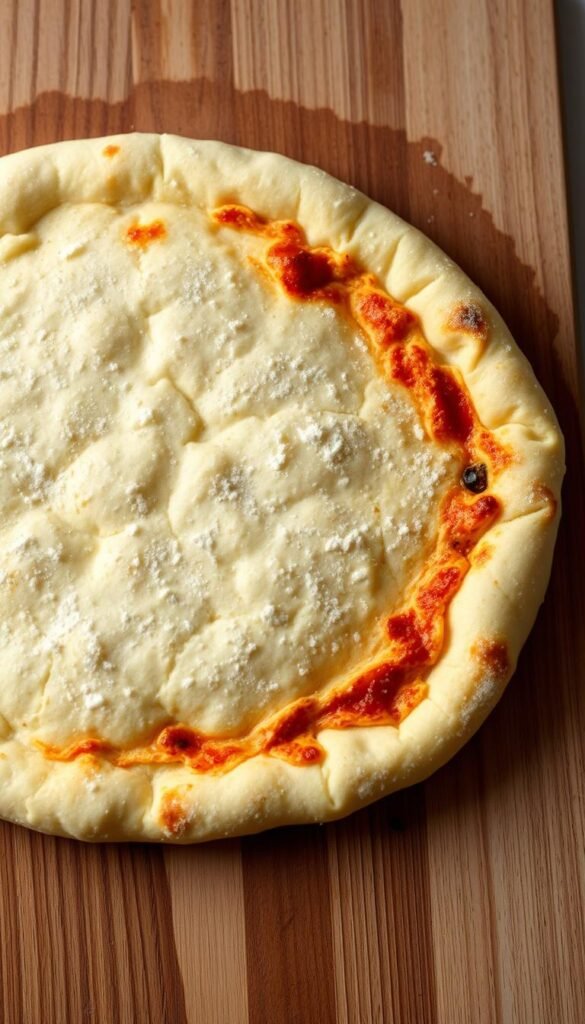
Recipe18: Chickpea Flour Pizza Base
Chickpea flour, also known as gram flour, provides a protein-rich base with a savory flavor. It’s a staple in Mediterranean cuisine and works well for pizza.
Ingredients and Method
- 1 1/2 cups chickpea flour
- 1/2 cup water
- 1/4 tsp salt
- 1 tbsp olive oil
Whisk together ingredients to form a batter. Pour onto a greased baking sheet and spread thinly. Bake at 400°F (200°C) for 15-20 minutes.
Recipe19: Rice Flour Pizza Dough
Rice flour provides a light, crispy crust that’s allergen-friendly. Proper hydration and binding are key to a successful rice flour pizza dough.
Ingredients and Method
- 2 cups rice flour
- 1/4 cup cornstarch
- 1/4 cup potato starch
- 1 tsp salt
- 1 tbsp sugar
- 1 cup warm water
- 1 tbsp olive oil
Combine dry ingredients, then add wet ingredients. Mix until a dough forms. Knead for 2-3 minutes and let rise for 1 hour.
Common challenges in gluten-free baking include dryness, crumbling, or gummy textures. To overcome these, ensure proper hydration, use the right combination of flours, and don’t overmix the dough. For those with celiac disease, be mindful of cross-contamination by using dedicated gluten-free equipment and preparation areas.
Specialty and Flavored Pizza Dough Recipes
Explore the art of crafting flavored pizza dough that becomes the star of your culinary creations. Specialty pizza doughs offer a world of flavors and textures that can elevate your homemade pizzas to new heights. From garlic and herb-infused crusts to sweet dessert pizzas, the possibilities are endless.
Recipe20: Garlic and Herb Infused Pizza Dough
Infusing your pizza dough with garlic and herbs adds a depth of flavor that complements a variety of toppings. To make this dough, you’ll need ingredients like fresh rosemary, garlic cloves, and olive oil.
Ingredients and Method
Combine 2 cups of warm water, 2 teaspoons of sugar, and 1 teaspoon of active dry yeast. Let it sit for 5 minutes until frothy. Add 3 cups of all-purpose flour, 1 teaspoon of salt, 2 cloves of minced garlic, and 2 tablespoons of chopped fresh rosemary. Mix until a dough forms. Knead for 10 minutes and let it rise for 1 hour.
Recipe21: Cornmeal Crust Pizza Dough
Cornmeal crust pizza dough adds a delightful crunch and a hint of sweetness. It’s perfect for rustic-style pizzas or those topped with bold ingredients.
Ingredients and Method
Mix 2 cups of warm water, 1 teaspoon of sugar, and 1 teaspoon of active dry yeast. After 5 minutes, add 2 cups of all-purpose flour, 1/2 cup of cornmeal, 1 teaspoon of salt, and 2 tablespoons of olive oil. Knead for 10 minutes and let it rise for 1 hour.
Recipe22: Stuffed Crust Pizza Dough
Stuffed crust pizzas are a fun twist on traditional pizzas. They involve encasing cheese or other fillings within the crust.
Ingredients and Method
Prepare a basic pizza dough. Divide it into two portions. Roll out the first portion into a circle. Place cheese or fillings around the edge, then cover with the second portion, sealing the edges. Let it rise for 30 minutes and bake at 425°F for 15-20 minutes.
“The art of making pizza dough is not just about following a recipe, it’s about understanding the ingredients and the process.”
Recipe23: Pretzel Pizza Dough
Pretzel pizza dough combines the best of both worlds, offering a salty, crusty exterior with a soft interior.
Ingredients and Method
Mix 2 cups of warm water, 1 teaspoon of sugar, and 1 teaspoon of active dry yeast. After 5 minutes, add 3 cups of bread flour, 1 teaspoon of salt, and 1/4 cup of baking soda. Knead for 10 minutes. Shape into pretzels, dip in boiling water with baking soda, and bake at 400°F for 15-20 minutes.
| Recipe | Key Ingredients | Baking Time |
|---|---|---|
| Garlic and Herb | Garlic, Rosemary | 15-20 minutes |
| Cornmeal Crust | Cornmeal, Olive Oil | 15-20 minutes |
| Stuffed Crust | Cheese, Various Fillings | 20-25 minutes |
Recipe24: Sweet Dessert Pizza Dough
Sweet dessert pizzas are perfect for a unique dessert option. This dough is sweetened and enriched, ideal for fruit or chocolate toppings.
Ingredients and Method
Combine 1 cup of warm milk, 1 teaspoon of sugar, and 1 teaspoon of active dry yeast. After 5 minutes, add 2 cups of all-purpose flour, 1/4 cup of granulated sugar, 1/4 teaspoon of salt, and 2 tablespoons of melted butter. Knead for 10 minutes and let it rise for 1 hour.
Recipe25: Grilled Pizza Dough
Grilled pizza dough is perfect for outdoor cooking. It requires a higher oil content to prevent sticking.
Ingredients and Method
Mix 2 cups of warm water, 1 teaspoon of sugar, and 1 teaspoon of active dry yeast. After 5 minutes, add 3 cups of all-purpose flour, 1 teaspoon of salt, and 2 tablespoons of olive oil. Knead for 10 minutes. Brush with olive oil before grilling over medium heat for 2-3 minutes per side.
These specialty and flavored pizza dough recipes offer a range of creative possibilities for pizza enthusiasts. Whether you’re looking to impress at a dinner party or simply elevate your weeknight meals, these doughs provide a delicious foundation for your culinary creations.
Troubleshooting Common Pizza Dough Problems
Even experienced pizza makers encounter dough-related issues, but most problems are easily fixable. Understanding the common pitfalls and how to address them can elevate your pizza-making skills and ensure consistently delicious results.
Fixing Sticky or Dry Dough
One of the most common issues with pizza dough is achieving the right texture. If your dough is too sticky, it can be challenging to work with. To fix this, gradually incorporate small amounts of flour until you reach the desired consistency. Be cautious not to overwork the dough, as this can lead to a tough crust. On the other hand, if your dough is too dry and crumbly, it may be due to insufficient moisture. You can rectify this by adding water or other liquid ingredients gradually, mixing gently to avoid overworking the dough.
For sticky dough, handling techniques are also crucial. Using a dough scraper or lightly floured hands can minimize sticking to surfaces. For dry dough, ensuring that the ingredients are well mixed and that the dough is given adequate time to rest can help in achieving a better texture.
Solutions for Dough That Won’t Rise
A common frustration for pizza makers is dough that fails to rise properly. This issue often stems from problems with yeast activity. To troubleshoot, first check the viability of your yeast by testing it in warm water with a small amount of sugar. If the yeast is inactive, your dough won’t rise. Other factors that can inhibit rising include incorrect water temperature, unfavorable environmental conditions, or ingredient interactions. To create an optimal rising environment, ensure your dough is in a warm, draft-free place. If your dough is rising too slowly, consider using a proofing box or adjusting your recipe to include a preferment.
Rescue techniques for sluggish dough include gently re-kneading the dough to redistribute yeast and checking for any overlooked ingredients that might be hindering yeast activity. By understanding these common issues and applying the right fixes, you can save your dough and achieve a perfectly risen crust.
25 Easy Pizza Dough Recipes You Can Make at Home: Tips for Success
The secret to a great pizza lies not just in the recipe, but in the techniques used to prepare the dough. Whether you’re a beginner or an experienced pizza maker, mastering a few key skills can significantly improve your homemade pizzas.
Proper Kneading Techniques
Kneading is a crucial step in developing the gluten structure in pizza dough, which affects its texture and elasticity. There are several kneading methods, including traditional hand kneading, fold-and-turn techniques, and machine kneading. Hand kneading involves working the dough on a floured surface for about 10 minutes until it becomes smooth and elastic. The fold-and-turn technique simplifies this process by folding the dough in half and rotating it 90 degrees, repeating this motion several times. For those who prefer a more automated approach, machine kneading using a stand mixer with a dough hook attachment can significantly reduce the effort required.
| Kneading Method | Effort Level | Time Required |
|---|---|---|
| Hand Kneading | High | 10 minutes |
| Fold-and-Turn | Medium | 5-7 minutes |
| Machine Kneading | Low | 2-3 minutes |
Mastering the Art of Dough Stretching
Stretching pizza dough into the desired shape can be intimidating, but with practice, it becomes second nature. Start by gently stretching the dough from the center outwards, using your fingers to shape it into a circle or rectangle, depending on your preference. For a more dramatic effect, you can try the tossing technique, where you gently toss the dough in the air, rotating it as you catch it. For beginners, a more controlled approach using a rolling pin can be effective.
Storage and Freezing Guidelines
Proper storage and freezing techniques can help you enjoy your homemade pizza dough at a later time. For short-term storage, dough can be refrigerated for up to 3 days. For longer storage, freezing is a great option. Divide the dough into portions, wrap them tightly in plastic wrap or aluminum foil, and place them in a freezer-safe bag. When you’re ready to use the frozen dough, simply thaw it in the refrigerator overnight and let it come to room temperature before shaping.
Conclusion
With 25 easy pizza dough recipes at your fingertips, the world of homemade pizza is now more accessible than ever. From classic Neapolitan to gluten-free and specialty crusts, the variety of pizza dough options ensures there’s something for every taste and dietary need. Embracing DIY pizza making not only offers numerous homemade pizza benefits, such as cost savings and ingredient control, but also provides a fun and rewarding culinary experience.
As you’ve explored the diverse range of recipes, from quick 30-minute doughs to more intricate sourdough creations, it’s clear that perfecting pizza dough is a journey. Experimenting with different techniques and ingredients allows you to discover your personal preferences and elevate your pizza game. Whether you’re a complete beginner or an experienced cook, the wealth of information provided empowers you to take control of your pizza nights.
Transforming pizza night into an engaging culinary activity can be a delightful experience for the whole family. By making pizza dough from scratch, you can enjoy the satisfaction of creating something delicious by hand. So, get started with your favorite recipe, and don’t be afraid to try new ones – the world of homemade pizza awaits!