Easy Dinner Ideas with Chicken: A Step-by-Step Guide
Surprising fact: Nearly 60% of home cooks say a 20-minute meal would dramatically cut weeknight stress — and that’s exactly the scale this guide targets.
This Website contains affiliate links. That means I may earn a small commission if you purchase through my links, at no extra cost to you.
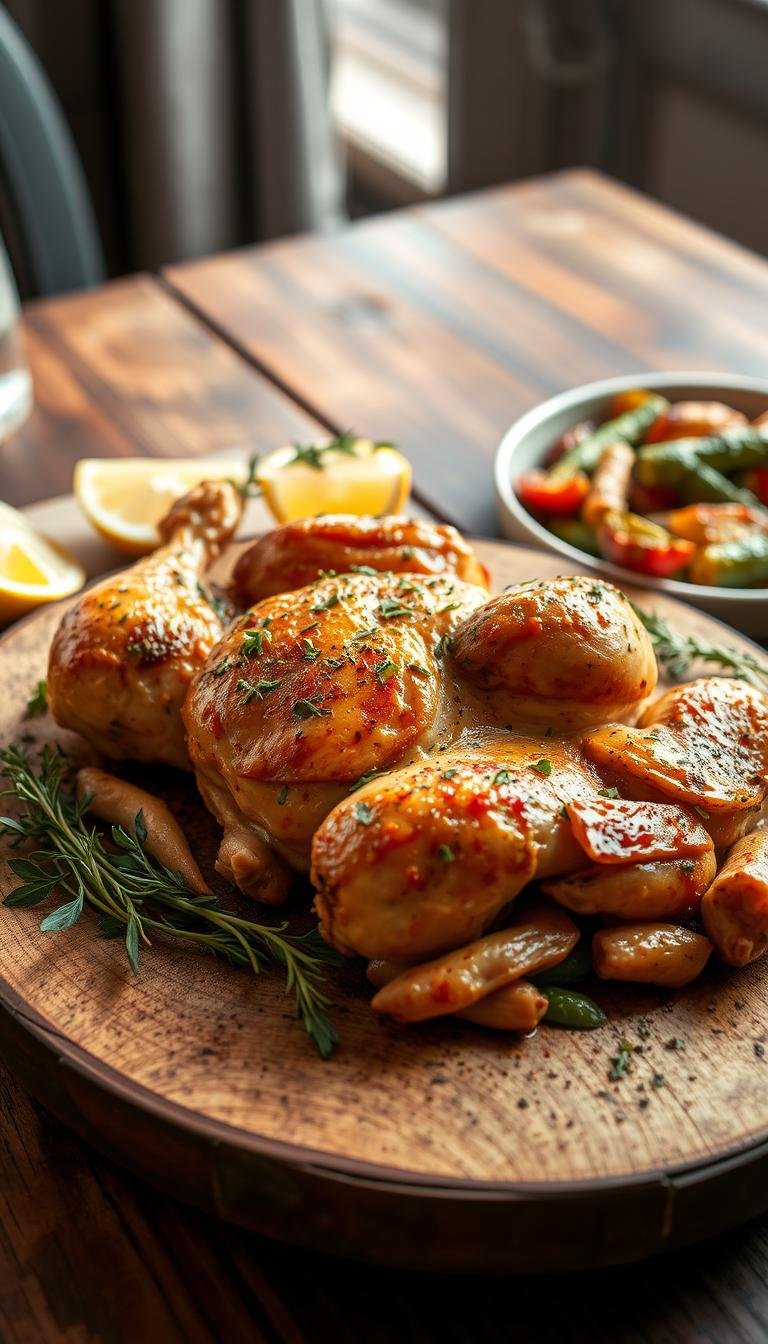
This short guide brings three trusted, fast methods together so you can move from prep to plate with confidence.
Start with a 15-minute honey-garlic skillet using cubed boneless, skinless pieces, low-sodium soy or tamari, and an optional cornstarch slurry for a glossy finish.
Try a creamy stovetop recipe—the Marry Me version—built on dredged cutlets, stock, cream, parmesan, and sundried tomatoes for rich flavor.
Or roast a sheet pan honey-garlic dish with broccoli or asparagus at 450°F and finish with a lemon-tamari-honey-garlic-gochujang sauce that caramelizes as it bakes.
Each approach includes timing cues, serving ideas like steamed rice, and storage and reheating tips.
Follow the steps to keep the protein juicy, the sauces glossy, and the cleanup minimal.
Key Takeaways
- Three fast methods: skillet glaze, creamy stovetop, and sheet pan roast.
- Prep smart: cut size and dredging speed up cook time and texture.
- Simple swaps like tamari for soy or thighs for breasts work well.
- Serve with steamed rice and quick bright toppings to balance richness.
- Follow timing cues to avoid overcooking and keep sauces glossy.
How to use this step-by-step guide for quick, flavorful chicken dinners
Pick the method that fits your available time and appetite: a quick skillet glaze, a creamy stovetop classic, or a hands-off sheet-pan roast. Each recipe includes clear timing anchors and simple sauce builds so you can match prep to the minutes you have.
Set your station before you start. Preheat the pan or oven, measure sauces and aromatics, and portion a side like rice so everything finishes hot together.
- Skim the steps to know when to sear, rest, and finish the sauce.
- Sear in a hot pan for a few minutes per side to lock moisture and build color.
- Assemble the sauce while the protein cooks to save time and streamline the finish.
- Watch doneness cues, not just the clock; small pieces cook faster and more evenly.
Use the sauce as a final touch to add glossy sheen and deep flavor. Toss pieces thoroughly so every bite gets coated, then plate with a bright garnish—herbs, sesame, or a citrus squeeze—to balance richness.
Keep cleanup simple. One-pan or sheet-pan flows cut dishes and save time. Follow the storage notes in each section so leftovers reheat well for an easy next meal or quick dinner the next day.
Pantry, protein, and tools: the simple setup for weeknight success
Stocking a few reliable staples and picking the right cut saves time and improves results. Keep low-sodium soy or tamari, honey, garlic, a small bag of flour, heavy cream, and real parmesan within reach.
Core staples to keep on hand
Essentials: olive oil, salt, pepper, soy or tamari, honey, flour, heavy cream, and parmesan. These cover both glazed and creamy sauce styles.
Choosing the protein
For speed and a lean profile, use boneless skinless chicken breasts cut into cubes or thin cutlets. They brown fast and cook through quickly.
Prefer richer flavor and more fat? Pick boneless, skinless thighs. They need a few extra minutes but stay juicy.
Heat, timing, and quick rules
Stovetop cutlets brown in about 3–5 minutes per side. Small 1/2-inch cubes finish even faster.
For sheet-pan roasting, set the oven to 450°F and expect 10–15 minutes, depending on piece size. A light dusting of flour helps browning and lets the sauce cling.
“Match pan size to protein volume: crowding traps steam and stops browning.”
| Item | Why it matters | Quick tip |
|---|---|---|
| Flour | Promotes crisping and helps sauce adhere | Light dusting, shake off excess |
| Olive oil | High-heat searing and flavor carrier | Heat until shimmering before adding protein |
| Heavy cream & Parmesan | Create silky, cohesive creamy sauces | Use fresh-grated cheese for best texture |
| Tamari / Low-sodium soy | Control salt while keeping savory depth | Swap tamari for gluten-free needs |
- Keep finishers like green onions, citrus, and sesame on hand for brightness.
- Use a hot, roomy pan to promote sear; avoid crowding.
15-minute honey garlic chicken in a skillet: fast glaze, big flavor
Bright, sticky honey and garlic turn quick-cut boneless meat into a glossy skillet supper in about 15 minutes. Begin by prepping everything: cube the breasts, measure the sauce, and have a spoon-ready cornstarch slurry if you like a thicker finish.
Prep and sear
Heat 2 teaspoons olive oil over medium-high in a roomy skillet. Lightly season 1 1/2 pounds cubed boneless skinless chicken breasts (roughly 1/2-inch cubes) with salt and black pepper.
Sear the pieces without crowding so they brown, not steam. Brown on one side about 3–4 minutes before flipping.
Make the sauce
Whisk together 3 tablespoons honey, 3 tablespoons low-sodium soy or tamari, 3 cloves minced garlic, and an optional 1/4 teaspoon red pepper flakes. This simple list of ingredients gives a strong sweet-salty-garlic profile.
Glaze and finish
Flip the chicken, pour in the sauce, and toss to coat. Cook 4–5 more minutes until the chicken is cooked through and the sauce concentrates into a glossy coating.
Thickening and balance
If the sauce is too thin, mix 1–3 teaspoons cornstarch with 1 tablespoon water and stir in during the last 1–2 minutes. Taste and adjust: add a touch more honey if it needs sweetness or a splash of water if the pan is too sticky.
Serving and storage
Serve over hot rice and garnish with sliced green onions, sesame seeds, and a squeeze of lime. Quick steamed greens make a bright side.
- Leftovers keep 4–5 days; reheat gently with sauce so the chicken stays moist.
- Tip: cut even-size cubes so each piece finishes in the same number of minutes.
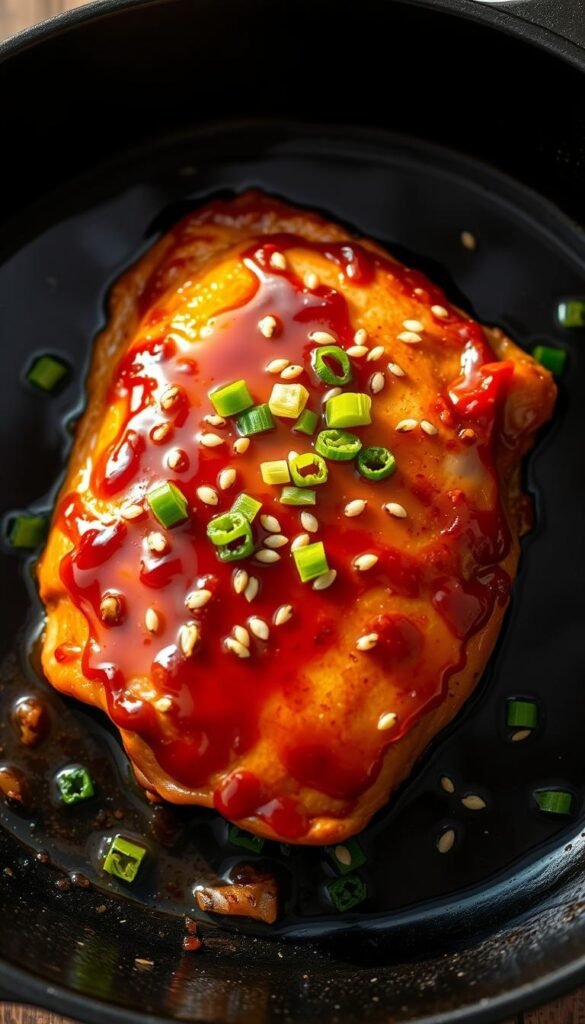
“Brown first, sauce later: searing locks juices so the glaze clings without drying the meat.”
“Marry Me Chicken” on the stovetop: creamy skillet perfection
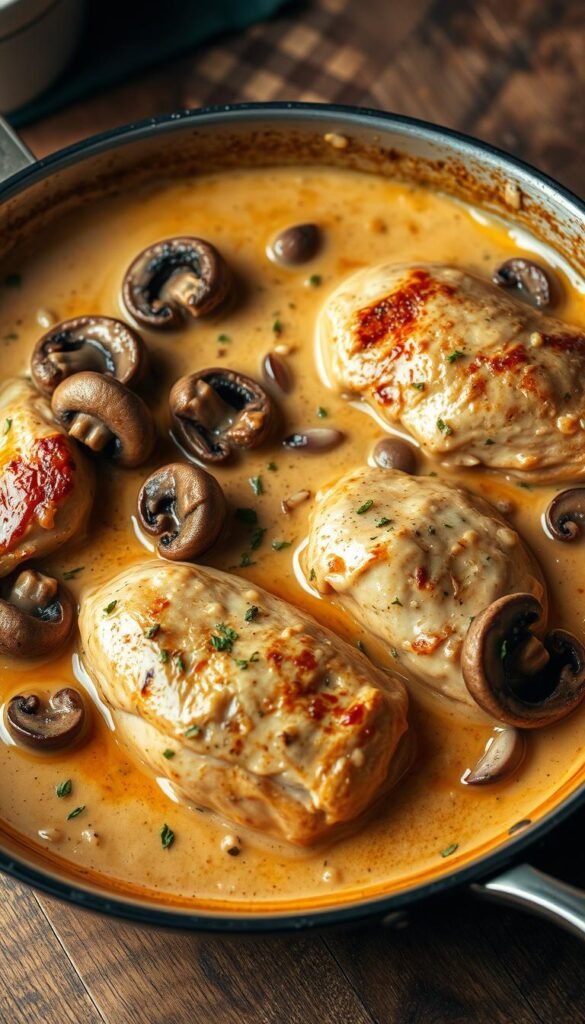
Browned cutlets meet a cream-and-cheese sauce that comes together fast on the stove. This method makes a silky, rich sauce that clings to thinly sliced breast cutlets and tastes like more time was spent than it actually took.
Dredge and brown: Season sliced chicken breast cutlets with salt and pepper and dredge lightly in flour. Heat 2 tablespoons olive oil and 2 tablespoons butter in a skillet and brown cutlets 4–5 minutes per side. Remove and set aside.
Build the sauce: Sauté 3 minced garlic cloves for 1 minute, then deglaze with 1 cup chicken stock. Reduce to medium-low and stir in 1 cup heavy cream and 1/2 cup freshly grated parmesan. Simmer a couple minutes until slightly thickened.
Finish and serve: Season with 1 teaspoon chili flakes, 1/4 teaspoon oregano, and 1/4 teaspoon thyme. Stir in 1/3 cup chopped sundried tomatoes, return the cutlets, and simmer briefly so the sauce clings. Garnish with chopped basil and serve over pasta or rice.
Pro tips: Grate parmesan from a block for best melt. Do not substitute half-and-half; it won’t thicken properly. Reheat leftovers gently with a splash of water. Creamy sauces do not freeze well.
| Step | Key measure | Why it matters |
|---|---|---|
| Dredge and brown | 2 tbsp olive oil, 2 tbsp butter | Creates a golden crust and flavor base |
| De-glaze & simmer | 1 cup chicken stock, 1 cup cream | Builds depth and silky texture |
| Finish | 1/2 cup parmesan, 1/3 cup sundried tomatoes | Cheese melts into a glossy sauce; tomatoes add savory sweetness |
| Season | 1 tsp chili flakes, herbs | Layers mild heat and aromatic depth |
“Grate fresh cheese and use heavy cream for a stable, velvety sauce.”
Sheet pan honey garlic chicken with veggies: crispy, sticky, and hands-off
A fast sheet-pan roast delivers caramelized edges and a glossy glaze with almost no babysitting. Preheat the oven to 450°F and line a pan so cleanup stays simple.
Quick prep: Cut breasts or thighs into even cubes. Toss with garlic powder, black pepper, chile flakes, a light dusting of flour, and a drizzle of olive oil.
Roast smart: Spread chicken on one side of the pan. Arrange broccoli or asparagus on the other, tossed with olive oil and pepper. Roast 10–15 minutes until the chicken cooked through and vegetables are tender-crisp.
Sauce it right: Whisk tamari or soy, lemon juice, honey, grated garlic, a spoon of gochujang, chopped green onion, and toasted sesame oil for a bold, sticky sauce.
Toss and bake: Remove the vegetables, pour sauce over the meat, toss to coat, then return the pan to the oven about 5 minutes so the glaze thickens and bakes on.
Serve and store: Spoon over hot rice and finish with sesame seeds and extra green onion. Leftovers reheat gently to keep the sticky finish intact.
| Step | Timing | Key tip |
|---|---|---|
| Prep & season | 5 minutes | Even cubes ensure consistent doneness |
| Roast initial | 10–15 minutes | High heat browns edges without overcooking |
| Glaze & finish | ≈5 minutes | Return to oven so sauce bakes and clings |
| Serve | Immediate | Plate with rice and a sprinkle of sesame seeds |
“Choose thighs for richer flavor and breasts for a lean, fast cook—cut size controls the total time.”
Conclusion
, Match your available minutes to a method—ultra-fast sear, rich stovetop sauce, or an easy sheet-pan roast—and cook with confidence.
Choose the speed that fits the night: a 15-minute honey-garlic skillet, a creamy Marry Me stovetop, or a 30-minute sheet-pan with vegetables. Each approach uses common pantry staples and gives a balanced sweet, salty, and savory profile.
Keep simple sides ready: steamed rice and quick greens finish the plate with minimal work. Cut protein evenly and cook at the right heat so the sauce clings and the meat stays tender without excess fat.
Rotate these recipes through the week, scale them for guests, and reheat gently for reliable next-day meals. Use this guide as a quick playbook for stress-free, flavorful dinner results.