20 Easy Greek Yogurt Pizza Dough Ideas
Did you know that making homemade pizza dough can be both healthy and simple? Using Greek yogurt in pizza dough is a game-changer, offering a higher protein content and fewer calories compared to traditional recipes.
This Website contains affiliate links. That means I may earn a small commission if you purchase through my links, at no extra cost to you.
This innovative approach to pizza making is gaining popularity, and for good reason. It not only simplifies the dough preparation process but also results in a deliciously healthy pizza crust. In this article, we’ll explore 20 creative Greek yogurt pizza dough ideas that will transform your pizza nights into a healthier, equally delicious experience.
Key Takeaways
- Discover the benefits of using Greek yogurt in pizza dough.
- Learn how to make a healthier pizza crust at home.
- Explore creative pizza ideas using Greek yogurt pizza dough.
- Understand how Greek yogurt simplifies pizza dough preparation.
- Find out how to make delicious homemade pizza dough with fewer calories.
The Magic of Greek Yogurt in Pizza Making
The incorporation of Greek yogurt in pizza dough has revolutionized the way we approach this beloved dish. By leveraging the unique properties of Greek yogurt, pizza enthusiasts can create a crust that is not only delicious but also healthier.
Why Greek Yogurt Creates Perfect Pizza Dough
Greek yogurt contains a high protein content and a tangy acidity that makes it an ideal ingredient for pizza dough. The protein structure in Greek yogurt interacts with flour to create a workable, elastic dough without the need for yeast or lengthy rising times. This results in a crust that is both tangy and flavorful. The key benefits include:
- Improved dough elasticity
- Enhanced flavor profile
- Reduced preparation time
Health Benefits Compared to Traditional Dough
Compared to traditional pizza dough, Greek yogurt dough offers several health benefits. It is high in protein, contains probiotics, and has a lower carbohydrate content. Here are some key nutritional comparisons:
- Higher Protein Content: Greek yogurt dough contains more protein than traditional dough, making it a more satisfying option.
- Lower Carbohydrates: With fewer carbs, Greek yogurt pizza dough is a better choice for those monitoring their carbohydrate intake.
- Probiotic Benefits: Although some probiotics may not survive baking, Greek yogurt still contributes to a healthier gut.
These benefits make Greek yogurt pizza dough an excellent option for health-conscious individuals who don’t want to give up pizza.
Basic Greek Yogurt Pizza Dough Recipe
Greek yogurt adds a magical twist to traditional pizza dough, making it easier to make at home. This simple yet effective ingredient transforms the pizza-making process, providing a healthier alternative without compromising on taste or texture. The basic Greek yogurt pizza dough recipe serves as the foundation for the 20 creative pizza ideas that follow.
Essential Ingredients You’ll Need
To make this easy Greek yogurt pizza dough, you’ll need just a few simple ingredients. The key components include:
- 1 cup Greek yogurt
- 2 cups all-purpose flour
- 1/2 teaspoon salt
- 1 tablespoon olive oil
- 1 teaspoon sugar
Using Greek yogurt as the base provides moisture and tenderness to the crust. For those with dietary restrictions, consider substituting the all-purpose flour with a gluten-free blend or whole wheat flour for added nutrition.
| Ingredient | Quantity | Purpose |
|---|---|---|
| Greek Yogurt | 1 cup | Moisture and tenderness |
| All-purpose Flour | 2 cups | Structure and texture |
| Salt | 1/2 teaspoon | Flavor enhancement |
Step-by-Step Preparation Method
Preparing the dough is straightforward. Begin by combining the dry ingredients (flour, salt, and sugar) in a large mixing bowl. In a separate bowl, mix the Greek yogurt and olive oil until smooth. Gradually add the wet ingredients to the dry ingredients, stirring until a dough forms. Knead the dough on a floured surface for about 5 minutes, until it becomes smooth and elastic.
Tips for achieving the perfect consistency: If the dough is too sticky, add a small amount of flour. If it’s too dry, add a bit more yogurt.
Storage and Make-Ahead Tips
This no-yeast Greek yogurt pizza dough can be prepared ahead of time, making it perfect for busy weeknights. You can store the dough in the refrigerator for up to 24 hours or freeze it for up to 3 months. To freeze, divide the dough into portions, wrap tightly in plastic wrap, and place in a freezer-safe bag. When ready to use, thaw overnight in the refrigerator or at room temperature for a few hours.
Storage Options:
- Refrigerate raw dough for up to 24 hours
- Freeze raw dough for up to 3 months
- Par-bake dough and freeze for later use
20 Easy Greek Yogurt Pizza Dough Ideas
Exploring the world of Greek yogurt pizza dough opens up a realm of culinary possibilities, from classic margherita to innovative dessert pizzas. The versatility of this dough allows for a wide range of toppings and flavor combinations, making it easy to create pizzas that cater to various tastes and dietary preferences.
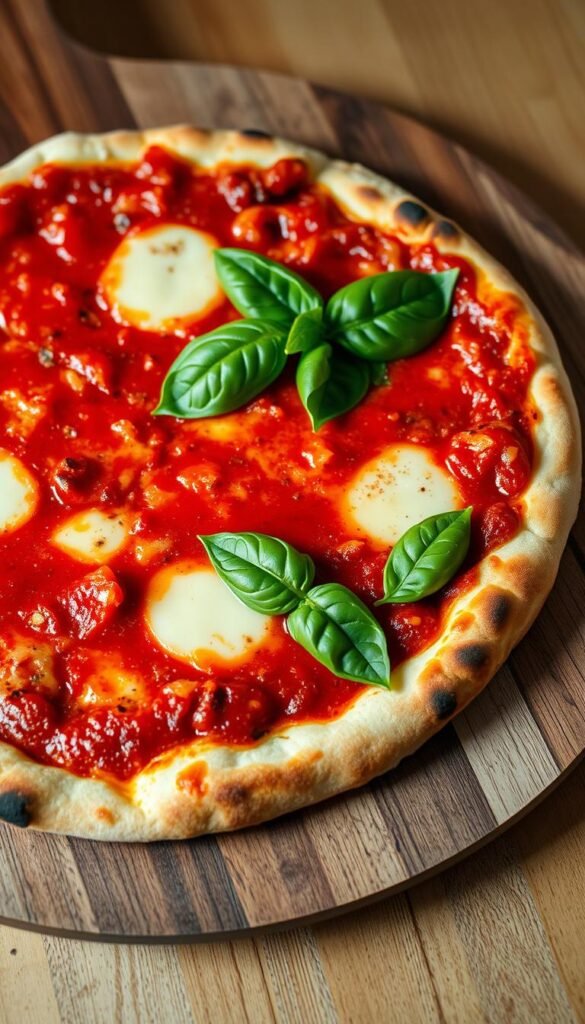
1. Classic Margherita with Fresh Basil
The classic margherita pizza is a timeless favorite, and when made with Greek yogurt dough, it gains an extra layer of tenderness. To make this pizza, you’ll need fresh tomatoes, mozzarella cheese, and basil leaves.
- Ingredients: Fresh tomatoes, mozzarella cheese, basil leaves, olive oil
- Instructions: Spread a thin layer of tomato sauce over the dough, top with mozzarella slices, and bake until the cheese is melted and bubbly.
- Cooking Time: 12-15 minutes at 425°F (220°C)
2. Mediterranean Veggie Delight with Olives and Feta
This pizza is a celebration of Mediterranean flavors, featuring olives, feta cheese, and a variety of vegetables. The tanginess of the feta pairs perfectly with the Greek yogurt dough.
- Ingredients: Olives, feta cheese, artichoke hearts, sun-dried tomatoes, fresh parsley
- Instructions: Top the dough with a mix of Mediterranean vegetables and feta, drizzle with olive oil, and bake until the crust is golden.
- Cooking Time: 15-18 minutes at 425°F (220°C)
3. BBQ Chicken with Red Onions
For a BBQ chicken pizza, the Greek yogurt dough provides a nice contrast to the smoky BBQ sauce and the sweetness of the red onions.
- Ingredients: Grilled chicken, BBQ sauce, red onions, cilantro
- Instructions: Spread BBQ sauce over the dough, top with grilled chicken and red onions, and bake until the crust is crispy.
- Cooking Time: 12-15 minutes at 425°F (220°C)
4. Pesto and Goat Cheese with Pine Nuts
Pesto and goat cheese make a creamy and flavorful combination on Greek yogurt dough, especially when topped with toasted pine nuts for added crunch.
- Ingredients: Pesto, goat cheese, pine nuts, cherry tomatoes
- Instructions: Spread pesto over the dough, top with crumbled goat cheese and pine nuts, and bake until the cheese is melted.
- Cooking Time: 12-15 minutes at 425°F (220°C)
5. Buffalo Cauliflower with Ranch Drizzle
For a vegetarian option, buffalo cauliflower on Greek yogurt dough is a game-changer, especially when finished with a ranch drizzle.
- Ingredients: Cauliflower florets, buffalo sauce, ranch dressing, blue cheese crumbles
- Instructions: Toss cauliflower in buffalo sauce, top the dough with the cauliflower, and drizzle with ranch dressing after baking.
- Cooking Time: 15-18 minutes at 425°F (220°C)
| Pizza Idea | Main Ingredients | Cooking Time |
|---|---|---|
| Classic Margherita | Tomatoes, Mozzarella, Basil | 12-15 minutes |
| Mediterranean Veggie Delight | Olives, Feta, Artichoke Hearts | 15-18 minutes |
| BBQ Chicken | Chicken, BBQ Sauce, Red Onions | 12-15 minutes |
As we continue exploring these 20 easy Greek yogurt pizza dough ideas, you’ll find a mix of classic flavors, innovative combinations, and options catering to different dietary needs.
“The beauty of cooking with Greek yogurt dough lies in its versatility and the endless possibilities it offers for creating delicious pizzas that everyone can enjoy.”
Let’s proceed with the remaining pizza ideas, each offering unique flavors and textures that showcase the potential of Greek yogurt pizza dough.
Troubleshooting Your Greek Yogurt Pizza Dough
While Greek yogurt pizza dough offers numerous benefits, troubleshooting common issues is crucial for perfecting your pizza-making skills. Working with this dough can sometimes present challenges, but understanding how to address these problems is key to achieving a delicious homemade pizza.
Fixing Sticky or Dry Dough Issues
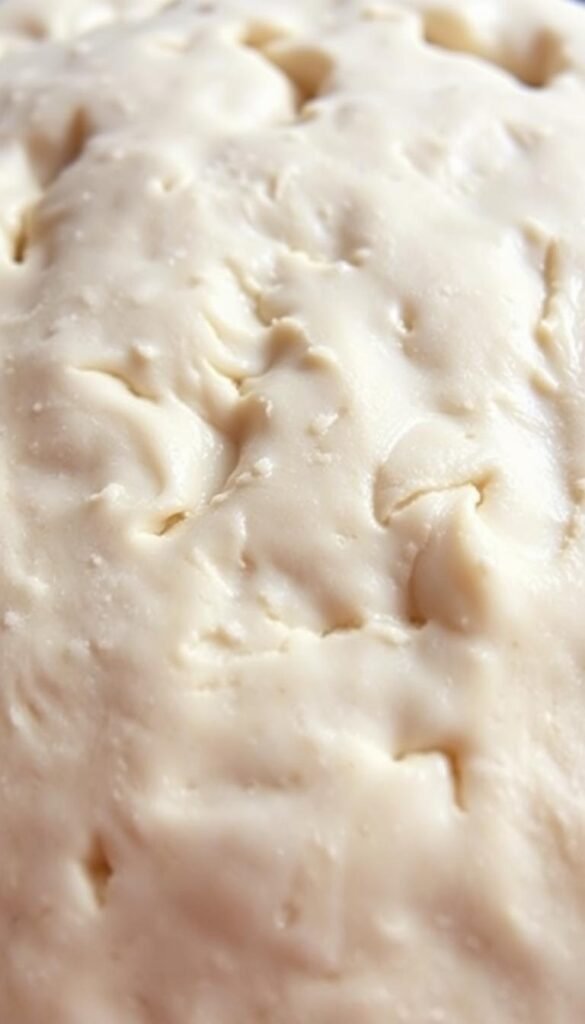
One of the most common problems encountered with Greek yogurt pizza dough is achieving the right consistency. If your dough is too sticky, it may be due to insufficient flour or too much yogurt. To fix this, gradually add small amounts of flour until the dough reaches a smooth, pliable texture. Conversely, if the dough is too dry, it could be a result of too much flour or inadequate moisture. In this case, adding a small amount of water or yogurt can help restore the dough’s elasticity. It’s essential to make these adjustments gradually to avoid overcorrecting.
Solutions for Common Baking Problems
Baking issues can also arise when working with Greek yogurt pizza dough. Problems such as uneven cooking, lack of crispiness, or excessive bubbling can be frustrating. To address uneven cooking, ensure your oven is preheated correctly and consider using a pizza stone to distribute heat evenly. If your crust isn’t crisping as desired, try baking it at a higher temperature for a shorter duration or pre-baking the crust before adding toppings. For issues with bubbling, pricking the dough with a fork before baking can help release trapped air, leading to a flatter crust.
Tips for Perfect Greek Yogurt Pizza Every Time
The secret to a flawless Greek yogurt pizza lies in understanding the nuances of cooking methods and temperatures. Achieving a perfect crust requires more than just the right ingredients; it demands a grasp of how different cooking techniques can elevate your pizza.
Best Cooking Methods and Temperatures
Different cooking methods can significantly impact the quality of your Greek yogurt pizza. Here are some techniques to try:
- Conventional Oven: Preheat to 450°F (230°C) for a crispy crust.
- Convection Oven: Use at 425°F (220°C) for an evenly cooked pizza.
- Pizza Stone: Preheat the stone at 500°F (260°C) for a perfectly cooked base.
- Cast Iron Pan: Cook on medium-high heat for a crispy crust and well-cooked toppings.
- Outdoor Grill: Grill at medium heat for a smoky flavor.
| Cooking Method | Temperature | Cooking Time |
|---|---|---|
| Conventional Oven | 450°F (230°C) | 12-15 minutes |
| Convection Oven | 425°F (220°C) | 10-12 minutes |
| Pizza Stone | 500°F (260°C) | 8-10 minutes |
| Cast Iron Pan | Medium-High Heat | 5-7 minutes |
| Outdoor Grill | Medium Heat | 2-3 minutes per side |
Equipment Recommendations for Home Bakers
Having the right equipment can make a significant difference in your pizza-making experience. Consider investing in:
- A pizza stone for a crispy crust.
- A pizza peel for easy transfer of the pizza.
- A pizza cutter for clean cuts.
- A cast iron pan for a well-cooked crust and toppings.
Time-Saving Preparation Hacks
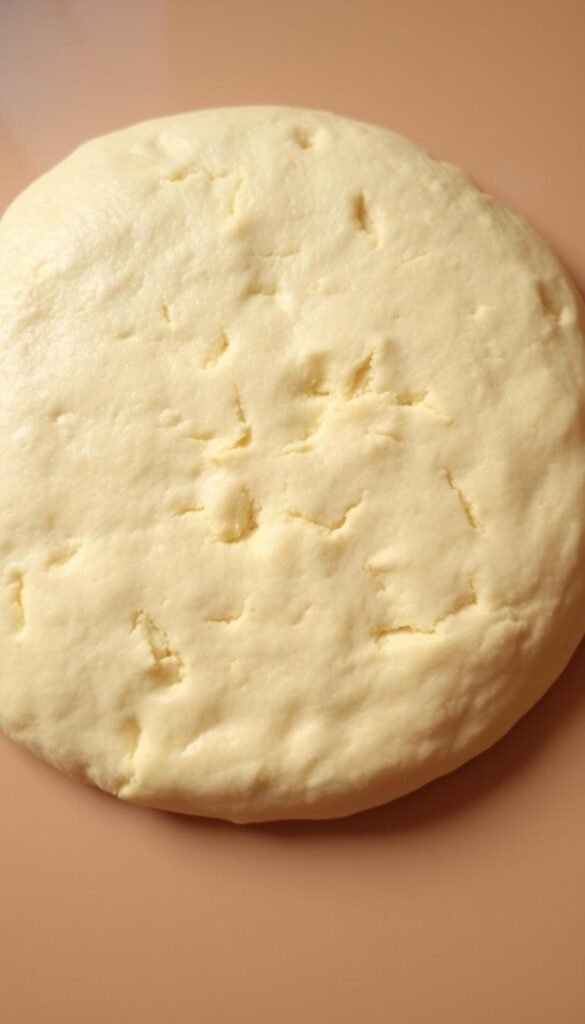
To save time without compromising on quality, try these preparation hacks:
- Batch Preparation: Make multiple doughs at once and store them in the freezer.
- Partial Pre-Baking: Pre-bake the crust for a few minutes before adding toppings for quick assembly.
- Efficient Workflow: Organize your toppings and ingredients before starting to assemble the pizza.
By implementing these tips, you’ll be well on your way to making perfect Greek yogurt pizzas every time.
Customizing Your Greek Yogurt Pizza Dough
Taking your Greek yogurt pizza dough to the next level involves experimenting with various ingredients and techniques. By making a few simple adjustments, you can create a truly unique pizza that suits your taste preferences.
Adding Herbs, Spices, and Flavor Enhancers
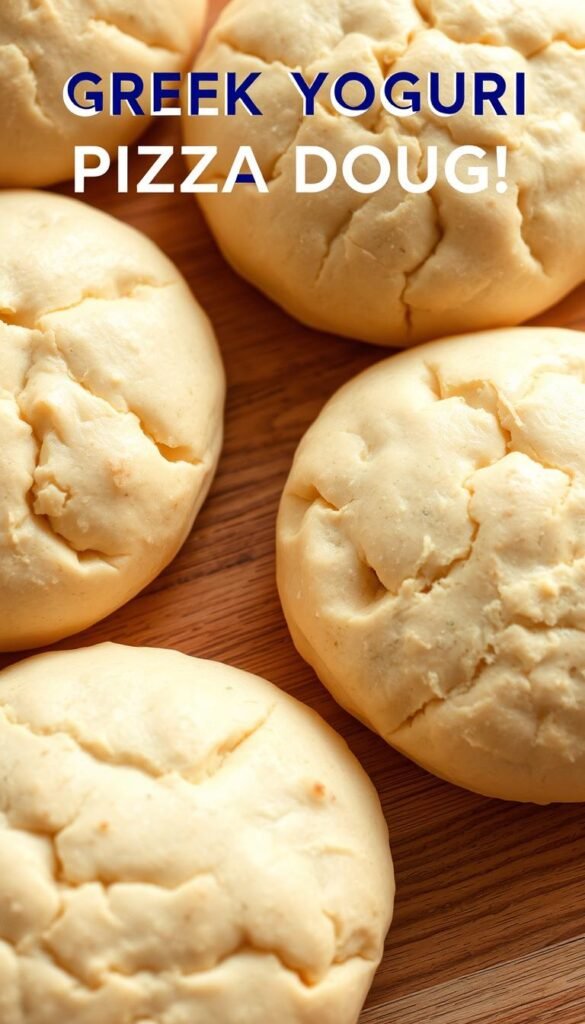
One way to customize your Greek yogurt pizza dough is by incorporating herbs, spices, and other flavor enhancers directly into the dough. For example, you can add Italian herb blends for a classic Mediterranean flavor or mix in garlic and rosemary for a savory twist. If you prefer a sweeter pizza, consider adding a hint of cinnamon and vanilla. When adding new ingredients, be mindful of how they might affect the dough’s behavior and cooking requirements.
| Herb/Spice | Amount to Add | Effect on Dough |
|---|---|---|
| Italian Herb Blend | 1 tsp | Enhances flavor, no significant effect on texture |
| Garlic Powder | 1/2 tsp | Adds savory flavor, may slightly affect browning |
| Cinnamon | 1/4 tsp | Adds sweetness, may affect browning |
Adjusting Texture, Thickness, and Consistency
Another way to customize your dough is by adjusting its texture, thickness, and consistency. For a thin and crispy crust, use less yeast and let the dough rise for a longer time. For a thick and chewy crust, use more yeast and a shorter rising time. You can also create specialty crusts like stuffed crust or pretzel crust by modifying the dough’s ingredients and shaping techniques.
Nutritional Information and Dietary Considerations
Understanding the nutritional content of Greek yogurt pizza dough is crucial for making informed dietary choices. Greek yogurt pizza dough offers a healthier alternative to traditional pizza dough, with a distinct nutritional profile that can cater to various dietary needs.
Calorie Comparison with Traditional Pizza
When comparing Greek yogurt pizza dough to traditional pizza dough, there are notable differences in calorie and macronutrient content. A serving of Greek yogurt pizza dough typically contains fewer calories and less carbohydrates compared to traditional dough. For instance, a slice of pizza made with Greek yogurt dough might have approximately 150-200 calories, with 4-5g of protein, 2-3g of fat, and 20-25g of carbohydrates. In contrast, traditional pizza dough can range from 250-350 calories per slice, with less protein and more carbohydrates. This comparison highlights the potential benefits of choosing Greek yogurt pizza dough for those monitoring their calorie intake.
Adapting for Special Dietary Needs
Greek yogurt pizza dough can be adapted to suit various dietary requirements and preferences. For a gluten-free version, almond flour or coconut flour can be used as substitutes, though this may alter the texture. For those requiring a dairy-free option, non-dairy yogurt alternatives like soy yogurt or coconut yogurt can replace Greek yogurt. To make a low-carb or keto-friendly pizza, cauliflower crust or almond flour crust can be used, significantly reducing carbohydrate content. Additionally, individuals with specific allergen concerns should be cautious about cross-contamination and choose ingredients accordingly.
- Use non-dairy yogurt for dairy-free options
- Opt for gluten-free flours like almond or coconut flour
- Choose cauliflower crust for low-carb versions
By making these adjustments, individuals with various dietary needs can enjoy pizza while adhering to their nutritional requirements.
Conclusion
Incorporating Greek yogurt into pizza dough opens up a world of healthier, delicious possibilities. The benefits of Greek yogurt pizza dough, including its high protein content and lower calorie count, make it an attractive alternative to traditional pizza dough.
With the basic Greek yogurt pizza dough recipe and the 20 easy pizza ideas presented, you can start experimenting with various toppings and customizations. From classic margherita to BBQ chicken and Mediterranean veggie delights, the options are endless, allowing you to create your own easy pizza recipes at home.
By adopting this homemade healthy pizza approach, you can enjoy a nutritious meal that’s both satisfying and flavorful. The versatility of Greek yogurt pizza dough makes it an ideal choice for those seeking nutritious pizza alternatives.
Now it’s your turn to get creative! Try out different topping combinations, share your favorite Greek yogurt pizza creations, and experience the joy of making healthy homemade pizza that’s tailored to your taste preferences.